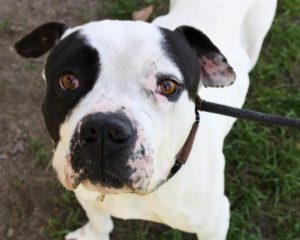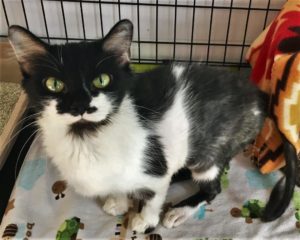



Author Archives: Bob Gordon

Teaching Children Well about Training and Responsible Pet Care

By Kathy Jacobs, FOTAS Program Director

Educating our children is essential for promoting better pet care and reducing the number of homeless dogs and cats.

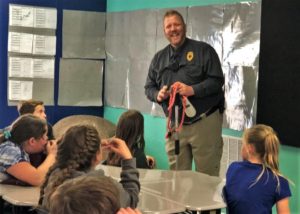
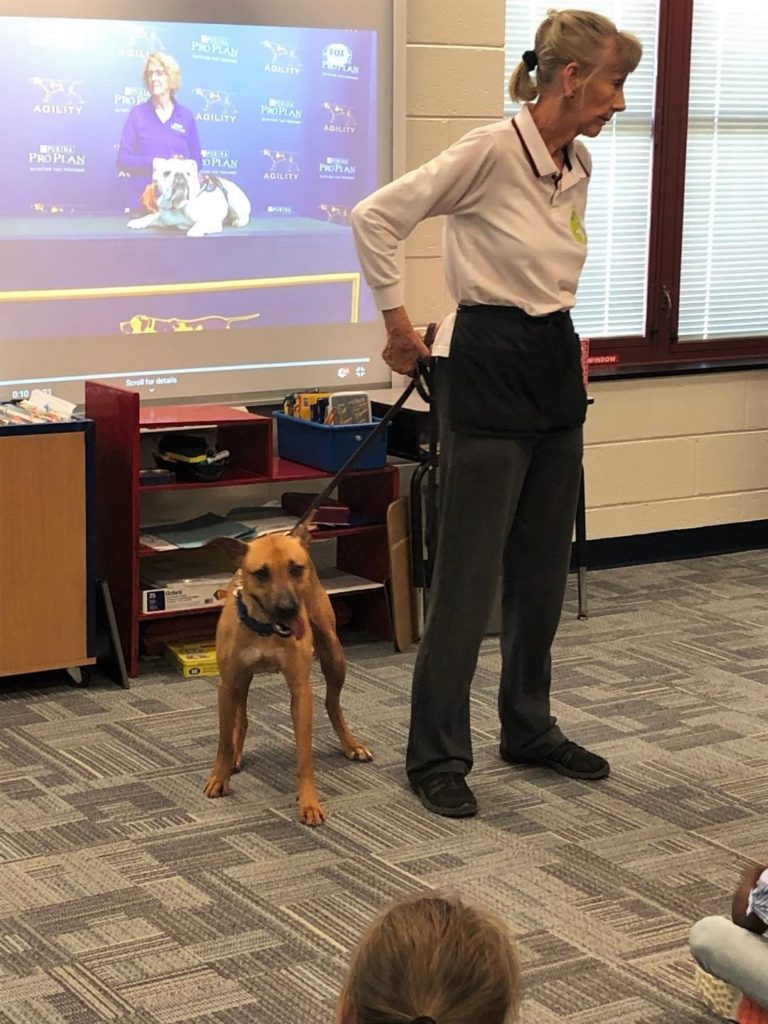
Last week, Dog Trainer Susi Cohen and I were invited to Oakwood Windsor Elementary School to share what we do to support the Aiken County Animal Shelter (ACAS). Susi, a trainer with the Palmetto Dog Club who volunteers her services to FOTAS, brought Holly, a young Retriever mix, to demonstrate basic dog training to the children. She explained that just as teachers use positive reinforcement with students, dog owners need to do the same with their pets.
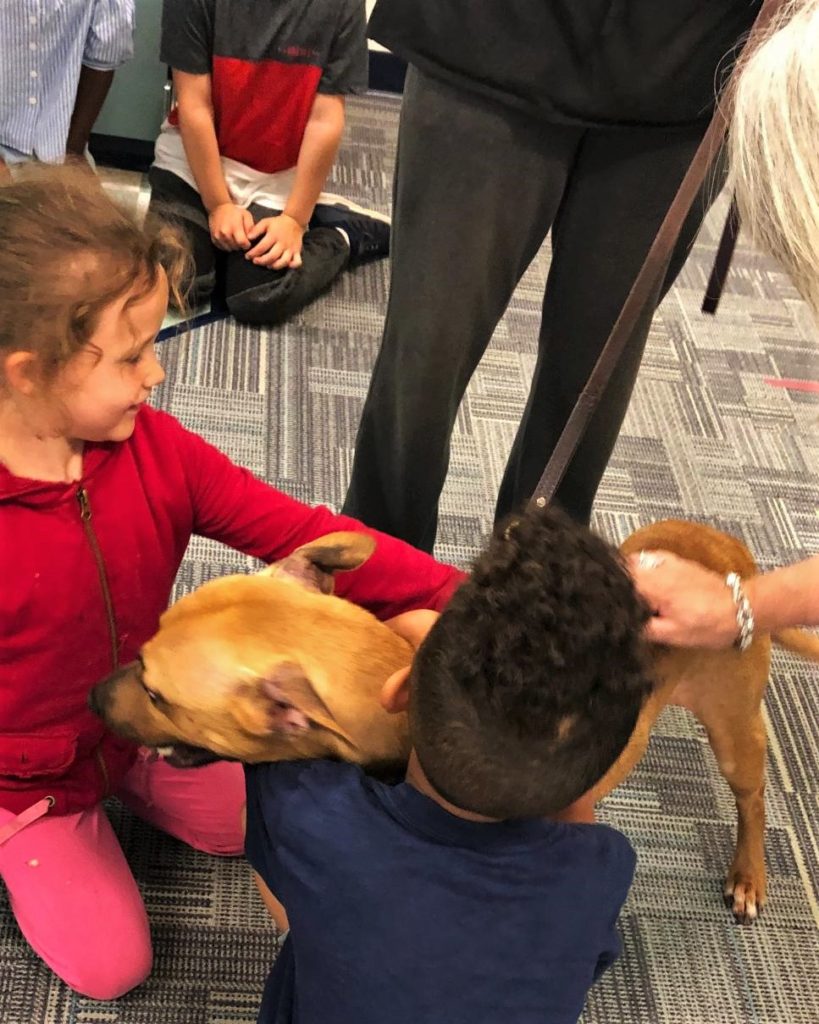
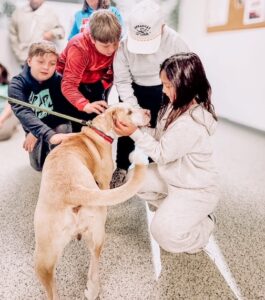
The students pet Holly, an Aiken County Animal Shelter Dog that was available for adoption.

When young Holly jumped up for attention, Susi explained that the best way to handle this overzealous behavior is to redirect her and praise her when she returns to standing on all fours. She stressed that you should never call your dog a “bad dog”. There are no bad dogs, just dogs that didn’t receive the training that they so desperately need.

One little boy had a great question. He said he understood it was not proper to call his dog bad but asked if it was okay to tell his dog, “No,” when it was misbehaving. Susi smiled and agreed that you must correct your dog, but it’s important to find a specific way to say it. Maybe tell your dog “Off” instead of “No”. She explained that yelling at your dog doesn’t help either; just simply praise your pet when she does what you want her to do. Dogs love attention and they love to please. Training provides both offerings for your pet.

So many of the dogs that come into the shelter are one to two years old. The behavioral reasons people give for surrendering them are typically because they are “too high energy”, “destructive” and/or “too much responsibility.” But if you train them properly, you can avoid these issues. Susi and Karen DeCamp, another wonderful trainer with Palmetto Dog Club, meet and work with people who are struggling with their pet’s conduct. Often, they can provide simple training tips to fix such unwanted behavior, which helps keep many dogs in their homes and out of the shelter.
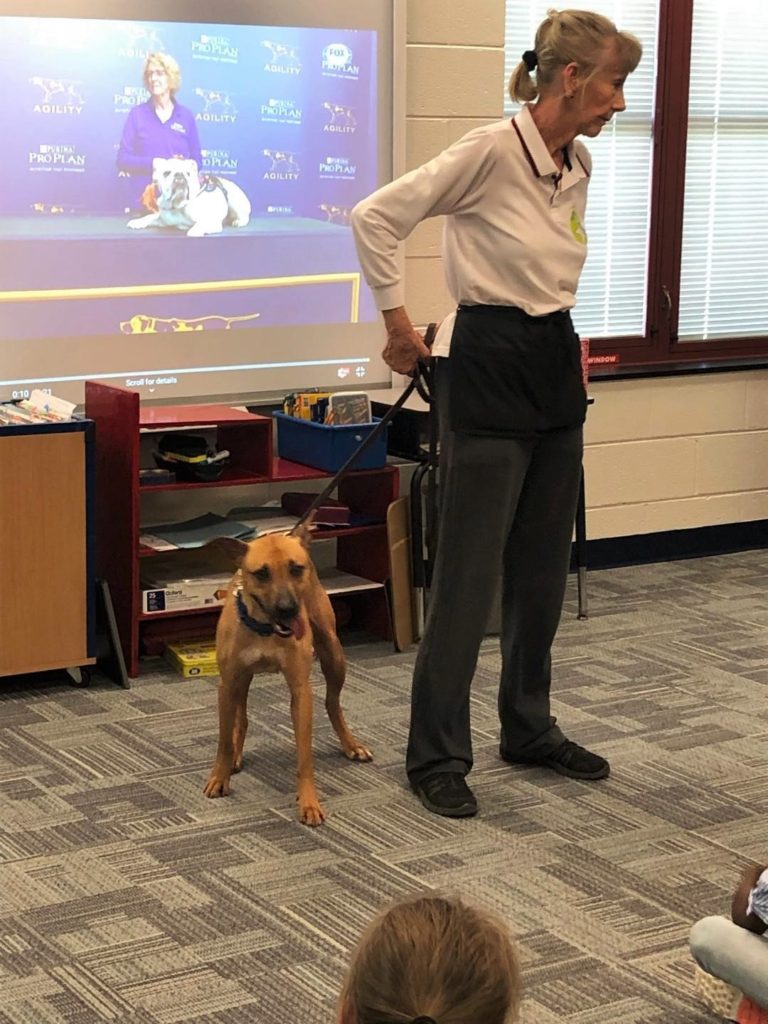
During her visit to Oakwood Windsor Elementary School, Susi Cohen demonstrates some training techniques with shelter dog Holly.

I also brought a foster kitten to visit with the students. The students were surprised when I told them how many dogs and cats are taken in by the shelter each year. One boy said, “My dog just had 12 puppies, but three died.” Another little girl said her cat had kittens up in the attic and one had a lot of medical issues. I explained to them that Aiken County and FOTAS offer help in these situations. We have spay/neuter vouchers available at the shelter that greatly reduce the cost of this important surgery. It is a simple procedure that will ensure their dog or cat won’t have any more litters.

Going to the schools is always so rewarding. Not only do the shelter animals enjoy spending time with the students and vice versa, but teaching children about animal welfare and responsible pet ownership today paves the way for a better tomorrow.

Their lives are in our hands.

PETS OF THE WEEK

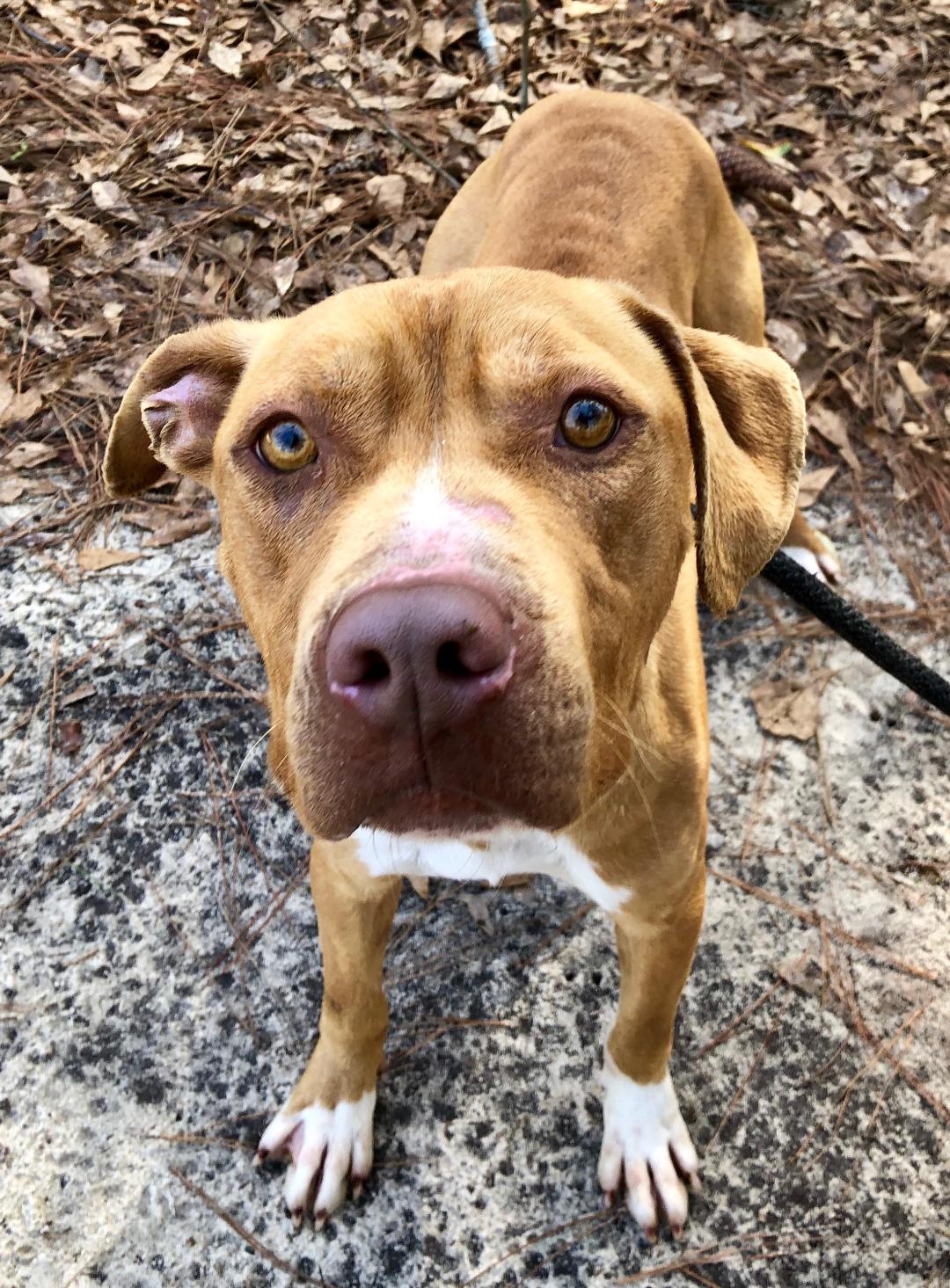
DREI
Hound mix, male, 1-1/2 years old, tan & white, 58 pounds, amputated left front leg – $35
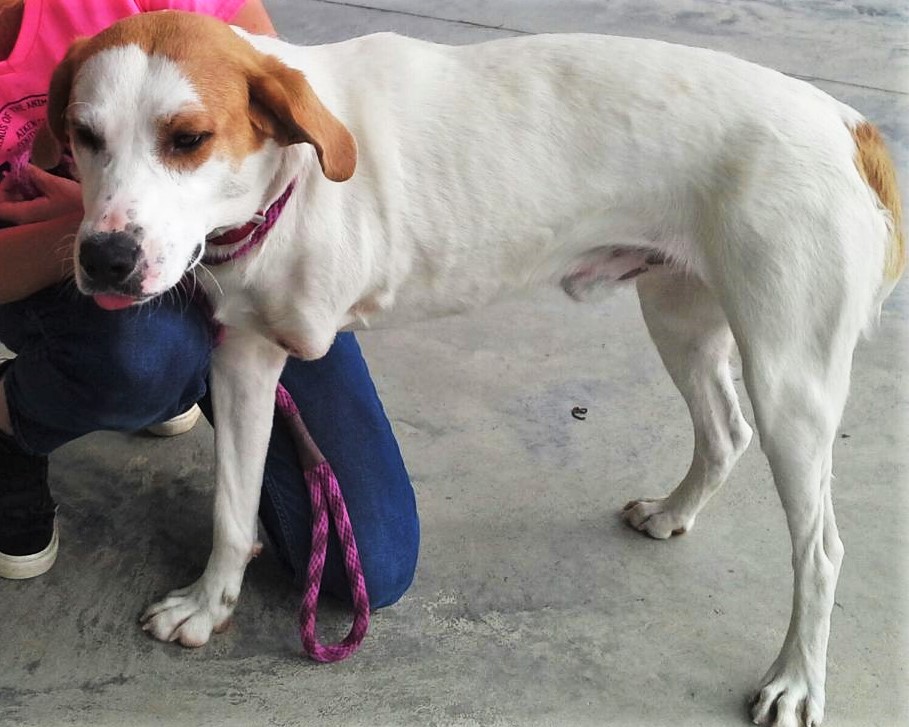
Three-legged dog DREI

JACKSON
Domestic Medium Hair, male, 2 years old, black, 8.8 pounds – $10
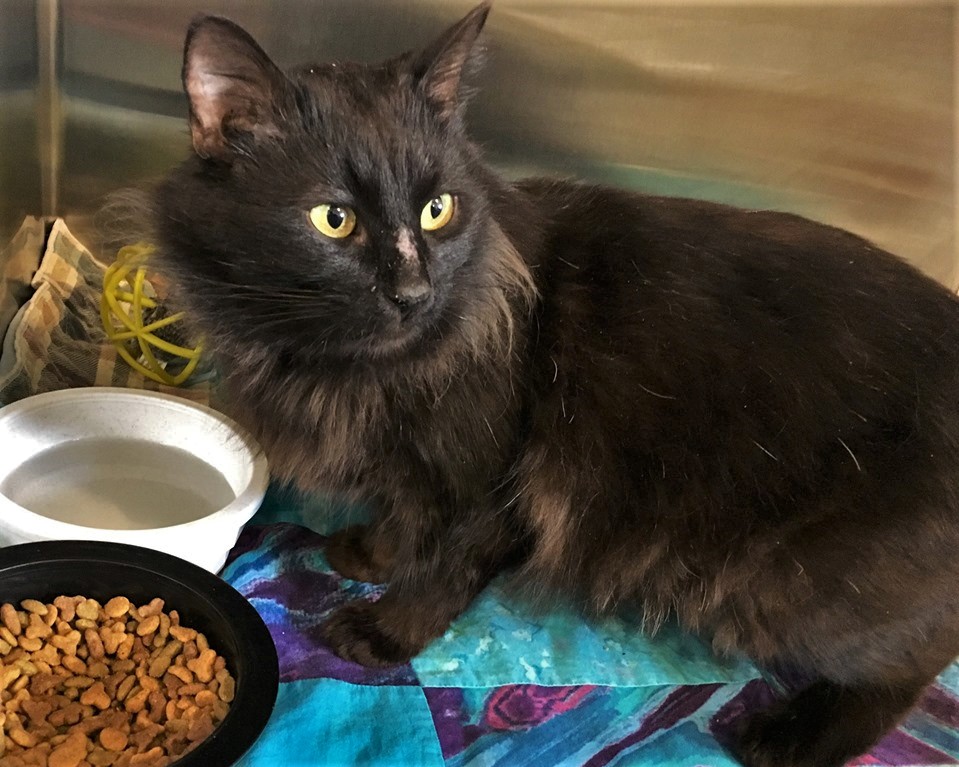
JACKSON

Calling all Basset Hounds, Come Race at Woofstock!

By Denise Parmentier, FOTAS volunteer

This Saturday, plan to attend Woofstock Doggie Derby Day 2019, FOTAS’s annual family festival featuring the famous Doxie Derby.

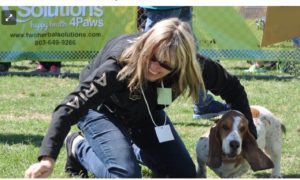
Denise gives TUCKER a pep talk before his next big race.

This year’s event, scheduled to take place from 11 a.m. to 3 p.m. at Citizens Park, will offer many dog contests, including “Animal’s Got Talent,” a best trick competition being judged by Simon Growl and Heidi Groom; best kisser; best costume; and best dog/owner look alikes. There’s also going to be kids races, pet related business vendors, balloon creations, face painting, great food, music and other fun activities for the whole family.

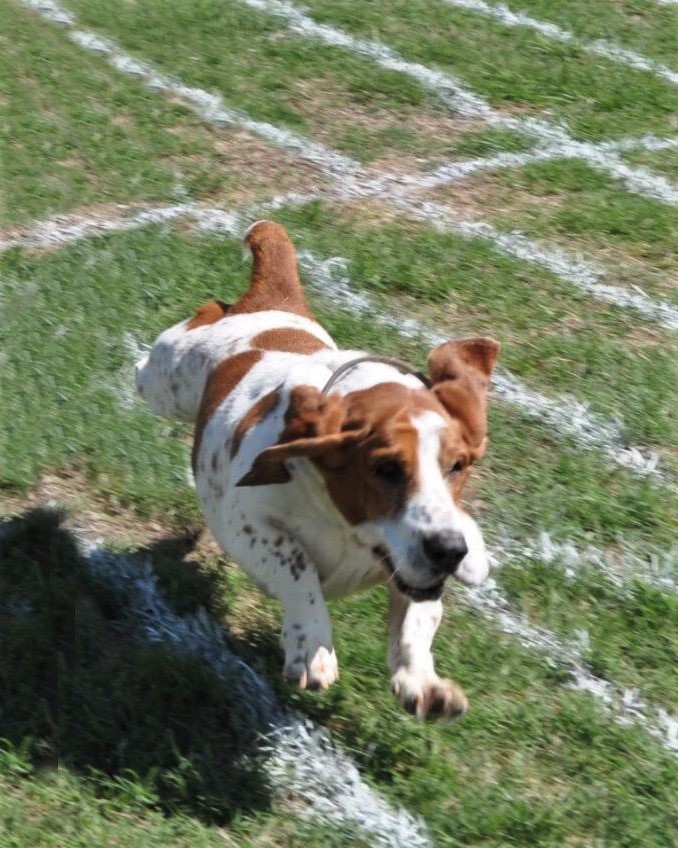
TUCKER has surprising speed for a Basset Hound

The festival kicks off with a cavalcade of adoptable canines and a parade of dogs that have been adopted from the Aiken County Animal Shelter over the years.

But the event I’m most looking forward to is a dog race – more specifically, the Basset Hound competition. If you like to laugh, you’re going to love witnessing these adorable, short-legged Basset Hounds with marshmallow feet hilariously race each other down a grass track.

Basset Hound racing mania struck me in the early ‘80s. I was introduced to this “sport of kings” by Jerri Caswell at her Annual San Diego Basset Hound Picnic. The first event was the Basset-to-Owner race and it was about the funniest thing I’d ever seen. Bassets running to the right, Bassets to the left, Bassets going down the course in the wrong direction, and some just stopping to socialize or sniff in the middle of the field! We laughed till we cried, and I knew instantly that someday I would put on a Basset Hound Race.

TUCKER is a two-time winner of Woofstock’s large breed dog race, and this year he’s competing against other Bassets.

Enter Aiken, a perfect place for a Basset Hound race –it’s such a horse friendly, dog-loving town! I saw an ad in the Aiken Standard for Woofstock and the FOTAS Doxie Derby. I wanted to run my Basset Hound, Tucker, with them, but he was too big to race with those little wiener Dachshunds. The crowd watched and laughed as the funny little sausage dogs ran down the 75-foot course.

But I didn’t give up hope of racing Tucker and was pleased to discover the following year’s Woofstock featured a large breed dog race. Despite the fact that Tucker was only 12-inches tall with 5-inch legs, he went face to face with German Shepherds and Border Collies. With a look of determination, he ran his heart out and won the race by a nose!

The next year we entered the large dog race again, never expecting to repeat that performance, but Tucker won again! Then, year three drew a whole new assortment of large, athletic dogs. Tucker finished fourth … maybe.

But on May 4, Tucker will finally get to race dogs of his own breed. He will compete against ten of his best Basset Hound buddies. I can’t wait to see these dogs “sprint” to the finish line and watch the hilarity ensue.

If you have a Basset Hound and would like to race in this year’s “Hush Puppy Handicap” please come to Woofstock early and register your dog for the big contest. Tucker welcomes the competition!

PETS OF THE WEEK

HATCH
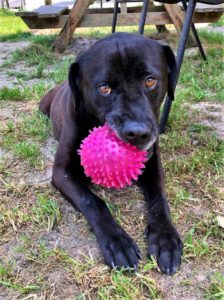
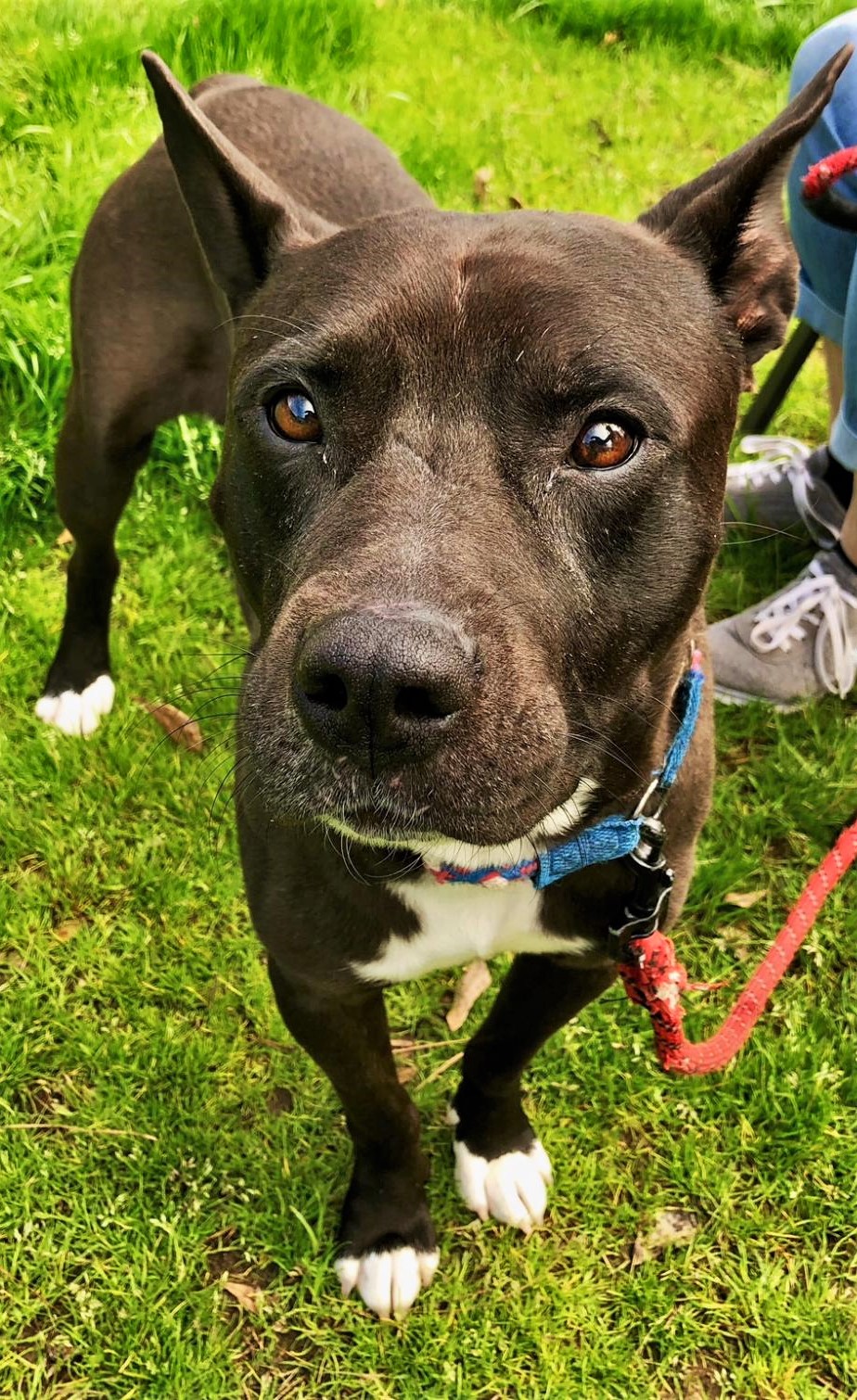
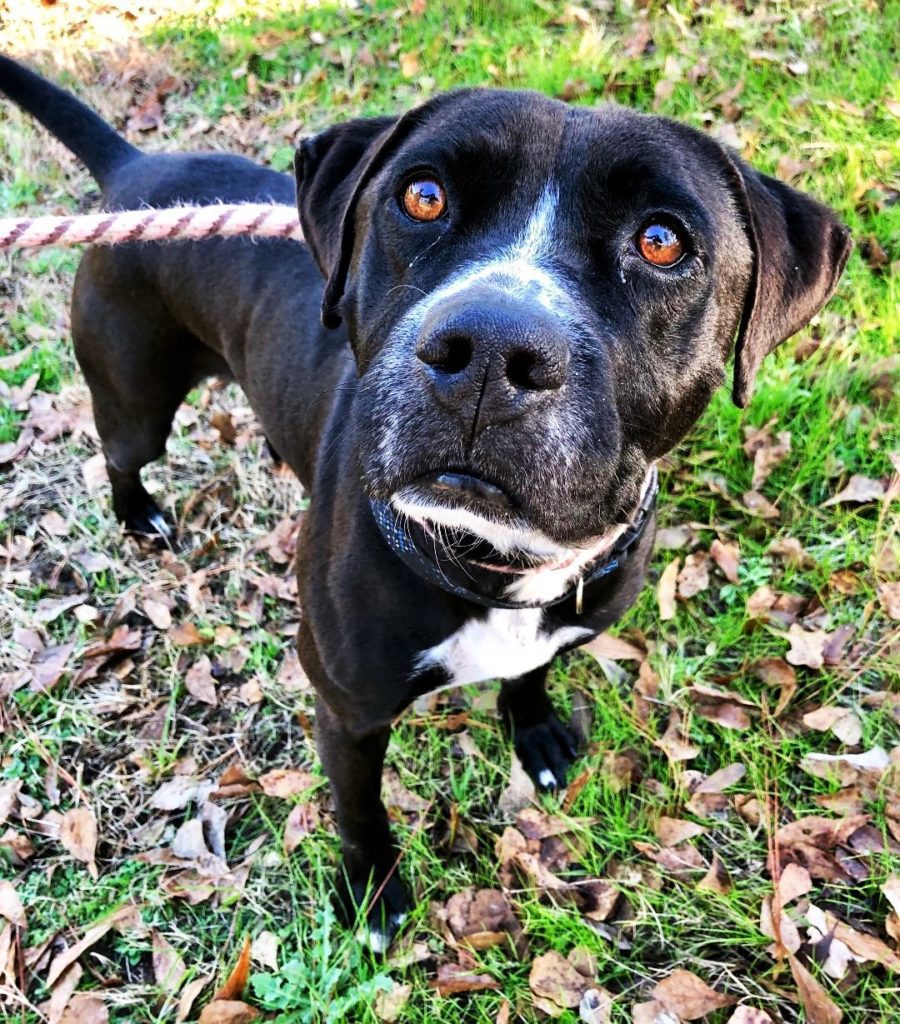
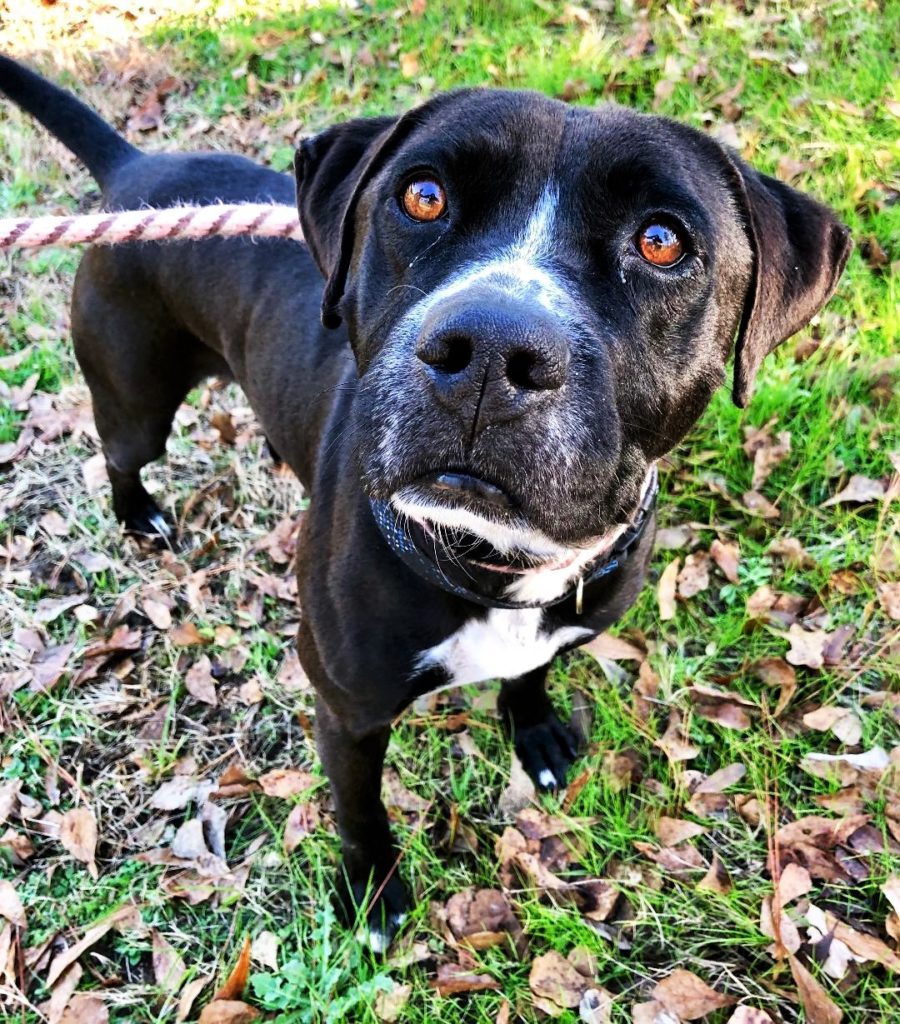
Retriever mix, male, 6 years old, black/blue, 50 pounds – $35
J. LO
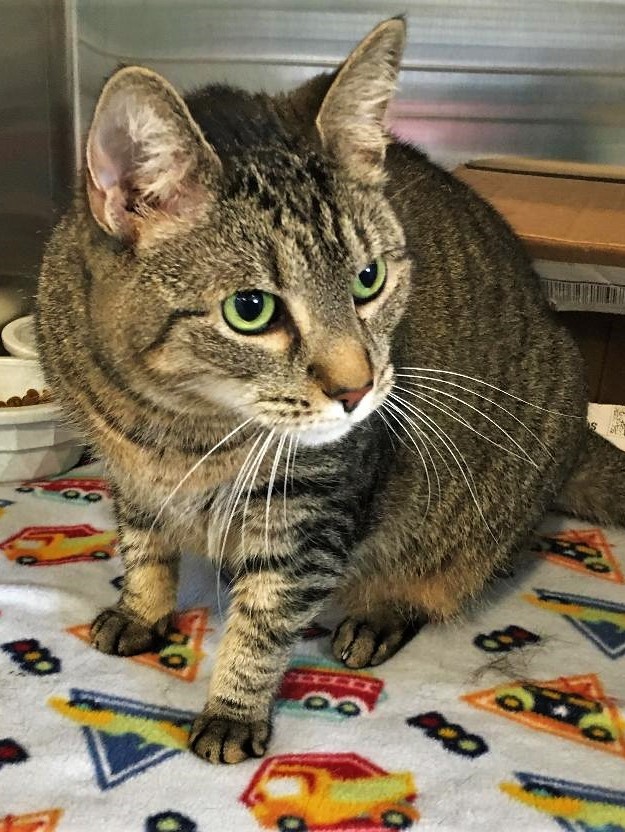
Domestic Shorthair, female, 1 year old, brn & orange Manx, 6 pounds – $10
Animal Control Officers: Friends, not Dog Catchers

by Kathy Jacobs, FOTAS Program Director

I often go to area schools to talk to students about responsible pet ownership and proper animal care.

When we talk about how animals come into the Aiken County Animal Shelter, I tell the students that animal control officers as well as members of our community rescue and bring in stray dogs and cats. When asked by a show of hands how many believe animal control officers are mean, most will raise their hands. These young people have watched many animated movies and television shows that portray these community helpers as “dog catchers” – the cruel characters that drag Bolt and his friends into the dreaded animal shelter. What a misconception!

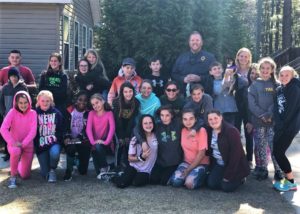
Officer Creel poses with Tall Pines STEM Academy students after talking to them about his job and giving them tips on how they can help homeless pets in their community.

Our community is very lucky to have officers that protect us and our pets from unvaccinated, sometimes aggressive animals. They look out for the neglected, abused and unloved pets in our area. They rescue dogs that have been left in the heat and cold without proper shelter, food and water. They bring in horses and pigs that have escaped their enclosures. These are the good guys.

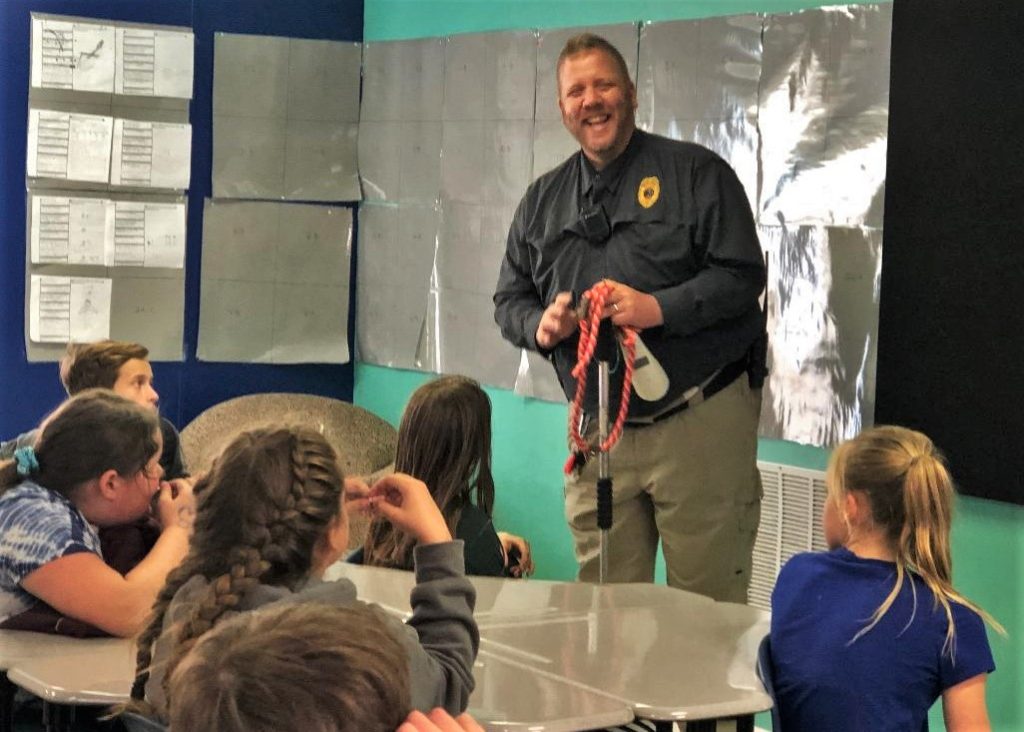
Recently, Officer Brandon Creel attended our Junior FOTAS meeting at Tall Pines STEM Academy. He brought a catch pole, a scanner that reads microchips and demonstrated to the students how he and the other officers are trying to help. He explained that when officers use catch poles, it is as much for the dog’s protection as their own. Dogs can’t say “Stop,” but they can bite out of fear. If a dog bites an officer, not only will the officer be injured but the dog will have to go into quarantine. Therefore, the catch pole safely gets the dog into a kennel where they can decompress at the shelter. The scanner, he explained, helps officers identify and return dogs and cats to their homes without having to go to the shelter.

Officer Creel enjoys a light moment with students while teaching them about his job duties.

The officers also pick up scared strays, issue tickets to those who do not vaccinate, and educate the public about how to properly care for their pets. They save so many lives!

Officer Creel told the students that there are three things they can do to help: make sure their pets are vaccinated, ensure their animals are spayed and neutered, and speak up when they see an animal in need.

Aiken County is in good hands with this group of animal control officers. At the end of the work day, you will often see them visiting the dogs in their kennels, handing out pet treats and petting cats that need socializing. It’s their way of showing these animals that they do care about them and want them to be happy. Many of the officers have even adopted animals that they have rescued from the streets.

Their lives are in our hands.

BY THE NUMBERS
From April 1 to 10, the Aiken County Animal Shelter received 115 strays and surrendered pets. That’s more than 11 a day!

PETS OF THE WEEK
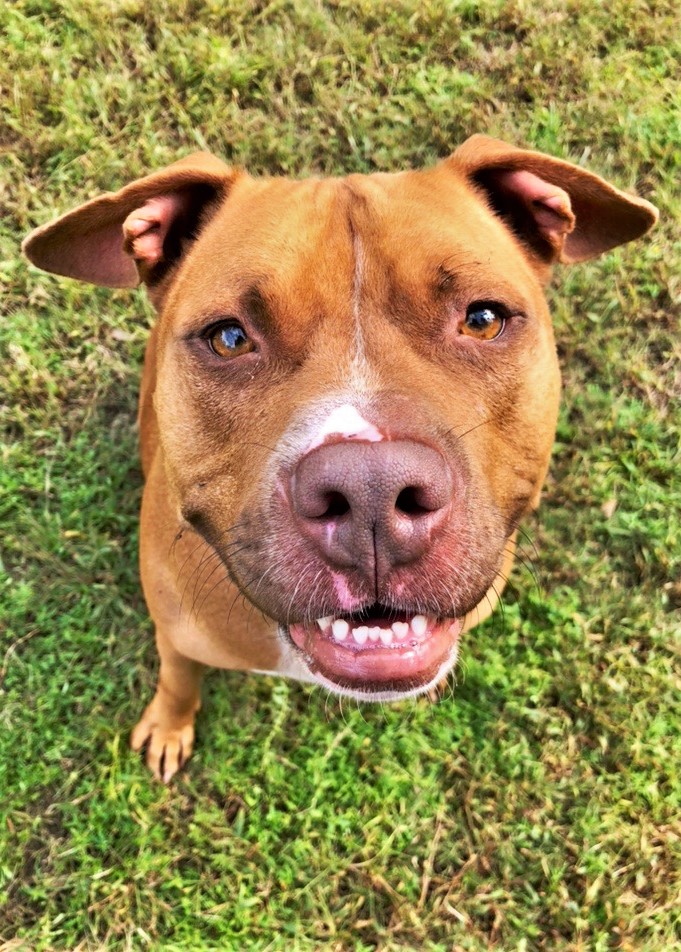
HUDSON: Terrier mix, male, 2 years old, 26 pounds – $35
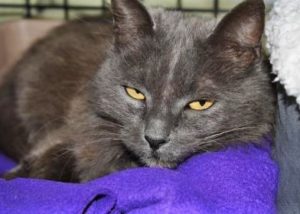
SMOKEY: Domestic Medium Haired cat, female, 9 years old, 6 pounds – $10
The Struggles of Our Friend, Vegas the ‘Pittopotamus’

by Kathy Jacobs, FOTAS Program Director

Some dogs at the shelter just can’t seem to catch a break.

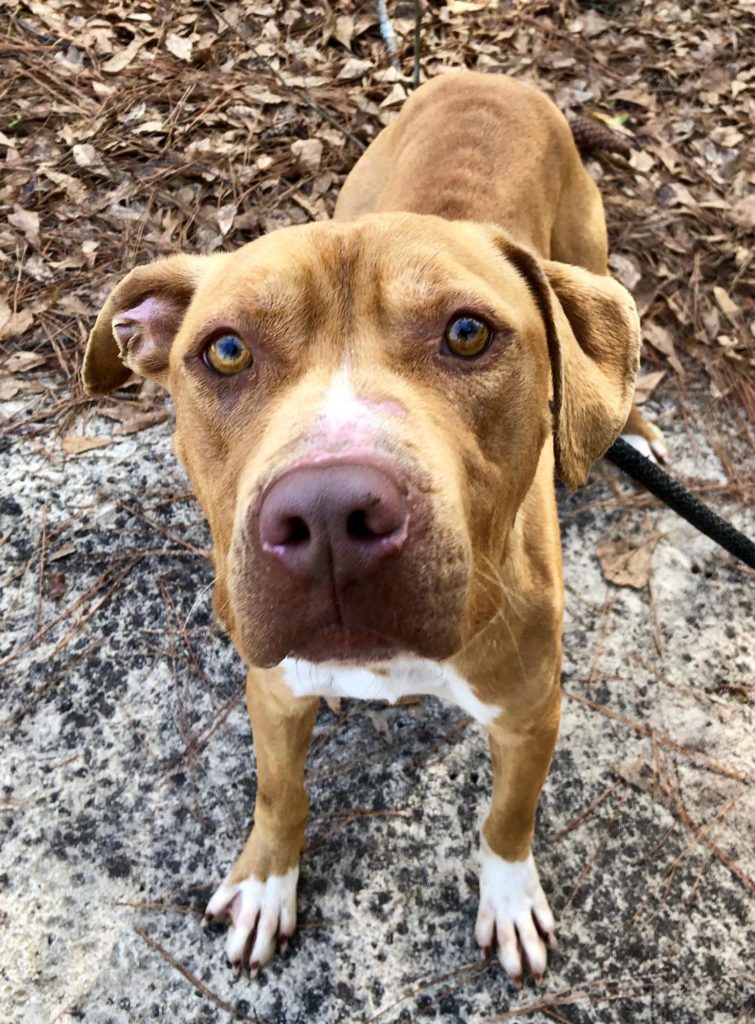
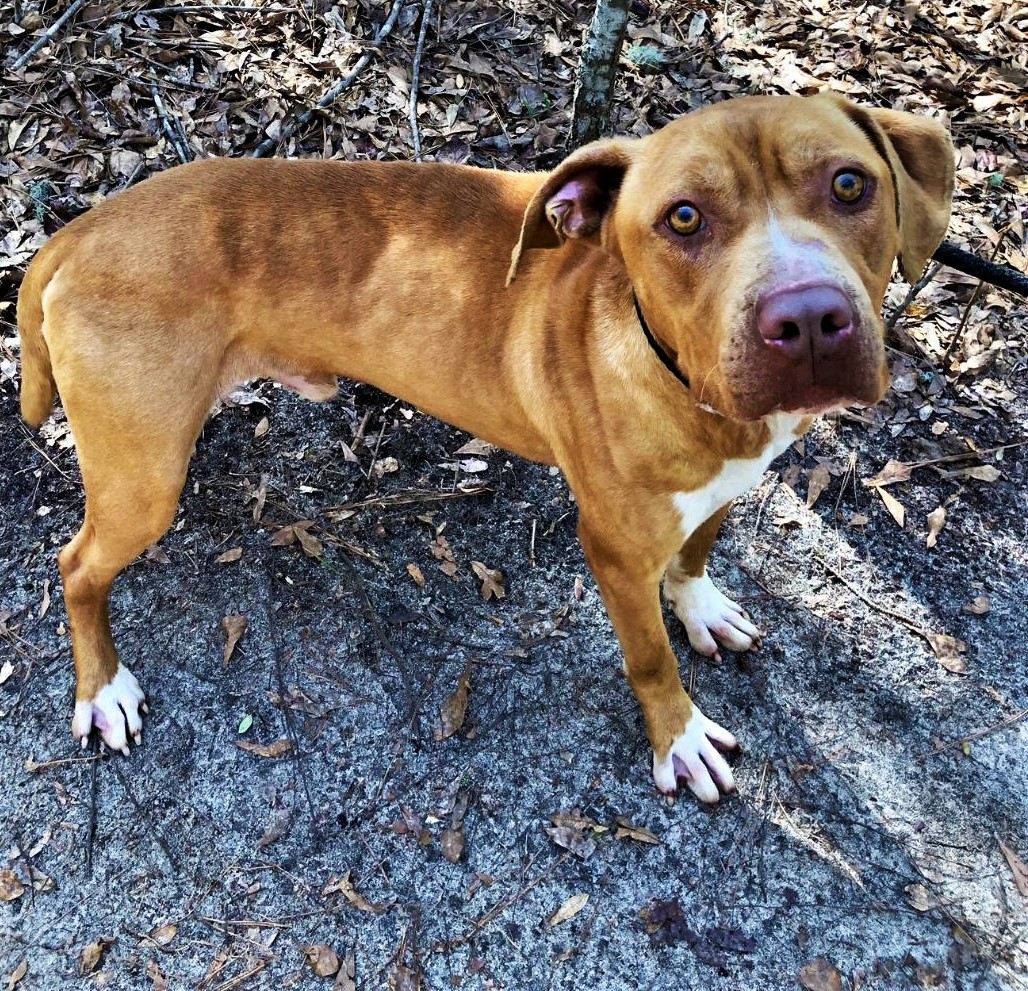
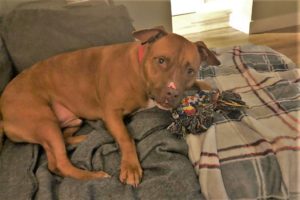
Take our friend,Vegas. He was a shelter favorite, often referred to as a “pittopotamus” as he clearly had not missed many meals. He would lay quietly in his kennel, no wagging, looking solemn. Very little curb appeal to those looking to adopt. But once he got outside, he would run, play with toys and enjoy himself as much as any of the other dogs in play group.

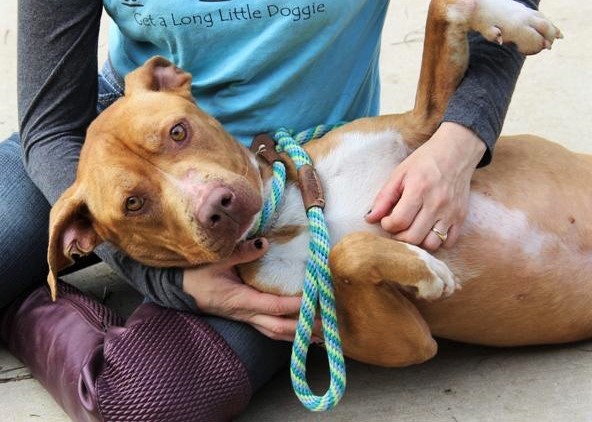
Vegas gets ready for a snooze while staying with a foster volunteer.

Vegas was adopted and returned two times. We learned from both adoptions that Vegas needed to be an only pet. Like many children, he just couldn’t share his new owner’s attention with other pets. He longed for love.

Since the poor guy was so depressed after his second adoption wasn’t successful, a volunteer started taking him home at night. We learned that Vegas was even more awesome of a dog than we thought! Great in the house, a total couch potato.

After being overlooked for what seemed an eternity, a man came looking for a dog for his family. He fell in love with Vegas immediately! He took Vegas home to meet his wife and children. What a success! The family came to visit after a few weeks to show us how good Vegas looked. The kids just loved him! Vegas was now going to the dog park almost daily, sleeping in bed with them and having what appeared to be the best time!

Vegas is still looking for the right home.

It was perfect until the family had to move. They looked and looked for a home where Vegas could live with them, but all had lease restrictions. Poor Vegas has a label on him, and his breed is restricted.

The family tried to re-home him using our Home to Home program as they did not want to bring him back to the shelter. Unfortunately, they eventually did have to move and Vegas is now back on the adoption floor at 333 Wire Road. Do you want to see a sad dog? Come visit him.

It is very unfortunate that because of his breed, Vegas lost the best home he had ever known. Many of the dogs in shelters are those that have been labeled aggressive breeds — German Shepherds, Chow Chows, Akitas, and Bully mixes. But these are some of the most loving and intelligent dogs available! They are so loyal and most of our bully breeds just want to be close to people and touch them.

Vegas would make the perfect only pet for a young couple or a great companion for an older person. He’d also make a great family dog. He is just a wonderful dog who deserves better and we are all very sad to see him back and feeling so hopeless. Please spread the word and help us get him a good home.

Their lives are in our hands.

BY THE NUMBERS
On April 1, the Aiken County Animal Shelter launched extended adoption hours. The new hours are: Mon, Wed. and Fri. – 11 a.m. to 5 p.m.; Tues. and Thurs. – 11 a.m. to 7 p.m.; and Sat. – 11 a.m. to 4:30 p.m.

PETS OF THE WEEK

GIBBS
Mixed breed, male, 4 years old, blue gray, 70 pounds – $35

ZAC
Domestic Shorthair kitten, male, 2 months old, tan & black Tabby, 2 pounds – $10

Broken Beyond Repair? They Might Just Surprise You

By Dr. Lisa Levy, ACAS Veterinarian

One of the greatest dangers to dogs running loose is being hit by a car. Unfortunately, injured animals being brought to the shelter is an all too common occurrence. Some of these injuries can be catastrophic and the animals can’t be saved. But some will defy the odds and recover.

Hiccup was in bad shape when he arrived at the Shelter.

Hiccup is a small terrier mix who came into the Aiken County Animal Shelter as a stray. He had difficulty standing and had very labored breathing. X-rays revealed that he had a ruptured diaphragm — the muscle that separates the chest from the abdomen. The impact from the car had caused his diaphragm to tear which allowed abdominal organs (in his case liver, stomach and intestines) to move into his chest, putting pressure on his lungs. Further x-rays revealed that he also had broken both his hips. Some hip fractures will heal on their own with restricted activity and time, while some require surgery.

The more serious problem was the diaphragm (we named him Hiccup because hiccups are caused by a spasm of the diaphragm). Surgical repair is possible but complicated and is most often done at a surgical referral practice or university. I have never done this surgery myself. I went home and talked to my husband, also a veterinarian, Dr. Michael Wells. He said he had done a few when clients couldn’t afford referral and he would be willing to try.

Hiccup on his freedom ride, heading to his forever home.

Surgery was challenging as the tear was in an area with little visibility. Since we don’t have ventilators, I had to manually bag him to breathe for him during the procedure. But Dr. Wells was successful in repairing the diaphragm and Hiccup recovered beautifully.

Hiccup soon went into foster care to see how his hips would heal. His foster parents fell in love with him and adopted him – and now this remarkable dog is running and climbing stairs without any need for further surgery.

Cadyn came into the shelter as a 5-month-old puppy after being hit by a car.

Cadyn at her forever home

My heart sank when I looked at her x-rays. She had a broken hip on one side and a dislocated hip on the other, plus both of her back legs were broken below the knee. She was trying to walk on just her two front legs! Most dogs would just give up, but Cadyn wagged her tail and gave kisses. I had my doubts but Betty, one of the vet assistants, talked me into trying to save her. Puppies do heal faster, so that was in her favor.

I splinted the more severely broken leg and hoped she would walk on the other one since it was much more stable. We kept her cage confined and slowly she started walking. The splinted leg healed but she still may need hip surgery on that side. Cadyn was adopted by Amanda, one of the shelter’s adoption counselors, and has become instant best friends with her other dog.

The resilience of the canine spirit never ceases to amaze me, and these are two shining examples.

Their lives were literally in my hands.

BY THE NUMBERS
From March 1- 27, the Aiken County Animal Shelter received 360 strays and surrendered pets

PETS OF THE WEEK

ZEUS
Mixed breed, male, 5 years old, white and black, 70 pounds – $35

PRECIOUS
Domestic Shorthair, female, 5 years old, white and black, 7 pounds – $10

Here’s What to Do if You Find a Litter of Kittens

By Bob Gordon, FOTAS Communications Director

Spring is here and with the warmer weather comes lots of newborn kittens.

“We’re already seeing a number of pregnant cats arrive at the shelter and kitten season should be hitting any time now,” said Aiken County Animal Shelter Adoption Coordinator Hillary Clark-Kulis. “Once it does, we likely won’t see the flow of kittens slow down until at least November.”

But what do you do if you discover a litter of kittens or a single kitten seemingly abandoned by their mother? How do you best help their chances of survival?

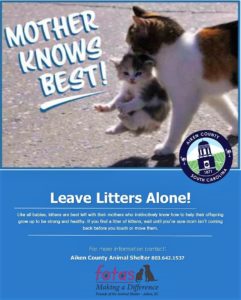
A flyer to remind people that mama cats “know best”.

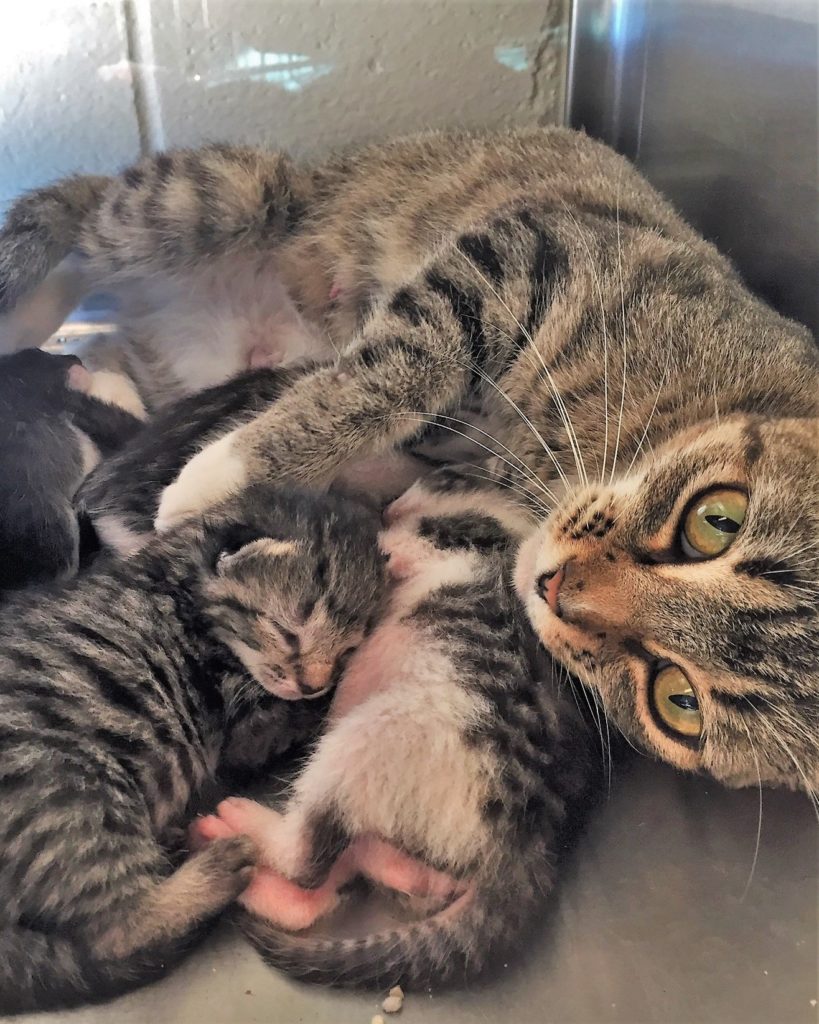
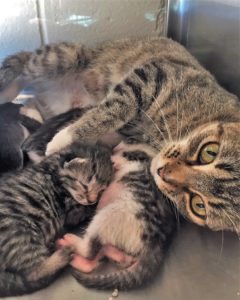
Well, like all babies, kittens do best when they’re with their mother. Moms instinctively know how to help their offspring grow up to be strong and healthy. Mother’s milk is also vital in providing the kittens powerful nutrients for their immune system.

If the kittens are underage (under 2 pounds or younger than eight weeks old), see if mom is around. If she is gone, wait two to four hours to see if she comes back. She could just be out getting food for her and her kittens.

If mom is there, leave the kittens where they are until they are two pounds or eight weeks old. To help the mom, you can provide shelter and put out food nearby (but not right next to the kittens because you don’t want to attract other cats or potential predators).

If mom is gone and has not returned, you should foster the kittens or find someone who is willing to foster, until they are at least two pounds. This is done through bottle-feeding the kittens until they are ready to eat on their own.

The mother cat gives her kittens their best chance for survival.

“If you feel the kittens are in danger and in need of rescue, you should be prepared to take care of them for a minimum of two weeks for the around-the-clock care they need,” Clark-Kulis said. “Don’t hesitate to contact the shelter for resources and supplies you might need. We can also answer any questions you may have and provide counsel.”

If the kittens you find are weaned or you’re unsure of their age or care needs, you can bring them to the shelter for assessment and we can help you decide on a plan for adoption or direct you to other options, such as our TNR (Trap, Neuter, Return) or spay/neuter voucher program.

The kittens must be at least four pounds and be in a humane cat trap (you can sign one out from the shelter) if you bring them to the Aiken County Animal Shelter for our Community Cats free TNR program. After they are sterilized, you just return them to their outdoor home. This effectively works to reduce the cat population and prevents more cats from entering the area.

The annual flood of orphaned kittens is almost upon us. But you can help save lives by volunteering to foster orphaned, infant felines, supporting and taking advantage of our TNR program and spreading the word about how to best help kittens survive.

The Aiken County Animal Shelter is located at 333 Wire Road in Aiken. If you can help, please stop by or call the Shelter at (803) 642-1537 and speak to a staff member or volunteer for more information and assistance.

Their lives are in our hands.

The Extraordinary Staff at the Aiken County Animal Shelter

By Joanna D. Samson, FOTAS Vice President

It’s so rare these days to find someone who does what they love and loves what they do, except at the county shelter, where all of the staff falls into that category. They work hard, and in their free time they foster, they educate, and they love.

Dr. Lisa Levy (left) and vet assistant Lyn Irilli tend to a stray dog.

Hillary Clark-Kulis is the shelter’s adoption coordinator. Along with the huge responsibility of finding homes for many animals, she also takes them home to foster. During kitten season you will most likely find on Hillary’s desk a crate filled with tiny kittens under a heat lamp. Aside from being patient and kind, she also educates the public about kitten-care for abandoned babies.

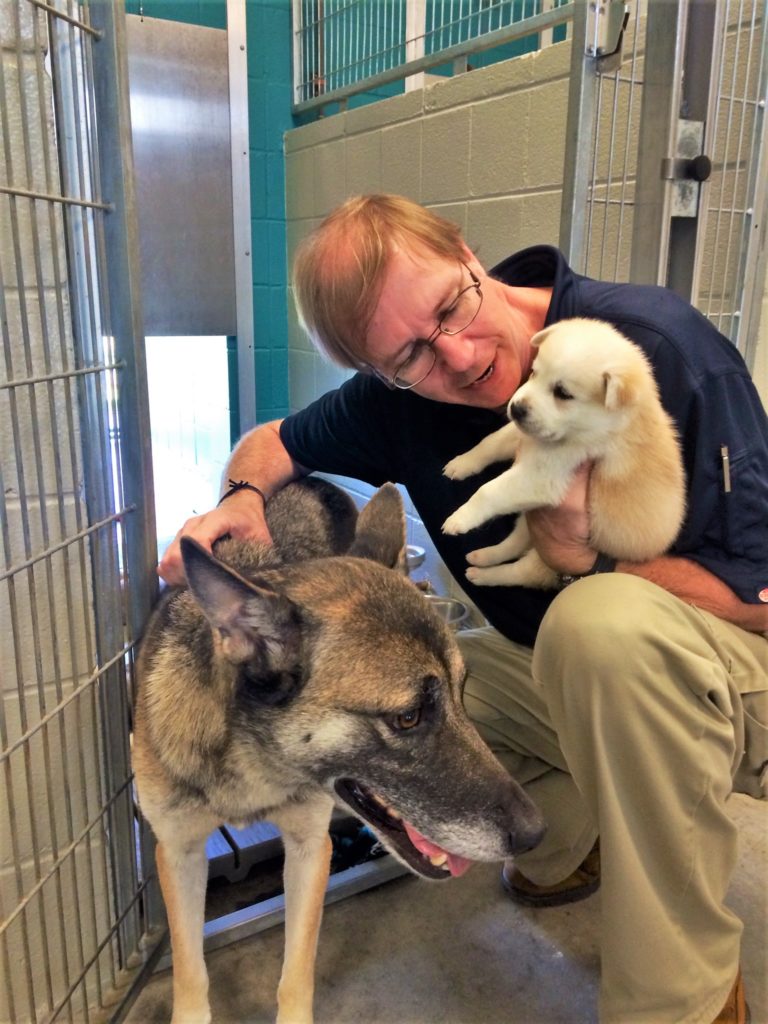
Amanda Kaminski and Bob Gordon are adoption counselors. Amanda recently fostered an injured dog that needed a foster home to recover. Bob has adopted four cats of his own, yet he spreads the word on social media about the needs of the shelter and responsible pet ownership.

Rachel McGee, the assistant administrator, organizes the county’s community cat program, shelter intake, and helping citizens find lost pets. She and Hope Reese, the shelter’s office assistant, distribute traps and educate citizens about community cats.

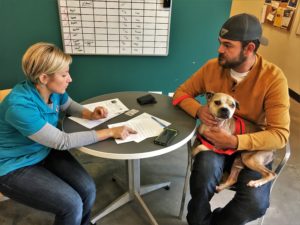
Rachel McGee counsels a man who found a stray dog.

They also work with citizens who want to rehome their pets, and they have been known to pick up strays.

Betty Erikson is a vet assistant that works in the medical clinic. She spends her days in the clinic assisting with spay/neuter, medicating shelter animals, and helping sick and displaced pets, and she fosters litters of kittens at home. Betty and Lyn Irilli often come in after hours to help animals picked up by animal control that need medical attention.

Thanks to Dr. Levy, the shelter’s record for saving severely injured animals is outstanding. She has also adopted a three-legged dog that she saved and a heartworm-positive Pibble that she treated.

Randy Bush helps socialize dogs waiting to be moved to the adoption floor.

Randy Bush, head kennel technician, is a phenomenal caretaker for both dogs and cats. Earlier this year, he adopted Stone, a feral cat that lived on the shelter property, when it got sick. Although Stone may never be able to return to his freewheeling, roaming days, thanks to Randy, he is turning into a pretty nice house kitty.

Brandon Fulmer, also a kennel tech, fell in love with and adopted a sweet Pibble who was overlooked on the adoption floor because of her scarred body and a severe underbite. Jennie Wilson, who cares for the

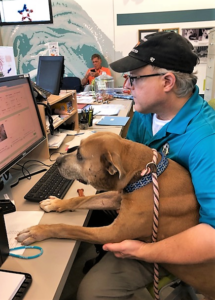
Bob Gordon get some computer assistance from Mason.

cats, cleaning and making sure they all have warm blankets, toys, and a clean litter box, fostered and then adopted a kitten in need of lots of TLC. Peggy Babineau has fostered so many dogs with extra medical needs that we’ve lost count.

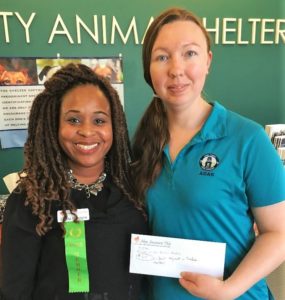
Hillary Clark-Kulis (right) accepts a sizable donation from the Aiken Newcomer’s Club.

Marissa Acosta and Chase Byers spend extra time going kennel to kennel to give the dogs some extra attention, particularly the most misunderstood. They work with the dogs that first come in, and at the end of the day, they make sure everyone has blankets, toys and the proper food.

Bobby Arthurs, the shelter manager, is a chihuahua whisperer and animal lover. Bobby does anything and everything to help the abandoned, neglected animals that are consigned to the shelter.

The shelter staff is phenomenal. Aiken County and the shelter residents are so lucky to have them.

Their lives are in their hands.

Pets of the Week

SEYMOUR
Mixed breed, male, 8 years old, white and tan, 47 pounds – $35

DANE
Domestic Medium Hair, male, 11 months old, orange and white Tabby, 6.5 pounds – $10

Speaking Out on Behalf of Neglected, Abandoned, and Abused Animals

Adopting a pet can bring years of love, laughter, and companionship into you and your family’s life, but it is also a responsibility that goes far beyond providing food and water.

Rupert is starting to fill out from his skin and bones appearance, but he still needs a loving home.

Pets need a safe place to shelter them from the elements. They need to be vaccinated against rabies and other types of preventable diseases. Since fleas, ticks, and mosquitoes never stop breeding here in the South where the weather is warm year-round, flea and tick medicine and heartworm prevention are essential. All pets should be spayed or neutered to avoid accidental breeding and rampant overpopulation of homeless animals that end up in the shelter, cared for by the taxpayers. In addition, an unfixed pet is more likely to roam, get into trouble, get injured or hit by a car. Unfixed pets are more likely to develop cancer and other life-threatening illnesses.

Rupert loves to get his belly rubbed!

Slightly more than one half of the intake at the Aiken County Animal Shelter are strays picked up by Animal Control. Only 8% of strays are claimed by their owners. That means that the owners of 92% of those animals didn’t care enough to keep those animals safe at home or to look for them when they disappeared (or worse, they just dumped them on the side of the road). The strays that get picked up are, for the most part, skinny, scared, and flea-bitten. They are often heartworm positive. They may have picked up mange from scavenging food in the trash. Hundreds of strays come to the shelter each year injured — attacked by other dogs, shot at, beaten, hit by cars. We’re seeing more of it all the time. It’s discouraging and heartbreaking.

Take one of our recently adopted residents, Edgar. When he was picked up by Animal Control, patches of his fur were missing from scratching himself raw because he is allergic to fleas. He is such a loving dog, too: calm, gentle, great with kids. Or Rupert, rescued by Animal Control because the owners did not provide “adequate” food and shelter. “Not adequate” is an understatement. Rupert was starving; every single bone in his body was visible under his scraggly coat. Although distrustful at first, Rupert came to love shelter life: regular feeding; a clean, safe, warm place to sleep; people to love; and pals to hang out with.

Rupert’s had a tough life and deserves a chance with a wonderful home.

It’s hard for us to imagine how someone could have cared so little about Edgar and Rupert to allow them to suffer so much, but here’s the amazing thing. Despite their unpleasant experiences at the hands of humans, both dogs have been willing — so willing — to give us another chance. That takes real heart and courage. We can learn something about forgiveness from these dogs.

Neglected, abandoned, homeless animals do not have a voice, but we do. Please talk about responsible pet care with your neighbors, your children, your friends, your family, your church. Speak out when you see an animal neglected or abused. We can help by educating owners, suggest alternatives or provide resources, and if necessary, rescue the pet and give them a second chance with responsible, committed owners who will shower them with affection and treat them like family. Edgar and Rupert deserve that. They all do.

Their lives are in our hands.

By Joanna Samson, FOTAS Vice President

By the Numbers
In the first week of March, the Aiken County Animal Shelter received more than 100 strays and surrendered pets.

Pets of the WeekJAMES
Mixed breed, male, 4 years old, red, 61 pounds – $35

TREME
Domestic Shorthair, male, 1 year old, orange Tabby, 7 pounds – $10

To Love and Be Loved by a Shelter Dog

Maggie wakes me up every morning. First, she nudges me with a paw—poke, pause, poke, pause. I groan, pull the covers over my face. She is resolute. Poke, poke, pause. She stretches her long, muscular body next to mine, licks my hand, sniffs the sheet over my face, nibbles my hair. I wave her away. She pants in my ear. Finally, I lower the sheet and open one eye. She thumps her tail and gives me that lopsided dog smile, exposing one long canine tooth on the right side of her mouth. I laugh. She lays her head on my chest and I stroke her head. What a way to start the day.

That’s how it’s been almost every morning since the day I brought her home from the Aiken County Animal Shelter nine years ago this week. She has been my constant companion, my best friend, and in the way of best friends, we know each other so well.

She is a voracious eater but manages to leave that one tiny pill licked clean in the bottom of the bowl. She hates thunder and fireworks and trembles violently at the veterinarian’s office. She loves to ride in the car and walk in the Hitchcock Woods. She’s tolerant of other dogs, cautious with new people, and detests cats and squirrels. She chases rabbits in her dreams.

She sulks when I leave the house, chases her tail in celebration when I come home, and snuggles close when I’m sad. She has nursed me through four major surgeries, countless respiratory infections and colds, unfortunate horse-related accidents, Lyme’s disease, and bad haircuts. We binge-watched 20 seasons of Law & Order: SVU together. That’s a true friend.

Maggie was three-years-old when I brought her home, which makes her 12 today—that’s 69 in dog years. She’s a sturdy little thing, rarely sick, but now the red fur on her muzzle is gray. Her eyes are cloudy with cataracts, and she’s a little deaf. She climbs the stairs slowly, one at a time. She’s growing old, and absent some unexpected tragedy or illness, I’m going to outlive her—that’s just a biological fact.

The only love you’ll ever regret is the love you never gave. The best way to get over losing a pet is to adopt and save a new one, like sweet Porter.

A lump forms in my throat when I think about it. Silly, really, to fret about the future, and if my pal Maggie could talk, she would tell me to knock it off, enjoy each moment as it comes—our moments—right here, right now. Dogs are wise that way.

When the time does come for Maggie to journey to the Rainbow Bridge, I’ll be deeply, profoundly sad—a small price to pay for a decade of joy and companionship. I will honor her memory by loving another abandoned shelter dog when I’m ready. I take comfort in knowing she will be waiting for me at the Rainbow Bridge when it’s my time to make that journey.

Maybe you’re uncertain about bringing home a shelter dog. Maybe you think you’d like to adopt a senior dog, but you are afraid your time with that dog will be too short. If so, Maggie and I say to you: the only love you’ll ever regret is the love you never gave.

Don’t wait—your new best friend is waiting for you at the County Shelter.

Their lives are in our hands.

By Joanna Samson, FOTAS Vice-President

By the Numbers
The Aiken County Animal Shelter received 335 strays and surrendered pets during the month of February, bringing the total to 727 animals so far this year, or about 12 per day.

Pets of the Week
PORTER
Mixed breed, male, 3 years old, black with white, 55 pounds – $35

PRINCESS
Domestic Shorthair cat, female, 11 years old, gray tiger Tabby, 12 pounds – $10

Dog Cries Real Tears When Owner Leaves him at Shelter

A few weeks ago, I was finishing up some paperwork at the shelter and saw a handsome Labrador mix sitting quietly, looking up at his owner. She was surrendering him. The dog looked so sad and confused. His owner seemed upset as well.

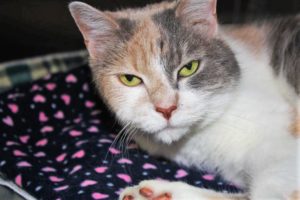
Sookie is a beautiful, declawed Calico available for adoption at the Aiken County Animal Shelter.

One of the veterinary assistants tried to soothe the dog, but he just shook and refused to leave his owner’s side. A kennel tech came in and picked him up, all 50 pounds, and carried him to medical. I followed as my heart was now invested.

Then I saw something that I had not witnessed before, something that I will never forget. The black Lab had tears in his eyes, with some trickling down his face. His cheeks were puffing in and out and his breathing was rapid. I was stunned. It was like watching a child be taken from his parents. He was heartbroken.

Later, I went and sat with him in his kennel. He already had a fluffy blanket that someone had kindly donated and a toy that some local children had made for shelter dogs. He was just sad. I held him and he snuggled close, desperately seeking comfort.

When he was moved to the adoption floor, this dog, Hank, stole the hearts of all the volunteers! He is the most charming boy and you can see how incredibly loving he is when you look into his big eyes. Unfortunately, potential adopters have passed Hank by for other dogs and he has been on the adoption floor for weeks. He still smiles when visitors arrive but when they leave, he gets depressed. We are desperate to find handsome Hank a new forever home where he can be happy and loved.

Labrador mix Hank cried when he was separated from his owner, but he’s eager to find a new home.

Not long after Hank arrived, a lovely, 13-year-old Calico cat was surrendered as well. Being in a house all her life, it was a very frightening experience for her to come to the shelter. Staff and volunteers worry about her as so many people overlook older pets to adopt a kitten or young cat.

Sookie sat quietly in her kennel at first but allowed us to hold her. When we put her in the lobby for adoption, the declawed feline became fearful and confused – even sometimes hissing at people. This is not because she is a mean cat; she just doesn’t know what is going on and misses her home and family. We are working with her and hoping to earn her trust, but hoping even more that someone will come rescue Sookie and give her the home she deserves.

Please understand that sometimes it is necessary for a pet to be surrendered; it may be the only option for someone. But these animals need comfort and love. It is extremely confusing and scary for them to enter the shelter with all the loud barking, meowing, strange surroundings…all the different smells, the new people.

Please consider volunteering with us to help these wonderful animals, either at the Aiken County Animal Shelter or by fostering them at your home. You can also help by donating to FOTAS so we can purchase the blankets, toys, collars, flea treatments and other items needed to give these animals some comfort. To volunteer, stop by the shelter at 333 Wire Road in Aiken or contact FOTAS at (803) 514-4313 or info@angelhartlinedesigns.com.

Their lives are in our hands.

— By Kathy Jacobs, FOTAS Program Director