
Category Archives: dogs playing for life

Canine play groups at the County Shelter

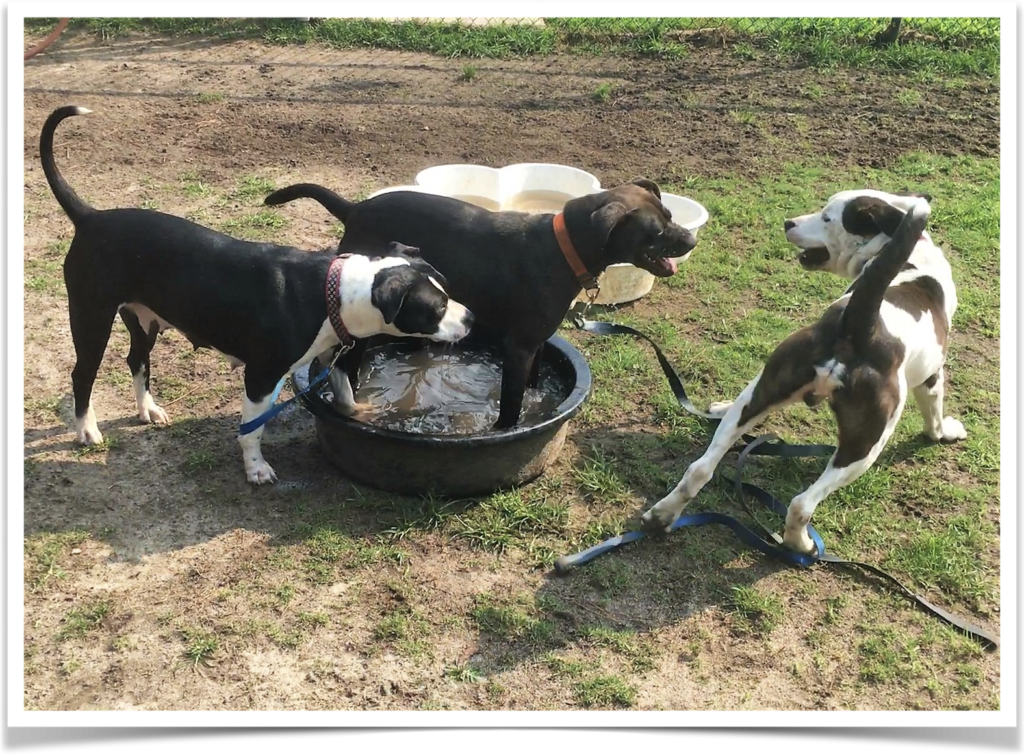
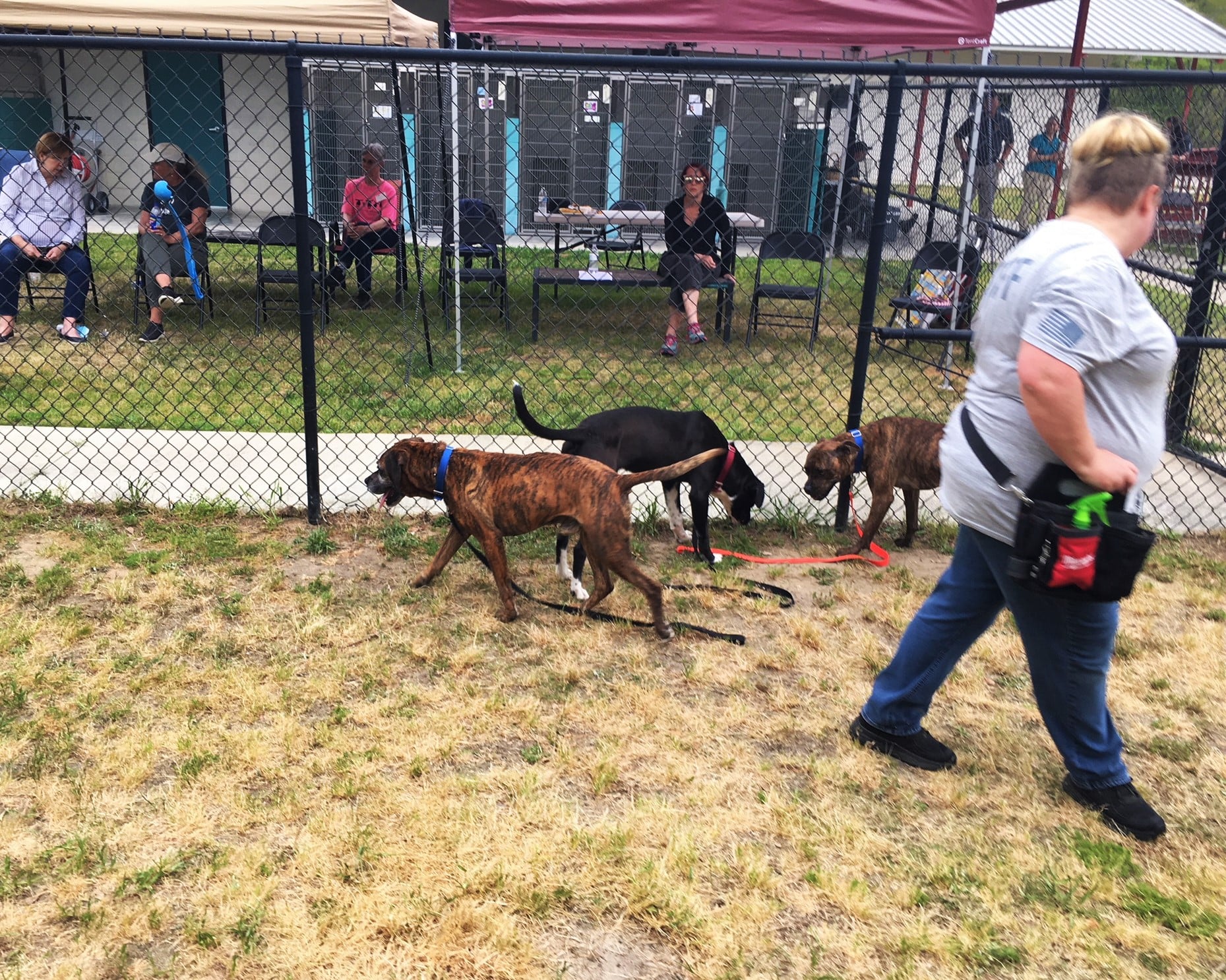
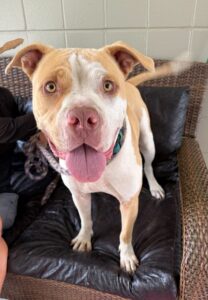
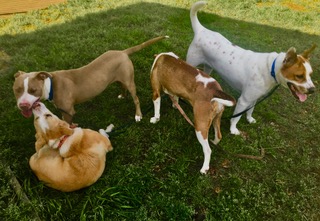
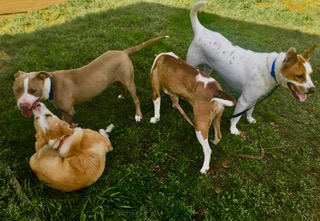
Dogs relaxing after a vigorous romp in the yard

Monday mornings are noisy at the Aiken County Animal Shelter. The dogs are excited. Night is over, a new work week begins, and humans are back. It’s feeding time, and FOTAS volunteers are working quicky—dog by dog, kennel by kennel—to get them out for a quick walk to relieve themselves. It’s noisy, because as you know, excited dogs are barking dogs.

But the best part is yet to come. On Monday mornings, Hallie Glennie and Bob Gordon take up their position in the main outdoor play yard while staff and volunteers leash up dogs and line up outside the gate. Hallie signals the release of the first dog into the yard, and after a moment, once she is certain the first dog is relaxed, she signals the release of the second dog. If those two dogs are getting along, she signals the release of the third dog . . . and then the fourth, the fifth, and so on. Over the next five hours, dogs come and go out of the yard having spent their time chasing, wrestling, drooling, and jumping on and over and around their pals. SO MUCH FUN!

Dogs relaxing after a vigorous romp in the yard

Hallie and Bob (as well as county staff Jennifer Braden, Lisa Guadet, and Cynthia Gray), who have been trained by an organization called Dogs Playing for Life, watch carefully and assess the social behavior of every dog that comes into the yard. Rough and Rowdy dogs, for example, usually dominate the largest yard, while the Gentle & Dainty dogs commune quietly in a smaller yard. Hallie and Bob look for signs of defensiveness, fear, or aggression and move the dogs in and out of the yard as necessary. If the energy gets too high in one yard, Bob might siphon a few dogs off to play in a smaller yard. If a dog looks overwhelmed by all the action, it might get moved into the pen with the Gentle/Dainties.

The goal of every play session (every morning, Monday-Saturday) is to get as many dogs as possible out of its kennel and into the yard socializing with other dogs (the team once got 57 dogs out in a single morning!). Why? Because dogs are social animals by nature, but for safety reasons, shelters are required to maintain one dog per kennel.

So, take a social animal who ends up confined to a kennel in a noisy public shelter with dogs and people who are strangers, and couple that with being abandoned by their previous owners, you get—understandably—an anxious dog. Anxious, withdrawn dogs are not adoptable dogs.

Play groups have been proven to reduce the mental and physical stress of the dogs. Play groups allow staff to make more accurate assessments of a dog’s behavior to help an adopter find the right dog for their family and lifestyle. Play groups also maximize staff and volunteer resources; they are the fastest way to attend to the largest number of dogs in the shortest amount of time.

By 1p.m., Hallie and Bob’s play session is over. For a few blessed hours, a peaceful calm falls over the shelter. The dogs go back to their kennels tired, happy, and relaxed.

That’s a beautiful thing, because a relaxed dog is an adoptable dog. Hallelujah!

Their lives are in our hands.

By Joanna D. Samson, FOTAS Vice President
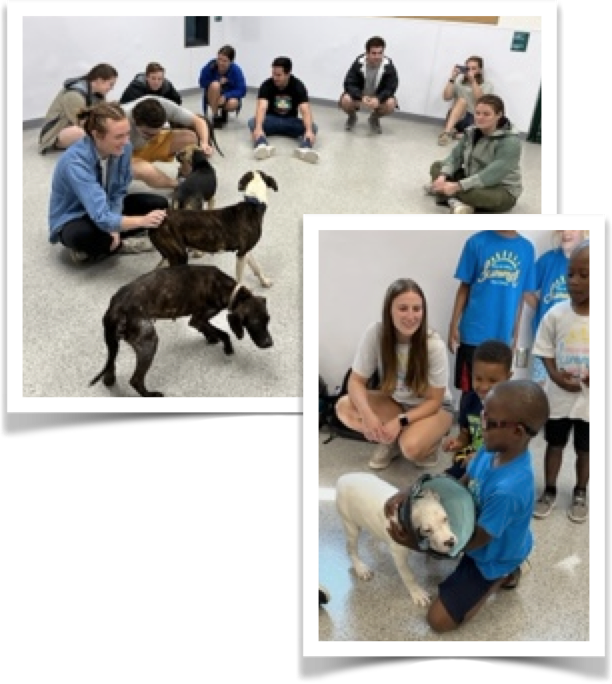
The P.A.W.S. Building at the Aiken County Animal Shelter

Children play with a puppy in the PAWS learning center.

On Friday, the County Council and FOTAS held a ribbon-cutting ceremony for the new PAWS Building (Primary learning, Adoption, Wellness, and Socialization) at the County Shelter. It’s been a long-time coming, and I’m not referring to the scourge of all construction projects over the past years—COVID-related delays like labor shortages and supply-chain issues—of which there have been many.

No, I’m referring to a dream-delayed, a grand vision postponed since 2014, when the new shelter opened to critical acclaim. The County and FOTAS had expended their money and resources (and then some) to build a proper, humane animal shelter to care for and rehome the County’s abandoned, abused, and neglected animals. But the Shelter and FOTAS dreamed of something more: a place where an animal and prospective adopter could meet in a quiet, private place to get acquainted; a place to hold training sessions for the animals; a place for humane education for the Junior FOTAS program. In short, an important resource where it would be possible to 1) increase our odds of making the animals more adoptable (and appealing) to prospective adopters, and 2) educate folks about humane animal care so that an animal doesn’t have to come to the shelter in the first place.

Now that dream is reality. The PAWS building includes two, quiet, home-like rooms where an animal and a potential adopter can get to know each other in peace. For all of us who have had the joy of adopting a beloved family pet from the shelter, you know what it’s like. You select a prospect in the adoption pod from among the barking animals anxious for your attention. A staff member takes Rover out into the play yard for you to meet, but Rover is so excited about being out and distracted by all the smells and activities around the yard, it’s impossible to connect with him in a meaningful way. In the end, you pass on Rover because that “spark” is missing. So sad because Rover could have been that once-in-a-lifetime dog. The two new meet-and-greet rooms will change all that.

The PAWS building also includes a large, open room for dog training sessions, obedience classes, and Junior FOTAS events where children can learn about heartworm prevention, the importance of spay-neuter, and humane care. It provides a safe place to hold play groups for the dogs when the weather is bad. The room is also a place where a potential adopter can introduce the new dog to their resident dog to make sure they’ll get along. And last but least, PAWS includes a free-cat roaming adoption room and outside catio.

“The PAWS Building is an important tool in our dual mission to save every adoptable animal and to ultimately make the shelter a resource and not a destination,” says Jennifer Miller, President of FOTAS. We are so grateful for our legacy gifts, current donors, and the County for making this dream a reality. With this resource, we can potentially reduce the discouraging intake numbers and help every homeless animal become a loving and responsible family member.”

Amen to that. Sometimes wonderful things are worth waiting for. Please support our mission by volunteering, fostering, and donating your time and money.

Their lives our in our hands.

Joanna D. Samson, FOTAS Vice-President

Afternoons are much quieter at the County Shelter

Morning playgroups are helping to make County Shelter dogs more adoptable.

FOTAS works to ensure that adopting a dog from the Aiken County Animal Shelter is the right thing for both the dog and the adopter. I am a volunteer, and I can attest to this as I have observed using the nationally recognized “Dogs Playing for Life Program” has helped to make our dogs more adoptable.

The program has taught us that the sooner we can get dogs into the play yard to socialize with other dogs the better their chances are of getting adopted quickly. We can identify their play styles, whether that be “rough and rowdy”, “gentle and dainty”, etc. We can also identify behavior issues, both good and bad. All the while, we have a note taker writing all of this information down. In other words, we are keeping a journal of each dog that comes into the play yard. With this knowledge and information about each dog that comes through the shelter, we are not only better able to get these dogs adopted quicker, but also into the right homes.

Playgroups take place 6 days a week, and last for 4 hours each day. We have volunteers and shelter staff helping to run this program. We have dog runners who bring the dogs from their kennels into the play yard. We have two dog handlers in the play yard at all times, who are observing and correcting the dogs. The dog handlers are the ones directing the note taker what to write about each individual dog. Not only are new intake dogs given a chance to play, but we try to get into playgroup as many of our resident dogs as possible each day. Every day we see dogs that are terrified, withdrawn, or abused, slowly come out of their shells in playgroup. Sometimes we come across dogs like Petunia and Suzie, who are playgroup rockstars and adapt to any play style, and are able to initiate play, with shy and withdrawn dogs. Soon, many of the dogs are engaging, playing, and having fun, all the while becoming more adoptable.

I would be remiss if I didn’t mention Nathan. He’s what I call the “Leader of the Pack”. He is a trained dog handler who was hired by the shelter to lead and oversee the program. Besides his leadership, he shows the dogs genuine love and compassion. He tries to find the good in every dog. The dogs feel the love and care that comes from Nathan and all of the shelter staff and volunteers. Everyone works together as a team to improve the quality of life the dogs receive at the shelter before they go to their forever home.

Afternoons are much quieter around the shelter when there has been a long morning of play amongst the dogs! It’s music to one’s ears to visit an animal shelter and realize the dogs are safe, well fed, and content from playing hard with other dogs. I’m very passionate about this program because I see the positive impact this program has in the lives of the shelter dogs.

Please consider becoming a volunteer, donating, and/or adopting an animal at the Aiken County Animal Shelter. I promise you will receive more joy than you could ever pass along to these precious animals.

Their lives are in our hands.

By Sandy Sublett, FOTAS Volunteer

Group Play Can Work Wonders for Shelter Dogs

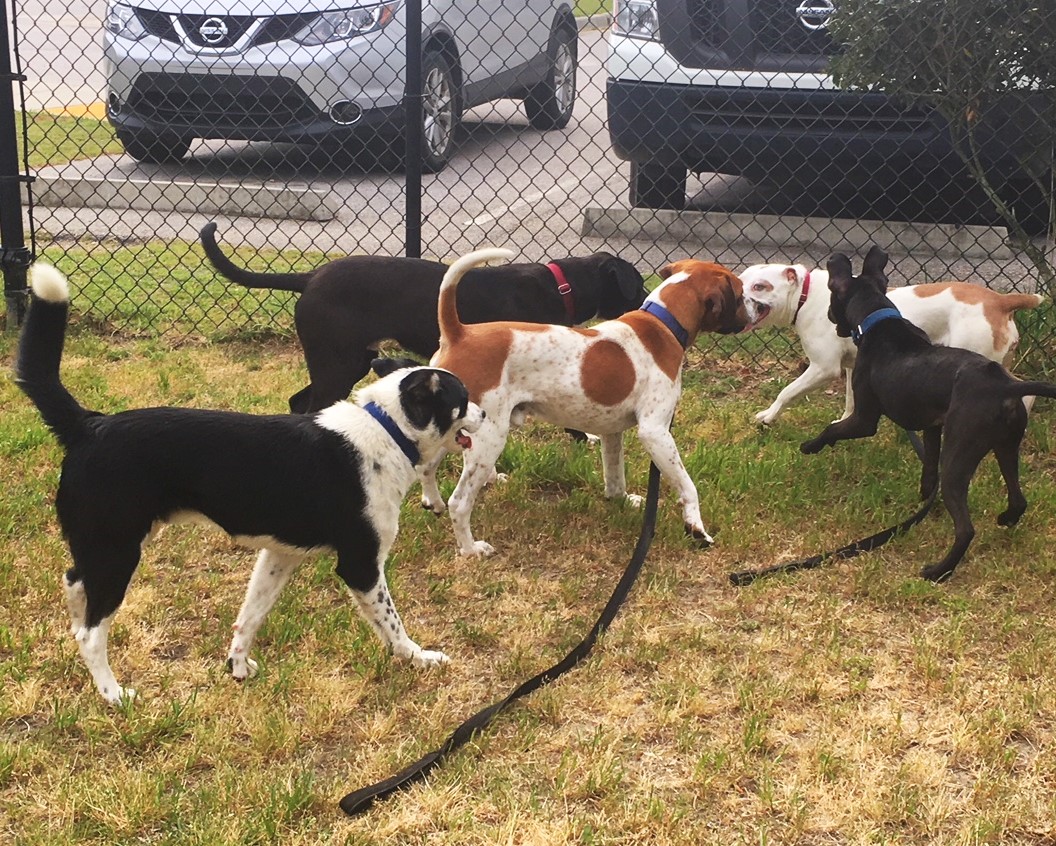
Paddy, a handsome white and black Border Collie mix, slinks into the play yard, his head down, tail between his legs. He backs away from the humans in the yard, wary of their intentions. Then Graham, a black retriever mix, is let in and everything changes. Paddy’s ears perk up and he slowly approaches the bigger dog. They come to face to face and sniff. Paddy’s tail pops up and begins wagging furiously and Graham nudges him with his nose. Soon they begin wrestling and chasing each other in the yard like best friends!

Group exercise helps dogs become better pets.

Welcome to the world of Dogs Playing for Life (DPFL), a group play program designed to give shelter dogs better quality of life and social interaction that helps them to become more adoptable.

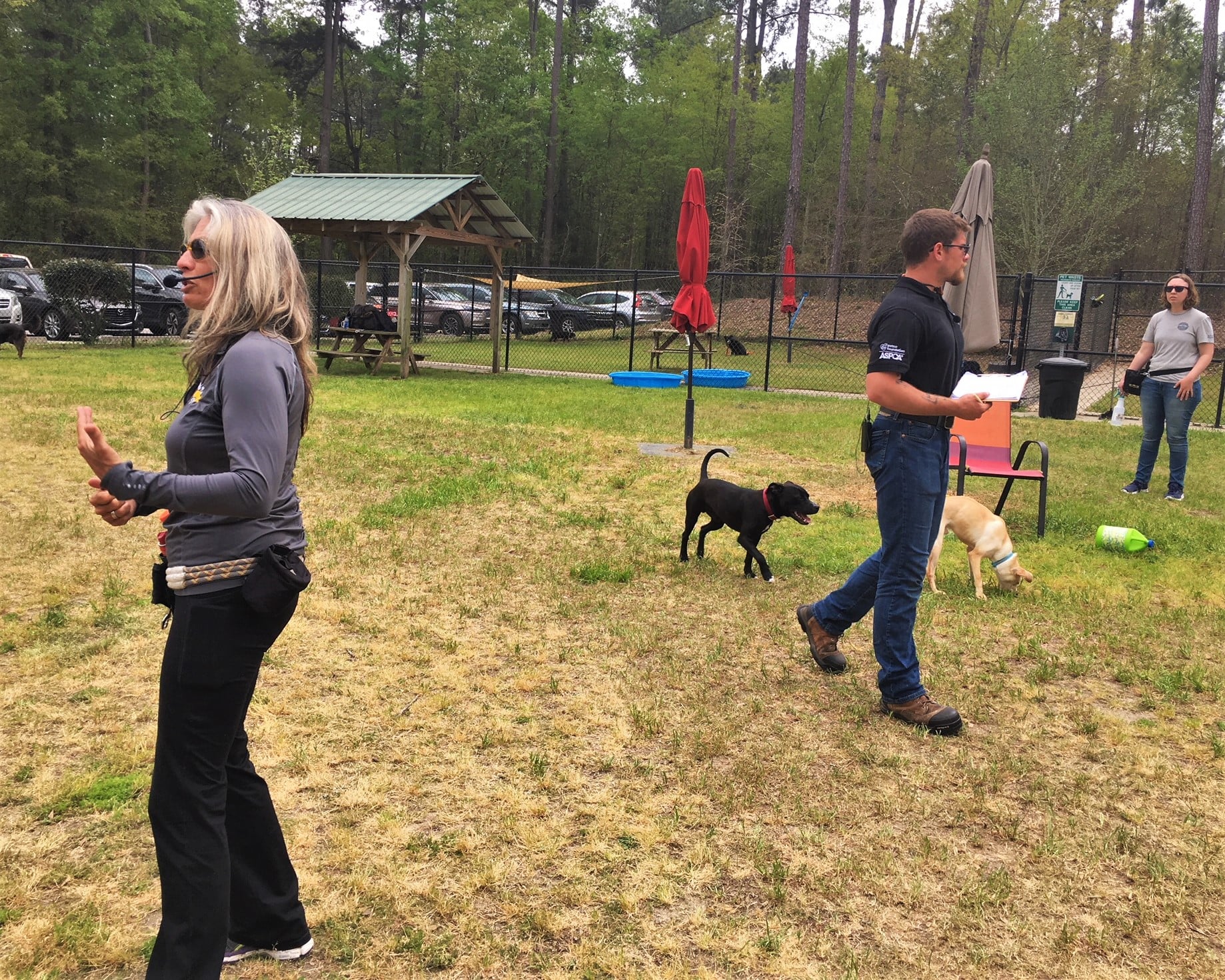
The DPFL team recently visited the Aiken County Animal Shelter (ACAS) to train personnel on how to hold dog play groups safely and effectively. DPFL Founder and CEO Aimee Sadler led the training, which included assessing 36 shelter dogs’ compatibility with other canines as well as their personality traits and playing style. By observing the dogs’ social interaction through shared playtime, the DPFL program helps make shelter dogs better behaved and more adoptable.

The program is helping FOTAS and staff identify key personality traits in individual dogs and aid in successfully matching homeless pets with adopters. Group play can help especially shy dogs, like Paddy, find their confidence and overly aggressive dogs learn how to play well with others.

Dogs Playing for Life first visited the shelter five years ago and introduced their guidelines and training to FOTAS and the County. This recent training was a refresher course, including two days of intense hands-on training.

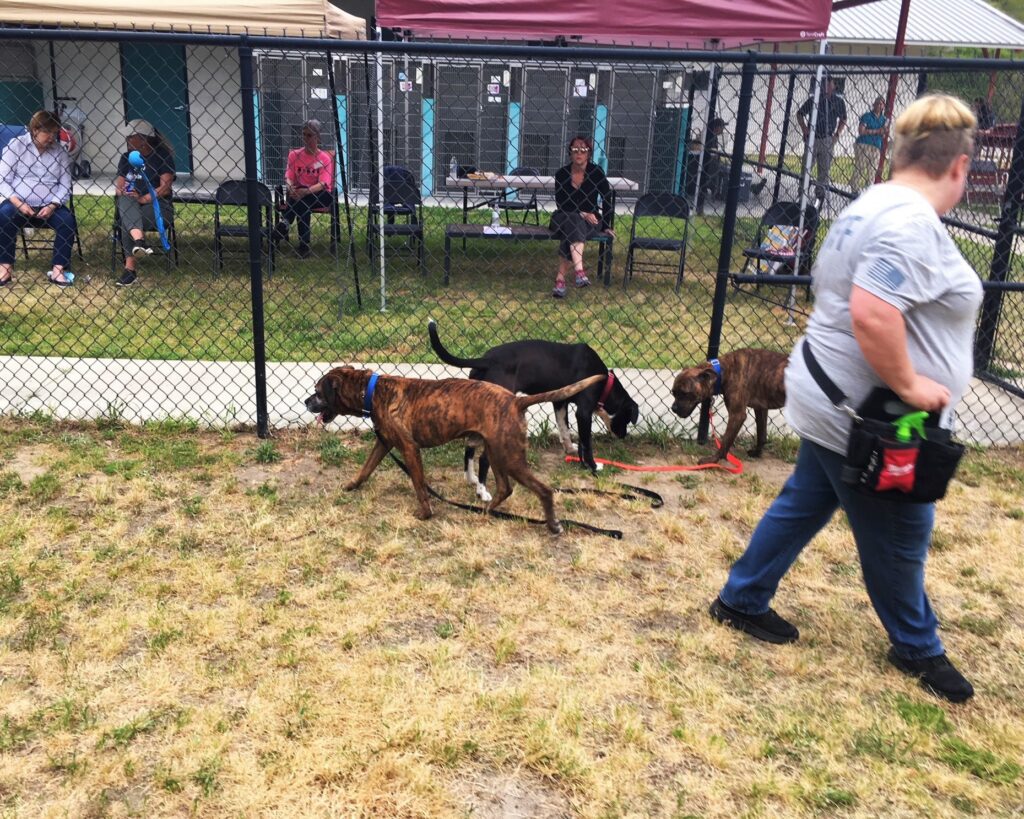
The staff has incorporated these lessons and have held play group sessions twice a day over the last two weeks. Staff usually manages five or six dogs at a time, but group play can include a dozen or more dogs if they get along and enjoy similar playing styles.

Some of the shelter’s most timid dogs, like pit bull mix Trinity and spaniel/hound mix Tenor, are blooming into superstars. They cannot wait to get out of their kennels and play with other dogs.

Group fun is overseen & led by shelter personnel.

A kennel environment can be incredibly stressful for dogs. But group play helps ensure dogs receive enrichment as well as physical and emotional care that can help them to engage more positively with potential adopters, transition more easily to a new home, and interact appropriately with people and other dogs in the community.

Last week, Donovan, a black lab mix who arrived at the shelter with a lot of nervous energy heightened by kennel stress, served as an example of how beneficial DPFL can be. During his appointment with a family, he was relaxed, confident and even plopped down on his future “mom’s” lap. Within minutes, he was in their car, heading to his forever home.

Their lives are in our hands.

— By Bob Gordon, FOTAS Communications Director

Shelter personnel receive lessons from DPFL experts.