

Author Archives: Bob Gordon

The incredible power of social media saves lives

Our social media platforms are vital to finding good homes for the pets in need at the Aiken County Animal Shelter (ACAS). Through our Facebook, Instagram and other online marketing channels, we can reach thousands of people locally—and all around the country – who are looking to adopt homeless pets.
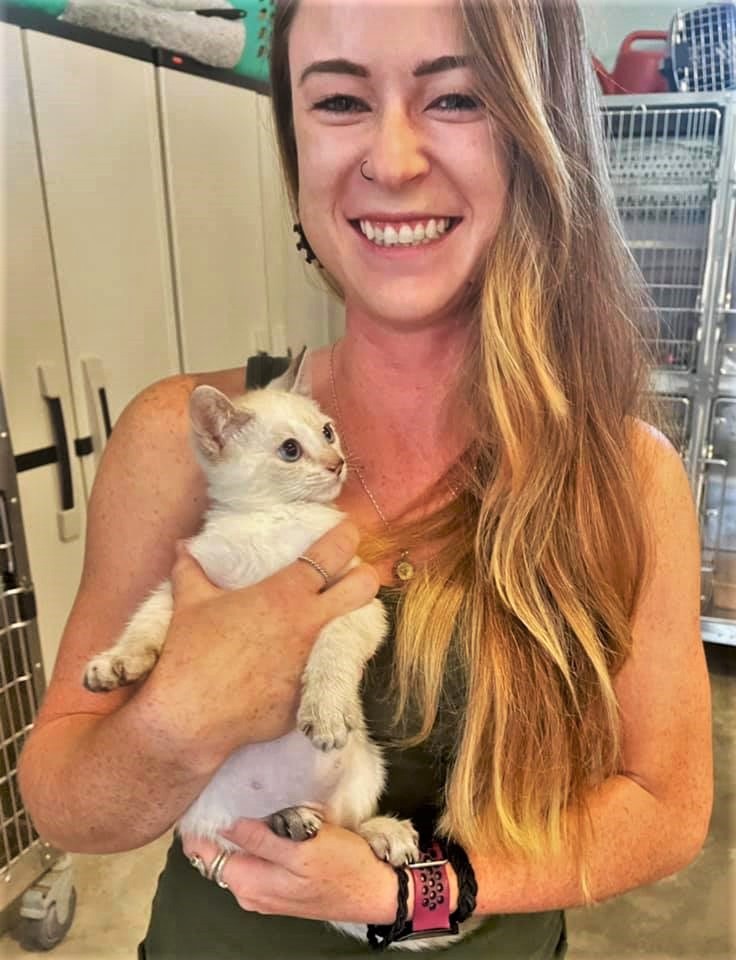
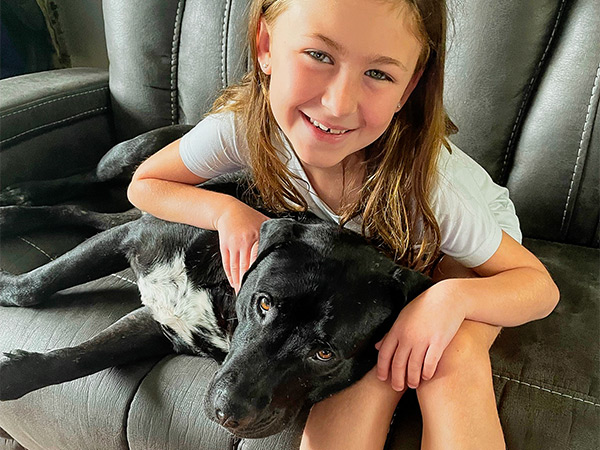
Ms. Gulsby with her new best friend.

This ability to post photos of pets with brief descriptions and get their furry faces exposed to thousands of potential adopters is especially critical now, when the shelter is at full capacity and visitor traffic is low. We need to find pets good homes quickly to make room for animals in intake who are waiting for their chance to be on the adoption floor.
Consistent posts of the shelter’s dogs and cats also helps us match pets with adopters who are seeking their particular characteristics. For example, recently the shelter had a gorgeous kitten, Anita, who kept getting passed over by potential adopters. Perhaps it was her timidity that prevented her from being adopted for over a month. Or maybe it was her crying. Or just bad luck. But whatever it was that was holding Anita back didn’t matter once Miranda Gulsby saw her on Facebook. She immediately called the shelter and made an appointment to adopt the kitten. Then she drove five hours roundtrip from her home in Georgia to get her. Anita’s cream coat, shy personality and cherubic face were exactly the traits Miranda was looking for in a kitten.

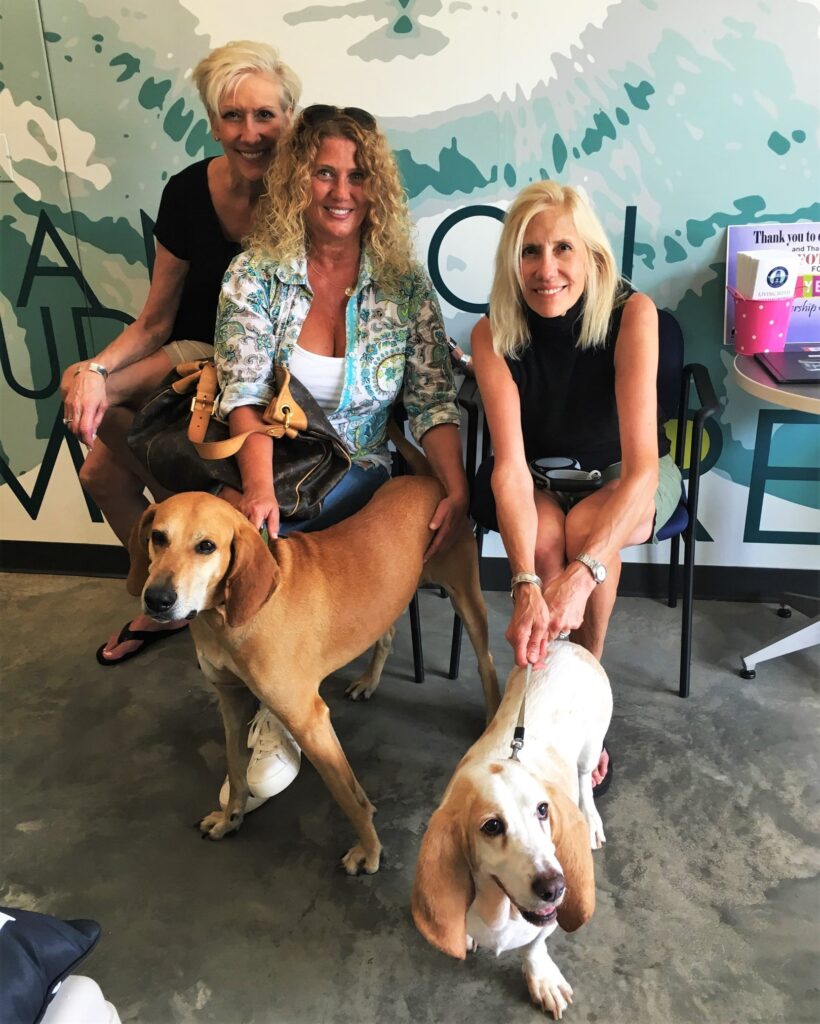
Social media helps FOTAS tell each homeless pet’s story, but the only way it can reach a vast audience is when people, like you, share the post with your friends. That’s how hound mix Huckleberry got adopted to a woman in Southern Pines, NC. Her friends shared FOTAS’s Facebook post of the handsome hound and one look at Huckleberry’s face convinced Camilla Marion to drive to Aiken with her Basset Hound and meet Huckleberry in person. It took them nearly four hours to get to the shelter, but the journey proved to be successful. Both Camilla and her dog loved Huckleberry, so she adopted him and he left the shelter with a big smile on his face.
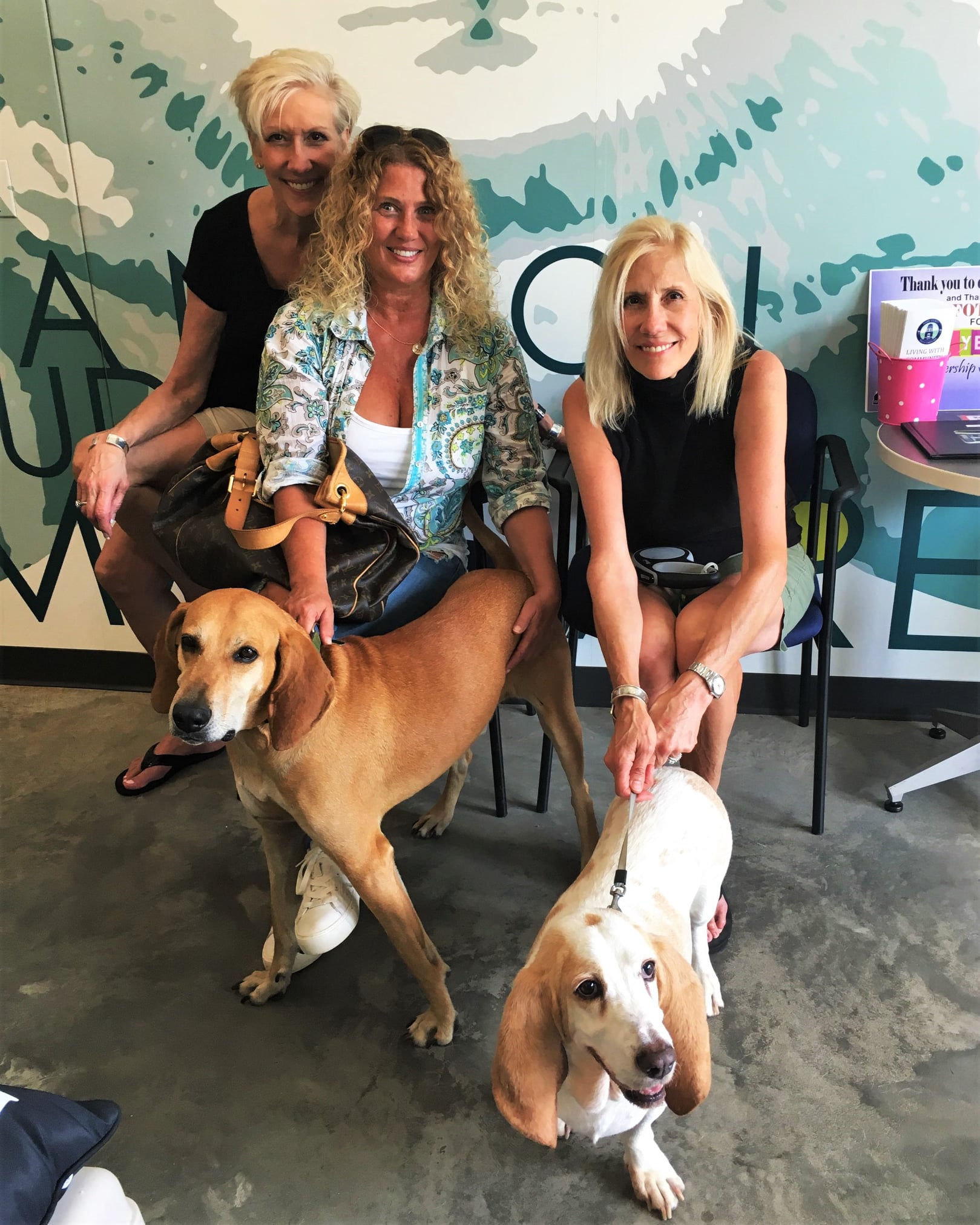
Huckleberry (left) with his new sister.

These are great social media success stories but there’s so many more shelter pets that need good homes. Like Snyder, an awesome medium-sized dog who loves to fetch tennis balls; Toby, a one-eyed, gray and white kitten; and Blaze, a wonderful, goofy Retriever mix who keeps getting passed over. The list goes on and on. So, please share our social media posts when they show up on your news feed. Each share helps the post reach more people and gives the featured pet a better chance of finding a forever home.

Their lives are in our hands.

— By Bob Gordon, FOTAS Communications Director
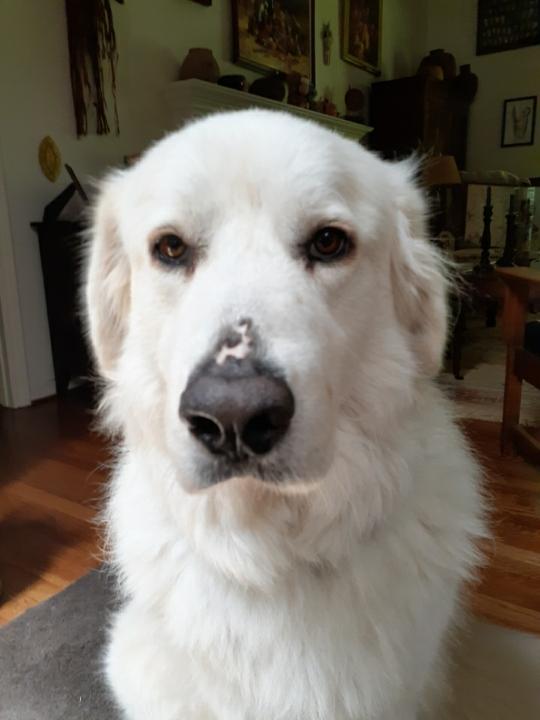
Adopted dog Snowflake is now a certified therapy dog

I am a Great Pyrenees. On July 14, 2020, I was adopted by Biz and Eddie Mann from the Aiken County Animal Shelter (ACAS). At that time, I was way too skinny at 84 pounds and thought to be 3 years old. My fur was matted and short, but they thought I was lovely. They named me Snowflake and brought me home to a house occupied by a 12-year-old Golden Retriever, Annie and a 10-year-old Foxhound mix, Hodges. It is a wonderful home and I adapted well. I liked Annie a lot and just wanted to protect her. I tried to play with Hodges, but he wanted no part of playing! From the beginning, Biz and Eddie wanted to love and cuddle me, which is just what I needed, and I loved them back.

Biz & her super dog Snowflake.

I like folks. In fact, I’m so friendly, I want to talk with everyone we meet on our daily walks. That’s what gave Biz the idea that I might be able to help comfort people who could use a friendly canine hug.

You see, Annie and Biz were a therapy dog team for 9-1/2 years. Biz missed this activity. But once she got to know me, she knew I could be a great therapy dog. Thus, the training and work began. First, I ate lots of good food to put on more pounds and added coconut oil to enhance my fur coat. I got up to a healthy 102 pounds and my fur coat is soft and luxurious. Next, I attended school for six weeks of basic obedience training. Thank goodness I passed! (I can be a little stubborn.)

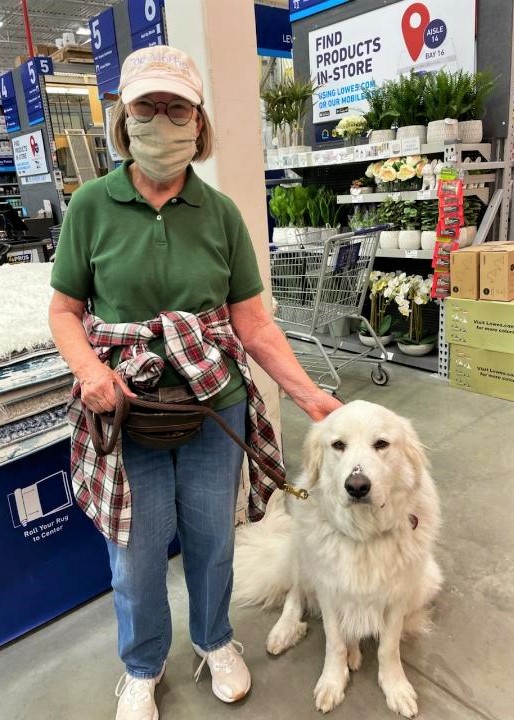
After the winter holidays, Biz contacted the tester/observer in our area to see when we could schedule the therapy dog test. We had to be together for six months before testing could occur. Finally, on February 26, we had the therapy dog test and we passed with flying colors! Next, we had to have three observations with the tester/observer in various places. Our first was at Tractor Supply Co. store, the second at Hitchcock Place Assisted Living and the third at Lowe’s. Again, we passed with accolades!

Now I have my Alliance of Therapy Dogs certification papers along with a red heart to wear on my collar. I’ve already visited two rehab facilities and two assisted living places. I love this job! Everyone wants to pet and love on me. Plus, I get to see lots of smiles.

Biz plans to take me to visit VA hospitals, children’s medical facilities, schools, nursing homes and anywhere else that allows therapy dogs. I can’t wait! I want to bring my doggie love to as many people as possible.


Snowflake, a dog adopted from the ACAS, is now a certified therapy dog.

The County Shelter is at full capacity and has many wonderful dogs who, like Snowflake, can bring much joy and happiness into people’s lives. They just need a second chance at a good life. Come to 333 Wire Road in Aiken and we’ll help you find the dog that brings lots of smiles to you and your family.

— By Biz Mann, FOTAS Volunteer

Bait dog Norman overcomes past cruelty, now has good life he deserves

Norman was picked up by Animal Control in May 2021. He arrived weak, shut down and lifeless. Scars on his face, mangled feet, ribs showing and his teeth filed down. As much as we do not want to believe that such cruelty occurs in our community, this dog proves otherwise.

This sweet boy didn’t have hope in his eyes when he arrived. He had all the signs of being a bait dog. Bait dogs are usually the canines that criminals cannot turn into fighters. The dog is too sweet and friendly. So instead, they use them to be savagely attacked, and often killed, by the dogs they are able to turn into fighters. Clearly mauled by other dogs, we eventually had to amputate two of Norman’s toes. They were so severely damaged.

Norm when he got to the shelter.

The staff and volunteers immediately fell for him and wanted to earn his love and trust. He had only the best beds, the tastiest food and all the hugs he could handle. Within days, this dog started to come alive!

Norman (the kennel staff named him) learned quickly how to walk on leash and then he would jump up and hug his walkers! This boy left the past behind and met all new people with happiness and puppy-like excitement. We think he is around six years old, but you wouldn’t know it. After two weeks, his fur was shinier, he wiggled when he saw us and he was ready. This sweet dog gained eleven pounds in just two weeks. So much healthier!

Norm goes to his forever home.

Norman is one of the lucky ones. He was rescued and treated for his wounds, given everything to make him comfortable and recover from his past. This would never be possible without the generosity of our volunteers and supporters.

Norman is now in his forever home and will finally get the life he deserves.

–By Kathy Jacobs, FOTAS Programs Coordinator

Working Together to Save Veterans and Homeless Dogs

Memorial Day is a holiday to honor the more than one million men and women who have died while serving in the U.S. military. However, it is also a time to think about the people who made it home but are struggling with post-traumatic stress disorder (PTSD) and other war-related mental health conditions.

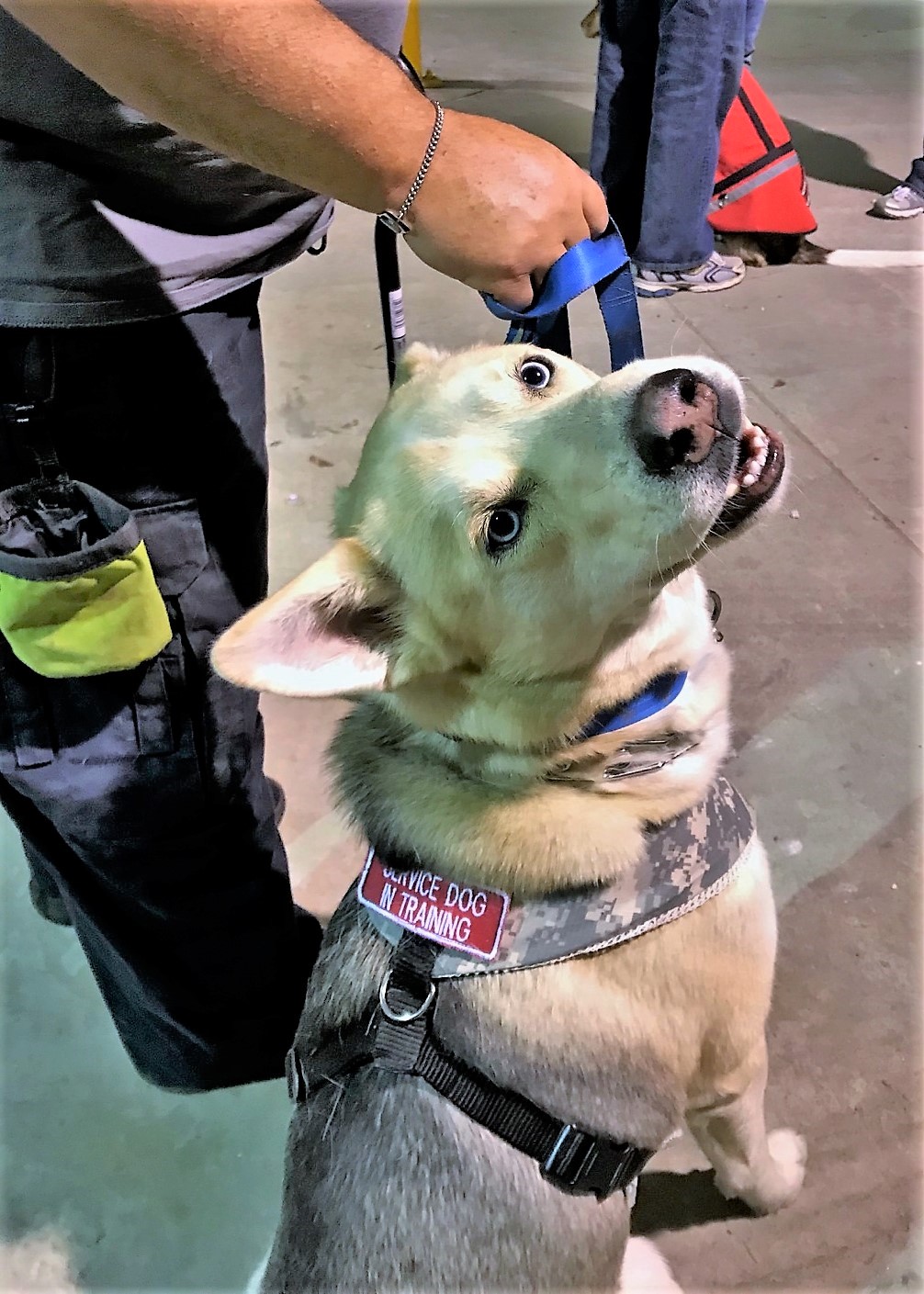
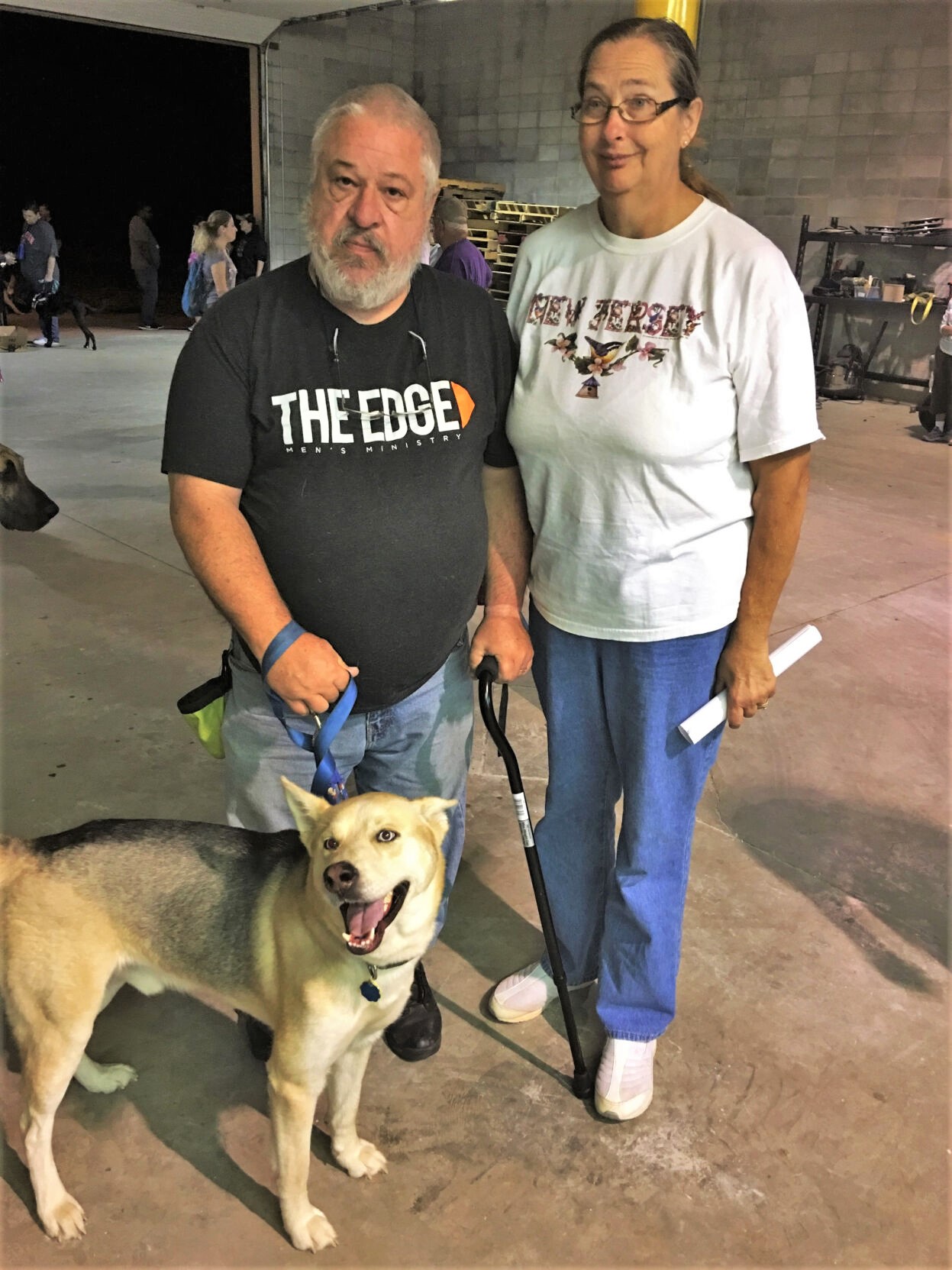
These military veterans are still in danger and need our help. So, FOTAS works closely with Veterans K9 Solutions to provide these men and women with service dogs that reduce their anxiety and improve their quality of life.
PTSD is a mental health condition that’s triggered by a terrifying event — either experiencing it or witnessing it. Symptoms may include flashbacks, night terrors and severe anxiety, as well as uncontrollable thoughts about the event. If the condition isn’t treated, it can lead to suicide.

Blue when he took service dog instruction.

“It’s so important for these veterans to get service dogs because the PTSD causes them to stay home and shut themselves off from people,” explained Jerry Lyda, who co-founded Veterans K9 Solutions with his son, Jay. “These dogs give them a ‘battle buddy’. When they’re depressed, the dog can relieve them of that pain and reduce their anxiety.”

Saving two lives at a time
In 2013, the United States Department of Veteran Affairs released a study which showed that roughly 22 veterans were dying by suicide per day, or one every 65 minutes. With the added anxiety created by COVID-19, that number will likely rise in 2020 and 2021.

But adopting and training a homeless dog to be a service animal can help this crisis and be the ultimate win-win.

“The dogs get a second chance for a good life and the veterans get a dog on which they can rely and trust. They can tell the dog all their problems and issues, and that loyal pet won’t judge them or let them down.” By focusing on the dog, the veteran also doesn’t think too much about their own situation. This helps improve their quality of life to a level we take for granted.

There have been many service dog success stories as a result of the FOTAS – Veterans K9 Solutions collaboration, but Jerry points to County Animal Shelter dog, Blue, as one of his most memorable canine students. Blue helped veteran Rev. Bill Klein get through some tough times and was his constant companion for years, until the veteran’s heart gave out on him. Even then, Blue stayed at Klein’s side in the hospital until he passed. Now Blue serves and comforts Klein’s widow.

FOTAS sponsors military/veteran adoptions
If you are a U.S. veteran or active in the U.S. military and need a service dog, please send a brief email to info@fotasaiken.org. There is no cost for the adoption or training. And remember, FOTAS proudly sponsors the adoption fees for all active U.S. military and veterans year-round.

County Shelter dog Blue with Bill Klein & his wife.

Their lives are in our hands.

— Bob Gordon, FOTAS Communications Director
Couples Volunteer Together to Help Shelter Dogs

Couples find volunteering at the Aiken County Animal Shelter (ACAS) to be a powerful bonding activity and a deeply satisfying experience. They come in pairs to walk, socialize and pamper dogs, many of whom have never experienced such love and attention.

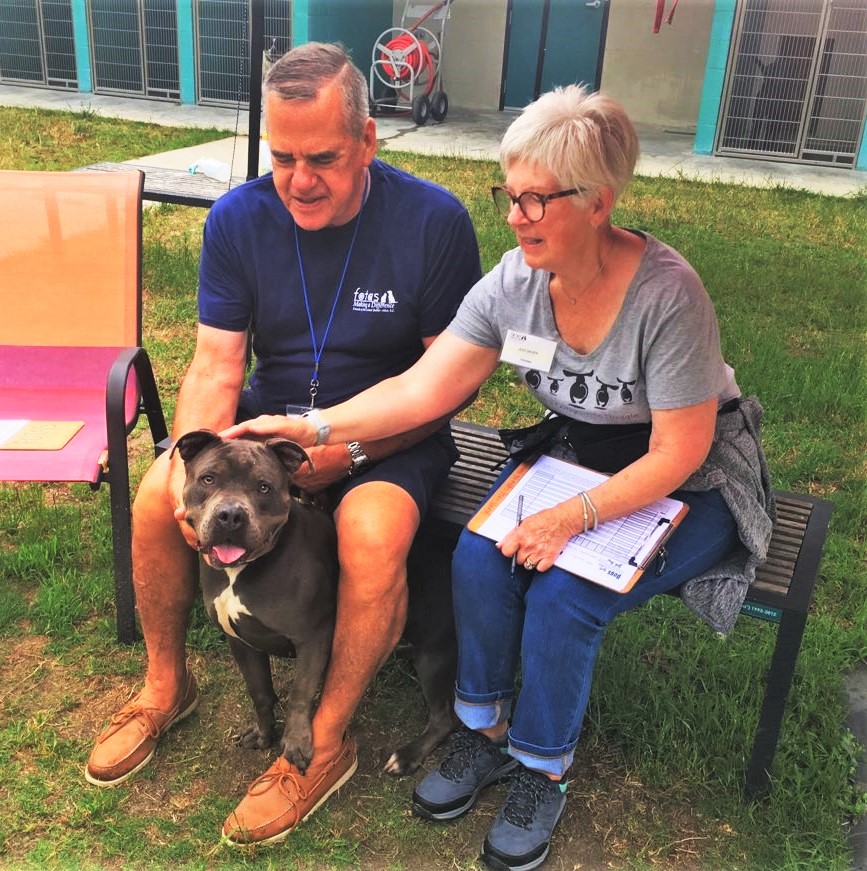
John & Judi Sauer spend time with pretty Pibble, Sally.

“We were looking for something to do together after retiring,” said Bonnie Martin, who joined FOTAS with her husband, Jeff nearly five years ago. “We enjoy interacting with the different dogs. And we like sharing our experiences with the different dogs with each other and the other volunteers and staff.” Jeff and Bonnie have two dogs of their own, Keegan and Miele. Both were adopted from the ACAS.

John and Judi Sauer are also familiar faces at the shelter. The couple, who joined FOTAS three years ago, loves walking and spending time with the dogs – and the camaraderie that comes with it.

“FOTAS is like a family, and the volunteers care deeply about having a part in the success of helping a frightened and sometimes ‘unruly’ dog transform into a happy, adoptable dog,” Judi said. “There is no greater satisfaction than being a small part of this process.”

John added, “The volunteers are all enthusiastic participants, and the very caring shelter staff provides the animals with everything they need to become pets in forever homes.”

John and Judi have four rescue pets at home. Three were adopted in Indiana, where they moved from in 2018, and one dog – Caroline – who they adopted from the ACAS.

Ahmed Samaha makes a new friend.

Becoming a shelter volunteer is easy and training is straightforward and quick. Just ask new volunteers Ahmed and Kathy Samaha, who joined FOTAS in February.

“You can volunteer at lots of different times and for any length of time,” Kathy said. “The dogs and staff are so appreciative of any efforts. You can pick which dogs to walk, or you don’t even have to walk them; sometimes they just need a human to sit and pet them. That’s the best!” Kathy and Ahmed have two rescue dogs at home, Blue and Willa. Blue was adopted from the county shelter.

Jeff & Bonnie Martin get ready to walk Bronson.

If you would like to join FOTAS and volunteer to help the shelter pets, please call, 803.642.1537 (option #3) or email info@fotasaiken.org. You can download a volunteer application at FOTASAiken.org. Or just stop by the shelter, 333 Wire Road, and we’ll help you get started.

“Just do it,” Jeff said. “It’s easy to find a time that fits your schedule since volunteers are needed seven days a week. Believe me, the dogs, and other volunteers will welcome you warmly.”

Their lives are in our hands.

— By Bob Gordon, FOTAS Communications Director
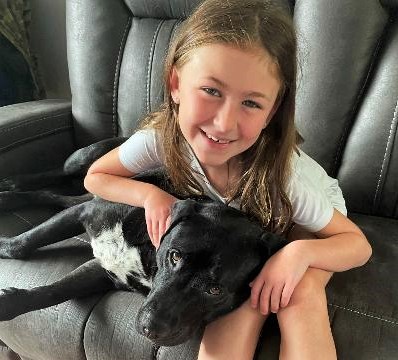
Hounds of Love at the County Animal Shelter

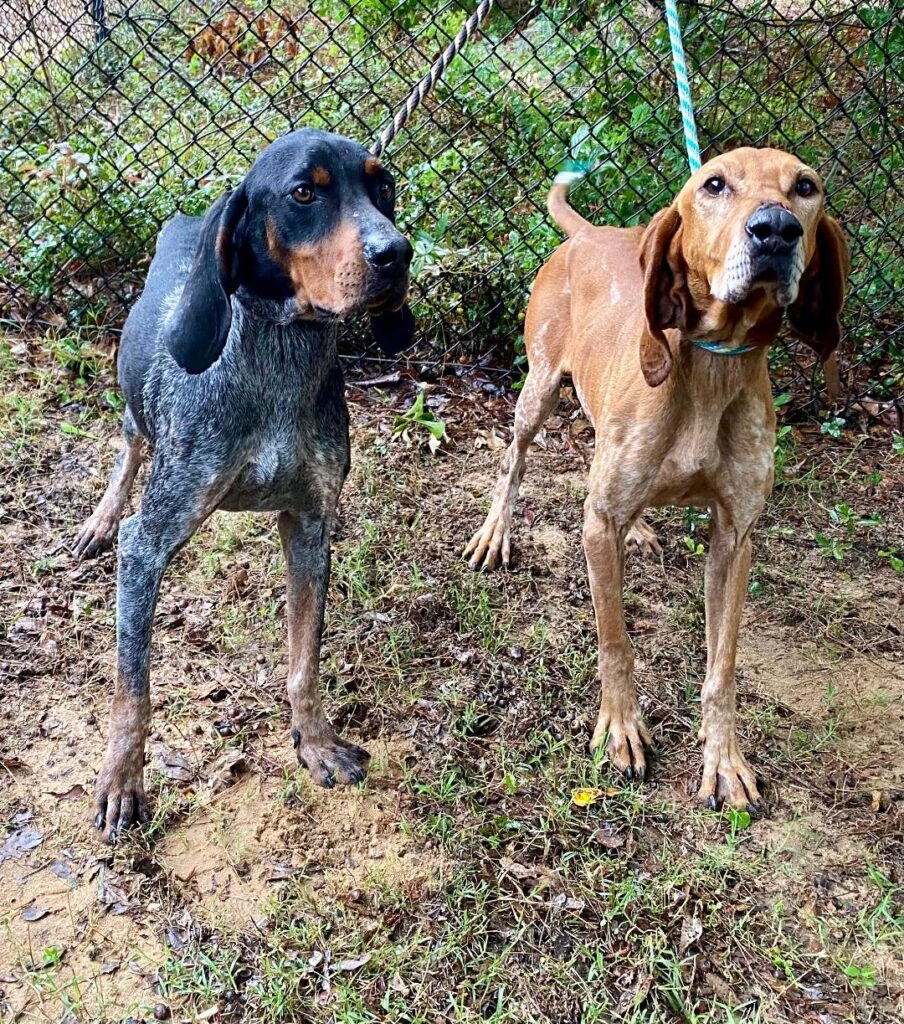
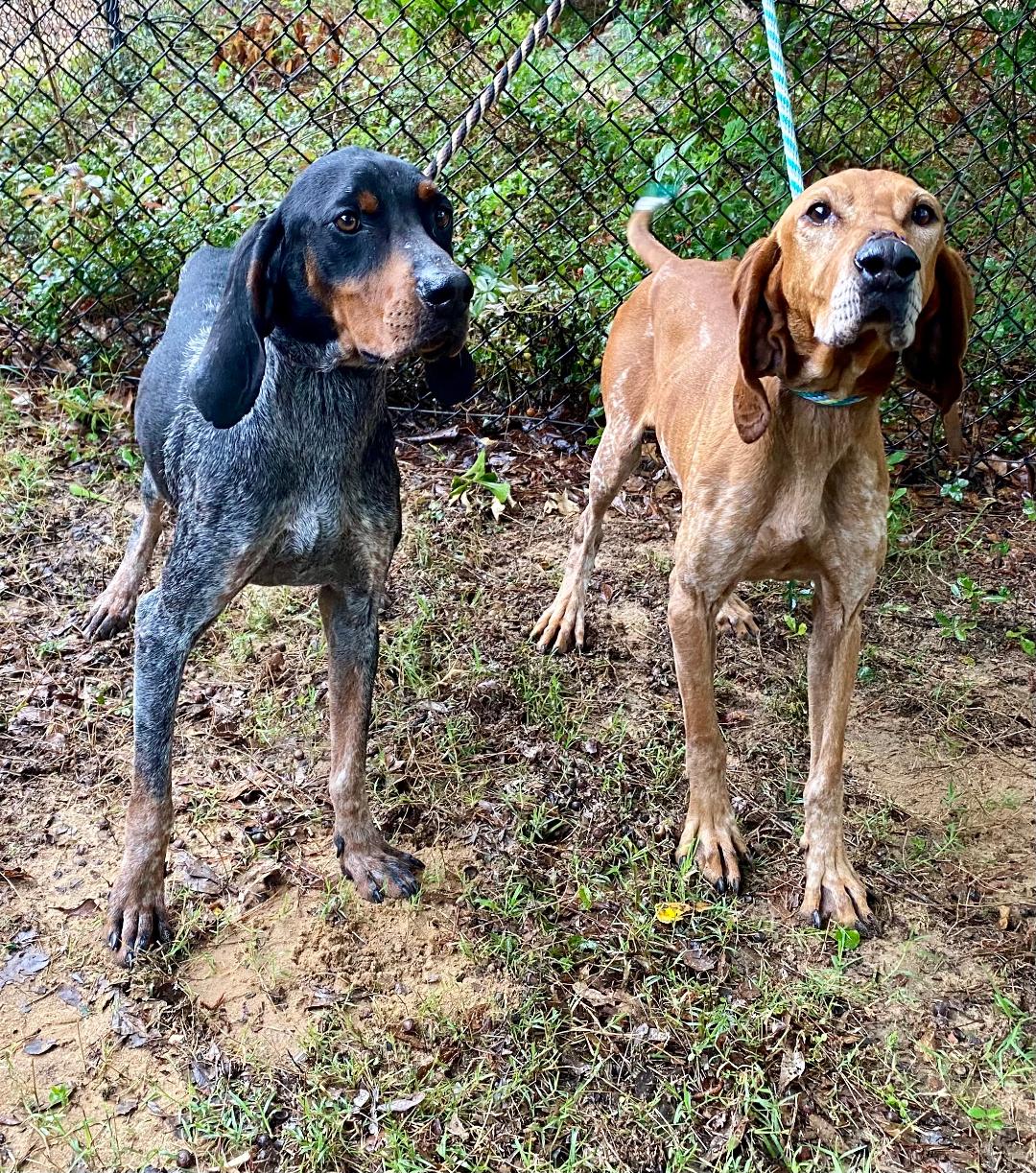
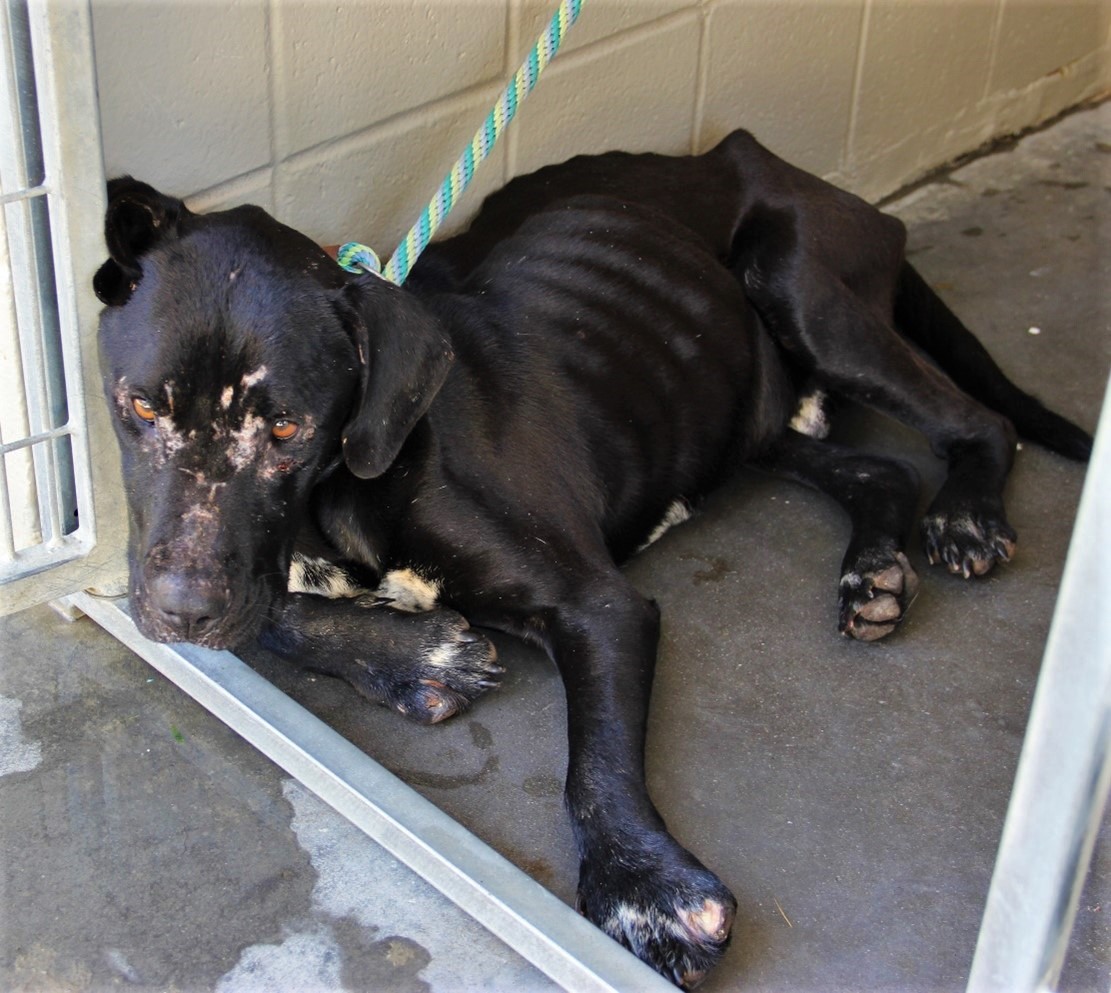
Skin and bones. Found starving and scared with pressure sores on their bodies from lying on concrete for long hours at a time. Clearly neglected and possibly abused, the pair of dogs playing in the intake exercise yard would be forgiven if they were bitter and angry. But they show nothing but love. Despite their difficult journey and the pain that came with it, the alarmingly thin red hound and her tri-colored canine pal are sweet and affectionate to every person they encounter.

Hound mix Aiden was adopted, but more hounds need forever homes.

“The hounds cling to us for hugs and attention,” said FOTAS Programs Coordinator Kathy Jacobs. “We provided them with donated toys and big, comfortable dog beds for their bony bodies.”

These two female hounds recently arrived the shelter and are in stray hold for five days. The red dog has lacerations on her snout that had to be stitched up and both dogs’ ribs prominently show through their skin and fur.

“We don’t know their story,” Jacobs explained. “We can only speculate. Maybe they were potential hunting dogs and were abandoned or ran away. We just know they are safe now, getting well, and are so happy to be here.”

So happy, in fact, the red hound could not stop wagging her tail and within hours of getting to the shelter, made her kennel a bloody mess. She thumped her tail against the concrete walls of her kennel so many times, the blunt force trauma split the tip of it wide open. Her tail is wrapped now, and she’s fine. This “happy tail syndrome” in shelters is common with many breeds, including hounds. It is reflective of their personality: bright, energetic and super friendly.
These young females in intake are just two of the many hounds the shelter receives on a pretty consistent basis. Currently on the adoption floor is Aiden, a senior hound so affectionate, he puts his paw out to greet people and sometimes wraps his right front leg around your knee as you pet him. He has been waiting many weeks to find a good home.

These two female hounds were saved by county animal code enforcement officers and brought to the shelter. Since the hounds are strays, the staff does not know their history. But they were so skinny, it is likely they were strays for a long time or neglected by their owners.

So, please help our hounds at the shelter. Consider adopting one for your family. Hounds are known to be gentle, loyal and enjoy being around people. They rarely need grooming, come in all sizes, are smart and are usually great with kids.
To make an appointment to adopt Aiden, another hound or any other homeless pet at the county animal shelter, please call, 803.642.1537 (option #3) or email info@fotasaiken.org.

Their lives are in our hands.

— By Bob Gordon, FOTAS Communications Director
County Shelter P.A.W.S. Center Is About to Become a Reality

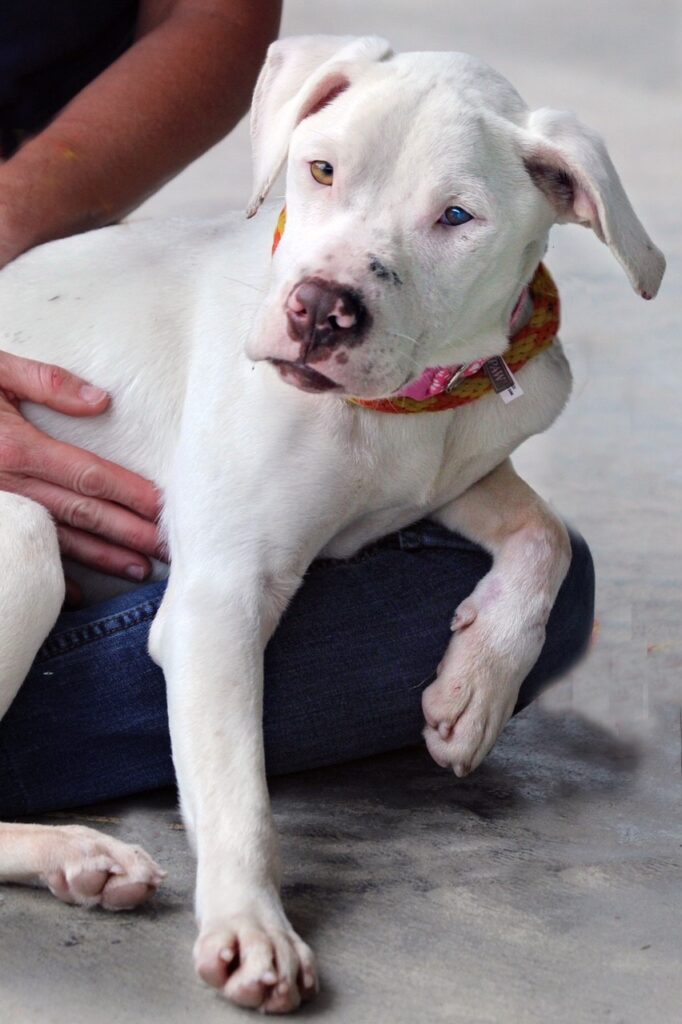
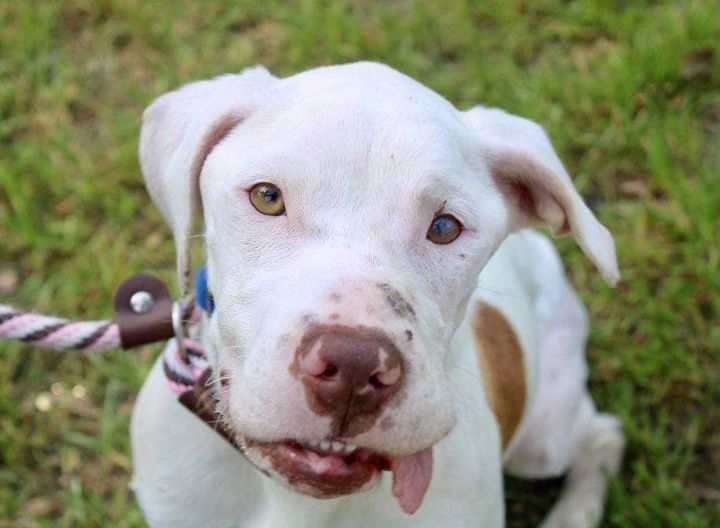
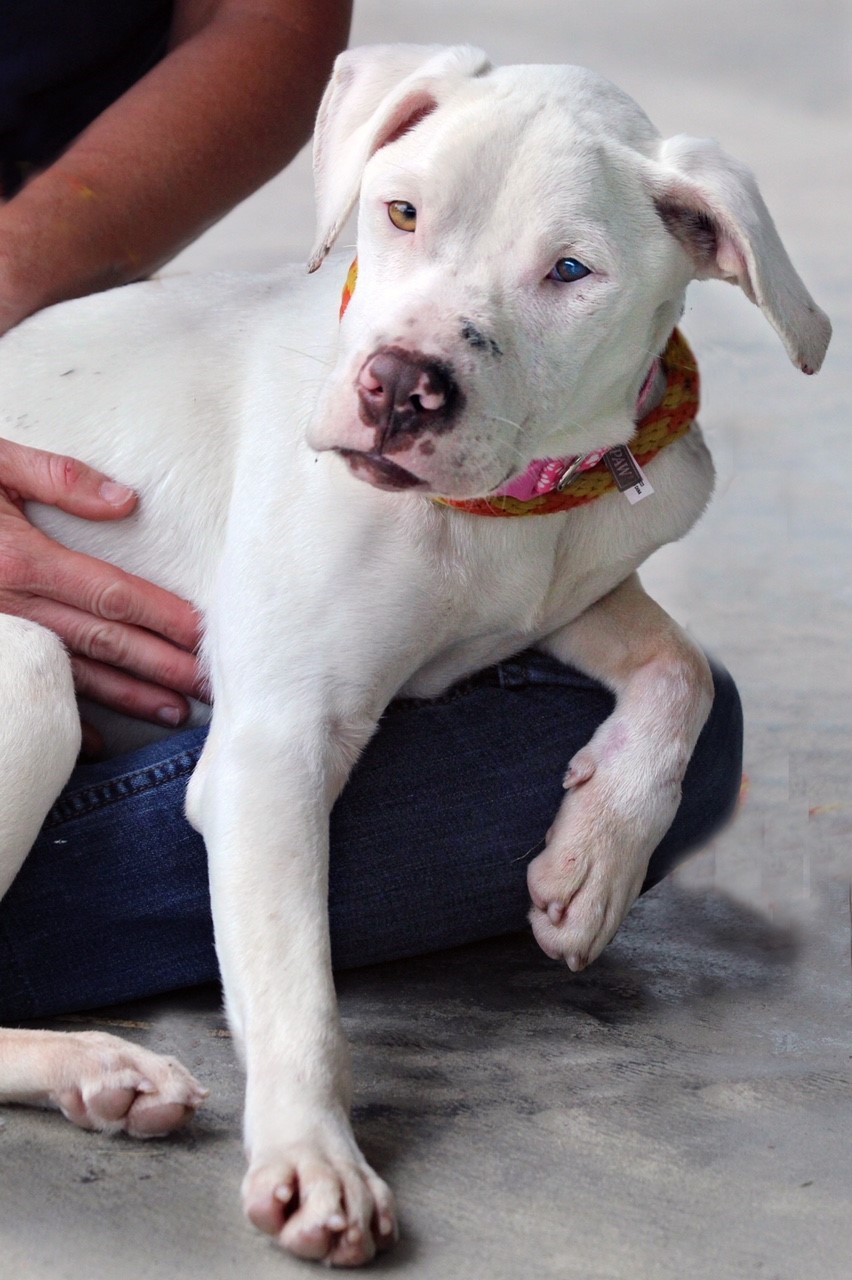
You have been looking for the perfect canine friend, and you think you finally found her on the FOTAS website—a lovely, white Pibble with a brown patch on her eye named Jewel. You saw her picture and thought, “Yes! She’s the one!” You call the Aiken County Animal Shelter and make an appointment. As you drive your car towards your dog destiny, you imagine all the things you and Jewel are going to do together when she comes home with you.

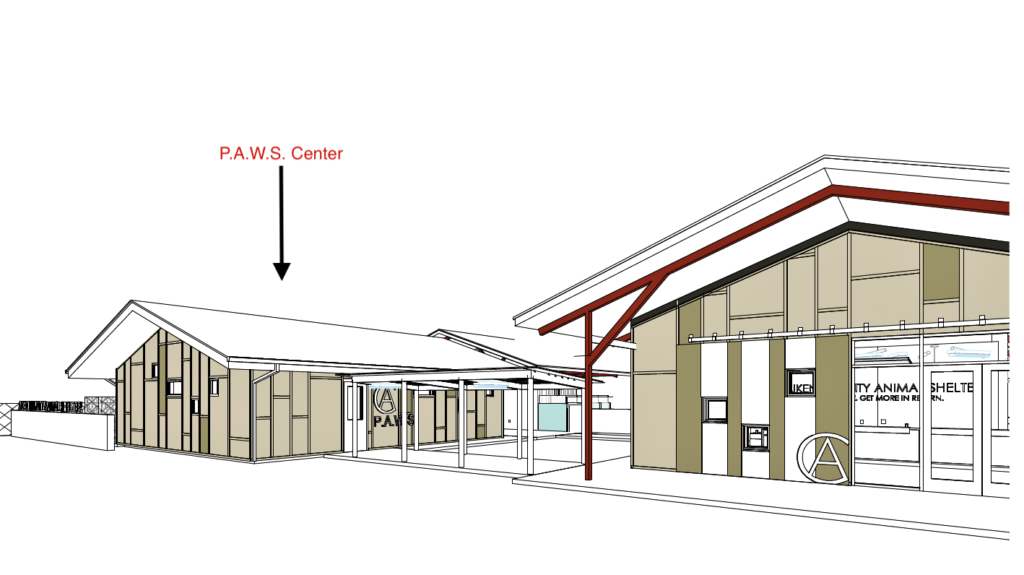
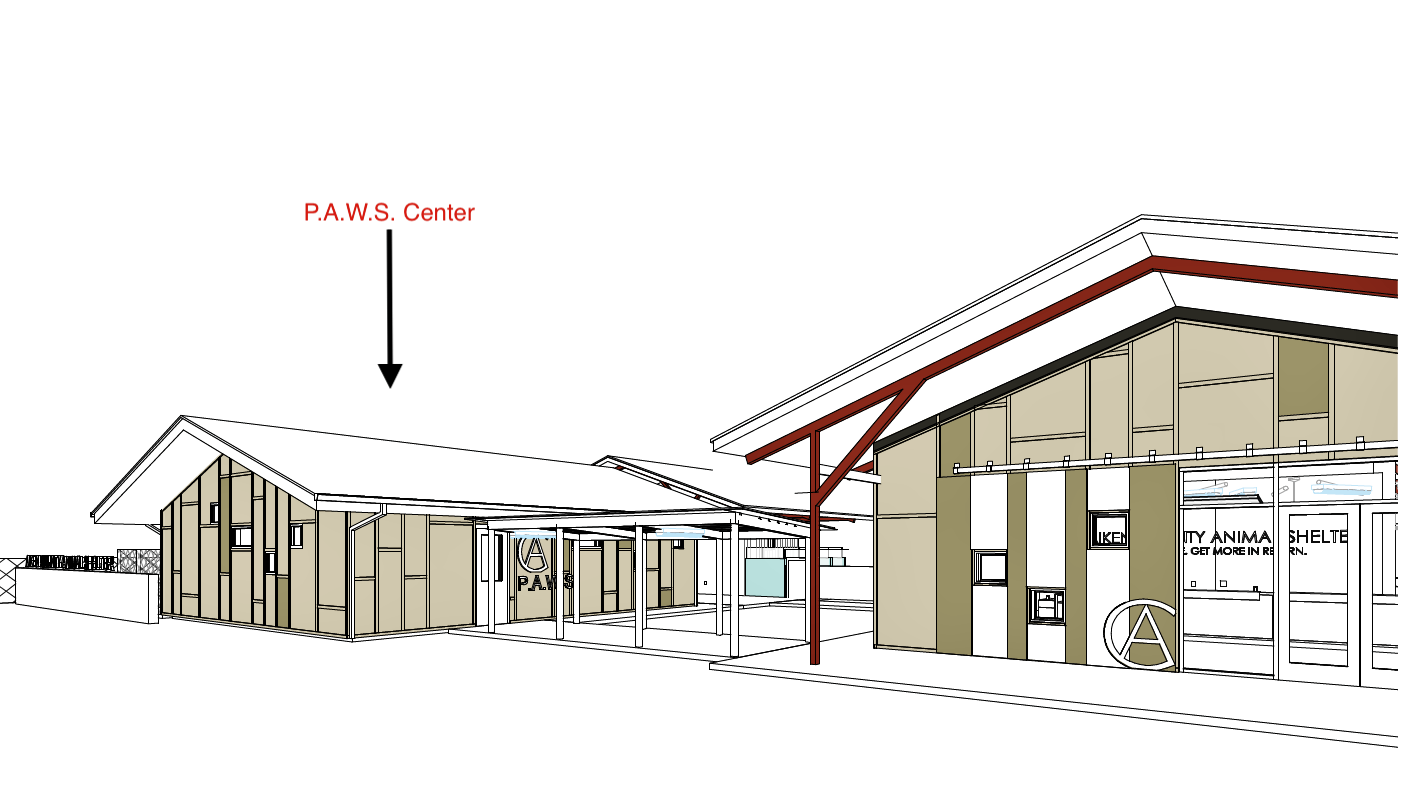
The new building will be next to the shelter’s feline facility.

When you arrive at the shelter, the adoption staff brings Jewel outside to meet you in the play yard. She’s excited to be out of the kennel. She races around the yard, sniffs the fence posts, barks at the other dogs, shows a keen interest in the cars in the parking lot. In fact, Jewel shows a keen interest in just about everything and everybody but you. Although you know in your head why she’s distracted—it’s a busy county shelter with lots of noise and people—your heart is broken. You leave the shelter disappointed and without Jewel.

But what if there had been a quiet place indoors, away from distractions, where you could meet Jewel—just you and her, maybe one of the adoption staff to oversee the introduction? Odds are, based on our experience, Jewel would have crawled into your lap and given you one of those big, goofy Pibble smiles. In that case, you would have left the shelter with a full heart and Jewel in the back seat.

The addition of meet and greet rooms where potential adopters can get to know a new dog, away from the frenzied environment of the kennels and the distractions of the outside play yards, is on top of the Shelter’s wish list. In addition, the Shelter also needs an indoor room with no distractions for training and socialization of shelter residents. Most shelter dogs have never been taught basic obedience skills, which are important for a new dog to become a good family member. An indoor training room could also provide a space for indoor dog play groups, for introducing the new dog with a potential adopter’s existing dog, as well as for holding educational events for children, Junior FOTAS after school clubs and camps, community organizations, as well as training for staff and volunteers.

Although the original plans for the shelter included meet and greet, adoption, and training rooms, there simply wasn’t enough funding at the time. Finally, thanks to the generosity of the Aiken community, FOTAS fundraisers, and two recent, substantial legacy estate donations, we are pleased to announce that FOTAS and the Shelter are developing plans for the P.A.W.S. Center (Primary Learning, Adoption, Wellness, Socialization). The addition would also include a new, stress-free cat room and patio for our feline residents.

The P.A.W.S. Center will be a wonderful addition to the county shelter.

In short, the P.A.W.S. Center will help us make our animals more adoptable and reduce their length of stay. That’s a win-win for everyone.

Thank you for your support and for making us part of your estate plans. Your generosity makes it possible for the Shelter to take the Center off its wish list and make it a reality. We’ll keep you posted as the plans unfold.

Their lives are in our hands.

— By Jennifer Miller & Joanna Samson, FOTAS

Group Play Can Work Wonders for Shelter Dogs

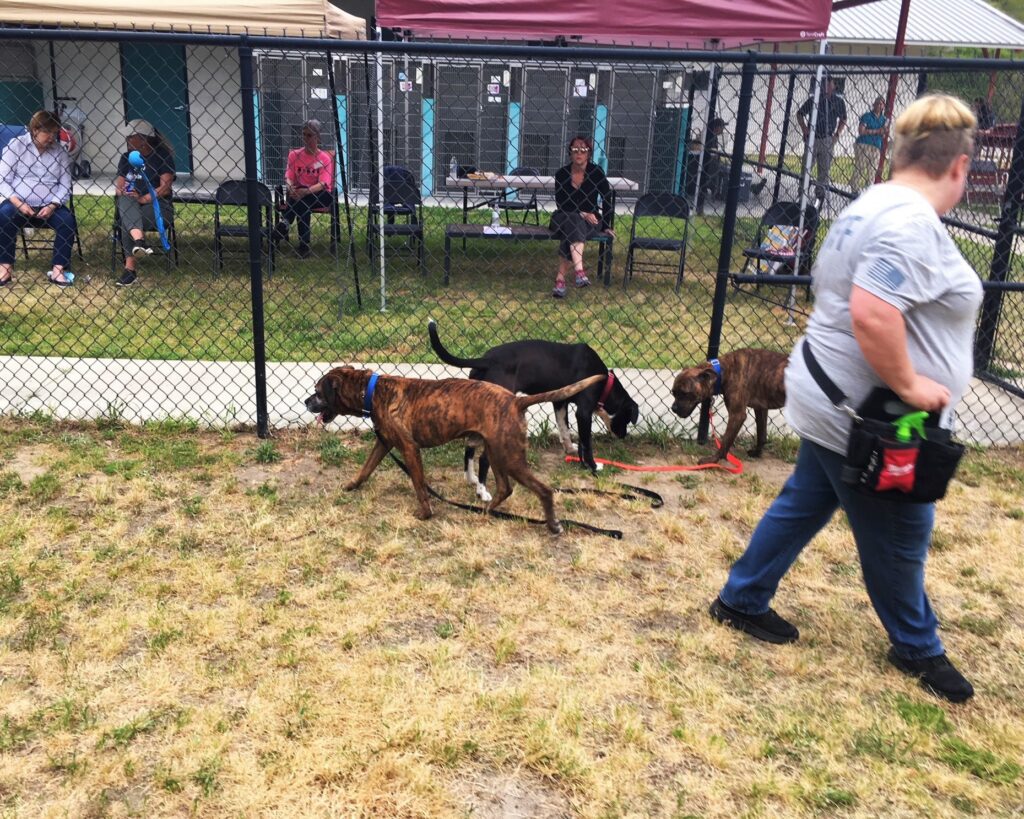
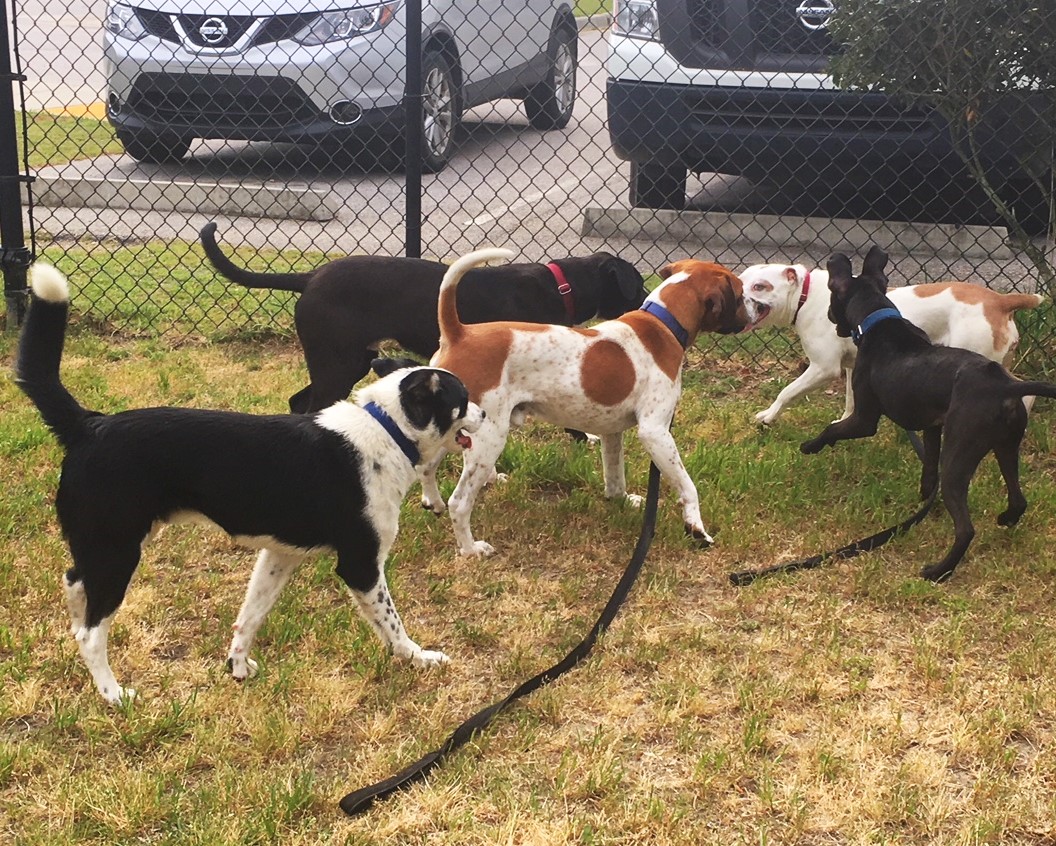
Paddy, a handsome white and black Border Collie mix, slinks into the play yard, his head down, tail between his legs. He backs away from the humans in the yard, wary of their intentions. Then Graham, a black retriever mix, is let in and everything changes. Paddy’s ears perk up and he slowly approaches the bigger dog. They come to face to face and sniff. Paddy’s tail pops up and begins wagging furiously and Graham nudges him with his nose. Soon they begin wrestling and chasing each other in the yard like best friends!

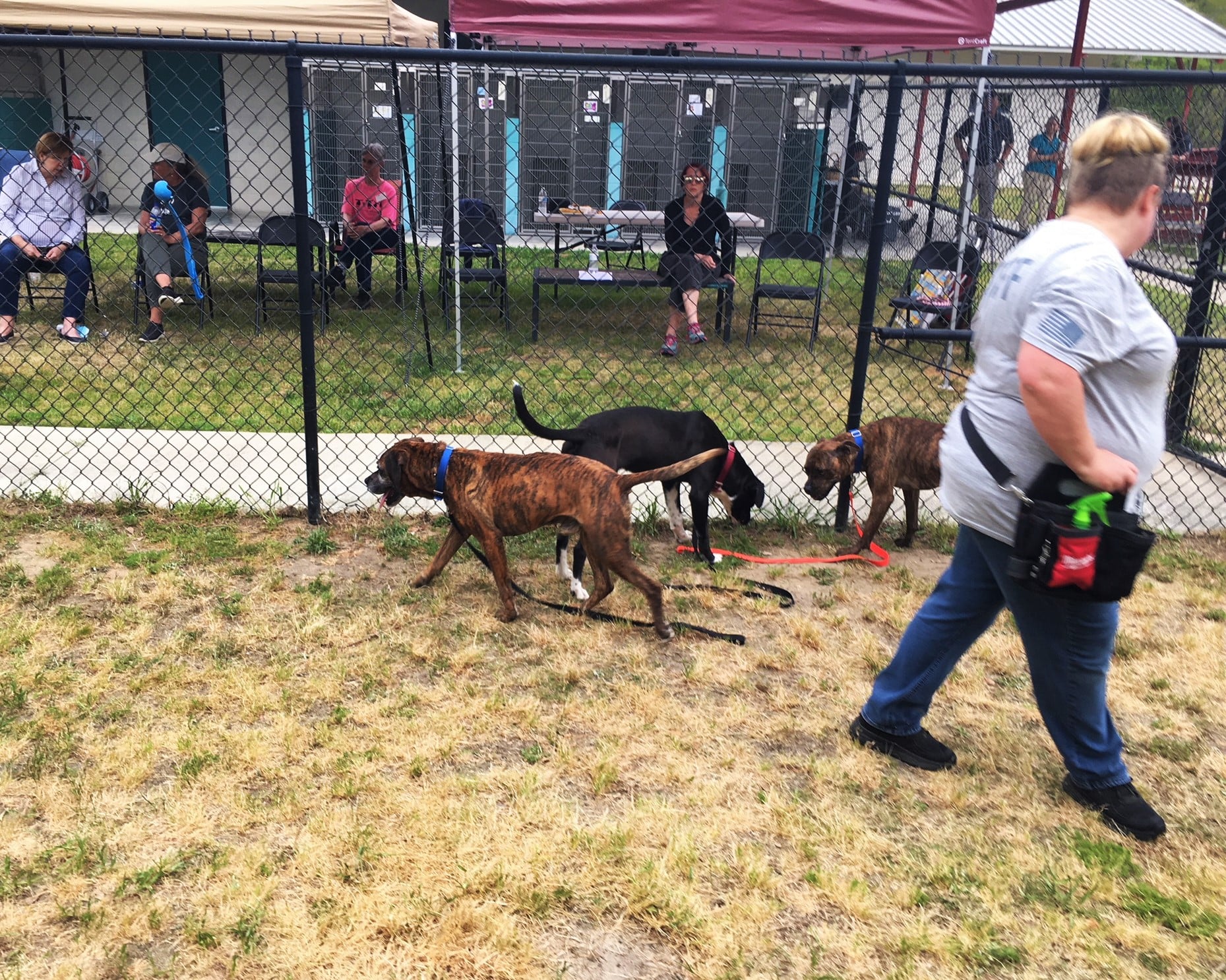
Group exercise helps dogs become better pets.

Welcome to the world of Dogs Playing for Life (DPFL), a group play program designed to give shelter dogs better quality of life and social interaction that helps them to become more adoptable.

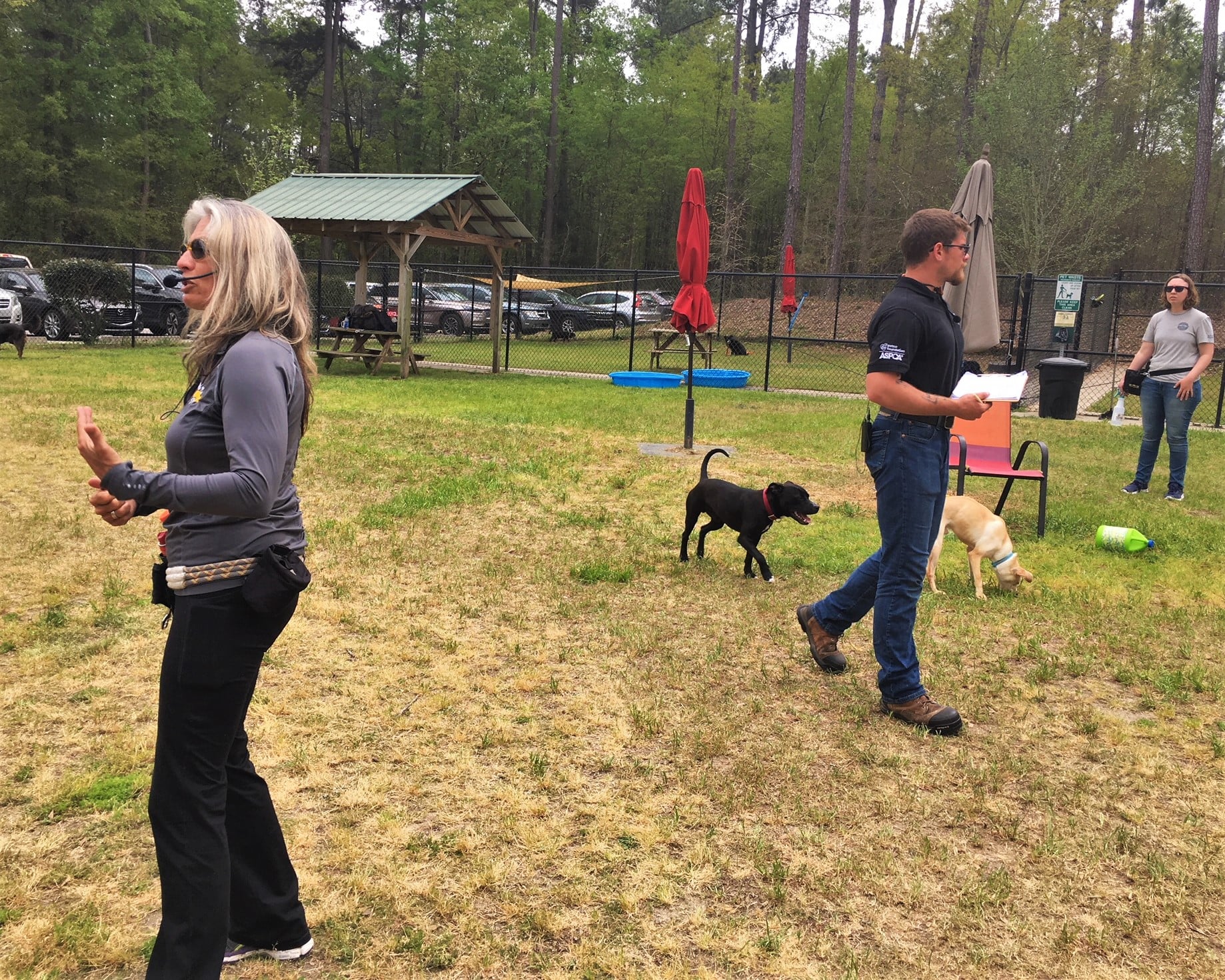
The DPFL team recently visited the Aiken County Animal Shelter (ACAS) to train personnel on how to hold dog play groups safely and effectively. DPFL Founder and CEO Aimee Sadler led the training, which included assessing 36 shelter dogs’ compatibility with other canines as well as their personality traits and playing style. By observing the dogs’ social interaction through shared playtime, the DPFL program helps make shelter dogs better behaved and more adoptable.

The program is helping FOTAS and staff identify key personality traits in individual dogs and aid in successfully matching homeless pets with adopters. Group play can help especially shy dogs, like Paddy, find their confidence and overly aggressive dogs learn how to play well with others.

Dogs Playing for Life first visited the shelter five years ago and introduced their guidelines and training to FOTAS and the County. This recent training was a refresher course, including two days of intense hands-on training.

The staff has incorporated these lessons and have held play group sessions twice a day over the last two weeks. Staff usually manages five or six dogs at a time, but group play can include a dozen or more dogs if they get along and enjoy similar playing styles.

Some of the shelter’s most timid dogs, like pit bull mix Trinity and spaniel/hound mix Tenor, are blooming into superstars. They cannot wait to get out of their kennels and play with other dogs.

Group fun is overseen & led by shelter personnel.

A kennel environment can be incredibly stressful for dogs. But group play helps ensure dogs receive enrichment as well as physical and emotional care that can help them to engage more positively with potential adopters, transition more easily to a new home, and interact appropriately with people and other dogs in the community.

Last week, Donovan, a black lab mix who arrived at the shelter with a lot of nervous energy heightened by kennel stress, served as an example of how beneficial DPFL can be. During his appointment with a family, he was relaxed, confident and even plopped down on his future “mom’s” lap. Within minutes, he was in their car, heading to his forever home.

Their lives are in our hands.

— By Bob Gordon, FOTAS Communications Director
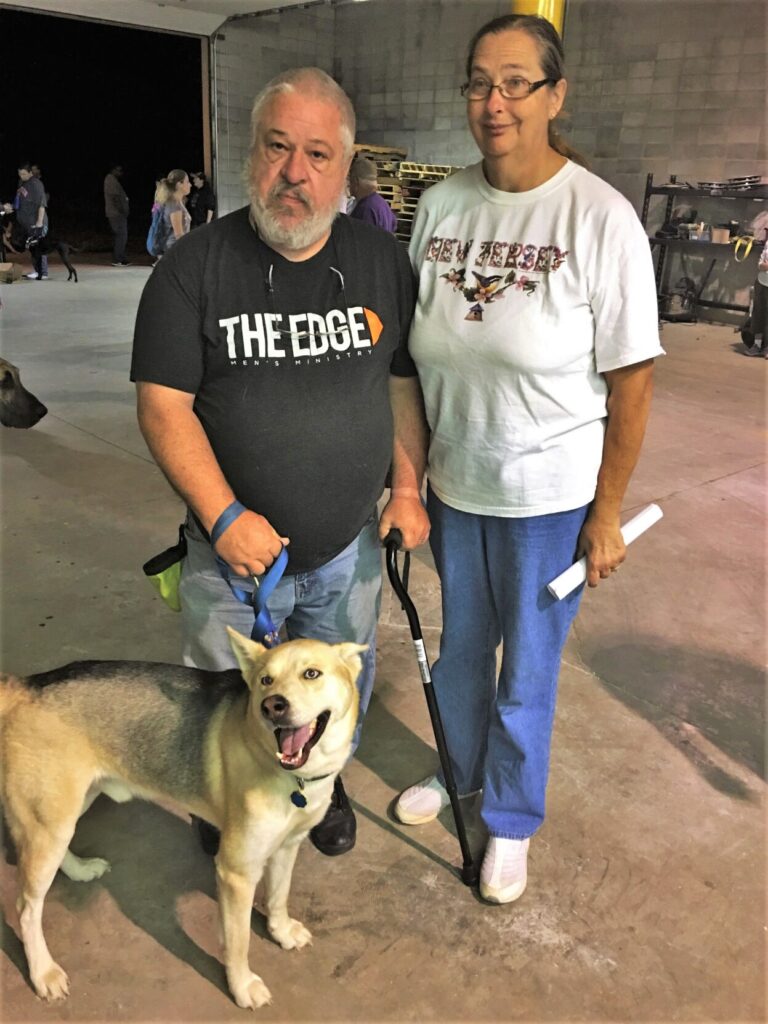
Shelter personnel receive lessons from DPFL experts.


Shelter Dog Spirit Overcomes Adversity, Hopes for a Forever Home

The 27-pound mixed breed female that hobbled out of the roadside woods to greet Patrick Miller, Animal Control Officer, was bringing a lesson to share.

Patrick suspected a hit and run with the number of cuts in her body and the skew of her bloodied jaw. Her ribs were defined under white and brown fur with the last good meal long forgotten. The left eye also seemed cloudy. It would take a vet to confirm and repair her broken hip, but Patrick knew she was in pain even without an aggressive reaction to his touch. She was one more of the many good dogs that tugged him back to work, day after day, patrolling Aiken County for the lost, abused, and injured. Each case saddened him but rewarded him as well with the chance to help and be part of a success story. And that’s what this is.

Spirit went through surgery to recover from her hit & run injuries.

Dr. Mike Wells, a veterinarian helping the Aiken County Animal Shelter and Dr. Lisa Levy, DVM for the shelter, surgically reset the broken hip and sutured the cuts. The empty sockets of teeth that had been knocked out would heal with the support of antibiotics. Dr. Levy says, “She is one of the most physically challenged dogs we have seen but her spirit has never wavered. The jaw muscles have atrophied and she can only open her mouth enough to eat canned food.”

Kathy Jacobs, FOTAS Programs Coordinator, adds, “She is all love and never stopped fighting. We call her Spirit. Dogs like Spirit are the reason FOTAS is so committed to the shelter.”

When Kathy introduced me to Spirit, I knelt on one knee with my camera bag at my side. Spirit without hesitation sat on the bag of this stranger, and leaned into my leg, turning her head to look up at me, nuzzling into my hand. On the exhale of a deep breath, I murmured, “Good dog. What a sweetheart. An inspiration.”

Perhaps that is the lesson Spirit came to the shelter to share… to live for today with joy unburdened by pains and sorrows of yesterdays.

Dr. Levy estimates Spirit is 2 years old. Kathy says Spirit walks well on a leash, appears to be housetrained, but like most trauma dogs, needs personal care and time to adjust.

“Her tongue slips out occasionally through the missing teeth, but no harm, she’ll pull it back or give you kiss,” Kathy said. “Spirit will be as loyal as a pet can be to the lucky people who adopt her.”

If you want to take a short walk with Spirit or quiet get-acquainted time to consider her lesson, call now to schedule a visit: 803-979-2634. If you’re not ready to adopt, visit the County Shelter anyway to feel good, donate, and volunteer.

Their lives are in our hands.

Editor’s Note: Spirit was adopted by a wonderful Aiken family shortly after this column was published by the Aiken Standard.

— by Vince Verrecchio, FOTAS Volunteer

Four Furry ACAS Alumni Are Living the Good Life with One Family

Over the last three years, Robin and Bobby Vaughn have adopted four homeless pets from the Aiken County Animal Shelter (ACAS). This quartet of two kittens, Ripley and Charlee, and two dogs, Cody and Bella, are enjoying the good life on the Vaughn family farm with a stray cat, five horses and a rooster.

Cody is the first County shelter dog who joined the Vaughn family.

“While this probably sounds like a small zoo to most people, this is actually the smallest number of pets we have had in a long time,” Robin said. “The horses are all older, so they are pretty much just living the life, grazing and waiting for us to bring them breakfast and dinner. During the day, Bella and Cody share the front yard with two of the horses and Clyde, the rooster. Clyde free-ranges and Cody and Bella serve as his protection detail. Where they go, he goes.

“The kittens are indoors only,’ she added. “They have the run of the house and play all day. When they aren’t chasing one another, they are dragging toys from one room to another. For most of the day, it looks like a Toys ‘R’ Us exploded in our home and at the end of the day, we pick it all up just so they can have fun dragging it all back out again tomorrow. They get their exercise and so do we!”

Black and white shepherd mix Cody is the first ACAS pet the Vaughns adopted. They brought him home in early 2018 and he fit in well with their family. Two years later, they adopted kittens Charlee and Ripley; and three months ago, they made another trip to 333 Wire Road to take home Bella, a white and gray border collie mix.

All the animals get along well – but this harmony among dogs and cats from different backgrounds did not happen right away. As each animal was introduced to the group dynamic, the Vaughns used positive reinforcement, leash work and socialization techniques to help them adjust to their new surroundings.

“The best advice I can give is to be patient,” Robin said. “It takes time for these animals to acclimate to their new home and new family, so it is important to help them adjust. The ACAS adoption staff is there to help along with the shelter trainers. Use these resources, if needed, to ensure the best outcome for you and your new pet.”

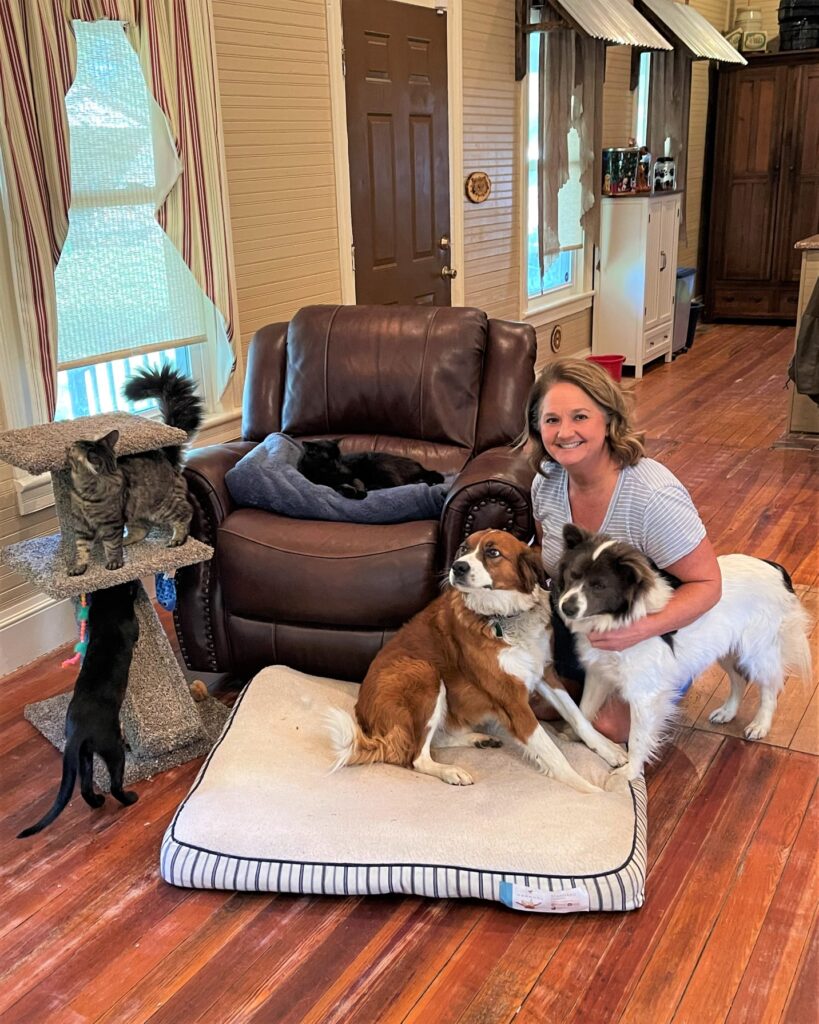
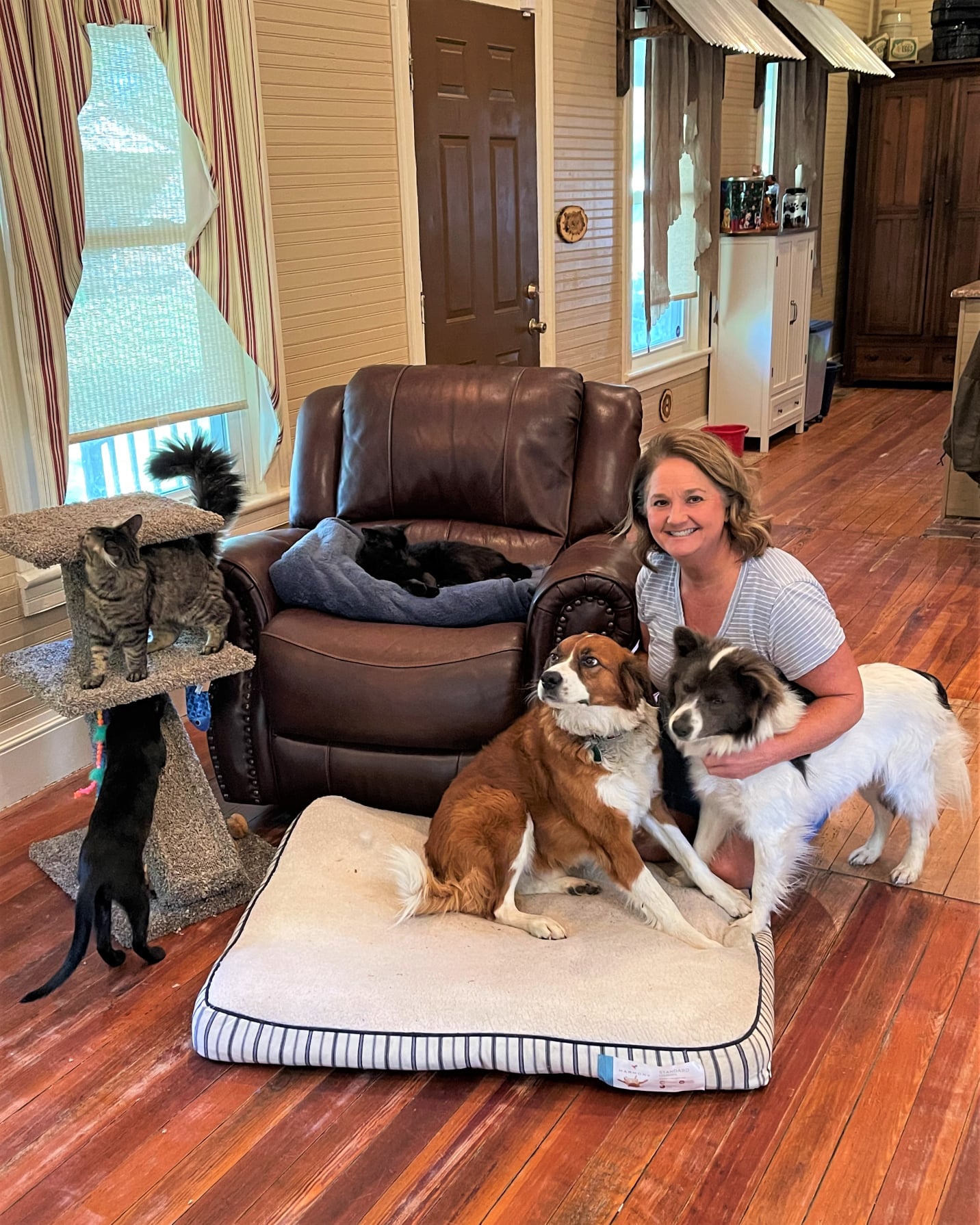
Robin Vaughn with the furry family pets (l to r): Charlee, Ripley, Andy, Cody & Bella. The Vaughns just adopted their fifth ACAS pet, a black kitten named Pepper.

The Vaughns feel strongly about rescuing homeless pets and saving animal lives. They have always adopted their pets from local rescues and shelters—and will continue to do so in the future.

“I would encourage anyone who is looking to add a pet to their family to consider adoption from a shelter,” Robin said. “I think if they take the time to visit the ACAS facility, talk to the staff, and meet some of these amazing animals, they will find the pet they are looking for.”

Their lives are in our hands.

— By Bob Gordon, FOTAS Communications Director