
Author Archives: Bob Gordon

FOTAS Provides Complimentary Adoptions to Veterans Year-Round

This Wednesday, November 11th is Veterans Day. Held on the anniversary of the end of World War I, it is an important holiday that honors U.S. veterans and thanks them for serving our country.

FOTAS supports our armed forces and recognizes the benefits that veterans and active military personnel can experience from the company of a shelter cat or dog, So, we launched a veterans adoption program on Veterans Day, 2015. At first, we only offered discounts during November and then we offered half-price adoptions for veterans and active military throughout the year. But in 2018, FOTAS decided to make it possible for U.S veterans and active U.S. military personnel to adopt a dog or cat from the Aiken County Animal Shelter for no charge, year-round.
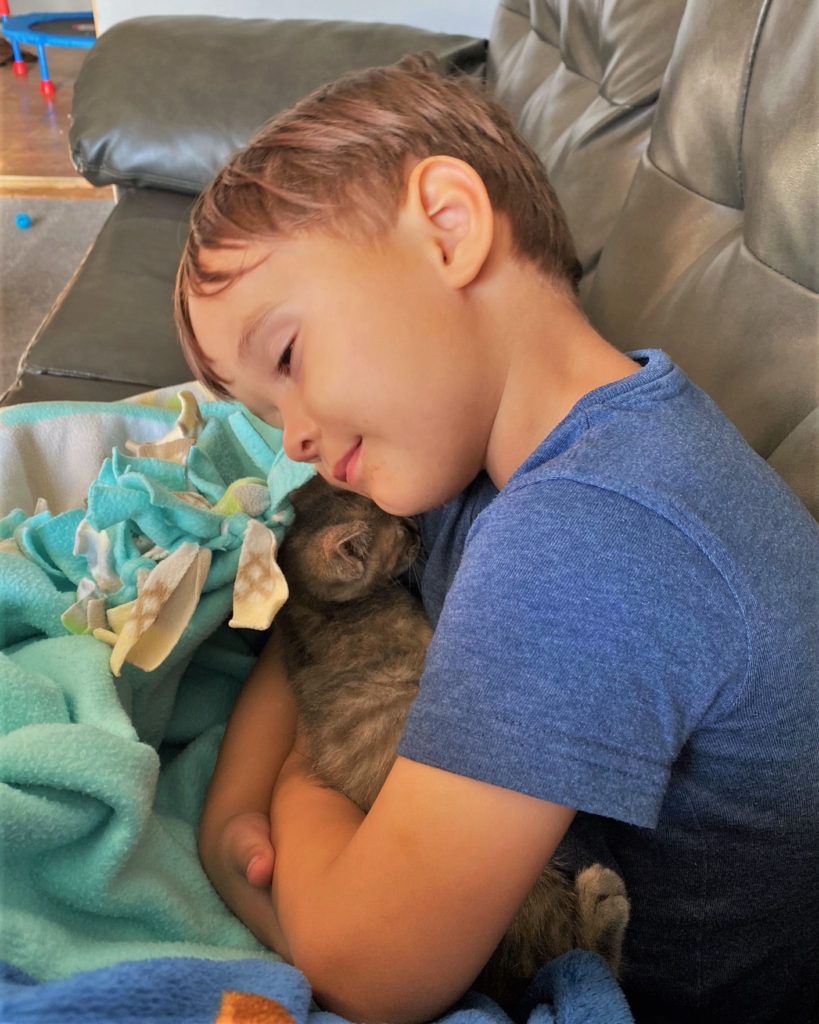
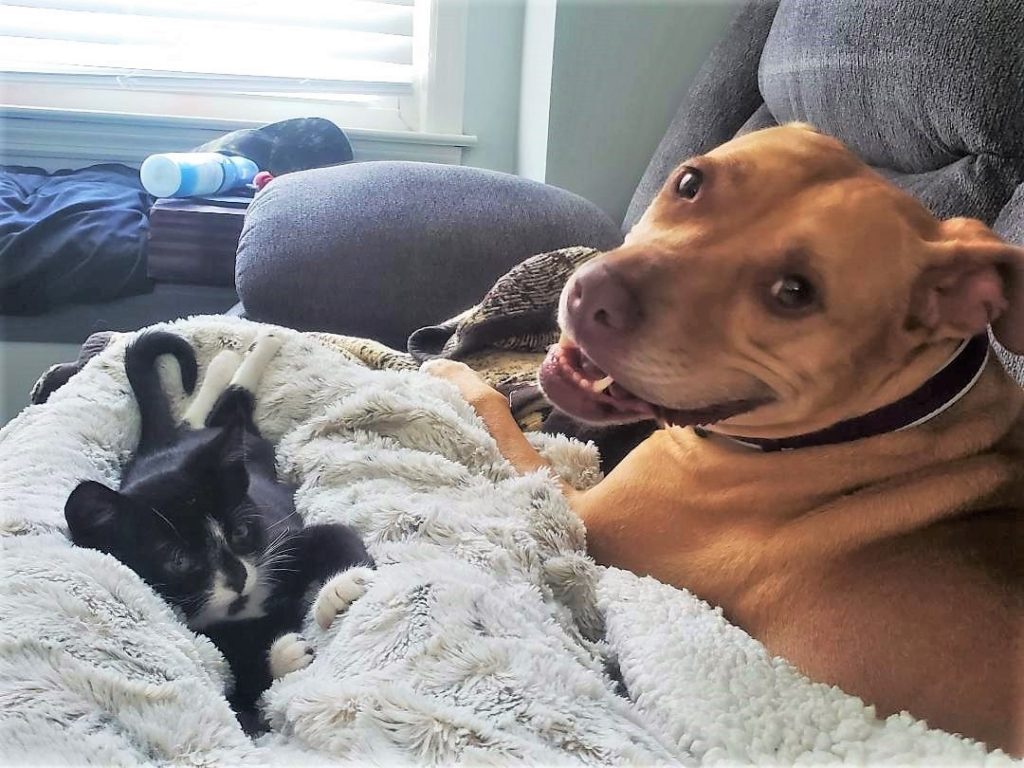
Mason Lamb cuddles with kitten Calli.

“Now, every day is Veterans Day at the County Animal Shelter,” said FOTAS President Jennifer Miller. “It is our small way to show gratitude to the men and women who serve our country and make sacrifices to protect and defend our freedoms.”

Veteran John Corda and his wife adopted Paislee, a senior Bassett Hound mix, last month and were surprised when they were told FOTAS was paying the adoption fee.

“It’s a great program that needs to be promoted more,” John said. “I told my friends about it and let them know the whole experience at the shelter was wonderful and how happy we are with our new pet.”

Larry and Esperanza Lamb just adopted a Calico kitten from the County Shelter and benefitted from the FOTAS veteran/military adoption program. Larry is in the reserves, so the family’s adoption of little Calli was paid for by FOTAS.

“Calli and my 3-year-old son are inseparable,” Esperanza said. “We knew about the veteran special when we went to look for a pet. I think it is a really good program. I know the animals need the homes and I think the veterans appreciate the generosity. It’s nice to be appreciated for what you do.”
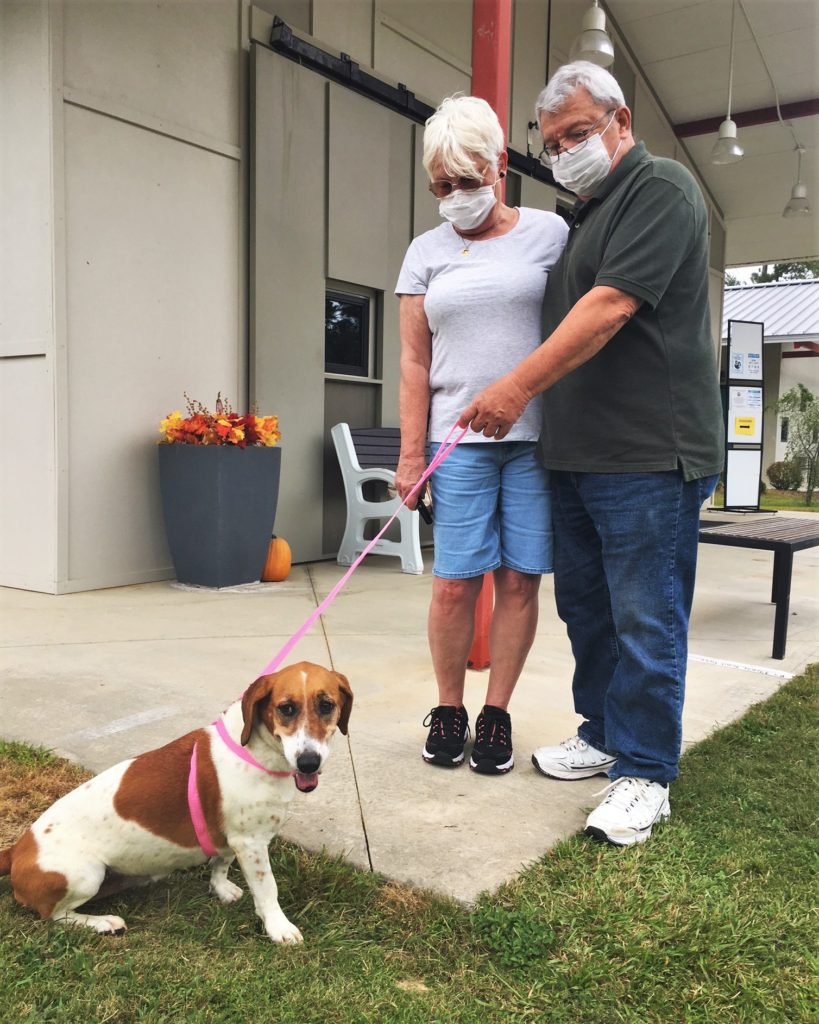
The Cordas adopt senior Bassett Hound mix Paislee. FOTAS paid for the adoption to thank John Corda, a U.S. veteran, for his service.

It is always rewarding when pets in need bring joy to their adopters, and the veteran/military adoption program has resulted in many successful match-ups.

“Sable and Shadow are sleeping right under my feet as we speak,” said veteran Jerry Hufnagel, who adopted two senior Pomeranians, Sable and Shadow, from the ACAS in August. “They’ve been really good companions during this time I’ve had to stay in because of COVID-19. They are always nearby me, keeping me company.”

If you are currently active in the military or a veteran, please take advantage of your complimentary adoption. Make an appointment to visit one of our homeless pets by calling the ACAS at (803) 642-1537. The ACAS is nearly at full capacity and these pets are desperate to find loving homes soon.

Their lives are in our hands.

— By Bob Gordon, FOTAS Communications Director
What Are the Rewards of Volunteering at the ACAS? Happiness, Peace and Great Exercise

What makes Monday the best, most rewarding day of the week? It’s the day I volunteer at the Aiken County Animal Shelter!

People often ask: Isn’t it sad? Don’t you want to adopt every animal? Aren’t you concerned about bringing diseases home to your own pets? Can walking a dog or playing with a kitten really make a difference? The answers: No, No, No and YES!

Volunteer Jeri Wesner spends some quality time with sweet Hudson after a walk.

The most important thing to know is that the Aiken County Animal Shelter is a clean, bright and happy place. For some residents, it is the first time they have known consistent shelter and regular nutritious meals. Every animal has its own safe space, a comfortable bed, at least two toys and regular walks or playtimes. Dr. Lisa Levy, the Shelter veterinarian, makes sure every animal is vaccinated and healthy before being placed on the adoption floor where volunteers first encounter them.

It is an extraordinary experience to see a previously abused and frightened animal sitting on the lap of a volunteer, learning to walk on a leash, learning to play with people and other animals and then departing for a forever home. Without the socialization – and fun! – volunteers provide, it is unlikely some of these animals would ever be adopted.

Not all volunteers work directly with animals. Some staff the front desk, answering the phone and helping adoptive families find their perfect match. Some sew much-needed blankets at home or make toys or help with cheery landscaping. Others staff events or solicit items new pet owners may need. A wide variety of skills are needed. All are efficiently and effectively used. All are genuinely appreciated.

FOTAS Volunteer Peggy Glenn and Lab mix Zeus enjoy each other’s company at the shelter.

Almost 5,000 animals pass through the Shelter each year. For some, opportunities are limited. If an animal is afraid of men or children or members of a particular ethnic group, fewer homes can consider them. This is where volunteers come in. The Shelter is in need of all kinds of volunteers, especially men and minorities. Sometimes just a few walks or playtimes with a kind volunteer can make all the difference. If you can spare a few hours in the morning, afternoon or on weekends, won’t you consider volunteering?

The pandemic is making things worse for animals in our community. Some owners are sick or can no longer afford their pets. Some volunteers are quarantining. The Shelter is one of the safest places you can volunteer. Activities are outside. Social distancing is scrupulously observed. Hand sanitizer is always available. Masks are required if entering a building.

So, what do I get out of it? Joy. Happiness. Peace. Great exercise. Tips from professional trainers I use with my own pets. Wonderful friends I would not have known otherwise. And the satisfaction of knowing that together we saved many more animals than if we had tried to adopt them ourselves! Not once have I ever felt my time was wasted. How often can any of us say that?

Their lives are in our hands.

— By Peggy Glenn, FOTAS Volunteer

Good News for the County Shelter

The world out there is a crazy place right now—Covid-19, crazy politics, massive hurricanes on the Gulf coast, wildfires in the west—so I’m all about finding those good news stories to report, the ones that make me feel good, that affirm my faith in people, government, and humanity in general.

When Jennifer Miller, the president of FOTAS, told me that 30 open-air kennels in the intake wing at the Aiken County Animal Shelter have finally, after six years, been enclosed, I was excited. That was great news.

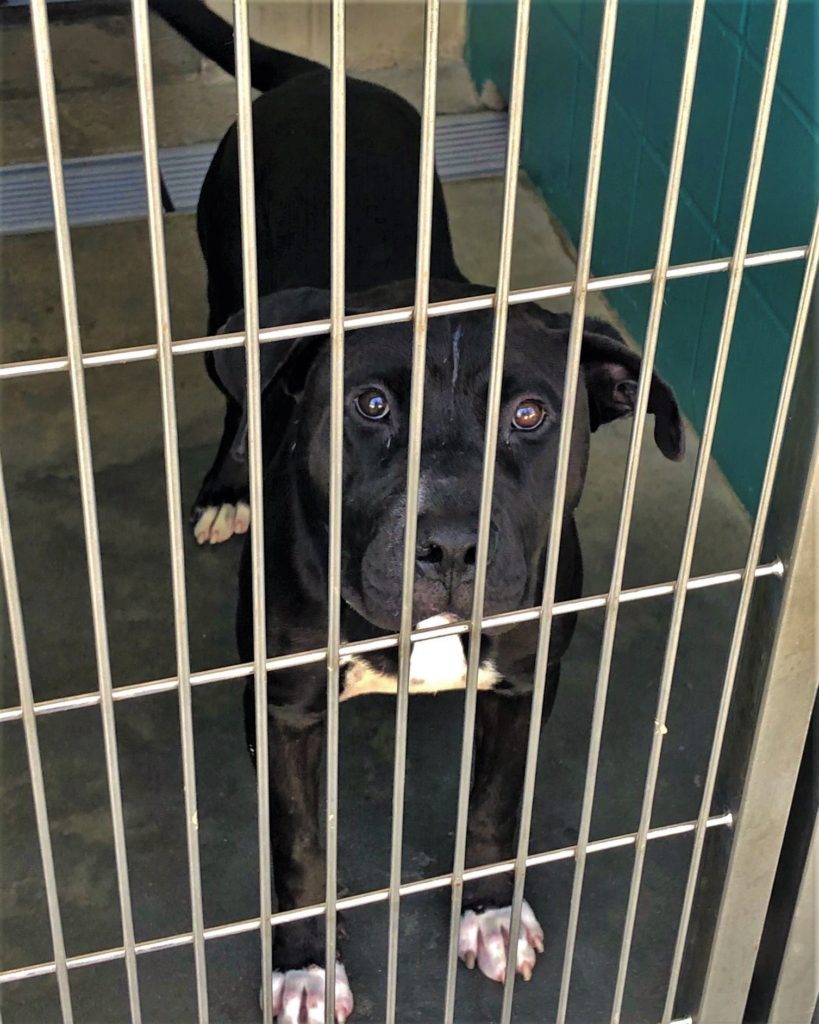
Hudson is a sweet and well-behaved mixed breed who is available for adoption at the ACAS.

A little history. The shelter was built in 2014 through a public/private partnership between the county and FOTAS. The physical shelter was funded by the county from monies from the Capital Project Sales Tax (CPST) III. FOTAS funded the architectural and shovel-ready plans, as well as much needed equipment, durable stainless-steel kennels, furnishings, and fencing once construction of the shelter was complete, through contributions from folks like you.

Unfortunately, there was not enough money at the time to enclose the last thirty kennels. Although the kennels were covered and heaters were installed for the winter and fans for the summer, as weather patterns became more erratic, the kennels were not able to protect the dogs from intense heat, torrential rains, and unusual cold spikes. The county understood the problem and responded, committing to fund the project with the next round of CPST IV monies. Construction began earlier this year and has just been completed.

Why is this such an important improvement to the shelter? Because it’s better for the dogs: enclosed kennels provide greater security and a more positive shelter experience. The shelter takes in about 4,000 abandoned, neglected, and abused animals every year. No matter how good the shelter is, or the shelter staff and volunteers are, it is a stressful experience for the dogs. It’s unfamiliar and it’s noisy, and if your kennel happens to be outside, the dog might be hot or cold or wet as well. The more stressed the dog, the more it could bark excessively or shut down.

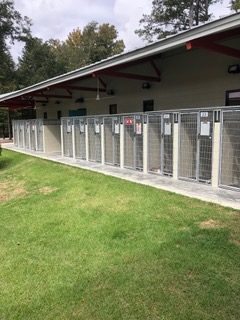
The newly enclosed intake dog kennels.

An excessive barker or shut down dog is not an appealing prospect at first glance; it takes them longer to get adopted. Longer stays make for more anxiety for the animals and increased costs for the shelter. It’s a vicious cycle.

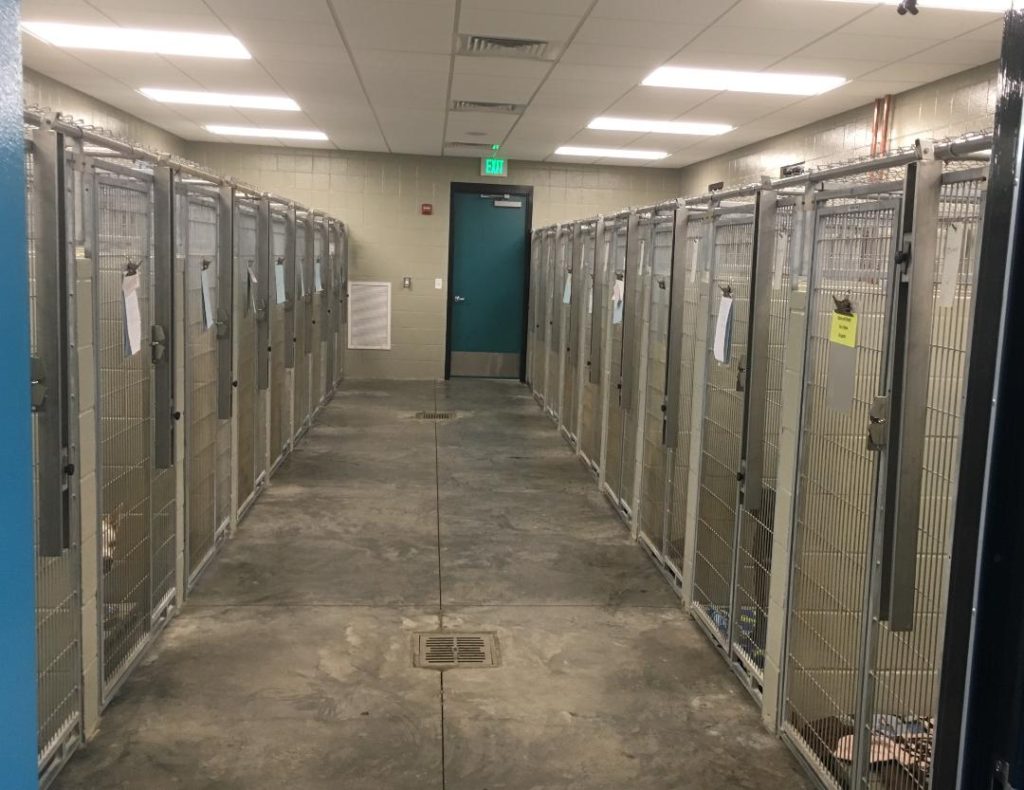
That is why the County and FOTAS work hard to make a dog’s kennel experience as positive as possible. So in addition to providing kennel beds and toys to curb anxiety, now the dogs in the back thirty kennels can be housed in proper indoor/outdoor kennels. In bad weather, they are protected from the elements; but in good weather they can go to the outside kennel for a little fresh air.

A relaxed dog is an appealing prospect at first glance. Appealing prospects get adopted more quickly—better for the dog and definitely better for the shelter’s budget.

None of this would have been possible without a committed County Council and an equally committed community. Thank you—you are our good news right now.

Their lives are in our hands.

— By Joanna D. Samson, Vice President, FOTAS

The enclosed kennels have air conditioning, heating and a speaker system for calming music.

‘Home to Home’ Proves to be a Successful Resource for Adopting Out Pets

We’re about a year and a half into the inception of our Home to Home program, which is free to use. Home to Home is a better way for rehoming your pet from one home to another. It frees up space in shelters for homeless animals and is much less stressful on the pets and owners. A pet is rehomed directly from one home to another, never going into a shelter.

All of the pets posted on Home to Home are promoted on the FOTAS Facebook page.

We’ve had 525 listings (some with multiple animals in them) and 322 (61%) have found new homes using the website service. Another 70 animals have been surrendered and 98 owners failed to respond to follow up requests. We currently have 38 animals looking for homes. As with the shelter, if an animal is an inside animal who is housebroken, spayed or neutered, and has some training, the better the odds of adoption.

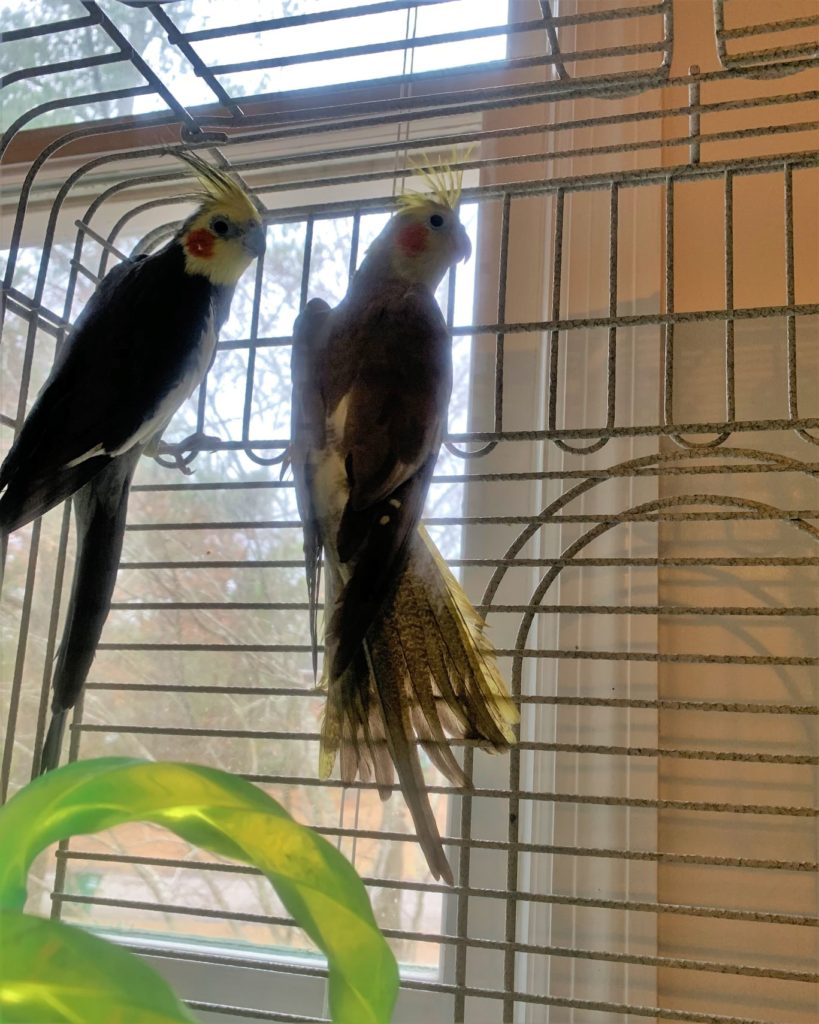
Barry and Bailey are Cockatiels rehomed through the FOTAS Home to Home website.

The vast majority of owners are either being forced to give up an animal due to their own illness, living circumstances that have changed, or they find their family can’t give them the time they need and deserve. All want the best for the animal and work hard to make sure the new home is a good fit before finalizing the rehoming. They ask questions of the adopters, and some even visit the new home to make sure they have a fenced yard or other needs the pet requires.

Grant and Heather Wiseman are amazing pet owners. They and their daughters have fostered too many litters of puppies to count, as well as adult dogs. Both Grant and Heather serve on the FOTAS board. When their daughters went to college, the Wisemans decided to rehome their cockatiels to a home with owners who had more time to spend with them. They went online, uploaded some information and a photo of Barry and Bailey and the next day the birds were in their new home where they are enjoying more attention. Heather said the process was incredibly easy and fast.

Diego relaxes in his forever home with the Wiseman family

When the Wisemans were looking for a new dog just in time for Grant’s birthday, they once again went to Home to Home. They found the perfect new pet in Diego. The owner came to their home with Diego to make sure they had a fenced-in yard and to make sure he got along with their other dogs. Heather said, “We loved the fact that he never had to go through the trauma of multiple kennels or homes before he was with us. Especially because he gets carsick!” Diego loves his new home and the Wisemans love him.

Recently our Home to Home program was nationally recognized as one of the best examples of a Shelter doing the Home to Home Program right. We’ve worked hard to make Home to Home one more resource to keep animals out of the Shelter and in loving homes. And isn’t that what we all want? You can find out more about Home to Home at fotas.home-home.org.

Their lives are in our hands.

– By Ellen Priest, FOTAS Board Member and Home-to-Home Coordinator

Why Are Black Dogs and Cats Often the Last to Be Adopted?

People discriminate against black dogs and cats. This isn’t an opinion. It is a statistical fact. Black dogs and cats wait four times longer to get adopted from shelters and rescues as their lighter coated and more colorful counterparts. This phenomenon even has a name: Black Dog and Cat Syndrome.

But what is causing this alarming trend?

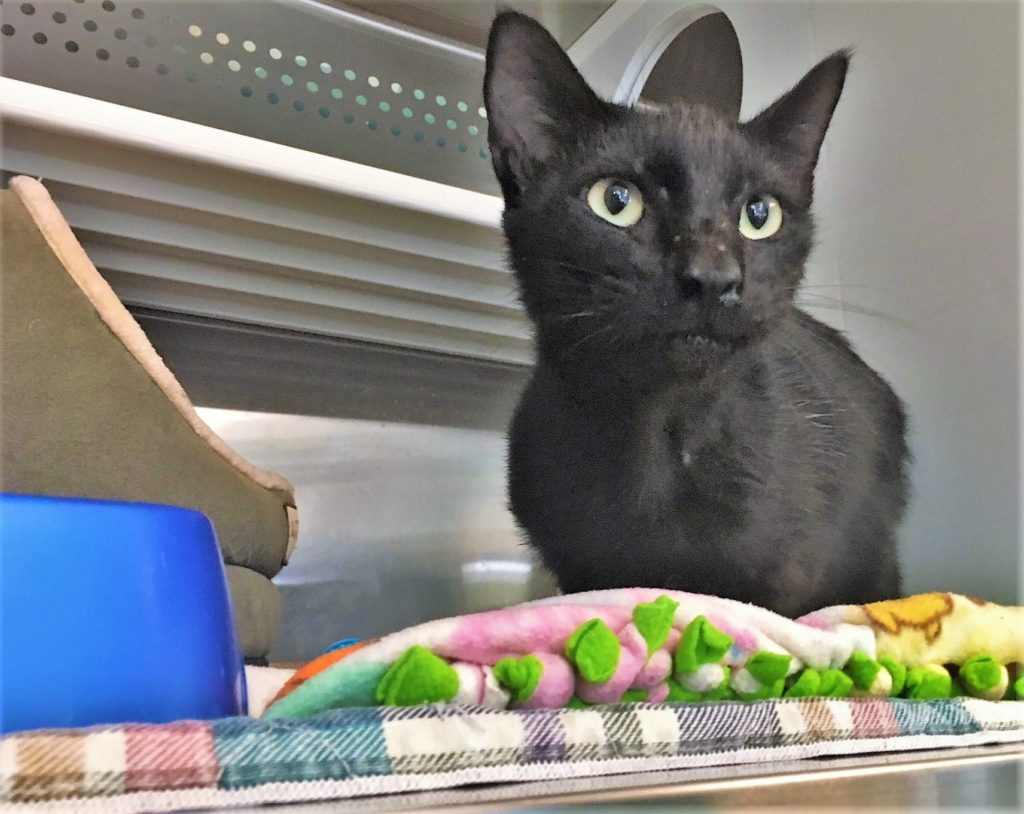
Black kitty Carter was adopted after being transported from the ACAS to the Aiken PetSmart.

Some say it is due to people’s superstitions such as the belief that black cats are bad luck or dark dogs are dangerous and evil. Others believe the way black pets are depicted in literature and movies are the reason people don’t choose them. Remember the Nazi dogs in the movie, “The Boys from Brazil” or the hell hounds in “The Omen”? These killer canines were pitch black. Like human villains in film often wear black and spout dark, dastardly facial hair, the “bad” dogs on the big screen are usually black.

It is absurd and disheartening that people really believe in such nonsense in the 21st century but we can’t ignore it – especially when the shelter is filling up and these dogs can’t find homes.

However, there is another theory for Black Dog and Cat Syndrome that actually makes sense. Black pets are more difficult to photograph. Their features don’t translate as well to film unless the lighting is excellent (not always an option) and eye-catching photos play a vital role in promoting shelter pets via social media.

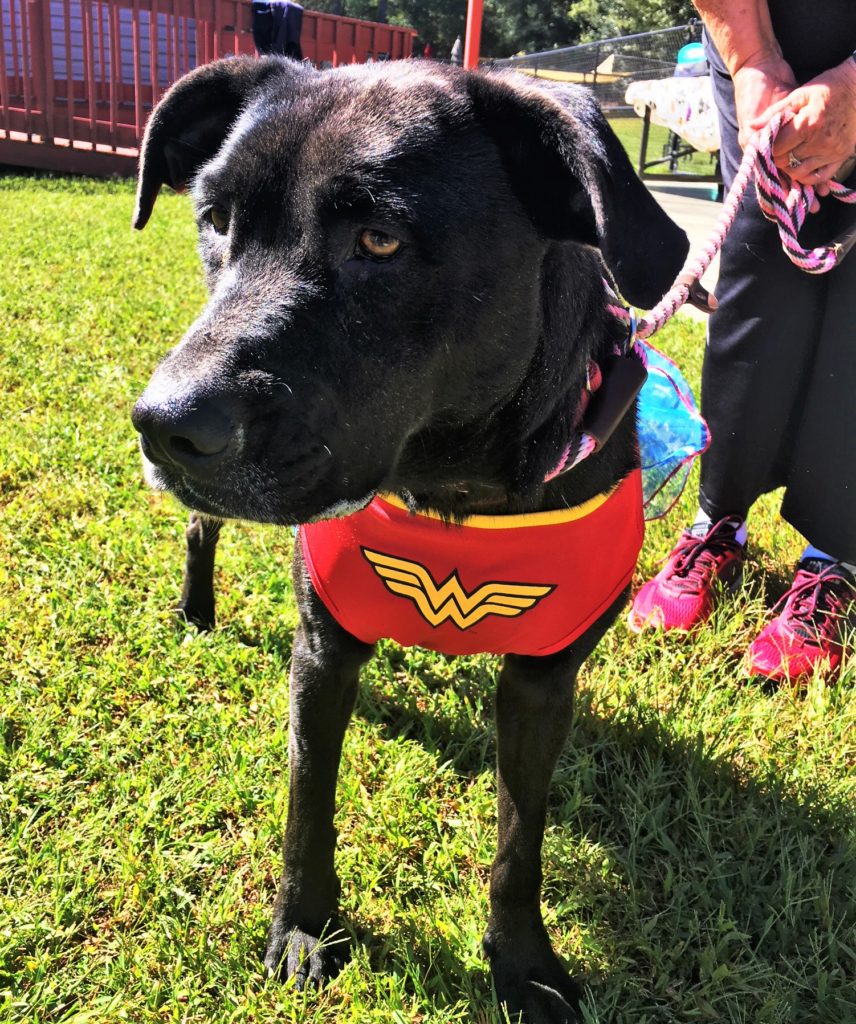
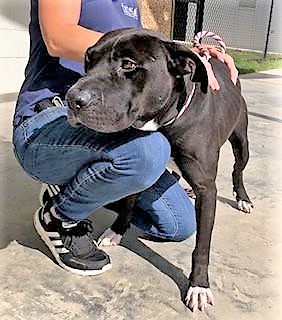
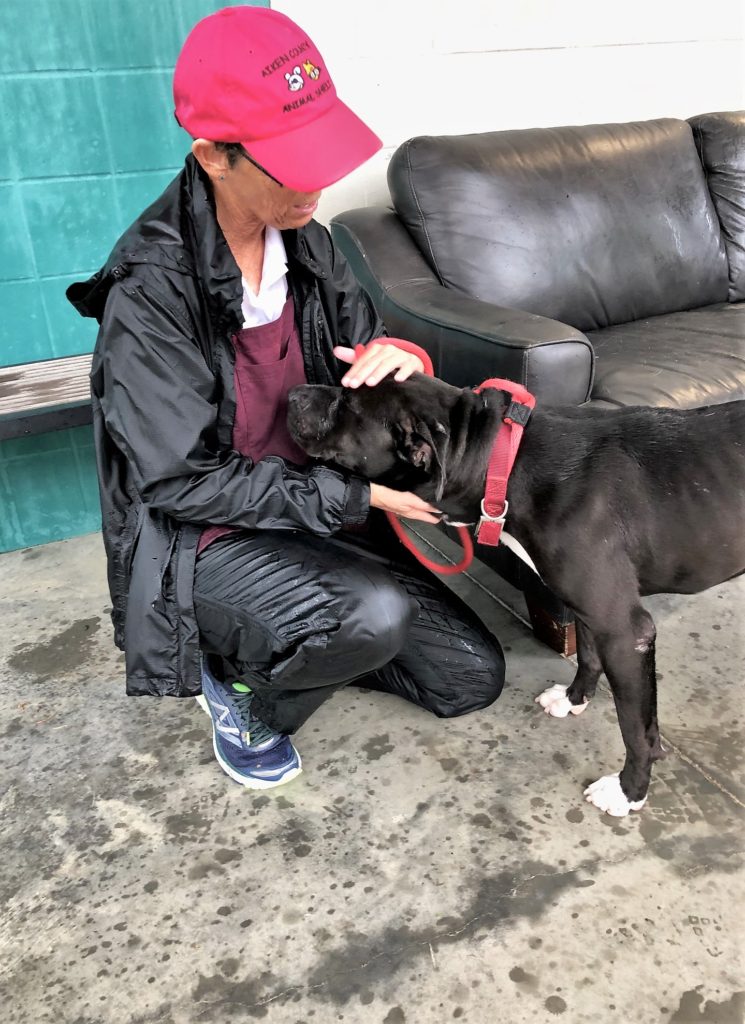
Hudson is a strong but gentle giant.

The dark-coated canines and black-furred felines we take care of and adopt out at the Aiken County Animal Shelter (ACAS) are typically every inch as wonderful as any brightly hued pet. In fact, the black dogs and cats currently available for adoption at the shelter include some of our best pets on the adoption floor.

Here is just a sampling of the awesome black dog and cats who need good homes:
• Mini black Lab mix Einstein is a one-year-old, playful dog who is just about the perfect family pet.
Carter, a young cat who sleeps under a blanket and can’t get enough human attention.
Hudson, a muscular mixed breed who loves to give visitors doggy kisses.
Luna, another black Lab mix, who is four years old, medium-sized and super friendly.
AJ, a shy and impressive Rottweiler mix who was abused in his past. However, he is learning to trust people again and starting to bond with staff and volunteers.
Violet, an adorable senior Retriever mix, who might be the friendliest and sweetest dog on the adoption floor.

Please make an appointment to visit some of these amazing animals by calling the ACAS at (803) 642-1537. Meet them and judge them by their personalities, character and behavior. The ACAS is nearly at full capacity and these pets must find loving homes soon.

Their lives are in our hands.

Violet is an adorable Lab mix who is as sweet as they come.


–By Bob Gordon, FOTAS Communications Director
Avoid Heartbreak by Microchipping Your Pets

A microchip the size of a grain of rice has the power to save your pet’s life. This radio frequency identification device (RFID) can mean the difference between losing your pet forever or quickly becoming reunited with your furry best friend.

Unlike a collar, which can break, fall off or be removed, a microchip is a reliable way to make your contact information accessible to rescues, veterinarians, animal control officers and shelters. Think of the microchip as your pet’s way of carrying his personal ID card despite having no pockets.

All pets on the ACAS adoption floor, like Bridget here, are microchipped and fixed.

Microchipping your pet is low-cost, quick and easy
The tiny, silicone microchip goes beneath your pet’s skin, between his shoulder blades. The pet feels little to no pain during its insertion and the procedure takes less than a minute. The microchip typically costs less than $50, and you can have it done at the Aiken County Animal Shelter (ACAS) for just $25. Along with the microchip, a tag is provided for your pet’s collar that features the microchip’s number.

Scenarios prove the value of microchipping pets
At the ACAS, every animal available for adoption is fixed, vaccinated and microchipped. When you adopt a pet, we ensure your most up-to-date contact information is registered with the microchip company.
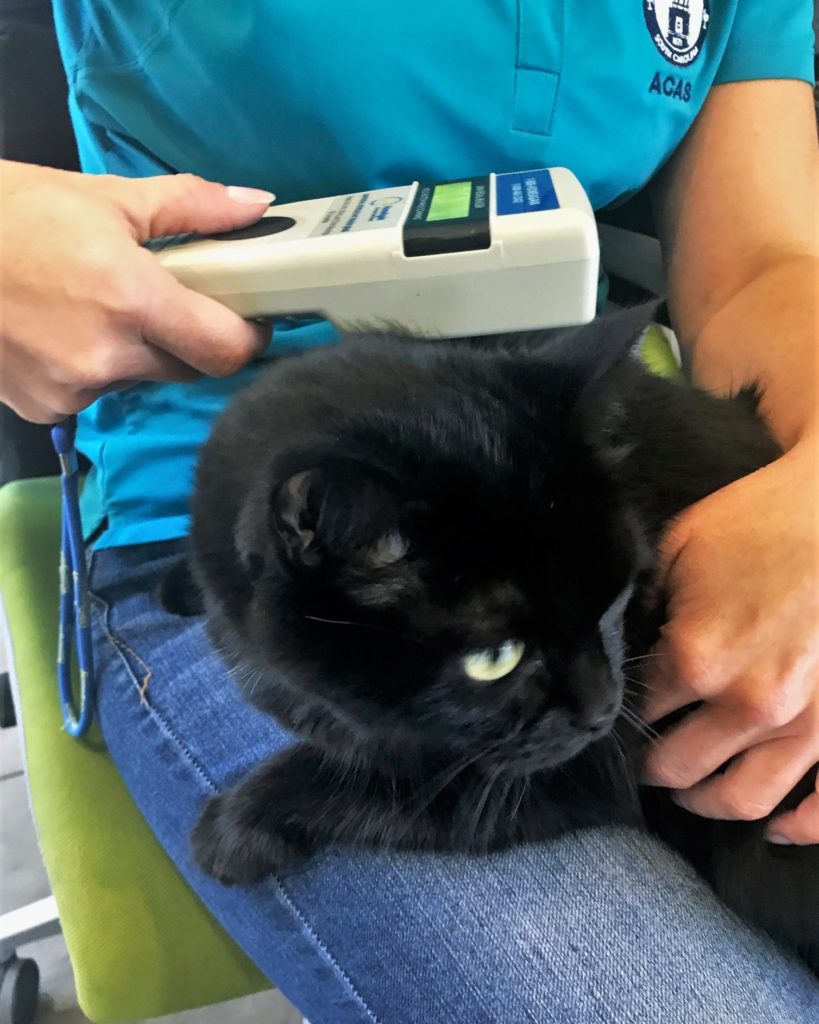
Now, the microchip is not a tracking device. It isn’t a GPS that tells you where your pet is located. But it does allow us to track you down if your pet comes to the shelter or another rescue facility. A multi-digit number is assigned to your pet, and when we scan him, that number pops up on the scanner. Then we look up that number in an electronic registry, where your contact information can be accessed. Rather than putting your pet through the stressful experience of staying at the shelter, we can just call you to pick up your lost pet.

Macie, a Persian mix cat, is scanned to confirm her microchip number before being added to the ACAS adoption floor.

Recently, two young women rescued a small, tri-colored hound that was dodging traffic on a busy road in Aiken County. They brought the dog to the shelter to be scanned. We looked up the chip number and discovered it was a dog named Autumn that we had adopted out in 2019. Her owners were thrilled to get their pet home safe and sound.

It happens all the time. A lost dog or cat is found by a Good Samaritan and brought to the shelter or an animal control officer picks up a stray with no tags or other forms of ID. But one quick scan of the pet shows it be chipped when a beep is heard, and a number pops up on the scanner’s screen.

Make sure chip info is up to date
Once your pet is chipped, it is vital to update your contact information with the microchip company if you move or change your phone number. Too often the shelter receives pets who have been chipped but the information is old, so their owner cannot be found. If this happens, pets have to be held for 14 days before they can be rehomed.

Microchipping a pet assigns them a number used to identify and contact their owner.

One in three pets will become lost at some point during their life. Protect your pet by getting it chipped. Please call the ACAS at (803) 642-1537, option 7, to make an appointment to have it done for just $25 or contact your veterinarian.

Their lives are in our hands.

— By Bob Gordon, FOTAS Communications Director
County Shelter Pets in Need Find Fantastic Forever Homes

When you adopt a homeless pet from the Aiken County Animal Shelter (ACAS) and walk out the door with your new furry companion, staff members don’t just file your paperwork, wave good-bye and wish you good luck. They make sure you and your pet are happy and doing well.
Here are emails received from recent adopters we followed up with (some have been edited for space):

Gator is a hit in his new home.

Bonded kittens adapting well to new home
Boots and Tux are doing very well. We are so glad we adopted both of them and feel it would have been a big mistake to separate them. We recommend your shelter to everyone we talk to because we have had such a positive experience. Keep up the great work!

Ruth Leazer

Gator is enjoying his new life
Gator loves his new fur brothers and sister. He also loves Joey, our 9-year-old. He sleeps and plays with him. Gator is healthy as an ox and enjoying life. We can’t thank you enough! He is a big part of our lives!

Angela Miles

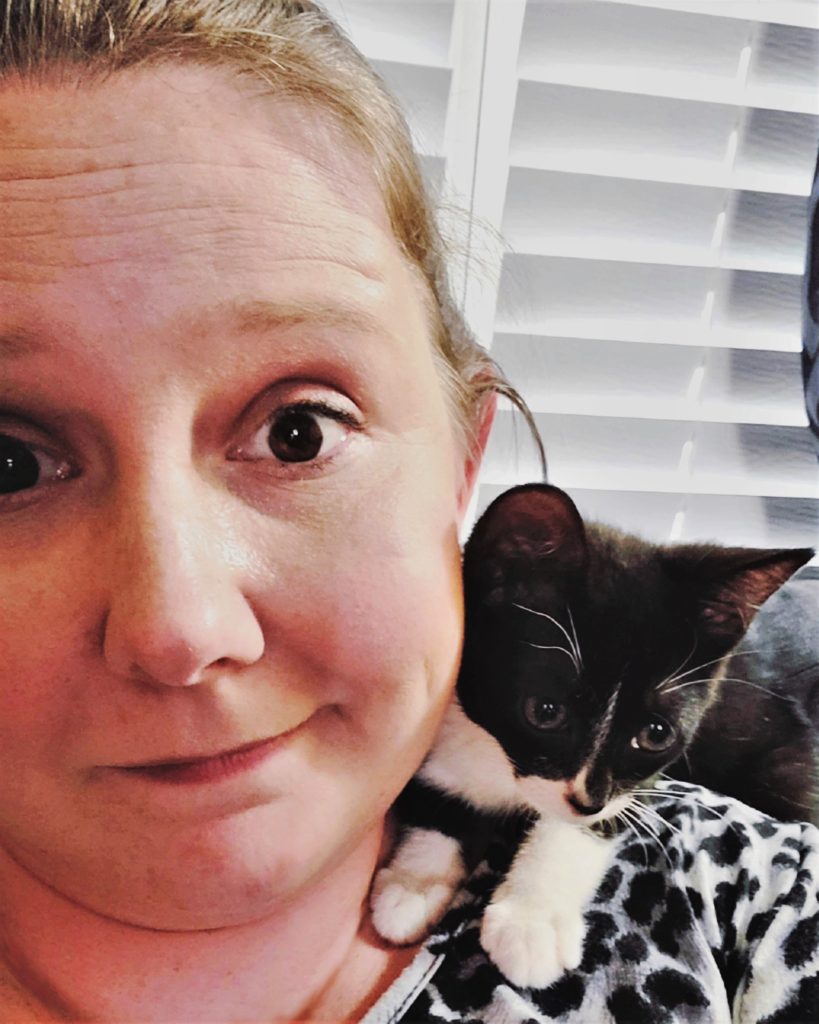
Binx relaxes on his new human sister’s shoulder.

Binx beats his fear, then makes himself at home
Binx was very scared the first few days and didn’t want to come from the bathroom. But now he has made himself at home. He’s gentle with all three of my kids and lets them hold him as much as they want. He sleeps with my 6-year-old every night. His favorite place in the house is the window seat where he watches the squirrels until he falls asleep. He’s the best cat ever. We love him so much!

Lisa Robinson

Everybody loves Ringo
Hello! Ringo is doing great! Loves all her new siblings and they love her! Her new name is Willow. Thanks for checking in!

Mikky Glidden

Ringo (left) with his feline family member.

Boz is a big mush who loves belly rubs
Boz is doing fabulously! He was frozen in place when we first got him, but now he struts around confidently. He loves playing with tennis balls and is big mush who falls over for belly rubs. He jumps up on the bed and wakes me up with kisses every morning. He really has been a joy! We are working on obedience and he now knows how to heal, sit, and lay down on command.

Courtenay Khoury

Boz (left) and his new best friend and canine brother.

Kimber is the perfect family addition
It took a little while for Kimber to trust the dogs, but they play quite a bit now. Our pittie, Riley, absolutely adores her. She has also bonded well with our other cat, Stella. They are inseparable! Kimber is a very affectionate love bug who loves to play and watch TV but most of all, cuddle. She’s the perfect addition to our little family!

Carrie Betterly

Kimber in her forever home with Pitty mix Riley.

— By Bob Gordon, FOTAS Communications Director
Bringing Your New Dog Home: Five Tips for a Successful Adoption

You just saved a life. A dog at the Aiken County Animal Shelter (ACAS) pulled at your heart and after visiting her, you took her home to be your companion. You’re excited but a little nervous (which is normal). It’s a big step to introduce a dog into your home, and you want to do all you can to ensure your new family member has a smooth transition to your residence.

But how do you do that?

“It’s all a matter of giving your new dog time to adjust,” said Karen DeCamp, who trains dogs at the ACAS with Susi Cohen. “Their world has been turned upside down, and each dog is different regarding how quickly they adjust and get comfortable in their home environment.”

When ACAS dog SIMON is adopted, his owner will enjoy a free session with certified professional dog trainers Susi Cohen or Karen DeCamp.

Here are five tips for making your dog adoption a success:

1. Prepare by purchasing must-have items. Having the right tools can ease the stress and smooth the transition for your dog from shelter to home. Purchase food bowls, beds, leashes, harnesses, toys and dog crate ahead of time.

2. Let your new dog decompress. When dogs leave the shelter, they are happy, excited, scared – a mixture of emotions. Give your adopted dog a few days to decompress and relax. She likely didn’t sleep well in the shelter, so don’t be surprised if she curls up and goes to sleep when she first enters your home.

3. Be patient and establish a strict routine. “Be consistent when you get your new dog home,” Cohen advises. “Take her out at the same time, feed her at the same time. Be rigid with her routine. This establishes discipline, keeps the dog focused and helps her get acclimated to her new situation.” For the first few weeks, you should also avoid taking your dog to busy places, such as dog parks or social gatherings. Try to limit interaction to your immediate family.

4. Crate train your dog. Crate training is a great way to help your dog feel safe and less anxious when you have to leave her alone to go to work or run errands. “Most dogs feel more secure if they have a place where they feel safe, and a crate can accommodate that need,” Cohen said. “Make it comfortable by putting a dog bed inside and leave the door open to start so it is welcoming to your dog. She needs to feel safe.

ACAS Dog Trainer Karen DeCamp, seen here with adoptable dog, MILES, says preparation and patience are key to a successful adoption.

5. Slowly introduce your dog to other pets. Before adopting another dog, a meet and greet with your dog at the shelter is strongly recommended. This will better ensure your dogs are a good match. To introduce them at home, DeCamp recommends walking them near each other on neutral ground that is not your current dog’s “territory.” This way, they can check each other out during the natural, positive activity of a walk.

Everyone who adopts a dog from the shelter receives a voucher for a free training session and can contact the ACAS trainers for guidance. “If you have any problems or questions, just call us,” Cohen said. “We’re here to help.”

— By Bob Gordon, FOTAS Communications Director
Shelter Treadmill Training Saves Shy and Stressed Out Dogs

So many of our shelter dogs come from situations of neglect. They have not had training and do not have polished manners, which leads us to the task of teaching them. Dogs thrive on learning and pleasing us. Sometimes though, they have a hard time focusing in a shelter environment. Some feed off the barking of others, some cower in the corner. The treadmill has been an incredible tool to help both types of dog.

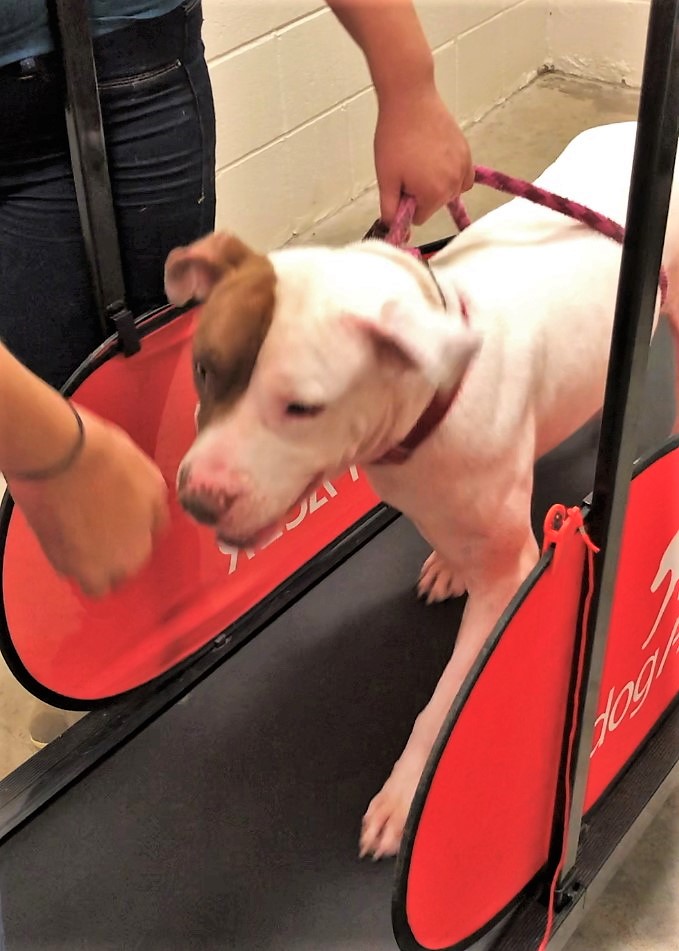
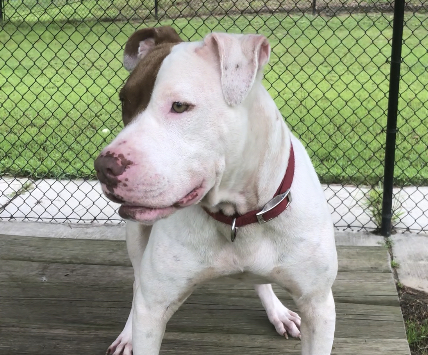
Lars is ready and eager to find a loving home. He’s a great dog who loves to go on walks and car rides.

For a scared dog or a shy dog, the motion of walking on the treadmill helps them relax. As they walk, they loosen up and start to focus on us while we praise them and encourage them. I was a huge skeptic when we started using this method. But then I saw many soothed and relaxed by this exercise tool. Dogs that were petrified, dogs that we had to carry to the treadmill, only days later were wagging their tails and trusting us!

Take adoptable dog Lars. He came to us with a dirty ring around his neck and a large scar under his chin, evidence of being tied up or chained. We think the only human touch he received was when he was hit. This poor dog closes his eyes and ducks when you raise your hand.

After five days at the shelter, Lars was acting like a puppy! So happy, so excited to have people love him. However, he also started to get mouthy, jumpy and wanted to wrestle with his walkers. This is typical puppy behavior except Lars is no pup. He is 2 years old and 62 pounds. He shows no aggression but when you are a bully breed and full of muscle, those behaviors can really turn off an adopter. Therefore, we started Lars on the treadmill. Fifteen minutes of walking on the treadmill wore him out enough that he could then focus on learning good behavior. Now, after more training and socializing with staff and volunteers, Lars is ready for adoption and longing for a home of his own.

Lars is 2 years old, 62 pounds and has a lot of love to give. Treadmill training at the shelter has helped to reduce his kennel stress.

Thanks to donations from our supporters, we are able to continuously invest in tools to help our shelter pets. We want the best for them and work hard to make them adoptable and to be successful in their new homes.

In 2020, from January until July, the shelter adopted out 1,395 animals! Our treadmill training is a key program that helps make this possible by keeping our dogs mentally and physically active.

Their lives are in our hands.

— By Kathy Jacobs, FOTAS Programs Coordinator

A Song of Survival: The Ballad of Willie Nelson

I came into work one morning several months ago to find that Animal Control had brought in a medium-sized, black dog who could not stand up. After examination, I found that his back legs worked fine but he could not use either front leg. X-rays revealed that his right front leg had an old gunshot wound just above the elbow that had shattered the bone. The bone had healed as best it could and felt stable when touched. The left front leg was normal on x-ray but had nerve damage.

He was happy and not in any pain, so I planned to keep him a few days, hoping his owner would claim him. But if not, we would euthanize him.

Amazingly after two days, he started to walk on the gunshot leg, but still could not use the nerve-damaged leg. The staff fell in love with him and named him Willie Nelson (because he howls and “sings” when he wants attention). He continued to get stronger on the right leg, but his left leg would collapse every time he tried to put weight on it. We made the decision to amputate the left leg and he healed beautifully.

The day before he was to go up for adoption, he suddenly wouldn’t stand. We x-rayed the leg again and found it had fractured through the area where the gunshot wound was. Because it had not healed well, it couldn’t withstand the strain of bearing the extra weight of him being three-legged. My husband, Dr. Michael Wells, and I decided to repair the fracture with metal pins, which we planned to leave in place for stability. Two of our kennel crew, Brandon and Chase, fostered him while he healed.

Unfortunately, the bone was too soft from all the previous damage and the pins kept backing out. Despite several attempts to reset them, they finally came out completely.

Our next step was a cast, which Willie hated but learned to tolerate. Finally, the day came to remove the cast. Willie walked on his leg but after only a few minutes there was an audible crack. The leg had broken again!

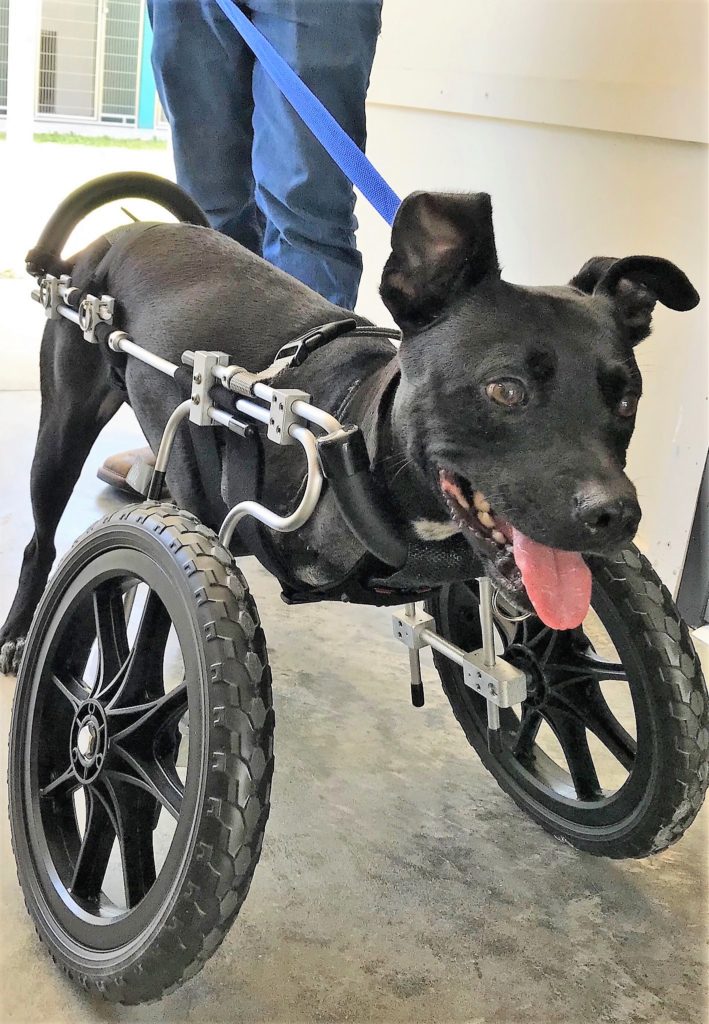
Willie Nelson’s custom-made cart allows him to run and play, despite losing his front legs.

We were heartbroken and out of options. Willie went home to spend a last night with his foster family and we planned to put him to sleep the next day.

That night was pretty depressing at our house. For four months, we had worked with Willie and it was devastating to lose him. I asked my husband, “What if we buy him a custom-made cart?” I talked to Brandon and Chase the next morning and they agreed to adopt Willie if we would purchase the cart. We worked with an awesome company called, “Eddie’s Wheels,” which gave us a shelter discount and built him a cart in just two weeks.

Meanwhile, after talking to Brandon and the people at Eddie’s Wheels, we decided to amputate his broken leg as he would never use it and we didn’t want it to be a source of pain for him.

Willie is still adjusting to his cart but doing great. He is one of the happiest dogs I have ever seen, exhibiting a positive spirit every day of his trying journey.

Their lives are in our hands.

— By Dr. Lisa Levy, Aiken County Animal Shelter Veterinarian