






Category Archives: animal care education

Bringing Your New Dog Home: Five Tips for a Successful Adoption

You just saved a life. A dog at the Aiken County Animal Shelter (ACAS) pulled at your heart and after visiting her, you took her home to be your companion. You’re excited but a little nervous (which is normal). It’s a big step to introduce a dog into your home, and you want to do all you can to ensure your new family member has a smooth transition to your residence.

But how do you do that?

“It’s all a matter of giving your new dog time to adjust,” said Karen DeCamp, who trains dogs at the ACAS with Susi Cohen. “Their world has been turned upside down, and each dog is different regarding how quickly they adjust and get comfortable in their home environment.”
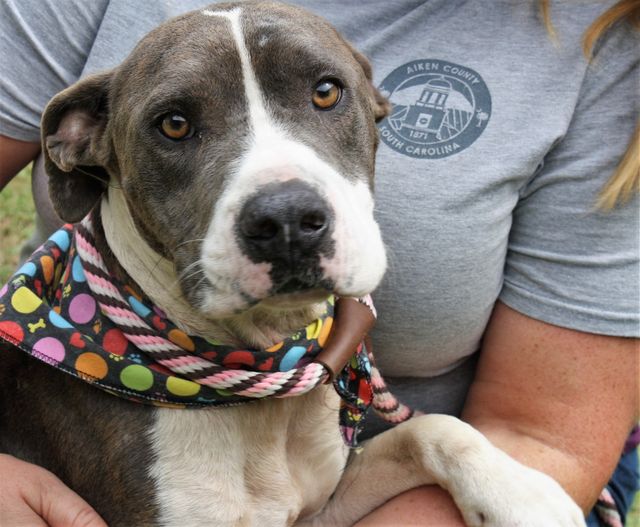
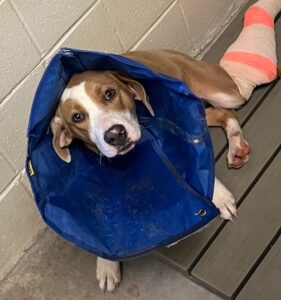
When ACAS dog SIMON is adopted, his owner will enjoy a free session with certified professional dog trainers Susi Cohen or Karen DeCamp.

Here are five tips for making your dog adoption a success:

1. Prepare by purchasing must-have items. Having the right tools can ease the stress and smooth the transition for your dog from shelter to home. Purchase food bowls, beds, leashes, harnesses, toys and dog crate ahead of time.

2. Let your new dog decompress. When dogs leave the shelter, they are happy, excited, scared – a mixture of emotions. Give your adopted dog a few days to decompress and relax. She likely didn’t sleep well in the shelter, so don’t be surprised if she curls up and goes to sleep when she first enters your home.

3. Be patient and establish a strict routine. “Be consistent when you get your new dog home,” Cohen advises. “Take her out at the same time, feed her at the same time. Be rigid with her routine. This establishes discipline, keeps the dog focused and helps her get acclimated to her new situation.” For the first few weeks, you should also avoid taking your dog to busy places, such as dog parks or social gatherings. Try to limit interaction to your immediate family.

4. Crate train your dog. Crate training is a great way to help your dog feel safe and less anxious when you have to leave her alone to go to work or run errands. “Most dogs feel more secure if they have a place where they feel safe, and a crate can accommodate that need,” Cohen said. “Make it comfortable by putting a dog bed inside and leave the door open to start so it is welcoming to your dog. She needs to feel safe.
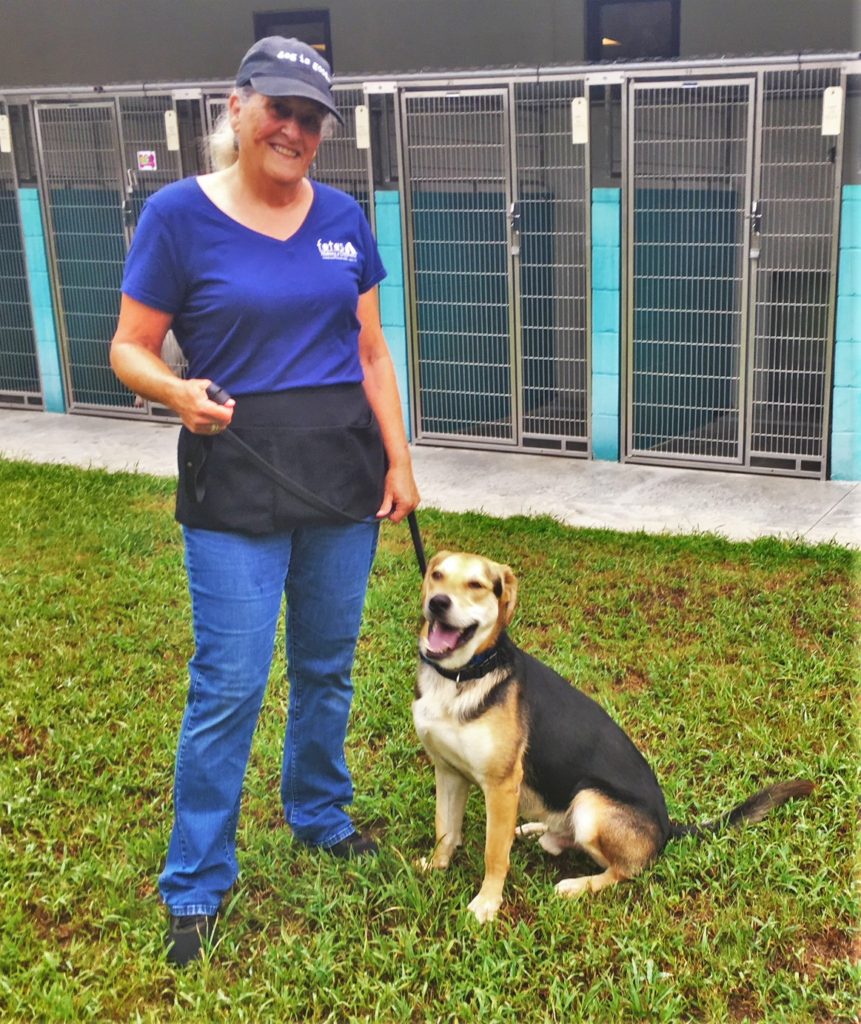
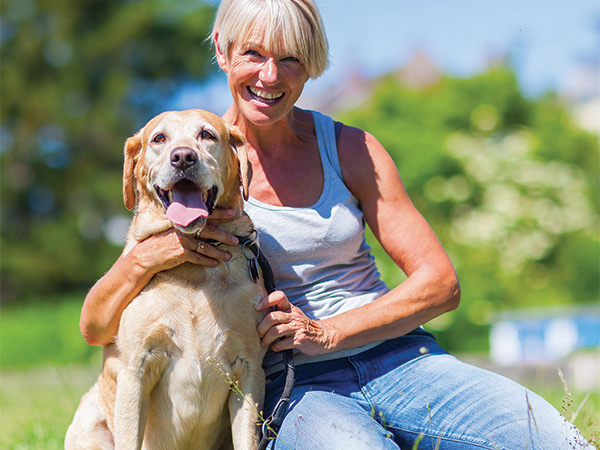
ACAS Dog Trainer Karen DeCamp, seen here with adoptable dog, MILES, says preparation and patience are key to a successful adoption.

5. Slowly introduce your dog to other pets. Before adopting another dog, a meet and greet with your dog at the shelter is strongly recommended. This will better ensure your dogs are a good match. To introduce them at home, DeCamp recommends walking them near each other on neutral ground that is not your current dog’s “territory.” This way, they can check each other out during the natural, positive activity of a walk.

Everyone who adopts a dog from the shelter receives a voucher for a free training session and can contact the ACAS trainers for guidance. “If you have any problems or questions, just call us,” Cohen said. “We’re here to help.”

— By Bob Gordon, FOTAS Communications Director

July 4th Celebrations Can Result in Terrified, Lost Dogs & Cats

On the Monday following July 4th weekend, the phones at the Aiken County always blow up with calls from citizens who have lost their dogs or cats because the animals panicked and ran from the flashing skies and booming explosions around their yards.

“I can’t stress enough how important it is to bring your pets inside if you expect evening fireworks in your area,” said Aiken County Animal Shelter Manager Bobby Arthurs. “Animals can panic and feel like their lives are in danger, which results in them running from their homes, getting lost and going missing.”

To a cat or dog, the sound and flash of July 4th fireworks can seem like the end of the world.

A frightened dog may scale a fence they would not attempt under normal circumstances or might try to dig out of a pen in a panic. A terrified cat might jump out a window or even through a window screen.

Aiken County is not unique. Nationwide, more pets go missing July 4-6 than any other time of year. According to PetAmberAlert, a lost pet finder that helps four-legged family members find their way home, animal control officials across the nation report a 30%-60% increase in lost pets each year between these dates.

The following are some tips for preparing your pets for fireworks activity taking place near your home:

1. Be sure your pet is microchipped and has your contact information on his collar in case he runs away.

2. If your pet is inside, close the curtains/blinds and play soothing music to mask the outside explosions.

3. Provide a hiding spot for your pet that they have access to at all times. Examples: under furniture, in crate, in quiet corner

4. If your pets must remain outside, stay with them and comfort them.

5. Walk your dog during the daylight hours and keep dogs and cats indoors when the fireworks are likely to be set off

6. Some dogs are calmed by “thunder shirts” and you can also reduce your pets’ anxiety with pheromone diffusers

7. Feed your pet a solid meal an hour or two before the fireworks are scheduled to start. He will feel more relaxed and content, like you do after a big meal.

If your panicked pet does bolt from your home and goes missing, be sure to post their photo, description, and when and where they went missing on Aiken Pets Reunited’s Facebook page. This site is consistently monitored by shelters, rescues and other animal advocates. Many pets have been found and reunited with their owners through this excellent website.

Pets can panic and bolt from their homes when fireworks go off nearby.

You can also call the Aiken County Animal Shelter and SPCA Albrecht Center to see if your pet was brought in as a stray. At the ACAS, you can fill out a lost pet report.

“Please secure your pets at home this holiday weekend and keep them on a leash if you take them out in the evening,” Arthurs said. “We would love to see less lost pets brought into the shelter this year and more dogs and cats remain happy and safe with their families.”

The ACAS is located at 333 Wire Road in Aiken, and open for adoptions Monday through Saturday, from 9 a.m. to 5 p.m. However, the ACAS will be closed for the July 4 weekend – both Friday, July 3, and Saturday, July 4 – reopening on Monday, July 6.

For more information, contact the ACAS, (803) 642-1537 or reach out to FOTAS at info@FOTASaiken.org. The FOTAS website is www.FOTASaiken.org.

— FOTAS Press Release

Three Tips to Make Your Pet Adoption a Success

Adopting a pet from a shelter is one of the most rewarding experiences life has to offer. They bring you unconditional love, companionship and joy.

Of course, adoption is a long-term commitment – so you want to be sure you are prepared and organized before making such a life-changing decision. Here are some tips that will help make your adoption a happy and successful experience:

Pick a pet that you not only bond with but also fits your lifestyle and home accommodations.

1. Select a pet that fits your lifestyle. Puppies are great for young couples or families with kids. But if you are working all day or collecting Social Security, you’re better off going with an adult dog (or cat) that’s already formed her personality and doesn’t have so much energy. If you have a big house and a fenced-in yard, a big dog is a perfect match. But if your place is small and you’re going to be walking your dog, a smaller or medium-sized version is probably your better choice.

2. Don’t surprise significant others (or your landlord). Make sure everyone in your home is on board with adopting a pet. Getting a pet is a terrific way to celebrate a birthday or special holiday – just not as a surprise gift. What if the person receiving the pet doesn’t like her? Then that pet has to come back to the shelter, which is tough on both the animal and the gift recipient. You’re much better off bringing everybody to the shelter and finding a pet everyone likes and who bonds with everyone. Also, if you live with your parents or have a landlord, make sure they are aware of your plans to bring home a new pet.

Adopted pets can take months to settle into a new home and feel part of the family.

3. Take it slow and be patient with your new pet. Shelter life is hard on animals. They’ve gone through a lot and need time to decompress and get their bearings. Always follow the 3-3-3 rule when you adopt. For the first three days, your pet may be overwhelmed and stressed by a new home and family. Pay special attention to her, keep her separate from your other pets when you’re not home and don’t let her outside without supervision. After three weeks, your pet realizes she’s living with you for awhile and becomes more relaxed. As a result, her daily behavior becomes more routine. She is now responsive to training and showing her true personality (everyone who adopts from the Aiken County Animal Shelter (ACAS) receives a free training session with one of our dog experts). At the three-month mark, your pet is confident that you love and cherish her. She knows she’s part of the family!

In the first 14 days of this month, the ACAS took in 182 strays and surrendered pets. We are overwhelmed and the shelter is full. If you’re ready to find your furry soulmate, please stop in and see our wonderful animals. We’re located at 333 Wire Road and open for adoptions every day except Sunday.

Their lives are in our hands.

— By Bob Gordon, FOTAS Communications Director

Bringing Your New Dog Home

You did it! You made the decision to get a new dog, and you also decided to adopt your new dog at the Aiken County Animal Shelter. Armed with scientifically proven suggestions about how to choose, you drove to shelter, walked through the kennels on the adoption floor, and promptly fell in love with the goofy-looking spotted mutt with the big ears in #12. You name him Wally (after your cousin, Wally, who also has big ears), pay your fees, and sign the papers. You and Wally jump in the car and head for home, sweet home.

Now what?

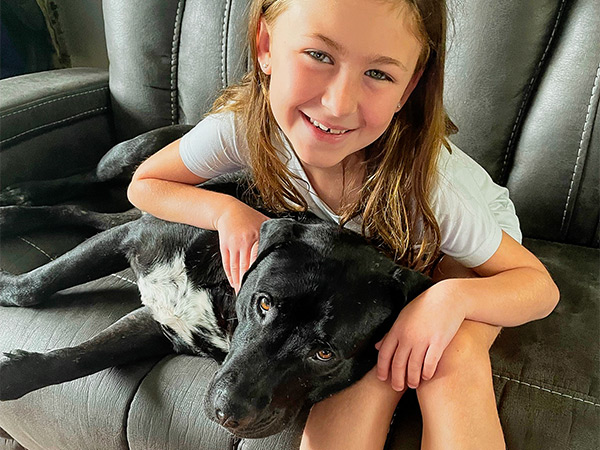
Mixed breed Martin gets a hug from his new sister before heading home.

“The very first thing you need to do,” says Susi Cohen, President of the Palmetto Dog Club and a FOTAS volunteer trainer, “is teach your dog to be a good family member. It’s likely Wally has never had any basic obedience training (many shelter dogs haven’t), but if you invest some time into teaching him basic commands (sit, stay, wait, heel, and down), the rules of the house, and developing a schedule for sleeping, eating, play time, and exercise, the payoff will be huge.”

Like any relationship, it takes time for you and your dog to get to know each other—figure each other out. Like people, dogs are a product of their breeding and their environment, with their own personality, likes and dislikes, fears and preferences. But unlike (most) people, dogs are the most adaptable (and forgiving) animals on earth.

“It’s all about helping Wally make the transition,” says Karen DeCamp, also a FOTAS volunteer trainer. “In addition to the loss or abandonment associated with ending up in the shelter, life in the shelter can be stressful. Going to another new place may be confusing at first, but dogs, particularly shelter dogs, want to please you. All it takes is a little love and patience.”

This initial energy and focus pays off in spades. It’s exciting, too—you are creating a bond with your new pal, and FOTAS is here to help with that, too. Both Cohen and DeCamp provide adopters with a free obedience lesson at home. They will help you come up with a personalized game plan to make sure you and your dog enjoy a lifetime of joy and companionship.

Mary Scott Valentine and Taylor Swan love their new dog, who they adopted from the County Animal Shelter and renamed Jerry Garcia.

It’s been two weeks since Wally joined your family, and you’ve spent a lot of time together. He adores your toddler and is terrified of your cat. He flings his squeak toys around with wild abandon. He’s wary of strangers at first and loves to play with other dogs. When he’s not cleaning up the crumbs under the baby’s highchair, he trails your wife around the house like a wake. He never tires of a car ride, looks forward to his walks, and snores when he sleeps. He’s so fast, squirrels tremble at the very sight of him. He’s learned to sit, does his business outside (you’ve been consistent with his routine), and comes when you call him—most of the time. He loves nothing more than to curl up on the couch with his head on your leg.

He is, quite simply, the best dog ever. Even your cousin Wally thinks so.

Their lives are in our hands.

— By Joanna D. Samson, FOTAS Vice President

BY THE NUMBERS
According to the Humane Society of the United States, 71 percent of domestic violence victims report that their abuser also targeted pets..

PETS OF THE WEEK

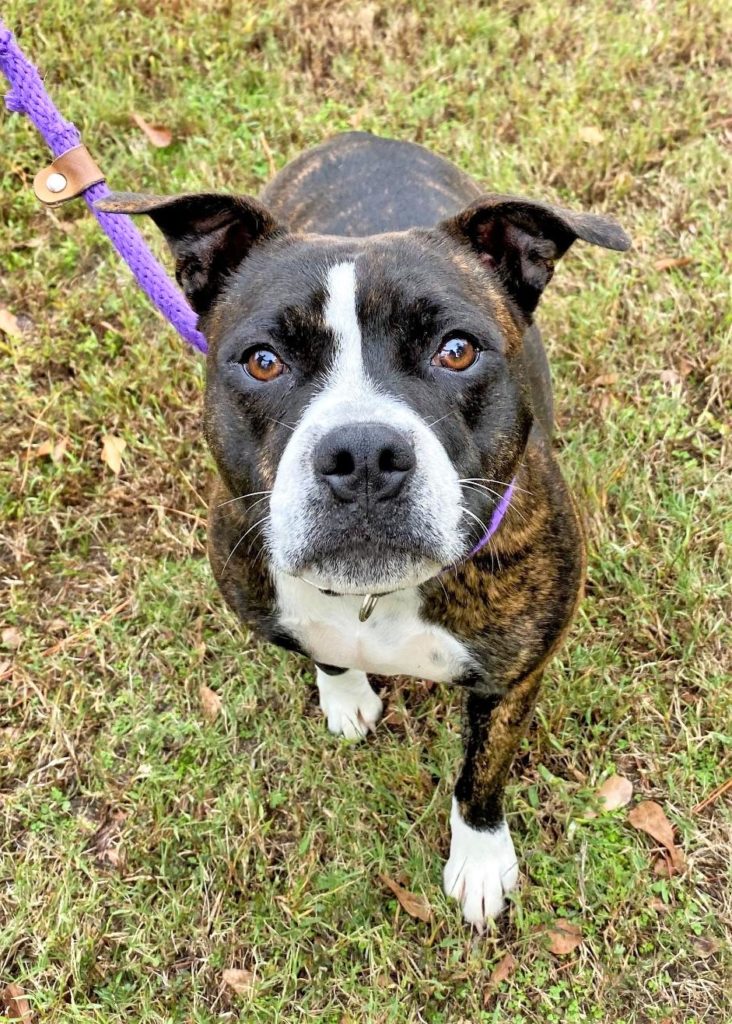
INDIA
Mixed breed, female, 1 year old, brindle & white, 45 pounds – $35

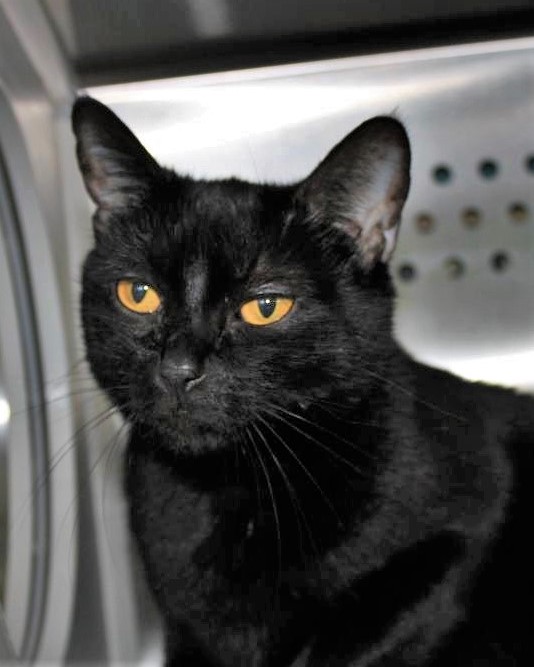
RAVEN
Domestic Shorthair, female, 3 years old, 10 pounds – $10                               

How to Select the Right Shelter Kitty for Your Home

Looking to adopt a feline friend? Now is a great time to make the plunge and visit the Aiken County Animal Shelter. A flood of strays and surrendered pets is hitting the shelter and these beautiful animals need homes.

Young kittens are in cat condos located in the front lobby and most older kittens and adult cats are housed together in the shelter’s newly renovated feline facility.

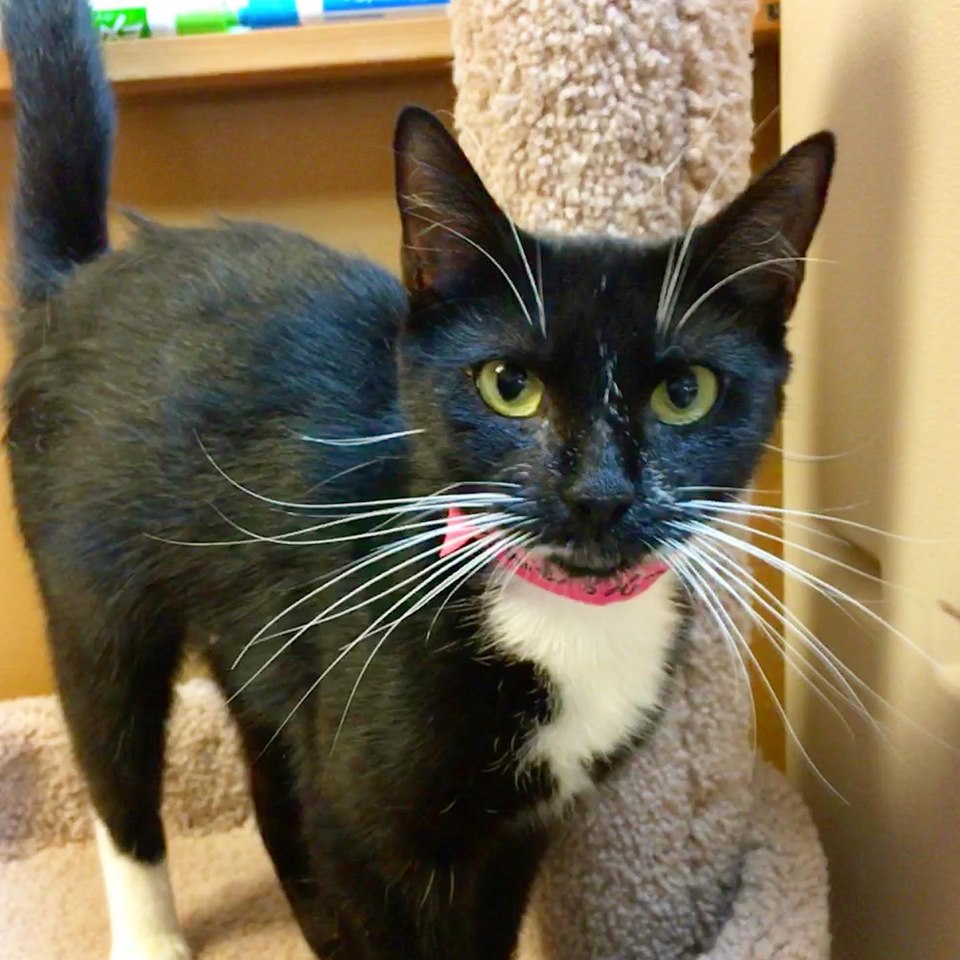
Black kitten BERNIE waits to greet visitors who stop by the ACAS’s feline facility.

When selecting a cat, first observe their behavior. Whether the cat is alone or with another feline, you can quickly assess their personality. Observe if they are shy or confident, playful or laid-back, chatty or quiet. Then, choose accordingly.

Meet the kitties in the feline facility
Regardless of their independent nature, cats respond to attention and love. To approach a cat in the indoor/outdoor facility, crouch low so as not to intimidate the feline and extend your hand so he can sniff it. If he accepts you by licking your hand or coming closer, slowly rub his forehead or lightly scratch under his chin while speaking in a low, calm voice. Gentle petting should follow as long as his ears remain up, the tail is not flicking, and he is not cowering or hissing.

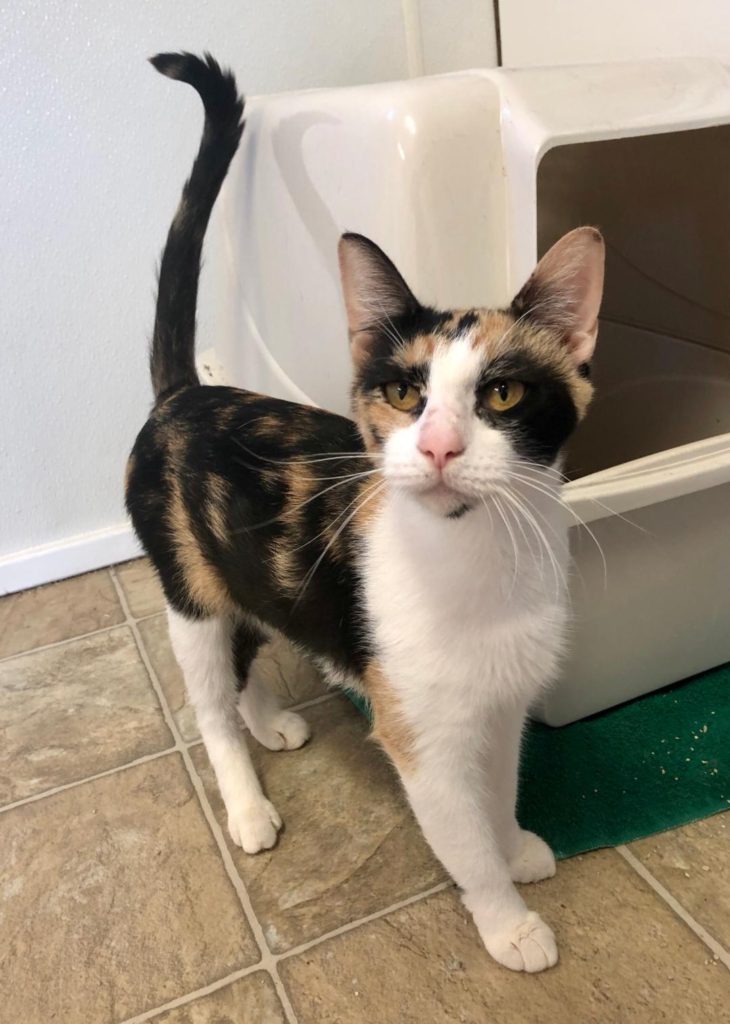
CERSEI is a friendly female Calico now available for adoption in the shelter’s feline facility.

Kittens in the front lobby
If the feline is in a cat condo or kennel, ask a volunteer or employee to open the door so you can pet him. For a kitten that is more active or playful, a trip to the shelter’s adoption room is a good idea. There, you can get a better idea about his personality and try out different toys for him to enjoy.

Shelter cats at the Aiken PetSmart store
The shelter also transports cats and older kittens to the Aiken PetSmart, where they can be adopted on-site. These felines are showcased in cat condos located in the back of the store. Description cards are posted on the condos to inform you of each cat’s background and personality traits. If you want to spend a little time with one of the cats, just ask a PetSmart employee to assist you.

Bringing your new pet home
Once you select a cat and bring him home, let him explore your residence. It is natural and enables him to define the kingdom he will soon rule. Leave the carrier he came home in near his food and water so he can have a place where he feels safe.

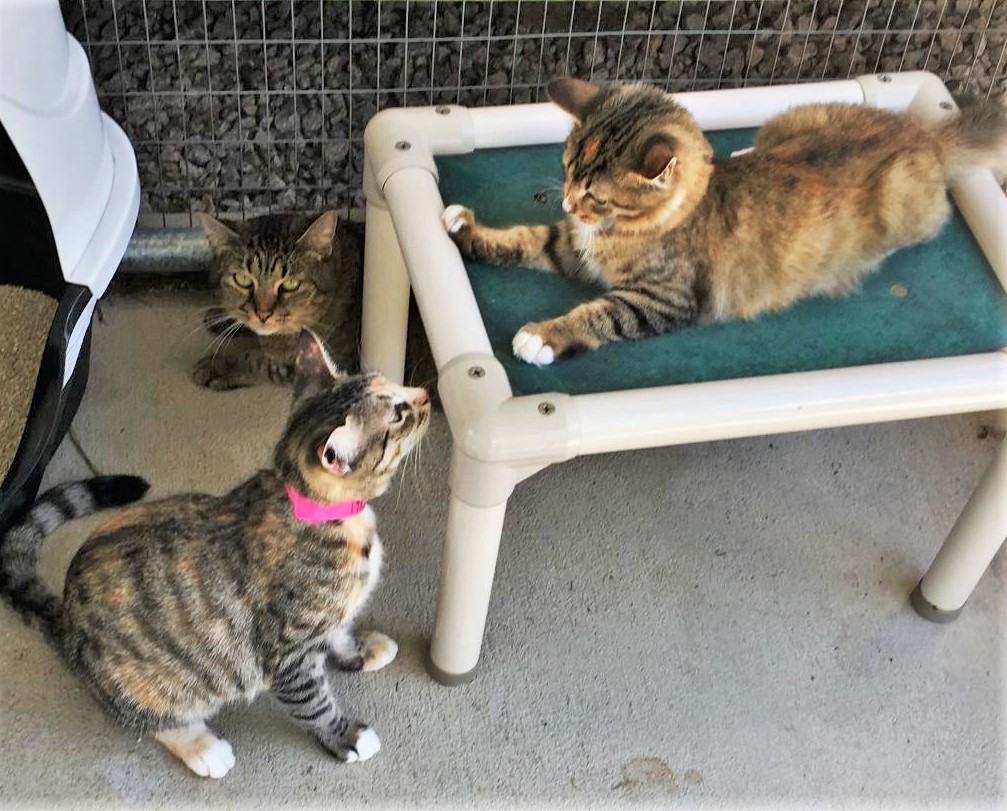
PANDA MANDA and LANNA at play.

Don’t let him outside even if you plan to make him an outdoor cat. He first needs to learn the lay of the land as well establish that you are his source of food and care – a process that takes at least a month. Keep in mind that the life expectancy for indoor cats is 14-19 years while that of those that go outside is 5-7 years. The Shelter strongly recommends keeping your cat indoors.

If you have other pets, wait at least one day before introducing them to allow your cat to decompress from the stress of moving to a new place. Spend as much time with your cat as possible and talk to him. Your calm voice and affection are what he needs to bond with you.

Pretty SOPHIE at the Aiken PetSmart store.

To ensure he gets needed exercise and satisfies his hunting instinct, play with your cat using different feather and mouse toys. Most importantly, enjoy your new feline companion and shower him with love and good care. You have just saved a cat and given him a second chance at a great life!

— By Steve Masterson, FOTAS Volunteer

Animal Control Officers: Friends, not Dog Catchers

by Kathy Jacobs, FOTAS Program Director

I often go to area schools to talk to students about responsible pet ownership and proper animal care.

When we talk about how animals come into the Aiken County Animal Shelter, I tell the students that animal control officers as well as members of our community rescue and bring in stray dogs and cats. When asked by a show of hands how many believe animal control officers are mean, most will raise their hands. These young people have watched many animated movies and television shows that portray these community helpers as “dog catchers” – the cruel characters that drag Bolt and his friends into the dreaded animal shelter. What a misconception!

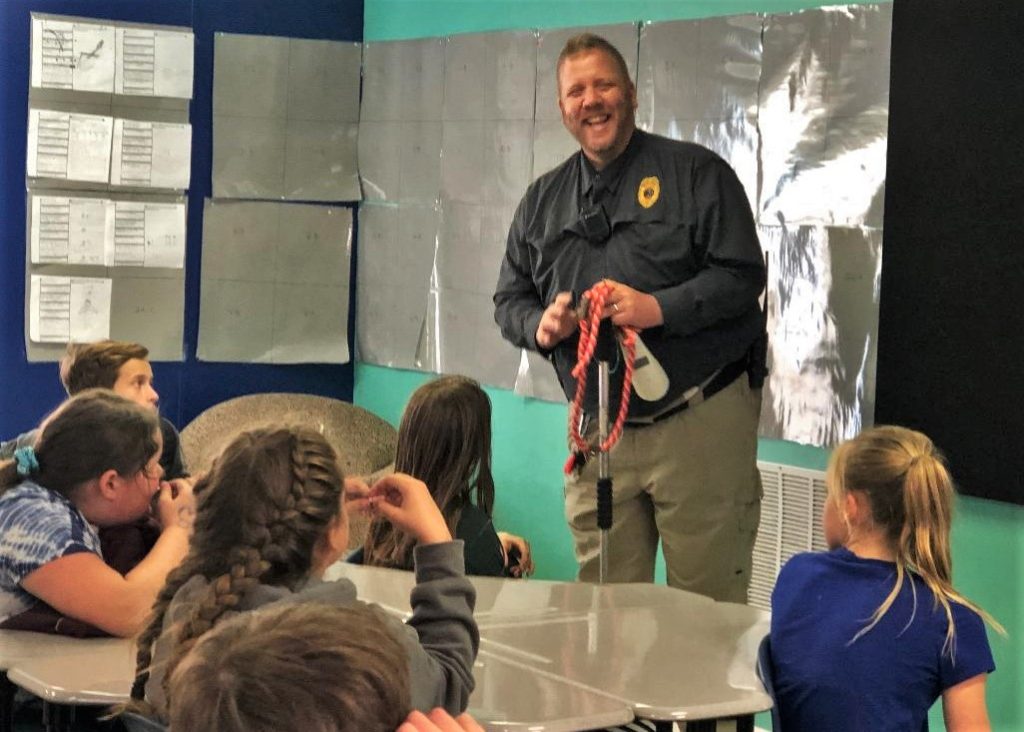
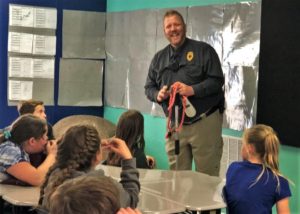
Officer Creel poses with Tall Pines STEM Academy students after talking to them about his job and giving them tips on how they can help homeless pets in their community.

Our community is very lucky to have officers that protect us and our pets from unvaccinated, sometimes aggressive animals. They look out for the neglected, abused and unloved pets in our area. They rescue dogs that have been left in the heat and cold without proper shelter, food and water. They bring in horses and pigs that have escaped their enclosures. These are the good guys.

Recently, Officer Brandon Creel attended our Junior FOTAS meeting at Tall Pines STEM Academy. He brought a catch pole, a scanner that reads microchips and demonstrated to the students how he and the other officers are trying to help. He explained that when officers use catch poles, it is as much for the dog’s protection as their own. Dogs can’t say “Stop,” but they can bite out of fear. If a dog bites an officer, not only will the officer be injured but the dog will have to go into quarantine. Therefore, the catch pole safely gets the dog into a kennel where they can decompress at the shelter. The scanner, he explained, helps officers identify and return dogs and cats to their homes without having to go to the shelter.

Officer Creel enjoys a light moment with students while teaching them about his job duties.

The officers also pick up scared strays, issue tickets to those who do not vaccinate, and educate the public about how to properly care for their pets. They save so many lives!

Officer Creel told the students that there are three things they can do to help: make sure their pets are vaccinated, ensure their animals are spayed and neutered, and speak up when they see an animal in need.

Aiken County is in good hands with this group of animal control officers. At the end of the work day, you will often see them visiting the dogs in their kennels, handing out pet treats and petting cats that need socializing. It’s their way of showing these animals that they do care about them and want them to be happy. Many of the officers have even adopted animals that they have rescued from the streets.

Their lives are in our hands.

BY THE NUMBERS
From April 1 to 10, the Aiken County Animal Shelter received 115 strays and surrendered pets. That’s more than 11 a day!

PETS OF THE WEEK
HUDSON: Terrier mix, male, 2 years old, 26 pounds – $35

SMOKEY: Domestic Medium Haired cat, female, 9 years old, 6 pounds – $10