


Category Archives: barn cats

Got mice? Let us find a barn cat for you!

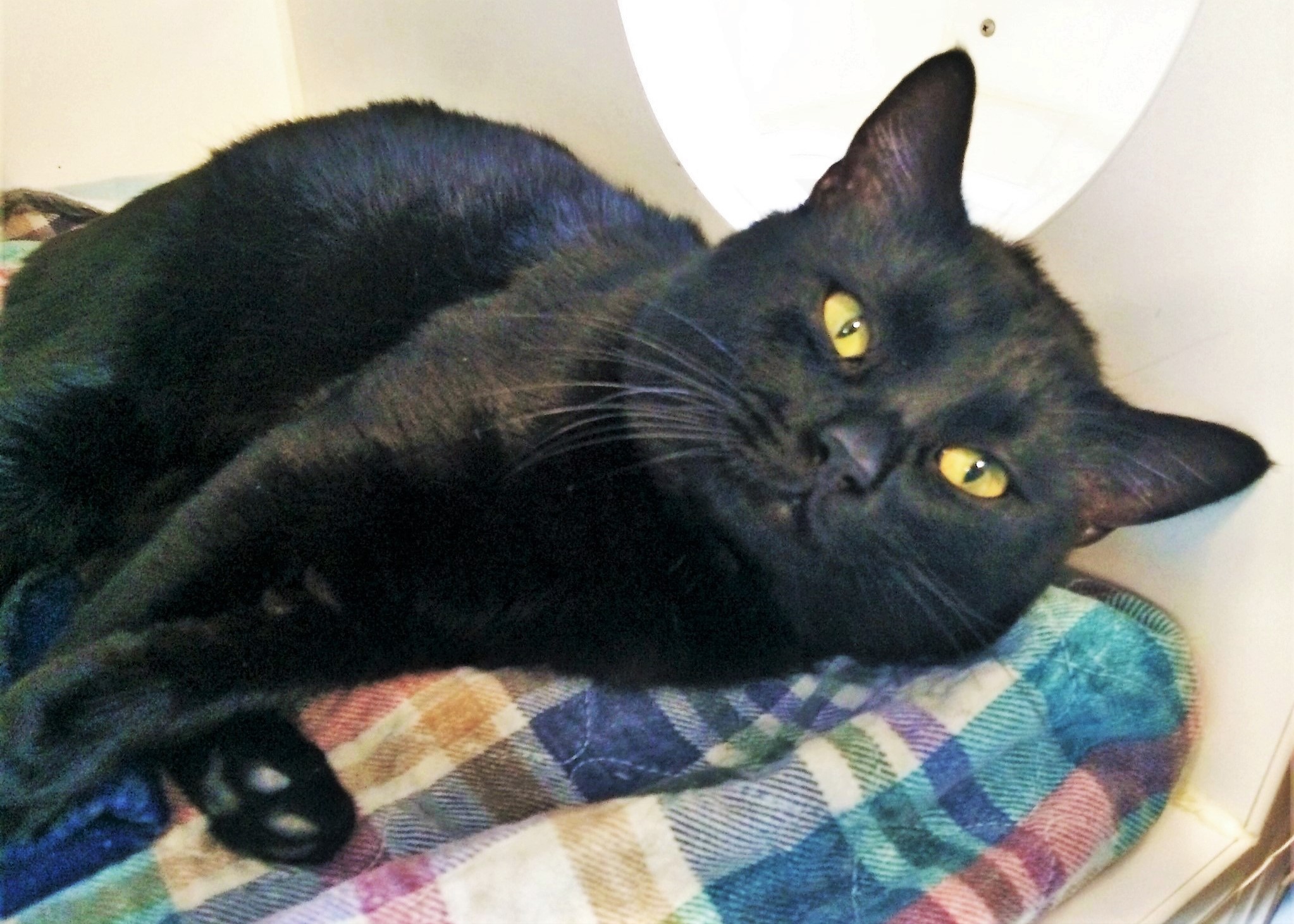
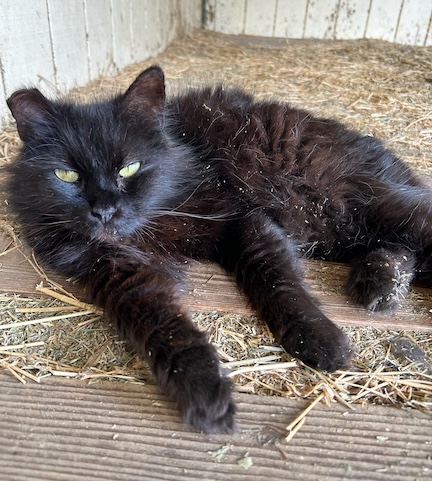
Handsome Midnight lounges in the hay room. The County Animal Shelter’s barn cats are fixed, vaccinated and free to good homes.

Most cats are sweet and cuddly. They belong inside – playing with their cat toys, sleeping on your bed or purring on your lap.

But there are exceptions.

Some felines are more “spicy” or wild, and less socialized. These felines haven’t had much contact with humans and, as a result, don’t like to be held or pampered. They are extremely independent and have a bit of an attitude. However, it’s this assertiveness that makes barn cats such good hunters and ideal for getting rid of mice and other pests.

Matching adopters with barn cats
The Aiken County Animal Shelter has access to barn cats throughout the area. Our goal is to help these stray/outdoor, adult cats who are alone to find homes on farms, in barns, warehouses or other safe locations. We look for situations where they will be well cared for and appreciated. These hard working, pest reducing cats can help control the rodent population while enjoying the freedom of outdoor sheltered life with as little or as much human contact as they want.

Thanks to the TNR (Trap, Neuter & Return) program we’ve offered since 2014, many of our community cats are already fixed and in colonies. However, there are some that are single and looking for an outdoor home.

Barn cats are not lovey-dovey, but they’re good hunters. This makes them ideal for adopters looking to rid their property of rodents and other pests.

Prior to adoption, all potential barn cats at the County Shelter are:

  • Spayed/neutered (altered)
  • Vaccinated for rabies
  • Ear tipped (the universal sign for an altered feral cat)

Spicy mousers need love, too
While barn cats are feistier than their more domesticated counterparts, it is still important that they are properly cared for and loved. Before you decide to bring a barn cat home, make certain you are able to care for them by providing the following:

  • Fresh food and water, daily
  • Shelter from outdoor elements
  • A safe place to hide from predators.

Barn cats also need to be confined for three weeks before letting them roam the property. They must first learn that the farm is their home and source of food and care, or they are likely to run away.

Barn cats at the County Shelter are free to good homes. If you would like to adopt a barn cat or two (or more) from the Aiken County Animal Shelter, please send an email to info@fotasaiken.org or call (803) 642-1537, option 3.

Their lives are in our hands.

By Bob Gordon, FOTAS Communications Director
Tips for Choosing the Purr-fect Shelter Feline

Adding a cat to your home can be one of life’s most rewarding experiences. They are terrific companions and easier to care for than dogs. Plus, most felines are great cuddlers, playmates and entertainers (there’s a reason cat videos dominate the Internet). Studies have even shown their purrs can improve your health and lower your risk of a heart attack.

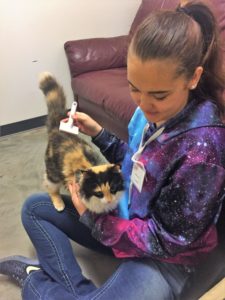
Volunteer Hannah brushes Lydia after the young cat jumps in her lap.

If you come to the Aiken County Animal Shelter, you can adopt a cat or kitten for just $10 – this fee includes their vaccinations, spay/neuter surgery and microchip. So, are you ready to adopt a cat or kitten? If so, here are some tips for choosing the best feline for your home:

Select the right cat for your lifestyle. Are you looking for a lap cat? Or is a playful, high-energy cat more your style? What about fur length? Longhair or shorthair? Do you like a chatty cat or one that’s quiet and shy? These are some of the questions you need to answer when selecting a cat. Talk to a FOTAS volunteer or staff member about the available cats. They are familiar with each cat’s traits and can help you identify the feline that best fits your personality and lifestyle.

Cats vs. kittens. Kittens are cute – that’s why they usually get adopted so quickly. But they also need extra nurturing and demand more of your time. If you do decide to adopt a kitten, consider getting two. Why? Because the little ones usually have loads of energy and need to burn it off. Their need to exercise is easily satisfied if they have a littermate to play with.

Let the cat choose you. Dogs love it when you walk up to them and immediately start petting them, but cats prefer a subtler approach. Let them come to you. Some cats will run up to you right away or

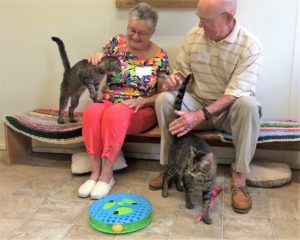
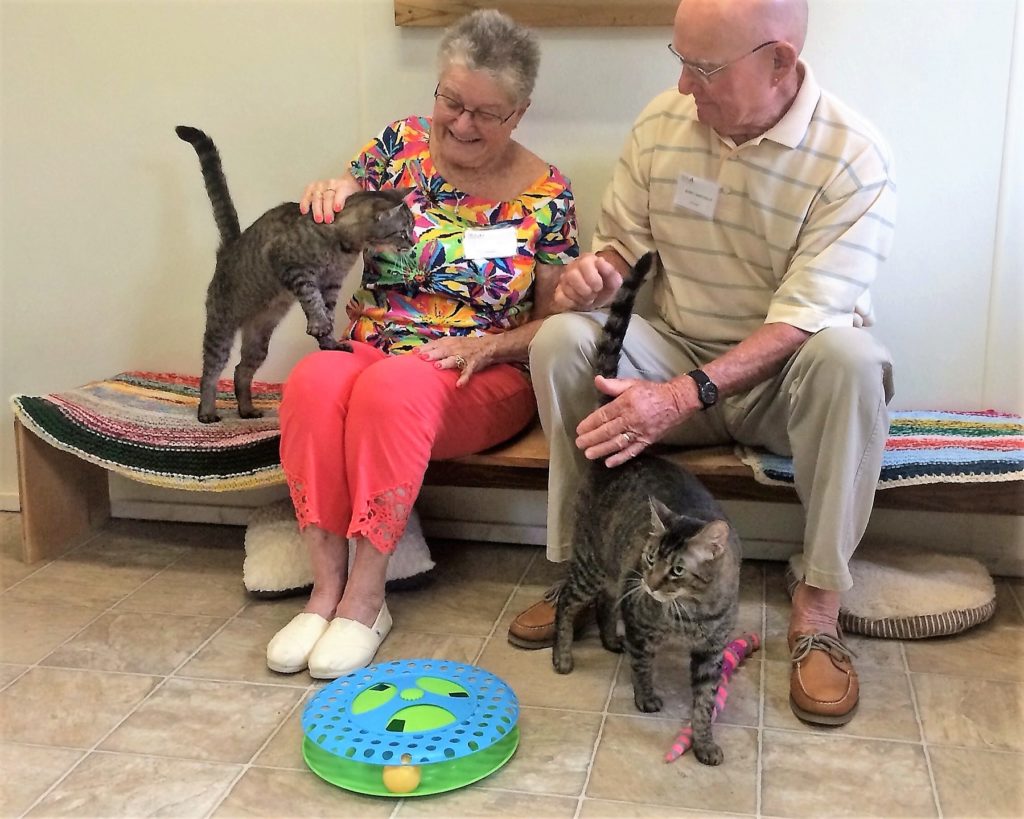
FOTAS Volunteers Jan and Jerry Tankersley come to the ACAS every Tuesday to help socialize cats and kittens.

even put their paws on your shoulders. But most will first assess whether they trust and like you before approaching. To greet a cat, stick your hand out, palm down, about a foot away from his face and let him sniff it. He will usually step forward and “butt” your hand, which is his way of saying, “Hello,” and marking you with his scent. This is the cat’s way of telling you he trusts and likes you — and you can now pet him and rub under his neck. 

Spend time with the cat before making your final decision. Once you find a cat you like, and who likes you, spend some time with him. Ask to take the cat to an adoption room, where you can further study his personality and confirm you have a bond with the kitty.

Keep the cat indoors. If you adopt a cat, please keep him inside. The average lifespan of an indoor cat is 18 to 20 years, while an outdoor cat’s usual lifespan is just 5 years. If you must have your pet outdoors, the Shelter often has barn cats to adopt. These are cats that have lived outside most of their lives and can’t be happy as housecats.

There are so many cats at the shelter looking for homes right now. Please stop by and find “the one” for you.

Their lives are in our hands.

— by Bob Gordon, FOTAS Director of Communications

By the Numbers
In July, the County Animal Shelter received 554 stray animals and surrendered pets.


Pets of the WeekLARISSA: Retriever mix, female, 1-1/2 years old, tan & black, 59 pounds – $35
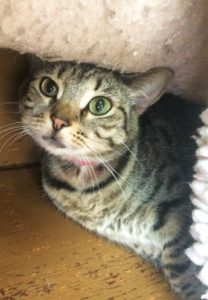
 

MISTY: Domestic Shorthair, female, 3 years old, black & tan Tabby, 10 pounds – $10
Adopting a barn cat eliminates mice, saves unwanted felines

Most of the cats at the Aiken County Animal Shelter (ACAS) are sweet, laidback and cuddly. They do best inside – playing with their cat toys on the floor, sleeping on your bed or purring on your lap as you watch TV.

But occasionally the shelter receives barn cats. These felines are more aggressive and often unsocialized. They haven’t had much contact with humans and, as a result, don’t like to be held or pampered. They are extremely independent and usually have a bit of an attitude.  However, it’s this brashness that makes barn cats such good hunters and ideal for getting rid of mice and other pests.

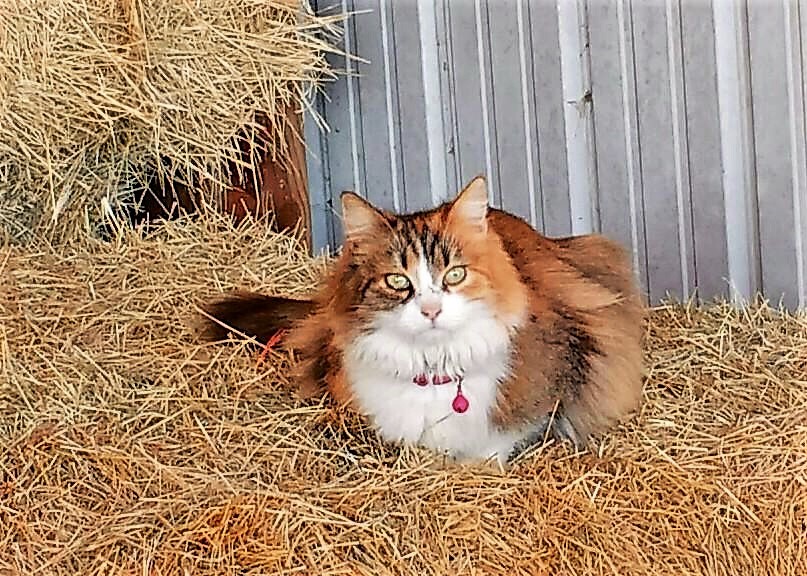
“Callie is perpetual energy,” said Diane Mansur, referring to the 1-year-old, medium hair Calico cat she and her husband, Raymond, adopted from the ACAS. “She’s inquisitive and always chasing and hunting mice on our property. We’re really pleased with how well she’s fitting in he

Adopted barn cat Callie gets comfy in her new digs, always ready to pounce on any mice that dare to wander onto her new owners' farm.
Adopted barn cat Callie gets comfy in her new digs, always ready to pounce on any mice that dare to wander onto her new owners’ farm.

The Mansurs adopted Callie after they spotted mice around their horse farm in Windsor. So far, she has hunted down at least six mice. Sometimes she eats them but usually she proudly drops the “gifts” at her adopters’ feet. During the day, Callie roams the farm and often hangs with the horses, but at night she’s safe inside a large equipment shed.

“We have dogs and other animals, so we didn’t want to put poison out and we’ve tried mouse traps, which sometimes work but can get messy,” Raymond said. “Frankly, we’ve always found cats to be the best way to control mice and protect our feed, so we’re very happy with Callie.”

As instructed by the shelter staff, the Mansurs kept Callie confined for three weeks before letting her roam the property. The barn cat must first learn that the farm is her home and source of food and care, or she is likely to run away.

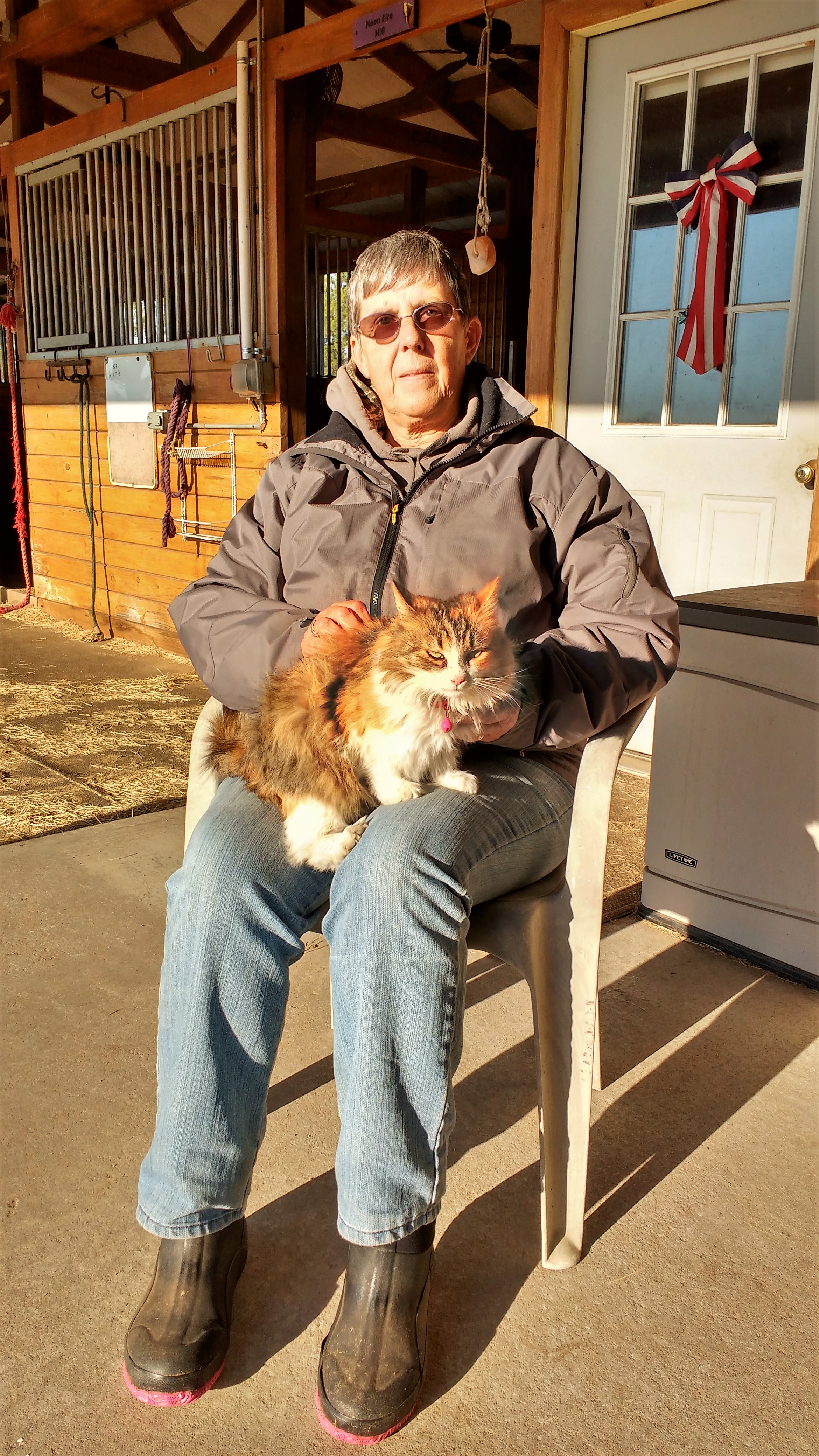
Diane Mansur with her adopted barn cat and super mouser, Callie.

Elwood likes to do his own thing, so he's the perfect barn cat.
Elwood likes to do his own thing, so he’s the perfect barn cat.

Another recent barn cat adoption was Elwood, a large, 2-year-old, black feline with a penchant for being mischievous. He sometimes plays a little rough with his human caregivers.

“My sister and I brought in food, treats and blankets to donate to the shelter and he was there in the lobby,” explained Elwood’s adopter, Suzy Lee of Wagener. “We have five acres and once he gets the lay of the land, he should make a good barn cat for us.”

Elwood has only been at his new home for a week, so he hasn’t explored the property yet. But he seems to like his new digs.

“I think adopting these barn cats is a good thing to do,” Suzy said. “It’s well worth the effort to give an unwanted cat a home.”

Barn cats at the ACAS are free to good homes. If you are interested in adopting one or more, please call the shelter at (803) 642-1537.

Their lives are in our hands.

by Bob Gordon, FOTAS Director of Communications

paw_print_heart_stickers-r368b69be3802466f8feff0ba57adc012_v9w0n_8byvr_512

 By the Numbers

Feb. 7 to 14: Give Love Valentine’s Special: Dogs & puppies $14, cats & kittens $7

Pets of the Week

callista with susi (3)CALLISTA
Mixed breed, female, 1 year old, brindle and white, 44 pounds – $35

POTW KATLA AND CORDELIA

KATLA & CORDELIA
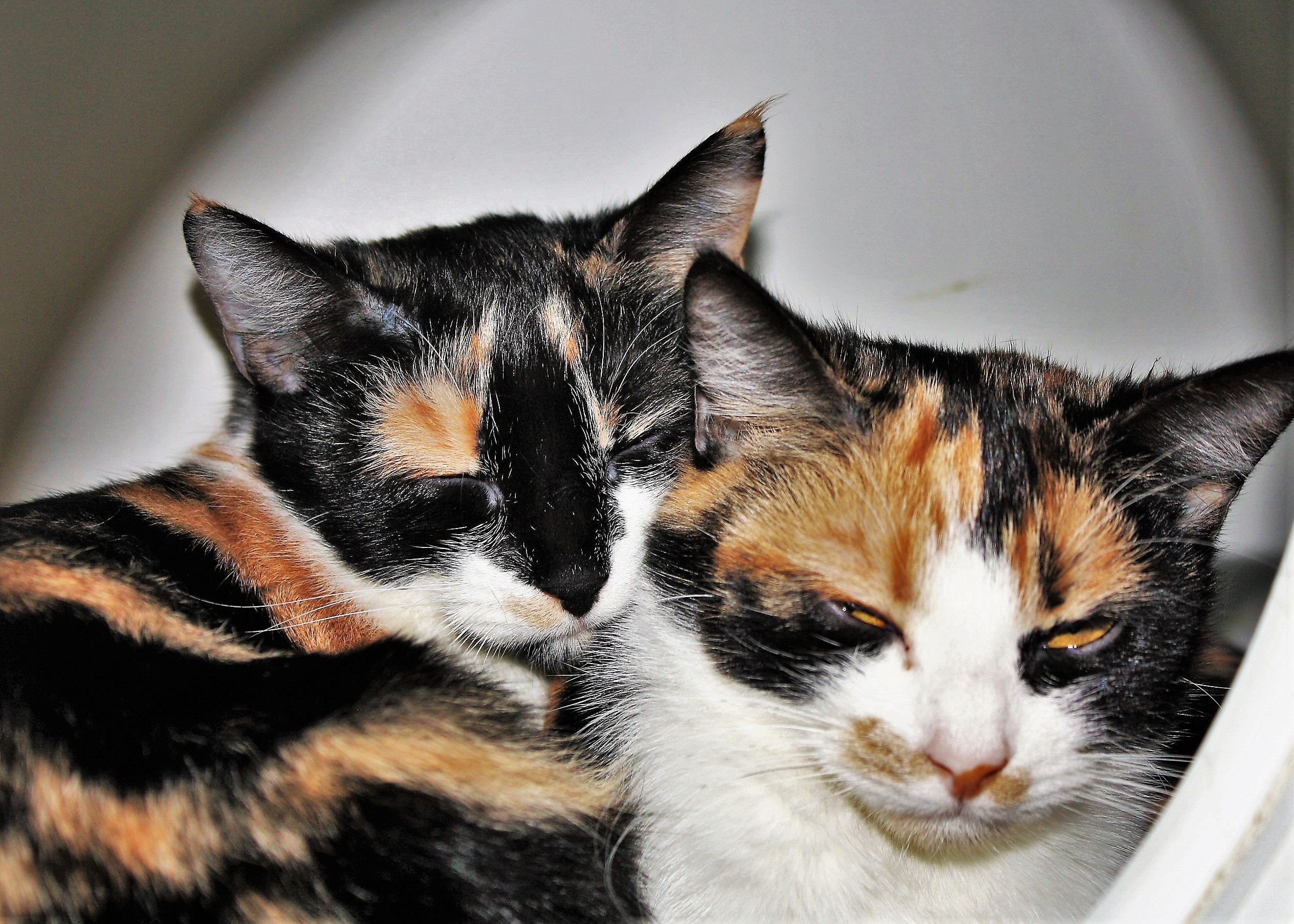
Domestic Shorthair, females, 9 months old, Calico, each is 7 pounds – $0 (bonded sisters are barn cats)