

Category Archives: Cats

We all need to do our part to control the cat population

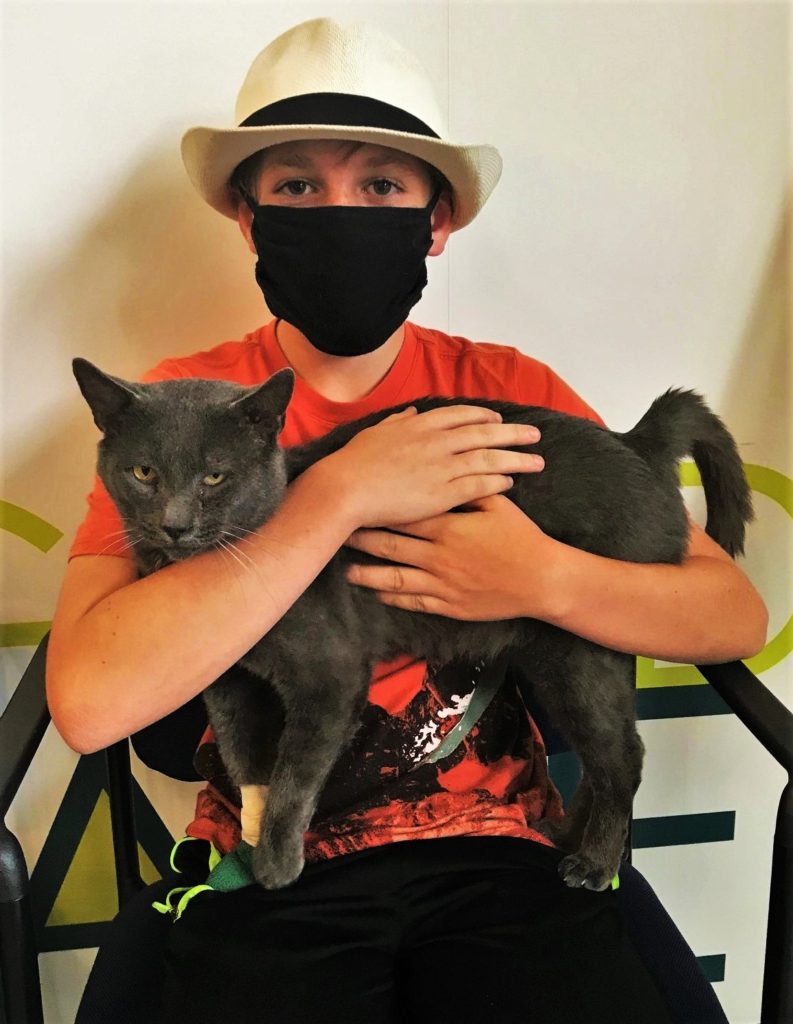
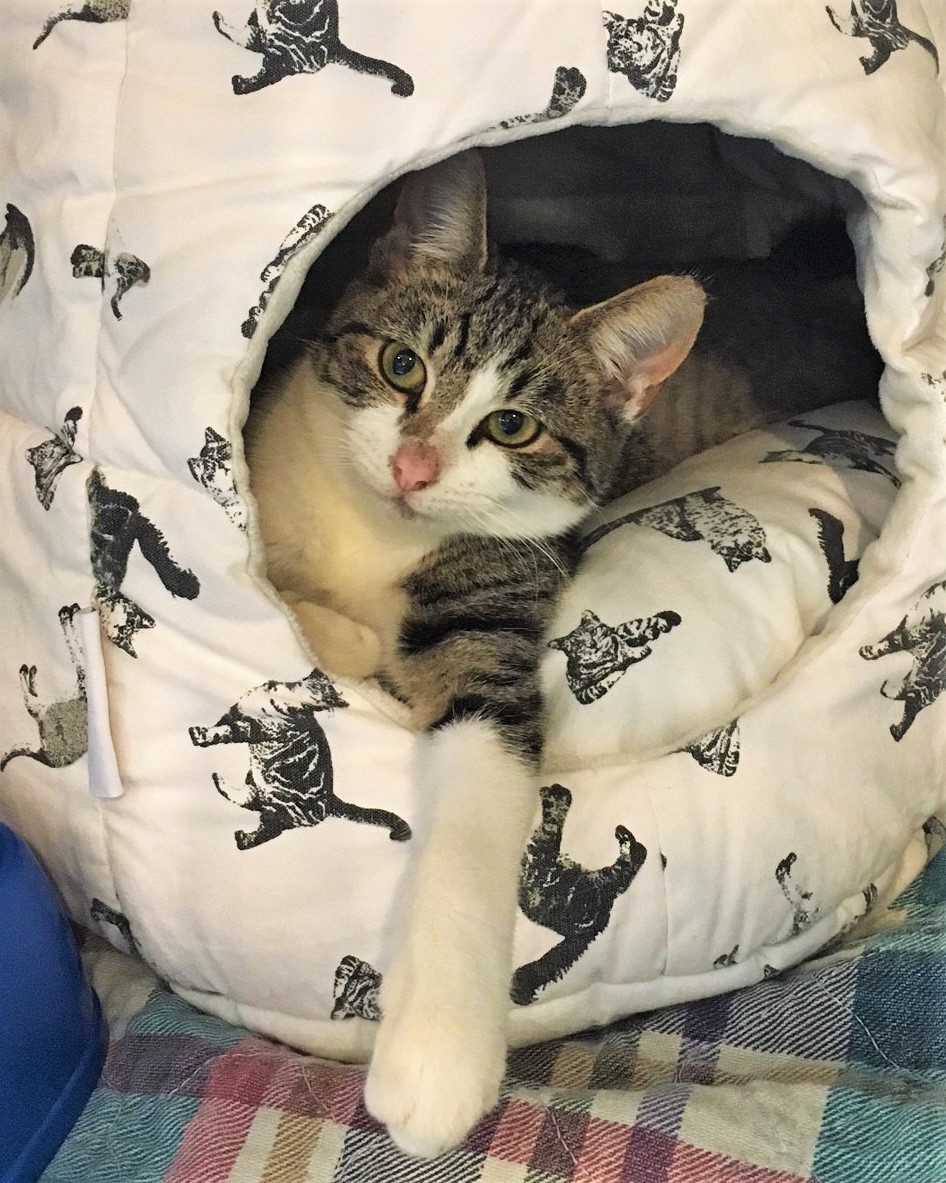
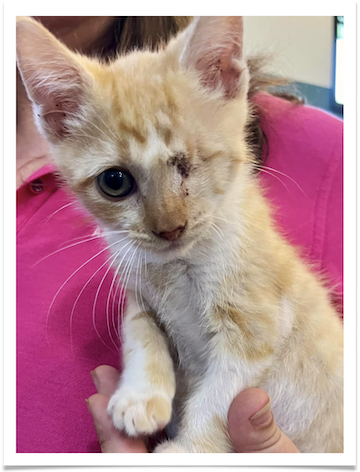
Orphaned stray kittens, like Tang, are vulnerable to upper respiratory infections, which can do irreparable damage to their eyes. Treated when he arrived at the shelter, the vet staff saved one of Tang’s eyes and he was adopted to a loving home.

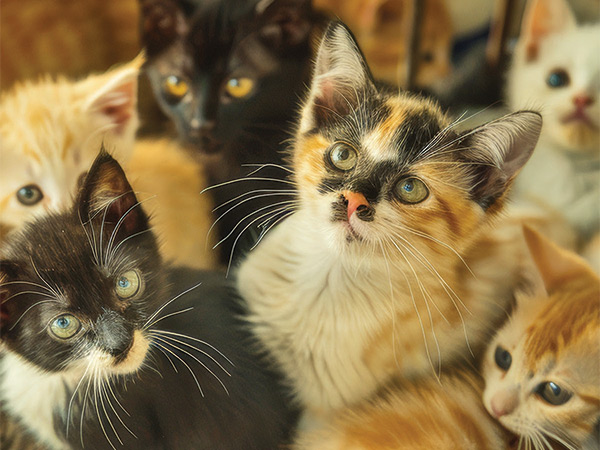
We are in the middle of our most challenging kitten season since the Covid pandemic hit in 2020. This year’s stream of stray kittens into the Aiken County Animal Shelter began in May and turned into a flood of baby felines that shows no signs of subsiding.

Kitten season is an annual occurrence, starting in May, peaking in July and August, and usually ending by autumn. Cats mate at a high rate during the warmer months, resulting in the greater influx of kittens.

During this time, it takes teamwork and dedication to save and rehome as many kittens as possible. Of course, the best way to avoid this surge of kittens is to spay/neuter cats before they can reproduce.
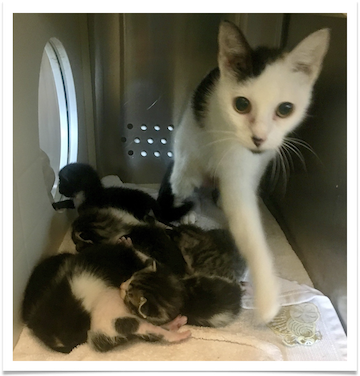
This year, the surge of kittens (and mama cats) has been more relentless than usual.

Pet owners need to spay/neuter their cats or we will never solve the overpopulation problem. Female kittens are old enough to have their own kittens at four months old, so it’s important to get them fixed as soon as possible. The County has a voucher program for citizens in financial need that greatly reduces the cost of getting your feline fixed at participating veterinarian offices and hospitals. If you live in Aiken County, vouchers are distributed to qualified citizens at the Aiken County Government Building.

For County citizens who have feral cats on or around their property, the Aiken County/FOTAS TNR program (Trap/Neuter/Return) is available free of charge. This is a humane population management plan where outdoor cats are trapped, checked by a veterinarian, spayed or neutered, vaccinated, ear-tipped to identify them as sterilized and returned to their territory, where they continue to thrive on their own. In 2023, more than 1,300 community cats were fixed through this TNR program. Please contact the shelter or email info@fotasaiken.org for more information.

Other ways to help:
– Adopt from the shelter
: All of the County Animal Shelter’s cats/kittens for adoption are spayed/neutered, vaccinated, microchipped – and there is just a $10.00 fee to adopt them.

– Sign up to foster kittens. It’s fun and saves lives. Not all kittens in need are bottle babies – some just need care and socialization until they are old enough to be spayed or neutered, vaccinated and placed for adoption. Our staff will provide direction, support and tools (such as kitten kits) to help you.

– Donate kitten care supplies to FOTAS. The County Shelter needs kitten formula, warmers, feeding bottles, litter, wet kitten food and other items for our kitten kits.

Don’t pick up stray kittens unless they are sick, injured or their mother is no longer around to care for them. Their best chance for survival is with their mother and her nutrient-filled milk.

Kitten season is always challenging. But if we work together, we can save many more lives, reduce suffering and stop the flood of felines.

Their lives are in our hands.

By Bob Gordon, FOTAS Communications Director
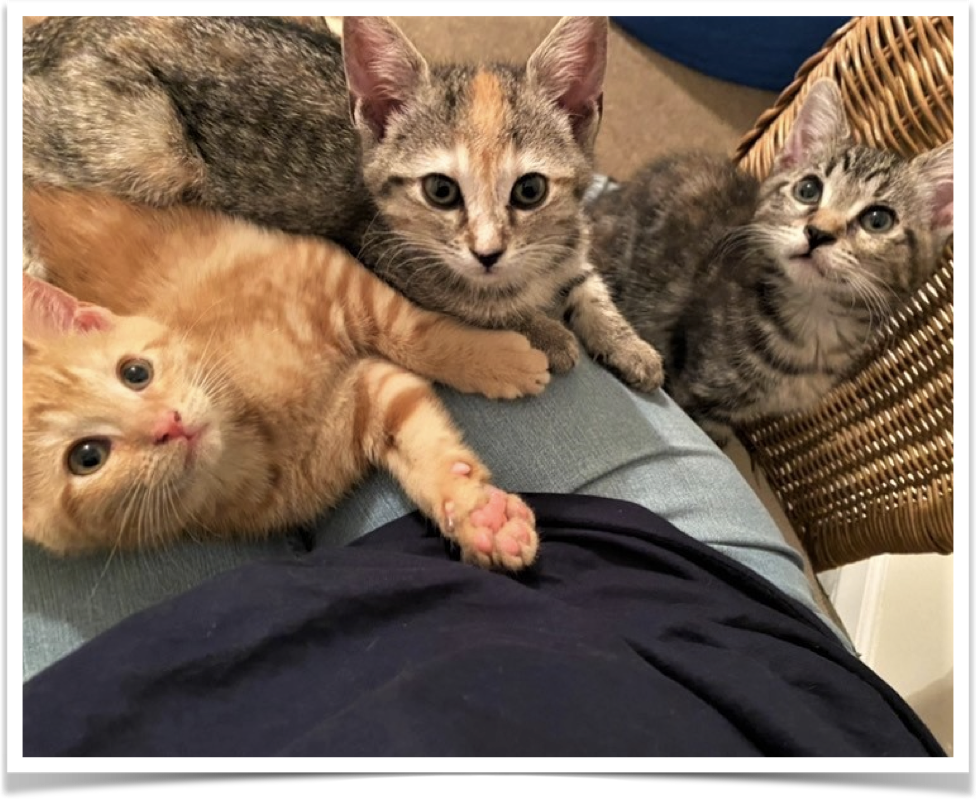
Kitten fostering: You don’t need lots of space or time to save lives

With kitten season still going strong in September, the need for fosters is as great as ever. The Aiken County Animal Shelter is about to be overloaded with feline babes who need temporary care and assistance from county citizens.

While the Shelter provides all the care it can – and dedicated staff members even take kittens to their own homes for fostering – the influx of orphaned kittens is too much to handle for any shelter facility.

“The value of socialization is huge because everyone wants a confident, friendly kitten,” said Hillary Clark-Kulis, the shelter’s adoption coordinator. “Even if you have just fifteen minutes in the morning and fifteen minutes in the evening to spend with the kittens, that’s three times more socialization than they’ll receive at the shelter.”

The one-on-one time kittens receive in loving foster homes is vital because it better ensures they are well-prepared for adoption. However, we ask fosters to care for kittens only until they are two pounds, which takes anywhere from two to four-weeks.

Desiree VanZanten says fostering kittens looks harder than it really is.

“I love being able to watch them grow and develop, and know that I’m helping out the shelter” said Desiree VanZanten, who has been fostering kittens with her wife, Gretchen, for seven years. “Bonding with them and watching their personalities develop is like planting seeds and watching them grow and bloom.”

Becoming a kitten foster is simple. Just come to the shelter at 333 Wire Road in Aiken and fill out a foster application. Once you’re approved, we’ll get you started and provide you with the needed resources and support.

“Fostering kittens is one of the most rewarding things I’ve ever done in my life,” said Cherylece Wiggins, who took in her first litter four years ago. “It’s not difficult or labor intensive, but it’s so gratifying to help these babies get good homes. All you have to do is give them love!”

While fostering kittens might seem like a lot of work, it is usually just a matter of feeding them, petting and playing with them, and cleaning their kitty litter box. Unless they are bottle babies (four weeks old or younger), kittens don’t require hours of your time. You don’t need a big space either –even a blanket on the bathroom floor will do.

FOTAS Bookkeeper Carol Miller and her husband, Mike, have been fostering kittens for eight years with the help of their own dogs and cats. The dogs like to take them under their wing and clean them while their cats enjoy teaching the babies how to play.

Carol Miller has been fostering kittens for eight years and loves it.

“It’s a lot of fun to see the kittens progress and start having a blast running around and playing with each other,” Carol said. “When everything is so depressing with world events, inflation and other bad news, I find spending time with the foster kittens helps me relax and forget about all the negative stuff.”

For more information about fostering kittens and other shelter animals, please call (803) 642-1537, option 3 or send an email to info@fotasaiken.org.

Their lives are in our hands.

By Bob Gordon, FOTAS Communications Director
FIV positive cats can live long, happy lives

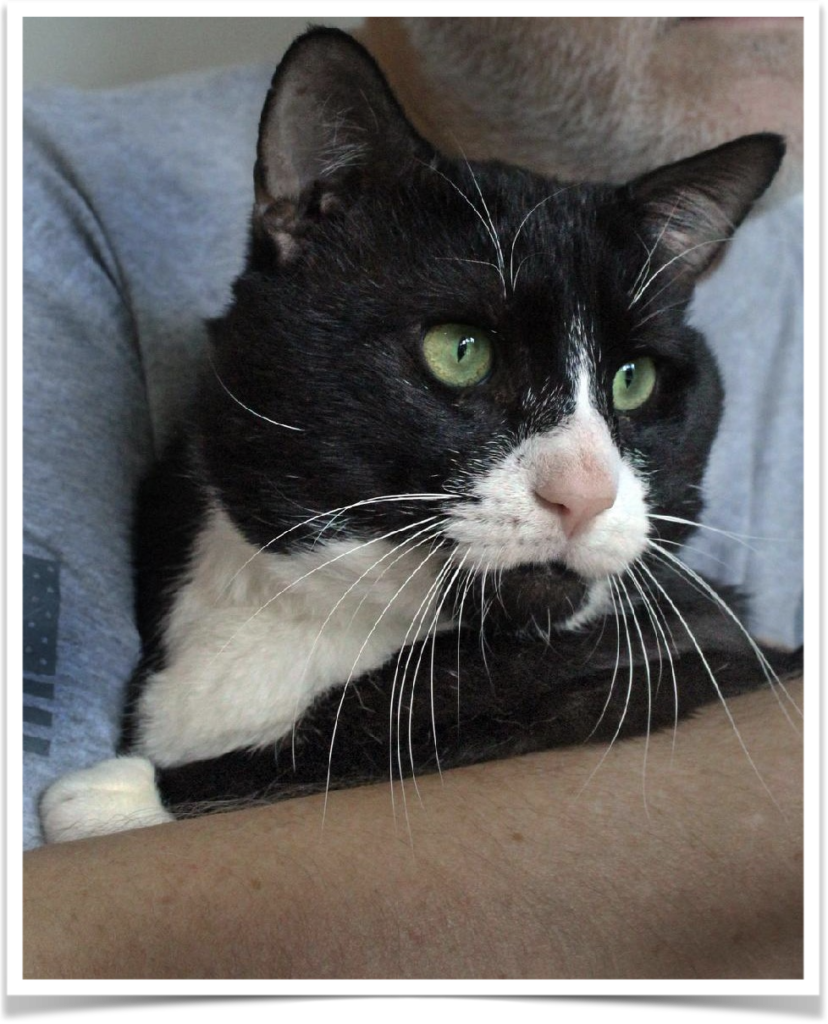
FIV positive cat Tuxedo Bogartis hoping to be adopted soon.

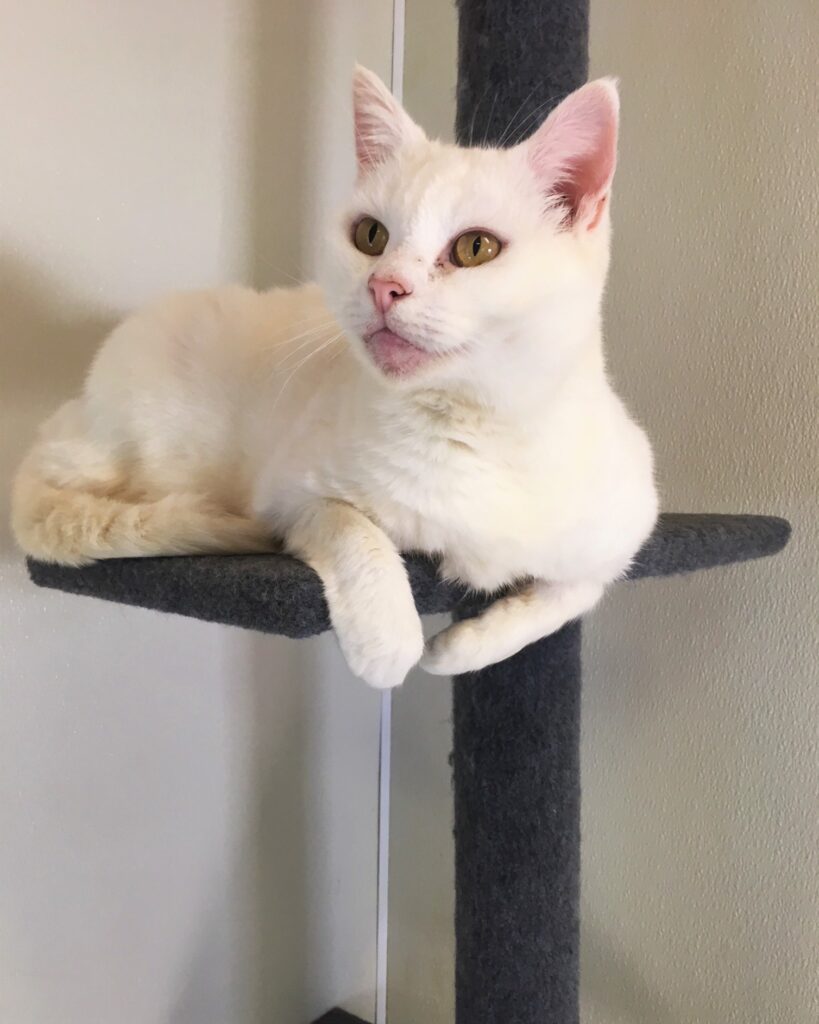
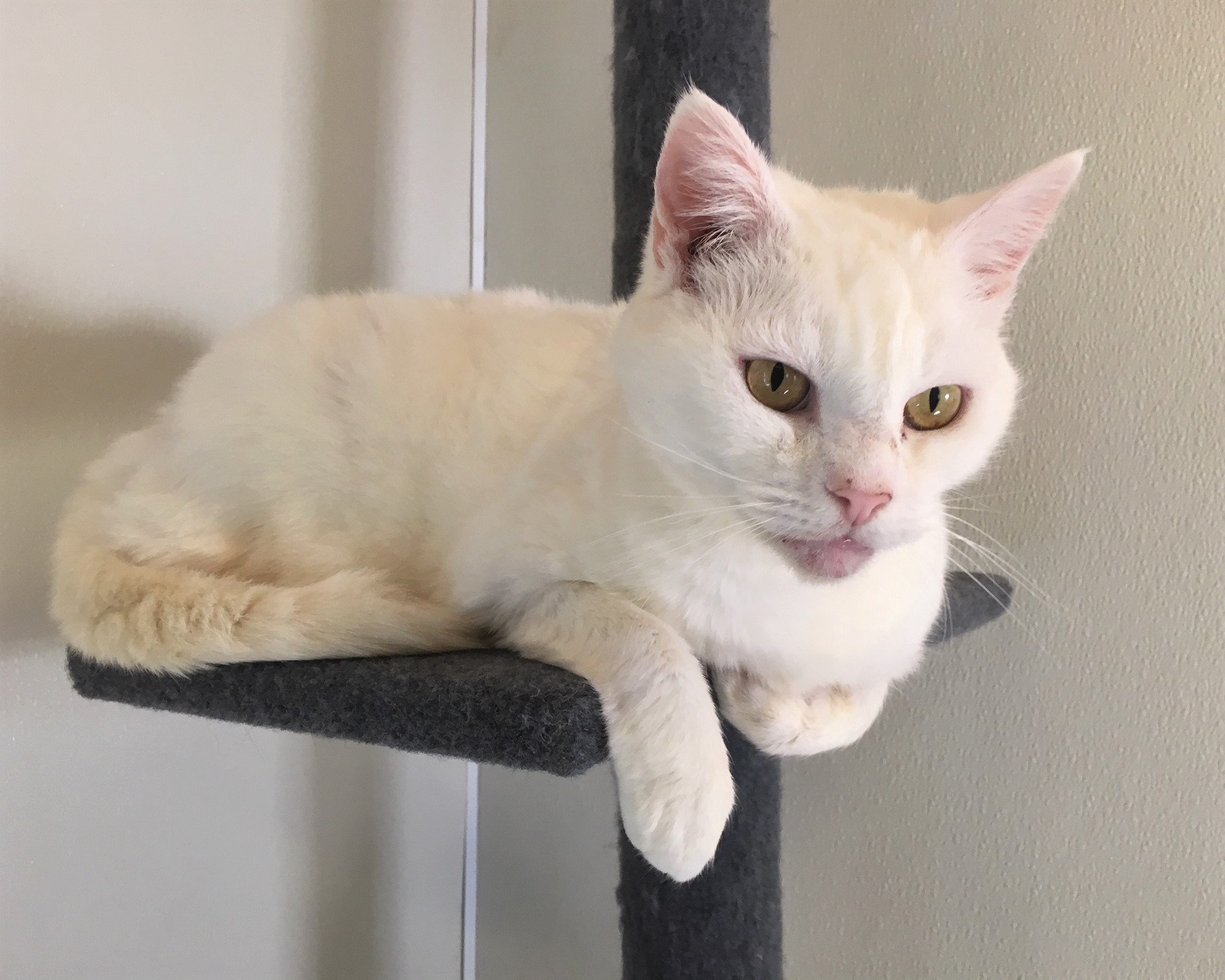
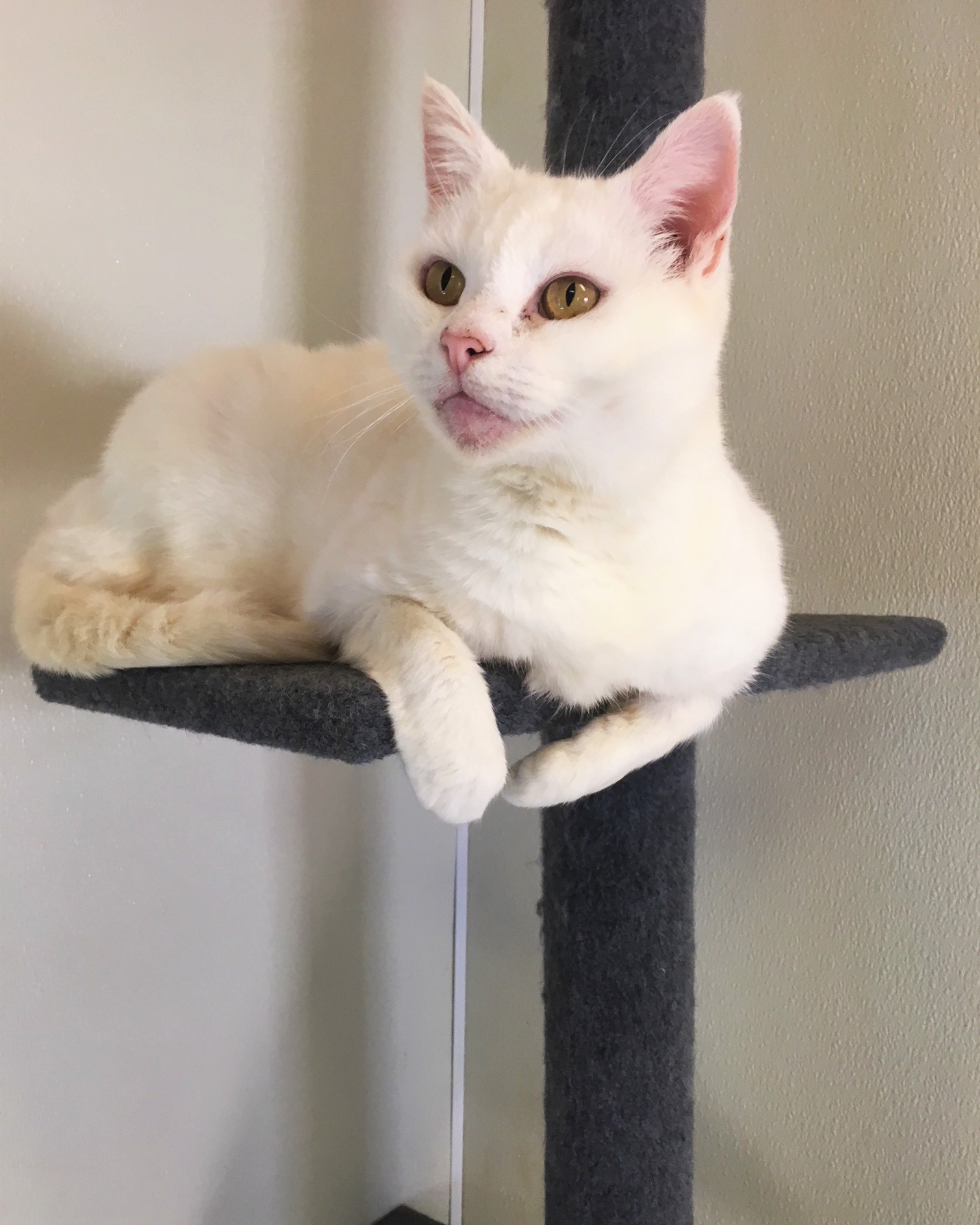
The Aiken County Animal Shelter has two wonderful cats available for adoption – Bogart and Creampuff – who have been waiting way too long for their forever homes.

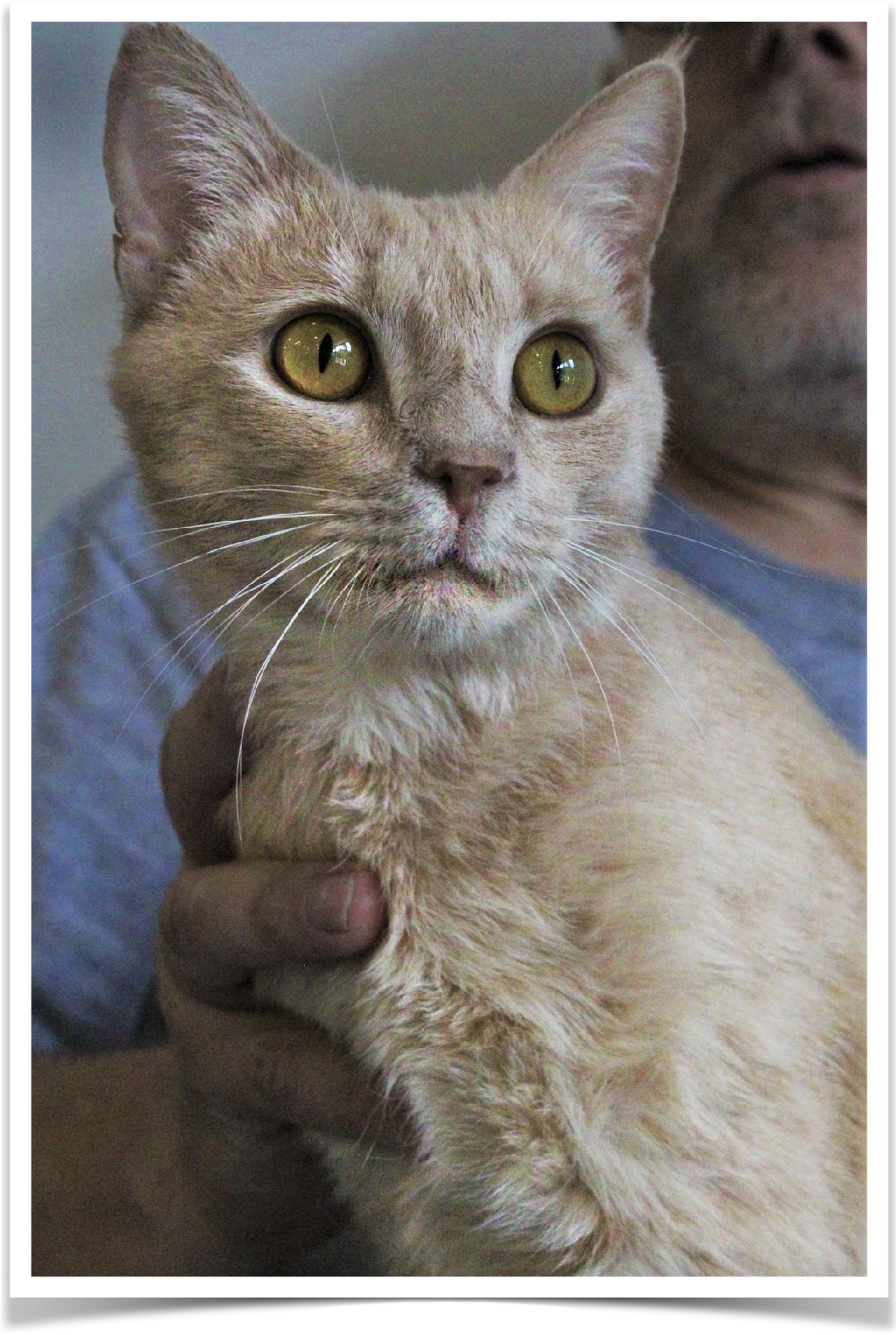
Cream Puff, FIV+, hoping to be adopted soon.Bogart is a 13-pound Tuxedo and Cream Puff is an 8-pound, orange and white Tabby. These felines arrived at the shelter as strays more than two months ago. Both are four years old, handsome and sweet. And both are FIV positive (FIV+).

FIV stands for Feline Immunodeficiency Virus, a condition that weakens a cat’s immune system. Misconceptions about the disease persist, but here are the facts:

  • FIV is not as highly contagious as experts once thought. It can only be transmitted through blood transfusions or deep bite wounds. Other cats cannot get FIV through casual contact with an FIV + cat. Saliva does not transmit FIV.
  • Most FIV+ cats live long, healthy lives, and many never show any symptoms of the virus. As long as they are not exposed to any other virus or bacteria that their weakened immune system can’t handle, they can live happy, normal lives. Cats with FIV just need to be kept indoors and fed a balanced, nutritionally complete diet. With proper vet care, most FIV+ cats live as long as their indoor counterparts (13-18 years), and much longer than cats who live outdoors (3-8 years).
  • FIV is a species-specific disease. It cannot be transmitted to humans or any other animal.

Despite these reassuring facts, FIV positive cats, like Bogart and Cream Puff, continue to be passed over by potential adopters. But please keep in mind that these terrific cats can bring immense joy and companionship to you and your family. They need love, too.

Empty the Shelter event continues through July 30
th

With the support of the BISSELL Pet Foundation, FOTAS and the Aiken County Animal Shelter are hosting a special “Empty the Shelter” event through this Saturday, July 30. The event features reduced adoption fees for pets (dogs/pups are $25, cats/kittens just $10) and fees for many dogs will even be waived during this promotion.

Their lives are in our hands.

By Bob Gordon, FOTAS Communications Director
Beautiful, abandoned cats need loving homes

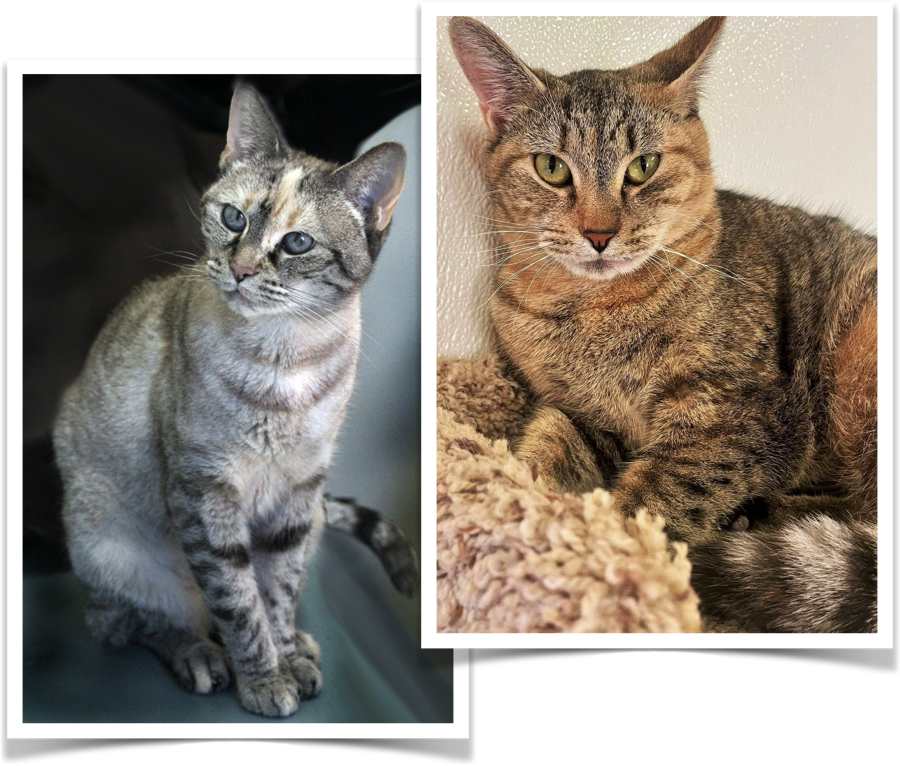
Simone’s owner moved but left her behind to fend for herself.

The Aiken County Animal Shelter (ACAS) has two gorgeous cats in its feline facility who desperately need loving homes. Both are overcoming the emotional pain of suddenly finding themselves abandoned and alone.

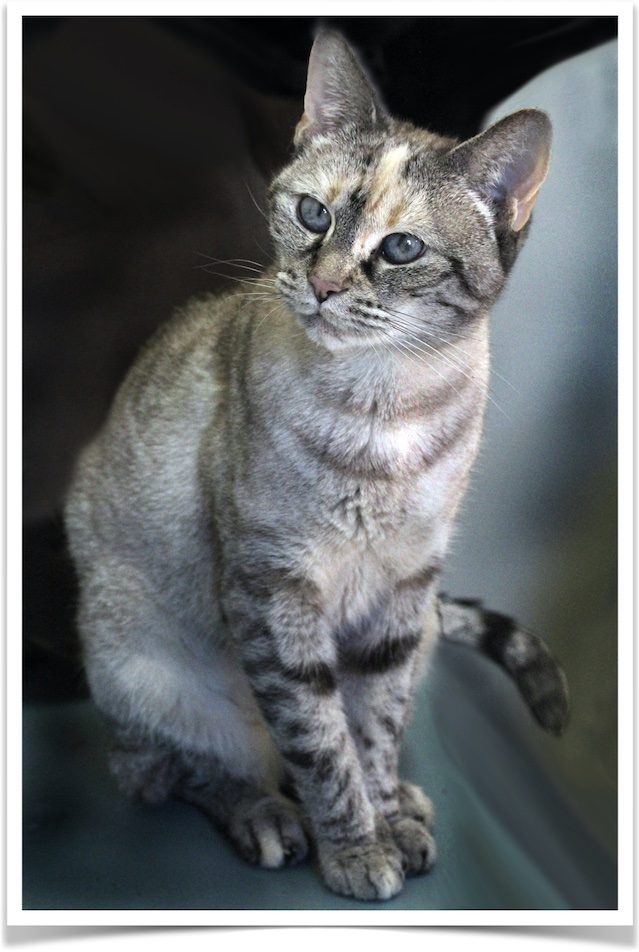
Simone, a stunning, five-year-old Siamese mix with a coat of multiple colors, was brought to the shelter because her owners moved and left her behind to fend for herself. When neighbors saw Simone was abandoned, they fed her for weeks before surrendering her to the shelter. When she arrived, Simone was an unhappy and confused kitty.

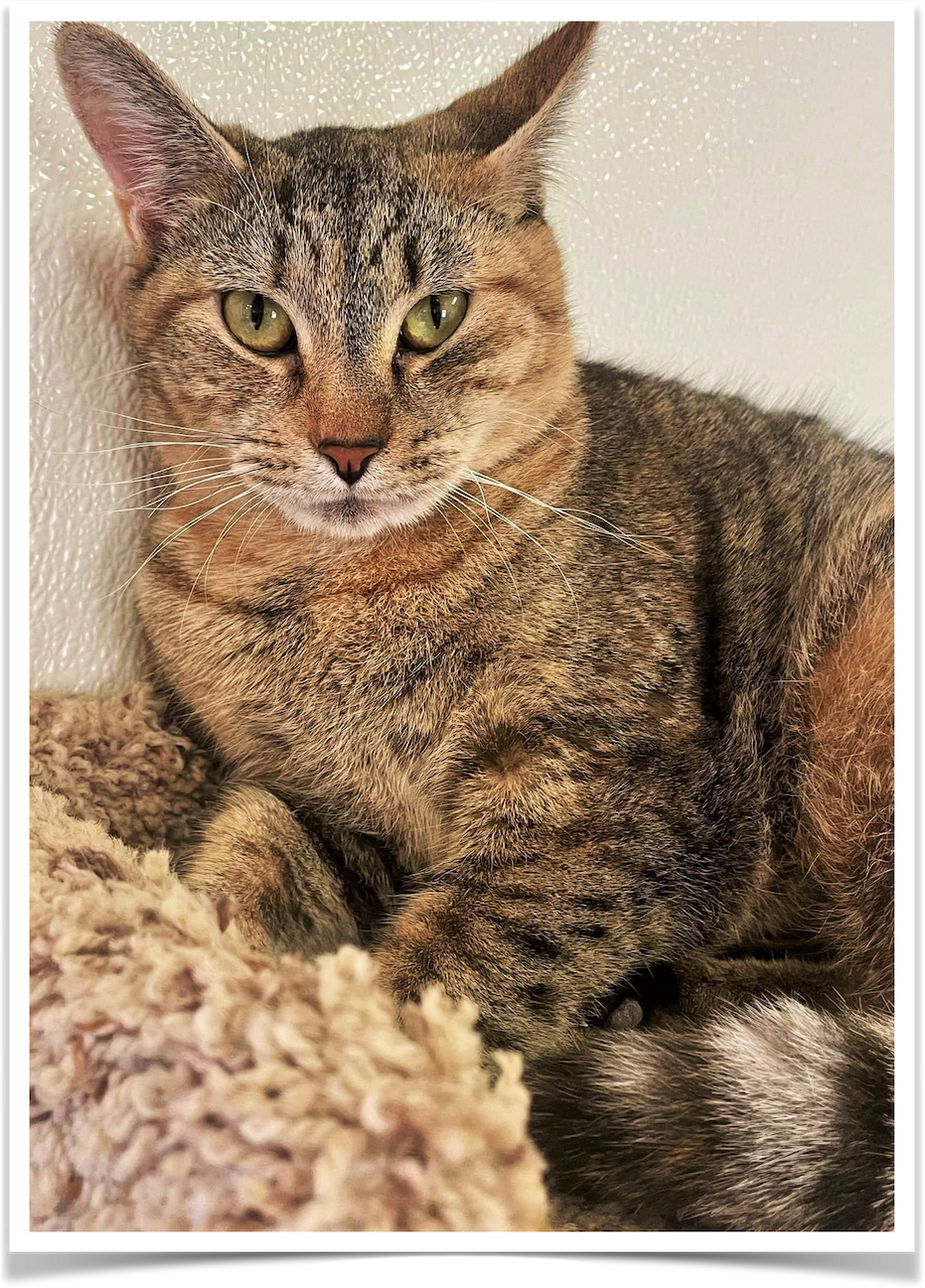
Gwen, on the other hand, was heartbroken for a different reason. Her owner’s health declined sharply, forcing her to enter an assisted living facility – a place where Gwen was not welcome. The one-year-old Tiger Tabby went from the warm lap of her owner to a steel kennel in a noisy shelter filled with other scared, homeless pets. When Gwen arrived, she was vocal about her displeasure with being separated from the only human she’d ever known and loved.

Gwen is at the shelter because her owner had to go into assisted living.

Due to their emotional trauma, both Simone and Gwen acted out when they first got to the shelter by trying to bite or scratch people who showed them affection. Simone mostly slapped at folks’ hands when she got nervous or felt overstimulated. Gwen, who wasn’t used to meeting so many new people, seemed to want to be petted but didn’t know how to respond. Sometimes she would get scared and bite to relieve her anxiety.

“Cats are creatures of habit,” said ACAS Adoption Coordinator Hillary Clark-Kulis. “They like their usual routines and sometimes when they have to come to the shelter, their worst traits can come out.”

Simone and Gwen, now living together in the cat facility, are doing much better. Staff and FOTAS volunteers have worked with them every day, helping them to adjust to their new environment and preparing them for their future homes. They will make wonderful feline companions for people who know and love cats.
Simone just needs a home of her own, where she can get a lot of attention and love, and Gwen needs an owner who will help her to trust new people.

“I think living with one person her entire life, Gwen is used to only one way of being treated or given affection,” Hillary said. “She is learning how to reciprocate kindness and attention from different people. She loves to be talked to and would do well in a home with other cats.”

If you would like to adopt Simone or Gwen, please call the Aiken County Animal Shelter, 803.642.1537 (option #3) or email info@fotasaiken.org and make an appointment to visit them. Or just stop by the shelter. Walk-ins are welcome! Cat adoption fees this month are just $10. The ACAS is located at 333 Wire Road, Aiken, 29801. The shelter is full & needs adopters & fosters.

Their lives are in our hands.

— By Bob Gordon, FOTAS Communications Director
Four Furry ACAS Alumni Are Living the Good Life with One Family

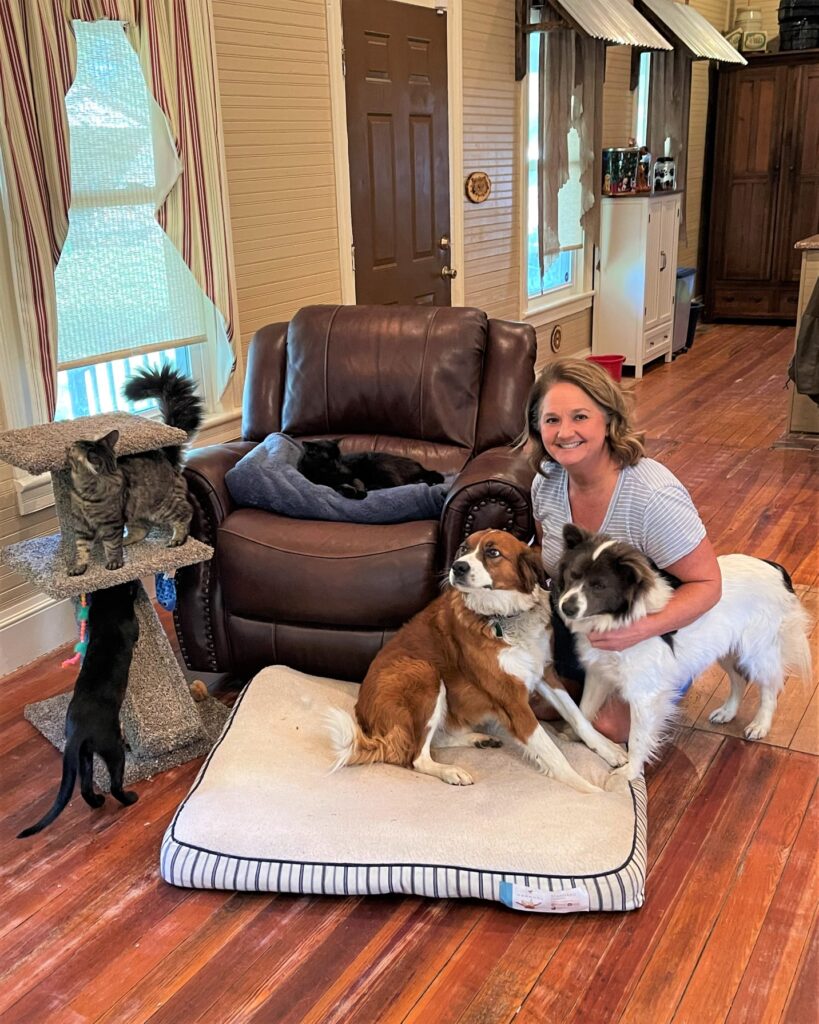
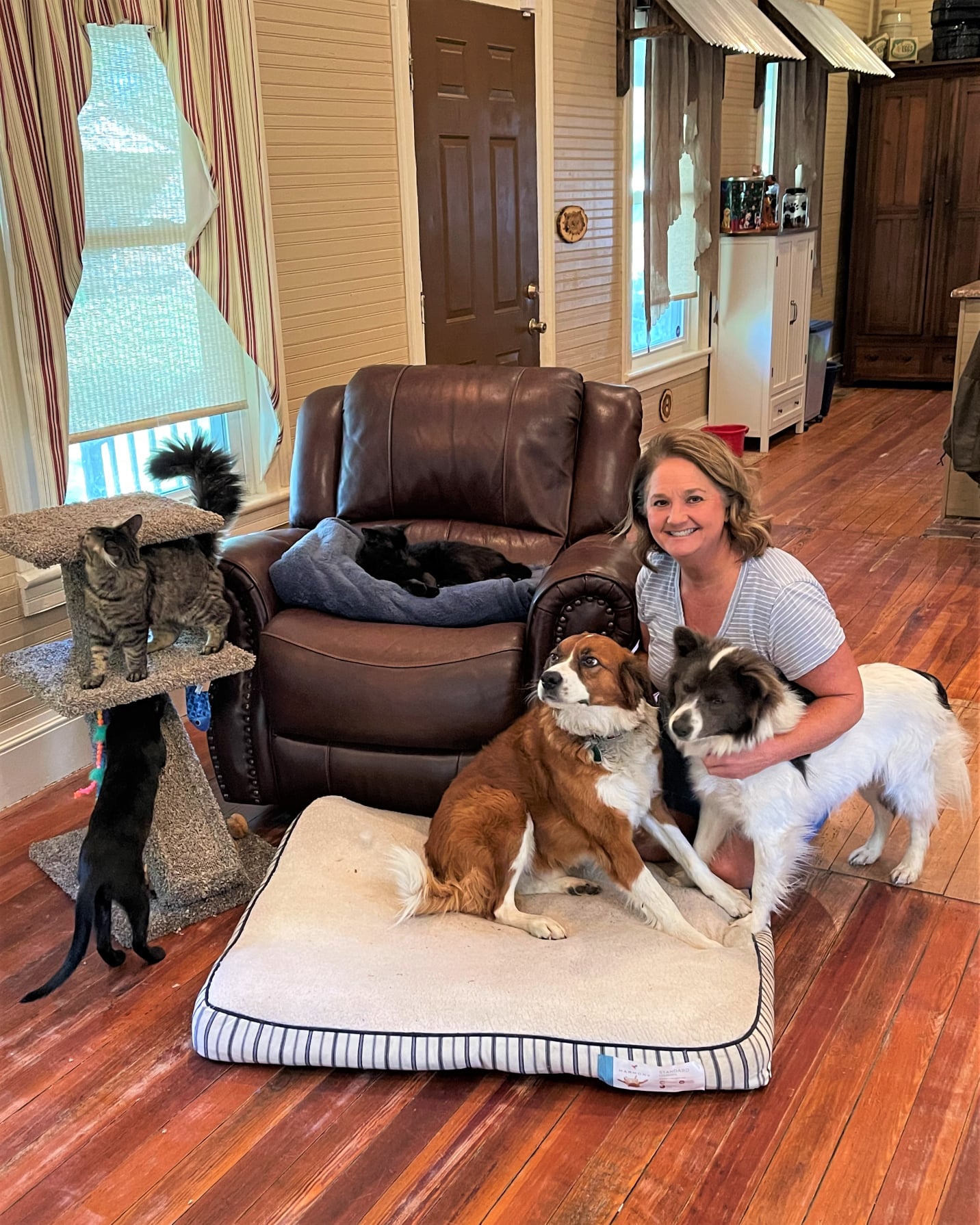
Over the last three years, Robin and Bobby Vaughn have adopted four homeless pets from the Aiken County Animal Shelter (ACAS). This quartet of two kittens, Ripley and Charlee, and two dogs, Cody and Bella, are enjoying the good life on the Vaughn family farm with a stray cat, five horses and a rooster.

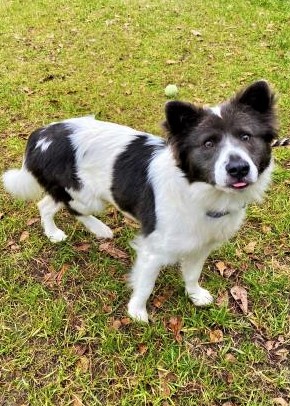
Cody is the first County shelter dog who joined the Vaughn family.

“While this probably sounds like a small zoo to most people, this is actually the smallest number of pets we have had in a long time,” Robin said. “The horses are all older, so they are pretty much just living the life, grazing and waiting for us to bring them breakfast and dinner. During the day, Bella and Cody share the front yard with two of the horses and Clyde, the rooster. Clyde free-ranges and Cody and Bella serve as his protection detail. Where they go, he goes.

“The kittens are indoors only,’ she added. “They have the run of the house and play all day. When they aren’t chasing one another, they are dragging toys from one room to another. For most of the day, it looks like a Toys ‘R’ Us exploded in our home and at the end of the day, we pick it all up just so they can have fun dragging it all back out again tomorrow. They get their exercise and so do we!”

Black and white shepherd mix Cody is the first ACAS pet the Vaughns adopted. They brought him home in early 2018 and he fit in well with their family. Two years later, they adopted kittens Charlee and Ripley; and three months ago, they made another trip to 333 Wire Road to take home Bella, a white and gray border collie mix.

All the animals get along well – but this harmony among dogs and cats from different backgrounds did not happen right away. As each animal was introduced to the group dynamic, the Vaughns used positive reinforcement, leash work and socialization techniques to help them adjust to their new surroundings.

“The best advice I can give is to be patient,” Robin said. “It takes time for these animals to acclimate to their new home and new family, so it is important to help them adjust. The ACAS adoption staff is there to help along with the shelter trainers. Use these resources, if needed, to ensure the best outcome for you and your new pet.”

Robin Vaughn with the furry family pets (l to r): Charlee, Ripley, Andy, Cody & Bella. The Vaughns just adopted their fifth ACAS pet, a black kitten named Pepper.

The Vaughns feel strongly about rescuing homeless pets and saving animal lives. They have always adopted their pets from local rescues and shelters—and will continue to do so in the future.

“I would encourage anyone who is looking to add a pet to their family to consider adoption from a shelter,” Robin said. “I think if they take the time to visit the ACAS facility, talk to the staff, and meet some of these amazing animals, they will find the pet they are looking for.”

Their lives are in our hands.

— By Bob Gordon, FOTAS Communications Director
Abandoned Senior Cat Snowball Deserves So Much Better

She was devastated when they didn’t return home. Beautiful, 7-year-old house cat Snowball was abandoned and left outside to fend for herself when her owners moved away.

For six months, this senior white cat was on her own, braving the elements and foraging for food. Luckily, a kind neighbor eventually noticed her wandering outside and fed the hungry feline. But the neighbor was allergic to cats and couldn’t keep her; so when the temperatures started dropping in mid-November, they brought Snowball to the Aiken County Animal Shelter.

Snowball was saved by a neighbor of the owners who abandoned her.

When Snowball first arrived, she was scared and did not want any attention. She was clearly confused, upset and not ready to trust again. We put her in a cat condo located in the front lobby, where she remained quiet and glued to her bed. Staff and volunteers periodically visited her and pet her. She allowed people to stroke her fur briefly but then, in a moment of uncertainty, she gently swatted their hand away. It was heartbreaking to see her so sad and distressed.

We moved Snowball to our cat facility – a building that features two big rooms, where cats can run around, play and perch on tall cat trees. When temperatures are milder, the facility also allows the cats to relax in an enclosed, outdoor “catio”. The combination of Snowball enjoying more living space and receiving consistent human affection broke her out of her despair. She now loves it when people visit her and purrs happily when petted. She’s ready to find her forever home.

So, if you are looking for a wonderful kitty to keep you company, make an appointment to visit Snowball. Despite having so much love to give, senior cats like her are often the last to get adopted. However, they make great pets because they understand what it means to be rescued and are most thankful for a second chance at a good life. Senior cats also are already litter box trained and less likely to misbehave. They love to relax as much as you do and make great couch companions! Snowball is happiest when she is napping with you or perched by the window, watching what’s going on outside.

Snowball is a senior housecat who became depressed when she was brought to the shelter. But once she got her bearings, she began to trust again and once again became a loving, affectionate feline.

If you would like to adopt Snowball for only $10, please make an appointment to see her by calling the Aiken County Animal Shelter, 803.642.1537 and choose option #5. Or send a short email to info@FOTASAiken.org.

Their lives are in our hands.

— By Bob Gordon, FOTAS Communications Director
A Tale of Two Kitties: Greg and Torino

I often wish that animals could talk, so they could tell us what happened to them.

Greg is a complete mystery. He is a big, handsome gray cat but his feet were a disaster when he arrived at the shelter. Three of his feet had big, red fleshy areas on the underside. After sedating him to get a better look, I could see one pad on each foot had split open and what I was looking at was the inside of his pad on the outside! The pad had tried to close around it, so this had been going on for some time.

Surgery was extensive. Two of the pads were toe pads, so it was easier and a better prognosis to remove the toe. He lost a toe on one front foot and one rear foot. The real problem was the other front foot, as that was the large pad he walks on. The excess tissue was removed and the pad sewed closed.

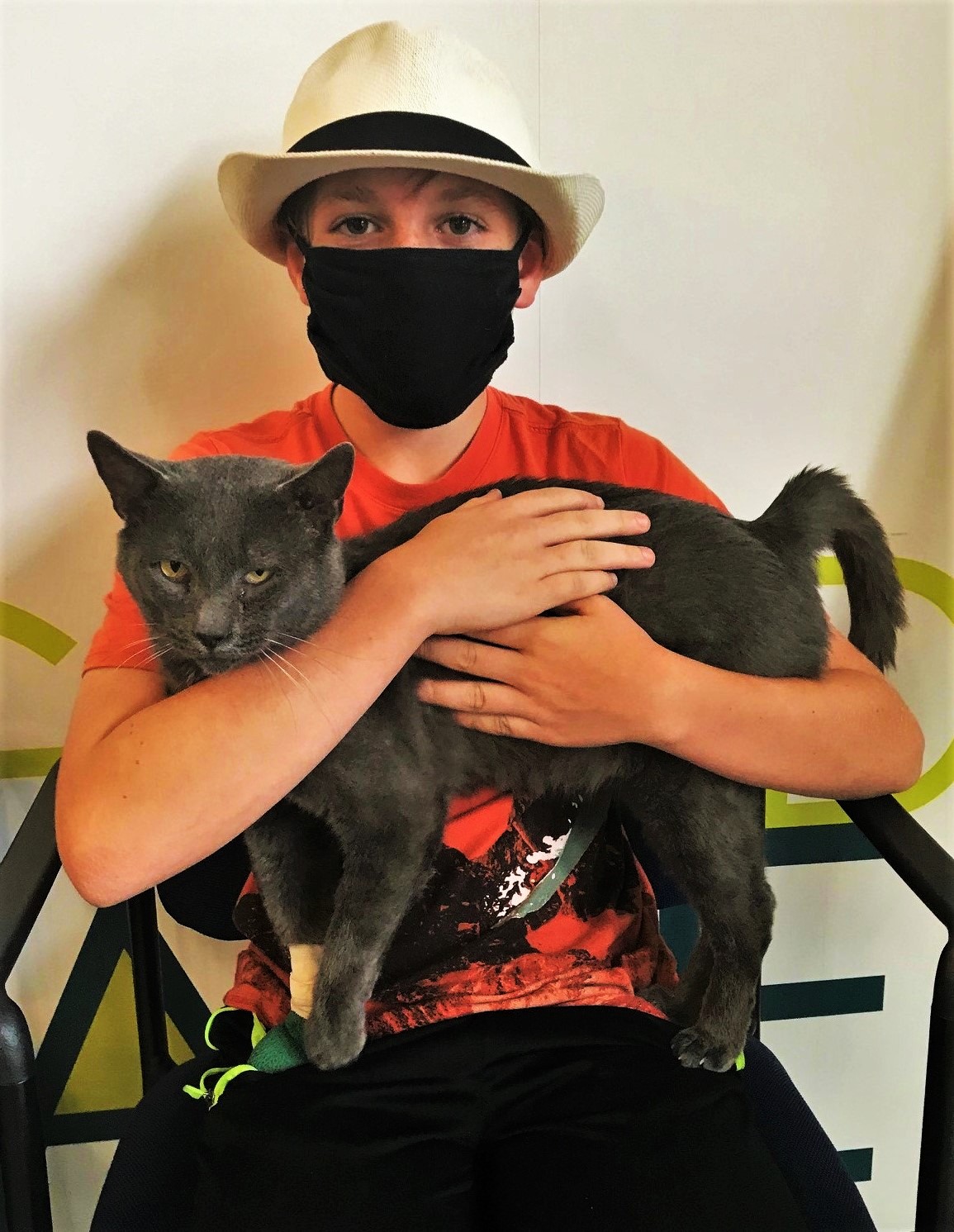
Torino quickly recovered from his surgery and was adopted shortly after becoming available at the Aiken County Animal Shelter.

Unfortunately, pads do not heal well and I was worried about his recovery. As predicted, the surgery site opened again – twice! At that point, I just had to bandage it and let it heal on its own. This required weeks of bandage changes, but Greg was the most patient cat I have every dealt with. He is super affectionate, loves to be held and the whole staff loves him.

Greg tested positive for the Feline Immunodeficiency Virus (FIV), so he needs to be an indoor-only cat. FIV positive cats can live with FIV negative cats if they get along since it is transmitted primarily by bite wounds. But since we don’t know if Greg gets along with other cats, and don’t want to take a chance of infecting another cat, we recommend he be adopted as an only cat.

Torino came into the shelter with the string from a “fuzzy dice” car ornament wrapped around his rear leg, cutting off the circulation. I had already left for the day so when Judith, my vet tech, called, I thought I would just be going in to sedate him and remove the string. But one look at his leg and I could tell the muscles of his leg were dead. Our only option was an emergency amputation. Dead muscles can quickly make an animal extremely sick.

We had no idea if Torino would be friendly and adoptable. If he was feral, he would not be a good candidate for the surgery as he would require antibiotics and follow-up care. What if we couldn’t get our hands on him the next day? I decided to give him a chance and go ahead with the surgery. The procedure went well and he recovered normally.

Young Xander Stefanakos spends time with Greg, a super affectionate FIV positive cat who needs a loving home.

The next day we could touch him but he cowered in the back of his kennel, preferring to be left alone. Amazingly, after three days, when Judith was cleaning his kennel, Torino rubbed his head against her hand and started purring. He became very loving and was adopted quickly after his recovery was complete.

Both of these cats defied the odds and will make great pets for their lucky adopters. Sometimes they just need to be given a chance. Torino is doing great in his new home and sweet Greg is still waiting to be adopted.

— By Dr. Lisa Levy, Aiken County Animal Shelter Veterinarian

FOTAS Fido Fixers Program: Combatting Overpopulation of Unwanted Animals

FOTAS is all about improving the quality of life for the animals in the Aiken County Animal Shelter, increasing the adoptability of the shelter residents and of going the extra mile to find every adoptable animal a home—and it’s worked.

In only eleven short years, the FOTAS/County public/private partnership, coupled with the commitment of you, the Aiken community, has achieved our highest goal: for the past two years, every adoptable animal has been adopted into responsible, loving homes.

That’s right: every adoptable animal. Even during the Covid-19 pandemic. Thank you for helping us make that happen.

But we do more than work on the demand side of the equation—we also work on the supply side to reduce the overpopulation of unwanted pets (and thus the number of animals consigned to the shelter). FOTAS supplements the County’s spay/neuter voucher program, which provides vouchers for citizens who need financial assistance to fix their pets. That program has been so successful that spay/neuter surgeries are sometimes booked two months out, making it hard to get an appointment.

Chestnut, like all of the ACAS’s adoptable pets, is already fixed to reduce overpopulation of stray pets in Aiken County.

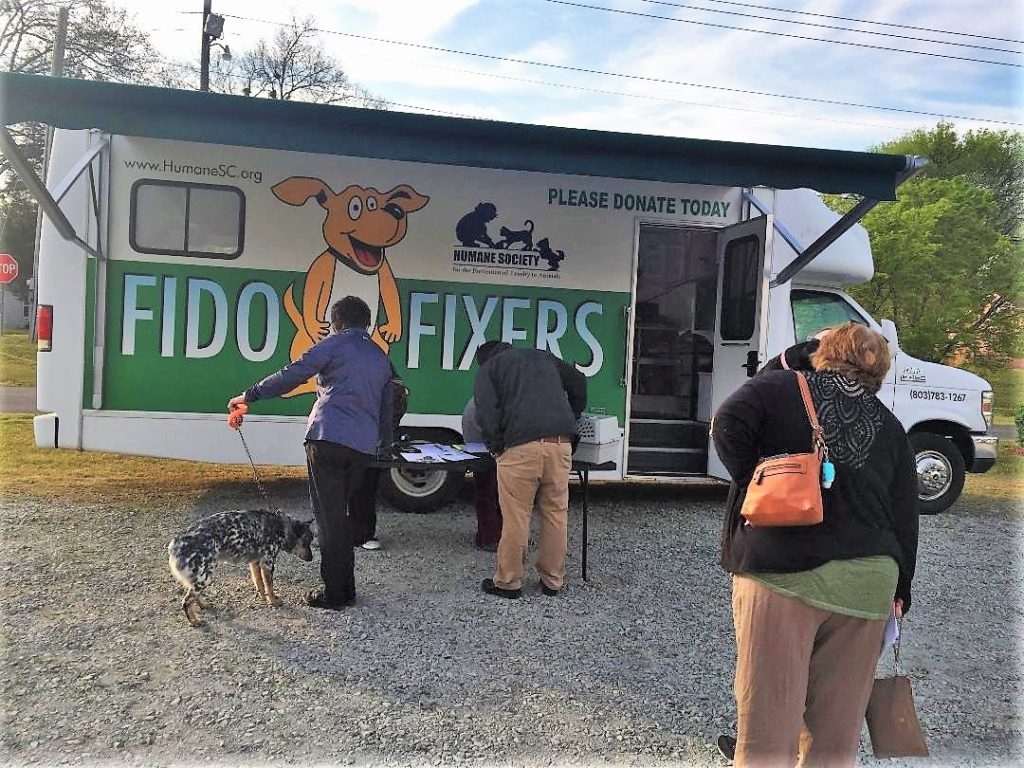
Now we’ve added another weapon in our arsenal to combat animal overpopulation. Last year, FOTAS teamed up with Fido Fixers, a group from the Columbia Humane Society that travels all over the state in a mobile clinic offering low-cost spay/neuter surgeries. Colleen Timmerman, one of our board members and long-term FOTAS volunteer, organizes and schedules Fido Fixer events to provide affordable and convenient spay/neuter service in the Graniteville, Langley, Bath, and Clearwater areas.

Generally, FOTAS schedules 20-25 surgeries per month; if someone calls and the schedule is full for that month, they get moved to the next month’s schedule. And here’s the best part: FOTAS pays the full cost for those surgeries.

Our success in reducing overpopulation has been slow but steady over the past decade. Prior to 2009, the old shelter took in over 6000 animals per year. Last year the number was slightly north of 4000/year, which is still way too many.

There is only way to reduce the number of homeless animals, and that is: every single pet owner must spay or neuter their pets. No exceptions. Why would anyone add more unwanted puppies to the thousands of unwanted, homeless, abused, and neglected animals in the county? When there are so many healthy, wonderful animals in the shelter system just waiting to be loved?

Fido Fixers helps folks who need financial and other assistance to spay/neuter their pets. FOTAS pays for all of the surgeries done for County citizens at these monthly events.

Beats me. It makes no sense, particularly when FOTAS and the County have ways to help folks with the spay/neuter voucher and the Fido Fixer program.

So, please, fix your pets! Urge your family, friends, and neighbors to fix their pets, too. Think of all the misery that can be prevented. Think of all the taxpayer dollars used to care for those homeless animals that can be used for other purposes, like, say, public parks, better roads, play yards for schools—you name it.

For more information about the County’s spay/neuter voucher program or Fido Fixer, please call the County Shelter at (803) 642-1537 or the FOTAS Hotline at (803) 514-4313. Alternatively, you can email us at info@fotasaiken.com.

Their lives are in our hands.

— By Joanna D. Samson, FOTAS Vice President

What Are the Rewards of Volunteering at the ACAS? Happiness, Peace and Great Exercise

What makes Monday the best, most rewarding day of the week? It’s the day I volunteer at the Aiken County Animal Shelter!

People often ask: Isn’t it sad? Don’t you want to adopt every animal? Aren’t you concerned about bringing diseases home to your own pets? Can walking a dog or playing with a kitten really make a difference? The answers: No, No, No and YES!

Volunteer Jeri Wesner spends some quality time with sweet Hudson after a walk.

The most important thing to know is that the Aiken County Animal Shelter is a clean, bright and happy place. For some residents, it is the first time they have known consistent shelter and regular nutritious meals. Every animal has its own safe space, a comfortable bed, at least two toys and regular walks or playtimes. Dr. Lisa Levy, the Shelter veterinarian, makes sure every animal is vaccinated and healthy before being placed on the adoption floor where volunteers first encounter them.

It is an extraordinary experience to see a previously abused and frightened animal sitting on the lap of a volunteer, learning to walk on a leash, learning to play with people and other animals and then departing for a forever home. Without the socialization – and fun! – volunteers provide, it is unlikely some of these animals would ever be adopted.

Not all volunteers work directly with animals. Some staff the front desk, answering the phone and helping adoptive families find their perfect match. Some sew much-needed blankets at home or make toys or help with cheery landscaping. Others staff events or solicit items new pet owners may need. A wide variety of skills are needed. All are efficiently and effectively used. All are genuinely appreciated.

FOTAS Volunteer Peggy Glenn and Lab mix Zeus enjoy each other’s company at the shelter.

Almost 5,000 animals pass through the Shelter each year. For some, opportunities are limited. If an animal is afraid of men or children or members of a particular ethnic group, fewer homes can consider them. This is where volunteers come in. The Shelter is in need of all kinds of volunteers, especially men and minorities. Sometimes just a few walks or playtimes with a kind volunteer can make all the difference. If you can spare a few hours in the morning, afternoon or on weekends, won’t you consider volunteering?

The pandemic is making things worse for animals in our community. Some owners are sick or can no longer afford their pets. Some volunteers are quarantining. The Shelter is one of the safest places you can volunteer. Activities are outside. Social distancing is scrupulously observed. Hand sanitizer is always available. Masks are required if entering a building.

So, what do I get out of it? Joy. Happiness. Peace. Great exercise. Tips from professional trainers I use with my own pets. Wonderful friends I would not have known otherwise. And the satisfaction of knowing that together we saved many more animals than if we had tried to adopt them ourselves! Not once have I ever felt my time was wasted. How often can any of us say that?

Their lives are in our hands.

— By Peggy Glenn, FOTAS Volunteer

‘Home to Home’ Proves to be a Successful Resource for Adopting Out Pets

We’re about a year and a half into the inception of our Home to Home program, which is free to use. Home to Home is a better way for rehoming your pet from one home to another. It frees up space in shelters for homeless animals and is much less stressful on the pets and owners. A pet is rehomed directly from one home to another, never going into a shelter.

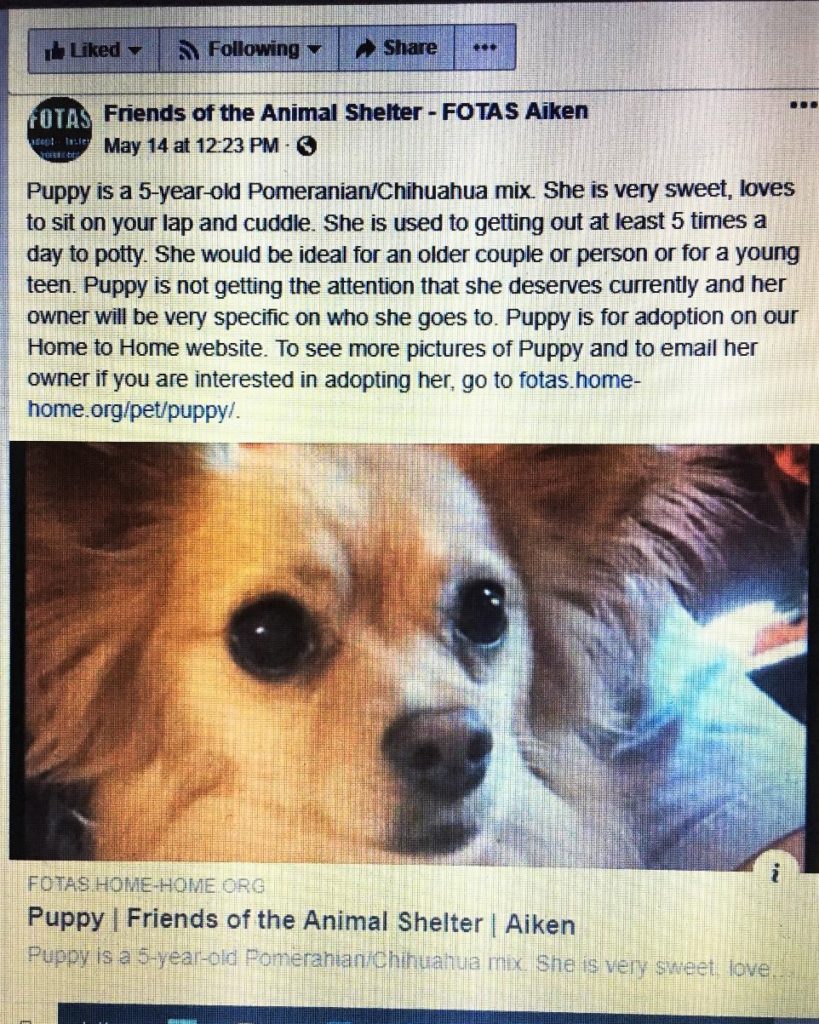
All of the pets posted on Home to Home are promoted on the FOTAS Facebook page.

We’ve had 525 listings (some with multiple animals in them) and 322 (61%) have found new homes using the website service. Another 70 animals have been surrendered and 98 owners failed to respond to follow up requests. We currently have 38 animals looking for homes. As with the shelter, if an animal is an inside animal who is housebroken, spayed or neutered, and has some training, the better the odds of adoption.

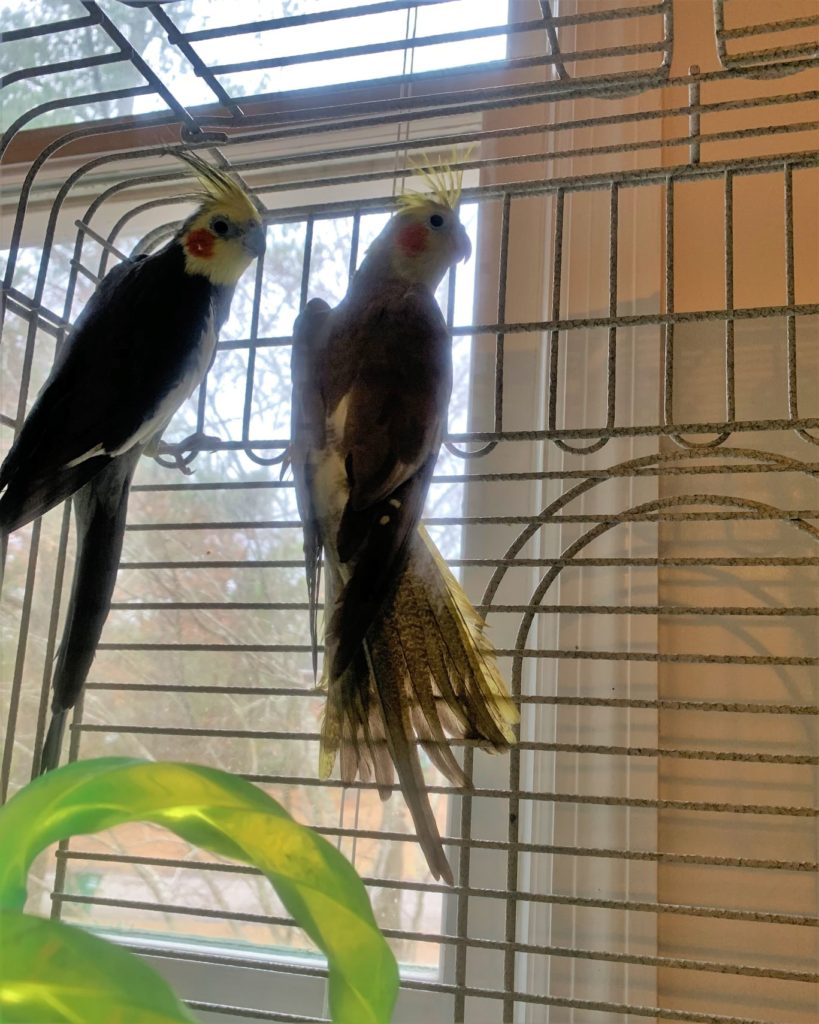
Barry and Bailey are Cockatiels rehomed through the FOTAS Home to Home website.

The vast majority of owners are either being forced to give up an animal due to their own illness, living circumstances that have changed, or they find their family can’t give them the time they need and deserve. All want the best for the animal and work hard to make sure the new home is a good fit before finalizing the rehoming. They ask questions of the adopters, and some even visit the new home to make sure they have a fenced yard or other needs the pet requires.

Grant and Heather Wiseman are amazing pet owners. They and their daughters have fostered too many litters of puppies to count, as well as adult dogs. Both Grant and Heather serve on the FOTAS board. When their daughters went to college, the Wisemans decided to rehome their cockatiels to a home with owners who had more time to spend with them. They went online, uploaded some information and a photo of Barry and Bailey and the next day the birds were in their new home where they are enjoying more attention. Heather said the process was incredibly easy and fast.

Diego relaxes in his forever home with the Wiseman family

When the Wisemans were looking for a new dog just in time for Grant’s birthday, they once again went to Home to Home. They found the perfect new pet in Diego. The owner came to their home with Diego to make sure they had a fenced-in yard and to make sure he got along with their other dogs. Heather said, “We loved the fact that he never had to go through the trauma of multiple kennels or homes before he was with us. Especially because he gets carsick!” Diego loves his new home and the Wisemans love him.

Recently our Home to Home program was nationally recognized as one of the best examples of a Shelter doing the Home to Home Program right. We’ve worked hard to make Home to Home one more resource to keep animals out of the Shelter and in loving homes. And isn’t that what we all want? You can find out more about Home to Home at fotas.home-home.org.

Their lives are in our hands.

– By Ellen Priest, FOTAS Board Member and Home-to-Home Coordinator