
Category Archives: Cats

Why Are Black Dogs and Cats Often the Last to Be Adopted?

People discriminate against black dogs and cats. This isn’t an opinion. It is a statistical fact. Black dogs and cats wait four times longer to get adopted from shelters and rescues as their lighter coated and more colorful counterparts. This phenomenon even has a name: Black Dog and Cat Syndrome.

But what is causing this alarming trend?
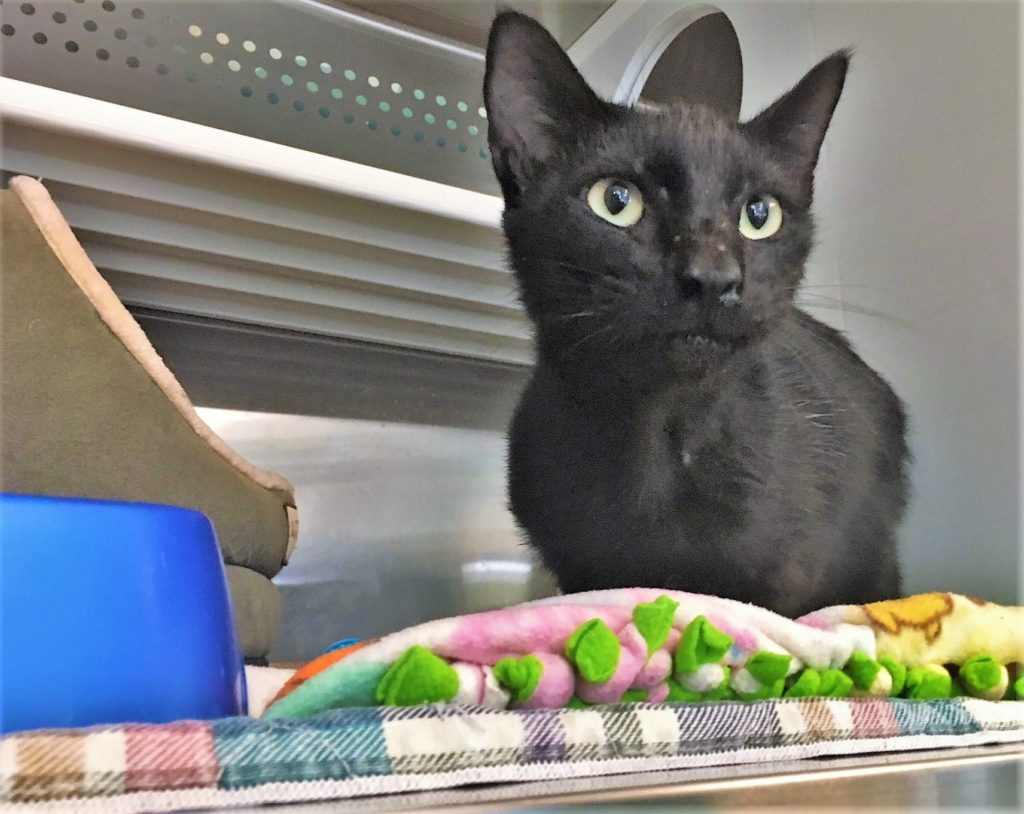
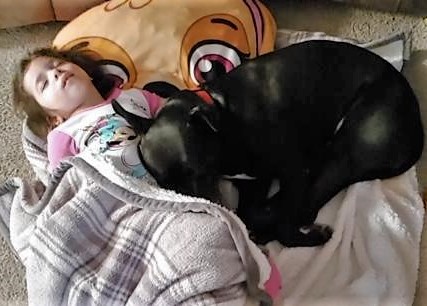
Black kitty Carter was adopted after being transported from the ACAS to the Aiken PetSmart.

Some say it is due to people’s superstitions such as the belief that black cats are bad luck or dark dogs are dangerous and evil. Others believe the way black pets are depicted in literature and movies are the reason people don’t choose them. Remember the Nazi dogs in the movie, “The Boys from Brazil” or the hell hounds in “The Omen”? These killer canines were pitch black. Like human villains in film often wear black and spout dark, dastardly facial hair, the “bad” dogs on the big screen are usually black.

It is absurd and disheartening that people really believe in such nonsense in the 21st century but we can’t ignore it – especially when the shelter is filling up and these dogs can’t find homes.

However, there is another theory for Black Dog and Cat Syndrome that actually makes sense. Black pets are more difficult to photograph. Their features don’t translate as well to film unless the lighting is excellent (not always an option) and eye-catching photos play a vital role in promoting shelter pets via social media.
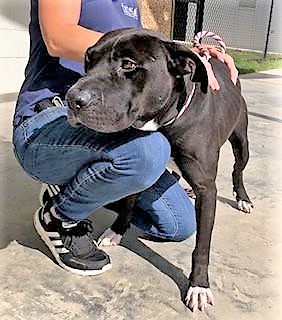
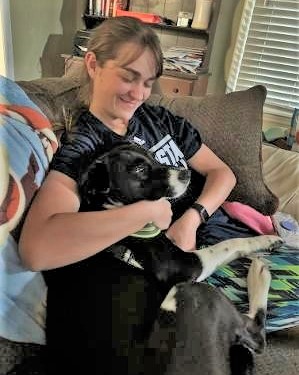
Hudson is a strong but gentle giant.

The dark-coated canines and black-furred felines we take care of and adopt out at the Aiken County Animal Shelter (ACAS) are typically every inch as wonderful as any brightly hued pet. In fact, the black dogs and cats currently available for adoption at the shelter include some of our best pets on the adoption floor.

Here is just a sampling of the awesome black dog and cats who need good homes:
• Mini black Lab mix Einstein is a one-year-old, playful dog who is just about the perfect family pet.
Carter, a young cat who sleeps under a blanket and can’t get enough human attention.
Hudson, a muscular mixed breed who loves to give visitors doggy kisses.
Luna, another black Lab mix, who is four years old, medium-sized and super friendly.
AJ, a shy and impressive Rottweiler mix who was abused in his past. However, he is learning to trust people again and starting to bond with staff and volunteers.
Violet, an adorable senior Retriever mix, who might be the friendliest and sweetest dog on the adoption floor.

Please make an appointment to visit some of these amazing animals by calling the ACAS at (803) 642-1537. Meet them and judge them by their personalities, character and behavior. The ACAS is nearly at full capacity and these pets must find loving homes soon.

Their lives are in our hands.
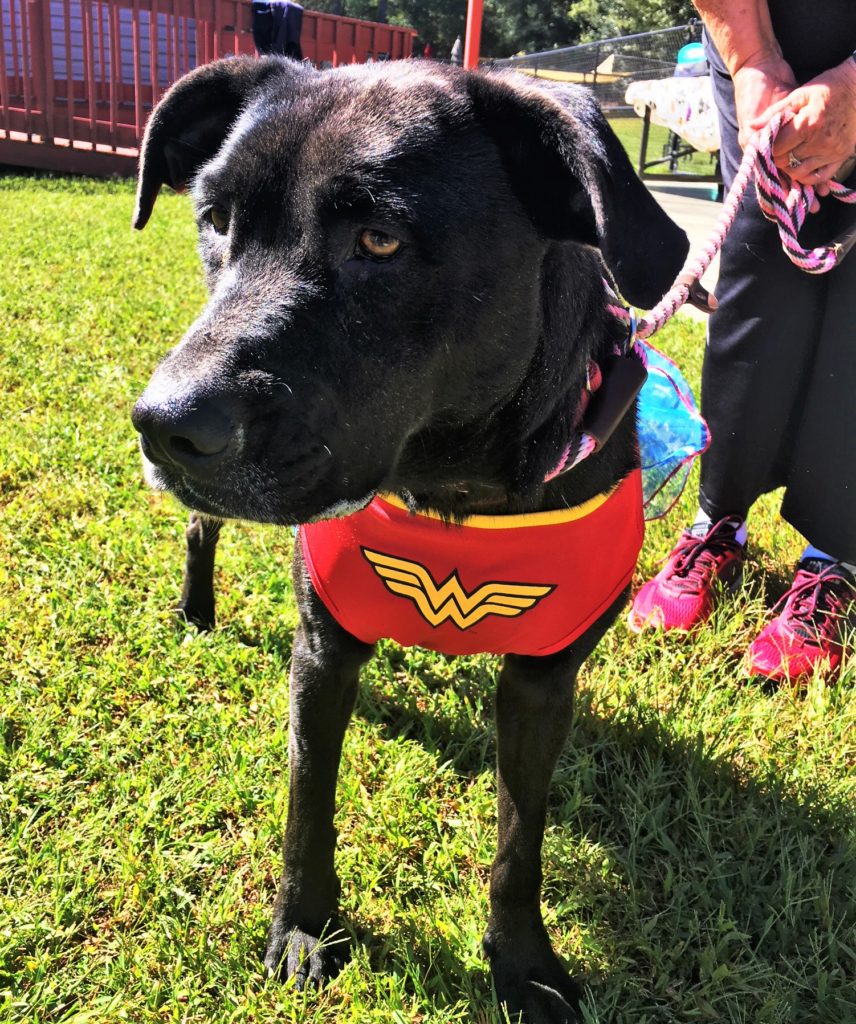
Violet is an adorable Lab mix who is as sweet as they come.


–By Bob Gordon, FOTAS Communications Director
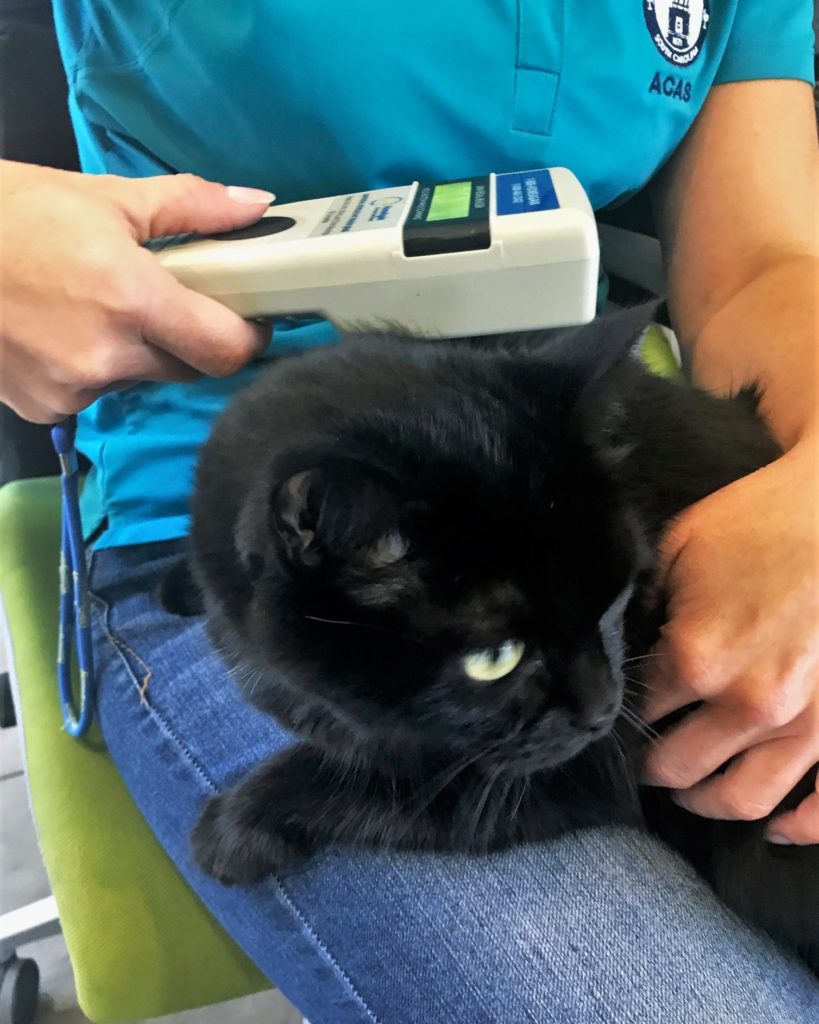
Avoid Heartbreak by Microchipping Your Pets

A microchip the size of a grain of rice has the power to save your pet’s life. This radio frequency identification device (RFID) can mean the difference between losing your pet forever or quickly becoming reunited with your furry best friend.

Unlike a collar, which can break, fall off or be removed, a microchip is a reliable way to make your contact information accessible to rescues, veterinarians, animal control officers and shelters. Think of the microchip as your pet’s way of carrying his personal ID card despite having no pockets.

All pets on the ACAS adoption floor, like Bridget here, are microchipped and fixed.

Microchipping your pet is low-cost, quick and easy
The tiny, silicone microchip goes beneath your pet’s skin, between his shoulder blades. The pet feels little to no pain during its insertion and the procedure takes less than a minute. The microchip typically costs less than $50, and you can have it done at the Aiken County Animal Shelter (ACAS) for just $25. Along with the microchip, a tag is provided for your pet’s collar that features the microchip’s number.

Scenarios prove the value of microchipping pets
At the ACAS, every animal available for adoption is fixed, vaccinated and microchipped. When you adopt a pet, we ensure your most up-to-date contact information is registered with the microchip company.
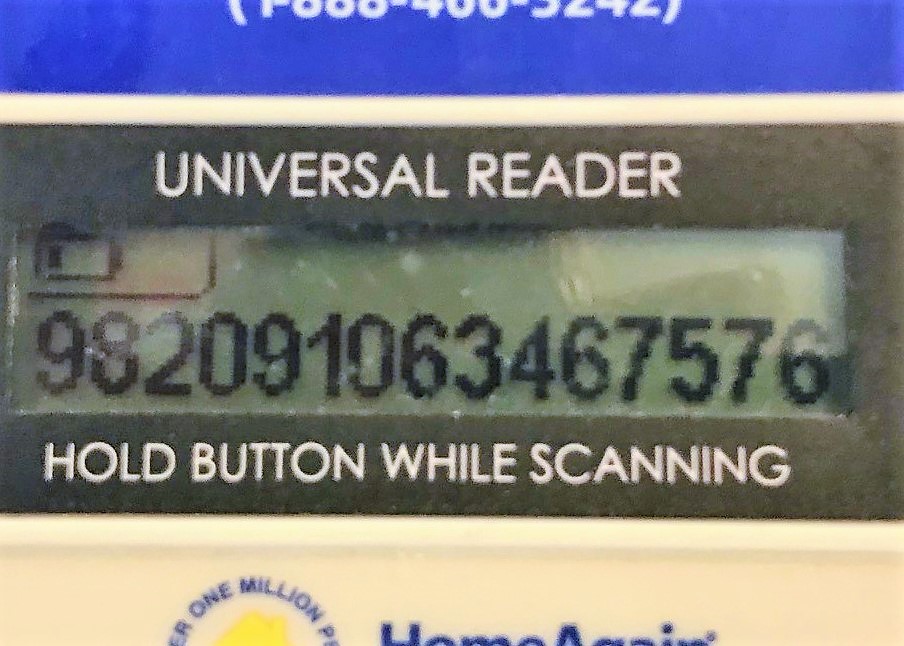
Now, the microchip is not a tracking device. It isn’t a GPS that tells you where your pet is located. But it does allow us to track you down if your pet comes to the shelter or another rescue facility. A multi-digit number is assigned to your pet, and when we scan him, that number pops up on the scanner. Then we look up that number in an electronic registry, where your contact information can be accessed. Rather than putting your pet through the stressful experience of staying at the shelter, we can just call you to pick up your lost pet.

Macie, a Persian mix cat, is scanned to confirm her microchip number before being added to the ACAS adoption floor.

Recently, two young women rescued a small, tri-colored hound that was dodging traffic on a busy road in Aiken County. They brought the dog to the shelter to be scanned. We looked up the chip number and discovered it was a dog named Autumn that we had adopted out in 2019. Her owners were thrilled to get their pet home safe and sound.

It happens all the time. A lost dog or cat is found by a Good Samaritan and brought to the shelter or an animal control officer picks up a stray with no tags or other forms of ID. But one quick scan of the pet shows it be chipped when a beep is heard, and a number pops up on the scanner’s screen.

Make sure chip info is up to date
Once your pet is chipped, it is vital to update your contact information with the microchip company if you move or change your phone number. Too often the shelter receives pets who have been chipped but the information is old, so their owner cannot be found. If this happens, pets have to be held for 14 days before they can be rehomed.

Microchipping a pet assigns them a number used to identify and contact their owner.

One in three pets will become lost at some point during their life. Protect your pet by getting it chipped. Please call the ACAS at (803) 642-1537, option 7, to make an appointment to have it done for just $25 or contact your veterinarian.

Their lives are in our hands.

— By Bob Gordon, FOTAS Communications Director
County Shelter Pets in Need Find Fantastic Forever Homes

When you adopt a homeless pet from the Aiken County Animal Shelter (ACAS) and walk out the door with your new furry companion, staff members don’t just file your paperwork, wave good-bye and wish you good luck. They make sure you and your pet are happy and doing well.
Here are emails received from recent adopters we followed up with (some have been edited for space):

Gator is a hit in his new home.

Bonded kittens adapting well to new home
Boots and Tux are doing very well. We are so glad we adopted both of them and feel it would have been a big mistake to separate them. We recommend your shelter to everyone we talk to because we have had such a positive experience. Keep up the great work!

Ruth Leazer

Gator is enjoying his new life
Gator loves his new fur brothers and sister. He also loves Joey, our 9-year-old. He sleeps and plays with him. Gator is healthy as an ox and enjoying life. We can’t thank you enough! He is a big part of our lives!

Angela Miles

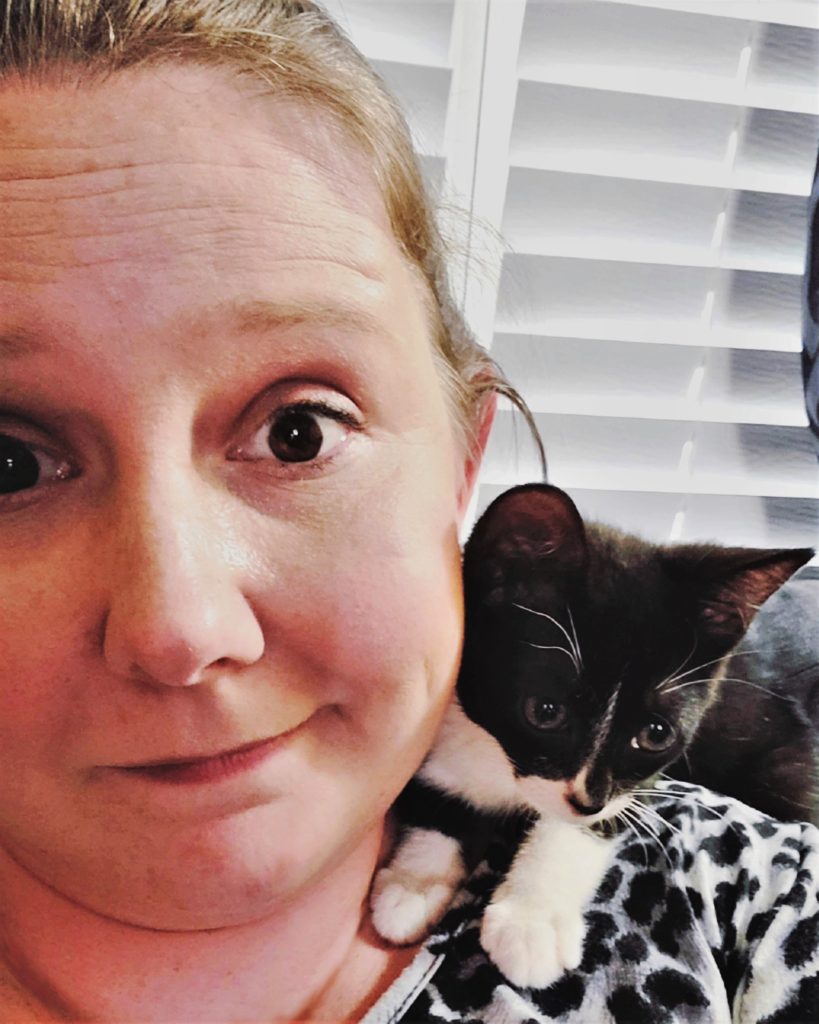
Binx relaxes on his new human sister’s shoulder.

Binx beats his fear, then makes himself at home
Binx was very scared the first few days and didn’t want to come from the bathroom. But now he has made himself at home. He’s gentle with all three of my kids and lets them hold him as much as they want. He sleeps with my 6-year-old every night. His favorite place in the house is the window seat where he watches the squirrels until he falls asleep. He’s the best cat ever. We love him so much!

Lisa Robinson

Everybody loves Ringo
Hello! Ringo is doing great! Loves all her new siblings and they love her! Her new name is Willow. Thanks for checking in!

Mikky Glidden

Ringo (left) with his feline family member.

Boz is a big mush who loves belly rubs
Boz is doing fabulously! He was frozen in place when we first got him, but now he struts around confidently. He loves playing with tennis balls and is big mush who falls over for belly rubs. He jumps up on the bed and wakes me up with kisses every morning. He really has been a joy! We are working on obedience and he now knows how to heal, sit, and lay down on command.

Courtenay Khoury

Boz (left) and his new best friend and canine brother.

Kimber is the perfect family addition
It took a little while for Kimber to trust the dogs, but they play quite a bit now. Our pittie, Riley, absolutely adores her. She has also bonded well with our other cat, Stella. They are inseparable! Kimber is a very affectionate love bug who loves to play and watch TV but most of all, cuddle. She’s the perfect addition to our little family!

Carrie Betterly

Kimber in her forever home with Pitty mix Riley.

— By Bob Gordon, FOTAS Communications Director
Simba: Unforgettable Tabby Cries for Hugs from Shelter Staff

Last year, 4,000 animals arrived at the Aiken County Animal Shelter (ACAS) and it can be overwhelming to remember them as they are adopted to new homes or reunited with their owners. But there are certain pets in need that are such loving, charming characters, they steal your heart and become etched in your mind forever.

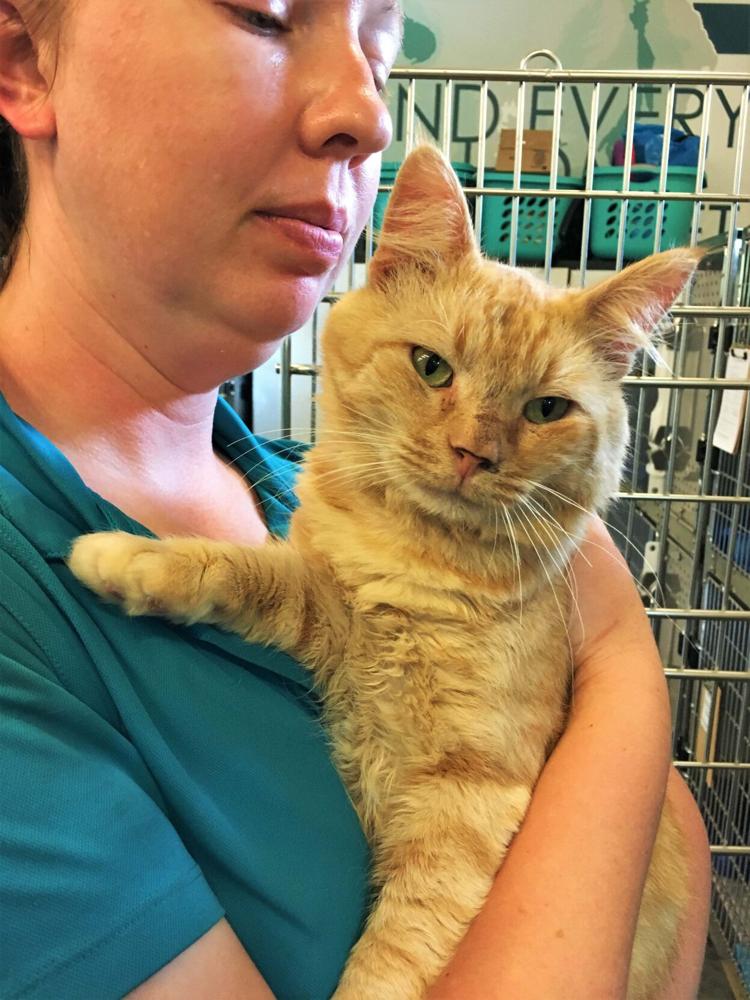
Simba, a chubby-cheeked orange Tabby who is currently available for adoption, fits in this special category.

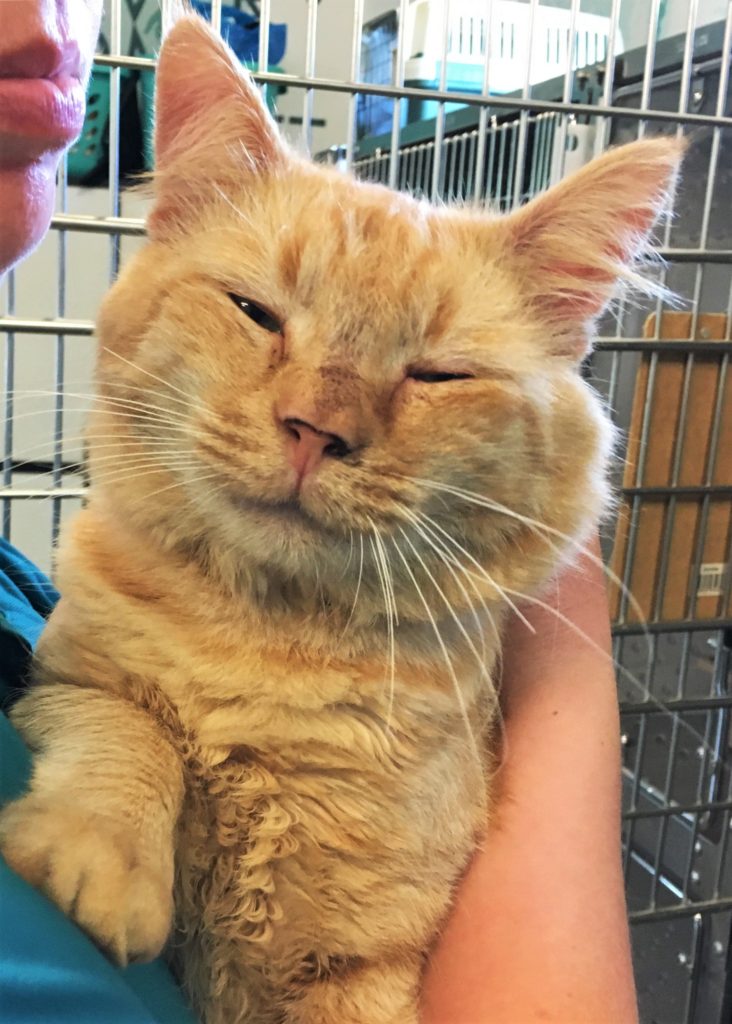
Simba, an FIV+ orange Tabby, loves getting attention from the Shelter staff and volunteers, and they love hugging him.

Besides being cute and charismatic, Simba acts more like a dog than a cat. He often cries when people walk through the shelter lobby, past his cat condo. Eventually, a staff member or volunteer will open his kennel door to give him some attention. After 30 seconds of getting petted, Simba puts his paws on their right shoulder and climbs into their arms. Simba has a low meow that sounds like a grunt and when he’s happy, he purrs and meows repeatedly. Then his eyes become half-closed and he gently bumps his face into their chin to show his appreciation.

Most everyone is a bit affected by COVID-19 anxiety these days, and the shelter staff is no exception. So throughout the day, employees stop by Simba’s cat condo to say hello or pick him up for a warm hug. A quick cuddle with fluffy, 10-pound Simba is a real stress reducer.

Super Simba arrived at the shelter about three weeks ago. His owner surrendered the 3-year-old kitty because he didn’t get along with her other cats. Simba doesn’t like to share his humans.

After the medical staff treated, examined and tested Simba, they discovered he has Feline Immunodeficiency Virus or FIV. FIV infection is transmitted primarily by deep bite wounds. It is not transmitted sexually or through casual contact with another cat.

Simba will be missed and remembered by the staff and volunteers long after he’s adopted.

Infected cats like Simba can live a completely normal and long life. However, there’s a chance he may at some point succumb to the feline virus, which attacks the immune system and allows him to become vulnerable to other infections. Also, FIV positive cats should be kept indoors to prevent them from being exposed to other diseases. Simba will be a perfect indoor-only cat since he loves the luxuries of life and being with his humans.

Simba is a special cat. He’s one of those rare homeless pets that we will miss and remember long after he’s adopted. But he desperately needs a loving home where he can be the only cat and start living life away from the shelter. He needs a family of his own.

If you would like to adopt Simba, please make an appointment to see him by calling the ACAS at (803) 642-1537, option #5, or email to info@fotasaiken.com.

In the meantime, the volunteers and staff will take turns giving him hugs.

Their lives are in our hands.


— By Bob Gordon, FOTAS Communications Director
Ernie Wolf: FOTAS Volunteer Makes Houses for a Good Cause

It has been my honor to be one of the founders and President of FOTAS since 2009. Before FOTAS was founded, I saw a stray animal problem in Aiken County and didn’t know what to do about it. I began to advocate for the homeless animals in the county and was joined by an unexpected and wonderful cohort who also cared deeply about the fate of those animals: Ernie Wolf.

I met Ernie, a retired mechanical engineer, in the early days. Ernie and I didn’t understand the magnitude of our undertaking when we began a campaign to help the animals. FOTAS was formed in 2009, and Ernie was one if its original volunteers. Ernie loves cats. His former cat, Murphey Brown, and his current cat, Murphy Wolf (adopted from Aiken County Animal Shelter), were and are his best friends and the apples of his eye. Ernie swears each cat is (and was) the most intelligent cat he’s ever met and could outsmart any dog.

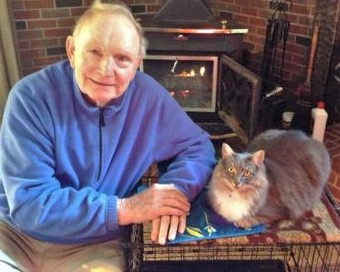
Ernie Wolf, one of the pioneers of FOTAS, designed the Aiken County Animal Shelter’s cat facility

Ernie was instrumental in the construction of the first FOTAS project at the Aiken County Animal Shelter—a place to house adoptable cats. He designed, organized and lead the efforts to build the much-needed Cat House. (By the way, Ernie hated it when we referred to the facility as the Cat House because it is a euphemism for a brothel. That gave everyone, including the cats, a big laugh).

The unique design of the Cat House provides for both indoor and outdoor space for the cats, which allows them to move about freely among multiple play and perch areas. Volunteers and prospective adopters have a place to visit and sit with the cats in a more natural environment, which is a win/win for everyone.

When the shelter moved to the new facility in 2014, the Cat House was moved as well. Last year FOTAS refurbished and updated the Cat House, and today it is still a wonderful, unique, and successful adoption facility for the cats.

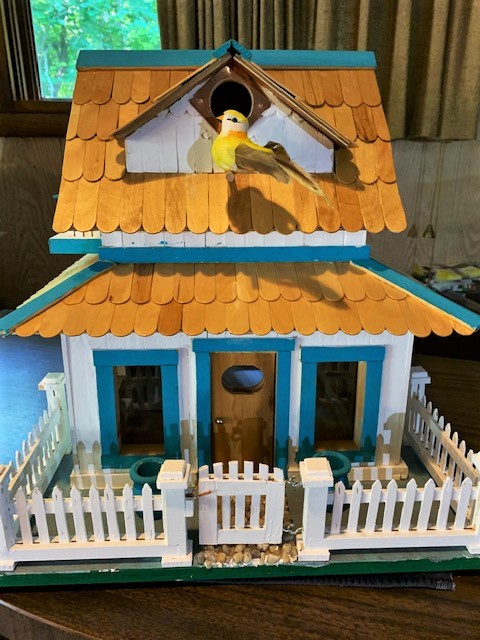
Ernie Wolf is selling his latest creation, a decorative birdhouse, and donating the proceeds to FOTAS.

Fifteen years ago, Ernie met Linda Soyars when she was walking her dog outside his home. They became intimate friends and enjoyed a loving relationship until she recently passed away. Linda shared Ernie’s passion for animals and became a cherished FOTAS volunteer herself. She was a special, kind person who will be missed by all of us.

In memory of Linda, Ernie has built another house in her honor, this time an exquisite, handmade bird house to be displayed as an indoor decorative piece. Ernie wants to sell this extraordinary, beautifully crafted Birdhouse and donate the proceeds of the sale to FOTAS. (Please call the FOTAS Hotline, (803) 514-4313, if interested.)

Ernie is not done developing building plans for FOTAS. Just shy of his 92nd birthday, he is assisting FOTAS with the conceptual drawings for two much-needed meet and greet adoption rooms and an indoor training area at the shelter. Stay posted for coming updates!

Behind the scenes Ernie has dedicated countless volunteer hours to FOTAS. Thank you, Ernie. We also remember Linda and her devotion to shelter animals. Volunteers are the lifeline of FOTAS. They make it possible to help so many animals in need at the shelter, and we are deeply grateful to them all.

Their lives are in our hands.

— By Jennifer Miller, FOTAS President

July 4th Celebrations Can Result in Terrified, Lost Dogs & Cats

On the Monday following July 4th weekend, the phones at the Aiken County always blow up with calls from citizens who have lost their dogs or cats because the animals panicked and ran from the flashing skies and booming explosions around their yards.

“I can’t stress enough how important it is to bring your pets inside if you expect evening fireworks in your area,” said Aiken County Animal Shelter Manager Bobby Arthurs. “Animals can panic and feel like their lives are in danger, which results in them running from their homes, getting lost and going missing.”

To a cat or dog, the sound and flash of July 4th fireworks can seem like the end of the world.

A frightened dog may scale a fence they would not attempt under normal circumstances or might try to dig out of a pen in a panic. A terrified cat might jump out a window or even through a window screen.

Aiken County is not unique. Nationwide, more pets go missing July 4-6 than any other time of year. According to PetAmberAlert, a lost pet finder that helps four-legged family members find their way home, animal control officials across the nation report a 30%-60% increase in lost pets each year between these dates.

The following are some tips for preparing your pets for fireworks activity taking place near your home:

1. Be sure your pet is microchipped and has your contact information on his collar in case he runs away.

2. If your pet is inside, close the curtains/blinds and play soothing music to mask the outside explosions.

3. Provide a hiding spot for your pet that they have access to at all times. Examples: under furniture, in crate, in quiet corner

4. If your pets must remain outside, stay with them and comfort them.

5. Walk your dog during the daylight hours and keep dogs and cats indoors when the fireworks are likely to be set off

6. Some dogs are calmed by “thunder shirts” and you can also reduce your pets’ anxiety with pheromone diffusers

7. Feed your pet a solid meal an hour or two before the fireworks are scheduled to start. He will feel more relaxed and content, like you do after a big meal.

If your panicked pet does bolt from your home and goes missing, be sure to post their photo, description, and when and where they went missing on Aiken Pets Reunited’s Facebook page. This site is consistently monitored by shelters, rescues and other animal advocates. Many pets have been found and reunited with their owners through this excellent website.

Pets can panic and bolt from their homes when fireworks go off nearby.

You can also call the Aiken County Animal Shelter and SPCA Albrecht Center to see if your pet was brought in as a stray. At the ACAS, you can fill out a lost pet report.

“Please secure your pets at home this holiday weekend and keep them on a leash if you take them out in the evening,” Arthurs said. “We would love to see less lost pets brought into the shelter this year and more dogs and cats remain happy and safe with their families.”

The ACAS is located at 333 Wire Road in Aiken, and open for adoptions Monday through Saturday, from 9 a.m. to 5 p.m. However, the ACAS will be closed for the July 4 weekend – both Friday, July 3, and Saturday, July 4 – reopening on Monday, July 6.

For more information, contact the ACAS, (803) 642-1537 or reach out to FOTAS at info@FOTASaiken.org. The FOTAS website is www.FOTASaiken.org.

— FOTAS Press Release

Successful Pet Adoptions Are Made During Pandemic

Despite the coronavirus crisis, the Aiken County Animal Shelter continues to adopt out homeless animals in need. The shelter is temporarily closed to the public, but folks can visit and adopt pets by making an appointment and completing paperwork curbside.

Baya cuddles with one of the Laufer children

Here are some of the latest emails and notes we’ve received from people who have given homeless animals a second chance at a great life:

Baya is getting more comfortable each day
Thank you for checking in! Baya is doing great. She is behaving and eating well. She loves to play and is careful with our small children. So far, she is adapting better than expected and getting more comfortable every day. We love her so much!

Andrea Laufer

Penny adjusting well to her new family
Penny is doing great, loves her treats and has a hearty appetite! Loves playing with her tennis balls, rope and dinosaur. She has adjusted very well and is a great addition to our family!

John Grayson

Penny is a great addition to her new family

Kittens Frick & Frack have new names and a better life
Since adoption, Frick and Frack have been given the new names of Rajah and Bagheera! My fiancé and I are big Disney fans, so we decided to name them after Disney cats, the tiger from Aladdin and black panther from The Jungle Book. We are so impressed with their behavior. No scratching at all, use the litter box well, haven’t nipped or clawed either of us, and eat just fine! We have enjoyed the entertainment during this quarantine watching them play with all of their toys and each other. We are so glad we had the opportunity to adopt these two sweet and loving girls!

Cody and Heather Hayden

Frick and Frack with their new “parents”

Louis is bonding with new sister, Pippa
Louis (renamed Neville) is doing fantastic. He is slowly becoming less shy and more playful (at least around us). He gets along great with our other dog, Pippa, and keeps a safe distance from Stinky the cat. He usually eats well and has gained some weight since he arrived last month.

Hannah Strobel

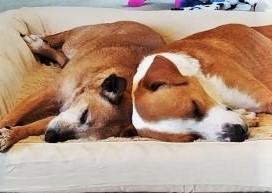
Louis (right) and Pippa nap together


— By Bob Gordon, FOTAS Communications Director
Bonded Dog and Cat Saved After Owner Goes into Assisted Living

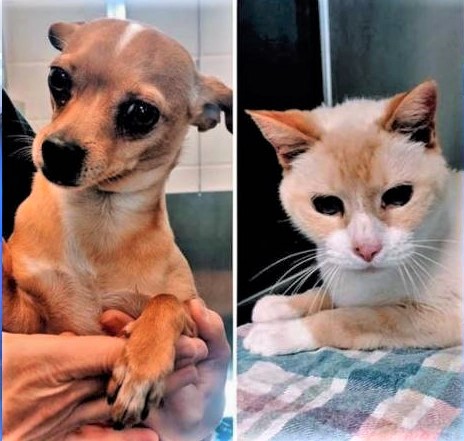
Everything fell apart for Fergus and George when their owner’s health deteriorated, forcing him to move into an assisted living facility. Broken-hearted, Robert Toole brought Fergus, a 2-year-old, tan Chihuahua, and George, an 11-year-old cream-colored cat, to the Aiken County Animal Shelter on Jan. 8 and tearfully said goodbye to his sweet pets.

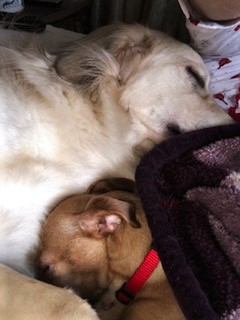
Fergus snuggles with Mia, the Usrys’ Golden Retriever,

Since Robert was able to provide their medical records, the pair became available for adoption immediately. Terrified and wondering why they were at the shelter, Fergus and George huddled together and it quickly became clear to the shelter staff that these two pets needed to be adopted to the same home.

FOTAS friend Martha Anne Tudor posted pictures of Fergus and George on her Facebook page along with their sad story. The post was shared by thousands, including WRDW-TV News 12, which did an on-air feature about the bonded dog and cat.

On the morning of January 9, before the shelter had even opened its doors, Lynn Usry was waiting outside, ready to adopt Fergus and George.

“My friend forwarded me the Facebook post and their eyes just spoke to me,” Lynn said. “As soon as I saw the two of them in their kennel, I knew they would be perfect for our home.”

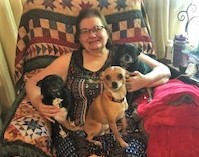
Lynn Usry hangs out with her Chihuahua crew — Bert, Fergus and Ernie.

Lynn brought them home to meet her husband, Mark, and their other pets – and the transition could not have gone smoother. George started hanging out with the couple’s other senior cat, Mojo, and after about a week, Fergus and Mia, their Golden Retriever, were inseparable. Fergus and George also get along with the Usrys’ other Chihuahuas, Bert and Ernie, and Marley, their male Golden Retriever.

“We all hang out together,” Lynn explained during a phone interview last week. “Right now, Bert and Ernie are sitting in one recliner and Fergus is on my lap underneath his favorite red blanket. He’s a spitfire and fits right into our group. He often curls up with Mia and uses her as a pillow.”

Lynn offered to bring Fergus and George for visits to their old owner, Mr. Toole. But when the shelter staff reached out to him on her behalf, he declined. He said the experience would be too painful for him.

Bonded pets Fergus (left) and George were devastated when their owner had to go into an assisted living facility — where they weren’t allowed to join him.

The Usrys have a small farm with goats and chickens and Lynn said she’s finding great comfort being with her pets during the COVID-19 crisis. She’s a retired OR nurse and Mark is currently the director of University Hospital’s biomedical department.

“The adoption process was wonderful,” Lynn said. “Everybody was very kind. I took the babies home and they didn’t have any issues. I think God just meant it to happen…to have everything fall into place.”

Their lives are in our hands.

Note: Due to the COVID-19 crisis, the ACAS is closed to the public. If you are interested in adopting a pet, please call the ACAS, (803) 642-1537 for an appointment. Adoption fees are waived until further notice.

— By Bob Gordon, FOTAS Communications Director
County Shelter Emergency: Transfers Cancelled Due to COVID-19

As the coronavirus spreads throughout the United States, the ways in which our daily lives are affected become more apparent with each passing day. Shortages in household goods, widespread closing of public places, self-quarantine, and social distancing are becoming the norm in a world stricken by the pandemic. Now is the time to focus on protecting the most vulnerable among us: the elderly, the immune-compromised, and, yes, homeless animals.

Now is the time to focus on protecting the most vulnerable among us: the elderly, the immune-compromised, and, yes, homeless animals.

Over the past two years, the Aiken County Animal Shelter was able to do something no one thought was possible: find a home for all adoptable animals and reserve euthanasia for only the fatally sick and the very dangerous. We were able to do that through innovative care and adoption programs as well as a robust transfer program.

Little Murphy goes home with foster Chenoa Shields during the COVID-19 crisis period.

The pandemic is seriously jeopardizing that success because our transfer partners are eliminating out-of-state transfers because of operational concerns, particularly staffing reductions caused by illness; the anticipation of greater intake caused by folks in the community unable to care for their animals; and even the possibility of shutting down public operations to reduce community spread. These are valid concerns and prudent actions for all shelters, including the county shelter, in light of this unprecedented emergency.

Without your help, the combination of these factors will spell “death sentence” to otherwise healthy animals as overcrowding at the shelter becomes unmanageable and unhealthy. That’s bad news at a time when bad news dominates our daily lives.

How can you help? There are several ways.

1. If you are able, please consider adopting another dog or cat. The shelter is waiving adoption fees until further notice.

2. If you can’t adopt permanently, but you have an empty stall, a fenced in yard, a suitable shelter, please consider fostering animals for some period of time. As always, FOTAS can help you with supplies, if necessary, as long as our supplies last.

3. Do you know someone who is ill and has a pet? Perhaps you can help them care for, feed, or walk their pet. Your assistance could mean the difference between a beloved pet staying home while their owner recovers or being surrendered to the shelter.

Archer needs a home where he can finally feel loved and be your one and only pet.

4. Please, please become an outspoken advocate for spay/neuter, particularly now in this crisis right in the middle of the breeding season. No one should be bringing more puppies and kittens into the world when so many homeless animals need homes.

The Center for Disease Control and the World Organization for Animal Health have issued advisories saying there is no evidence companion animals can spread the virus and “there is no justification for taking measures against companion animals which may compromise their welfare.”

Given the common-sense requirement for social distancing and self-quarantine, our pets may be our only protection against the devastating effects of social isolation. We will need our pets as much as they need us in the trying times to come.

Although the county has closed the shelter to regular public traffic for the safety of the community and shelter personnel, it will be open for adoptions/fosters by appointment, which will take place outside. Call the shelter (803-642-1537) between 9:00-4:30 (Mon.-Fri.) for adoption/foster appointments or email info@fotasaiken.org for more information.

Thank you and God bless.

Their lives are in our hands.

— By Joanna D. Samson, FOTAS Vice President

Successful Home to Home Program Marks Its One-Year Anniversary

FOTAS’ Home to Home program celebrated its one-year anniversary this month. In that first year, we’ve had 177 animals successfully rehomed using the program. That is 177 dogs and cats who were not surrendered to the Aiken County Animal Shelter (ACAS), but instead were able to go directly from one home to another.

Lab mix Chevelle was adopted through the FOTAS Home to Home Program.

There are many advantages to the program: it is much easier on a pet to go directly to another loving home, rather than being surrendered to the Shelter, which can be incredibly stressful to an animal; owners can choose the right new owners for their pet using this method; and these direct Home to Home adoptions mean more resources are available for strays brought into the shelter.

There are a number of reasons why a dog or cat needs to be rehomed. Owners may face financial problems, forcing them to move into apartments that will not allow pets. Elderly owners may need to move to assisted living or nursing homes and be unable to keep their pets. Owners active in the military may be facing upcoming deployment leaving the country and need to find a home for their pet.

One thing all these owners have in common is wanting a better life for their pet. They realize that they are no longer able to provide the loving home that their pet deserves.

Home to Home leverages the power of social media and the FOTAS Facebook page.

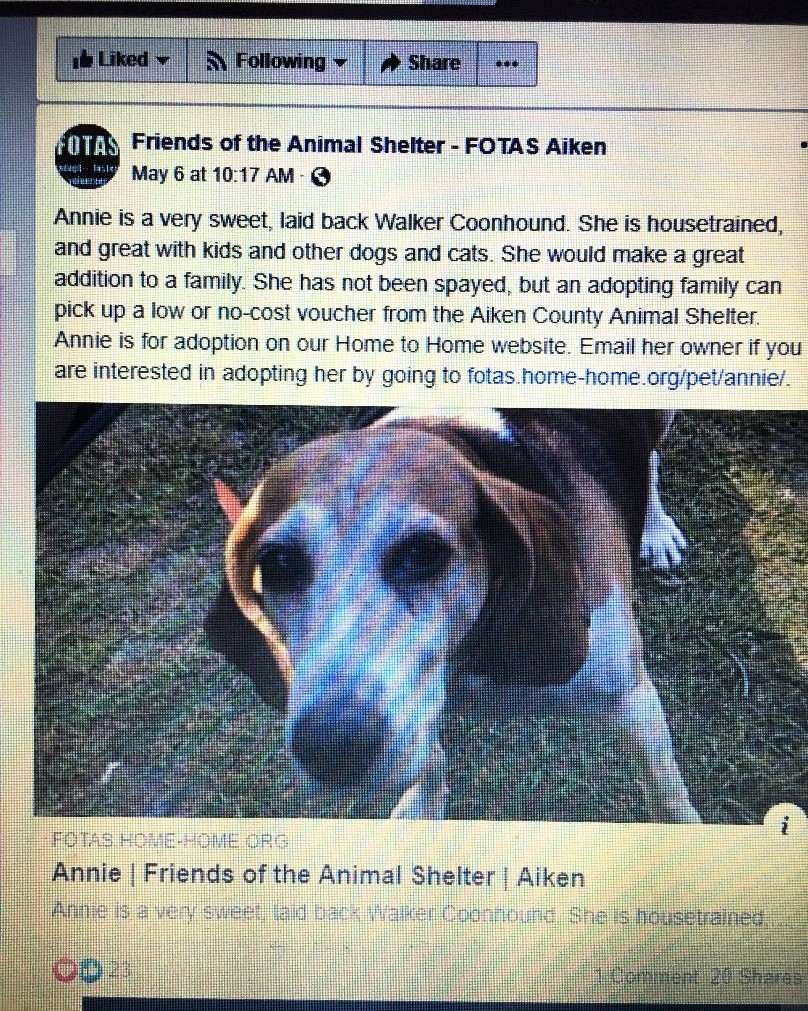
So, what can you expect if you place your pet on Home to Home? You go to Fotas.Home-Home.org, and click on “Rehome your pet,” upload a photo and enter some information regarding your pet, including age and breed, and what makes your pet special. I will take that information to create a profile on Home to Home, and post to FOTAS’ Facebook page with over 11,000 followers. You will receive an email verifying your pet has been placed and to watch your email for prospective owners who may be interested. I also include some tips for finding the right new home.

If you are looking for a new pet, in addition to visiting the ACAS, take a look at the pets available on this site. Home to Home is free to use and free to adopt.

In the last ten years, FOTAS has been instrumental in taking the ACAS from a 10% save rate to an over 90% save rate, where we achieved our goal in saving every adoptable animal the past two years and are working hard this year to achieve it again.

The Home to Home Program allows County citizens to adopt out their pets without surrendering them to the Animal Shelter.

There are many tools we use to do this: adoptions to loving homes; transfers to shelter rescue partners in other states with great spay and neuter programs and adopters for homeless pets; spay and neuter Fido Fixer events; Trap Neuter Release (TNR) programs for community cats; Dogs off the Chain programs; and now Home to Home.

We’ll continue to look for ways to save our County’s pets because their lives are in our hands.

–By Ellen Priest, FOTAS Board Member and Home-to-Home Coordinator

PETS OF THE WEEK

FREDDY: Mixed breed, male, 8 years old, black w/white, 40 pounds – $35

RIKER: Domestic shorthair, male, 1 year old, Tabby, 10 pounds – $10