





Category Archives: Foster

The Joys of Fostering from an Expert

We began fostering puppies with FOTAS and Aiken County Animal Shelter shortly after seeing the conditions in the old shelter on Wire Road. In the almost 10 years since then, we have fostered more than 600 puppies, and our incredible new shelter was built. The only thing that hasn’t changed is that our shelter remains full.
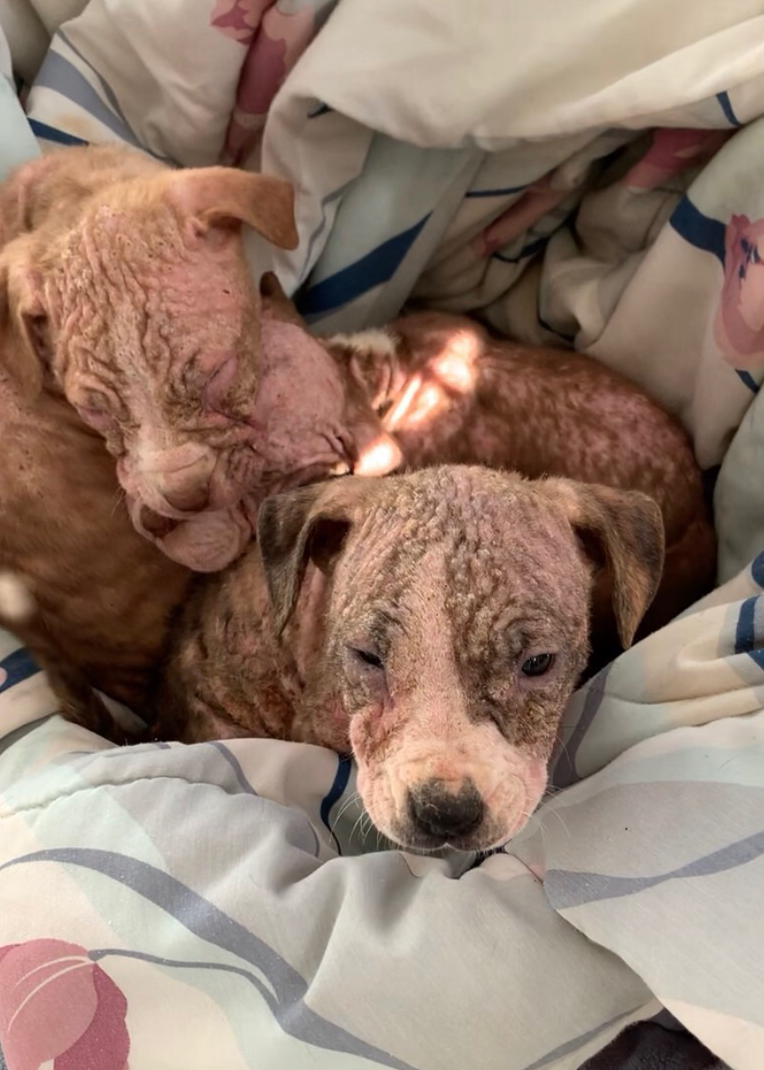
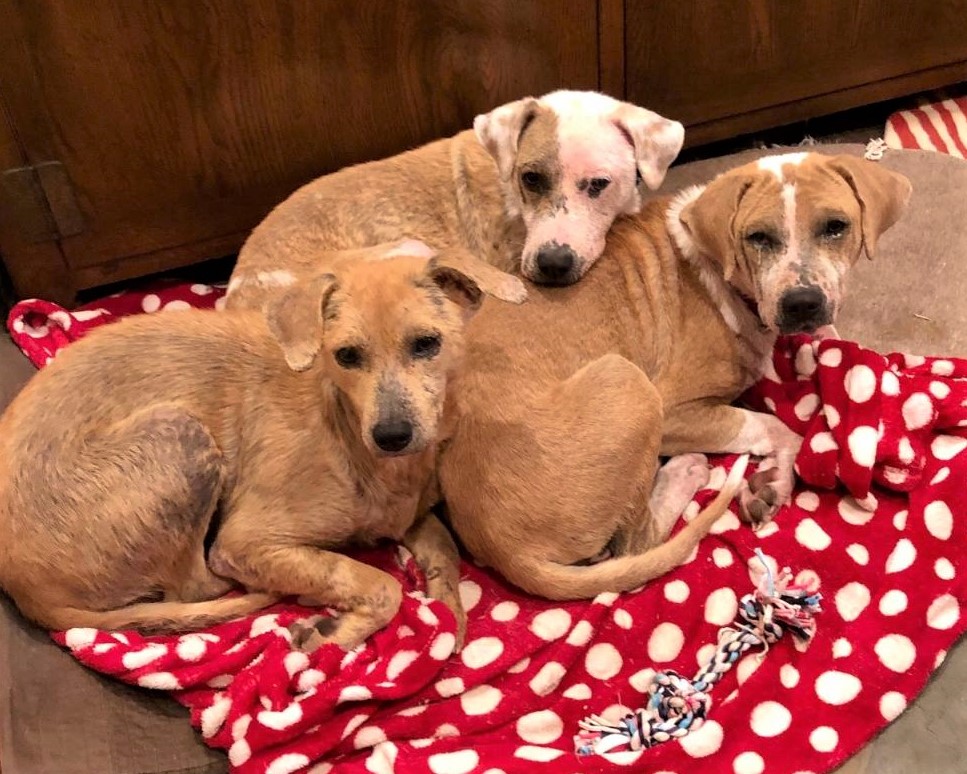
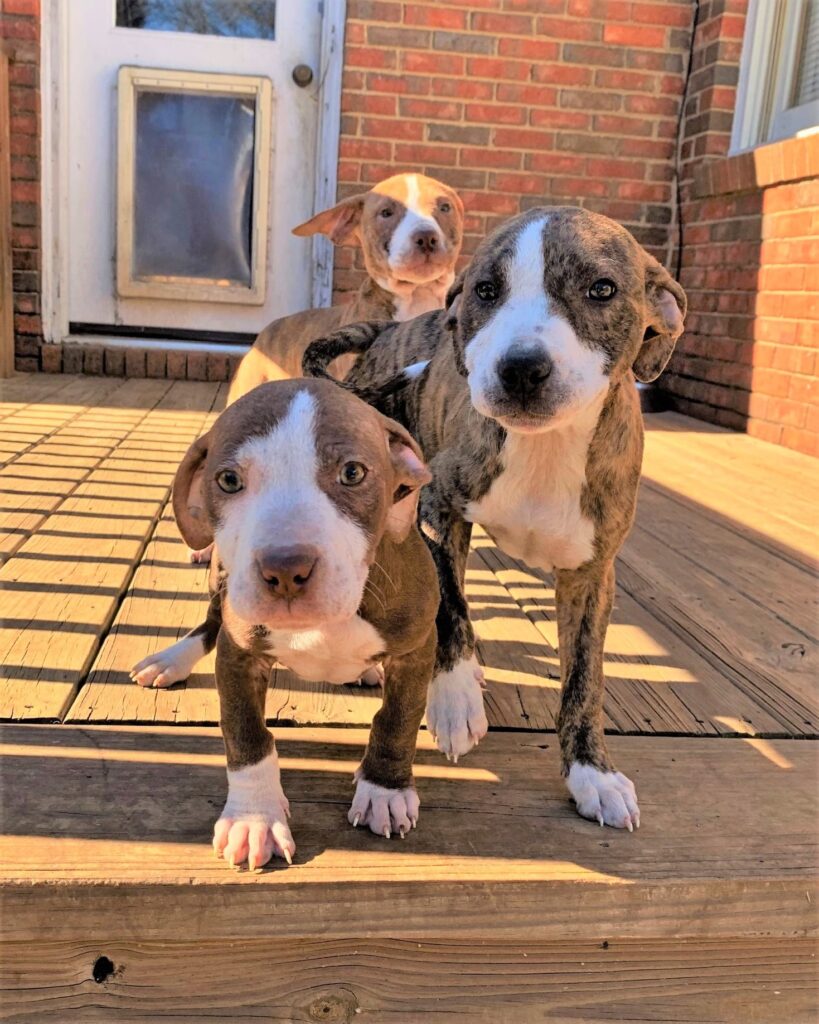
Joy, Noel and Holly before fostering.

We set a rule when we began, that if we kept a puppy we were fostering, we would have to stop fostering. So far, so good. Each litter has had its own unique quality. When we first lost some medically compromised puppies, we decided as a family that while we could not save every puppy that came into our house, every one of them would know that they were named and loved.

Right before this past Christmas, we got a call from the shelter about three puppies that were found in horrid conditions. They were sick with a condition called Demodex. It is a condition where the puppies’ immune systems are compromised and they lose their hair, get covered in scabs from bites from a type of mite, and are swollen all over.

We brought these three young puppies into our house and named them Joy, Noel and Holly. It felt weird to hold them because their skin was so rough and was literally peeling off them. Two of the puppies’ eyes were swollen shut. They were miserable. Our black Lab (Diego) normally plays with all the puppies that come into our house, and he was afraid to go near them at first.
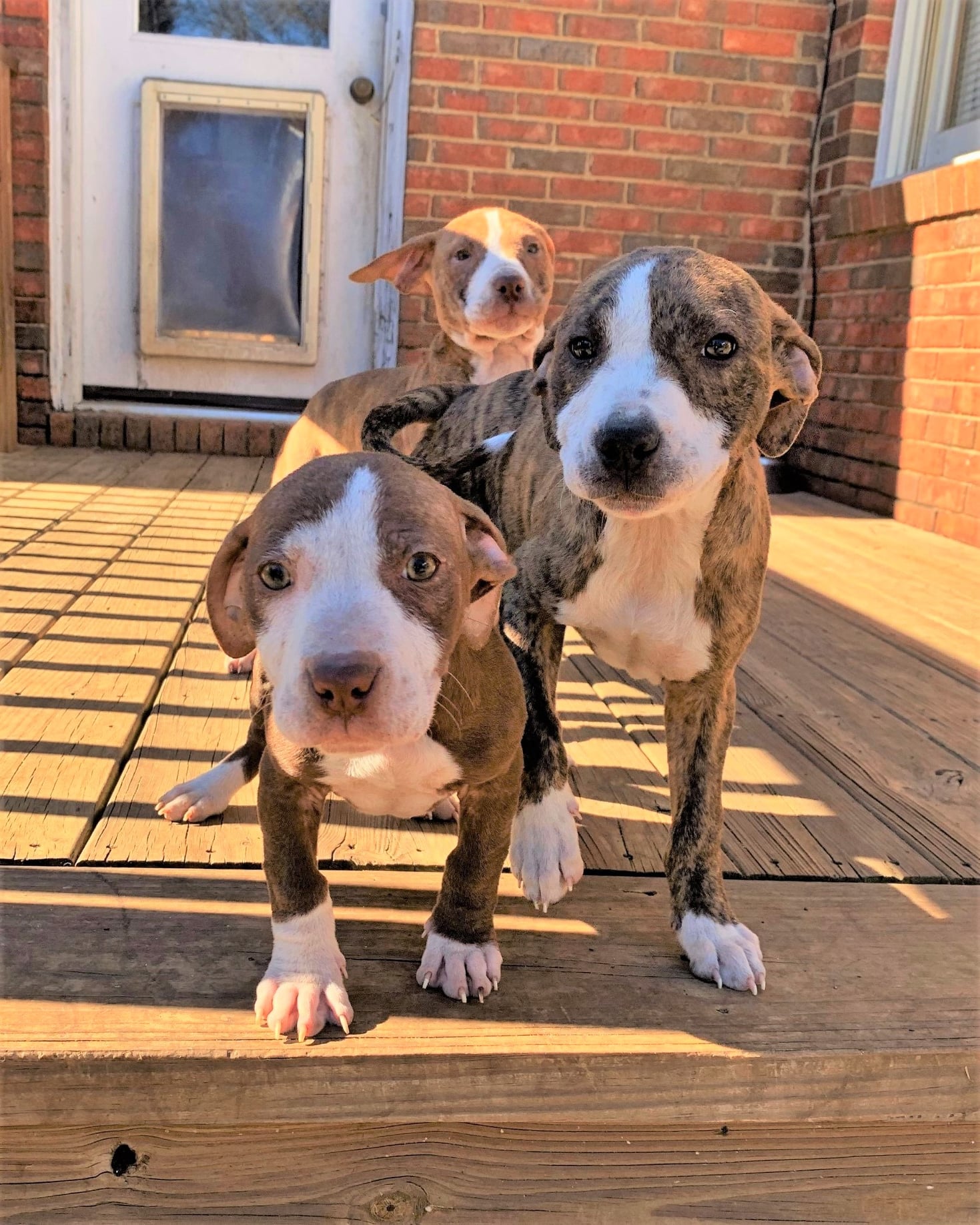
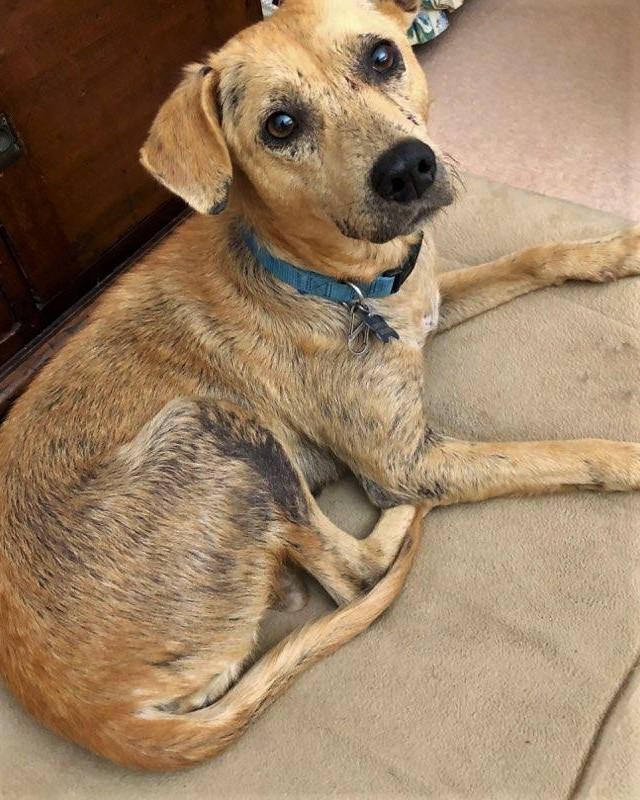
The pups after fostering and treatment.

Over the next few weeks, the puppies’ skin began to heal, their fur began to grow back and they started to play and cuddle. They continued to improve and started playing with Diego and by the time they were ready for adoption, they were completely healthy puppies that no one would know had been so sick.

I can tell you that most foster experiences are much easier than what we dealt with having these three puppies, but every one of them is filled with some of the best parts of fostering. With each litter, we get to enjoy puppy breath, great cuddles and laughter. We have described it as “better than HBO.” I invite you to consider short-term fostering. Each animal that we have in a home rather than the shelter helps not only our county shelter, which is often full; but it also helps prepare the dogs and cats, so they are ready for their forever homes.
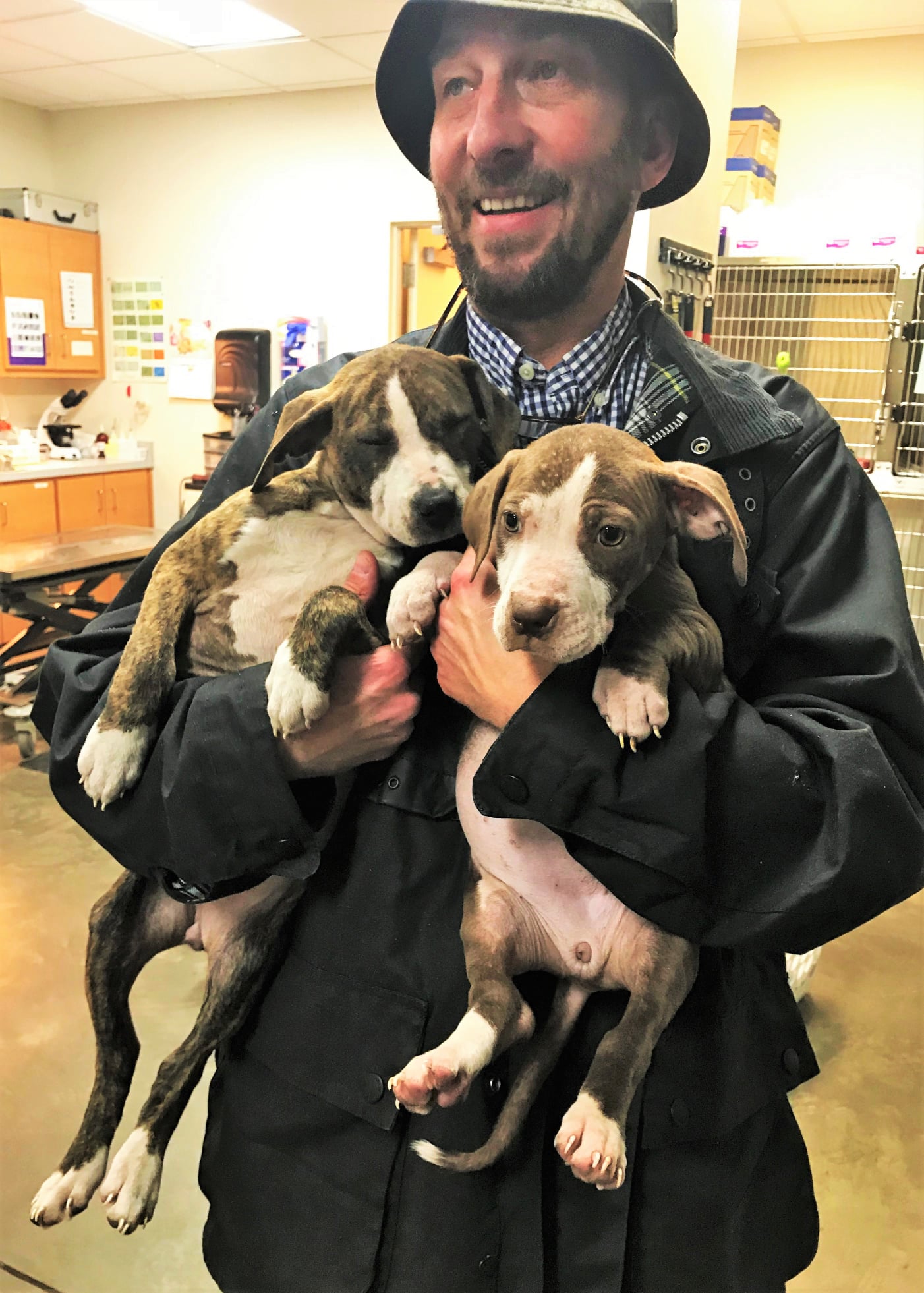
Father Grant Wiseman brings foster puppies to the county shelter, so the medical staff can treat them and measure their progress.

Our new shelter is fantastic and unfortunately full pretty much every day. If you can’t foster, consider volunteering to walk dogs or play with the cats in the feline facility. Anything we can do to help them be more comfortable makes them even more adoptable.

— By Fr. Grant Wiseman, FOTAS Foster
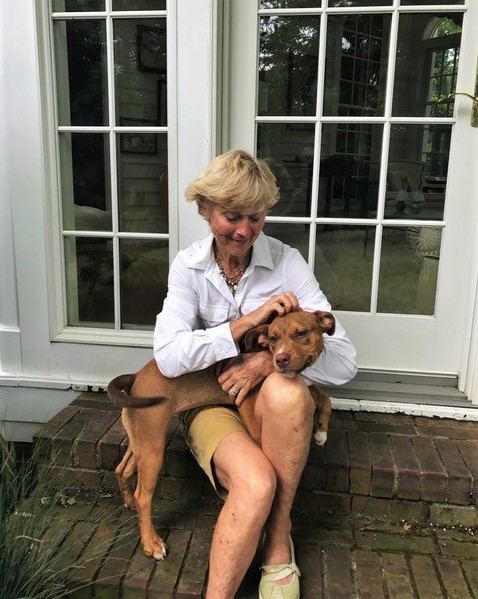
Fostering Can Make a Big Difference in a Shelter Dog’s Life

So, you are ready to foster a homeless pet but you’ve got some questions. No worries. Let me answer some of them for you. In my experience, the following are common questions new fosters have before diving into the experience of nurturing and socializing a pet and preparing him for adoption.

Foster a dog? Are you kidding? How do I then let the dog go? Just like sending a child off to the next step – you’ve kept that child safe, well fed, even a bit spoiled. Fostering dogs is the same. Off they go – and because you fostered, the dog is so much easier to adopt because it’s calmer, loved, and nurtured. Even a week makes a difference!

Betty Ryberg in the middle of foster playtime.

How does the process start? Kathy Jacobs from the Aiken County Animal Shelter gives support, instruction and helpful hints. Once you have decided to foster, your name is added to the list. When an email is sent and it’s a convenient time for you, she will describe and assign your foster friend. There is no pressure. If you are out of town or have a hectic schedule just wait for another time.

But I have a dog. How does that work out? After the initial sniffing and doggie introductions, they all seem to adjust. The foster cavorts around the yard picking up our dog’s scents. They start to frolic, chase, hide, play. Most importantly they wear each other out. I can happily enjoy early morning coffee or afternoon tea while they romp. A good night’s sound sleep always follows. Who doesn’t need a playmate?

Where can I keep the foster? Any space that is safe. A secure fenced yard is lovely. And when you walk your leashed dog you will be surprised how many neighbors you will meet. At night, an inside area of a garage, a porch, laundry or mud room is good. The shelter has crates, towels and toys if you have an area that you want to keep the dog cordoned off at night.

What if the dog cries at night? Just like the advice with a colicky new baby – turn on music, a fan, anything that cushions you. The dog is safe. That is of utmost importance. The next morning, the exuberant greeting wipes out any middle of the night nerves.

What if I get unexpectedly called away? There is a large support group at the shelter. The dog is quickly picked up. Life happens and this is meant to be comforting to you and the dog. The dog is placed in another foster home and you are free to attend to your needs.

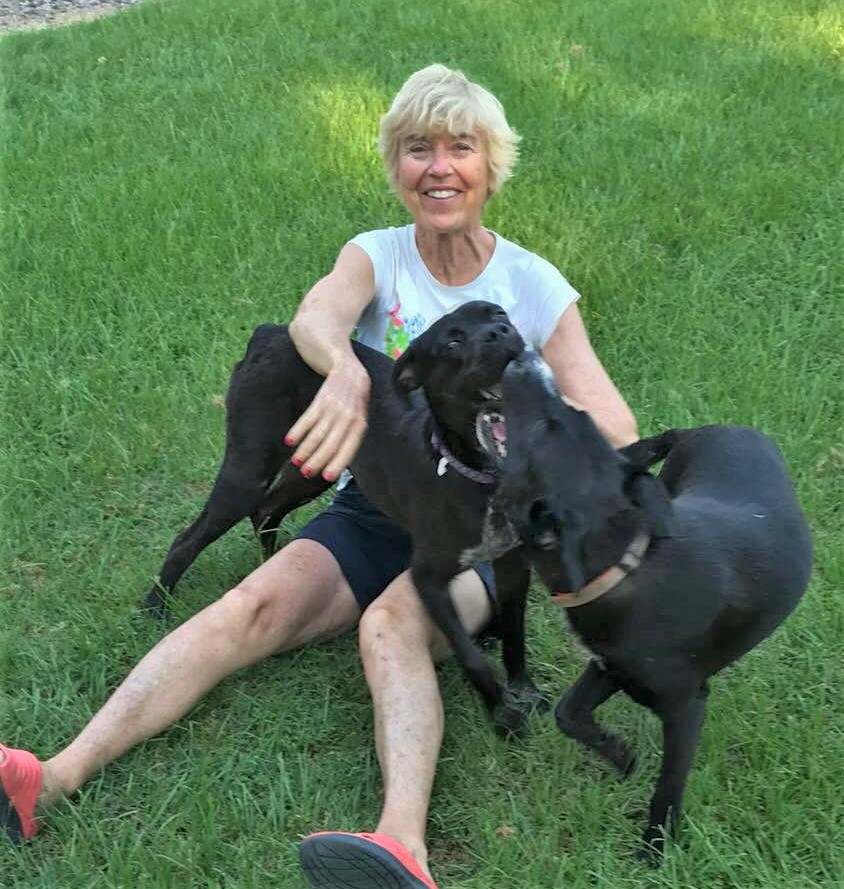
Betty R. nurturing, socializing and loving a shelter dog at her home in Aiken.

How long do the fosters stay? An email is sent when there are dogs that can be fostered, and your dog can be picked up when it is convenient for you. We usually foster for 5-6 days. Often the noise of the shelter frightens a dog, so they immediately respond to a calmer home. We have often fostered two compatible dogs, finding they play and exercise in the daytime and comfort each other at night.

Again – how hard is the drop off? There is time for hugs and quick slobbery goodbyes. Just keep the words, “They’ll be fine and dandy” in your heart. You gave them a wonderful vacation and training ground for happy futures and forever families!

More than 4,000 animals are received annually at the Aiken County Animal Shelter. To save every adoptable animal, FOTAS diligently tries to comfort each animal so they are readily adoptable. I write a “profile” with specific information about the foster to ease the adoption process. The dog may be shy or playful, plays well with children and other animals, walks well on a leash – this gives the new families a glimpse of matching their hopes for a pet with the personalities and behavior of the adoptable dogs. I try to write about the dogs’ personalities so the match is immediate and a success.

We had a young dog who was extremely timid and easily frightened. He did not even know how to play. After three days, he picked up a chew toy and took it to his bed. On day four, he let us hold him. Overnight he became a tail wagging, spirited dog. He was ready for his forever family. We made a difference.

Their lives are in our hands.

— By Betty Ryberg, Cherished FOTAS Foster Mom

Focusing on Foster Fun and Happiness During COVID-19 Isolation

Times are so complicated right now and many are struggling with depression and anxiety. Even children are feeling the effects of social distancing. Summer break is normally a time filled with vacations, camps, sleep overs…all things that have been put on hold. Being away from friends and others in their age group can be so lonely.

As the number of coronavirus cases continue to rise in our area, that isolated feeling seems to be getting worse. Yet families that have fostered shelter pets during the pandemic have benefited from the experience.

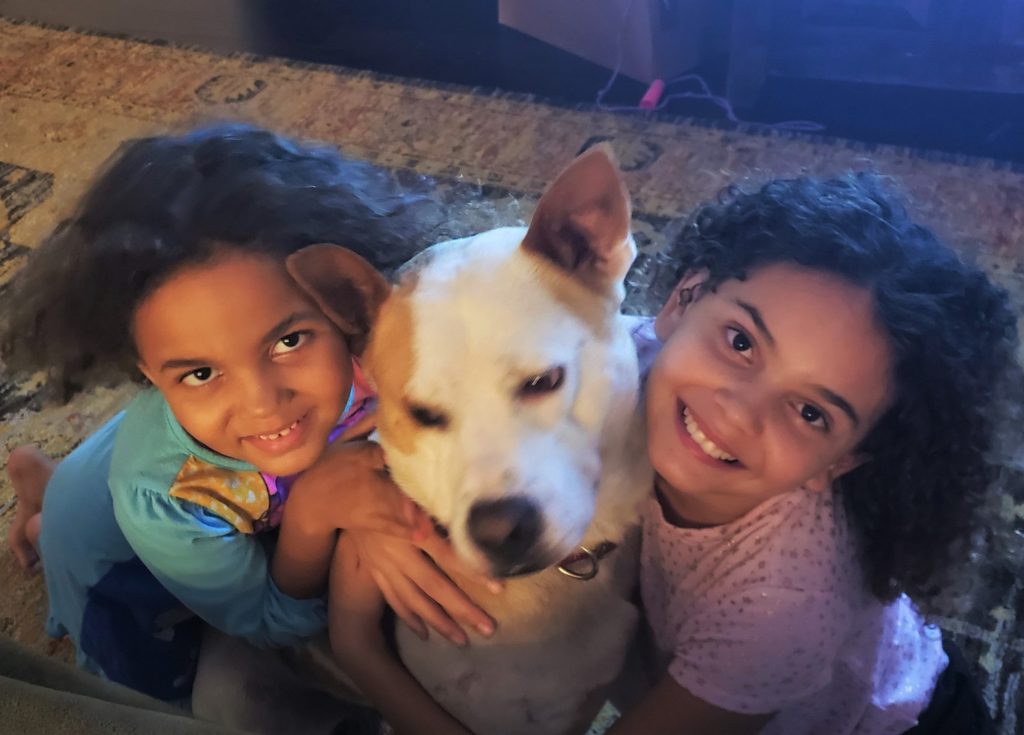
Charlotte and Savannah Collen sandwich Aiken County Animal Shelter dog Hachi in their home.

Look at Savannah and Charlotte Collen, ages 11 and 5. Their family decided to start fostering this spring and what a difference it has made in not only in the lives of the dogs they have fostered, but in the children’s lives.

When fostering their first shelter dog, a large mixed breed named Joseph, mother Kamillah said, “We are having a wonderful time with Joseph. He follows the girls around pretty much all day. We feed him twice each day, and he is getting plenty of exercise and love. He’s pretty spoiled and they are learning responsibility. It’s a win-win.”

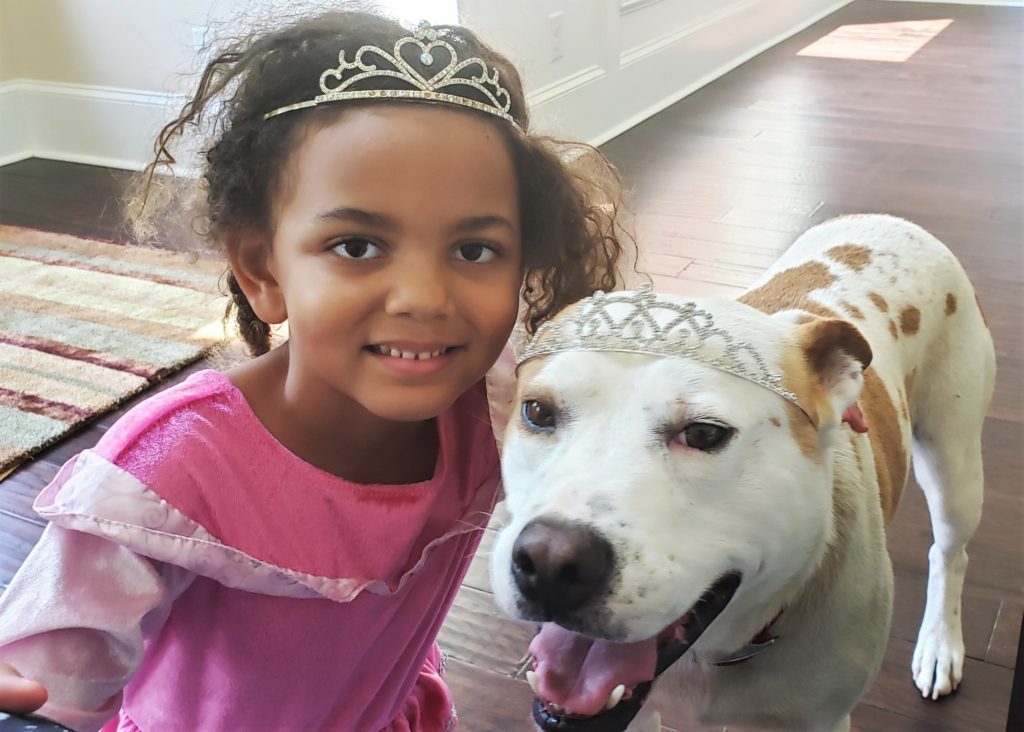
Charlotte and Hachi wear matching crowns.

Kamillah just emailed us pictures of their most recent foster, Hachi, noting, “I think he’s having fun!” These pictures brought tears to my eyes! Large, high-energy dogs like Hachi are not always seen as family dogs. But the photos showed him sleeping on his back on a rug, wearing a Princess crown with Charlotte, going on a dog walk with Savannah – and enjoying every second of it!

The great thing is that Hachi has a home waiting for him; he just needed a place to stay until we could get him there. So when the girls say goodbye, they know that he is going to another home filled with love. They don’t have to be sad; he just had the best vacation from the shelter with them. Plus, there are more homeless pets that need help. Maybe their next foster dog will be smaller and fluffier, or maybe one that wants to catch tennis balls.

Some families even keep scrapbooks with pictures of each foster pup, kitten or dog they help. It’s so fun to look back at all the lives made better, thanks to your family.

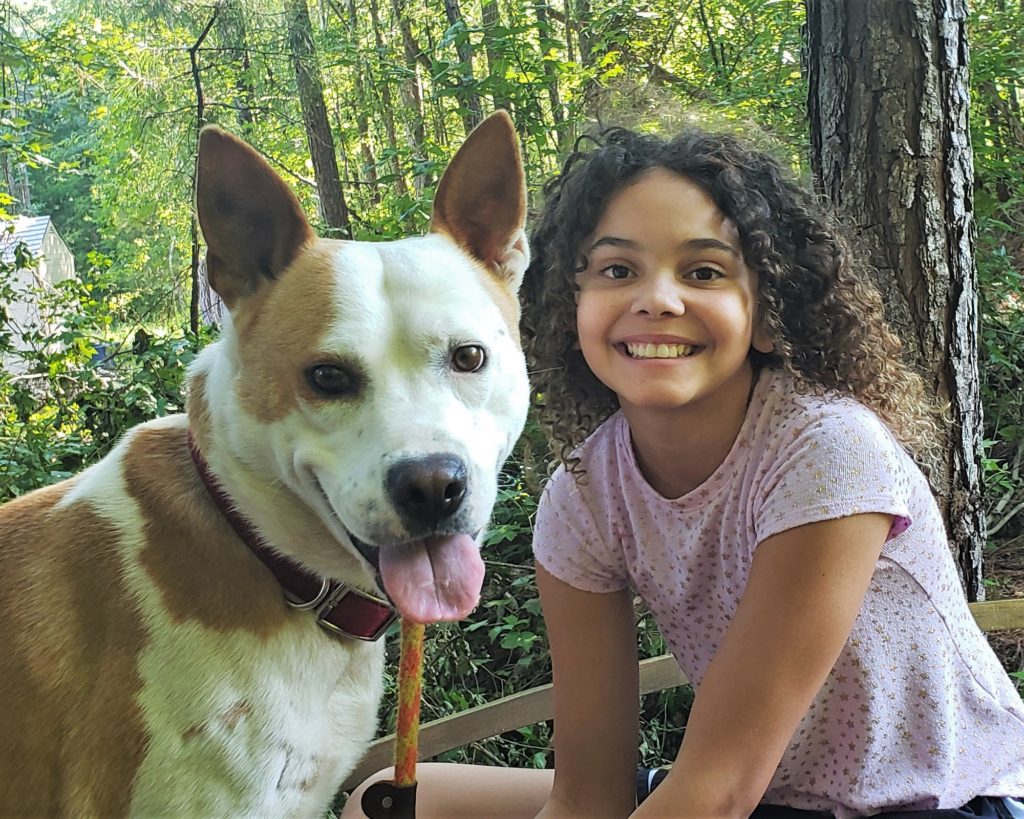
Hachi and Savannah go on a nature hike.

Whether you prefer kittens, puppies or adult dogs, we would love your help. The Aiken County Animal Shelter is currently undergoing a construction project which has us 30 kennels short for the summer. Now more than ever, we need foster homes so that we can create room for more homeless animals in need.

FOTAS provides food for foster pets as well as crates, if needed. The pets are flea treated and come with everything they need. All we ask is that you give them a safe place to stay and a little love.

Contact info@fotas.org or find our foster application on our website at fotasaiken.org.

Their lives are in our hands.


–By Kathy Jacobs, FOTAS Programs Coordinator

Olympic Events Make Puppy Fostering Fun and Entertaining – Try It!

The first morning I opened the door to the room of our four 4-week-old foster puppies, the tiny bundles yipped, licked and fell all over each other to climb into my arms. I turned to my husband and said, “You are going to have to up your game. Now, this is a greeting!”

On March 14, I called the Aiken County Animal Shelter hoping they had a foster dog for us., Everything was happening so quickly around the pandemic situation and decisions were being weighed whether to delay transfers or even close the shelter, so we wanted to help.

The Olympic events helped the puppies learn and develop — and were very entertaining!

Yes, they needed us – they had new puppies. We had never fostered puppies before but were given care instructions and eagerly picked up four black, 2½-pound squirming labs. The ride home exhausted them; they fell upon each other into a heap and promptly were sound asleep. So began our 6 weeks of isolation, social distancing and immeasurable entertainment! When we set out their puppy food and supplemental milk, they climbed over and under each other with such eagerness it reminded me of several of our family’s Thanksgivings.

We had a difficult time telling one from the other and their genders. It seems laughable but they were so young, not every part of their cuteness was evident! We named them Scooby, Rubble, Clover and Berrie and set to work on Puppy Olympics. The 2020 Tokyo Olympics had just been postponed and since they were daring adventurers, we prepared them for their first event – stair climbing. Roly-poly Scooby had the hardest time but was also the most determined. Mastering the downward climb event was like slalom skiing. They all jumped back up after taking a tumble.

Greg and Betty Ryberg and their foster puppies Scooby, Rubble, Clover and Berrie.

We built balance beams with boxes and mats and then introduced curling where they chased my push broom around while I cleaned their room. Mixed martial arts came naturally – they playfully nipped, wrestled and pinned each other.

Since they came running when they heard our voices, associating us with their meals, we set up races with their food at the finish line. Puppies are easily distracted. Often in the middle of an Olympic event one would curl up to sleep or chase a bird.

Other events included a low crawl through a little tunnel and a ball chase under a tiny bridge. Hide and seek in the monkey grass was also a daily event. As the puppies grew, we introduced them to swimming. Falling, leaping, belly flopping, splashing into 4-5 inches of water followed by true doggie paddling fascinated them. And was endlessly entertaining to us.

Their most accomplished achievement was napping every two hours and sleeping through the night. Following weeks of all four curling into one tight ball to sleep, they started to nestle by themselves in small areas. After six weeks, they were ready to leave the foursome and fill other families’ hearts. When they left with their forever families, the pups were healthy and happy.

Fostering is as nurturing for us as the dogs we save. If you would like to try it, please send an email to info@fotasaiken.org!

Their lives are in our hands.


— By Betty Ryberg, FOTAS Foster Volunteer

Adapting to Pandemic Crisis Leads to Positive Changes

The Coronavirus crisis blindsided us all. Suddenly leaving our homes was dangerous, masks covering our nose and mouth became necessary, restaurants and small businesses were forced to shut down, and toilet paper turned into a priceless commodity.

But COVID-19 also forced us to think differently about the world we live in and adjust accordingly. Not only did social media become even more of a focus for us and vital to reaching potential adopters and fosters, but we also adapted our adoption process. To better protect citizens and our Aiken County Animal Shelter staff, we began doing adoptions outside and by-appointment only.

Sweet Angelica gets adopted during a May 22 appointment.

Since the shelter became closed to the public in March, we began asking potential adopters to view the available animals on FOTASaiken.org and then call the shelter for an appointment to visit with the ones they like. When folks arrive for their appointments, staff members greet them outside and then bring the pets out to visit. Following social distance protocol and wearing protective masks, staff members complete the adoptions curbside.

Michelle Vieyra adopted gray and white Pitbull mix Jules last month and brought one of her male dogs to meet her outside. After spending some time with Jules, she knew the feisty female was a good match.

Hunter finds the perfect home!

“Jules is doing well and learning how to fit into pack culture,” Vieyra said. “She is a bossy little thing, which is why I renamed her Sassy, but she is smart and catches on very quickly how things work around here. She learned how to sit after just one day, and we will be starting on commands like ‘lie down’ and ‘stay’ soon. She is also ridiculously cuddly.”

The appointment model for adoptions has been so successful and convenient for citizens, we plan to continue it even as we start accepting walk-in visitors again. Adopters enjoy the greater one-on-one attention and find they are less overwhelmed by so many pet choices when they arrive. In fact, most appointments are resulting in adoptions.

Similar to other service businesses such as hair salons, we will encourage appointments but also welcome walk-ins.

Shelter launches construction of intake kennel enclosure
The needed construction project of enclosing the covered, open-air intake kennel wing began this week, and we are thrilled this important improvement is being made. This is an exciting project as 30 kennels will be enclosed in a temperature-controlled building, making the dogs in this wing more comfortable and better protected from severe weather. During the estimated 3-month project, the shelter will temporarily be without 30 kennels, so please if you can foster or adopt.

Gray and white Jules aka Sassy (right) is adopted by Michelle Vieyra during a late May appointment.

If you have to rehome your pet, please take advantage of FOTAS’s Home to Home program, which allows you to rehome your pet directly from your residence instead of surrendering them to the shelter (which can be so stressful for a pet).

To learn more about FOTAS’s many programs and/or to volunteer, go to the FOTAS website (fotasaiken.org) or call the shelter at (803) 642-1537.

Their lives are in our hands.


— By Bob Gordon, FOTAS Communications Director

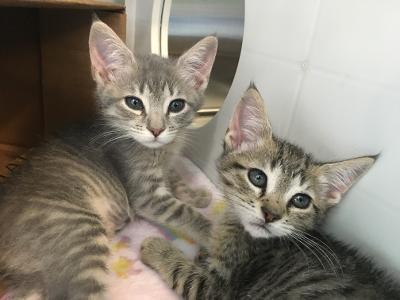
Fosters and Citizens Step Up and Save Lives During Kitten Season

Kitten season is upon us. A female cat can go into heat at any time of year, but the majority do so between May and November, and it puts a tremendous strain on animal shelters and rescues – including the Aiken County Animal Shelter.

What to do if you find kittens
With so many kittens being born during this period, you might spot them in your yard or while taking a walk in your neighborhood. But what do you do if this happens? It depends on a number of factors – but before you do anything, determine if the kittens’ mother is around. Kittens do best when they are with their mother, who instinctively knows how to help her offspring grow up to be strong and healthy. The mother’s milk also is crucial to providing the kittens powerful nutrients for their immune systems.

Kitten season takes place from late May to Nov.

Depending on their age and condition, here are your three choices if you find kittens:

1. Leave the kittens be. If the kittens are underage (under 2 pounds or younger than eight weeks old) and mom is still around and taking care of them, leave the kittens where they are until they are weaned. To help the mama cat, you can provide shelter and put out food nearby.

2. Take the kittens into your home. If the kittens’ mom is not around, wait at least two hours to see if she comes back. If she doesn’t return, foster the kittens or find someone who is willing to foster, until they are at least two pounds. This is done through bottle-feeding the kittens until they are ready to eat on their own.

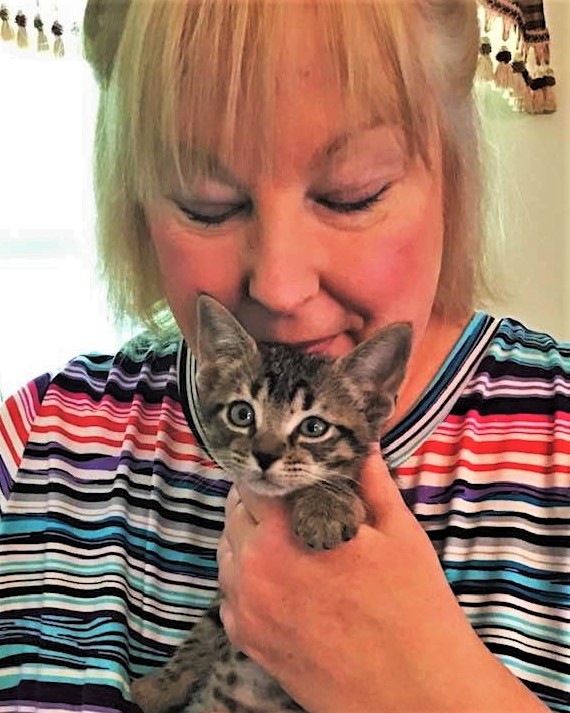
FOTAS Volunteer Mindy Hand holds foster kitten, Dewey, who was adopted last week.

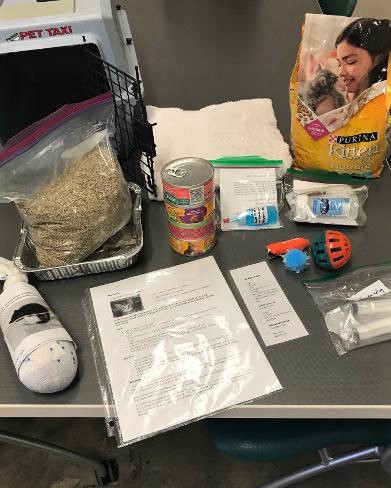
FOTAS provides “kitten kits” containing supplies you need to take care of the kittens until they are old enough to come to the shelter or go into foster care. If you’re unsure of the kittens’ age or care needs, you can bring them to the shelter for assessment and we can help you decide on a plan for adoption or direct you to other options, such as our TNR (Trap, Neuter, Return), which is free to Aiken County residents, or the spay/neuter voucher program.. You can also call the shelter for counsel.

FOTAS provides citizens with kitten kits — complete with food, litter, toys and other resources to help care for them.

3. Bring the kittens to shelter for spay/neutering. If the kittens are at least four pounds, they can be brought to the shelter in a humane cat trap (you can sign one out from the shelter) to be fixed through our Community Cats TNR program. After they are sterilized, you just return them to their outdoor home. This effectively works to reduce the cat population and prevents more cats from entering the area.

Fosters are always needed
Because citizens are sometimes unable to bottle feed and socialize the kittens they find, we have a small team of FOTAS fosters who take in babies and give them the care they require. These amazing volunteers save many feline lives each year. You can help save lives by volunteering to foster, too. To volunteer, go to the FOTAS website (fotasaiken.org) or call the shelter at (803) 642-1537.

Their lives are in our hands.


— By Bob Gordon, FOTAS Communications Director

A Tale of the Crooked Little Puppy

Animal Control brought in a puppy one morning and said there was something wrong with his front legs. I was in surgery so could not look at him immediately but thought to myself, “Maybe he has some hair loss, maybe a cut or, at worst, a broken leg.”

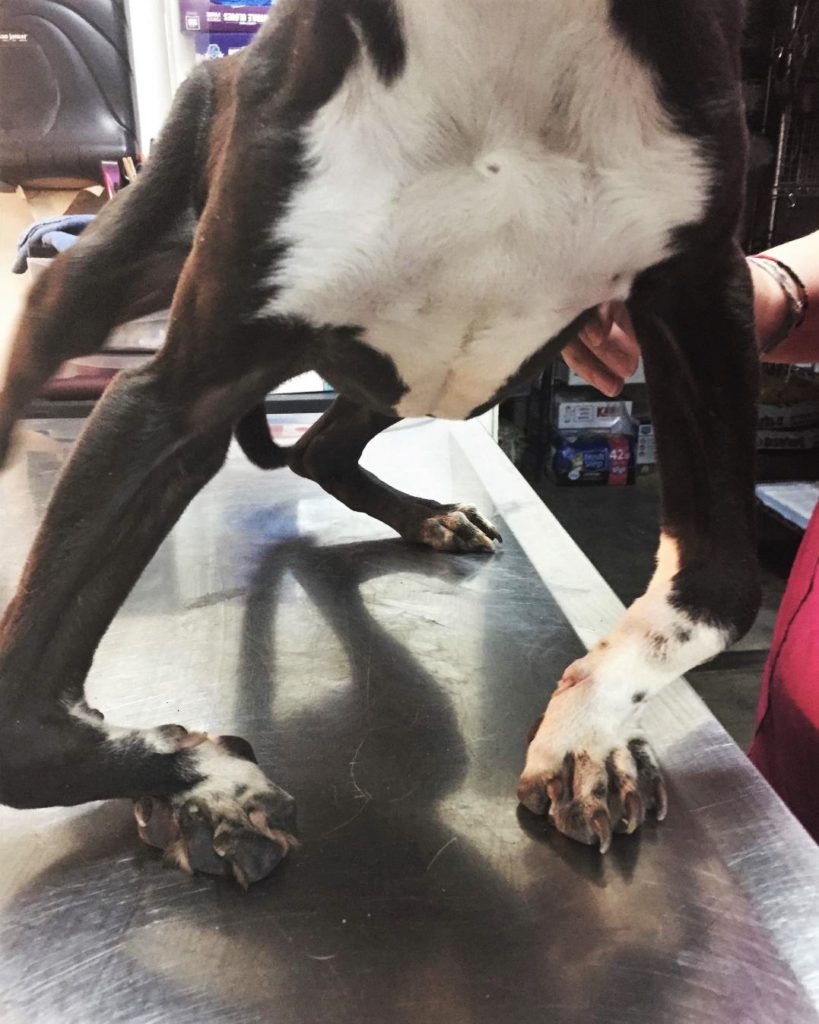
When I was ready to examine him, I wasn’t prepared for what I saw. His front legs were so deformed, I was surprised he could walk. His bones were somewhat curved, but worse were the ligaments in his joints, particularly the wrist. It looked like the top bone was pointing in one direction and the bottom one in another.

When puppy Ricky arrived at the County Animal Shelter, his legs were so twisted, Dr. Levy was surprised he could walk at all.

The puppy had rickets, which is due to a nutritional deficiency of calcium from lack of proper care. I had never seen such a bad case of front limb deformity, and most of what I had seen were in puppies younger and smaller than he was. I really wasn’t sure we could fix him.

We started him on calcium supplements and splinted both his front legs. When he walked, the splints made a “clicking” sound like someone walking in high heels. He stole everyone’s heart and we named him Ricky.

I wanted to put Ricky into foster care because his recovery might take weeks or even months, and the exercise he could get outside the shelter would benefit him. But I was hesitant as I know foster families get attached and I couldn’t be sure of a positive outcome. Foster extraordinaire Jeri Wesner stepped up and promised me she would understand if he didn’t improve but wanted to give him the best life she could until we knew his final outcome. Ricky proved to be a handful, chewing up his splints and going full throttle all the time.

Foster Jeri Wesner brings Ricky in for an appointment with ACAS Veterinarian Dr. Levy

I consulted with Dr. Bogner at Aiken Pet Fitness & Rehabilitation, and she recommended splints on for a few weeks and then leaving them off a few days at a time to strengthen Ricky’s ligaments. After a few weeks, his left front leg looked pretty straight, so we left the splint off. A week later, we removed the second splint but the right leg was still very crooked. We left if off for the weekend, and when he came back Monday, the right leg was straight and he was running normally. It was nothing short of amazing!

Ricky continued to improve and quickly found a forever home. Special thanks to Jeri and all of our fosters whose help is invaluable in the recovery of these special cases.


— By Dr. Lisa Levy, ACAS Veterinarian

Fostering Helps Save Dogs Rescued from Hoarding Situation

In early February, the shelter received a large group of dogs from a hoarding situation. These poor canines were not only fearful, but also emaciated, covered in fleas — and many were bald from demodectic mange.

We were desperate to find help for these horrified, neglected animals, as shelter life is not the best for a stressed animal. That is when FOTAS supporters Steven and Doris Briggs offered their help.

SADIE needs a secure and loving home to help her bloom into a wonderful canine companion.

“Since we live on a horse farm and have the perfect set up for taking in more dogs, we started fostering shelter animals to help get them ready for their forever homes,” Doris explained. “We have had four rescue dogs, one of which was a well-known therapy dog. But we are committed to working with fosters.”

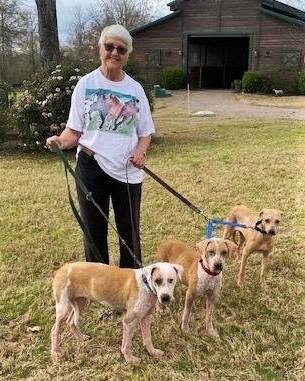
The Briggs’ property has an 8-acre paddock with wire fencing and an extra stall, so they agreed to take three of the hoarded dogs.

“I have never seen such pitiful, scared little things in my life,” Doris said. “There were a few challenges we had to work with. Initially, they lived in the barn but as you might guess, they ended up in the house. Six dogs in the bedroom at night was a new experience for us, but it helped socialize them.”

After two months, most of the dogs were ready to leave but one of them – 2-year-old Sadie – was still sad and motley-looking, so Doris thought she needed more time.

Doris Briggs walks her foster dogs.

“I said let me keep her till she’s presentable and somebody will want her,” Doris explained. “I understand the two that left have been happily adopted and Sadie is doing much better and her coat is filling in nicely.”

Having fosters during the coronavirus crisis has worked out well at the Briggs home and Doris encourages others to take in shelter dogs to help prepare them for their forever homes.

“The self-isolation that we are undergoing has been the perfect time to devote time to these darling little dogs,” she said.

Sadie will be available soon but she will need a secure and loving home so she can continue to bloom into a confident, healthy canine companion.

Times are changing and we don’t know what the future holds with this pandemic. Self-isolation is a very uncomfortable and lonely condition for all of us – not unlike the sad scenario that plays out for unwanted pets when they find themselves at a shelter.

Dogs from a hoarding home rarely receive the love and attention they need.

We are blessed to have so many people responding to our pleas to foster and adopt. Please continue to follow us on social media and fotasaiken.org to see what pets are available. Also, be sure to check out the FOTAS Home to Home website. There are many available pets posted on this site that need new homes and can be adopted for no charge directly from their owners: https://fotas.home-home.org/.

As Doris stated so eloquently, this is the perfect time to devote to these pets in need.

Their lives are in our hands.

Note: Due to COVID-19, the ACAS is closed to the public. If you are interested in adopting, please call the ACAS, (803) 642-1537 for an appointment. Adoption fees are waived until further notice.


— By Kathy Jacobs, FOTAS Programs Coordinator

County Shelter Emergency: Transfers Cancelled Due to COVID-19

As the coronavirus spreads throughout the United States, the ways in which our daily lives are affected become more apparent with each passing day. Shortages in household goods, widespread closing of public places, self-quarantine, and social distancing are becoming the norm in a world stricken by the pandemic. Now is the time to focus on protecting the most vulnerable among us: the elderly, the immune-compromised, and, yes, homeless animals.

Now is the time to focus on protecting the most vulnerable among us: the elderly, the immune-compromised, and, yes, homeless animals.

Over the past two years, the Aiken County Animal Shelter was able to do something no one thought was possible: find a home for all adoptable animals and reserve euthanasia for only the fatally sick and the very dangerous. We were able to do that through innovative care and adoption programs as well as a robust transfer program.

Little Murphy goes home with foster Chenoa Shields during the COVID-19 crisis period.

The pandemic is seriously jeopardizing that success because our transfer partners are eliminating out-of-state transfers because of operational concerns, particularly staffing reductions caused by illness; the anticipation of greater intake caused by folks in the community unable to care for their animals; and even the possibility of shutting down public operations to reduce community spread. These are valid concerns and prudent actions for all shelters, including the county shelter, in light of this unprecedented emergency.

Without your help, the combination of these factors will spell “death sentence” to otherwise healthy animals as overcrowding at the shelter becomes unmanageable and unhealthy. That’s bad news at a time when bad news dominates our daily lives.

How can you help? There are several ways.

1. If you are able, please consider adopting another dog or cat. The shelter is waiving adoption fees until further notice.

2. If you can’t adopt permanently, but you have an empty stall, a fenced in yard, a suitable shelter, please consider fostering animals for some period of time. As always, FOTAS can help you with supplies, if necessary, as long as our supplies last.

3. Do you know someone who is ill and has a pet? Perhaps you can help them care for, feed, or walk their pet. Your assistance could mean the difference between a beloved pet staying home while their owner recovers or being surrendered to the shelter.

Archer needs a home where he can finally feel loved and be your one and only pet.

4. Please, please become an outspoken advocate for spay/neuter, particularly now in this crisis right in the middle of the breeding season. No one should be bringing more puppies and kittens into the world when so many homeless animals need homes.

The Center for Disease Control and the World Organization for Animal Health have issued advisories saying there is no evidence companion animals can spread the virus and “there is no justification for taking measures against companion animals which may compromise their welfare.”

Given the common-sense requirement for social distancing and self-quarantine, our pets may be our only protection against the devastating effects of social isolation. We will need our pets as much as they need us in the trying times to come.

Although the county has closed the shelter to regular public traffic for the safety of the community and shelter personnel, it will be open for adoptions/fosters by appointment, which will take place outside. Call the shelter (803-642-1537) between 9:00-4:30 (Mon.-Fri.) for adoption/foster appointments or email info@fotasaiken.org for more information.

Thank you and God bless.

Their lives are in our hands.

— By Joanna D. Samson, FOTAS Vice President

Fosters Needed for Shelter Dogs with Demodectic Mange

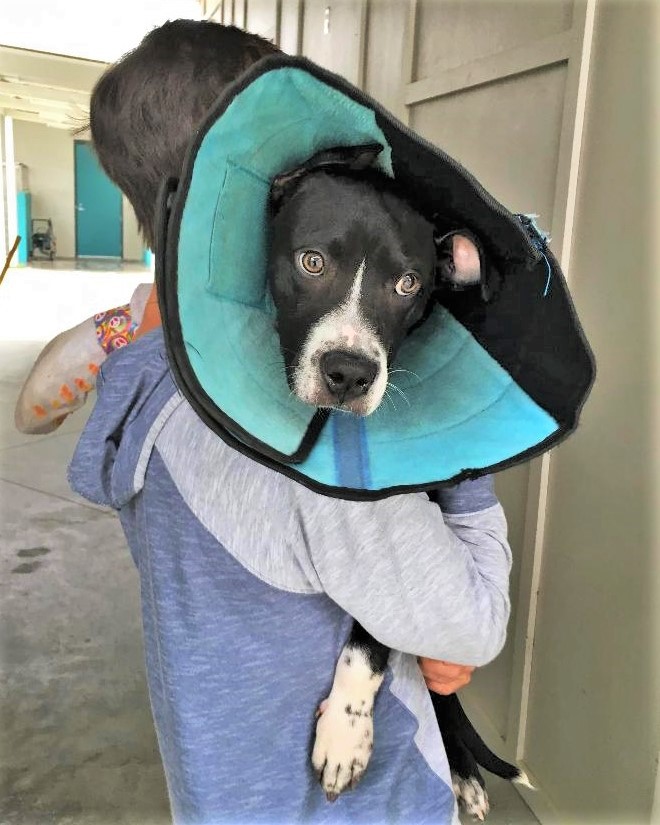
They arrive at the Aiken County Animal Shelter (ACAS) with patches of fur missing – and sometimes even completely bald, with red, scaly skin — but through fostering and treatment, transform into handsome, furry canine companions.

BLITZ arrived at the shelter with Demodex and, following treatment, is now available for adoption.

These are dogs with demodectic mange or “demodex”, a typically easily treatable condition that is not contagious to humans or other dogs. Demodex is caused by a mite, a normal inhabitant of every dog’s skin. In low numbers, these mites cause no symptoms and may serve an important role as part of a dog’s normal skin (similar to the way healthy bacteria is important in digestive health). However, when dogs have a compromised immune system, the mites can multiply unchecked, which leads to demodectic mange and itchy skin.

Demodex is fairly common in strays and neglected pets because through malnutrition or injury, their immune systems have often been weakened. In fact, the shelter currently has six dogs with this condition.

Now, if these dogs stayed in the stressful conditions of a shelter, their treatment could take a long time. Living in a strange kennel as dozens of unfamiliar and often scared dogs bark and different strangers walk you and feed you is not conducive to a healing environment. But when demodex dogs are able to go to a quiet environment of a foster home, where they feel safe and loved, they usually experience a speedy recovery.

Demodex dog ARCHER bloomed into a handsome dog and is now ready to be adopted at the Aiken County Animal Shelter.

“Stress inhibits their healing process,” said Jeri Wesner, who has fostered nine demodex dogs with her husband, Joe, since becoming a FOTAS foster. “But when we bring them into our home, they immediately feel more relaxed and get to experience what it’s like to have a family. Seeing these dogs gain back their confidence along with their fur is so heart fulfilling!”

Most recently, Jeri and Joe fostered a puppy named Lizzie who had a severe case of demodex and was completely hairless with cracked skin all over her body. But they, along with their adopted dogs, Ruby and Jack, welcomed Lizzie into their home and watched an amazing metamorphosis occur in just over a month. Jack, their Hound mix, took 10-month-old Lizzie under his wing and Pitbull mix Ruby treated her like her own. In only a month, Lizzie tested negative for demodex and her beautiful, dark tan coat had grown back in.

“Fostering a demodex dog is one of the most wonderful experiences you can have,” Jeri said. “It is so great to see them bloom into beautiful animals and to know that just by giving them a temporary home, you made them better and prepared them for their next step – to be adopted and go to their forever home.”

The ACAS has recently had a high influx of malnourished, neglected dogs with demodex – and we need your help. If you are interested in fostering for us, please call the Aiken County Animal Shelter, (803) 642-1537 or contact FOTAS at info@fotasaiken.org.

Their lives are in our hands.

— By Bob Gordon, FOTAS Communications Director