
Category Archives: FOTAS

Stray Dog Toby Escapes Hard-Knock Life to Become Cherished Family Member

Dogs living in animal shelters remind me of the iconic Broadway play, “Annie”. Early in the show, Annie and the other orphans sing, “It’s a hard-knock life.” With lyrics like “instead of kisses, we get kicked” you quickly learn that these girls, like shelter dogs, have experienced bad things in their lives but they still hope someone will love them.

Toby was just such a dog when a special “guardian angel” named Charlene found him. One February night, Charlene saw a dog with no collar walking in a parking lot by a busy road. Even though she was on her way to Church, she stopped to check on him. She returned later in the evening to take Toby home, but he was gone. Store workers told her the dog had been coming around since a man threw the little dog out of his car in their parking lot. For six weeks, Toby had been living on a few scraps the workers gave him and he was sleeping outside during the cold nights.
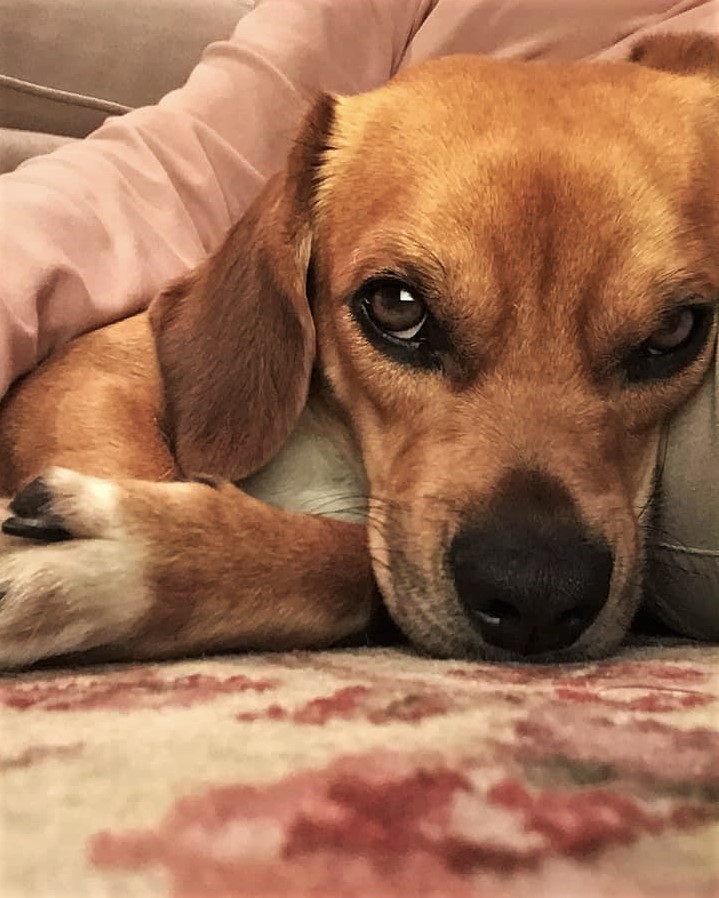
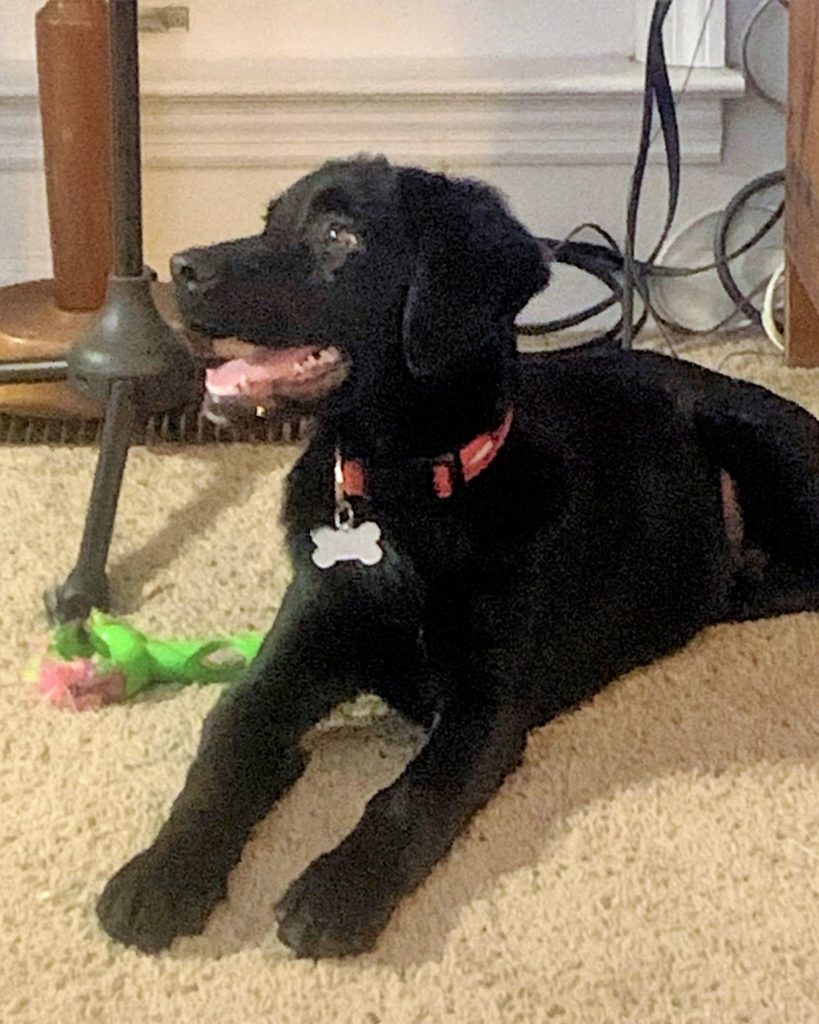
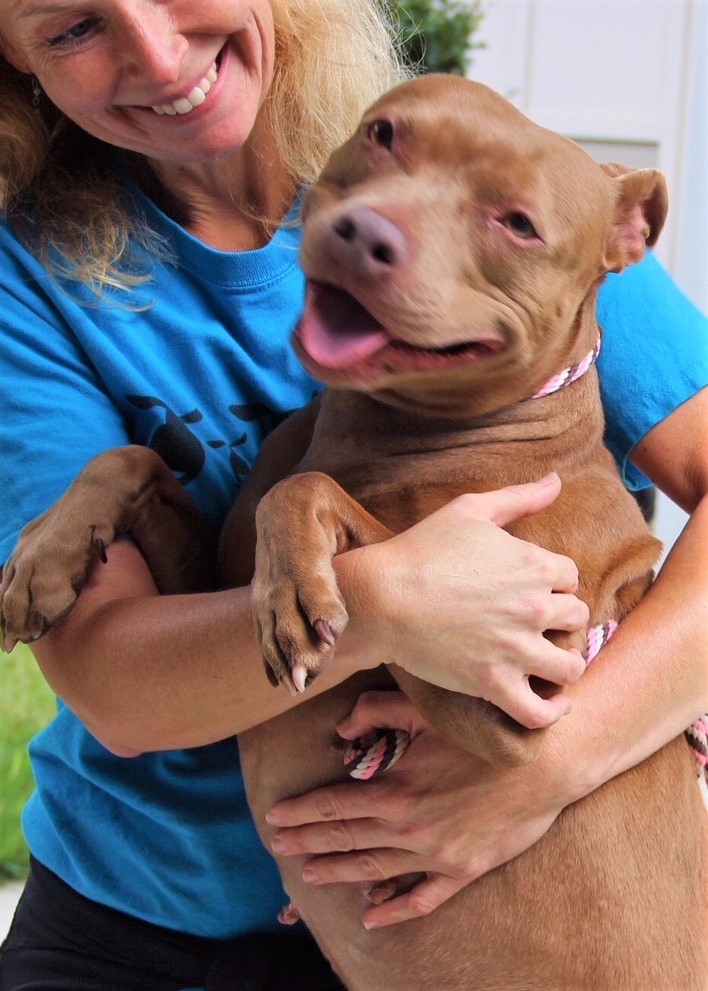
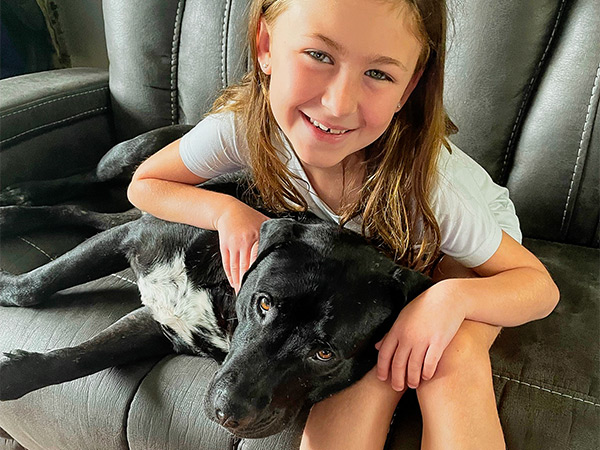
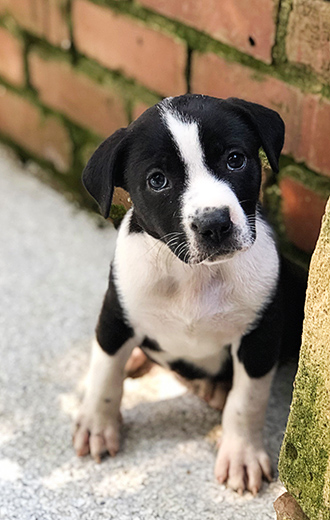
Toby relaxes at his forever home.

Charlene came back the next day and found Toby. When she put him in her car, he began shaking violently in fear. Charlene couldn’t keep Toby, but she tried to place him with friends. In the end, she took him to the Aiken County Animal Shelter. The FOTAS volunteers assured her he would be well cared for until a suitable owner could be found.

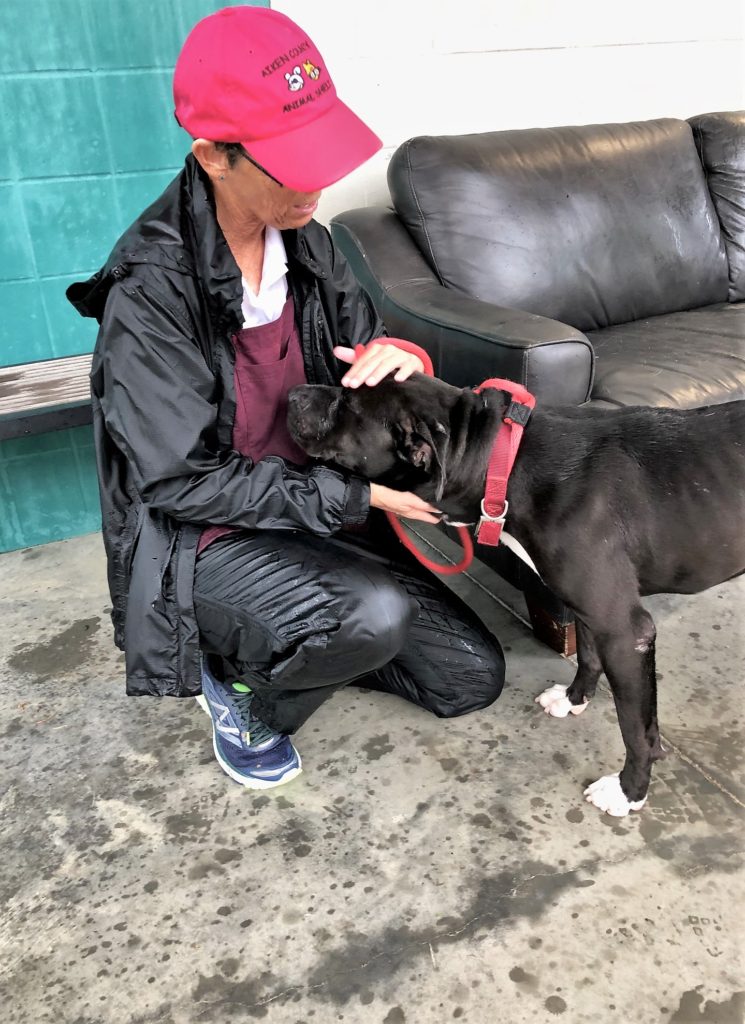
In the meantime, we were ready to adopt a dog into our family. We didn’t want a puppy, but we did need a smaller dog because of the size of our backyard. In early March, we met Toby shortly after he was brought to the shelter and we instantly fell in love. We proceeded with the adoption and posed for a picture to be placed on the FOTAS Facebook page. As luck would have it, a mutual friend saw the picture and told Charlene. We connected and she shared the sad story of how she found him. Her insight helped us to understand some of his anxiety issues.

Our first days with Toby were a learning curve. He didn’t know how to play with toys nor was he leash trained. His fear of other dogs and people left him shaking and very anxious.
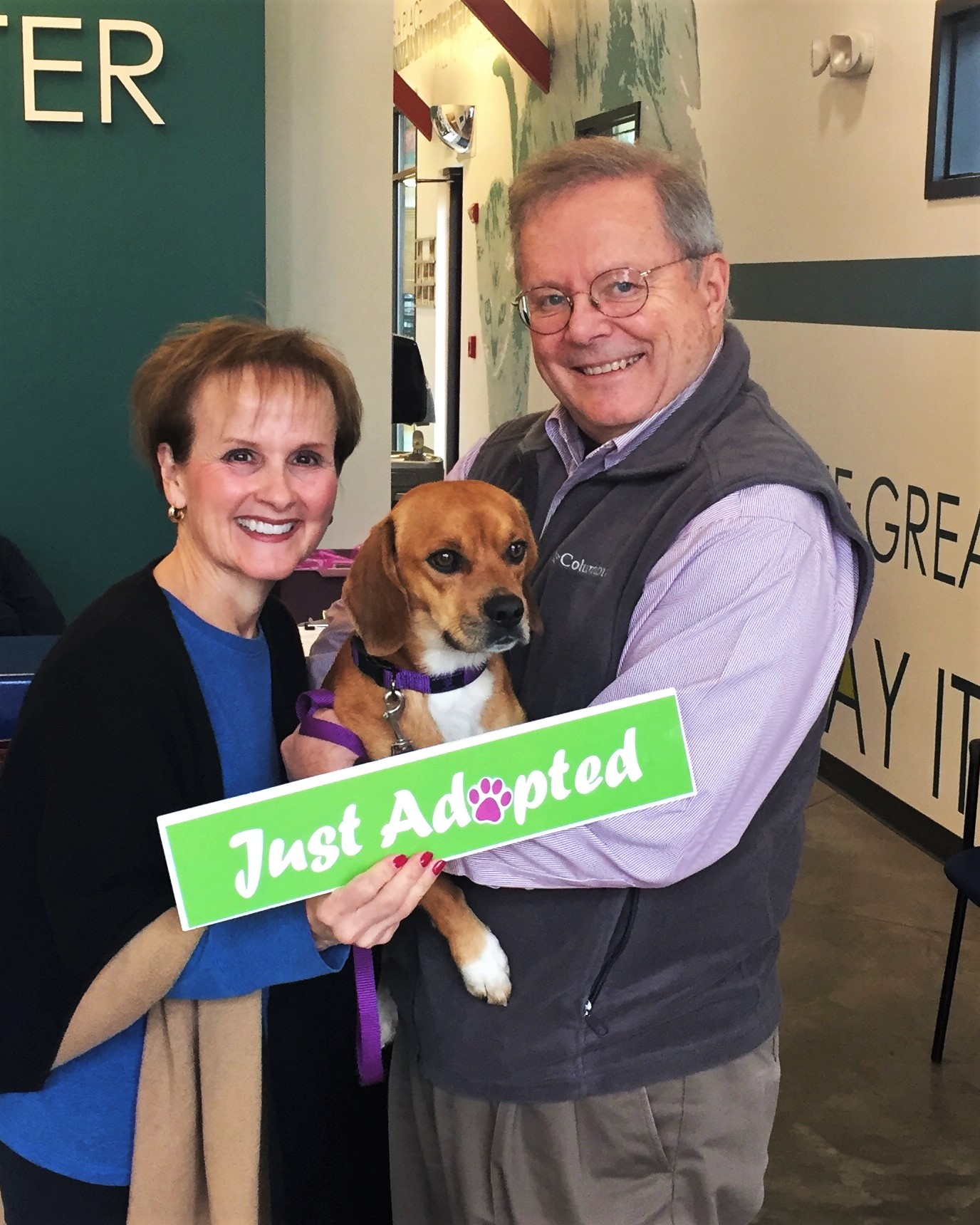
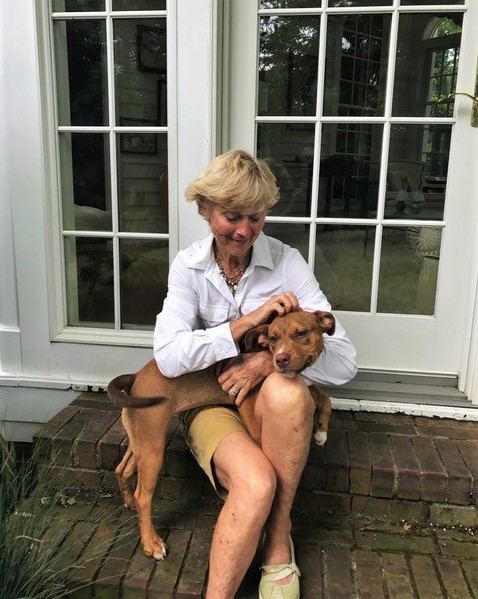
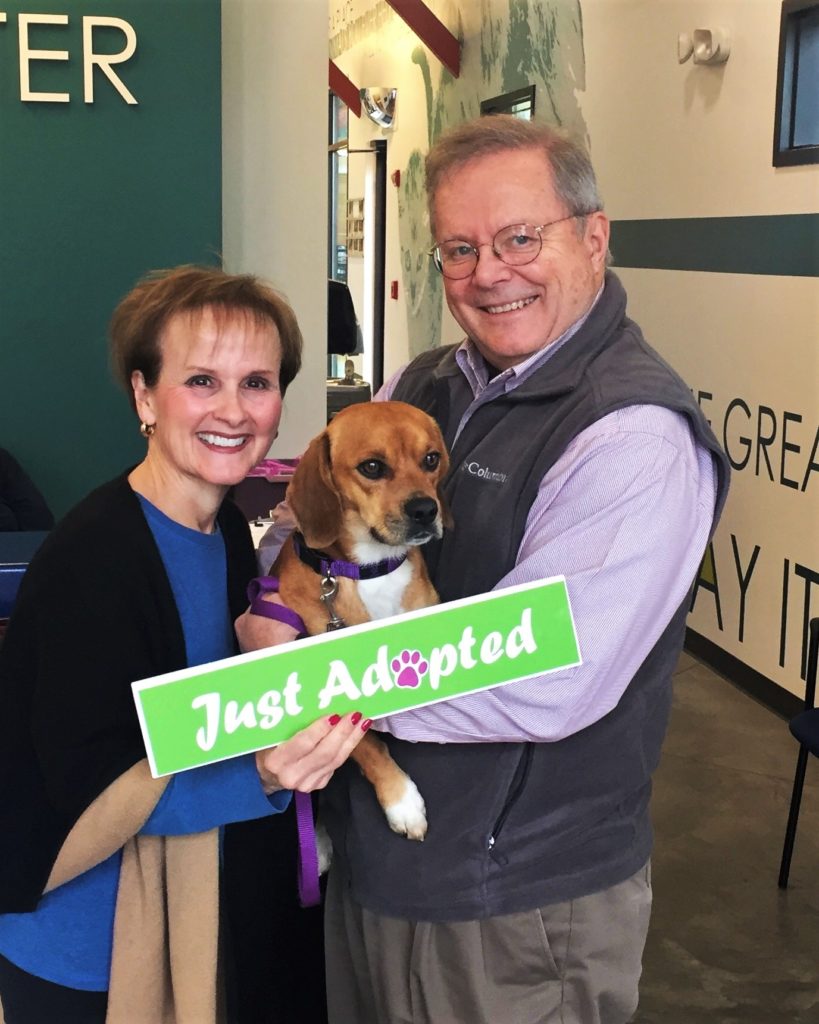
Lyddie and Charlie Hansen adopt Toby.

A visit to Dr. Holly Woltz provided us with some tools to socialize Toby and help him live his best life. Today, Toby loves his daily walks. He nuzzles all of the dogs in the neighborhood and happily greets their owners. His favorite friend is Luna, a large black dog who is equally happy to see our little Puggle. As for toys, he loves to play fetch with his pink elephant!

The story of Toby culminates in much the same way as in the play when Annie sings with Daddy Warbucks, “I Don’t Need Anything but You”. Toby is in his forever home and brings us much joy. We even have his picture on this year’s Christmas card. He completes our family, and we are grateful to Charlene and our friends at FOTAS for bringing us together.

— By Lyddie Hansen, FOTAS Supporter
GivingTuesday: Please Consider Contributing to FOTAS on Dec. 1

This Tuesday, Dec. 1, is a global day of giving – an opportunity for people to contribute to the greater good in support of charities that are important to them. GivingTuesday was started in 2012 and always takes place on the Tuesday after Thanksgiving. FOTAS is participating in this wonderful event and has a generous donor who will match donations up to $7,500.

Like most organizations, FOTAS and the Aiken County Animal Shelter (ACAS) have felt the negative impact of the 2020 pandemic. We had to suspend our big fundraising events this year due to the COVID-19 crisis. The annual FOTAS Playing Fore the Pets golf outing and Woofstock Doggie Derby Day are scheduled to carry on in 2021, but it hurt having to cancel them in 2020. With the pandemic causing such chaos, every dollar you donate is more important than ever and greatly appreciated.

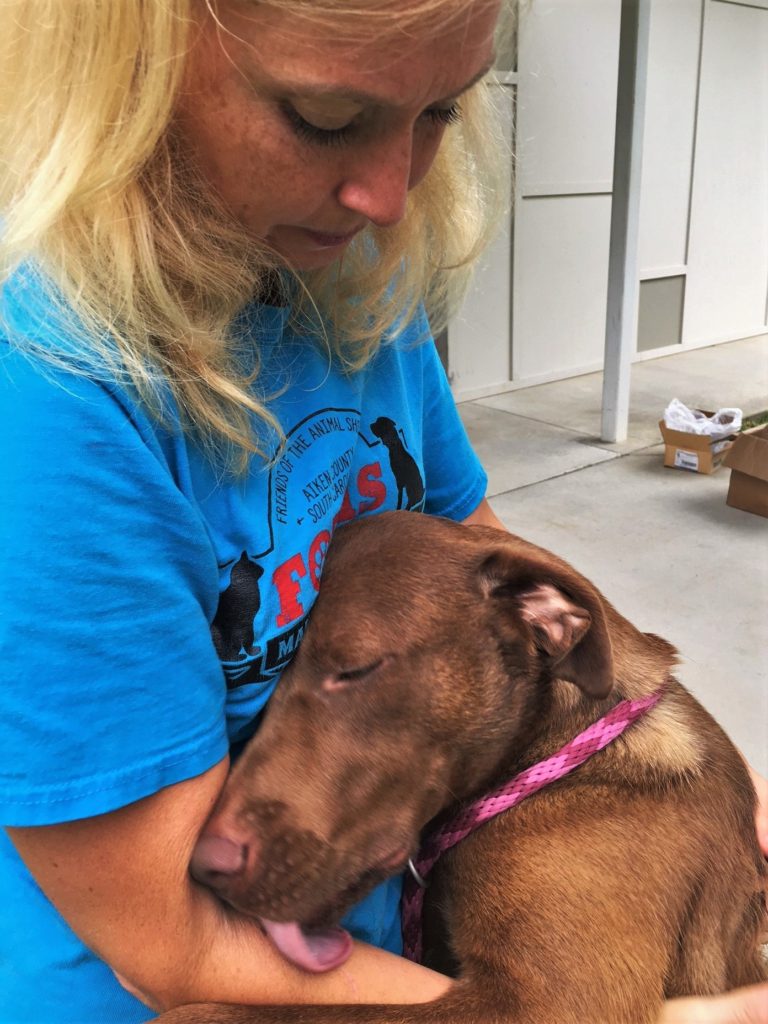
FOTAS Programs Coordinator Kathy Jacobs comforts Roger, a scared Retriever mix , at the Aiken County Animal Shelter.

Where your donations go
All FOTAS donations go directly to programs that help save the homeless pets at the ACAS.
Your donations pay for:
• Specialized surgery and physical rehab for adoptable dogs and cats who arrive abused, injured or sick

• Medical treatments such as those for heartworm positive dogs

• Medical equipment and facility improvements at the shelter

• Transports of shelter pets who are not locally adopted. to rescues in the northeast Without these transports, our shelter would be overcrowded and at risk of having to euthanize adoptable pets.

• Fenced-in play yards for incoming dogs

• Flea and tick treatment, leashes, toys collars, beds for the shelter animals

• Spay/neuter for community cats and pets whose owners need financial assistance

• Humane runners to get pet dogs of chains

• Food for community pets in need

• Adoption fees for active military and veterans


We are thankful to the Aiken community
The shelter took in more than 4,000 abandoned, neglected and abused animals last year and continues to receive high numbers of homeless pets in 2020.

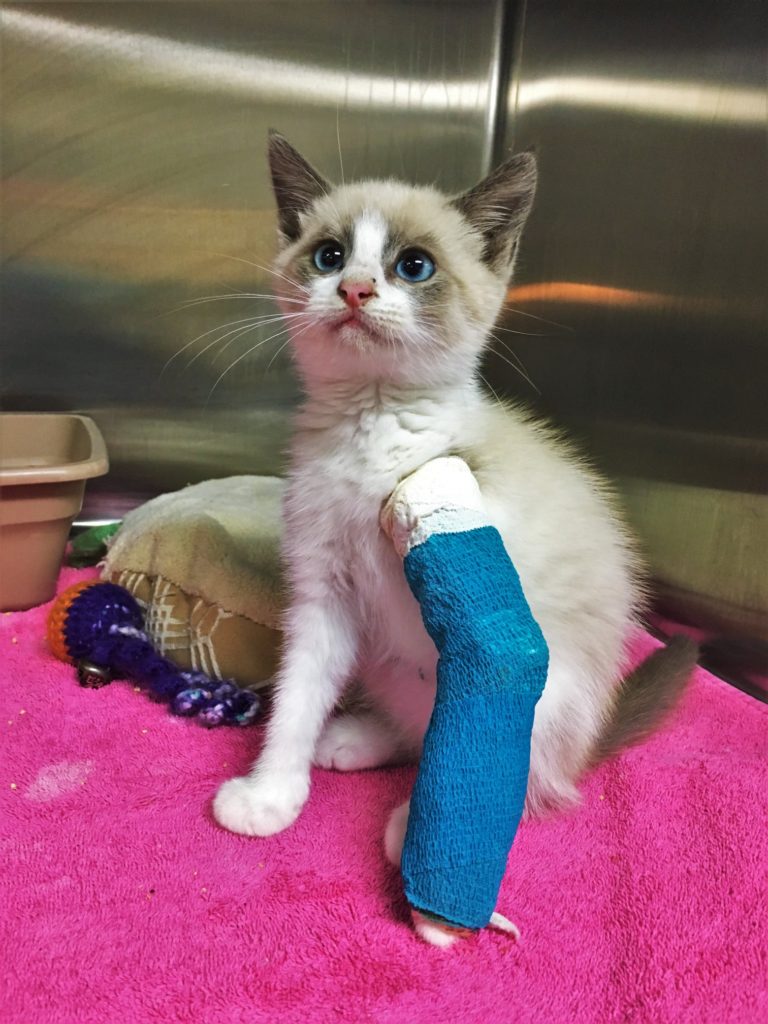
KAI, a Siamese kitten, gets used to his cast after an operation that saved his leg. He is now being fostered by a FOTAS volunteer.

But thanks to your donations, the euthanasia rate at the ACA has dropped from 71% in 2013 to less than 5% in 2019. To put it another way, the save rate at the shelter is 95%, a complete turnaround from where we were when we started out 10 years ago. In fact, every adoptable animal has been saved over the last three years.

How to donate to the homeless pets at the county shelter
To donate to FOTAS, please go to our website, FOTASAiken.org. We are a volunteer-based organization and a registered 501c3 public charity and all donations are tax deductible. FOTAS is a recipient of the Secretary of State of South Carolina Angel Award – one of ten, out of 14,000 organizations, recognized as representing the most efficient and effective charities in SC.

Thanksgiving is a time to reach out. We give thanks to our community – volunteers, donors, adopters, the county council, and county staff – as we head into GivingTuesday to continue our life-saving programs.

Their lives are in our hands.

— By Bob Gordon, FOTAS Communications Director

FOTAS Fido Fixers Program: Combatting Overpopulation of Unwanted Animals

FOTAS is all about improving the quality of life for the animals in the Aiken County Animal Shelter, increasing the adoptability of the shelter residents and of going the extra mile to find every adoptable animal a home—and it’s worked.

In only eleven short years, the FOTAS/County public/private partnership, coupled with the commitment of you, the Aiken community, has achieved our highest goal: for the past two years, every adoptable animal has been adopted into responsible, loving homes.

That’s right: every adoptable animal. Even during the Covid-19 pandemic. Thank you for helping us make that happen.

But we do more than work on the demand side of the equation—we also work on the supply side to reduce the overpopulation of unwanted pets (and thus the number of animals consigned to the shelter). FOTAS supplements the County’s spay/neuter voucher program, which provides vouchers for citizens who need financial assistance to fix their pets. That program has been so successful that spay/neuter surgeries are sometimes booked two months out, making it hard to get an appointment.

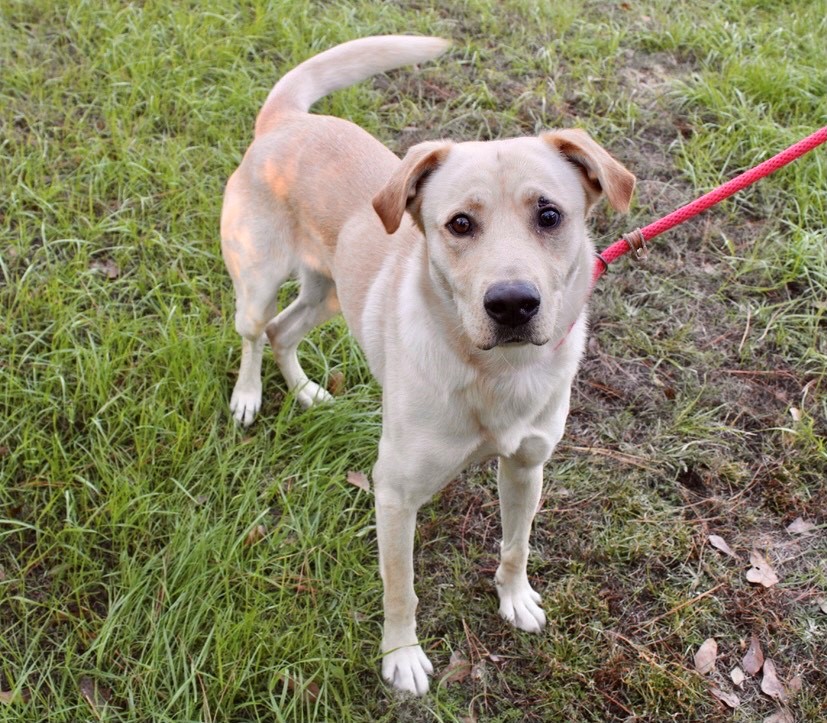
Chestnut, like all of the ACAS’s adoptable pets, is already fixed to reduce overpopulation of stray pets in Aiken County.

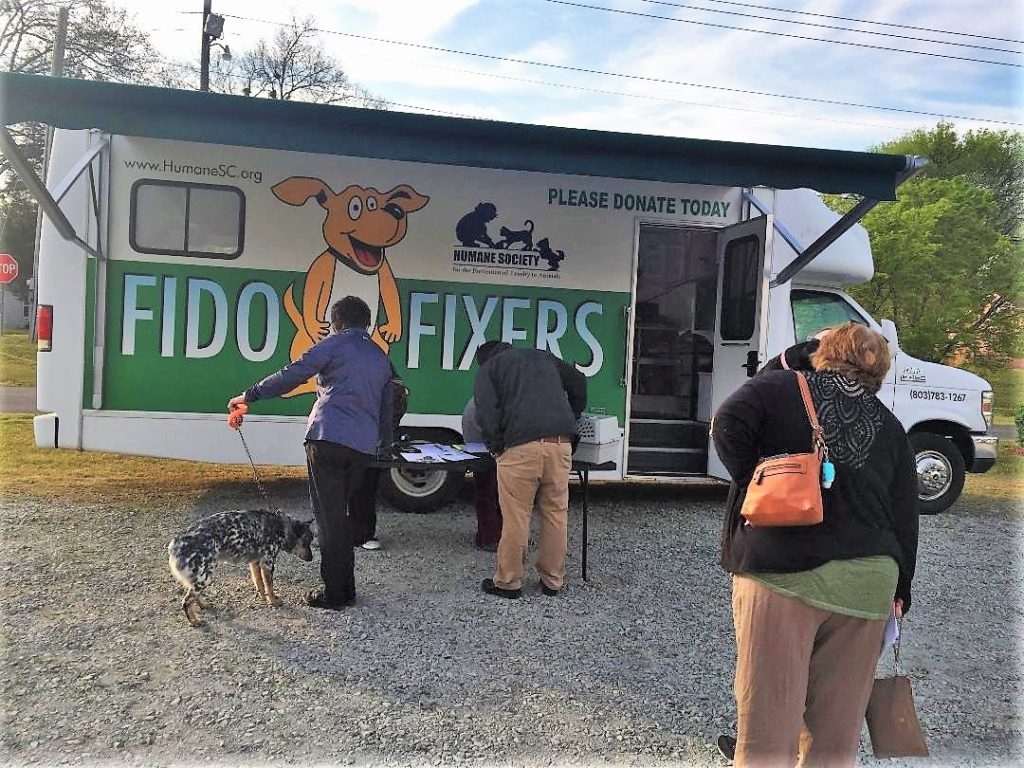
Now we’ve added another weapon in our arsenal to combat animal overpopulation. Last year, FOTAS teamed up with Fido Fixers, a group from the Columbia Humane Society that travels all over the state in a mobile clinic offering low-cost spay/neuter surgeries. Colleen Timmerman, one of our board members and long-term FOTAS volunteer, organizes and schedules Fido Fixer events to provide affordable and convenient spay/neuter service in the Graniteville, Langley, Bath, and Clearwater areas.

Generally, FOTAS schedules 20-25 surgeries per month; if someone calls and the schedule is full for that month, they get moved to the next month’s schedule. And here’s the best part: FOTAS pays the full cost for those surgeries.

Our success in reducing overpopulation has been slow but steady over the past decade. Prior to 2009, the old shelter took in over 6000 animals per year. Last year the number was slightly north of 4000/year, which is still way too many.

There is only way to reduce the number of homeless animals, and that is: every single pet owner must spay or neuter their pets. No exceptions. Why would anyone add more unwanted puppies to the thousands of unwanted, homeless, abused, and neglected animals in the county? When there are so many healthy, wonderful animals in the shelter system just waiting to be loved?

Fido Fixers helps folks who need financial and other assistance to spay/neuter their pets. FOTAS pays for all of the surgeries done for County citizens at these monthly events.

Beats me. It makes no sense, particularly when FOTAS and the County have ways to help folks with the spay/neuter voucher and the Fido Fixer program.

So, please, fix your pets! Urge your family, friends, and neighbors to fix their pets, too. Think of all the misery that can be prevented. Think of all the taxpayer dollars used to care for those homeless animals that can be used for other purposes, like, say, public parks, better roads, play yards for schools—you name it.

For more information about the County’s spay/neuter voucher program or Fido Fixer, please call the County Shelter at (803) 642-1537 or the FOTAS Hotline at (803) 514-4313. Alternatively, you can email us at info@fotasaiken.com.

Their lives are in our hands.

— By Joanna D. Samson, FOTAS Vice President

Fostering Can Make a Big Difference in a Shelter Dog’s Life

So, you are ready to foster a homeless pet but you’ve got some questions. No worries. Let me answer some of them for you. In my experience, the following are common questions new fosters have before diving into the experience of nurturing and socializing a pet and preparing him for adoption.

Foster a dog? Are you kidding? How do I then let the dog go? Just like sending a child off to the next step – you’ve kept that child safe, well fed, even a bit spoiled. Fostering dogs is the same. Off they go – and because you fostered, the dog is so much easier to adopt because it’s calmer, loved, and nurtured. Even a week makes a difference!

Betty Ryberg in the middle of foster playtime.

How does the process start? Kathy Jacobs from the Aiken County Animal Shelter gives support, instruction and helpful hints. Once you have decided to foster, your name is added to the list. When an email is sent and it’s a convenient time for you, she will describe and assign your foster friend. There is no pressure. If you are out of town or have a hectic schedule just wait for another time.

But I have a dog. How does that work out? After the initial sniffing and doggie introductions, they all seem to adjust. The foster cavorts around the yard picking up our dog’s scents. They start to frolic, chase, hide, play. Most importantly they wear each other out. I can happily enjoy early morning coffee or afternoon tea while they romp. A good night’s sound sleep always follows. Who doesn’t need a playmate?

Where can I keep the foster? Any space that is safe. A secure fenced yard is lovely. And when you walk your leashed dog you will be surprised how many neighbors you will meet. At night, an inside area of a garage, a porch, laundry or mud room is good. The shelter has crates, towels and toys if you have an area that you want to keep the dog cordoned off at night.

What if the dog cries at night? Just like the advice with a colicky new baby – turn on music, a fan, anything that cushions you. The dog is safe. That is of utmost importance. The next morning, the exuberant greeting wipes out any middle of the night nerves.

What if I get unexpectedly called away? There is a large support group at the shelter. The dog is quickly picked up. Life happens and this is meant to be comforting to you and the dog. The dog is placed in another foster home and you are free to attend to your needs.

Betty R. nurturing, socializing and loving a shelter dog at her home in Aiken.

How long do the fosters stay? An email is sent when there are dogs that can be fostered, and your dog can be picked up when it is convenient for you. We usually foster for 5-6 days. Often the noise of the shelter frightens a dog, so they immediately respond to a calmer home. We have often fostered two compatible dogs, finding they play and exercise in the daytime and comfort each other at night.

Again – how hard is the drop off? There is time for hugs and quick slobbery goodbyes. Just keep the words, “They’ll be fine and dandy” in your heart. You gave them a wonderful vacation and training ground for happy futures and forever families!

More than 4,000 animals are received annually at the Aiken County Animal Shelter. To save every adoptable animal, FOTAS diligently tries to comfort each animal so they are readily adoptable. I write a “profile” with specific information about the foster to ease the adoption process. The dog may be shy or playful, plays well with children and other animals, walks well on a leash – this gives the new families a glimpse of matching their hopes for a pet with the personalities and behavior of the adoptable dogs. I try to write about the dogs’ personalities so the match is immediate and a success.

We had a young dog who was extremely timid and easily frightened. He did not even know how to play. After three days, he picked up a chew toy and took it to his bed. On day four, he let us hold him. Overnight he became a tail wagging, spirited dog. He was ready for his forever family. We made a difference.

Their lives are in our hands.

— By Betty Ryberg, Cherished FOTAS Foster Mom

FOTAS Provides Complimentary Adoptions to Veterans Year-Round

This Wednesday, November 11th is Veterans Day. Held on the anniversary of the end of World War I, it is an important holiday that honors U.S. veterans and thanks them for serving our country.

FOTAS supports our armed forces and recognizes the benefits that veterans and active military personnel can experience from the company of a shelter cat or dog, So, we launched a veterans adoption program on Veterans Day, 2015. At first, we only offered discounts during November and then we offered half-price adoptions for veterans and active military throughout the year. But in 2018, FOTAS decided to make it possible for U.S veterans and active U.S. military personnel to adopt a dog or cat from the Aiken County Animal Shelter for no charge, year-round.

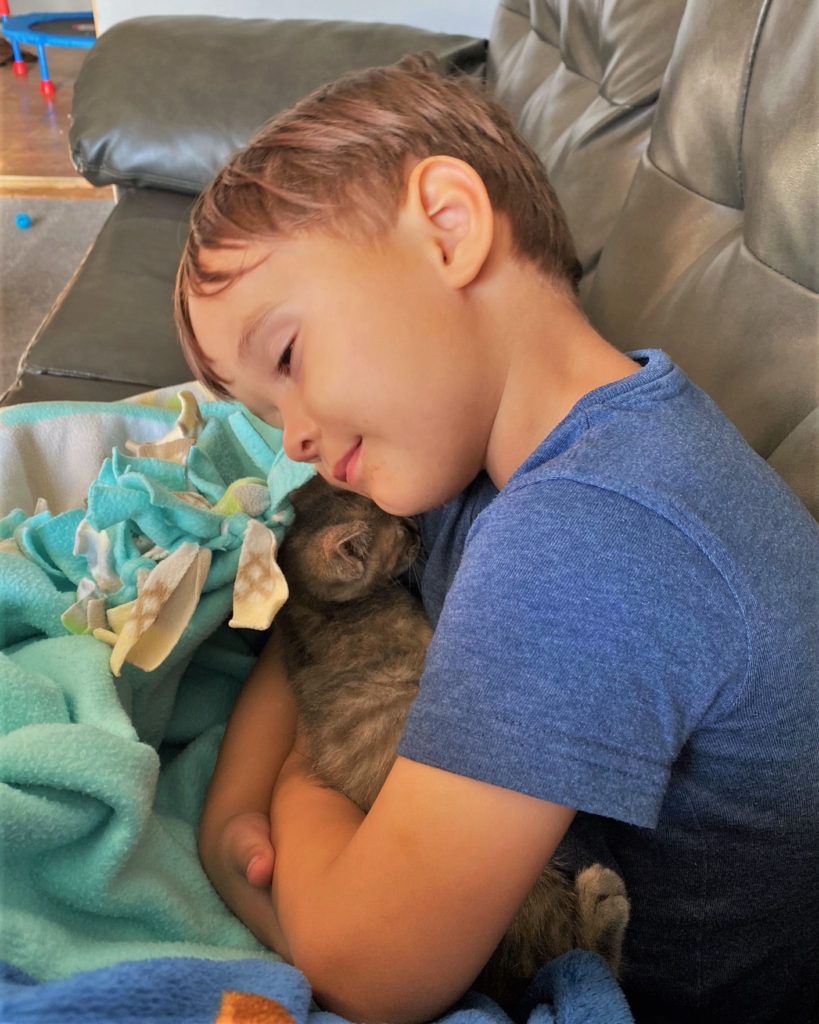
Mason Lamb cuddles with kitten Calli.

“Now, every day is Veterans Day at the County Animal Shelter,” said FOTAS President Jennifer Miller. “It is our small way to show gratitude to the men and women who serve our country and make sacrifices to protect and defend our freedoms.”

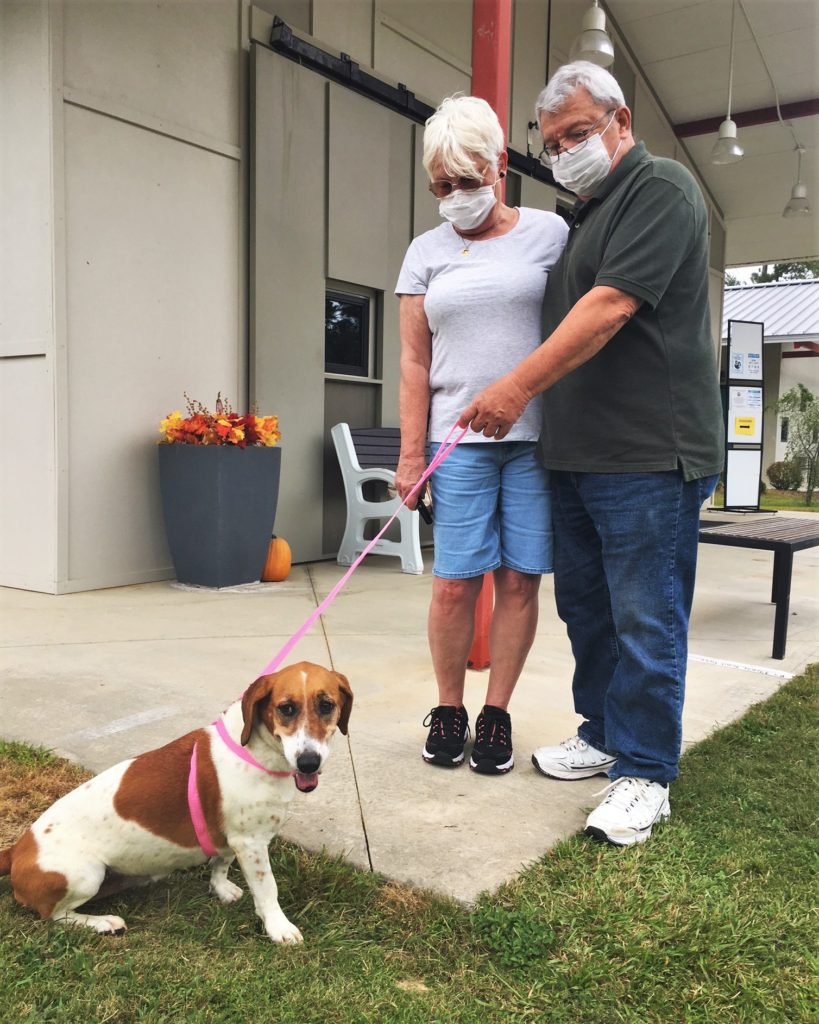
Veteran John Corda and his wife adopted Paislee, a senior Bassett Hound mix, last month and were surprised when they were told FOTAS was paying the adoption fee.

“It’s a great program that needs to be promoted more,” John said. “I told my friends about it and let them know the whole experience at the shelter was wonderful and how happy we are with our new pet.”

Larry and Esperanza Lamb just adopted a Calico kitten from the County Shelter and benefitted from the FOTAS veteran/military adoption program. Larry is in the reserves, so the family’s adoption of little Calli was paid for by FOTAS.

“Calli and my 3-year-old son are inseparable,” Esperanza said. “We knew about the veteran special when we went to look for a pet. I think it is a really good program. I know the animals need the homes and I think the veterans appreciate the generosity. It’s nice to be appreciated for what you do.”

The Cordas adopt senior Bassett Hound mix Paislee. FOTAS paid for the adoption to thank John Corda, a U.S. veteran, for his service.

It is always rewarding when pets in need bring joy to their adopters, and the veteran/military adoption program has resulted in many successful match-ups.

“Sable and Shadow are sleeping right under my feet as we speak,” said veteran Jerry Hufnagel, who adopted two senior Pomeranians, Sable and Shadow, from the ACAS in August. “They’ve been really good companions during this time I’ve had to stay in because of COVID-19. They are always nearby me, keeping me company.”

If you are currently active in the military or a veteran, please take advantage of your complimentary adoption. Make an appointment to visit one of our homeless pets by calling the ACAS at (803) 642-1537. The ACAS is nearly at full capacity and these pets are desperate to find loving homes soon.

Their lives are in our hands.

— By Bob Gordon, FOTAS Communications Director

What Are the Rewards of Volunteering at the ACAS? Happiness, Peace and Great Exercise

What makes Monday the best, most rewarding day of the week? It’s the day I volunteer at the Aiken County Animal Shelter!

People often ask: Isn’t it sad? Don’t you want to adopt every animal? Aren’t you concerned about bringing diseases home to your own pets? Can walking a dog or playing with a kitten really make a difference? The answers: No, No, No and YES!

Volunteer Jeri Wesner spends some quality time with sweet Hudson after a walk.

The most important thing to know is that the Aiken County Animal Shelter is a clean, bright and happy place. For some residents, it is the first time they have known consistent shelter and regular nutritious meals. Every animal has its own safe space, a comfortable bed, at least two toys and regular walks or playtimes. Dr. Lisa Levy, the Shelter veterinarian, makes sure every animal is vaccinated and healthy before being placed on the adoption floor where volunteers first encounter them.

It is an extraordinary experience to see a previously abused and frightened animal sitting on the lap of a volunteer, learning to walk on a leash, learning to play with people and other animals and then departing for a forever home. Without the socialization – and fun! – volunteers provide, it is unlikely some of these animals would ever be adopted.

Not all volunteers work directly with animals. Some staff the front desk, answering the phone and helping adoptive families find their perfect match. Some sew much-needed blankets at home or make toys or help with cheery landscaping. Others staff events or solicit items new pet owners may need. A wide variety of skills are needed. All are efficiently and effectively used. All are genuinely appreciated.

FOTAS Volunteer Peggy Glenn and Lab mix Zeus enjoy each other’s company at the shelter.

Almost 5,000 animals pass through the Shelter each year. For some, opportunities are limited. If an animal is afraid of men or children or members of a particular ethnic group, fewer homes can consider them. This is where volunteers come in. The Shelter is in need of all kinds of volunteers, especially men and minorities. Sometimes just a few walks or playtimes with a kind volunteer can make all the difference. If you can spare a few hours in the morning, afternoon or on weekends, won’t you consider volunteering?

The pandemic is making things worse for animals in our community. Some owners are sick or can no longer afford their pets. Some volunteers are quarantining. The Shelter is one of the safest places you can volunteer. Activities are outside. Social distancing is scrupulously observed. Hand sanitizer is always available. Masks are required if entering a building.

So, what do I get out of it? Joy. Happiness. Peace. Great exercise. Tips from professional trainers I use with my own pets. Wonderful friends I would not have known otherwise. And the satisfaction of knowing that together we saved many more animals than if we had tried to adopt them ourselves! Not once have I ever felt my time was wasted. How often can any of us say that?

Their lives are in our hands.

— By Peggy Glenn, FOTAS Volunteer

Good News for the County Shelter

The world out there is a crazy place right now—Covid-19, crazy politics, massive hurricanes on the Gulf coast, wildfires in the west—so I’m all about finding those good news stories to report, the ones that make me feel good, that affirm my faith in people, government, and humanity in general.

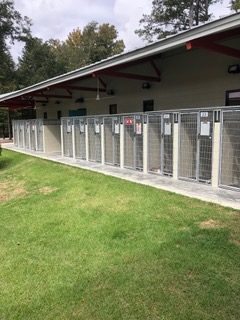
When Jennifer Miller, the president of FOTAS, told me that 30 open-air kennels in the intake wing at the Aiken County Animal Shelter have finally, after six years, been enclosed, I was excited. That was great news.

Hudson is a sweet and well-behaved mixed breed who is available for adoption at the ACAS.

A little history. The shelter was built in 2014 through a public/private partnership between the county and FOTAS. The physical shelter was funded by the county from monies from the Capital Project Sales Tax (CPST) III. FOTAS funded the architectural and shovel-ready plans, as well as much needed equipment, durable stainless-steel kennels, furnishings, and fencing once construction of the shelter was complete, through contributions from folks like you.

Unfortunately, there was not enough money at the time to enclose the last thirty kennels. Although the kennels were covered and heaters were installed for the winter and fans for the summer, as weather patterns became more erratic, the kennels were not able to protect the dogs from intense heat, torrential rains, and unusual cold spikes. The county understood the problem and responded, committing to fund the project with the next round of CPST IV monies. Construction began earlier this year and has just been completed.

Why is this such an important improvement to the shelter? Because it’s better for the dogs: enclosed kennels provide greater security and a more positive shelter experience. The shelter takes in about 4,000 abandoned, neglected, and abused animals every year. No matter how good the shelter is, or the shelter staff and volunteers are, it is a stressful experience for the dogs. It’s unfamiliar and it’s noisy, and if your kennel happens to be outside, the dog might be hot or cold or wet as well. The more stressed the dog, the more it could bark excessively or shut down.

The newly enclosed intake dog kennels.

An excessive barker or shut down dog is not an appealing prospect at first glance; it takes them longer to get adopted. Longer stays make for more anxiety for the animals and increased costs for the shelter. It’s a vicious cycle.

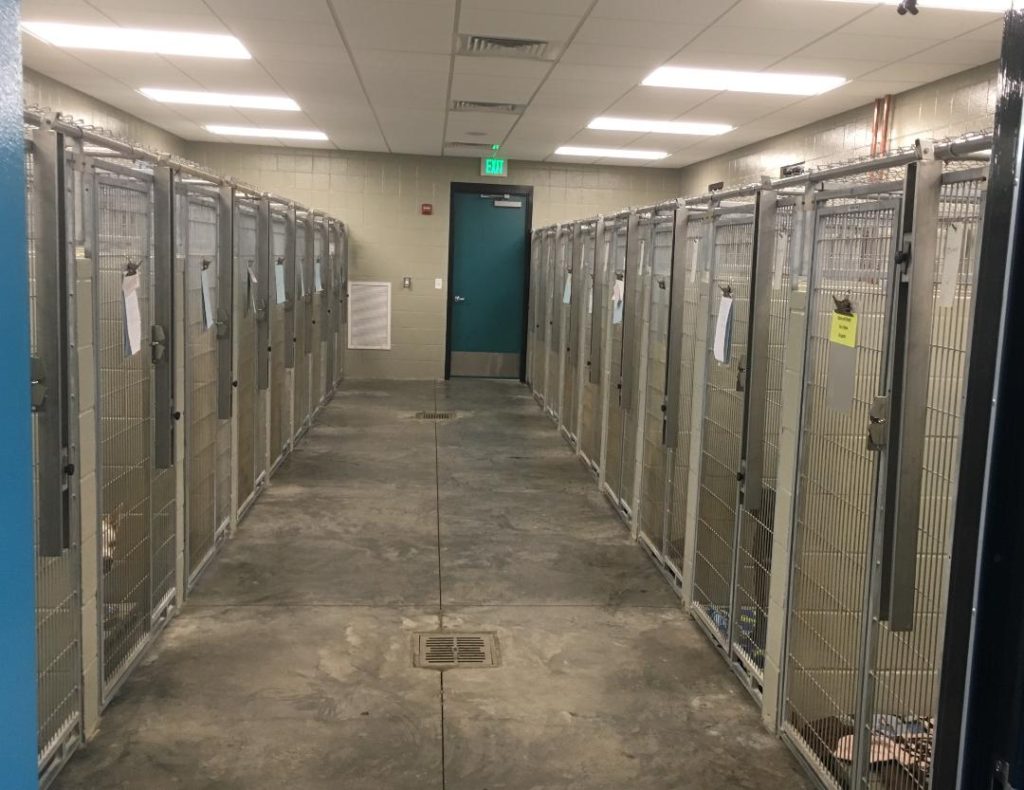
That is why the County and FOTAS work hard to make a dog’s kennel experience as positive as possible. So in addition to providing kennel beds and toys to curb anxiety, now the dogs in the back thirty kennels can be housed in proper indoor/outdoor kennels. In bad weather, they are protected from the elements; but in good weather they can go to the outside kennel for a little fresh air.

A relaxed dog is an appealing prospect at first glance. Appealing prospects get adopted more quickly—better for the dog and definitely better for the shelter’s budget.

None of this would have been possible without a committed County Council and an equally committed community. Thank you—you are our good news right now.

Their lives are in our hands.

— By Joanna D. Samson, Vice President, FOTAS

The enclosed kennels have air conditioning, heating and a speaker system for calming music.

‘Home to Home’ Proves to be a Successful Resource for Adopting Out Pets

We’re about a year and a half into the inception of our Home to Home program, which is free to use. Home to Home is a better way for rehoming your pet from one home to another. It frees up space in shelters for homeless animals and is much less stressful on the pets and owners. A pet is rehomed directly from one home to another, never going into a shelter.

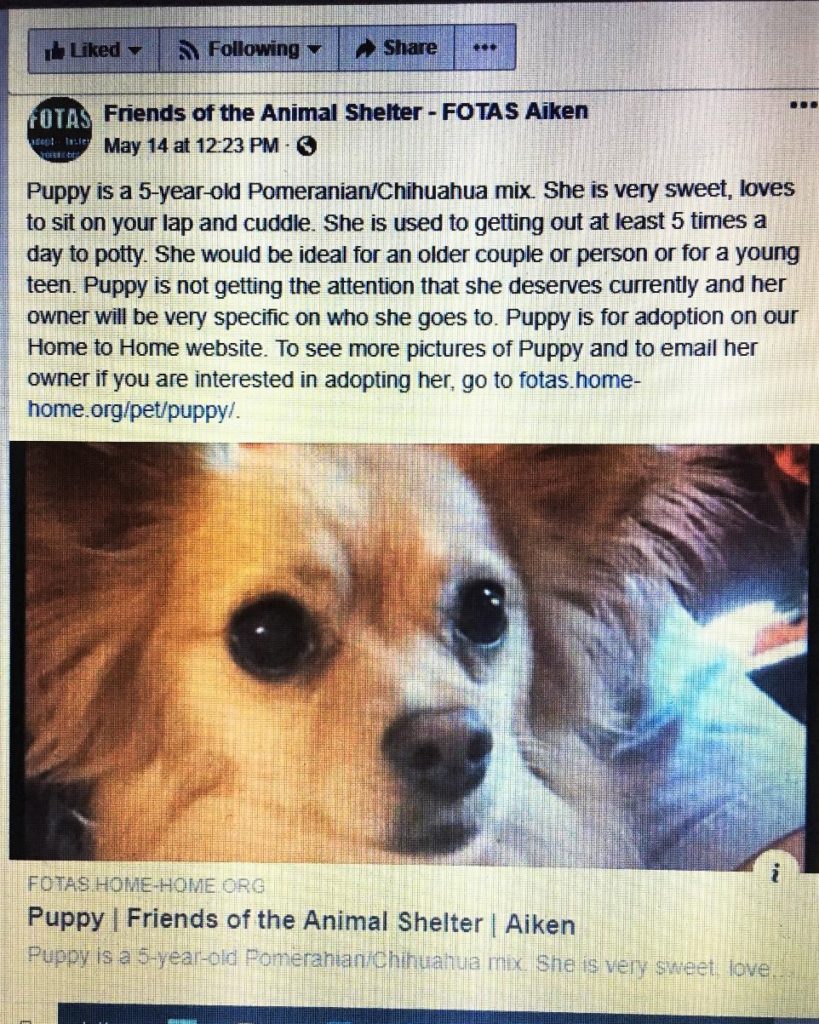
All of the pets posted on Home to Home are promoted on the FOTAS Facebook page.

We’ve had 525 listings (some with multiple animals in them) and 322 (61%) have found new homes using the website service. Another 70 animals have been surrendered and 98 owners failed to respond to follow up requests. We currently have 38 animals looking for homes. As with the shelter, if an animal is an inside animal who is housebroken, spayed or neutered, and has some training, the better the odds of adoption.

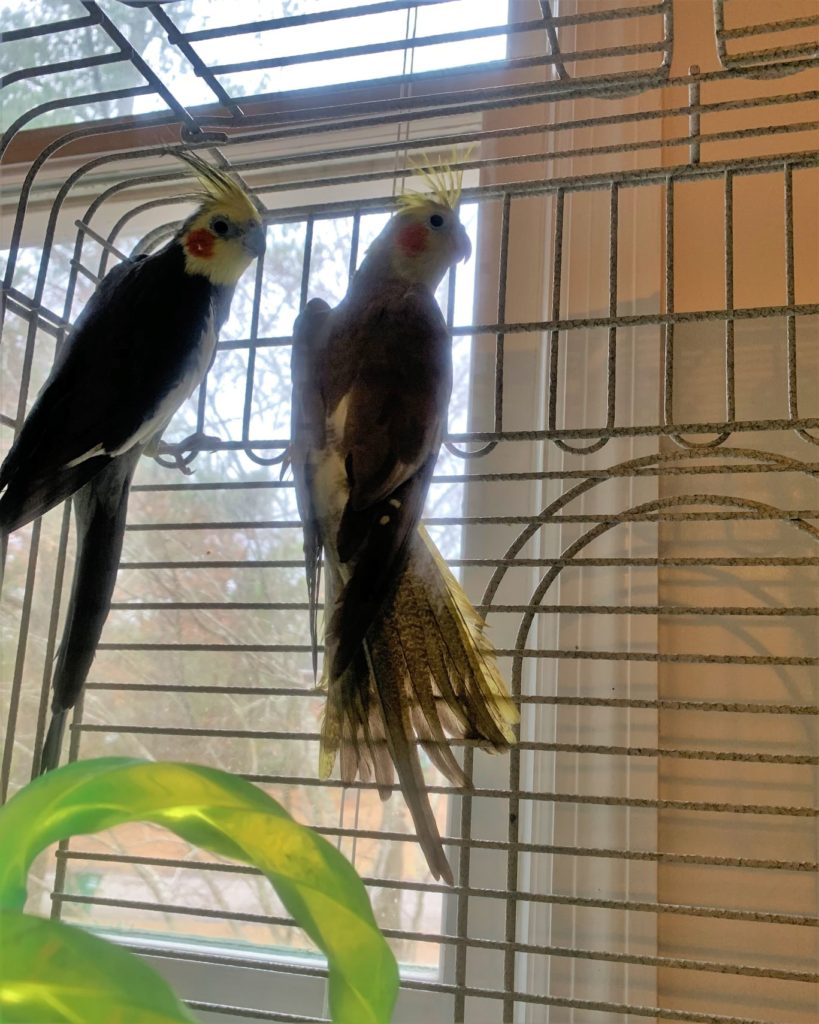
Barry and Bailey are Cockatiels rehomed through the FOTAS Home to Home website.

The vast majority of owners are either being forced to give up an animal due to their own illness, living circumstances that have changed, or they find their family can’t give them the time they need and deserve. All want the best for the animal and work hard to make sure the new home is a good fit before finalizing the rehoming. They ask questions of the adopters, and some even visit the new home to make sure they have a fenced yard or other needs the pet requires.

Grant and Heather Wiseman are amazing pet owners. They and their daughters have fostered too many litters of puppies to count, as well as adult dogs. Both Grant and Heather serve on the FOTAS board. When their daughters went to college, the Wisemans decided to rehome their cockatiels to a home with owners who had more time to spend with them. They went online, uploaded some information and a photo of Barry and Bailey and the next day the birds were in their new home where they are enjoying more attention. Heather said the process was incredibly easy and fast.

Diego relaxes in his forever home with the Wiseman family

When the Wisemans were looking for a new dog just in time for Grant’s birthday, they once again went to Home to Home. They found the perfect new pet in Diego. The owner came to their home with Diego to make sure they had a fenced-in yard and to make sure he got along with their other dogs. Heather said, “We loved the fact that he never had to go through the trauma of multiple kennels or homes before he was with us. Especially because he gets carsick!” Diego loves his new home and the Wisemans love him.

Recently our Home to Home program was nationally recognized as one of the best examples of a Shelter doing the Home to Home Program right. We’ve worked hard to make Home to Home one more resource to keep animals out of the Shelter and in loving homes. And isn’t that what we all want? You can find out more about Home to Home at fotas.home-home.org.

Their lives are in our hands.

– By Ellen Priest, FOTAS Board Member and Home-to-Home Coordinator

Why Are Black Dogs and Cats Often the Last to Be Adopted?

People discriminate against black dogs and cats. This isn’t an opinion. It is a statistical fact. Black dogs and cats wait four times longer to get adopted from shelters and rescues as their lighter coated and more colorful counterparts. This phenomenon even has a name: Black Dog and Cat Syndrome.

But what is causing this alarming trend?

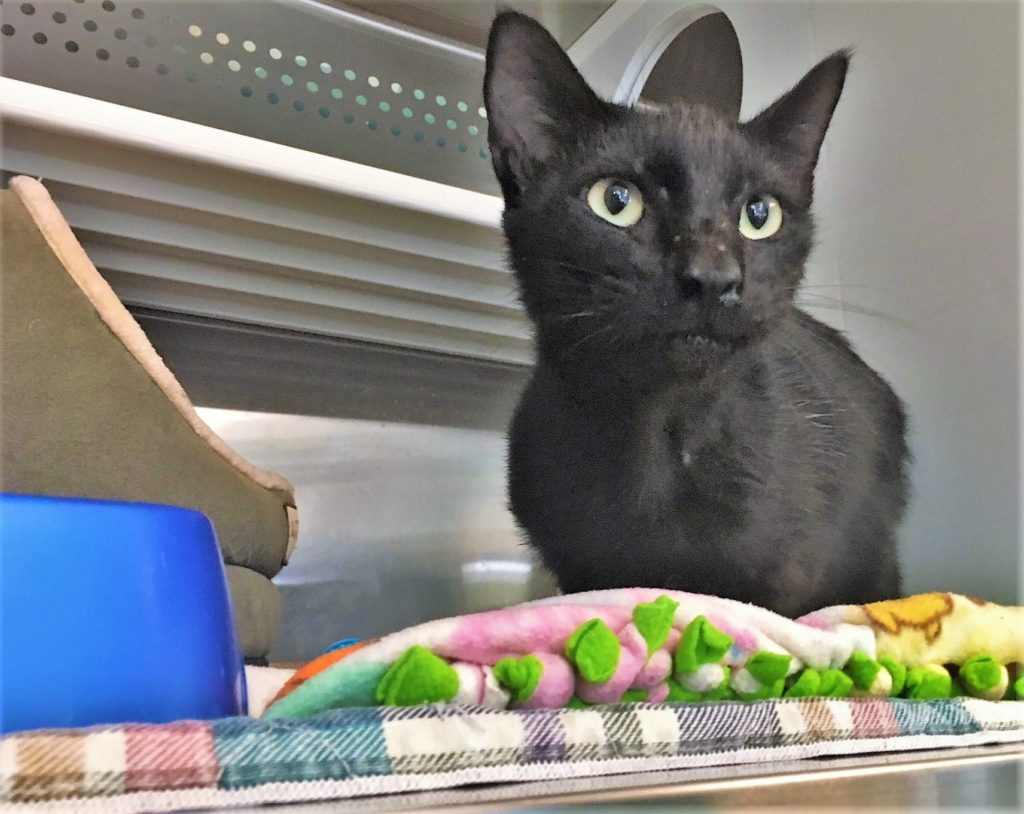
Black kitty Carter was adopted after being transported from the ACAS to the Aiken PetSmart.

Some say it is due to people’s superstitions such as the belief that black cats are bad luck or dark dogs are dangerous and evil. Others believe the way black pets are depicted in literature and movies are the reason people don’t choose them. Remember the Nazi dogs in the movie, “The Boys from Brazil” or the hell hounds in “The Omen”? These killer canines were pitch black. Like human villains in film often wear black and spout dark, dastardly facial hair, the “bad” dogs on the big screen are usually black.

It is absurd and disheartening that people really believe in such nonsense in the 21st century but we can’t ignore it – especially when the shelter is filling up and these dogs can’t find homes.

However, there is another theory for Black Dog and Cat Syndrome that actually makes sense. Black pets are more difficult to photograph. Their features don’t translate as well to film unless the lighting is excellent (not always an option) and eye-catching photos play a vital role in promoting shelter pets via social media.

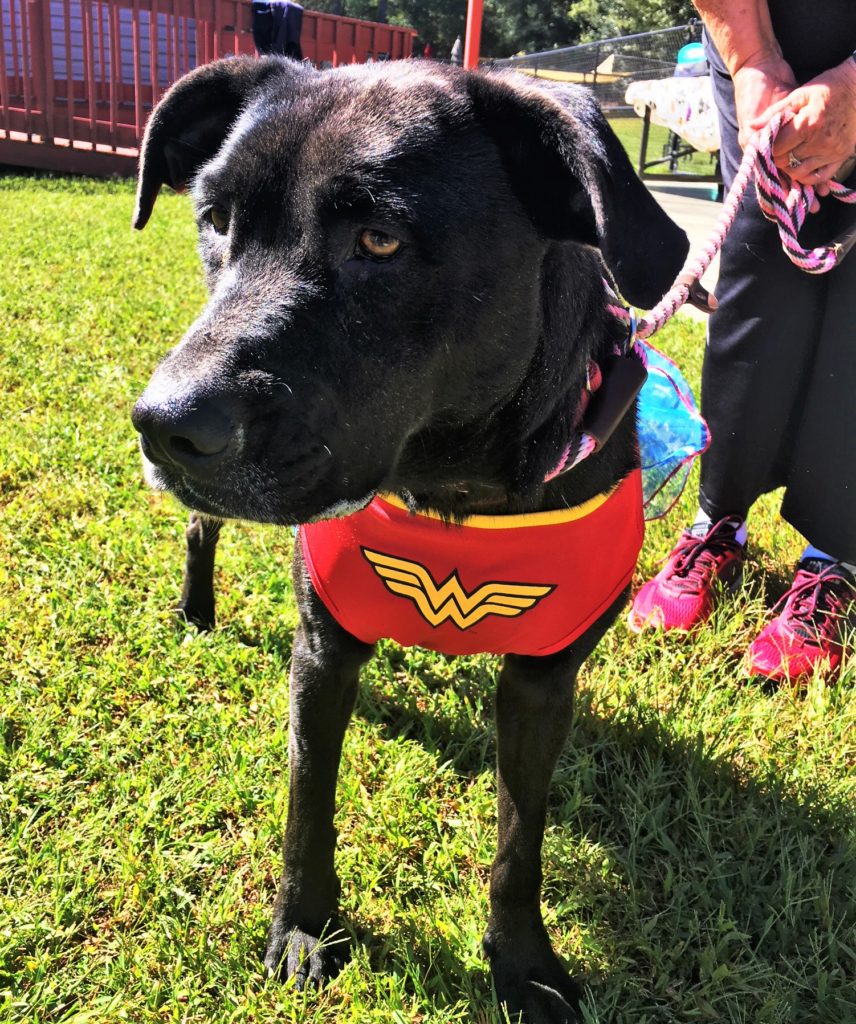
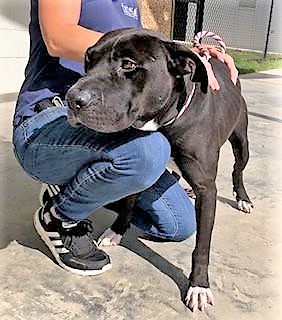
Hudson is a strong but gentle giant.

The dark-coated canines and black-furred felines we take care of and adopt out at the Aiken County Animal Shelter (ACAS) are typically every inch as wonderful as any brightly hued pet. In fact, the black dogs and cats currently available for adoption at the shelter include some of our best pets on the adoption floor.

Here is just a sampling of the awesome black dog and cats who need good homes:
• Mini black Lab mix Einstein is a one-year-old, playful dog who is just about the perfect family pet.
Carter, a young cat who sleeps under a blanket and can’t get enough human attention.
Hudson, a muscular mixed breed who loves to give visitors doggy kisses.
Luna, another black Lab mix, who is four years old, medium-sized and super friendly.
AJ, a shy and impressive Rottweiler mix who was abused in his past. However, he is learning to trust people again and starting to bond with staff and volunteers.
Violet, an adorable senior Retriever mix, who might be the friendliest and sweetest dog on the adoption floor.

Please make an appointment to visit some of these amazing animals by calling the ACAS at (803) 642-1537. Meet them and judge them by their personalities, character and behavior. The ACAS is nearly at full capacity and these pets must find loving homes soon.

Their lives are in our hands.

Violet is an adorable Lab mix who is as sweet as they come.


–By Bob Gordon, FOTAS Communications Director

Avoid Heartbreak by Microchipping Your Pets

A microchip the size of a grain of rice has the power to save your pet’s life. This radio frequency identification device (RFID) can mean the difference between losing your pet forever or quickly becoming reunited with your furry best friend.

Unlike a collar, which can break, fall off or be removed, a microchip is a reliable way to make your contact information accessible to rescues, veterinarians, animal control officers and shelters. Think of the microchip as your pet’s way of carrying his personal ID card despite having no pockets.

All pets on the ACAS adoption floor, like Bridget here, are microchipped and fixed.

Microchipping your pet is low-cost, quick and easy
The tiny, silicone microchip goes beneath your pet’s skin, between his shoulder blades. The pet feels little to no pain during its insertion and the procedure takes less than a minute. The microchip typically costs less than $50, and you can have it done at the Aiken County Animal Shelter (ACAS) for just $25. Along with the microchip, a tag is provided for your pet’s collar that features the microchip’s number.

Scenarios prove the value of microchipping pets
At the ACAS, every animal available for adoption is fixed, vaccinated and microchipped. When you adopt a pet, we ensure your most up-to-date contact information is registered with the microchip company.
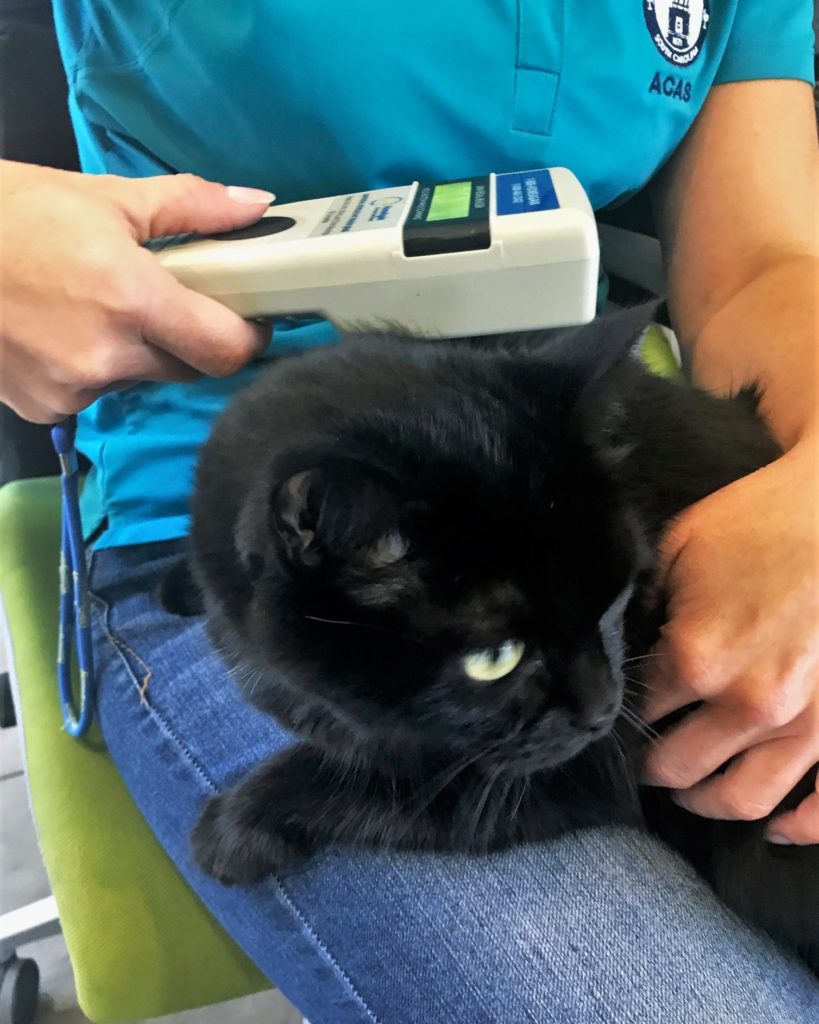
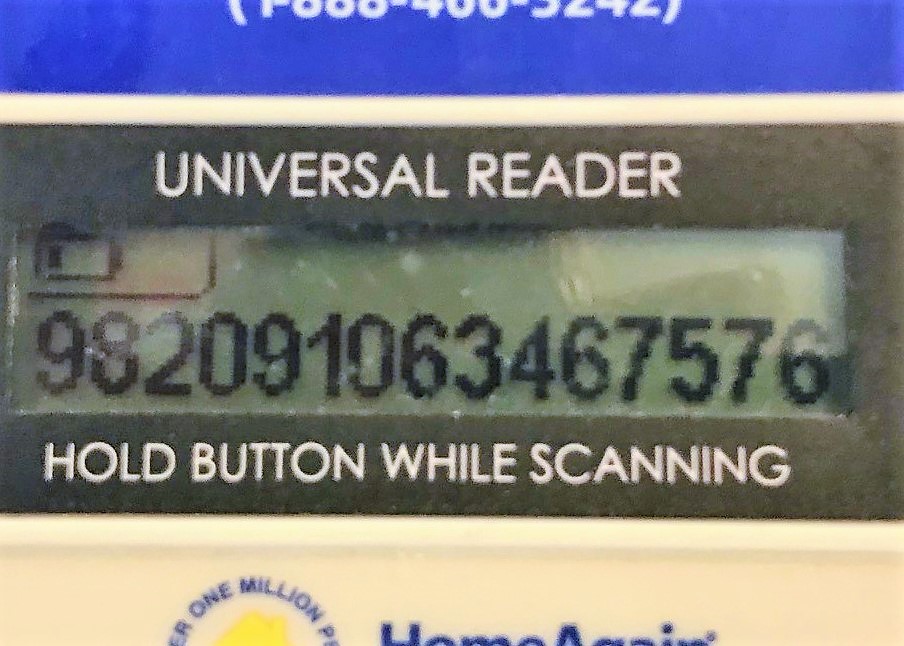
Now, the microchip is not a tracking device. It isn’t a GPS that tells you where your pet is located. But it does allow us to track you down if your pet comes to the shelter or another rescue facility. A multi-digit number is assigned to your pet, and when we scan him, that number pops up on the scanner. Then we look up that number in an electronic registry, where your contact information can be accessed. Rather than putting your pet through the stressful experience of staying at the shelter, we can just call you to pick up your lost pet.

Macie, a Persian mix cat, is scanned to confirm her microchip number before being added to the ACAS adoption floor.

Recently, two young women rescued a small, tri-colored hound that was dodging traffic on a busy road in Aiken County. They brought the dog to the shelter to be scanned. We looked up the chip number and discovered it was a dog named Autumn that we had adopted out in 2019. Her owners were thrilled to get their pet home safe and sound.

It happens all the time. A lost dog or cat is found by a Good Samaritan and brought to the shelter or an animal control officer picks up a stray with no tags or other forms of ID. But one quick scan of the pet shows it be chipped when a beep is heard, and a number pops up on the scanner’s screen.

Make sure chip info is up to date
Once your pet is chipped, it is vital to update your contact information with the microchip company if you move or change your phone number. Too often the shelter receives pets who have been chipped but the information is old, so their owner cannot be found. If this happens, pets have to be held for 14 days before they can be rehomed.

Microchipping a pet assigns them a number used to identify and contact their owner.

One in three pets will become lost at some point during their life. Protect your pet by getting it chipped. Please call the ACAS at (803) 642-1537, option 7, to make an appointment to have it done for just $25 or contact your veterinarian.

Their lives are in our hands.

— By Bob Gordon, FOTAS Communications Director