





Category Archives: kitten season

For the love of dogs, please foster

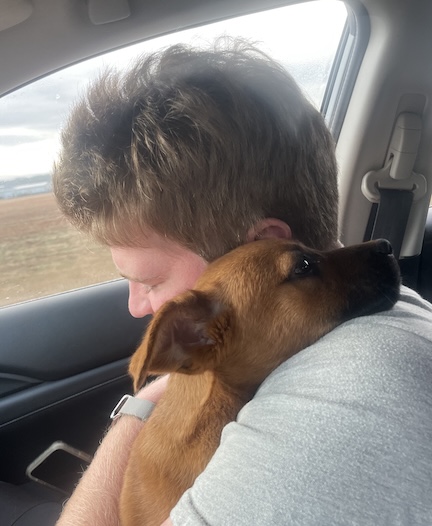
Josh Daniels on the ride home with a foster puppy
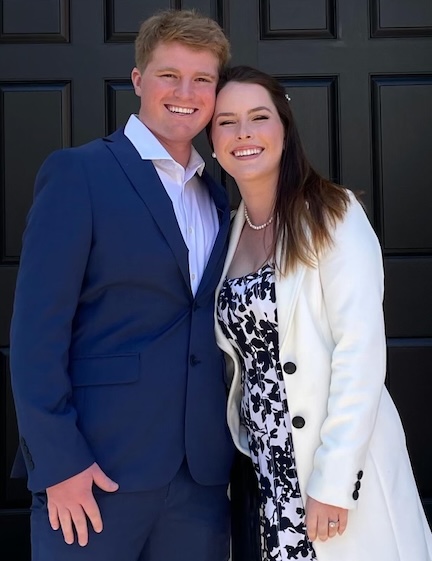
Josh and Alicia, Foster Stars


We have many special foster families but this week we want to celebrate Alicia Brigode and Josh Daniels. This young couple has been fostering now for years, and they always say yes! We ask them to take a dog, a puppy or kittens and they always show up with huge smiles and they never, ever complain. They are warm, kind and incredible human beings.

They began fostering dogs for us, they have amazing and social pets at home that get along great with other pets. Then we threw in puppies. Now they help with a lot of medical cases. Recently they cared for a male pup with a broken leg that needed a place to heal, then they took on a puppy that needed long term care for skin issues. The typical answers I get when I ask Alicia to foster are, “We can! When do you want us to pick him up?” or “Absolutely!” or my favorite, “Ummmm…YES!!!”

We asked Alicia to write about what fostering means to them:

“When we tell people that we foster, typically the first question is “how….” When we were asked to write something about fostering, it was overwhelming. But we’re here to answer the “how” question. The love of giving an animal a better chance at life is something that Josh and I have had in common since we met. I can’t tell you how many times we’ve jumped out of our car trying to save turtles, snakes, loose dogs, horses, and birds. If you can relate, keep reading! The feeling you get from potentially saving an animal’s life is comparable to winning an award. Once you get back in your car from doing your “good deed” you feel amazing, and the animal goes back to where it belongs.
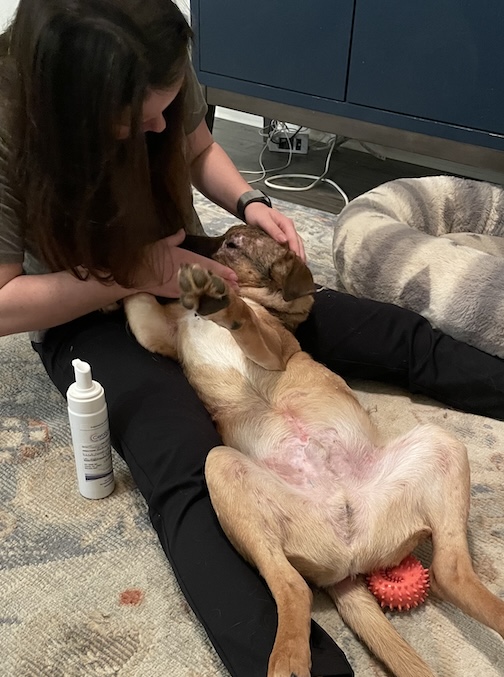
Alicia Brigode applies meds to foster puppy Hank

“Fostering gives us that feeling. We love and care for every animal like our own. When it’s time to give them back, it is a bittersweet goodbye (and a total tearjerker sometimes). We’ve had dogs that we wish we’d kept, but a lot of times we reach out to our community and try to find them the perfect home. Mostly, because we want to visit them in the future! I could go on and on. If you have a gift of loving and letting go, foster. If you have the time and resources, foster. If you have a knack for training dogs, foster. For the love of dogs, foster. If you ask us “how,” the feeling we get from being the bridge between a shelter and forever home is a bittersweet blessing.”

We would love to clone Alicia and Josh but instead we are hoping that their words inspire others to help. That their experiences convince citizens to say, “Yes” to helping a homeless animal find a happy resting spot on their way to their forever home.

FOTAS provides anything you need when you foster. The pets just need a safe place to receive love and care for a short time and even long-term medical needs.

Their lives are in our hands.
By Kathy Cagle, FOTAS Programs Coordinator
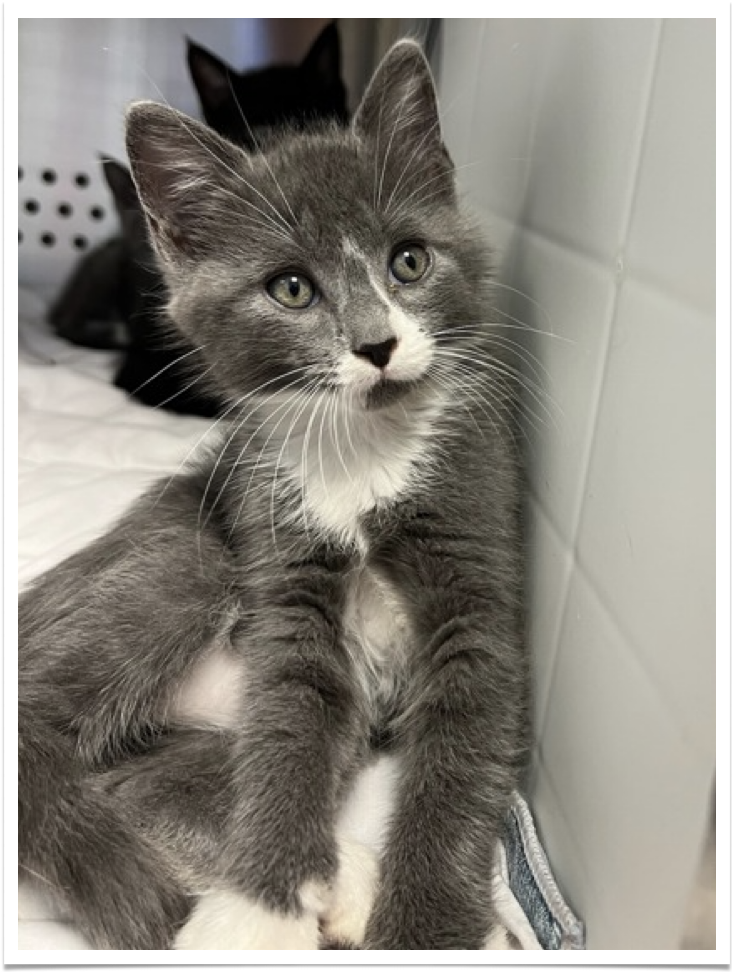
Finder fosters rescue and save hundreds of kittens

Jack is one of seven kittens fostered by the citizen who found them. They were all adopted from the County Shelter in just two days.

This year, the Aiken County Animal Shelter (ACAS) has navigated the most challenging kitten season in years. Kitten season is an annual occurrence when felines are reproducing at a high rate, resulting in many orphaned kittens who need nurturing and care in order to survive and thrive.

Four-month-old Baby was fostered by her finder and is now available for adoption at the ACAS.
Four-month-old Baby was fostered by her finder and is now available for adoption at the ACAS


From late April to the end of August, hundreds of orphaned kittens were found by citizens and brought to the shelter. So many, in fact, that there is no way we could have saved and rehomed them all on our own.

Thankfully, we received a great deal of help.

Most of the citizens who found lost and orphaned kittens in 2024, were able to foster and save them with the support of ACAS resources and the guidance of shelter staff. So far this year, 60 citizens have volunteered their time to foster the kittens they found – and in many cases even placed them in loving homes!

“There’s a good chance that if these folks had not fostered these kittens, they wouldn’t have survived,” said Hillary Clark-Kulis, who manages the ACAS kitten foster program. She said about 75 percent of the more than 200 kittens found during the peak of kitten season were adopted directly from the homes of finder fosters. The remaining 25 percent were returned to the shelter once they were healthy and old enough, then adopted from 333 Wire Road.

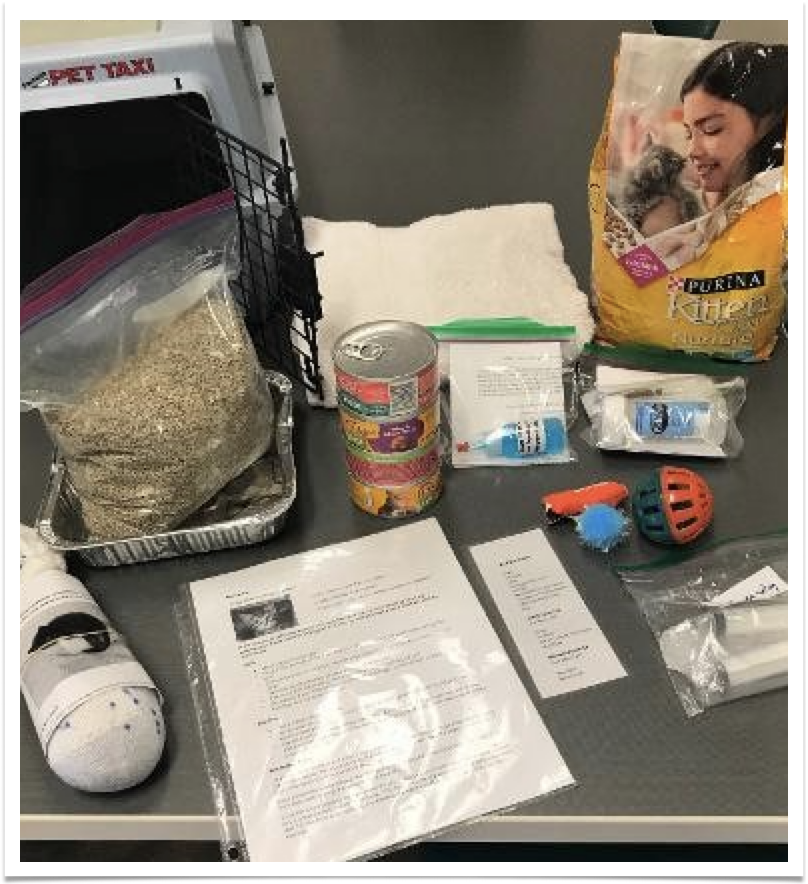
While the shelter has provided kitten kits to foster finders since 2019, this year the program had to be dramatically expanded to manage the volume of kittens being found. Thanks to FOTAS donors, the shelter was able to provide all needed supplies, food and veterinary care to fosters. In turn, the fosters nurtured and helped socialize the kittens until they were old enough for adoption.

Kitten kits are provided to citizens who can foster the homeless felines they find.

Clark-Kulis works closely with fosters, providing instructions, support and answering questions as they arise.

“We’ve been so lucky to have these wonderful people step up and foster these homeless kittens,” Clark-Kulis said. “Even taking in one litter or part of a litter makes a huge difference, especially when so many babies are being found during the peak of kitten season.”

Sometimes the kittens found are malnourished or have upper respiratory infections that threaten their eyesight. In such cases, the shelter vet provides fosters with medication. The kittens recover more quickly in a quiet, cozy home than they do in a packed, loud shelter where we can only provide limited attention to individual animals.

Unless more cats are spayed/neutered, we will continue to need this kind of foster help from the community. The TNR (Trap, Neuter & Return) program is making a significant positive impact. So is the County spay/neuter voucher program. But there are still too many pet owners who are not fixing their animals.

Although this year’s kitten season is finally slowing down, we expect to see more baby felines pop up around the county until mid-October. If you find kittens, don’t take them in until you’re sure their mother is not returning to care for them. Then, call the County Shelter for kitten kits and any support you need, (803) 642-1537, or email info@fotasaiken.org.

Their lives are in our hands.
By Bob Gordon, FOTAS Communications Director

We all need to do our part to control the cat population

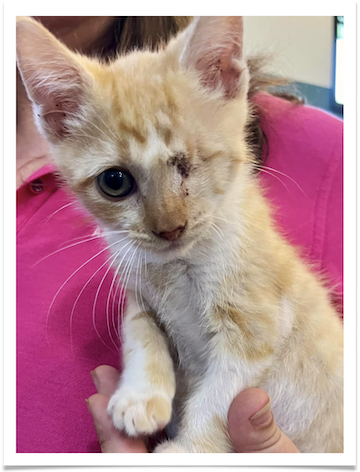
Orphaned stray kittens, like Tang, are vulnerable to upper respiratory infections, which can do irreparable damage to their eyes. Treated when he arrived at the shelter, the vet staff saved one of Tang’s eyes and he was adopted to a loving home.

We are in the middle of our most challenging kitten season since the Covid pandemic hit in 2020. This year’s stream of stray kittens into the Aiken County Animal Shelter began in May and turned into a flood of baby felines that shows no signs of subsiding.

Kitten season is an annual occurrence, starting in May, peaking in July and August, and usually ending by autumn. Cats mate at a high rate during the warmer months, resulting in the greater influx of kittens.

During this time, it takes teamwork and dedication to save and rehome as many kittens as possible. Of course, the best way to avoid this surge of kittens is to spay/neuter cats before they can reproduce.

This year, the surge of kittens (and mama cats) has been more relentless than usual.

Pet owners need to spay/neuter their cats or we will never solve the overpopulation problem. Female kittens are old enough to have their own kittens at four months old, so it’s important to get them fixed as soon as possible. The County has a voucher program for citizens in financial need that greatly reduces the cost of getting your feline fixed at participating veterinarian offices and hospitals. If you live in Aiken County, vouchers are distributed to qualified citizens at the Aiken County Government Building.

For County citizens who have feral cats on or around their property, the Aiken County/FOTAS TNR program (Trap/Neuter/Return) is available free of charge. This is a humane population management plan where outdoor cats are trapped, checked by a veterinarian, spayed or neutered, vaccinated, ear-tipped to identify them as sterilized and returned to their territory, where they continue to thrive on their own. In 2023, more than 1,300 community cats were fixed through this TNR program. Please contact the shelter or email info@fotasaiken.org for more information.

Other ways to help:
– Adopt from the shelter
: All of the County Animal Shelter’s cats/kittens for adoption are spayed/neutered, vaccinated, microchipped – and there is just a $10.00 fee to adopt them.

– Sign up to foster kittens. It’s fun and saves lives. Not all kittens in need are bottle babies – some just need care and socialization until they are old enough to be spayed or neutered, vaccinated and placed for adoption. Our staff will provide direction, support and tools (such as kitten kits) to help you.

– Donate kitten care supplies to FOTAS. The County Shelter needs kitten formula, warmers, feeding bottles, litter, wet kitten food and other items for our kitten kits.

Don’t pick up stray kittens unless they are sick, injured or their mother is no longer around to care for them. Their best chance for survival is with their mother and her nutrient-filled milk.

Kitten season is always challenging. But if we work together, we can save many more lives, reduce suffering and stop the flood of felines.

Their lives are in our hands.

By Bob Gordon, FOTAS Communications Director

The Joy of Fostering Kittens and Cats

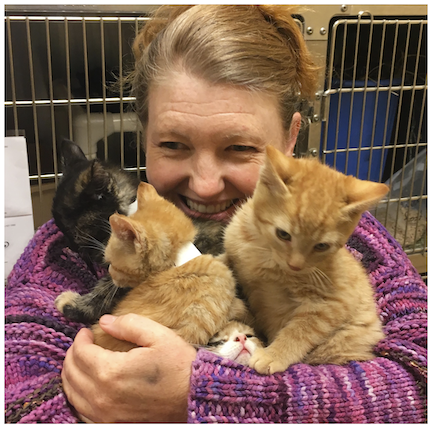
FOTAS volunteer Miranda Paton holds a “bouquet” of foster kittens.

If you love animals and want a joyful way to do some good, the FOTAS Foster Program at the Aiken County Animal Shelter is tailor-made for you. With the 2024 Kitten and Puppy Season in full swing, let’s take a deep dive into the foster experience.

It’s saying hello, not goodbye
I have been fostering shelter cats for 10 years; some 120 kittens and cats have come through my home on their way to their permanent families. When I tell people that I foster kittens, I see their eyes light up at the prospect of having a bounding litter of kittens in their home to love. But they say “Oh, I couldn’t foster because I couldn’t give them up at the end.”

I see fostering from another angle — I am showing these babies that they can find love and trust in being a pet. One untamed kitten or scared cat at a time, I make a good little “kitty-zen” who will charm their way into a wonderful, lifetime home. By raising up nice babies and allowing them to go on to their forever homes, I can multiply the difference I make for cats. There’s nothing else like it!

What is involved in fostering?
Fostering kittens and cats means keeping them in a home environment while they grow up or recover from an injury and can return to the shelter for adoption. What cats and kittens need differs a bit. Kittens arrive at the shelter with various levels of need and maturity. The easiest foster case is actually a full “cat family” — an attentive mother cat and her newborn kittens. Just feed her, give her a safe, quiet place to raise her babies, and momma cat will do the rest. Other foster families take in litters that have been found outside alone, but are old enough to eat and use the litter box on their own. Those fosters who can do the intensive neonatal care for unweaned kittens, the so-called “bottle babies,” are worth their weight in gold. These dedicated cat carers nurse these neediest, nugget-sized kitties along, providing intensive care for them. My personal favorites are the scared adult cats who find their way to the shelter. I give them some good, old-fashioned R and R — a little respite from the busy shelter environment– with the hopes that they can regain their faith in people and find their next special person.

Foster Support
The shelter provides all needed supplies, food and veterinary care for fosters during business hours. Feline foster coordinator Hillary Clark-Kulis does a superb job of supporting fosters with troubleshooting; educating them about how to keep a kitten healthy; and helping them identifying and treating any potential medical issues. I have learned so much in the FOTAS Foster Program, and I have been able to do a better job evaluating the health of kittens as well as my own adult cats.

Cats are rewarding, easy-keeping pets and there is a style of fostering for everyone who wants to experience the joy of putting a kitten or cat on the road to a loving, permanent home. I invite anyone who is at all interested to give fostering a try this summer. The shelter has so many kittens in need.

Their lives are in our hands.

by Miranda Paton, FOTAS Volunteer

What to do if you find a kitten in Aiken County

What do you do if you are walking outside and see a mewing kitten or an entire litter of adorable, newborn baby felines?

First, determine if their mother is around. Kittens do best when they are with their mother, who instinctively knows how to nurture and protect her young. The mother’s milk provides the kittens with vital nutrients for their immune systems. If the kittens are underage (less than 2 pounds or younger than eight weeks old) and mom is still around and taking care of them, leave the kittens where they are until they are weaned. To help the mama cat, you can provide shelter and put out food nearby.

If the kittens’ mom is not around, wait at least two hours to see if she comes back. If she doesn’t return, please consider fostering the kittens until they are at least two pounds.

Kittens have the best chance of survival with their mother. However, if she is out of the picture, orphaned kittens need fostering until they are at least two months old.

Kitten season phenomenon
Kitten season is coming. Newborn and toddler felines are going to be popping up all around the County. It is an annual occurrence, starting in April, peaking in July and August, and usually ending by autumn.

Since the shelter doesn’t have the capacity to properly nurture and socialize underage kittens, we need community members who find infant felines to step up and foster them. Once they are old enough to be spayed/neutered (three months old), the shelter staff will ensure they are adopted to good homes.

FOTAS provides “kitten kits” containing instructions and the supplies you need to take care of found kittens until they are old enough to come to the Aiken County Animal Shelter. These kits are customized for infant kittens as well as older kittens.

While kittens under four weeks old must be bottle fed, older kittens just need a little of your time to nurture and socialize them. If you are unsure of their age or care needs, you can bring kittens to the shelter for assessment. We can help you decide on a plan for adoption or direct you to other options, including our TNR (Trap, Neuter, Return) program, which is free to Aiken County residents, or the spay/neuter voucher program.

Foster volunteers needed
Because citizens are sometimes unable to bottle feed and socialize the kittens they find, we have a small team of FOTAS fosters who take in babies and give them the care they require. These dedicated volunteers save many felines every year. To join this special team, please send an email to info@fotasaiken.org or call the shelter at (803) 642-1537, option 3.

Their lives are in our hands.

By Bob Gordon, FOTAS Communications Director

Kitten season is coming! Here’s what you need to know

Kitten season is just around the corner. In fact, baby felines are already starting to trickle in. Last Friday, the Aiken County Animal Shelter received a litter of two-week-old kittens after a car hit and killed their mama. Soon, Good Samaritans will be discovering newborn and toddler felines all around the County.

Kitten season is an annual phenomenon, starting in April, peaking in July and August, and usually concluding by late October. The most important fact to remember about the season is that a kitten’s best chance for a long and healthy life is with their mother. If you are walking outside and stumble upon a lone kitten or an entire litter, look for any sign of their mother. Before you pick up any kittens, determine if she is around. The mama cat instinctively knows how to nurture and protect her young, and her milk provides the kittens with powerful nutrients vital to their immune systems.

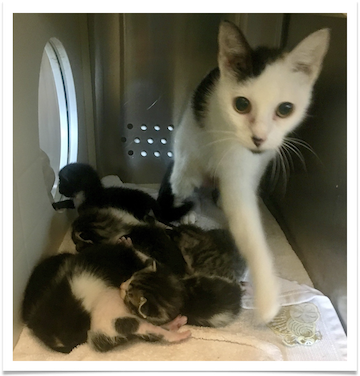
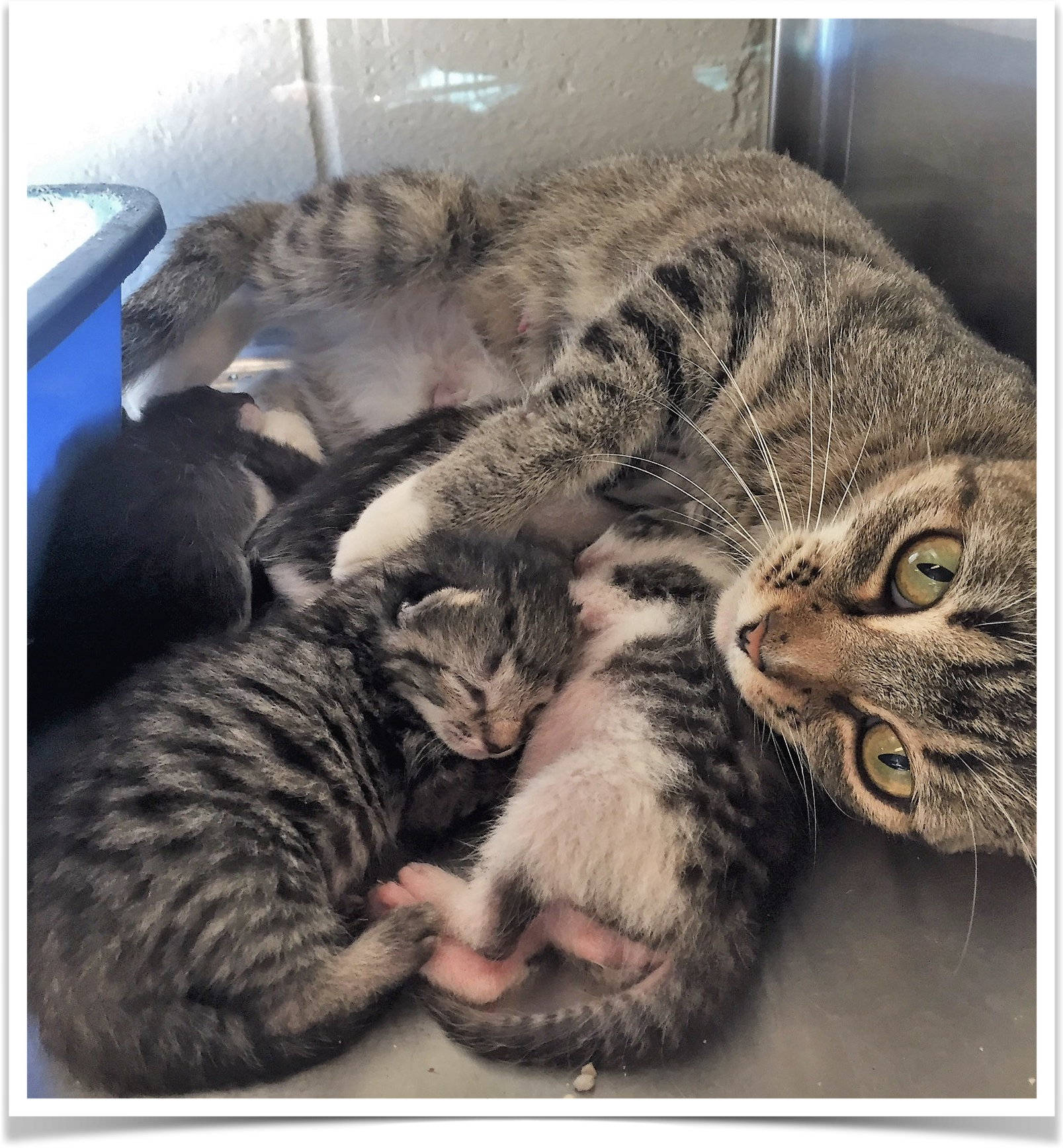
Mother cat w kittens

If the kittens are underage (less than two pounds or younger than eight weeks old) and mom is still around and taking care of them, leave the kittens where they are until they are weaned. To help the mama cat, you can provide shelter and put out food nearby.

If the kittens’ mom is not around, wait at least two hours to see if she comes back. If she doesn’t return, please consider fostering the kittens (or find someone who is willing to foster) until they are at least two pounds.

We have kitten kits to help you foster
Since the shelter does not have the capacity to properly nurture and socialize underage kittens, we need community members who find feline babes to step up and foster them. Once they are old enough to be spayed/neutered (two months old), the shelter staff will ensure they are adopted to good homes.

FOTAS provides “kitten kits” containing instructions and the supplies you need to take care of found kittens until they are old enough to come to the Aiken County Animal Shelter. The shelter has kits customized for infant kittens as well as older kittens.

While kittens under four weeks old must be bottle fed, older kittens just need a little of your time to nurture and socialize them. If you are unsure of their age or care needs, you can bring kittens to the shelter for assessment. We can help you decide on a plan for adoption or direct you to other options, including our TNR (Trap, Neuter, Return) program, which is free to Aiken County residents, or the spay/neuter voucher program.

Foster volunteers needed for kittens
Citizens are sometimes unable to bottle feed and socialize the kittens they find, so we have a small team of FOTAS fosters who take in babies and give them the care they require. These volunteers save many felines every year. To join this special team, please go to fotasaiken.org or call the shelter at (803) 642-1537, option 3.

Their lives are in our hands
By Bob Gordon, FOTAS Communications Director

ACAS Is Your Chief Resource for Upcoming Kitten Season

A flood of kittens is about to hit the area. It happens every year, starting in April, peaking in July and August, and sometimes continuing into November. Feline babies of every color, fur length and breed type will soon be popping up throughout the country – including Aiken County.

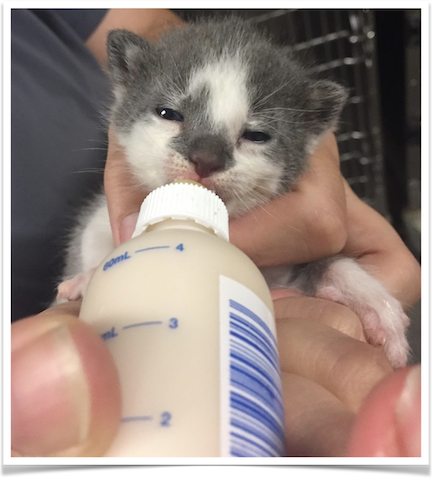
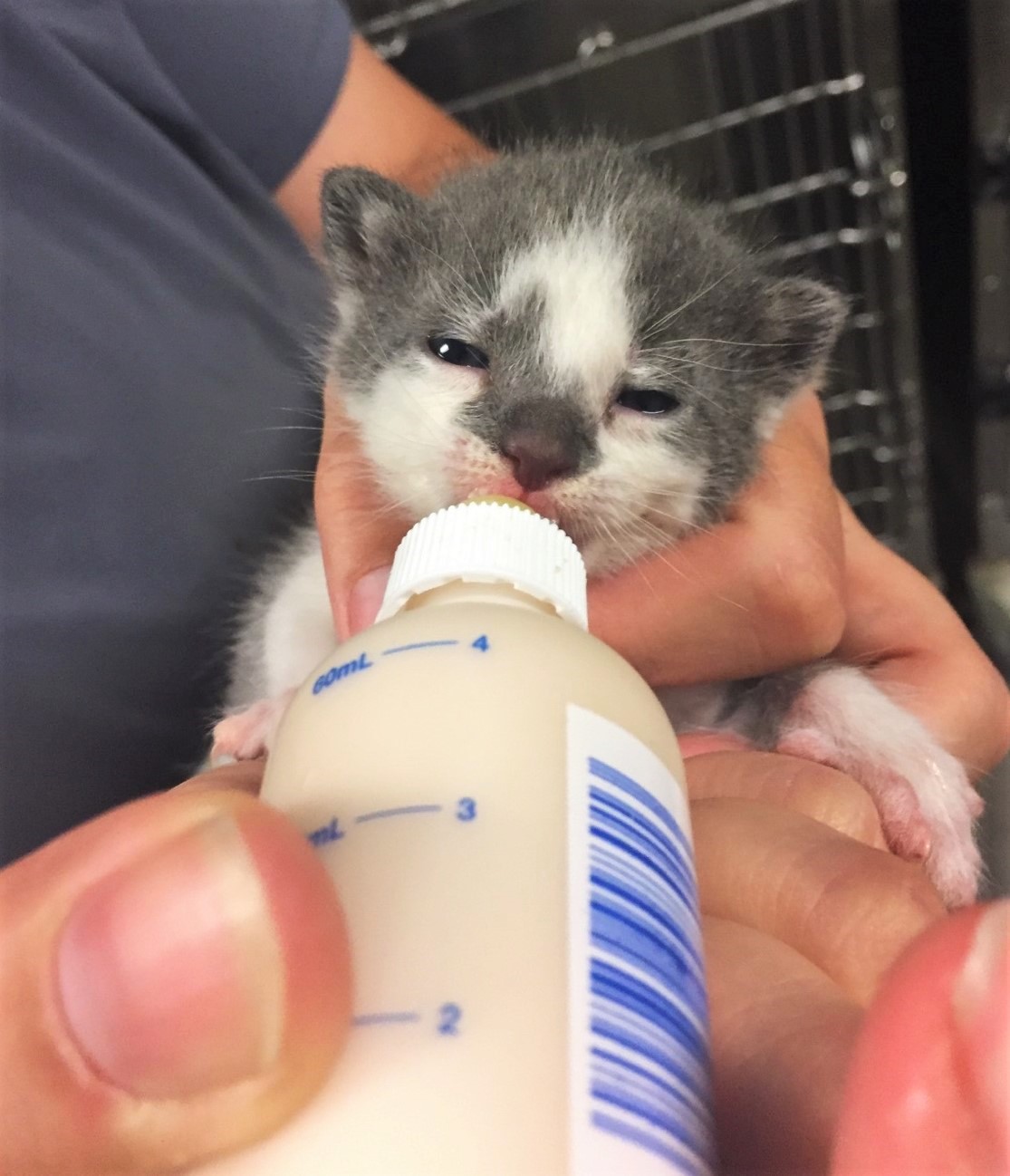
A kitten is bottle-fed by a foster volunteer.

Here is what you can do to help.

Remember that mama knows best
Before you pick up any kittens, determine if the kittens’ mother is around. Kittens do best when they are with their mother, who instinctively knows how to nurture and protect her young, ensuring they grow up strong and healthy. The mother’s milk is crucial to providing the kittens powerful nutrients for their immune systems. If the kittens are underage (less than 2 pounds or younger than eight weeks old) and mom is still around and taking care of them, leave the kittens where they are until they are weaned. To help the mama cat, you can provide shelter and put out food nearby.

If the kittens’ mom is not around, wait at least two hours to see if she comes back. If she doesn’t return, foster the kittens (or find someone who is willing to foster) until they are at least two pounds. This is done through bottle-feeding the kittens until they are ready to eat on their own.

Foster orphaned kittens until they are old enough to be adopted
FOTAS provides “kitten kits” containing supplies you need to take care of the kittens until they are old enough to come to the Aiken County Animal Shelter (ACAS).

While kittens under four weeks old need to be bottle fed, older kittens just need a little of your time to nurture and socialize them, as well as make them feel loved.

“Even if you have just 20 minutes twice a day to be with your foster kittens, it is more than we have the capacity to do at the shelter,” explained ACAS Adoption Coordinator Hillary Clark-Kulis. “If you can help us by fostering, we will make sure they are adopted to loving homes.”.

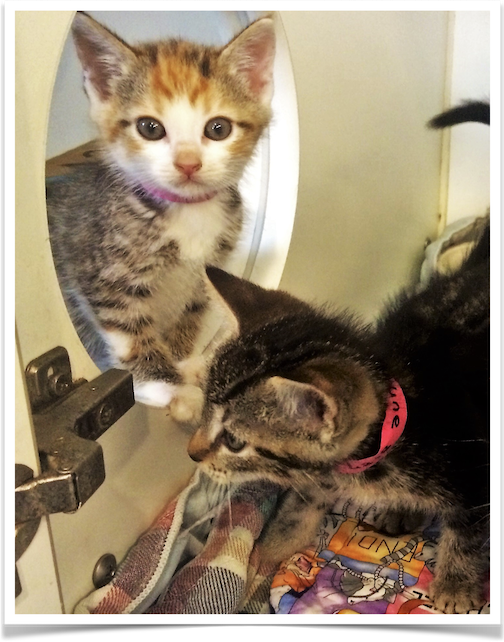
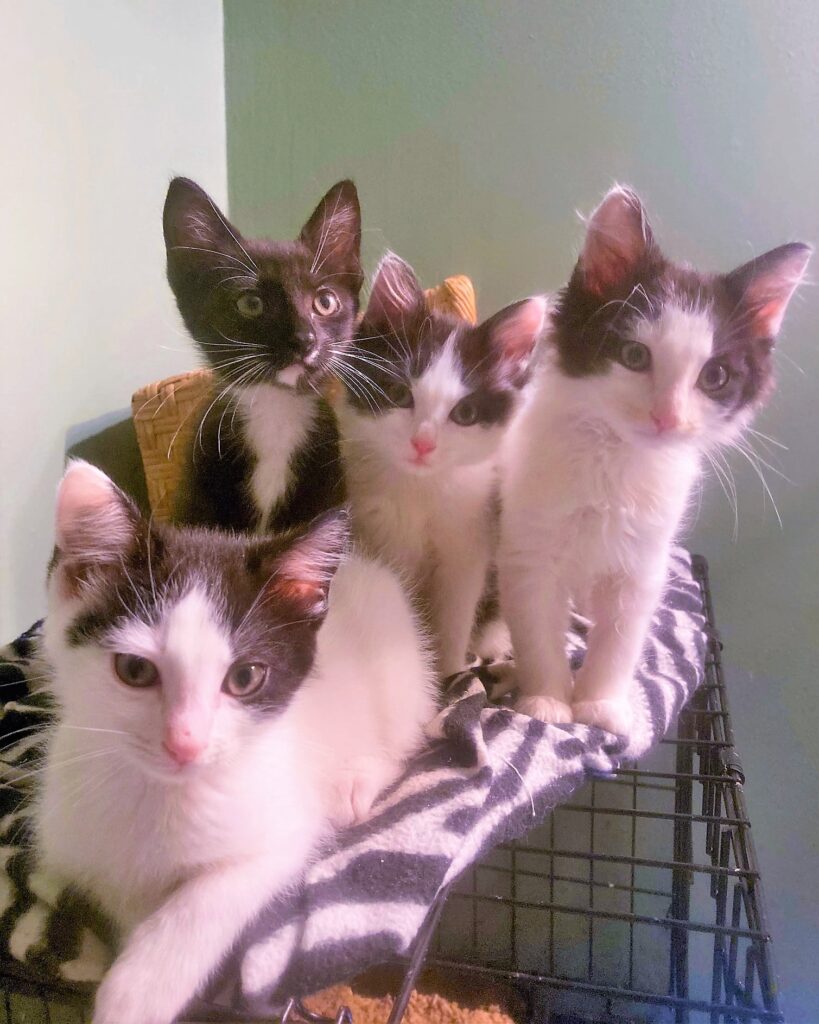
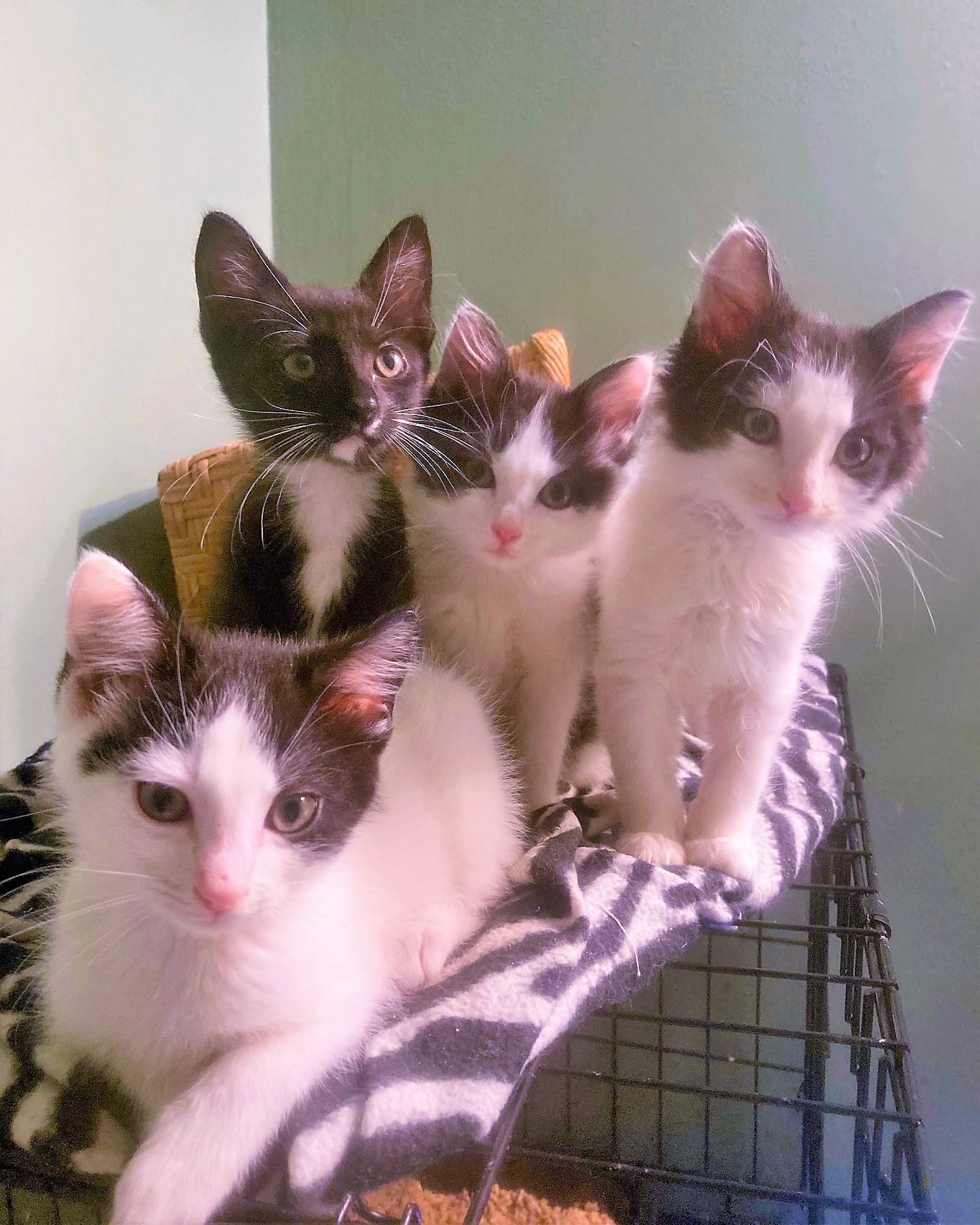
Wisp, Willow, Breezy and Bubbles were found wild and dirty. But after a few weeks in a foster home, they were healthy, social and adoptable.

If you are unsure of the kittens’ age or care needs, you can bring them to the shelter for assessment and we can help you decide on a plan for adoption or direct you to other options, such as our TNR (Trap, Neuter, Return), which is free to Aiken County residents, or the spay/neuter voucher program. You can also call the shelter for counsel.

Fosters are needed for kittens in 2021
Because citizens are sometimes unable to bottle feed and socialize the kittens they find, we have a small team of FOTAS fosters who take in babies and give them the care they require. These amazing volunteers save many feline lives each year. To join this special team, please go to the FOTAS website (fotasaiken.org) or call the shelter at (803) 642-1537.

Their lives are in our hands.

— By Bob Gordon, FOTAS Communications Director