

Category Archives: kittens

A Christmas Miracle Named Butter Bean

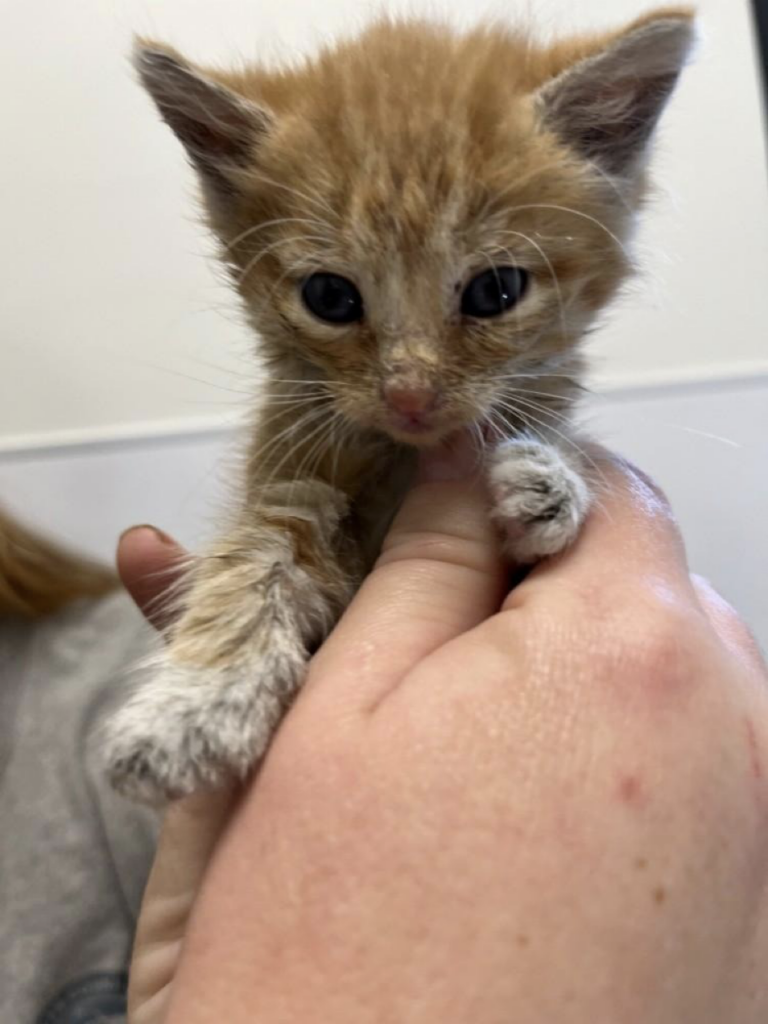
Sweet Butter Bean, our holiday miracle, was found in a plastic shopping bag, discarded at roadside.

Around the holidays, we all look for moments that remind us of the goodness in people — small miracles that shine through even the darkest circumstances. This year, ours came wrapped not in ribbon, but in a crumpled Dollar General shopping bag on the side of a rural Aiken road.

Our shelter staff is sadly used to pulling over when they spot discarded boxes along the roadside; too often, abandoned pets are left inside. But none of us ever imagined needing to check shopping bags.
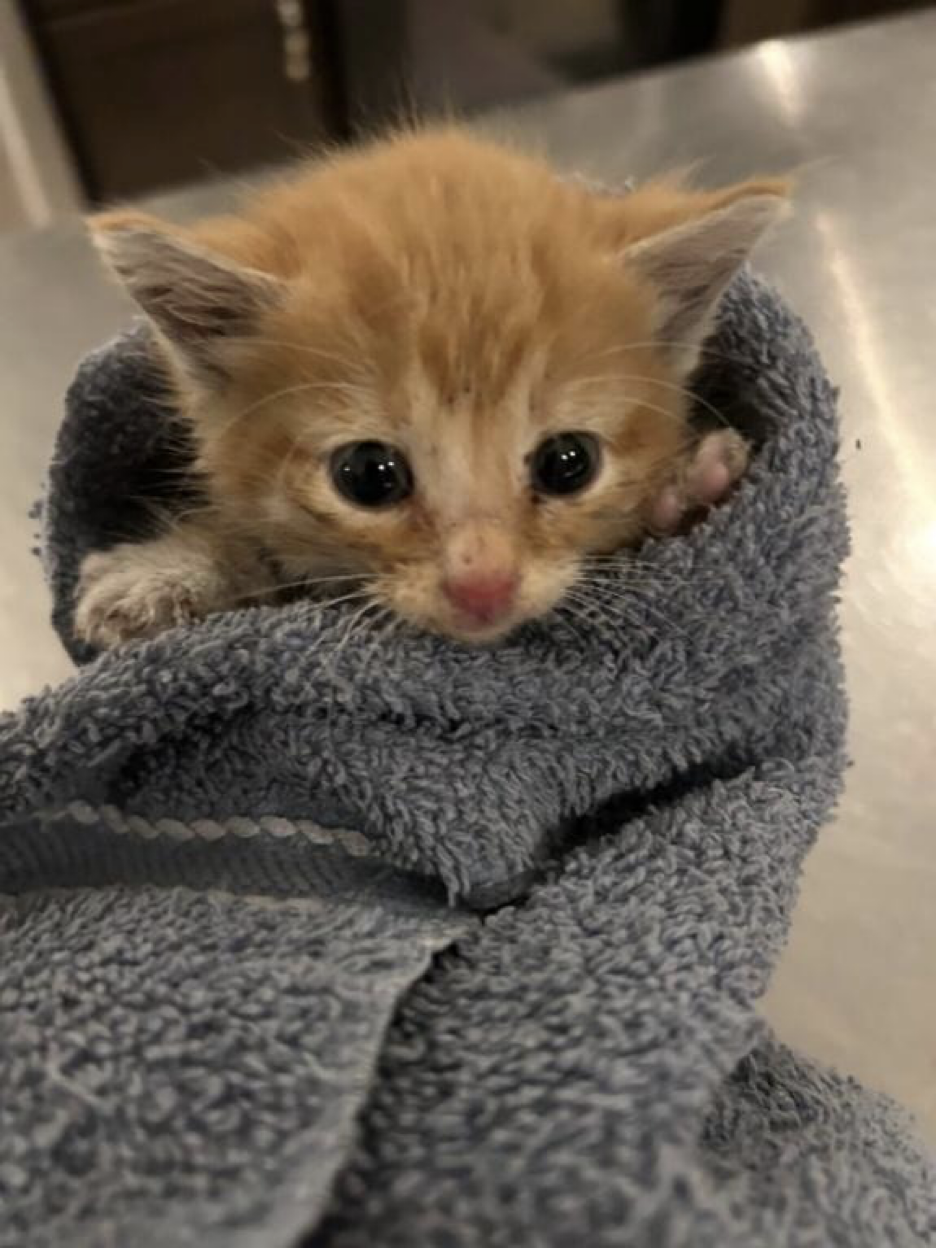
Sweet Butter Bean, a holiday miracle kitten, all cleaned up.

In early November, a kind stranger was walking down the road when they noticed something unusual: a plastic bag… moving. Inside were three tiny kittens. Two had already passed, but one little life still flickered. Cold, frightened, and only a few weeks old, she was clinging to life. The good Samaritan rushed her straight to the Aiken County Animal Shelter.

That single act of compassion was the first miracle.

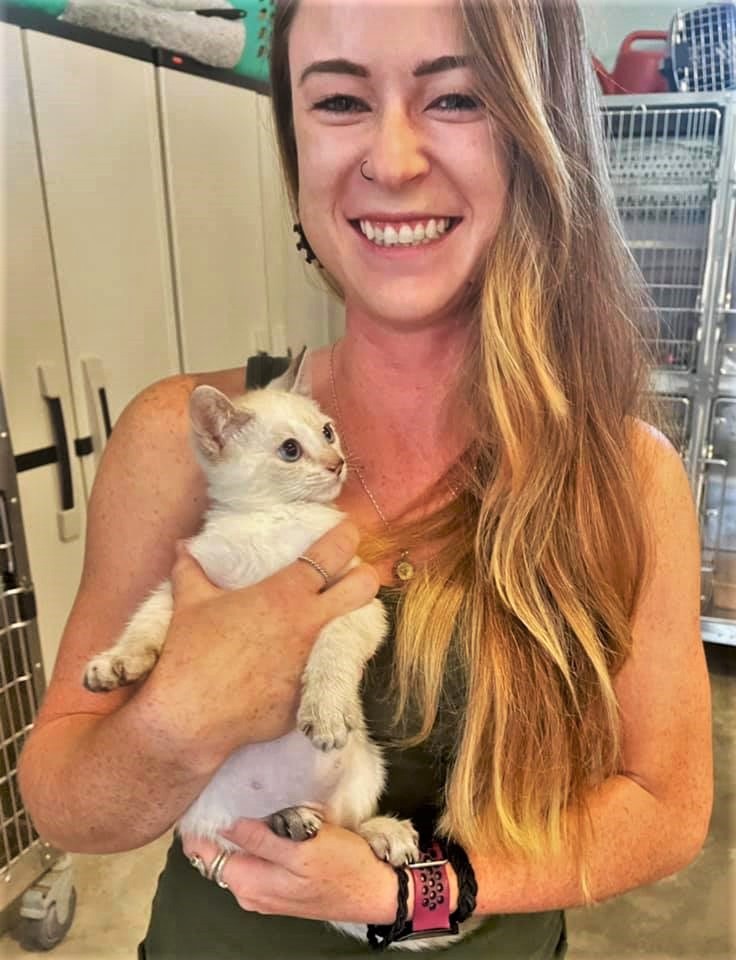
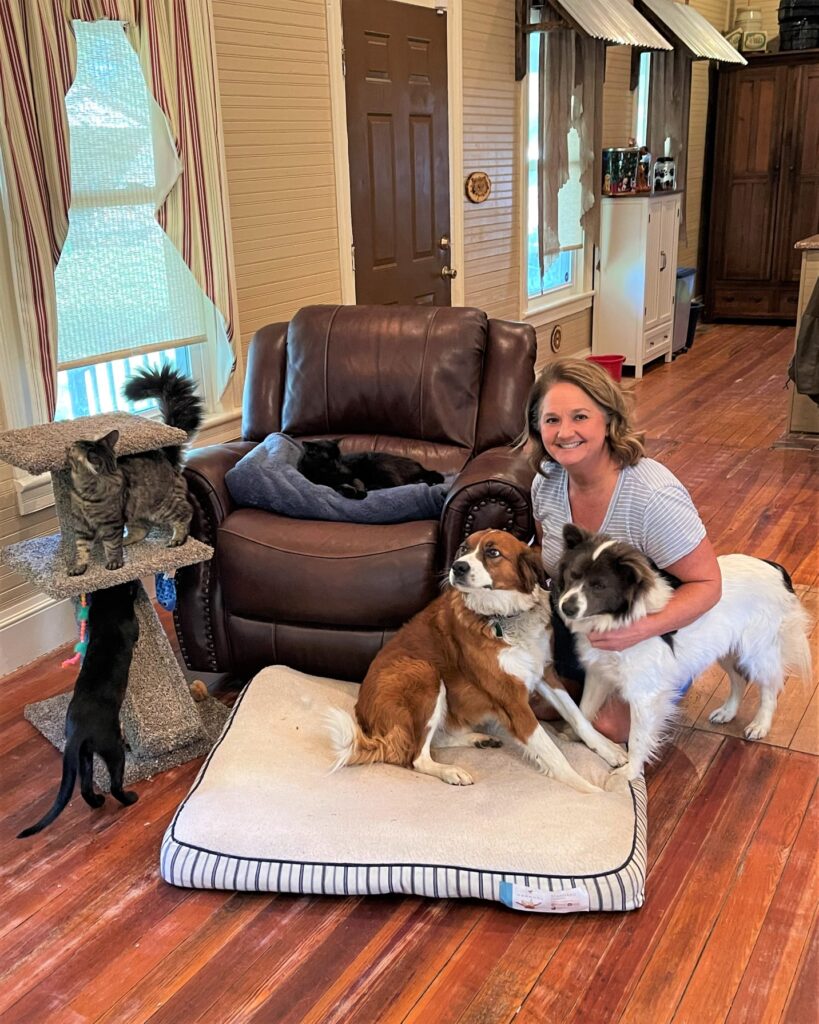
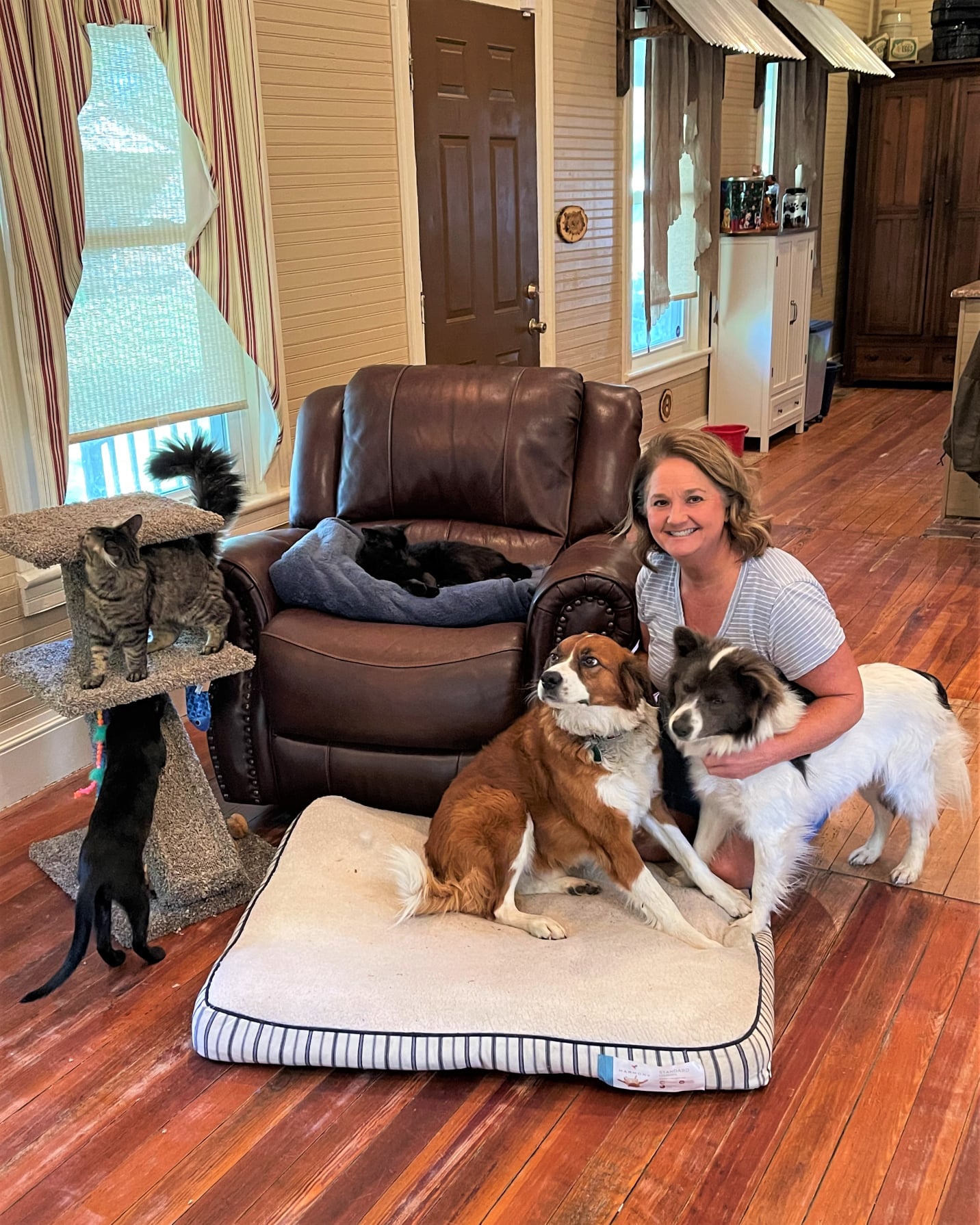
The second miracle was that the surviving kitten — no bigger than a handful — was in better shape than expected. She needed warmth, bottle feeding, and constant care. Shelter staff member Hillary Clark-Kulis didn’t hesitate. She scooped the fragile baby up, took her home, and folded her into a foster family filled with kittens and gentle dogs.

And that is where our tiny Christmas miracle bloomed.

Very quickly, this determined little survivor made her personality known. Bottle feeding? Absolutely not. She dove face-first into kitten mush with gusto, wearing more of it than she ate. She needed frequent baths, endless snuggles, and lots of cheering on. Hillary gave her all of that and more.

Her name became Butter Bean — as sweet, stubborn, and full of spirit as any holiday miracle could be.

But as we celebrated her recovery, we couldn’t ignore the deeper truth:

What if that passerby hadn’t looked down at the right moment? How many other animals are abandoned in bags or boxes, never found in time?

One staff member said, “I never thought to pull over and look inside bags.” And really — why should anyone have to?

This season reminds us that most people are good, kind, and compassionate. Butter Bean is proof of that. But her story also reminds us of what must change. Animals are not trash. They are not disposable. They feel, they trust, they love — and they depend on us.

Butter Bean’s Christmas miracle began when someone chose to stop, to look, and to care.

The next miracle will come when fewer animals are abandoned at all.

As we head into the holidays, please help us be the voice for the voiceless. Adopt. Foster. Spread kindness. And remember that every tiny life — even one hidden in a roadside shopping bag — deserves a chance to shine.

Because sometimes, miracles come wrapped in the most unexpected ways.

By Kathy Cagle, FOTAS Programs Coordinator
When it rains, it pours

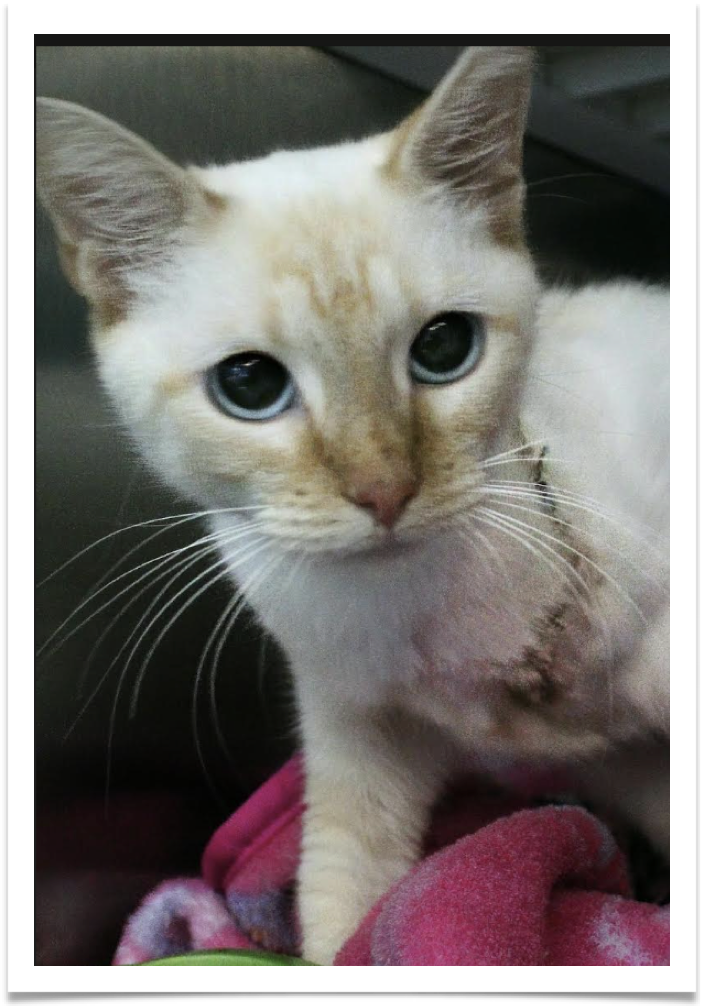
Due to nerve damage in her left front leg, Daisy had to have it amputated. But this gorgeous cat gets around like she’s been on three legs her whole life.


As the steady rain of Tropical Storm Debby threatened to cause flooding in the area this week, the Aiken County Animal Shelter was overflowing with homeless animals in need.

They just keep coming. Litters of puppies, sick kittens, lost dogs, injured cats, etc. Not because of Debby. Her rain had little impact on our intake of strays and surrendered pets. No, it is because people are not spaying/neutering their pets, not microchipping their pets, and not keeping their pets contained on their property with a fenced-in yard or by walking them on a leash.

When pets are not properly cared for and become strays, there is a good chance they will get sick or injured. Some aren’t so lucky and end up flattened by a vehicle or starving to death.

County Animal Shelter Veterinarian Nancy Rodriguez and her team of vet technicians do all they can to help the injured pets that come into our facility, and do an amazing job of caring for them. But to help them recover more quickly, we need fosters and adopters that can nurture these sweet animals and provide them with wonderful, loving homes.

Here are some of the current available pets at the County Shelter who need homes and extra TLC:

Chappy was so skinny when he got here, we weren’t sure if he would survive. But he is a tough guy and getting better. A brown, 2-year-old, 47-pound mixed breed, Chappy needs a home where he can get back to health and enjoy a happy future.

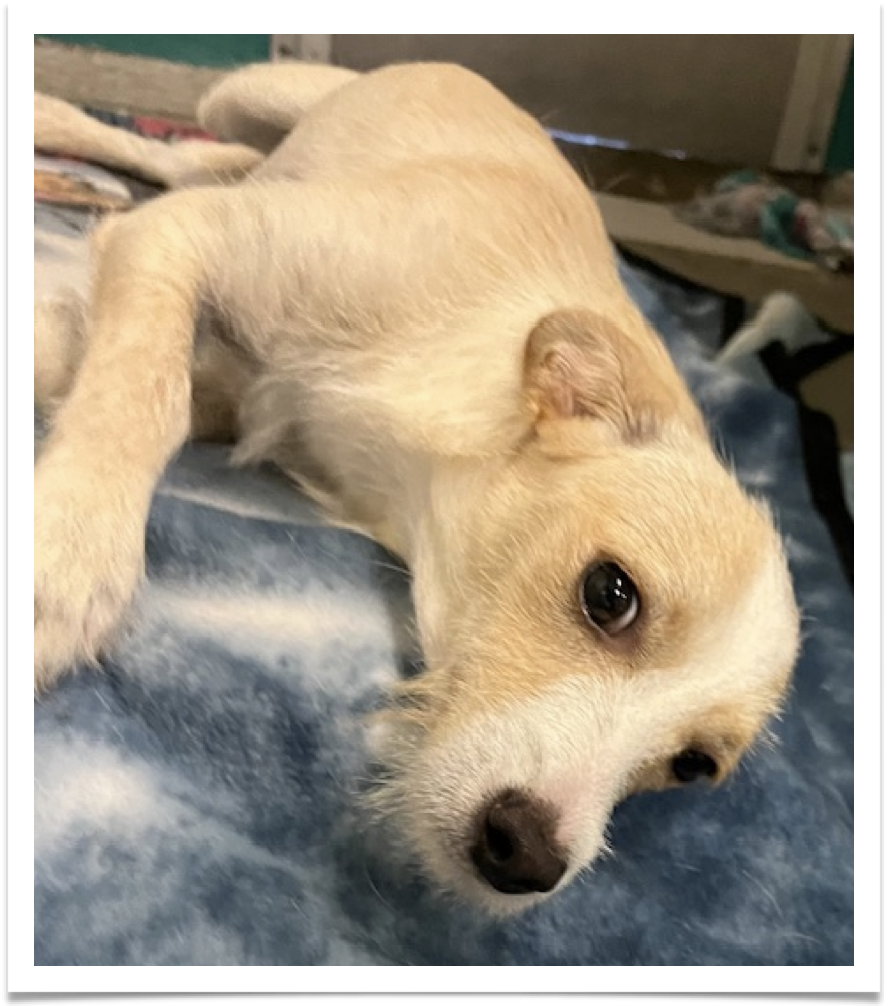
Tippy is a 7-month-old, tan and white, Terrier mix puppy who arrived with a broken pelvis.

Tippy is a 7-month-old, 12-pound, tan and white, Terrier mix puppy who came to us with a broken pelvis. She is adoptable as special needs but needs crate rest, no rough play, and will be x-rayed in one month to see how she is healing. Tippy needs a soft, quiet place to recover.

Ermes is a 5-month-old, 31-pound, chocolate Retriever pup that came to us bald and in pain from neglect. He was suffering from demodectic mange that was treated immediately upon his arrival at the shelter. He is doing well now and needs a good home.

Boo Boo
is here because his owner passed away. This 7-year-old, 76-pound, mixed breed isn’t in physical pain, but he is in mourning and needs to get away from the stress of the shelter. Boo Boo needs an adopter who will give him the love and care he deserves.

Daisy is a sweet, 4-month-old, 5-pound kitten who arrived at the shelter with nerve damage in her left front leg. The leg was causing her pain and couldn’t be saved. However, this stunning blue eyed, charming kitten gets around amazingly well with three legs.

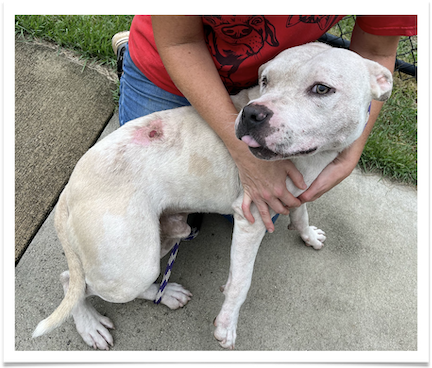
Charlie has had a difficult past. Despite this, he has love for every person he meets.

Charlie always has a smile on his face, but his past indicates signs of abuse. This 2-year-old, 48-pound, white, mixed breed arrived as a stray with an ulcerated lesion on his back, most likely from being burned. He still loves everyone and is a superstar in playgroup.

To see all of the pets available for adoption at the County Shelter, please go to fotasaiken.org. If you are interested in volunteering, fostering or adopting, visit us at 333 Wire Road in Aiken, SC. You can also call the shelter, (803) 642-1357 or send an email to info@fotasaiken.org.

Their lives are in our hands.

By Bob Gordon, FOTAS Communications Director

By the numbers: In July, Aiken County Animal Shelter received 499 dogs and cats with 22 animals received every business day.
Volunteers, fosters and adopters are urgently needed!

We all need to do our part to control the cat population

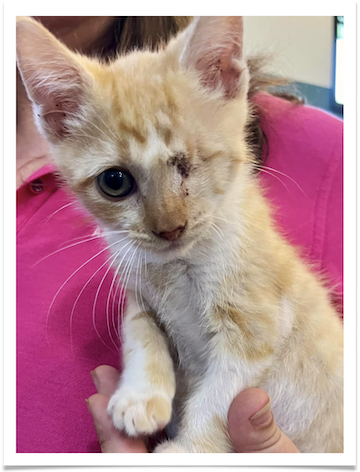
Orphaned stray kittens, like Tang, are vulnerable to upper respiratory infections, which can do irreparable damage to their eyes. Treated when he arrived at the shelter, the vet staff saved one of Tang’s eyes and he was adopted to a loving home.

We are in the middle of our most challenging kitten season since the Covid pandemic hit in 2020. This year’s stream of stray kittens into the Aiken County Animal Shelter began in May and turned into a flood of baby felines that shows no signs of subsiding.

Kitten season is an annual occurrence, starting in May, peaking in July and August, and usually ending by autumn. Cats mate at a high rate during the warmer months, resulting in the greater influx of kittens.

During this time, it takes teamwork and dedication to save and rehome as many kittens as possible. Of course, the best way to avoid this surge of kittens is to spay/neuter cats before they can reproduce.

This year, the surge of kittens (and mama cats) has been more relentless than usual.

Pet owners need to spay/neuter their cats or we will never solve the overpopulation problem. Female kittens are old enough to have their own kittens at four months old, so it’s important to get them fixed as soon as possible. The County has a voucher program for citizens in financial need that greatly reduces the cost of getting your feline fixed at participating veterinarian offices and hospitals. If you live in Aiken County, vouchers are distributed to qualified citizens at the Aiken County Government Building.

For County citizens who have feral cats on or around their property, the Aiken County/FOTAS TNR program (Trap/Neuter/Return) is available free of charge. This is a humane population management plan where outdoor cats are trapped, checked by a veterinarian, spayed or neutered, vaccinated, ear-tipped to identify them as sterilized and returned to their territory, where they continue to thrive on their own. In 2023, more than 1,300 community cats were fixed through this TNR program. Please contact the shelter or email info@fotasaiken.org for more information.

Other ways to help:
– Adopt from the shelter
: All of the County Animal Shelter’s cats/kittens for adoption are spayed/neutered, vaccinated, microchipped – and there is just a $10.00 fee to adopt them.

– Sign up to foster kittens. It’s fun and saves lives. Not all kittens in need are bottle babies – some just need care and socialization until they are old enough to be spayed or neutered, vaccinated and placed for adoption. Our staff will provide direction, support and tools (such as kitten kits) to help you.

– Donate kitten care supplies to FOTAS. The County Shelter needs kitten formula, warmers, feeding bottles, litter, wet kitten food and other items for our kitten kits.

Don’t pick up stray kittens unless they are sick, injured or their mother is no longer around to care for them. Their best chance for survival is with their mother and her nutrient-filled milk.

Kitten season is always challenging. But if we work together, we can save many more lives, reduce suffering and stop the flood of felines.

Their lives are in our hands.

By Bob Gordon, FOTAS Communications Director

The Joy of Fostering Kittens and Cats

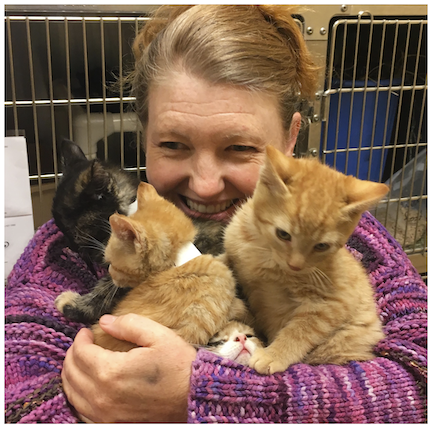
FOTAS volunteer Miranda Paton holds a “bouquet” of foster kittens.

If you love animals and want a joyful way to do some good, the FOTAS Foster Program at the Aiken County Animal Shelter is tailor-made for you. With the 2024 Kitten and Puppy Season in full swing, let’s take a deep dive into the foster experience.

It’s saying hello, not goodbye
I have been fostering shelter cats for 10 years; some 120 kittens and cats have come through my home on their way to their permanent families. When I tell people that I foster kittens, I see their eyes light up at the prospect of having a bounding litter of kittens in their home to love. But they say “Oh, I couldn’t foster because I couldn’t give them up at the end.”

I see fostering from another angle — I am showing these babies that they can find love and trust in being a pet. One untamed kitten or scared cat at a time, I make a good little “kitty-zen” who will charm their way into a wonderful, lifetime home. By raising up nice babies and allowing them to go on to their forever homes, I can multiply the difference I make for cats. There’s nothing else like it!

What is involved in fostering?
Fostering kittens and cats means keeping them in a home environment while they grow up or recover from an injury and can return to the shelter for adoption. What cats and kittens need differs a bit. Kittens arrive at the shelter with various levels of need and maturity. The easiest foster case is actually a full “cat family” — an attentive mother cat and her newborn kittens. Just feed her, give her a safe, quiet place to raise her babies, and momma cat will do the rest. Other foster families take in litters that have been found outside alone, but are old enough to eat and use the litter box on their own. Those fosters who can do the intensive neonatal care for unweaned kittens, the so-called “bottle babies,” are worth their weight in gold. These dedicated cat carers nurse these neediest, nugget-sized kitties along, providing intensive care for them. My personal favorites are the scared adult cats who find their way to the shelter. I give them some good, old-fashioned R and R — a little respite from the busy shelter environment– with the hopes that they can regain their faith in people and find their next special person.

Foster Support
The shelter provides all needed supplies, food and veterinary care for fosters during business hours. Feline foster coordinator Hillary Clark-Kulis does a superb job of supporting fosters with troubleshooting; educating them about how to keep a kitten healthy; and helping them identifying and treating any potential medical issues. I have learned so much in the FOTAS Foster Program, and I have been able to do a better job evaluating the health of kittens as well as my own adult cats.

Cats are rewarding, easy-keeping pets and there is a style of fostering for everyone who wants to experience the joy of putting a kitten or cat on the road to a loving, permanent home. I invite anyone who is at all interested to give fostering a try this summer. The shelter has so many kittens in need.

Their lives are in our hands.

by Miranda Paton, FOTAS Volunteer

What to do if you find a kitten in Aiken County

What do you do if you are walking outside and see a mewing kitten or an entire litter of adorable, newborn baby felines?

First, determine if their mother is around. Kittens do best when they are with their mother, who instinctively knows how to nurture and protect her young. The mother’s milk provides the kittens with vital nutrients for their immune systems. If the kittens are underage (less than 2 pounds or younger than eight weeks old) and mom is still around and taking care of them, leave the kittens where they are until they are weaned. To help the mama cat, you can provide shelter and put out food nearby.

If the kittens’ mom is not around, wait at least two hours to see if she comes back. If she doesn’t return, please consider fostering the kittens until they are at least two pounds.

Kittens have the best chance of survival with their mother. However, if she is out of the picture, orphaned kittens need fostering until they are at least two months old.

Kitten season phenomenon
Kitten season is coming. Newborn and toddler felines are going to be popping up all around the County. It is an annual occurrence, starting in April, peaking in July and August, and usually ending by autumn.

Since the shelter doesn’t have the capacity to properly nurture and socialize underage kittens, we need community members who find infant felines to step up and foster them. Once they are old enough to be spayed/neutered (three months old), the shelter staff will ensure they are adopted to good homes.

FOTAS provides “kitten kits” containing instructions and the supplies you need to take care of found kittens until they are old enough to come to the Aiken County Animal Shelter. These kits are customized for infant kittens as well as older kittens.

While kittens under four weeks old must be bottle fed, older kittens just need a little of your time to nurture and socialize them. If you are unsure of their age or care needs, you can bring kittens to the shelter for assessment. We can help you decide on a plan for adoption or direct you to other options, including our TNR (Trap, Neuter, Return) program, which is free to Aiken County residents, or the spay/neuter voucher program.

Foster volunteers needed
Because citizens are sometimes unable to bottle feed and socialize the kittens they find, we have a small team of FOTAS fosters who take in babies and give them the care they require. These dedicated volunteers save many felines every year. To join this special team, please send an email to info@fotasaiken.org or call the shelter at (803) 642-1537, option 3.

Their lives are in our hands.

By Bob Gordon, FOTAS Communications Director

Kitten season is coming! Here’s what you need to know

Kitten season is just around the corner. In fact, baby felines are already starting to trickle in. Last Friday, the Aiken County Animal Shelter received a litter of two-week-old kittens after a car hit and killed their mama. Soon, Good Samaritans will be discovering newborn and toddler felines all around the County.

Kitten season is an annual phenomenon, starting in April, peaking in July and August, and usually concluding by late October. The most important fact to remember about the season is that a kitten’s best chance for a long and healthy life is with their mother. If you are walking outside and stumble upon a lone kitten or an entire litter, look for any sign of their mother. Before you pick up any kittens, determine if she is around. The mama cat instinctively knows how to nurture and protect her young, and her milk provides the kittens with powerful nutrients vital to their immune systems.

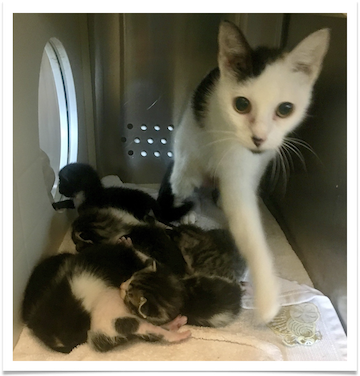
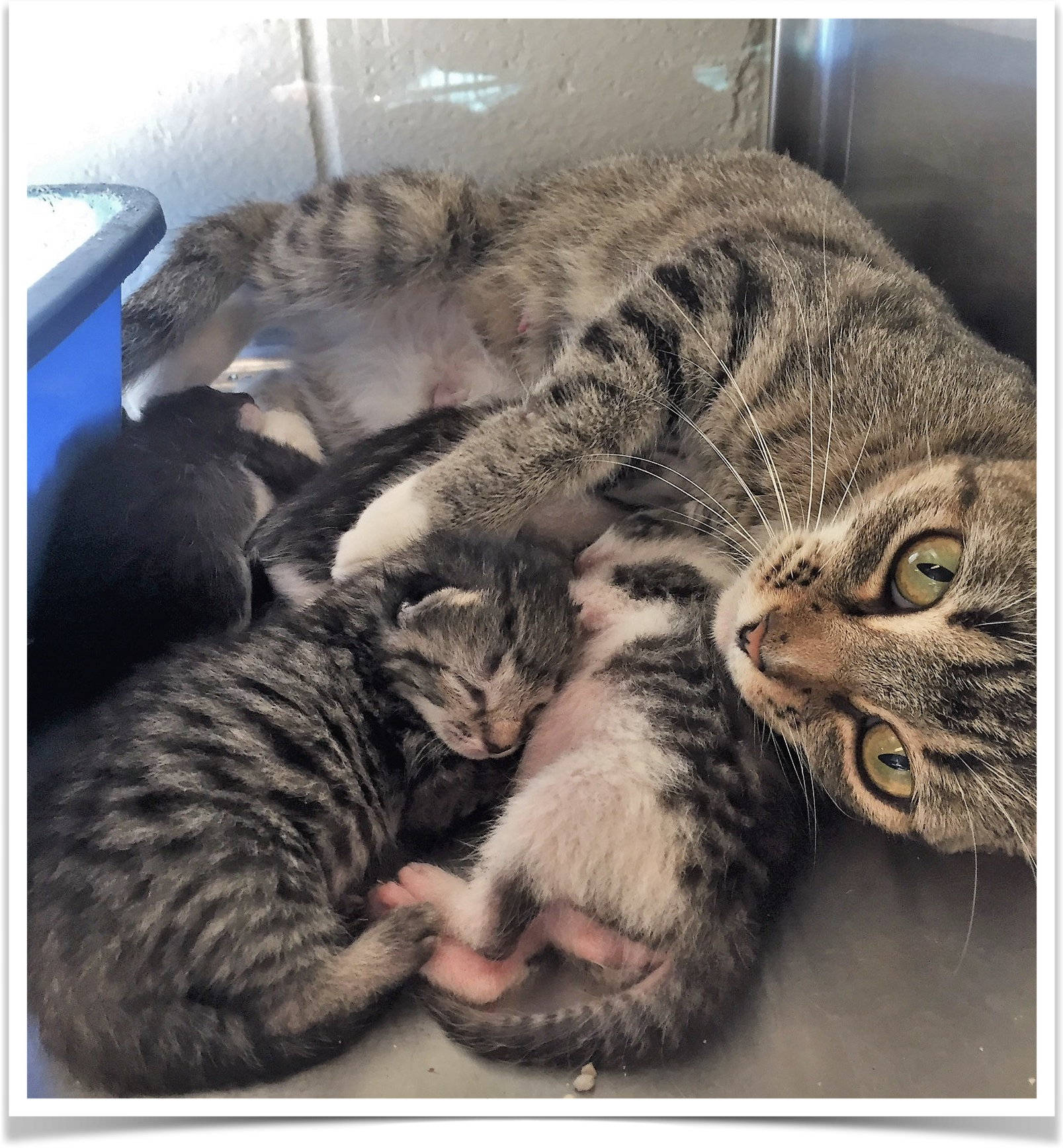
Mother cat w kittens

If the kittens are underage (less than two pounds or younger than eight weeks old) and mom is still around and taking care of them, leave the kittens where they are until they are weaned. To help the mama cat, you can provide shelter and put out food nearby.

If the kittens’ mom is not around, wait at least two hours to see if she comes back. If she doesn’t return, please consider fostering the kittens (or find someone who is willing to foster) until they are at least two pounds.

We have kitten kits to help you foster
Since the shelter does not have the capacity to properly nurture and socialize underage kittens, we need community members who find feline babes to step up and foster them. Once they are old enough to be spayed/neutered (two months old), the shelter staff will ensure they are adopted to good homes.

FOTAS provides “kitten kits” containing instructions and the supplies you need to take care of found kittens until they are old enough to come to the Aiken County Animal Shelter. The shelter has kits customized for infant kittens as well as older kittens.

While kittens under four weeks old must be bottle fed, older kittens just need a little of your time to nurture and socialize them. If you are unsure of their age or care needs, you can bring kittens to the shelter for assessment. We can help you decide on a plan for adoption or direct you to other options, including our TNR (Trap, Neuter, Return) program, which is free to Aiken County residents, or the spay/neuter voucher program.

Foster volunteers needed for kittens
Citizens are sometimes unable to bottle feed and socialize the kittens they find, so we have a small team of FOTAS fosters who take in babies and give them the care they require. These volunteers save many felines every year. To join this special team, please go to fotasaiken.org or call the shelter at (803) 642-1537, option 3.

Their lives are in our hands
By Bob Gordon, FOTAS Communications Director

Kitten fostering: You don’t need lots of space or time to save lives

With kitten season still going strong in September, the need for fosters is as great as ever. The Aiken County Animal Shelter is about to be overloaded with feline babes who need temporary care and assistance from county citizens.

While the Shelter provides all the care it can – and dedicated staff members even take kittens to their own homes for fostering – the influx of orphaned kittens is too much to handle for any shelter facility.

“The value of socialization is huge because everyone wants a confident, friendly kitten,” said Hillary Clark-Kulis, the shelter’s adoption coordinator. “Even if you have just fifteen minutes in the morning and fifteen minutes in the evening to spend with the kittens, that’s three times more socialization than they’ll receive at the shelter.”

The one-on-one time kittens receive in loving foster homes is vital because it better ensures they are well-prepared for adoption. However, we ask fosters to care for kittens only until they are two pounds, which takes anywhere from two to four-weeks.

Desiree VanZanten says fostering kittens looks harder than it really is.

“I love being able to watch them grow and develop, and know that I’m helping out the shelter” said Desiree VanZanten, who has been fostering kittens with her wife, Gretchen, for seven years. “Bonding with them and watching their personalities develop is like planting seeds and watching them grow and bloom.”

Becoming a kitten foster is simple. Just come to the shelter at 333 Wire Road in Aiken and fill out a foster application. Once you’re approved, we’ll get you started and provide you with the needed resources and support.

“Fostering kittens is one of the most rewarding things I’ve ever done in my life,” said Cherylece Wiggins, who took in her first litter four years ago. “It’s not difficult or labor intensive, but it’s so gratifying to help these babies get good homes. All you have to do is give them love!”

While fostering kittens might seem like a lot of work, it is usually just a matter of feeding them, petting and playing with them, and cleaning their kitty litter box. Unless they are bottle babies (four weeks old or younger), kittens don’t require hours of your time. You don’t need a big space either –even a blanket on the bathroom floor will do.

FOTAS Bookkeeper Carol Miller and her husband, Mike, have been fostering kittens for eight years with the help of their own dogs and cats. The dogs like to take them under their wing and clean them while their cats enjoy teaching the babies how to play.

Carol Miller has been fostering kittens for eight years and loves it.

“It’s a lot of fun to see the kittens progress and start having a blast running around and playing with each other,” Carol said. “When everything is so depressing with world events, inflation and other bad news, I find spending time with the foster kittens helps me relax and forget about all the negative stuff.”

For more information about fostering kittens and other shelter animals, please call (803) 642-1537, option 3 or send an email to info@fotasaiken.org.

Their lives are in our hands.

By Bob Gordon, FOTAS Communications Director

The incredible power of social media saves lives

Our social media platforms are vital to finding good homes for the pets in need at the Aiken County Animal Shelter (ACAS). Through our Facebook, Instagram and other online marketing channels, we can reach thousands of people locally—and all around the country – who are looking to adopt homeless pets.

Ms. Gulsby with her new best friend.

This ability to post photos of pets with brief descriptions and get their furry faces exposed to thousands of potential adopters is especially critical now, when the shelter is at full capacity and visitor traffic is low. We need to find pets good homes quickly to make room for animals in intake who are waiting for their chance to be on the adoption floor.
Consistent posts of the shelter’s dogs and cats also helps us match pets with adopters who are seeking their particular characteristics. For example, recently the shelter had a gorgeous kitten, Anita, who kept getting passed over by potential adopters. Perhaps it was her timidity that prevented her from being adopted for over a month. Or maybe it was her crying. Or just bad luck. But whatever it was that was holding Anita back didn’t matter once Miranda Gulsby saw her on Facebook. She immediately called the shelter and made an appointment to adopt the kitten. Then she drove five hours roundtrip from her home in Georgia to get her. Anita’s cream coat, shy personality and cherubic face were exactly the traits Miranda was looking for in a kitten.

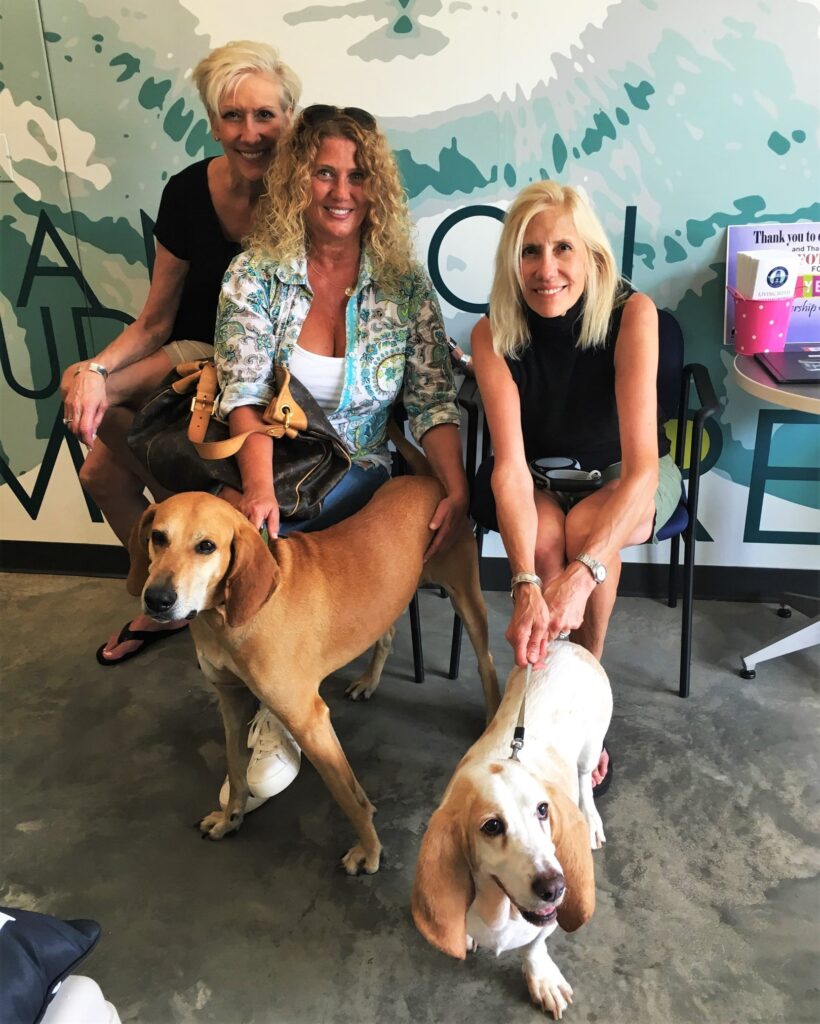
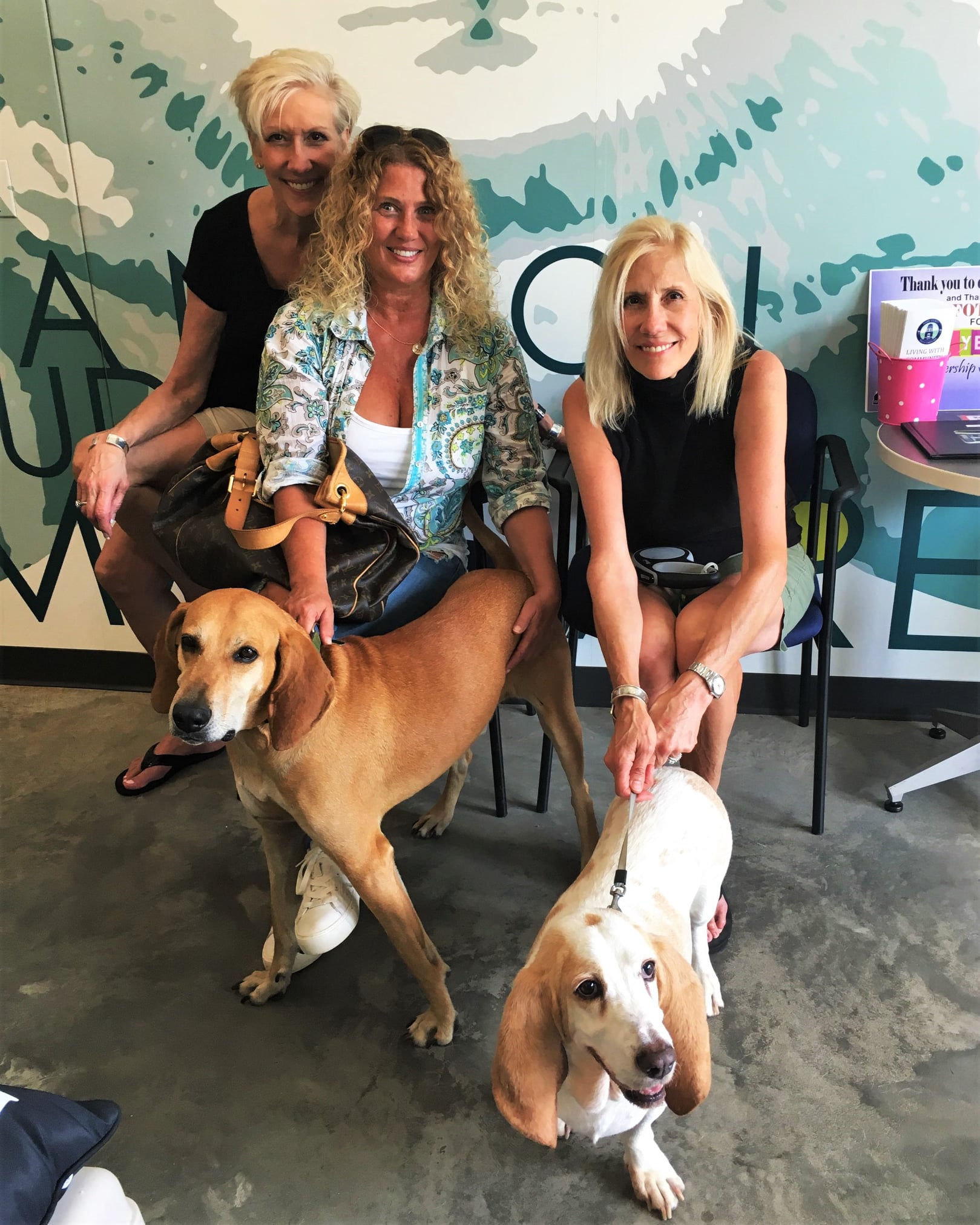
Social media helps FOTAS tell each homeless pet’s story, but the only way it can reach a vast audience is when people, like you, share the post with your friends. That’s how hound mix Huckleberry got adopted to a woman in Southern Pines, NC. Her friends shared FOTAS’s Facebook post of the handsome hound and one look at Huckleberry’s face convinced Camilla Marion to drive to Aiken with her Basset Hound and meet Huckleberry in person. It took them nearly four hours to get to the shelter, but the journey proved to be successful. Both Camilla and her dog loved Huckleberry, so she adopted him and he left the shelter with a big smile on his face.

Huckleberry (left) with his new sister.

These are great social media success stories but there’s so many more shelter pets that need good homes. Like Snyder, an awesome medium-sized dog who loves to fetch tennis balls; Toby, a one-eyed, gray and white kitten; and Blaze, a wonderful, goofy Retriever mix who keeps getting passed over. The list goes on and on. So, please share our social media posts when they show up on your news feed. Each share helps the post reach more people and gives the featured pet a better chance of finding a forever home.

Their lives are in our hands.

— By Bob Gordon, FOTAS Communications Director

Four Furry ACAS Alumni Are Living the Good Life with One Family

Over the last three years, Robin and Bobby Vaughn have adopted four homeless pets from the Aiken County Animal Shelter (ACAS). This quartet of two kittens, Ripley and Charlee, and two dogs, Cody and Bella, are enjoying the good life on the Vaughn family farm with a stray cat, five horses and a rooster.

Cody is the first County shelter dog who joined the Vaughn family.

“While this probably sounds like a small zoo to most people, this is actually the smallest number of pets we have had in a long time,” Robin said. “The horses are all older, so they are pretty much just living the life, grazing and waiting for us to bring them breakfast and dinner. During the day, Bella and Cody share the front yard with two of the horses and Clyde, the rooster. Clyde free-ranges and Cody and Bella serve as his protection detail. Where they go, he goes.

“The kittens are indoors only,’ she added. “They have the run of the house and play all day. When they aren’t chasing one another, they are dragging toys from one room to another. For most of the day, it looks like a Toys ‘R’ Us exploded in our home and at the end of the day, we pick it all up just so they can have fun dragging it all back out again tomorrow. They get their exercise and so do we!”

Black and white shepherd mix Cody is the first ACAS pet the Vaughns adopted. They brought him home in early 2018 and he fit in well with their family. Two years later, they adopted kittens Charlee and Ripley; and three months ago, they made another trip to 333 Wire Road to take home Bella, a white and gray border collie mix.

All the animals get along well – but this harmony among dogs and cats from different backgrounds did not happen right away. As each animal was introduced to the group dynamic, the Vaughns used positive reinforcement, leash work and socialization techniques to help them adjust to their new surroundings.

“The best advice I can give is to be patient,” Robin said. “It takes time for these animals to acclimate to their new home and new family, so it is important to help them adjust. The ACAS adoption staff is there to help along with the shelter trainers. Use these resources, if needed, to ensure the best outcome for you and your new pet.”

Robin Vaughn with the furry family pets (l to r): Charlee, Ripley, Andy, Cody & Bella. The Vaughns just adopted their fifth ACAS pet, a black kitten named Pepper.

The Vaughns feel strongly about rescuing homeless pets and saving animal lives. They have always adopted their pets from local rescues and shelters—and will continue to do so in the future.

“I would encourage anyone who is looking to add a pet to their family to consider adoption from a shelter,” Robin said. “I think if they take the time to visit the ACAS facility, talk to the staff, and meet some of these amazing animals, they will find the pet they are looking for.”

Their lives are in our hands.

— By Bob Gordon, FOTAS Communications Director

ACAS Is Your Chief Resource for Upcoming Kitten Season

A flood of kittens is about to hit the area. It happens every year, starting in April, peaking in July and August, and sometimes continuing into November. Feline babies of every color, fur length and breed type will soon be popping up throughout the country – including Aiken County.

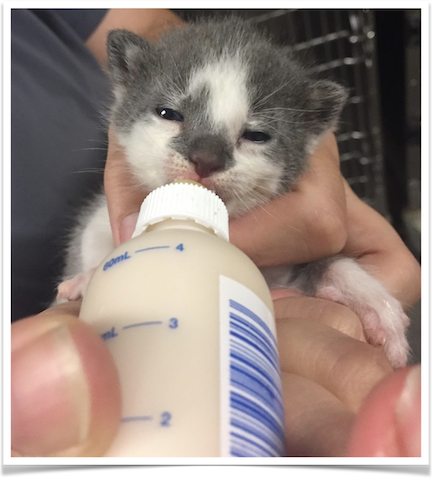
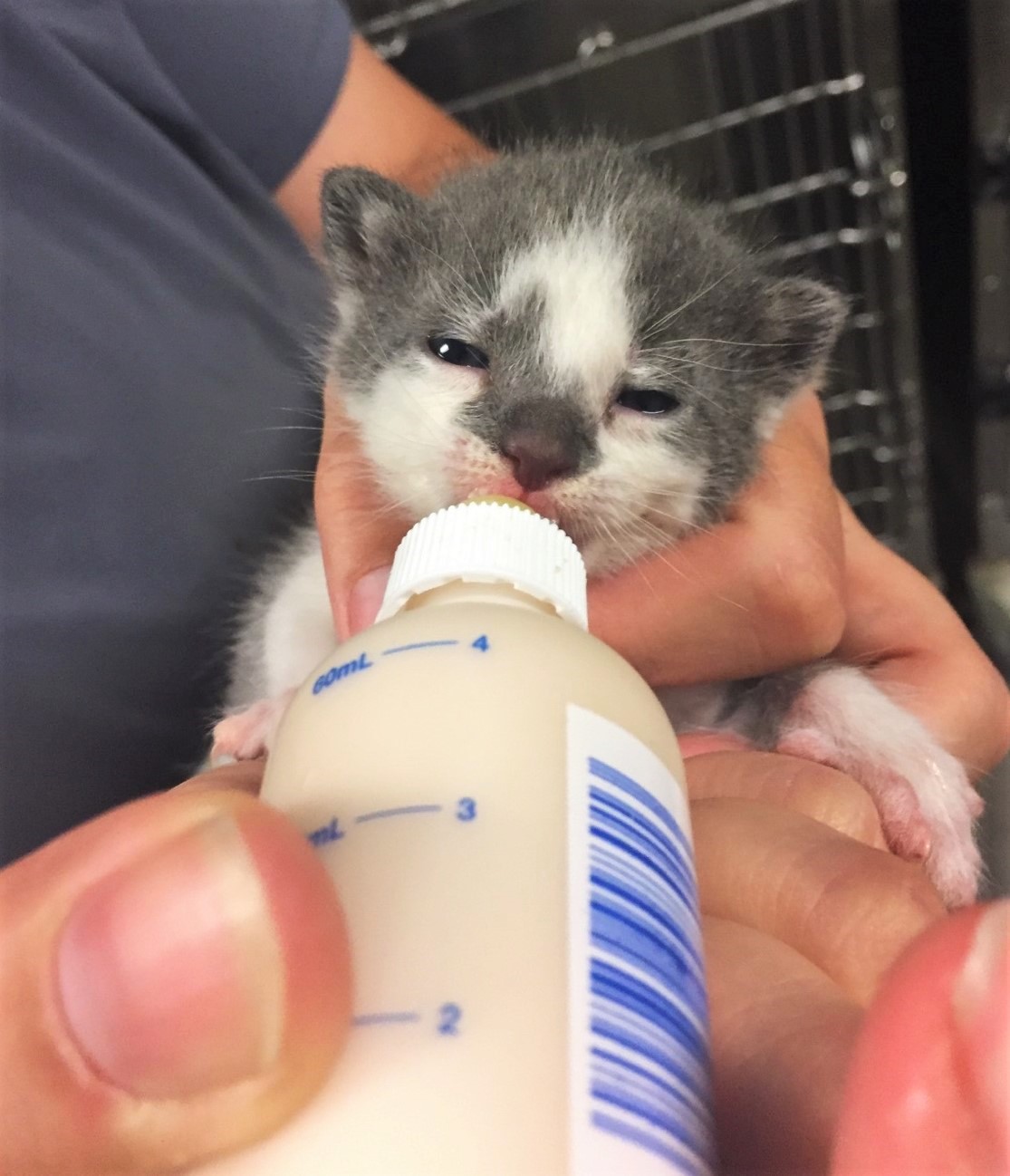
A kitten is bottle-fed by a foster volunteer.

Here is what you can do to help.

Remember that mama knows best
Before you pick up any kittens, determine if the kittens’ mother is around. Kittens do best when they are with their mother, who instinctively knows how to nurture and protect her young, ensuring they grow up strong and healthy. The mother’s milk is crucial to providing the kittens powerful nutrients for their immune systems. If the kittens are underage (less than 2 pounds or younger than eight weeks old) and mom is still around and taking care of them, leave the kittens where they are until they are weaned. To help the mama cat, you can provide shelter and put out food nearby.

If the kittens’ mom is not around, wait at least two hours to see if she comes back. If she doesn’t return, foster the kittens (or find someone who is willing to foster) until they are at least two pounds. This is done through bottle-feeding the kittens until they are ready to eat on their own.

Foster orphaned kittens until they are old enough to be adopted
FOTAS provides “kitten kits” containing supplies you need to take care of the kittens until they are old enough to come to the Aiken County Animal Shelter (ACAS).

While kittens under four weeks old need to be bottle fed, older kittens just need a little of your time to nurture and socialize them, as well as make them feel loved.

“Even if you have just 20 minutes twice a day to be with your foster kittens, it is more than we have the capacity to do at the shelter,” explained ACAS Adoption Coordinator Hillary Clark-Kulis. “If you can help us by fostering, we will make sure they are adopted to loving homes.”.

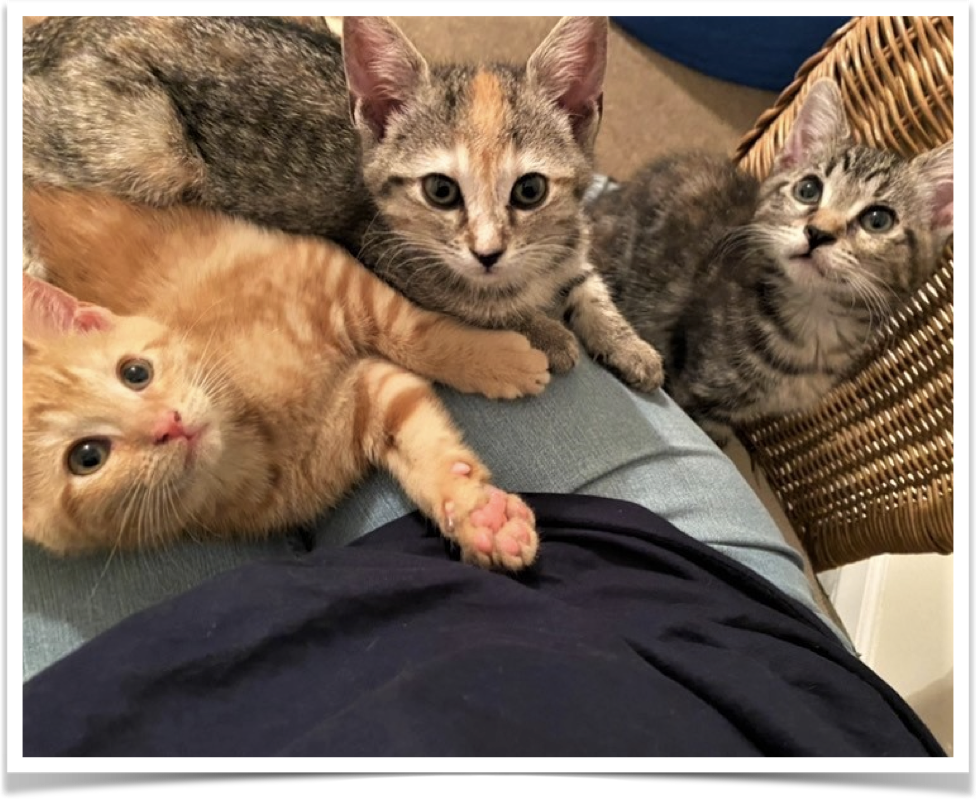
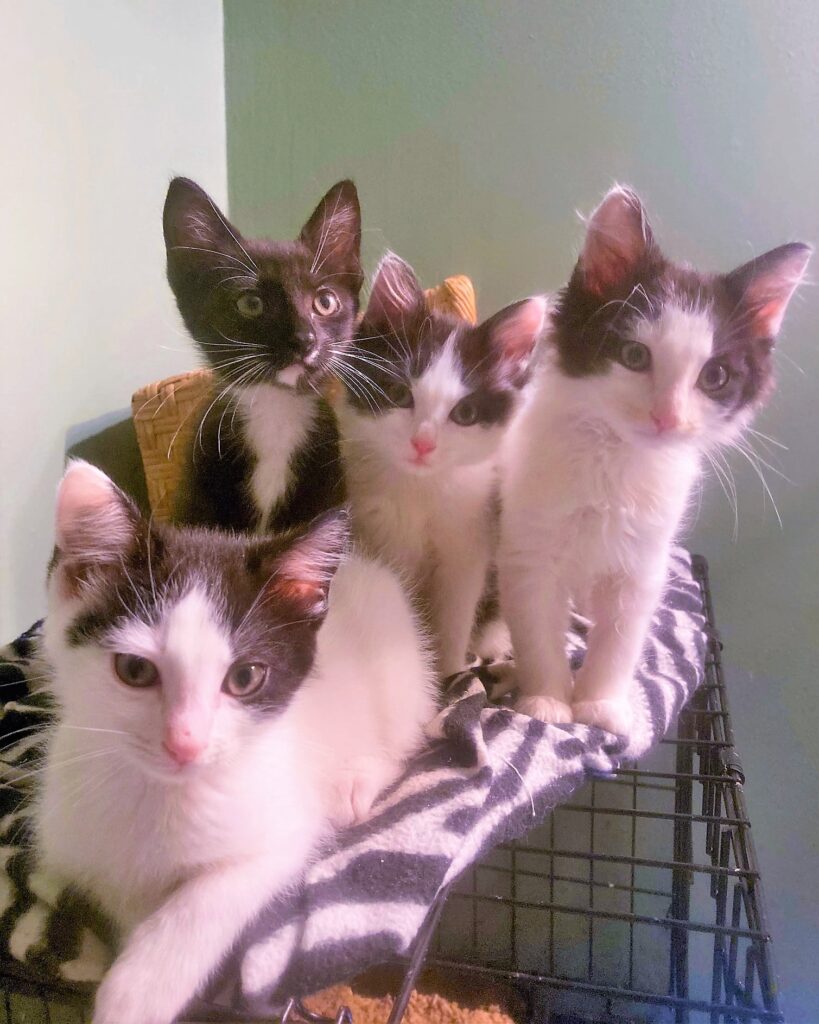
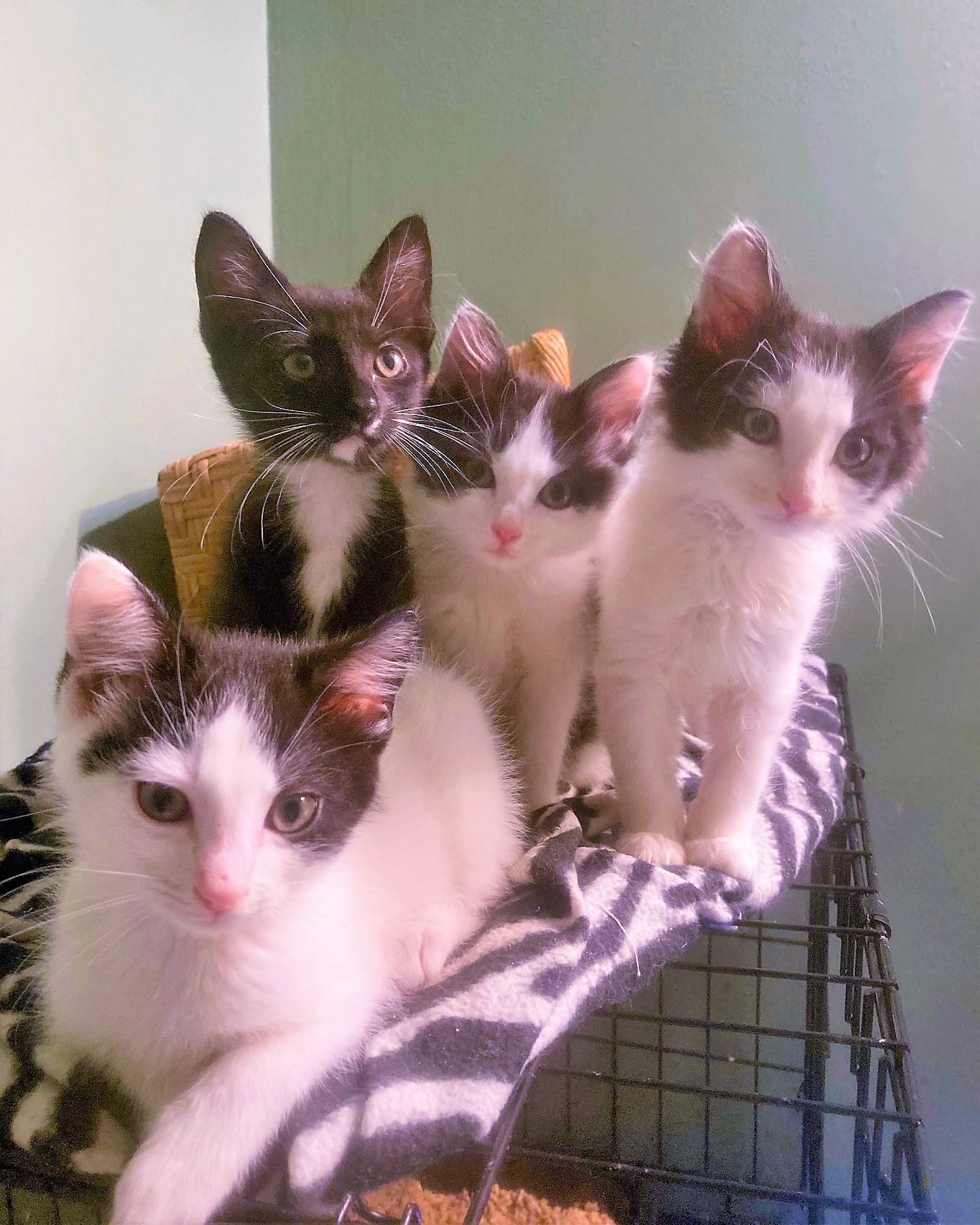
Wisp, Willow, Breezy and Bubbles were found wild and dirty. But after a few weeks in a foster home, they were healthy, social and adoptable.

If you are unsure of the kittens’ age or care needs, you can bring them to the shelter for assessment and we can help you decide on a plan for adoption or direct you to other options, such as our TNR (Trap, Neuter, Return), which is free to Aiken County residents, or the spay/neuter voucher program. You can also call the shelter for counsel.

Fosters are needed for kittens in 2021
Because citizens are sometimes unable to bottle feed and socialize the kittens they find, we have a small team of FOTAS fosters who take in babies and give them the care they require. These amazing volunteers save many feline lives each year. To join this special team, please go to the FOTAS website (fotasaiken.org) or call the shelter at (803) 642-1537.

Their lives are in our hands.

— By Bob Gordon, FOTAS Communications Director