Category Archives: shelter construction

PAWS Building at ACAS
Animal Shelter’s New Building

By Pam Gleason, The Aiken Horse

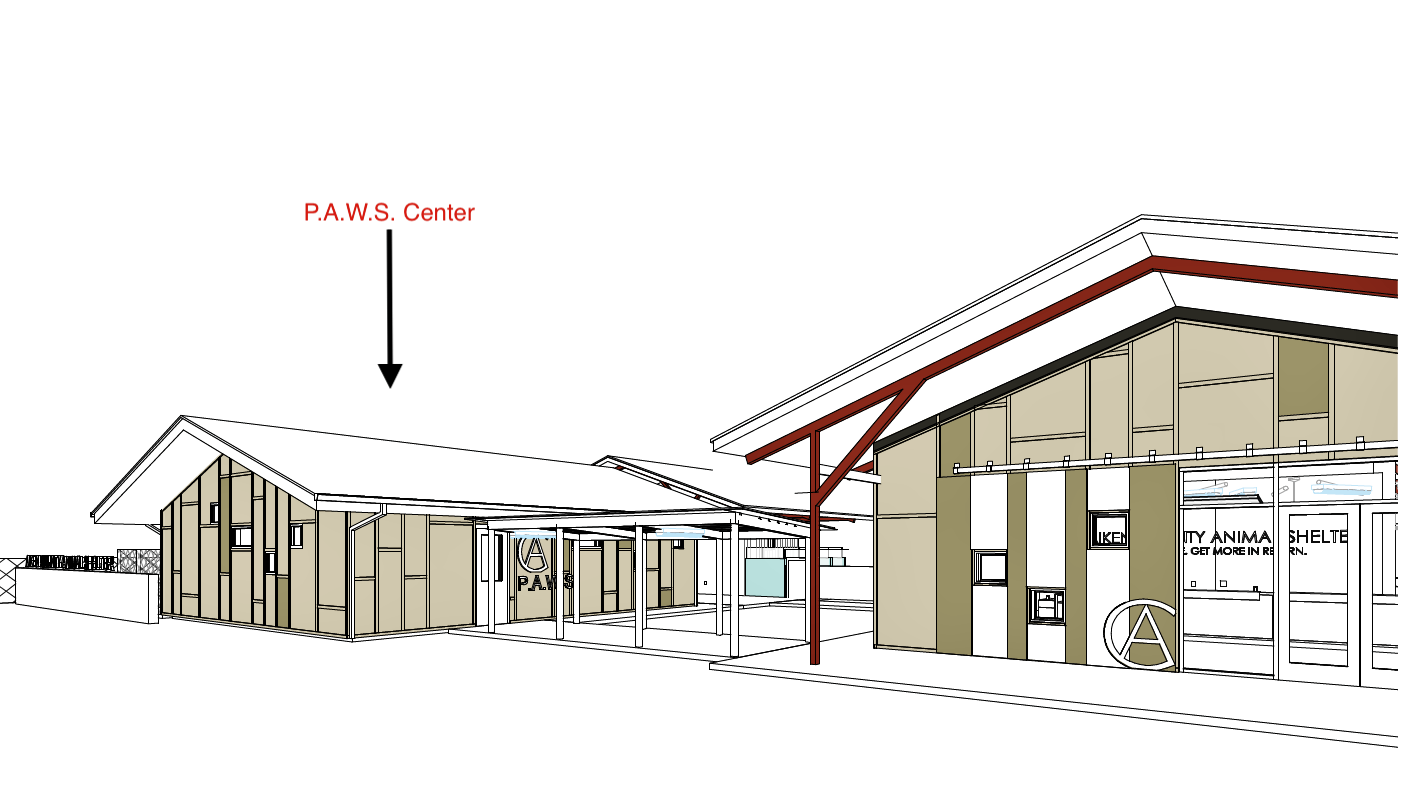
The Aiken County Animal Shelter will soon have a new building devoted to adoption, humane education and dog socialization. The new PAWS building (“Primary learning, Adoption Wellness and Socialization”) is under construction now and is expected to be completed sometime in January. The project was initiated by Friends of the Animal Shelter Aiken (FOTAS) which raised the majority of the funds for the building. In addition to rooms for meet and greets, education, dog training and indoor activities, the PAWS building will also house a cat colony room with an attached outdoor “catio.”

“This building is something that we have wanted since day one, but when the shelter was built, we did not have the money to do it,” said Jennifer Miller, who is the founder and president of FOTAS. FOTAS works together with the Aiken County Animal Shelter in a public/private partnership that has gained national recognition as a model for how open admission shelters in high intake areas can save lives and improve animal welfare. FOTAS was founded in 2009 and its efforts have been multi-pronged. They have included fundraising to construct a new shelter, supplementing local adoptions and organizing and implementing a transport program to allow Aiken County animals to be adopted in other parts of the country. They also promote and fund spay and neuter, heartworm treatment and much more. FOTAS’s efforts have been successful, taking the shelter’s euthanasia rate of over 90% in 2008 to a save rate of over 90% today. In fact, at the end of its first ten years, FOTAS accomplished its original mission: never again having to euthanize an adoptable cat or dog for space.
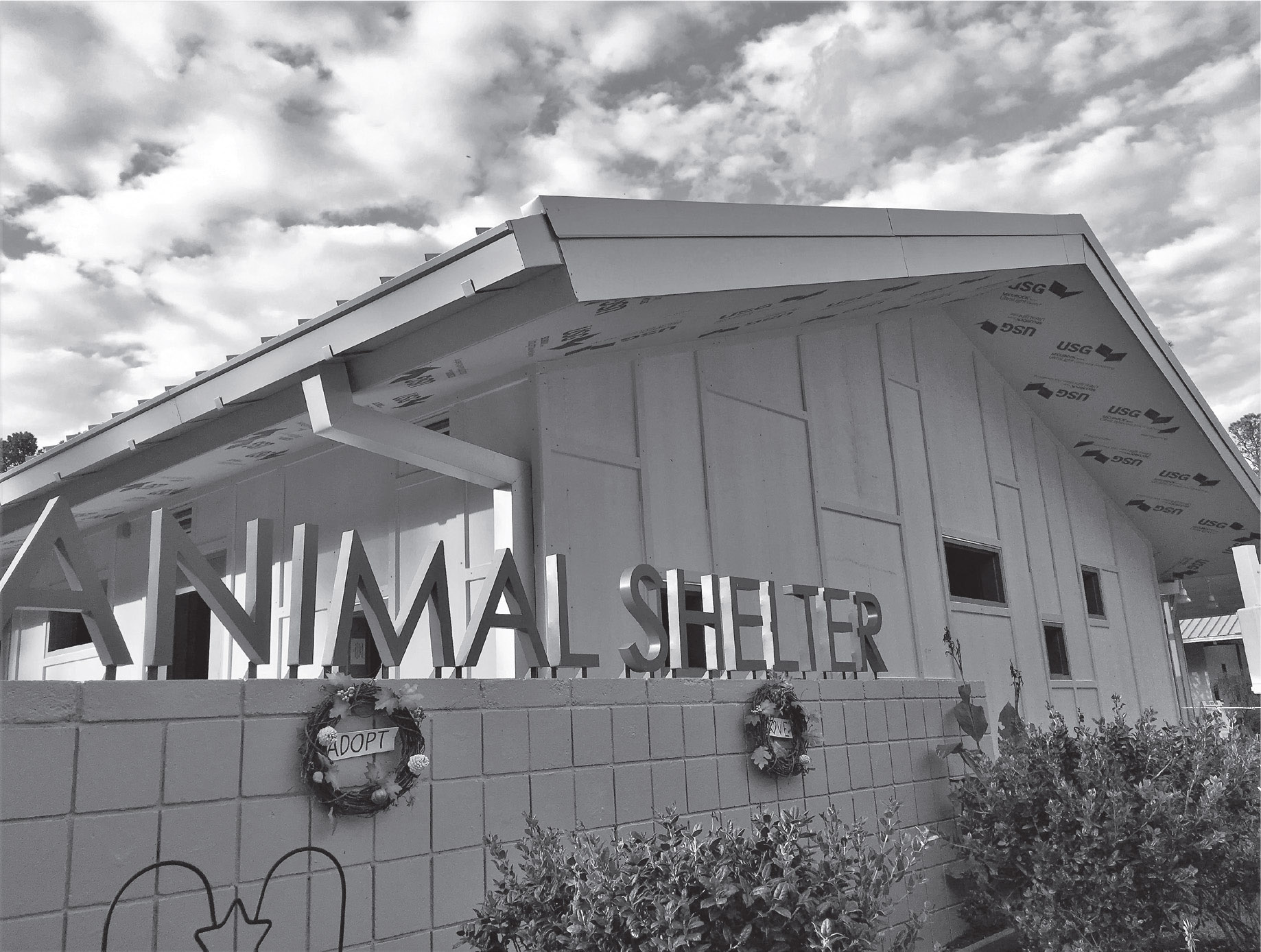
New PAWS building nears completion

These days, FOTAS has expanded its mission: the goal now is to make the shelter a resource, rather than a destination. The idea is that the shelter will be able to provide the tools necessary to ensure that animals that have homes can stay in them; that those that need new homes can find them; and that affordable and accessible spay and neuter services will bring a halt to the longstanding pet overpopulation problem in the county and beyond.

According to Jennifer Miller, the new building will be a valuable asset to accomplish that mission. One major thing that it will do is to provide a quiet and private place for prospective adopters to meet an animal that they are interested in.

“Say Mrs. Jones sees a dog she wants to adopt,” said Jennifer. “If we take that dog out to the play yard, the dog is going to be excited, it’s going to be running around, sniffing the grass, and Mrs. Jones is going to think ‘that dog doesn’t like me,’ and the adoption isn’t going to happen.” The new building will have two comfortable rooms with furnishings provided by Folly, a shop in downtown Aiken, where adopters can get to know dogs in a home-like setting without noise and distractions.

The main part of the PAWS building will consist of a large open room that can be used for dog socialization and training sessions which are an important enrichment activity for shelter animals, as well as a way to make them more adoptable.

“The more skill sets the dogs have, the easier they are to find homes for,” said Jennifer, noting that everything they do is geared toward reducing an animal’s length of stay at the shelter. The big room will also be used for indoor play groups during inclement weather, and it has been designed to facilitate meet and greets between a prospective adopter’s resident dog and a shelter dog to make sure that the animals get along before an adoption takes place.

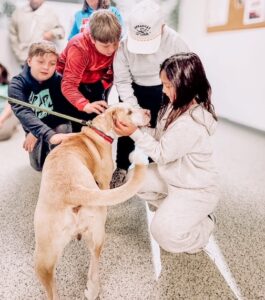
Perhaps most important, the new building will provide a convenient place for humane education and for the Junior FOTAS program, which has grown immensely in the past few years. “We are doing something with the schools every week,” said Jennifer. “We teach them about heartworm prevention, spay neuter, humane care. We have the Dog Ears Reading program, where the kids read to the dogs in their kennels. But until now, we haven’t had a place to run other programs in the shelter. So this new building will be a learning center.

“At the shelter, it can seem like taking a broom and sweeping back the ocean,” continued Jennifer. “We had over 4,700 animals come in here last year. That’s down from about 6,000 years ago, but it’s still too much. And we ask, how do we prevent animals from having to come in here? So we have spay and neuter and TNR [trap-neuter-return] for cats. We help low income people keep their pets with a monthly community pet food drive. We work with animal control to get animals in the county off chains. And when we talk about the shelter becoming a resource and not a destination, that’s out future. And the way we are going to get there is with the kids, so the junior programs are really important.”

Seed money for the new PAWS building came from two major legacy gifts, with additional donations from members of the community and a commitment from the county. Most of the money that FOTAS raises goes towards its programs – transfer, heartworm treatment and prevention, spay and neuter and so on. Donations are always appreciated. The other major need for FOTAS is always more volunteers and fosters.

“We are so appreciative of our volunteers. We couldn’t do any of this without them,” said Jennifer. “We are just so lucky to have them. But we could always use more volunteers and fosters. If you take a dog in foster I always say you are saving two lives: the one you are fostering and another one at the shelter who gets to move onto the adoption floor. If you want to come to walk a shelter dog, there are no barriers – you have an orientation and then you can come whenever you like. Animals live in the present. If you can make one dog’s present happy for 15 minutes, that’s a good thing.”

For more information on FOTAS or to volunteer, foster or adopt, visit fotasaiken.org.
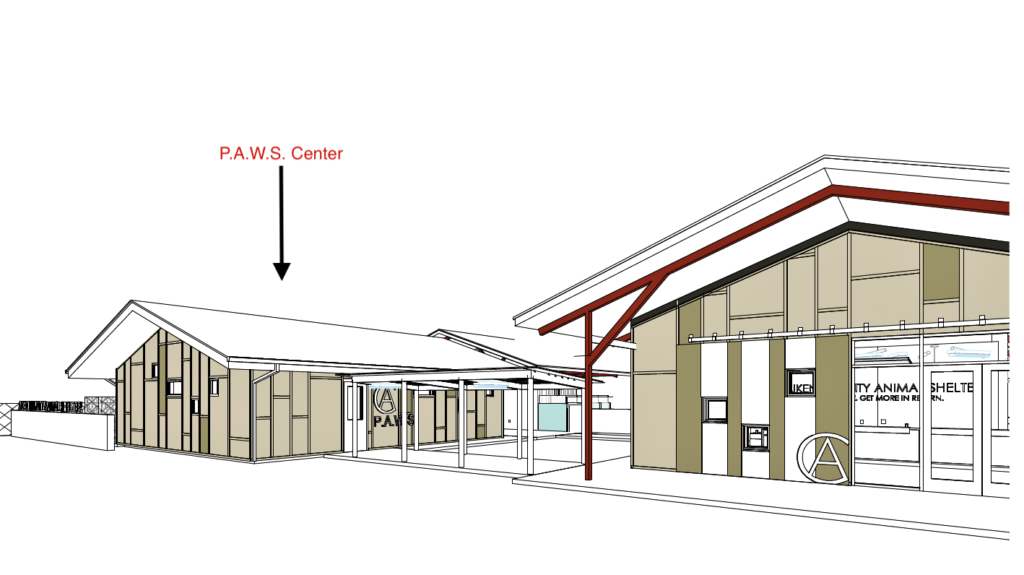
County Shelter P.A.W.S. Center Is About to Become a Reality

You have been looking for the perfect canine friend, and you think you finally found her on the FOTAS website—a lovely, white Pibble with a brown patch on her eye named Jewel. You saw her picture and thought, “Yes! She’s the one!” You call the Aiken County Animal Shelter and make an appointment. As you drive your car towards your dog destiny, you imagine all the things you and Jewel are going to do together when she comes home with you.

The new building will be next to the shelter’s feline facility.

When you arrive at the shelter, the adoption staff brings Jewel outside to meet you in the play yard. She’s excited to be out of the kennel. She races around the yard, sniffs the fence posts, barks at the other dogs, shows a keen interest in the cars in the parking lot. In fact, Jewel shows a keen interest in just about everything and everybody but you. Although you know in your head why she’s distracted—it’s a busy county shelter with lots of noise and people—your heart is broken. You leave the shelter disappointed and without Jewel.

But what if there had been a quiet place indoors, away from distractions, where you could meet Jewel—just you and her, maybe one of the adoption staff to oversee the introduction? Odds are, based on our experience, Jewel would have crawled into your lap and given you one of those big, goofy Pibble smiles. In that case, you would have left the shelter with a full heart and Jewel in the back seat.

The addition of meet and greet rooms where potential adopters can get to know a new dog, away from the frenzied environment of the kennels and the distractions of the outside play yards, is on top of the Shelter’s wish list. In addition, the Shelter also needs an indoor room with no distractions for training and socialization of shelter residents. Most shelter dogs have never been taught basic obedience skills, which are important for a new dog to become a good family member. An indoor training room could also provide a space for indoor dog play groups, for introducing the new dog with a potential adopter’s existing dog, as well as for holding educational events for children, Junior FOTAS after school clubs and camps, community organizations, as well as training for staff and volunteers.

Although the original plans for the shelter included meet and greet, adoption, and training rooms, there simply wasn’t enough funding at the time. Finally, thanks to the generosity of the Aiken community, FOTAS fundraisers, and two recent, substantial legacy estate donations, we are pleased to announce that FOTAS and the Shelter are developing plans for the P.A.W.S. Center (Primary Learning, Adoption, Wellness, Socialization). The addition would also include a new, stress-free cat room and patio for our feline residents.

The P.A.W.S. Center will be a wonderful addition to the county shelter.

In short, the P.A.W.S. Center will help us make our animals more adoptable and reduce their length of stay. That’s a win-win for everyone.

Thank you for your support and for making us part of your estate plans. Your generosity makes it possible for the Shelter to take the Center off its wish list and make it a reality. We’ll keep you posted as the plans unfold.

Their lives are in our hands.

— By Jennifer Miller & Joanna Samson, FOTAS

Good News for the County Shelter

The world out there is a crazy place right now—Covid-19, crazy politics, massive hurricanes on the Gulf coast, wildfires in the west—so I’m all about finding those good news stories to report, the ones that make me feel good, that affirm my faith in people, government, and humanity in general.

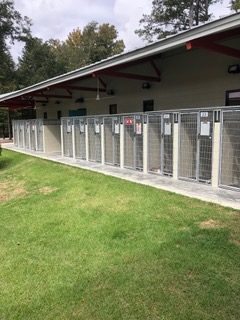
When Jennifer Miller, the president of FOTAS, told me that 30 open-air kennels in the intake wing at the Aiken County Animal Shelter have finally, after six years, been enclosed, I was excited. That was great news.

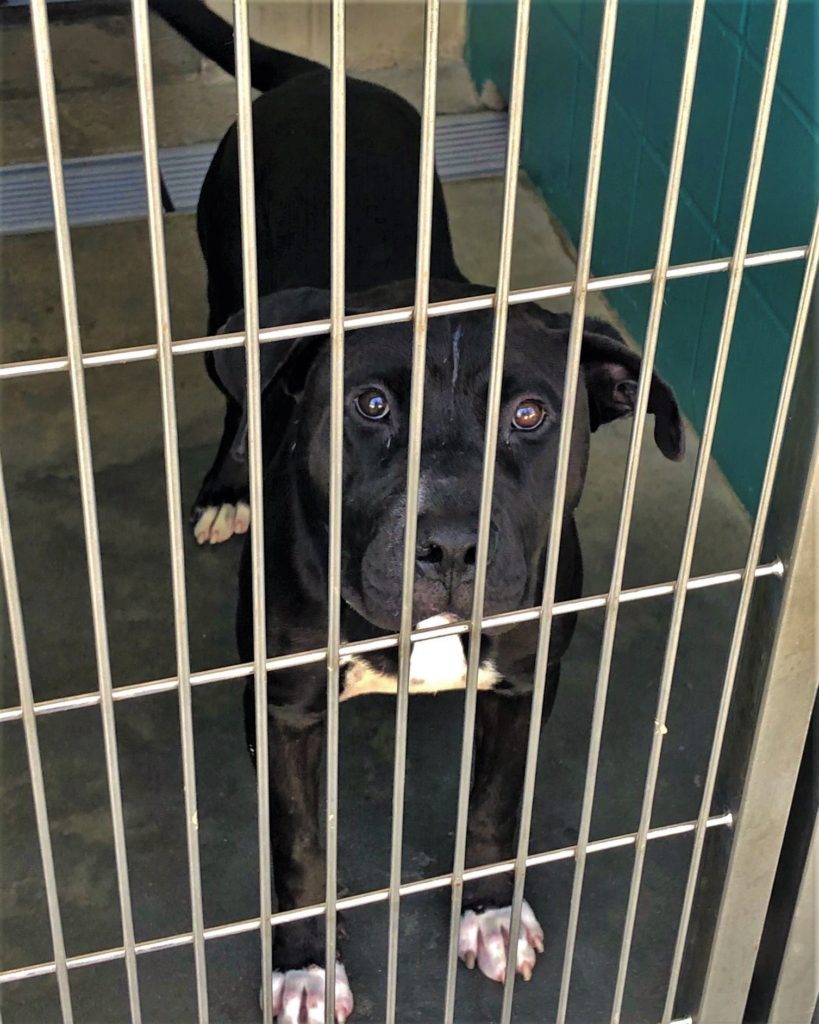
Hudson is a sweet and well-behaved mixed breed who is available for adoption at the ACAS.

A little history. The shelter was built in 2014 through a public/private partnership between the county and FOTAS. The physical shelter was funded by the county from monies from the Capital Project Sales Tax (CPST) III. FOTAS funded the architectural and shovel-ready plans, as well as much needed equipment, durable stainless-steel kennels, furnishings, and fencing once construction of the shelter was complete, through contributions from folks like you.

Unfortunately, there was not enough money at the time to enclose the last thirty kennels. Although the kennels were covered and heaters were installed for the winter and fans for the summer, as weather patterns became more erratic, the kennels were not able to protect the dogs from intense heat, torrential rains, and unusual cold spikes. The county understood the problem and responded, committing to fund the project with the next round of CPST IV monies. Construction began earlier this year and has just been completed.

Why is this such an important improvement to the shelter? Because it’s better for the dogs: enclosed kennels provide greater security and a more positive shelter experience. The shelter takes in about 4,000 abandoned, neglected, and abused animals every year. No matter how good the shelter is, or the shelter staff and volunteers are, it is a stressful experience for the dogs. It’s unfamiliar and it’s noisy, and if your kennel happens to be outside, the dog might be hot or cold or wet as well. The more stressed the dog, the more it could bark excessively or shut down.

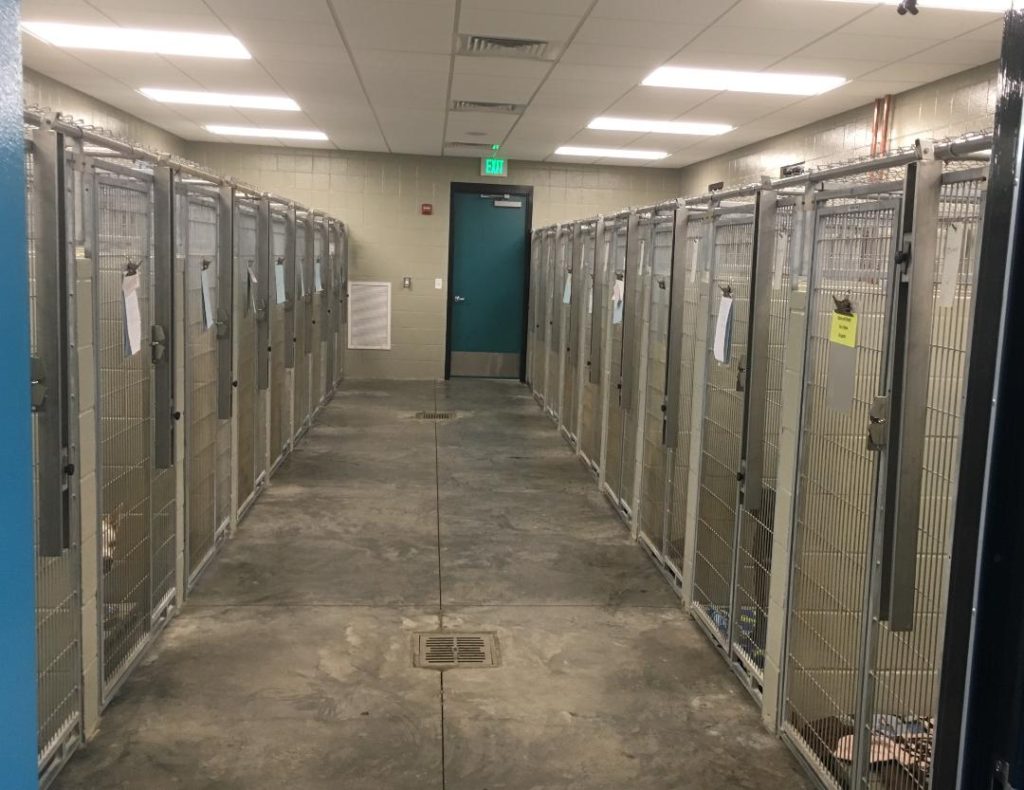
The newly enclosed intake dog kennels.

An excessive barker or shut down dog is not an appealing prospect at first glance; it takes them longer to get adopted. Longer stays make for more anxiety for the animals and increased costs for the shelter. It’s a vicious cycle.

That is why the County and FOTAS work hard to make a dog’s kennel experience as positive as possible. So in addition to providing kennel beds and toys to curb anxiety, now the dogs in the back thirty kennels can be housed in proper indoor/outdoor kennels. In bad weather, they are protected from the elements; but in good weather they can go to the outside kennel for a little fresh air.

A relaxed dog is an appealing prospect at first glance. Appealing prospects get adopted more quickly—better for the dog and definitely better for the shelter’s budget.

None of this would have been possible without a committed County Council and an equally committed community. Thank you—you are our good news right now.

Their lives are in our hands.

— By Joanna D. Samson, Vice President, FOTAS

The enclosed kennels have air conditioning, heating and a speaker system for calming music.

Ernie Wolf: FOTAS Volunteer Makes Houses for a Good Cause

It has been my honor to be one of the founders and President of FOTAS since 2009. Before FOTAS was founded, I saw a stray animal problem in Aiken County and didn’t know what to do about it. I began to advocate for the homeless animals in the county and was joined by an unexpected and wonderful cohort who also cared deeply about the fate of those animals: Ernie Wolf.

I met Ernie, a retired mechanical engineer, in the early days. Ernie and I didn’t understand the magnitude of our undertaking when we began a campaign to help the animals. FOTAS was formed in 2009, and Ernie was one if its original volunteers. Ernie loves cats. His former cat, Murphey Brown, and his current cat, Murphy Wolf (adopted from Aiken County Animal Shelter), were and are his best friends and the apples of his eye. Ernie swears each cat is (and was) the most intelligent cat he’s ever met and could outsmart any dog.

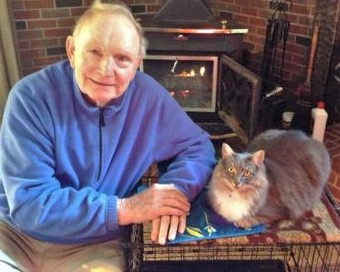
Ernie Wolf, one of the pioneers of FOTAS, designed the Aiken County Animal Shelter’s cat facility

Ernie was instrumental in the construction of the first FOTAS project at the Aiken County Animal Shelter—a place to house adoptable cats. He designed, organized and lead the efforts to build the much-needed Cat House. (By the way, Ernie hated it when we referred to the facility as the Cat House because it is a euphemism for a brothel. That gave everyone, including the cats, a big laugh).

The unique design of the Cat House provides for both indoor and outdoor space for the cats, which allows them to move about freely among multiple play and perch areas. Volunteers and prospective adopters have a place to visit and sit with the cats in a more natural environment, which is a win/win for everyone.

When the shelter moved to the new facility in 2014, the Cat House was moved as well. Last year FOTAS refurbished and updated the Cat House, and today it is still a wonderful, unique, and successful adoption facility for the cats.

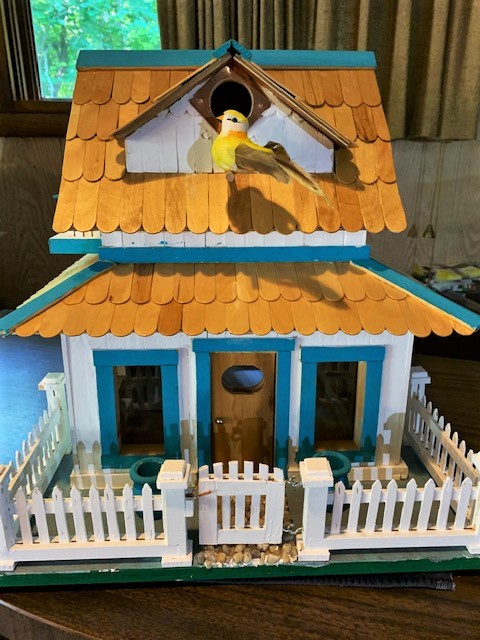
Ernie Wolf is selling his latest creation, a decorative birdhouse, and donating the proceeds to FOTAS.

Fifteen years ago, Ernie met Linda Soyars when she was walking her dog outside his home. They became intimate friends and enjoyed a loving relationship until she recently passed away. Linda shared Ernie’s passion for animals and became a cherished FOTAS volunteer herself. She was a special, kind person who will be missed by all of us.

In memory of Linda, Ernie has built another house in her honor, this time an exquisite, handmade bird house to be displayed as an indoor decorative piece. Ernie wants to sell this extraordinary, beautifully crafted Birdhouse and donate the proceeds of the sale to FOTAS. (Please call the FOTAS Hotline, (803) 514-4313, if interested.)

Ernie is not done developing building plans for FOTAS. Just shy of his 92nd birthday, he is assisting FOTAS with the conceptual drawings for two much-needed meet and greet adoption rooms and an indoor training area at the shelter. Stay posted for coming updates!

Behind the scenes Ernie has dedicated countless volunteer hours to FOTAS. Thank you, Ernie. We also remember Linda and her devotion to shelter animals. Volunteers are the lifeline of FOTAS. They make it possible to help so many animals in need at the shelter, and we are deeply grateful to them all.

Their lives are in our hands.

— By Jennifer Miller, FOTAS President

Adapting to Pandemic Crisis Leads to Positive Changes

The Coronavirus crisis blindsided us all. Suddenly leaving our homes was dangerous, masks covering our nose and mouth became necessary, restaurants and small businesses were forced to shut down, and toilet paper turned into a priceless commodity.

But COVID-19 also forced us to think differently about the world we live in and adjust accordingly. Not only did social media become even more of a focus for us and vital to reaching potential adopters and fosters, but we also adapted our adoption process. To better protect citizens and our Aiken County Animal Shelter staff, we began doing adoptions outside and by-appointment only.

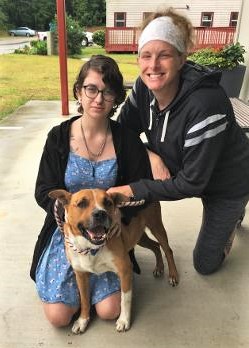
Sweet Angelica gets adopted during a May 22 appointment.

Since the shelter became closed to the public in March, we began asking potential adopters to view the available animals on FOTASaiken.org and then call the shelter for an appointment to visit with the ones they like. When folks arrive for their appointments, staff members greet them outside and then bring the pets out to visit. Following social distance protocol and wearing protective masks, staff members complete the adoptions curbside.

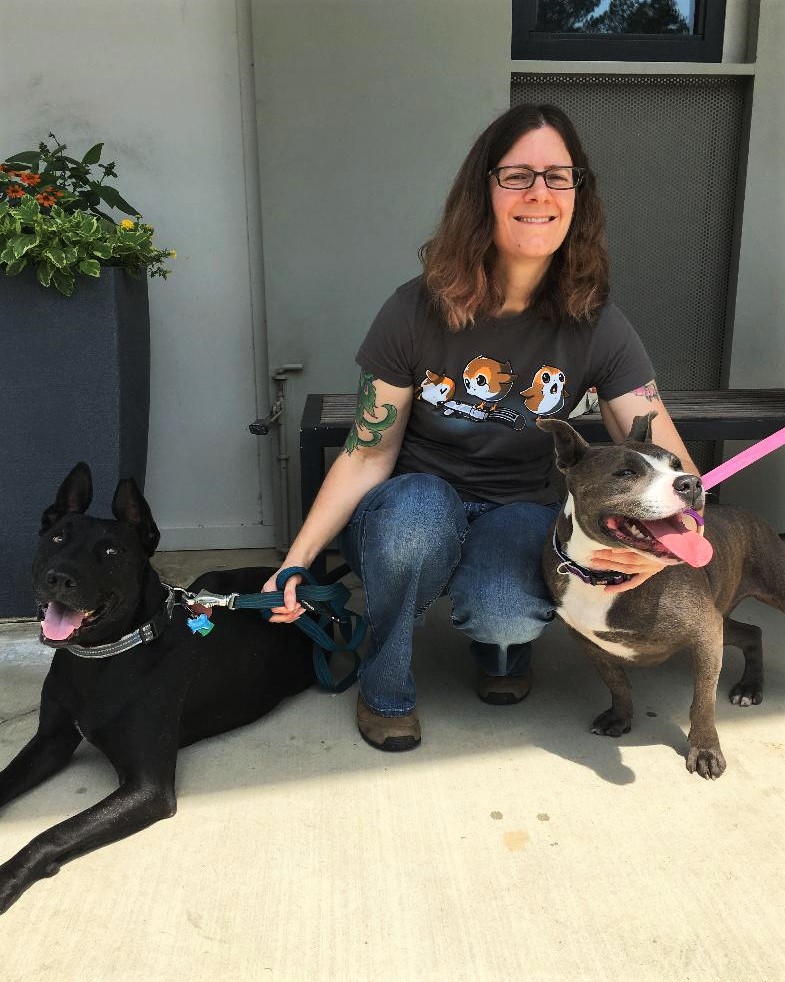
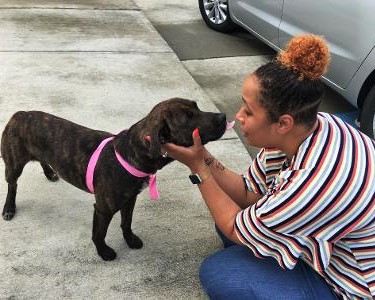
Michelle Vieyra adopted gray and white Pitbull mix Jules last month and brought one of her male dogs to meet her outside. After spending some time with Jules, she knew the feisty female was a good match.

Hunter finds the perfect home!

“Jules is doing well and learning how to fit into pack culture,” Vieyra said. “She is a bossy little thing, which is why I renamed her Sassy, but she is smart and catches on very quickly how things work around here. She learned how to sit after just one day, and we will be starting on commands like ‘lie down’ and ‘stay’ soon. She is also ridiculously cuddly.”

The appointment model for adoptions has been so successful and convenient for citizens, we plan to continue it even as we start accepting walk-in visitors again. Adopters enjoy the greater one-on-one attention and find they are less overwhelmed by so many pet choices when they arrive. In fact, most appointments are resulting in adoptions.

Similar to other service businesses such as hair salons, we will encourage appointments but also welcome walk-ins.

Shelter launches construction of intake kennel enclosure
The needed construction project of enclosing the covered, open-air intake kennel wing began this week, and we are thrilled this important improvement is being made. This is an exciting project as 30 kennels will be enclosed in a temperature-controlled building, making the dogs in this wing more comfortable and better protected from severe weather. During the estimated 3-month project, the shelter will temporarily be without 30 kennels, so please if you can foster or adopt.

Gray and white Jules aka Sassy (right) is adopted by Michelle Vieyra during a late May appointment.

If you have to rehome your pet, please take advantage of FOTAS’s Home to Home program, which allows you to rehome your pet directly from your residence instead of surrendering them to the shelter (which can be so stressful for a pet).

To learn more about FOTAS’s many programs and/or to volunteer, go to the FOTAS website (fotasaiken.org) or call the shelter at (803) 642-1537.

Their lives are in our hands.


— By Bob Gordon, FOTAS Communications Director