



Category Archives: Training

Crate training can make life easier for both you and your dog

Crating can be a tool for helping with separation anxiety.

While a crate might seem too confining for your dog, it can actually be a great source of comfort for him, especially if he is insecure.

A dog crate is a plastic or collapsible metal enclosed pen that is large enough for a dog to stand up and turn around in. It is a place for the dog to be when no one is around to supervise him. If introduced correctly it can become your dog’s sanctuary – a place where he feels safe and secure. It can be a tool for helping with separation anxiety.

Dogs are extremely social and enjoy being included in family activities. Using a crate allows your dog to be inside even when you’re not home or are sleeping. Crating along with scheduled opportunities to go outside can aid in house-training because dogs don’t like to soil their sleeping areas. During the puppy stage, this confinement keeps him safe when you cannot monitor him. Crating keeps your pup away from dangers like electrical cords and choking hazards.

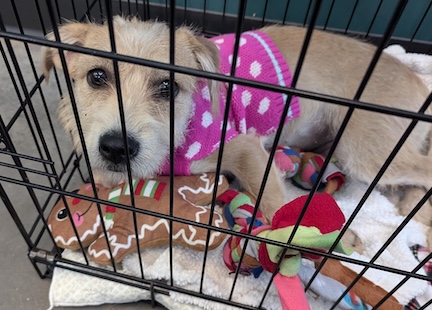
Some dogs at the animal shelter get panicky in their kennels with all the noise and activity around them. But they become calmer and much happier when we put them in a crate in the front lobby. These dogs, likely trained before coming to the shelter, feel safer in a crate containing a comfy dog bed and their durable toys.
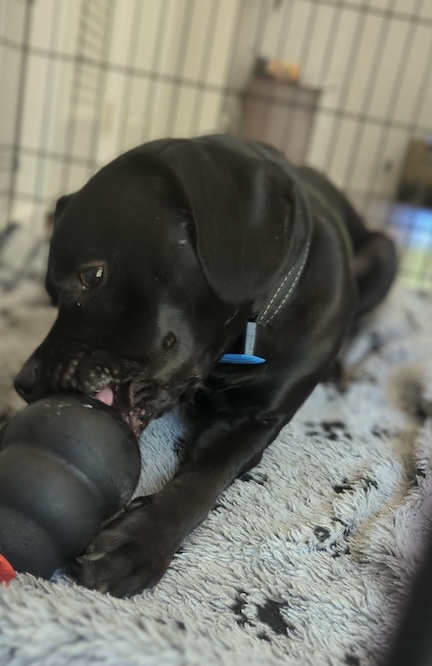
Nitro, a dog that felt more secure in a crate then his shelter kennel, was adopted and now roams free in his new house, but still sees the crate as his “den” and safe place.

One dog on the adoption floor, Nitro, was so anxious in his kennel, he would run all around, pace the floor, put his paws on the kennel door and bark in fear. But when we put him a crate in the lobby, he calmed down and became a different dog. He felt more secure in the crate, which helped him to relax and get some much-needed rest.

However, crates can be misused. No dog should spend most of his day, every day, in a crate. Crating an adult dog for more than 10 hours in a day can be considered inhumane even if he is given bathroom breaks. If your schedule requires you to be away from your dog for long days consider alternatives such as doggy daycare, a walking service or a pet sitter. 

Training experts also stress that a crate should never be used as punishment tool in training your dog.

“You want your dog to associate his crate with positive behavior,” said Karen DeCamp, Aiken County Animal Shelter Dog Trainer. “It is okay to use a crate to separate your dog from a household activity for short time-outs or naps. A safe chew toy or perhaps a Kong stuffed with peanut butter, then frozen, will provide your dog mental activity while crated.”

Finally, if you do crate your dog when you’re not home, it is important that you offset his time in the crate with needed exercise. He needs to expend his pent-up energy, so be sure to take him for a long walk or play fetch with him when you get home.

Their lives are in our hands.
By Bob Gordon, FOTAS Communications Director
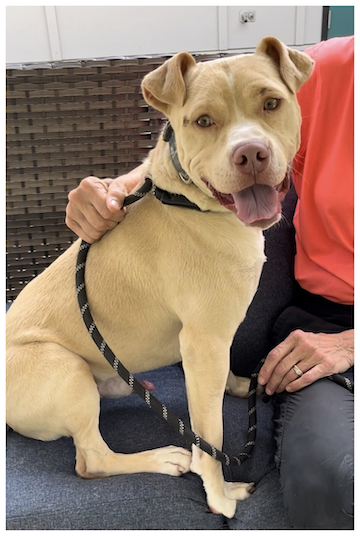
The importance of training and teaching pets good manners

Badger is just one year old and very playful, but he’s learning to be a gentleman.

I have always taught my son that manners will get you everywhere in this world.

That is why we stress the importance of teaching your pet manners. So many dogs are surrendered to animal shelters for being too high energy or undisciplined.

If we don’t teach our children manners they are disliked, frustrated, angry… it just causes a lot of issues! A little ‘please’ and ‘thank you’ goes a long way!

So why is it different for your puppy or dog? Why is it ok to dump your dog off at a loud, crowded shelter because you didn’t invest the time, care and tools to help train your furry friend?

Okay, I do understand the power of frustration. I had a dog that had a taste for flip flops. Not all flip flops, just the right one from each pair. I had ten black left flip flops at one time. Now, I could have surrendered my dog, but I didn’t (at times I wanted to). Instead, I taught her what toys were appropriate by rewarding her, and got a little better at putting away my shoes. She is now my best friend and brings me more happiness than I can ever say.

Manners can be taught
When adopting a pet, you have to know there will be some bumps in the road. Once you get over those bumps it’s so rewarding and nothing beats coming home to a snuggly, well-trained pup.

Poor Badger was brought to us for having too much energy. But he just needed more exercise and training. He is so good now! He sits patiently in his kennel trying to be the best little gentleman; he just needs some love and attention. A one-year-old dog is still in the puppy stages.

Big Broski is one of the sweetest dogs at the Aiken County Animal Shelter.

Sweet Broski is a handsome mixed breed who was destined to be an only pet because he didn’t seem to like other dogs. But we discovered that although male dogs intimidate him, he plays well with most female canines. If he doesn’t follow gentle play etiquette, staff or the other dogs correct him. Broski is now not only great with people, but he’s on his best behavior with his female peers.

We provide training support to adopters
I do hope when you look for your next pet you will consider coming to the Aiken County Animal Shelter. Our dogs go through basic training with our volunteers, and they want so badly to please!

We are there to support our adopters and their new best friends. We even have the support of a local trainer, Karen DeCamp, who offers a free training session at the shelter with your newly adopted dog.

Recently surrendered dogs such as Leah, Bandit, Kodac and Jack are just some of the dogs that are wondering why they’re here and questioning what they did wrong. Moving, health of owner and unwanted are the reasons they were brought in. These surrenders sit in the corner of their kennels, they spin in circles, they don’t understand. Don’t you want to be a hero? Be theirs.

Their lives are in our hands.

JUNE SPECIAL: All dogs and cats over one year of age are free of charge at the Aiken County Animal Shelter this month!

By Kathy Cagle, FOTAS Programs Coordinator

Adopted deaf shelter dog learns sign language

Ghost (formerly known as Boogie) at his new home with his human siblings.

When cutie-pie Boogie arrived at the Aiken County Animal Shelter as a hungry stray, it didn’t take him long to win the hearts of the FOTAS volunteers and shelter staff. The white, 2-year-old, 40-pound mixed breed made everyone smile with his goofy grin and outgoing personality. A true social butterfly, we thought he would be adopted as soon as he became available.

What we didn’t know when he first arrived is that sweet Boogie is deaf. Being a special needs pet made rehoming him a bit more challenging. However, the staff and volunteers worked with Boogie and taught him some sign language gestures, which he picked up quickly.

It took a month before someone adopted him. Unfortunately, they returned Boogie the next day because their other dog didn’t want to share the house with another pet. So, Boogie waited for another chance.

It took some more time and patience. But after weeks of being overlooked by shelter visitors, Boogie met Brittany Cook and his life changed forever.

“When we saw him on Facebook, we just had to meet the handsome boy,” Brittany said. “From day one, we fell in love with his big personality and were thrilled with how quickly he became attached to me and my children.”

Boogie’s new family renamed him Ghost and promptly took him shopping. The day we brought him home, my daughter Lona and I took him to PetSmart where he picked out his teddy bear that he sleeps with,” Brittany said. “Ghost loves his toys. He still has his favorite red toy that he had at the shelter and all the tennis and rubber balls that a dog can dream of.”

To help Ghost adjust and feel more comfortable in his new home, Brittany and her kids learned American Sign Language (ASL).

“His loss of hearing was an adjustment at first for my younger children,” Brittany said. “But once they picked up on ASL and hand gestures, everyone adapted great.”

Ghost’s favorite place for napping is on one of the children’s beds under the blankets with his toys. He has had no accidents in the house and is a big mama’s boy. He loves mealtime and waits patiently while his food is prepared.

“Ghost is always getting extra cuddles from the children, and he’s become part of the family,” Brittany said. “We couldn’t be happier and hope to adopt from the shelter again in the future.”

Their lives are in our hands.

By Bob Gordon, FOTAS Communications Director

.

SPOT prepares County Shelter dogs for their forever homes

FOTAS Volunteer Malia Koelker works with adoptable dog Whiskey as he figures out a brain game puzzle in SPOT class.

Just over two years ago, FOTAS gave me the green light to start the SPOT program at the Aiken County Animal Shelter. SPOT stands for Shelter Pups with Opportunity Training. Sounds pretty vague huh? Honestly, that is because it is; it is designed to increase the opportunity for a dog to get adopted.

The goals of the program are to help the dogs learn how to learn and to address situations that they may face in a new home. We want to start them on the journey of thinking and processing information as a precursor to moving into an adopter’s home, so they are primed with the skills to figure out their new life, new schedule, new commands, new relationships, etc.

To achieve these goals, we do basic obedience work such as sit, down and come, but we also incorporate agility equipment, working around other dogs, trick training, touch work, and brain games.

Each volunteer handler is paired with a dog and that dog is “theirs” to work with until the dog is adopted. SPOT class meets every Saturday from 11am to noon and is a chance for handlers to raise questions or issues that they are having. It is also a chance for the dogs to work on their skills amongst the chaos of other dogs being around.

All dogs wear a Gentle Leader while working; both in class and during the week. This training halter gives the handler more control with an ability to turn the dog’s nose toward them while not restricting the dog in any way. As each dog is at his/her own place along the learning path, everyone works on their own tasks during class. A general principle of “no pain, no fear” governs everything with a liberal application of treats.

We have dogs that come to us at every stage of learning and knowledge. A small minority have been through formal obedience classes before and seem to know everything. Those dogs may end up working on tricks or agility or filling in gaps in their education (can they be touched all over while remaining comfortable, can they remain calm while another dog passes by them?). Other dogs come to us with no knowledge or even trust of humans at all. For them, class may just be sitting off to the side on a leash, near their handler and watching the other dogs, while getting treats. Handlers are taught to watch their dogs and let the dogs tell them what is or is not working for each step of training; an exuberant “Yes!” may be perfect for the happy go lucky dog, but scares the shy dog, so the handler chooses a quiet “good job” instead.

So, yes, the acronym SPOT is vague, but intentionally so. The program is designed to address many aspects of what it takes to get adopted and successfully transition to that new home. And to be fun, always fun!

Their lives are in our hands.

By Jennifer Jotblad, FOTAS Volunteer

Free dog training session helps adopted pets get great start

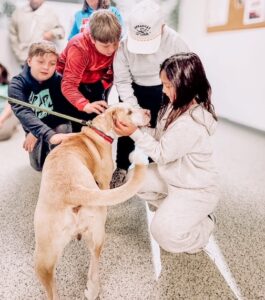
Certified Dog Trainer Karen DeCamp gives a free, one-hour training session to folks who adopt a dog from the Aiken County Animal Shelter.

When you adopt a puppy or dog from the Aiken County Animal Shelter, you receive a free training session for your new pet with Certified Professional Dog Trainer Karen DeCamp. She is the President of the Palmetto Dog Club and works closely with the dogs and FOTAS volunteers at the shelter every week.

Many dogs adopted from the County Animal Shelter do wonderfully right out of the gate. They get to their new home, fit in immediately and –with the minimum of growing pains – go on to live their best life and become a cherished member of the adopter’s family.

But sometimes there are some hiccups to address early on, while the shelter dog is adjusting to their new environment. That’s when DeCamp’s expertise and professional counsel are invaluable.

“It is so important to take time to put oneself in your dog’s place during the adoption experience!” DeCamp explained. “Their life has been turned upside down. First, when they were brought into the noisy, busy shelter environment and, again, when adopted by you. All of a sudden, they live in a new home with a new daily routine with new people and perhaps new animals. Like people, some dogs adapt to change more easily than others.”

In most cases, the training involves showing the adopters standard obedience techniques such as teaching their dog how to: heel and walk well on a leash; stop jumping up on people or furniture; sit on command; or follow proper housebreaking practices. But DeCamp also helps solve more complex behavioral challenges, such as a Welsh Foxhound with confidence issues and a shy, previously abused Staffordshire Terrier who was terrified of men.

In addition to receiving the one-hour training session, adopters are provided with DeCamp’s contact information so they can call and check in with her if they have questions or need additional training advice.

“Just like with people, each dog is an intelligent individual with different strengths and a unique personality,” DeCamp said. “In addition to resulting in a well-behaved companion to live with, obedience training improves your relationship with your new pet by increasing your communication with them.”

The free dog training session is just another benefit FOTAS provides to help ensure the adoption of your new pet is successful and as easy as possible. There are many amazing dogs at the shelter who desperately need homes. Each wonderful canine is just $35. If you are thinking of adding a new pet to your home, please stop by 333 Wire Road in Aiken or go to fotasaiken.org to see all the pets available for adoption.

Their lives are in our hands.

By Bob Gordon, FOTAS Communications Director
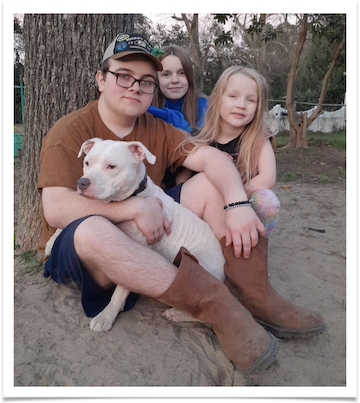
Group Play Can Work Wonders for Shelter Dogs

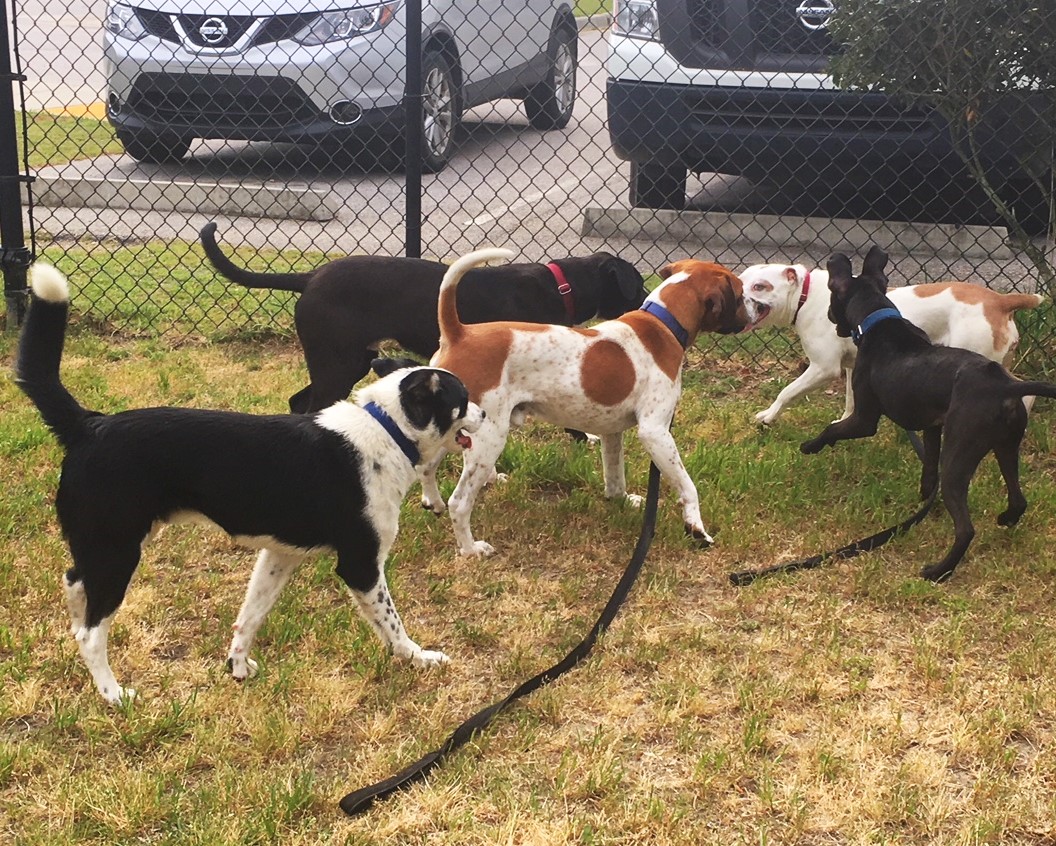
Paddy, a handsome white and black Border Collie mix, slinks into the play yard, his head down, tail between his legs. He backs away from the humans in the yard, wary of their intentions. Then Graham, a black retriever mix, is let in and everything changes. Paddy’s ears perk up and he slowly approaches the bigger dog. They come to face to face and sniff. Paddy’s tail pops up and begins wagging furiously and Graham nudges him with his nose. Soon they begin wrestling and chasing each other in the yard like best friends!

Group exercise helps dogs become better pets.

Welcome to the world of Dogs Playing for Life (DPFL), a group play program designed to give shelter dogs better quality of life and social interaction that helps them to become more adoptable.

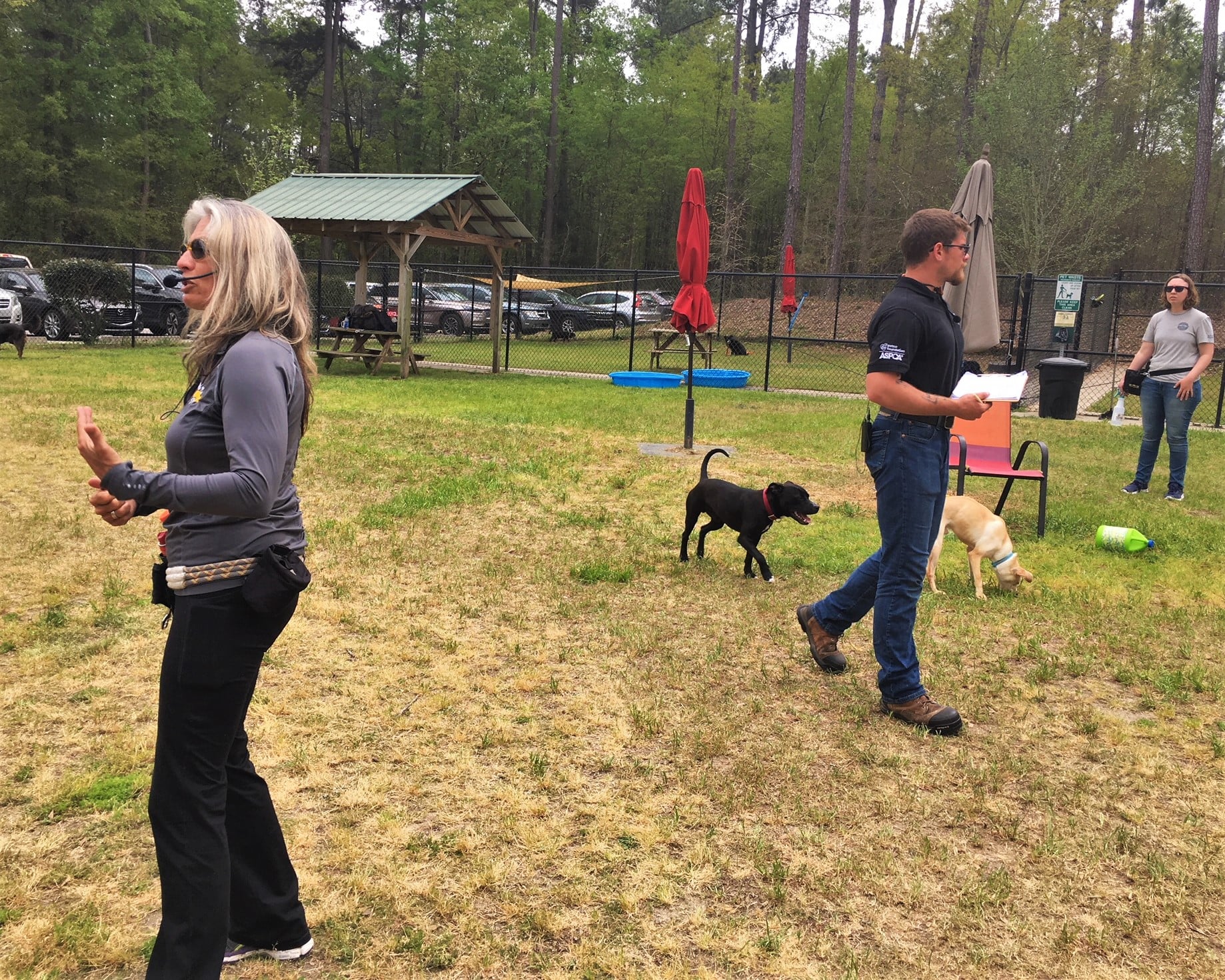
The DPFL team recently visited the Aiken County Animal Shelter (ACAS) to train personnel on how to hold dog play groups safely and effectively. DPFL Founder and CEO Aimee Sadler led the training, which included assessing 36 shelter dogs’ compatibility with other canines as well as their personality traits and playing style. By observing the dogs’ social interaction through shared playtime, the DPFL program helps make shelter dogs better behaved and more adoptable.

The program is helping FOTAS and staff identify key personality traits in individual dogs and aid in successfully matching homeless pets with adopters. Group play can help especially shy dogs, like Paddy, find their confidence and overly aggressive dogs learn how to play well with others.

Dogs Playing for Life first visited the shelter five years ago and introduced their guidelines and training to FOTAS and the County. This recent training was a refresher course, including two days of intense hands-on training.

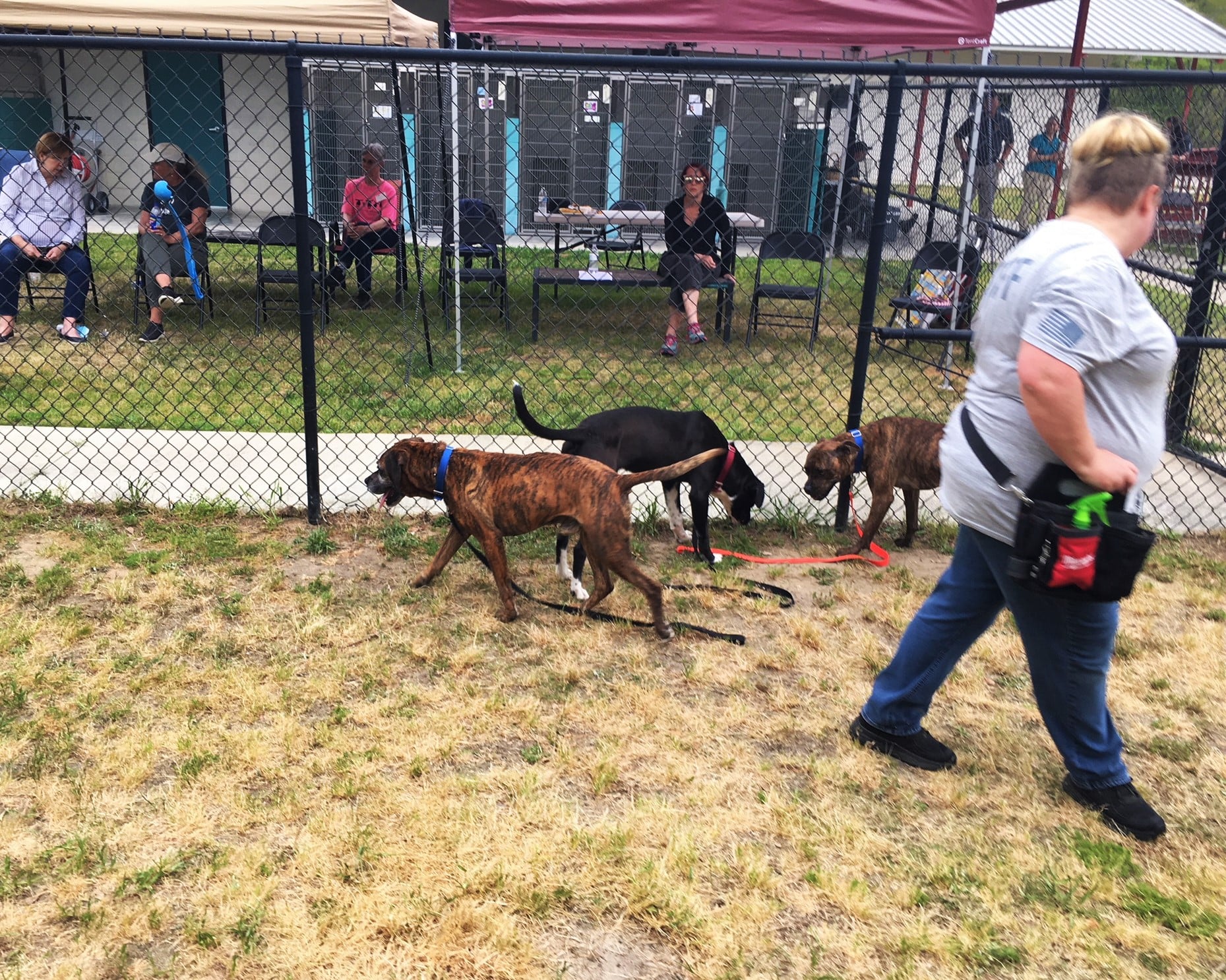
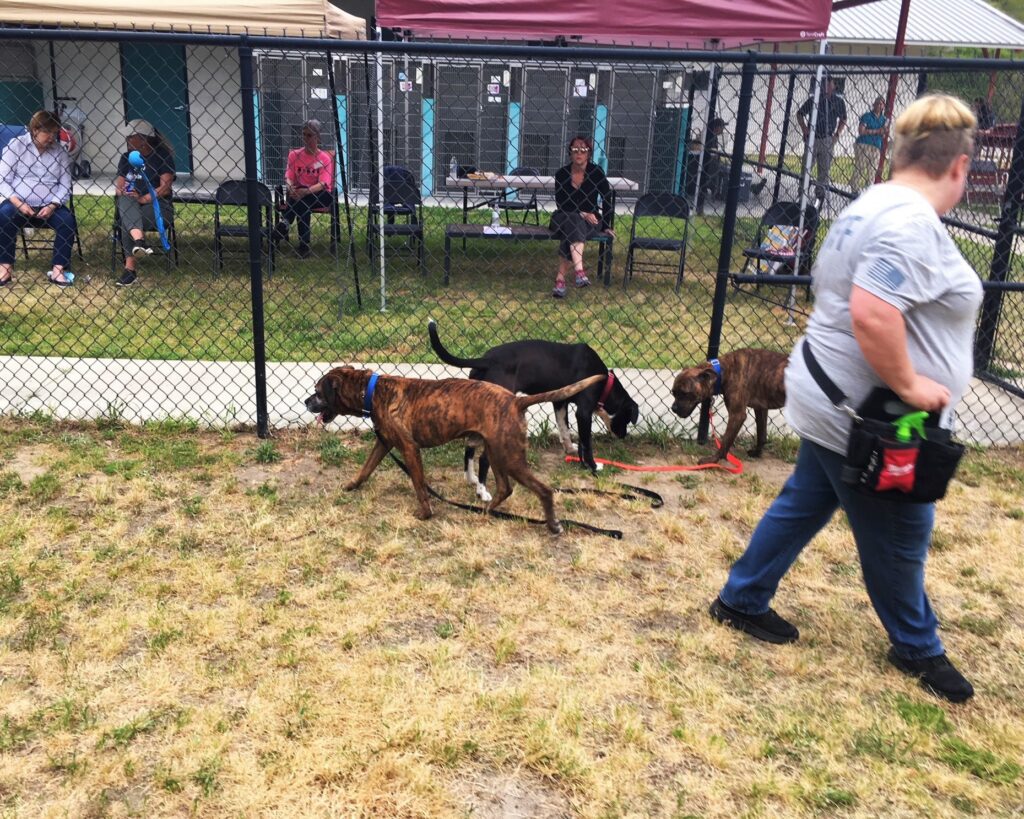
The staff has incorporated these lessons and have held play group sessions twice a day over the last two weeks. Staff usually manages five or six dogs at a time, but group play can include a dozen or more dogs if they get along and enjoy similar playing styles.

Some of the shelter’s most timid dogs, like pit bull mix Trinity and spaniel/hound mix Tenor, are blooming into superstars. They cannot wait to get out of their kennels and play with other dogs.

Group fun is overseen & led by shelter personnel.

A kennel environment can be incredibly stressful for dogs. But group play helps ensure dogs receive enrichment as well as physical and emotional care that can help them to engage more positively with potential adopters, transition more easily to a new home, and interact appropriately with people and other dogs in the community.

Last week, Donovan, a black lab mix who arrived at the shelter with a lot of nervous energy heightened by kennel stress, served as an example of how beneficial DPFL can be. During his appointment with a family, he was relaxed, confident and even plopped down on his future “mom’s” lap. Within minutes, he was in their car, heading to his forever home.

Their lives are in our hands.

— By Bob Gordon, FOTAS Communications Director
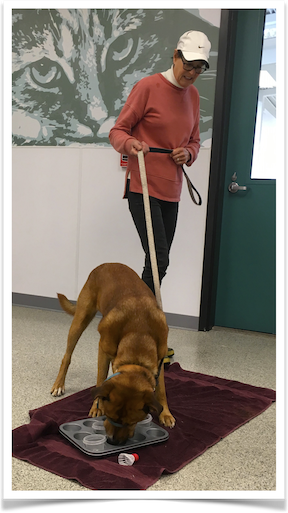
Shelter personnel receive lessons from DPFL experts.


Bringing Your New Dog Home: Five Tips for a Successful Adoption

You just saved a life. A dog at the Aiken County Animal Shelter (ACAS) pulled at your heart and after visiting her, you took her home to be your companion. You’re excited but a little nervous (which is normal). It’s a big step to introduce a dog into your home, and you want to do all you can to ensure your new family member has a smooth transition to your residence.

But how do you do that?

“It’s all a matter of giving your new dog time to adjust,” said Karen DeCamp, who trains dogs at the ACAS with Susi Cohen. “Their world has been turned upside down, and each dog is different regarding how quickly they adjust and get comfortable in their home environment.”

When ACAS dog SIMON is adopted, his owner will enjoy a free session with certified professional dog trainers Susi Cohen or Karen DeCamp.

Here are five tips for making your dog adoption a success:

1. Prepare by purchasing must-have items. Having the right tools can ease the stress and smooth the transition for your dog from shelter to home. Purchase food bowls, beds, leashes, harnesses, toys and dog crate ahead of time.

2. Let your new dog decompress. When dogs leave the shelter, they are happy, excited, scared – a mixture of emotions. Give your adopted dog a few days to decompress and relax. She likely didn’t sleep well in the shelter, so don’t be surprised if she curls up and goes to sleep when she first enters your home.

3. Be patient and establish a strict routine. “Be consistent when you get your new dog home,” Cohen advises. “Take her out at the same time, feed her at the same time. Be rigid with her routine. This establishes discipline, keeps the dog focused and helps her get acclimated to her new situation.” For the first few weeks, you should also avoid taking your dog to busy places, such as dog parks or social gatherings. Try to limit interaction to your immediate family.

4. Crate train your dog. Crate training is a great way to help your dog feel safe and less anxious when you have to leave her alone to go to work or run errands. “Most dogs feel more secure if they have a place where they feel safe, and a crate can accommodate that need,” Cohen said. “Make it comfortable by putting a dog bed inside and leave the door open to start so it is welcoming to your dog. She needs to feel safe.

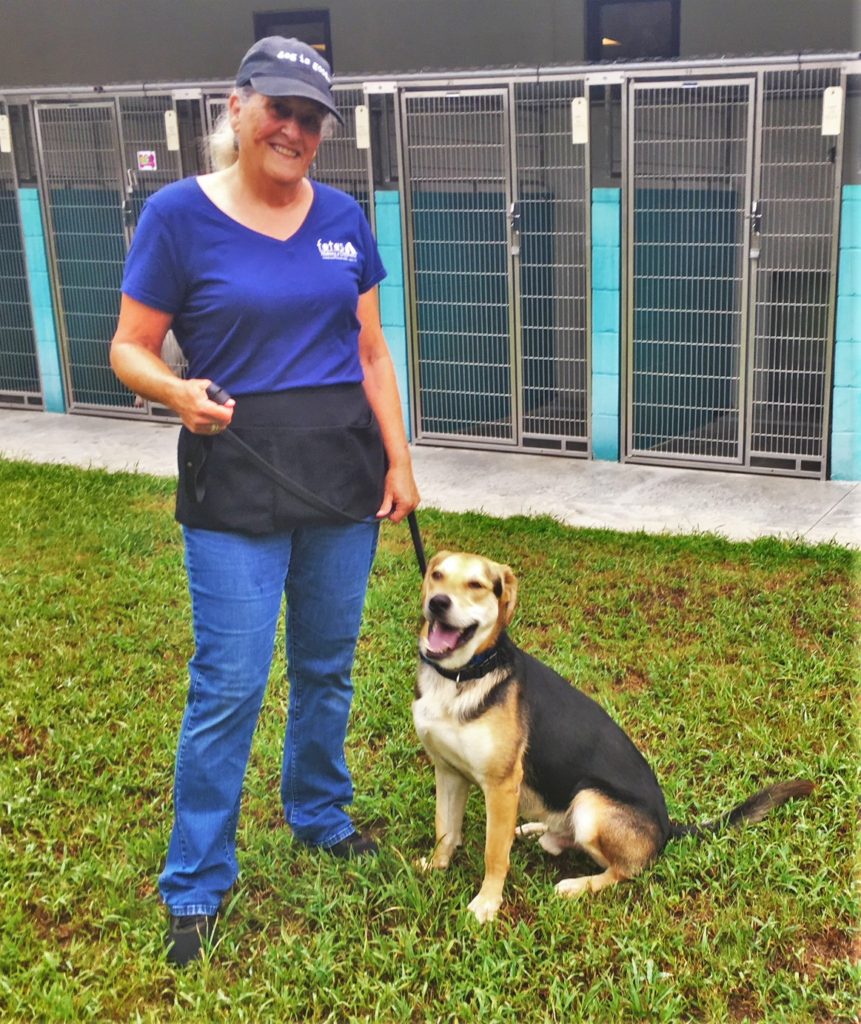
ACAS Dog Trainer Karen DeCamp, seen here with adoptable dog, MILES, says preparation and patience are key to a successful adoption.

5. Slowly introduce your dog to other pets. Before adopting another dog, a meet and greet with your dog at the shelter is strongly recommended. This will better ensure your dogs are a good match. To introduce them at home, DeCamp recommends walking them near each other on neutral ground that is not your current dog’s “territory.” This way, they can check each other out during the natural, positive activity of a walk.

Everyone who adopts a dog from the shelter receives a voucher for a free training session and can contact the ACAS trainers for guidance. “If you have any problems or questions, just call us,” Cohen said. “We’re here to help.”

— By Bob Gordon, FOTAS Communications Director
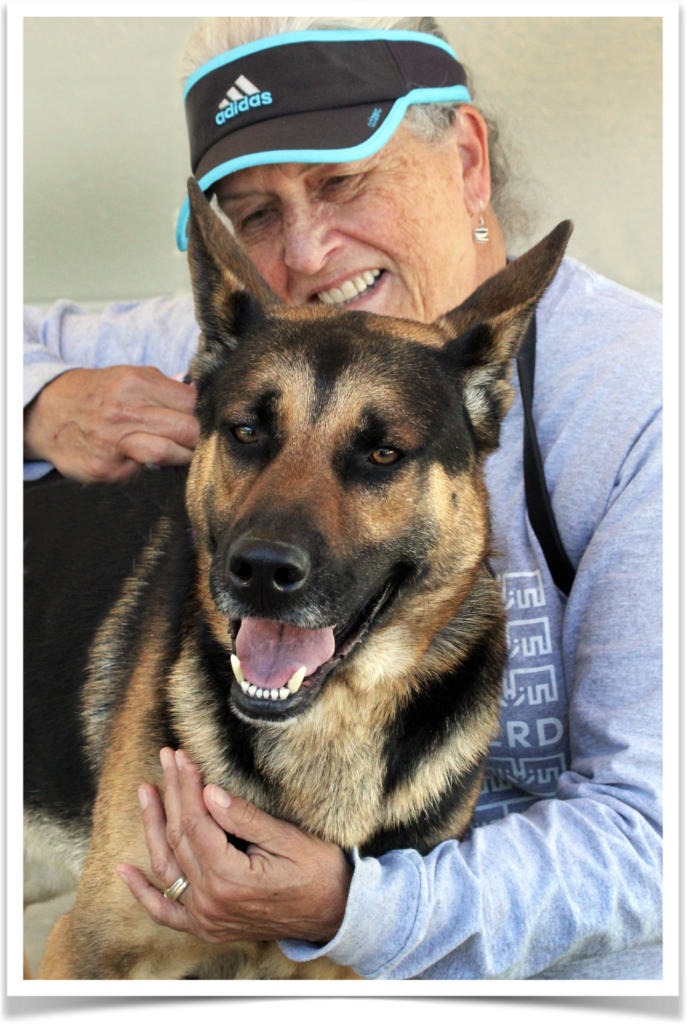
Shelter Treadmill Training Saves Shy and Stressed Out Dogs

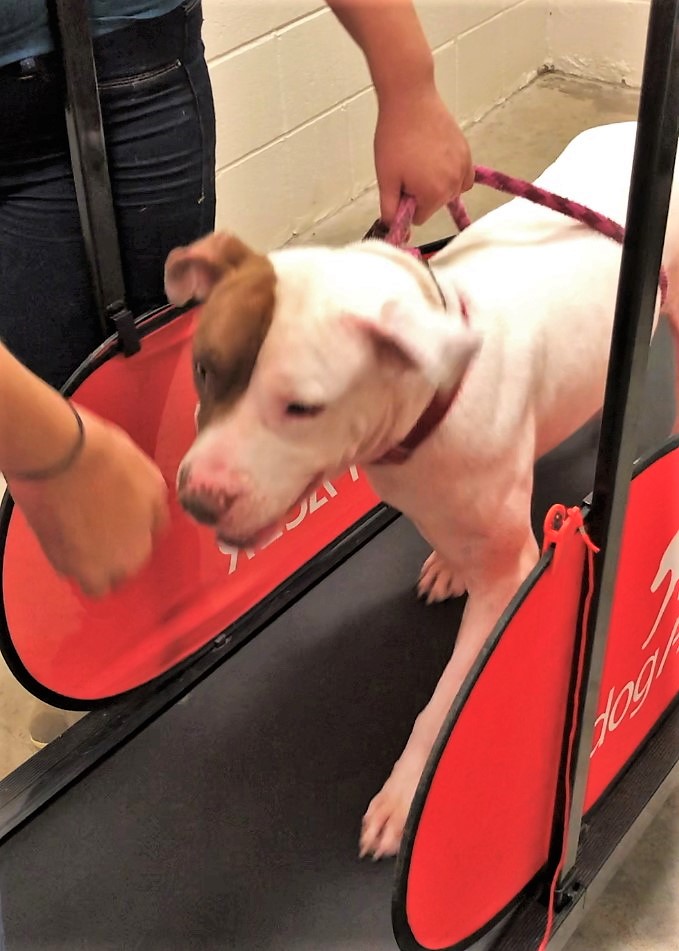
So many of our shelter dogs come from situations of neglect. They have not had training and do not have polished manners, which leads us to the task of teaching them. Dogs thrive on learning and pleasing us. Sometimes though, they have a hard time focusing in a shelter environment. Some feed off the barking of others, some cower in the corner. The treadmill has been an incredible tool to help both types of dog.

Lars is ready and eager to find a loving home. He’s a great dog who loves to go on walks and car rides.

For a scared dog or a shy dog, the motion of walking on the treadmill helps them relax. As they walk, they loosen up and start to focus on us while we praise them and encourage them. I was a huge skeptic when we started using this method. But then I saw many soothed and relaxed by this exercise tool. Dogs that were petrified, dogs that we had to carry to the treadmill, only days later were wagging their tails and trusting us!

Take adoptable dog Lars. He came to us with a dirty ring around his neck and a large scar under his chin, evidence of being tied up or chained. We think the only human touch he received was when he was hit. This poor dog closes his eyes and ducks when you raise your hand.

After five days at the shelter, Lars was acting like a puppy! So happy, so excited to have people love him. However, he also started to get mouthy, jumpy and wanted to wrestle with his walkers. This is typical puppy behavior except Lars is no pup. He is 2 years old and 62 pounds. He shows no aggression but when you are a bully breed and full of muscle, those behaviors can really turn off an adopter. Therefore, we started Lars on the treadmill. Fifteen minutes of walking on the treadmill wore him out enough that he could then focus on learning good behavior. Now, after more training and socializing with staff and volunteers, Lars is ready for adoption and longing for a home of his own.

Lars is 2 years old, 62 pounds and has a lot of love to give. Treadmill training at the shelter has helped to reduce his kennel stress.

Thanks to donations from our supporters, we are able to continuously invest in tools to help our shelter pets. We want the best for them and work hard to make them adoptable and to be successful in their new homes.

In 2020, from January until July, the shelter adopted out 1,395 animals! Our treadmill training is a key program that helps make this possible by keeping our dogs mentally and physically active.

Their lives are in our hands.

— By Kathy Jacobs, FOTAS Programs Coordinator

Three Tips to Make Your Pet Adoption a Success

Adopting a pet from a shelter is one of the most rewarding experiences life has to offer. They bring you unconditional love, companionship and joy.

Of course, adoption is a long-term commitment – so you want to be sure you are prepared and organized before making such a life-changing decision. Here are some tips that will help make your adoption a happy and successful experience:

Pick a pet that you not only bond with but also fits your lifestyle and home accommodations.

1. Select a pet that fits your lifestyle. Puppies are great for young couples or families with kids. But if you are working all day or collecting Social Security, you’re better off going with an adult dog (or cat) that’s already formed her personality and doesn’t have so much energy. If you have a big house and a fenced-in yard, a big dog is a perfect match. But if your place is small and you’re going to be walking your dog, a smaller or medium-sized version is probably your better choice.

2. Don’t surprise significant others (or your landlord). Make sure everyone in your home is on board with adopting a pet. Getting a pet is a terrific way to celebrate a birthday or special holiday – just not as a surprise gift. What if the person receiving the pet doesn’t like her? Then that pet has to come back to the shelter, which is tough on both the animal and the gift recipient. You’re much better off bringing everybody to the shelter and finding a pet everyone likes and who bonds with everyone. Also, if you live with your parents or have a landlord, make sure they are aware of your plans to bring home a new pet.

Adopted pets can take months to settle into a new home and feel part of the family.

3. Take it slow and be patient with your new pet. Shelter life is hard on animals. They’ve gone through a lot and need time to decompress and get their bearings. Always follow the 3-3-3 rule when you adopt. For the first three days, your pet may be overwhelmed and stressed by a new home and family. Pay special attention to her, keep her separate from your other pets when you’re not home and don’t let her outside without supervision. After three weeks, your pet realizes she’s living with you for awhile and becomes more relaxed. As a result, her daily behavior becomes more routine. She is now responsive to training and showing her true personality (everyone who adopts from the Aiken County Animal Shelter (ACAS) receives a free training session with one of our dog experts). At the three-month mark, your pet is confident that you love and cherish her. She knows she’s part of the family!

In the first 14 days of this month, the ACAS took in 182 strays and surrendered pets. We are overwhelmed and the shelter is full. If you’re ready to find your furry soulmate, please stop in and see our wonderful animals. We’re located at 333 Wire Road and open for adoptions every day except Sunday.

Their lives are in our hands.

— By Bob Gordon, FOTAS Communications Director
Bringing Your New Dog Home

You did it! You made the decision to get a new dog, and you also decided to adopt your new dog at the Aiken County Animal Shelter. Armed with scientifically proven suggestions about how to choose, you drove to shelter, walked through the kennels on the adoption floor, and promptly fell in love with the goofy-looking spotted mutt with the big ears in #12. You name him Wally (after your cousin, Wally, who also has big ears), pay your fees, and sign the papers. You and Wally jump in the car and head for home, sweet home.

Now what?

Mixed breed Martin gets a hug from his new sister before heading home.

“The very first thing you need to do,” says Susi Cohen, President of the Palmetto Dog Club and a FOTAS volunteer trainer, “is teach your dog to be a good family member. It’s likely Wally has never had any basic obedience training (many shelter dogs haven’t), but if you invest some time into teaching him basic commands (sit, stay, wait, heel, and down), the rules of the house, and developing a schedule for sleeping, eating, play time, and exercise, the payoff will be huge.”

Like any relationship, it takes time for you and your dog to get to know each other—figure each other out. Like people, dogs are a product of their breeding and their environment, with their own personality, likes and dislikes, fears and preferences. But unlike (most) people, dogs are the most adaptable (and forgiving) animals on earth.

“It’s all about helping Wally make the transition,” says Karen DeCamp, also a FOTAS volunteer trainer. “In addition to the loss or abandonment associated with ending up in the shelter, life in the shelter can be stressful. Going to another new place may be confusing at first, but dogs, particularly shelter dogs, want to please you. All it takes is a little love and patience.”

This initial energy and focus pays off in spades. It’s exciting, too—you are creating a bond with your new pal, and FOTAS is here to help with that, too. Both Cohen and DeCamp provide adopters with a free obedience lesson at home. They will help you come up with a personalized game plan to make sure you and your dog enjoy a lifetime of joy and companionship.

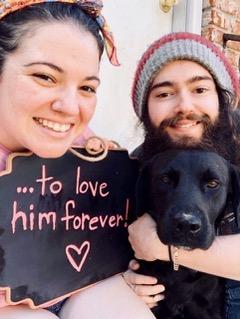
Mary Scott Valentine and Taylor Swan love their new dog, who they adopted from the County Animal Shelter and renamed Jerry Garcia.

It’s been two weeks since Wally joined your family, and you’ve spent a lot of time together. He adores your toddler and is terrified of your cat. He flings his squeak toys around with wild abandon. He’s wary of strangers at first and loves to play with other dogs. When he’s not cleaning up the crumbs under the baby’s highchair, he trails your wife around the house like a wake. He never tires of a car ride, looks forward to his walks, and snores when he sleeps. He’s so fast, squirrels tremble at the very sight of him. He’s learned to sit, does his business outside (you’ve been consistent with his routine), and comes when you call him—most of the time. He loves nothing more than to curl up on the couch with his head on your leg.

He is, quite simply, the best dog ever. Even your cousin Wally thinks so.

Their lives are in our hands.

— By Joanna D. Samson, FOTAS Vice President

BY THE NUMBERS
According to the Humane Society of the United States, 71 percent of domestic violence victims report that their abuser also targeted pets..

PETS OF THE WEEK

INDIA
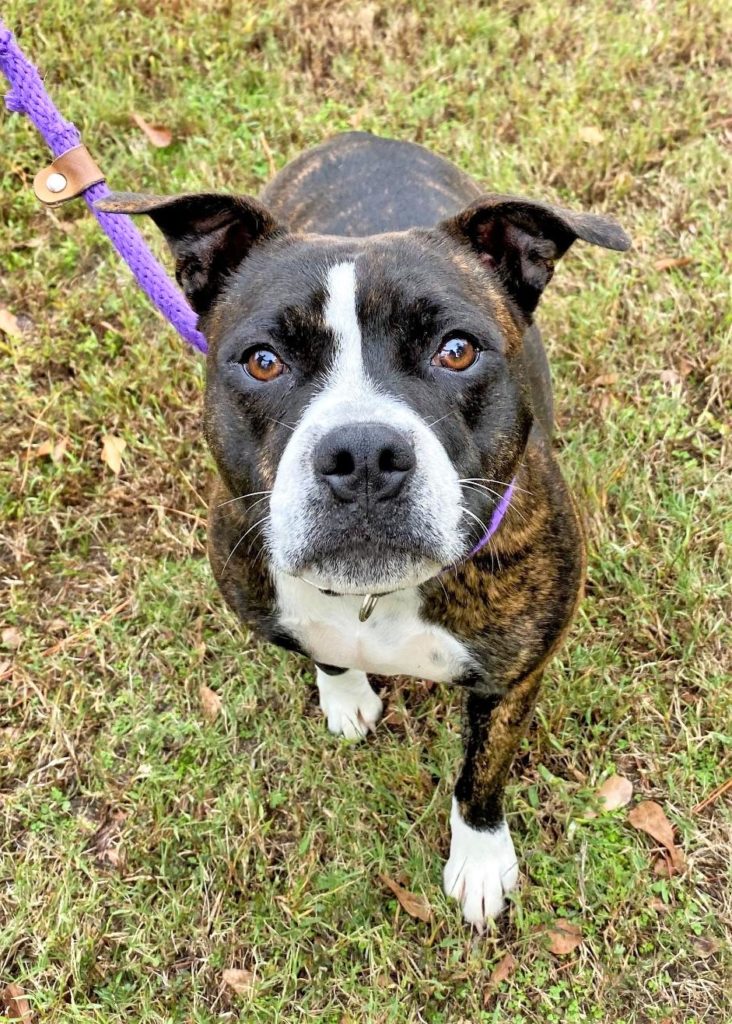
Mixed breed, female, 1 year old, brindle & white, 45 pounds – $35

RAVEN
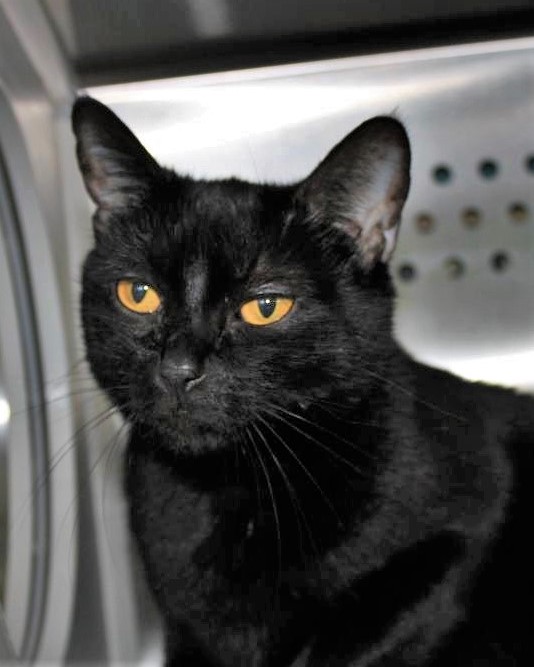
Domestic Shorthair, female, 3 years old, 10 pounds – $10