
Tag Archives: dogs playing for life

Group Play Can Work Wonders for Shelter Dogs

Paddy, a handsome white and black Border Collie mix, slinks into the play yard, his head down, tail between his legs. He backs away from the humans in the yard, wary of their intentions. Then Graham, a black retriever mix, is let in and everything changes. Paddy’s ears perk up and he slowly approaches the bigger dog. They come to face to face and sniff. Paddy’s tail pops up and begins wagging furiously and Graham nudges him with his nose. Soon they begin wrestling and chasing each other in the yard like best friends!
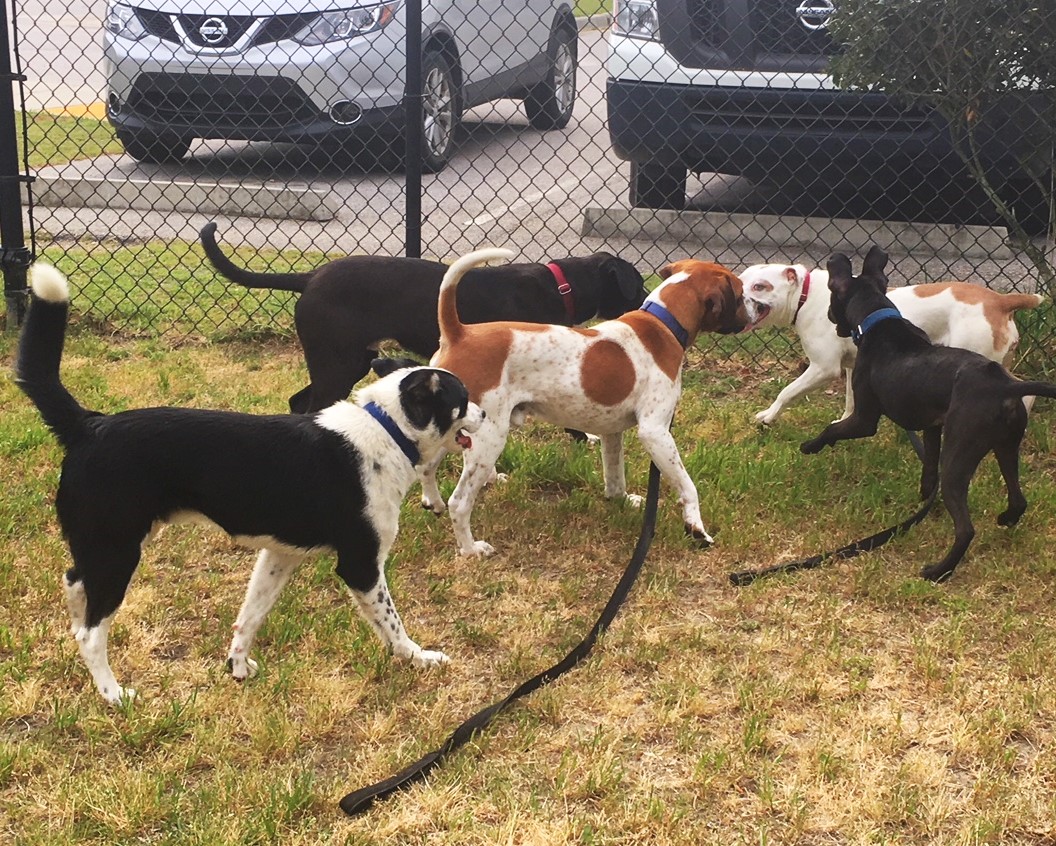
Group exercise helps dogs become better pets.

Welcome to the world of Dogs Playing for Life (DPFL), a group play program designed to give shelter dogs better quality of life and social interaction that helps them to become more adoptable.

The DPFL team recently visited the Aiken County Animal Shelter (ACAS) to train personnel on how to hold dog play groups safely and effectively. DPFL Founder and CEO Aimee Sadler led the training, which included assessing 36 shelter dogs’ compatibility with other canines as well as their personality traits and playing style. By observing the dogs’ social interaction through shared playtime, the DPFL program helps make shelter dogs better behaved and more adoptable.

The program is helping FOTAS and staff identify key personality traits in individual dogs and aid in successfully matching homeless pets with adopters. Group play can help especially shy dogs, like Paddy, find their confidence and overly aggressive dogs learn how to play well with others.

Dogs Playing for Life first visited the shelter five years ago and introduced their guidelines and training to FOTAS and the County. This recent training was a refresher course, including two days of intense hands-on training.

The staff has incorporated these lessons and have held play group sessions twice a day over the last two weeks. Staff usually manages five or six dogs at a time, but group play can include a dozen or more dogs if they get along and enjoy similar playing styles.

Some of the shelter’s most timid dogs, like pit bull mix Trinity and spaniel/hound mix Tenor, are blooming into superstars. They cannot wait to get out of their kennels and play with other dogs.
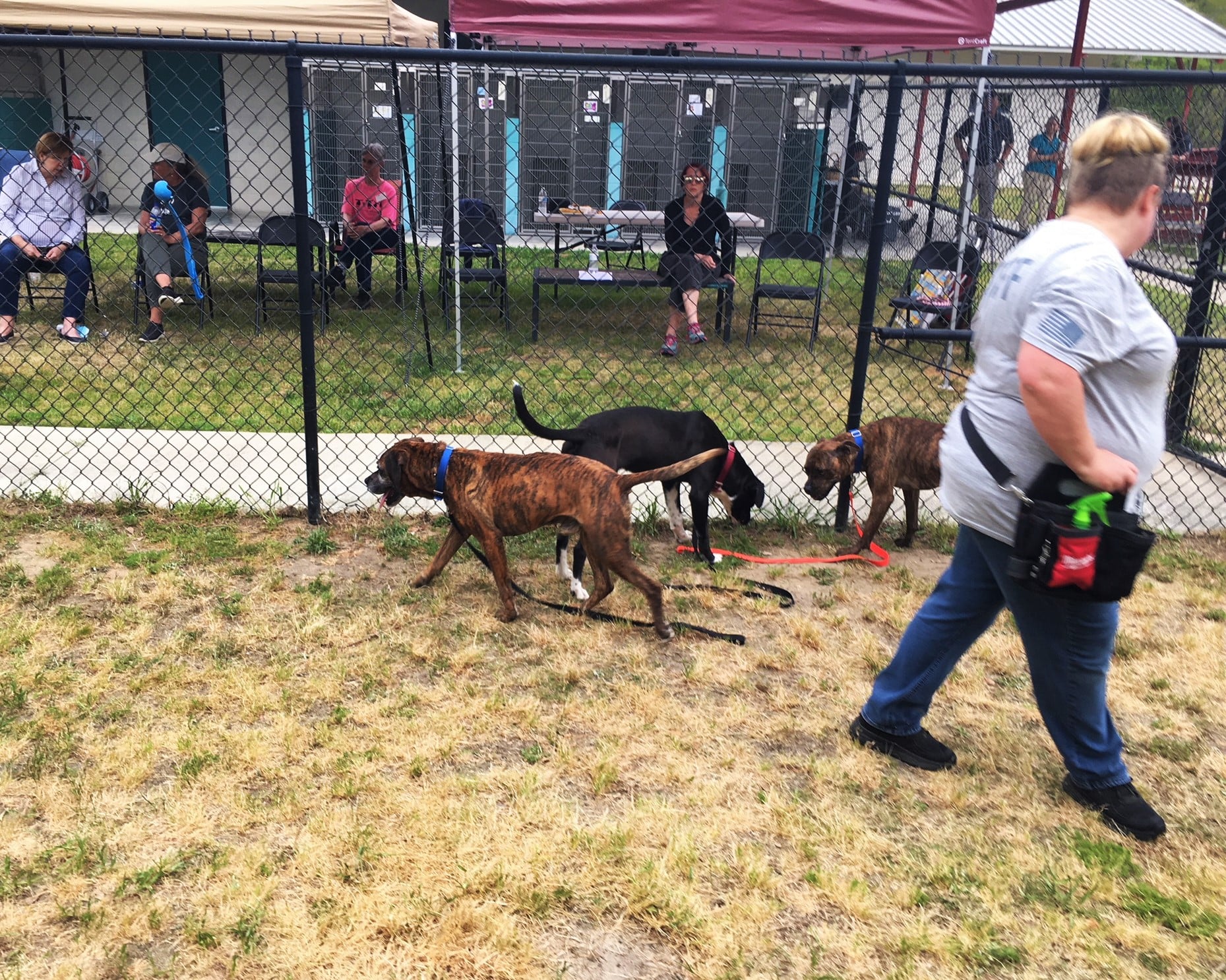
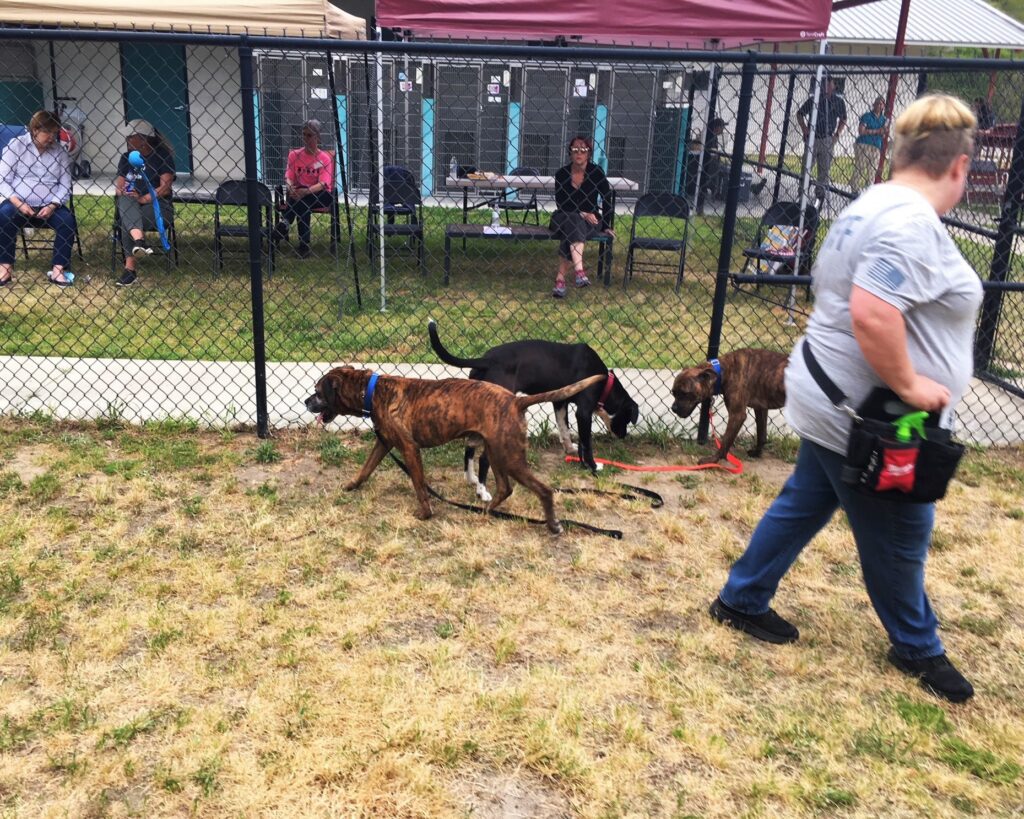
Group fun is overseen & led by shelter personnel.

A kennel environment can be incredibly stressful for dogs. But group play helps ensure dogs receive enrichment as well as physical and emotional care that can help them to engage more positively with potential adopters, transition more easily to a new home, and interact appropriately with people and other dogs in the community.

Last week, Donovan, a black lab mix who arrived at the shelter with a lot of nervous energy heightened by kennel stress, served as an example of how beneficial DPFL can be. During his appointment with a family, he was relaxed, confident and even plopped down on his future “mom’s” lap. Within minutes, he was in their car, heading to his forever home.

Their lives are in our hands.

— By Bob Gordon, FOTAS Communications Director
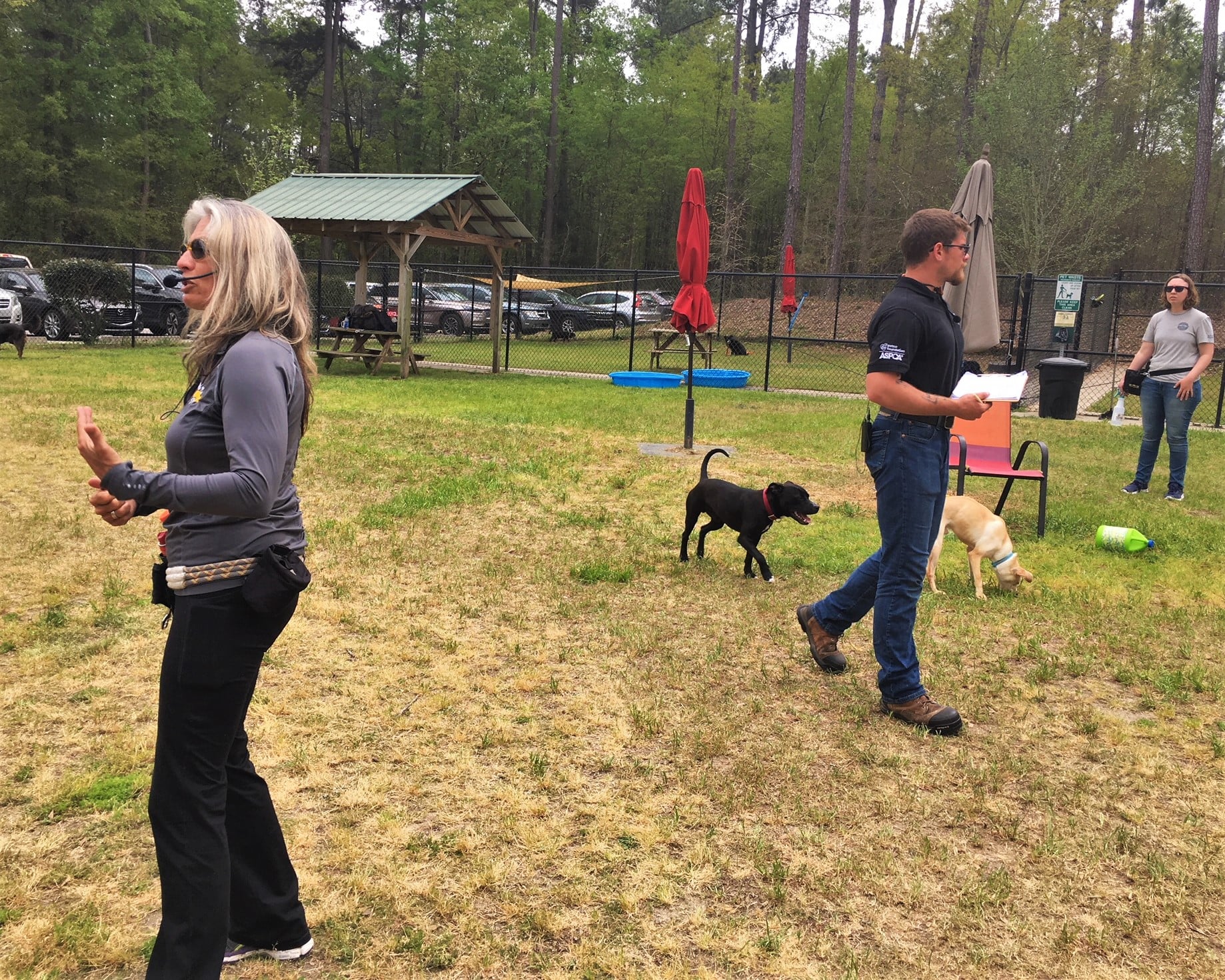
Shelter personnel receive lessons from DPFL experts.


‘Dogs Playing for Life’ team helps make shelter canines happier, more adoptable

by Bob Gordon, FOTAS Director of Communications

Nearly every morning, a small team of volunteers heads to the Aiken County Animal Shelter’s play yard and gathers dogs from the kennels so they can exercise together. The canines romp, wrestle and chase each other while the team observes and oversees their joyous activity.

“The play groups make the dogs more adoptable,” said FOTAS Volunteer and Board Member Ellie Joos. “They give the dogs a chance to interact with each other and learn important skills and behavior that improve their self-esteem.”

While group interaction may seem like an obvious way to enhance a dog’s quality of life while kenneled, social isolation is still the norm at most shelters across the country. Organizing group play for dogs is a cutting edge approach and a big step forward for the shelter. Until introducing “Dogs Playing for Life” in May of last year, all the dogs were walked on a leash or brought into the play yards for solo exercise.

“The intent of this group play approach is to reduce the overall stress, anxiety and frustration of shelter life,” explained ACAS Adoption Coordinator Traci Deaderick. “Most of the dogs come in as strays with unknown backgrounds. But play group allows us to determine how well a dog will socialize with other dogs and pass this information on to prospective adopters – and this greatly improves their odds of being adopted to the family or person that best suits them.”

Running the playtime sessions is much more challenging than it looks. It takes skill, confidence and keen observation to mix dogs that get along and have the same playing style.

Canine coaches Chris Newell and Darling Rios usually lead the sessions, introducing dogs one at a time and combining canines like field generals running a team practice. Traci, FOTAS Volunteer Bonnie White and FOTAS Programs Coordinator Kathy Jacobs also consistently help manage the sessions.

While one-one-one time is still vital to every dog’s development, group play complements leash exercise. It has especially helped painfully shy dogs find their confidence and overly aggressive dogs discover how to play with others.

“Sometimes dogs have to learn how fun it is to play and get used to interacting with other dogs, Chris said. “For many, it’s a new experience.”

“But the first time you see a sad, shy dog break out of his shell and run full speed in play group and start to get a happy look on his face…there’s just something about that,” he adds, beaming like a proud parent. “It warms your heart.”

For more information on the Dogs Playing for Life program, go to dogsplayingforlife.org. To learn how to participate in the play group training at the shelter, please contact FOTAS at info@FotasAiken.org.

Their lives are in our hands.

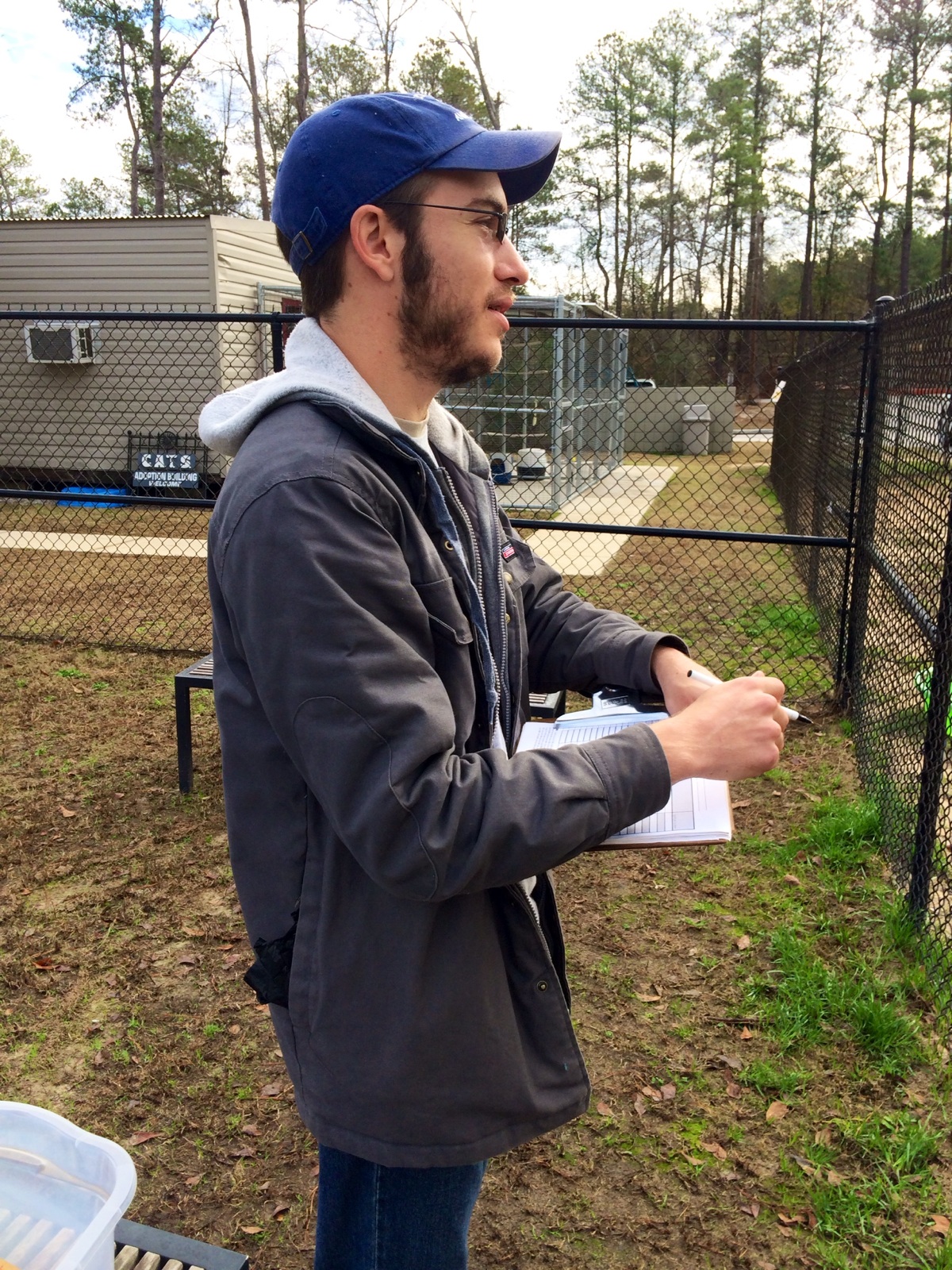
 Canine Coach Chris Newell takes notes on the dogs during their play session. These observations help FOTAS and the shelter staff to assess animals and their adoptability.
Canine Coach Chris Newell takes notes on the dogs during their play session. These observations help FOTAS and the shelter staff to assess animals and their adoptability.

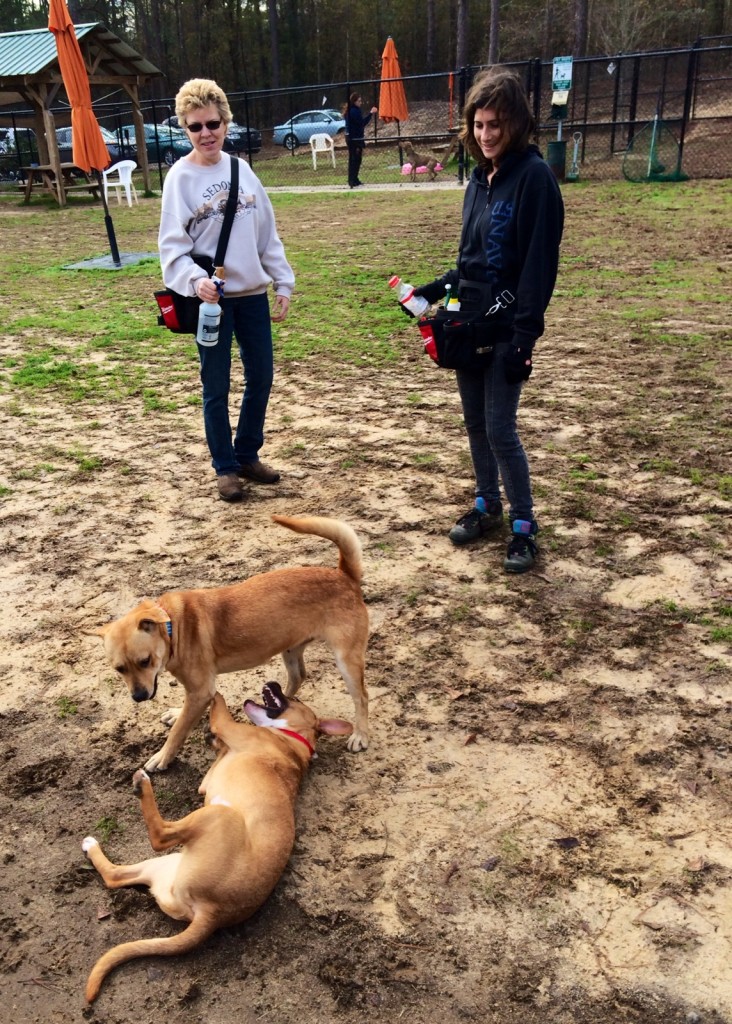
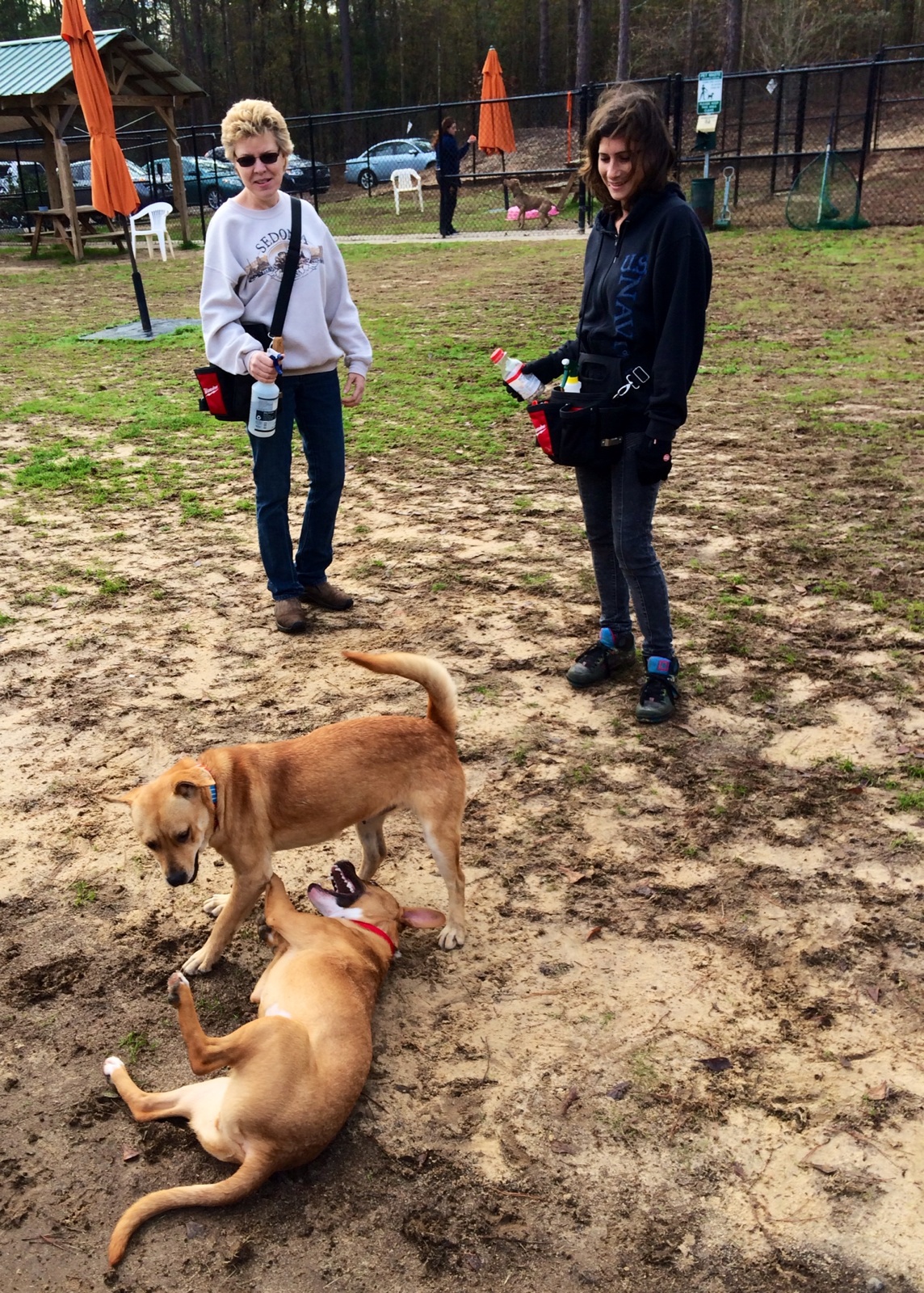
FOTAS Volunteer Bonnie White (left) and Canine Coach Darling Rios manage a canine playtime session at the Aiken County Animal Shelter.