


Tag Archives: microchipping

Avoid Heartbreak by Microchipping Your Pets

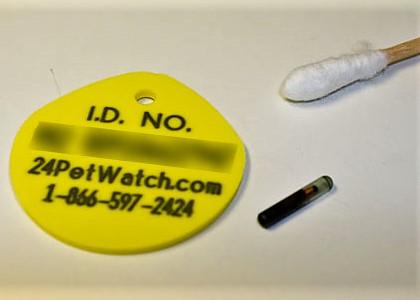
A microchip the size of a grain of rice has the power to save your pet’s life. This radio frequency identification device (RFID) can mean the difference between losing your pet forever or quickly becoming reunited with your furry best friend.

Unlike a collar, which can break, fall off or be removed, a microchip is a reliable way to make your contact information accessible to rescues, veterinarians, animal control officers and shelters. Think of the microchip as your pet’s way of carrying his personal ID card despite having no pockets.
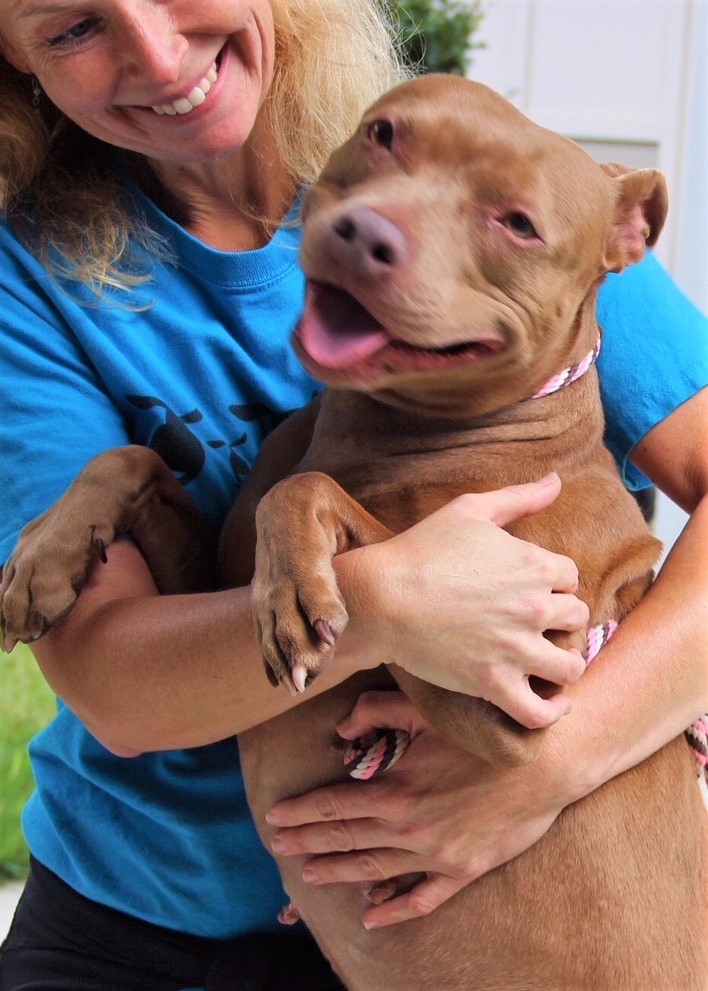
All pets on the ACAS adoption floor, like Bridget here, are microchipped and fixed.

Microchipping your pet is low-cost, quick and easy
The tiny, silicone microchip goes beneath your pet’s skin, between his shoulder blades. The pet feels little to no pain during its insertion and the procedure takes less than a minute. The microchip typically costs less than $50, and you can have it done at the Aiken County Animal Shelter (ACAS) for just $25. Along with the microchip, a tag is provided for your pet’s collar that features the microchip’s number.

Scenarios prove the value of microchipping pets
At the ACAS, every animal available for adoption is fixed, vaccinated and microchipped. When you adopt a pet, we ensure your most up-to-date contact information is registered with the microchip company.
Now, the microchip is not a tracking device. It isn’t a GPS that tells you where your pet is located. But it does allow us to track you down if your pet comes to the shelter or another rescue facility. A multi-digit number is assigned to your pet, and when we scan him, that number pops up on the scanner. Then we look up that number in an electronic registry, where your contact information can be accessed. Rather than putting your pet through the stressful experience of staying at the shelter, we can just call you to pick up your lost pet.
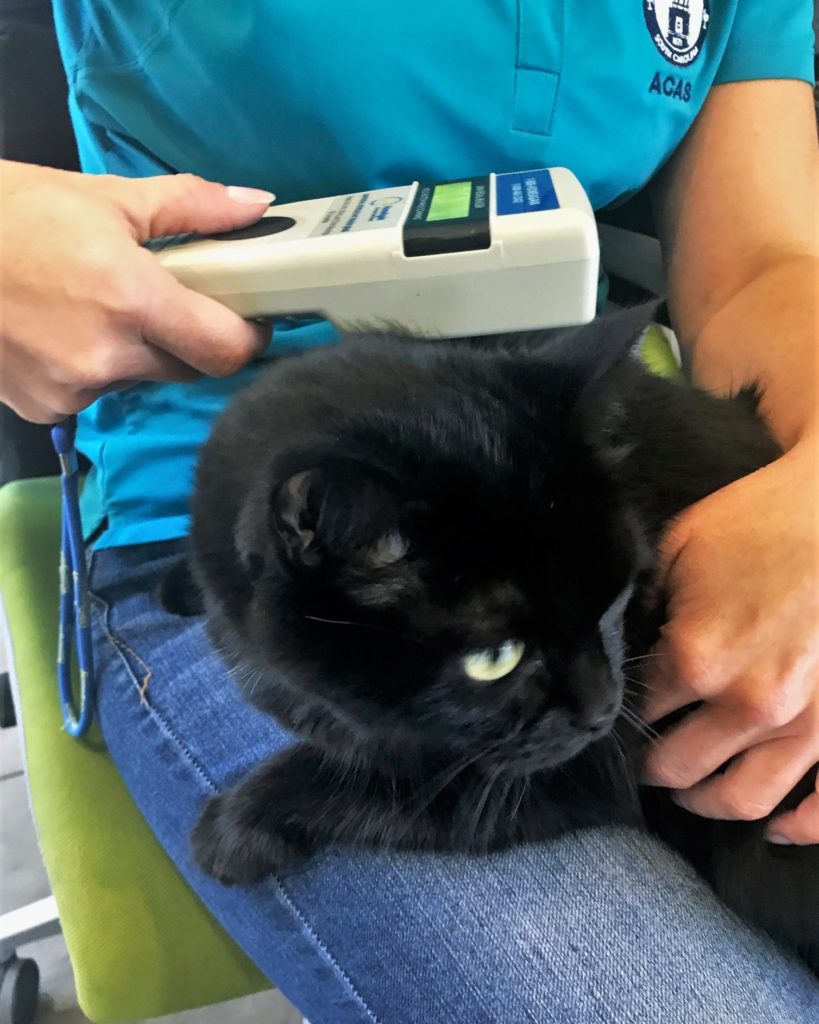
Macie, a Persian mix cat, is scanned to confirm her microchip number before being added to the ACAS adoption floor.

Recently, two young women rescued a small, tri-colored hound that was dodging traffic on a busy road in Aiken County. They brought the dog to the shelter to be scanned. We looked up the chip number and discovered it was a dog named Autumn that we had adopted out in 2019. Her owners were thrilled to get their pet home safe and sound.

It happens all the time. A lost dog or cat is found by a Good Samaritan and brought to the shelter or an animal control officer picks up a stray with no tags or other forms of ID. But one quick scan of the pet shows it be chipped when a beep is heard, and a number pops up on the scanner’s screen.

Make sure chip info is up to date
Once your pet is chipped, it is vital to update your contact information with the microchip company if you move or change your phone number. Too often the shelter receives pets who have been chipped but the information is old, so their owner cannot be found. If this happens, pets have to be held for 14 days before they can be rehomed.
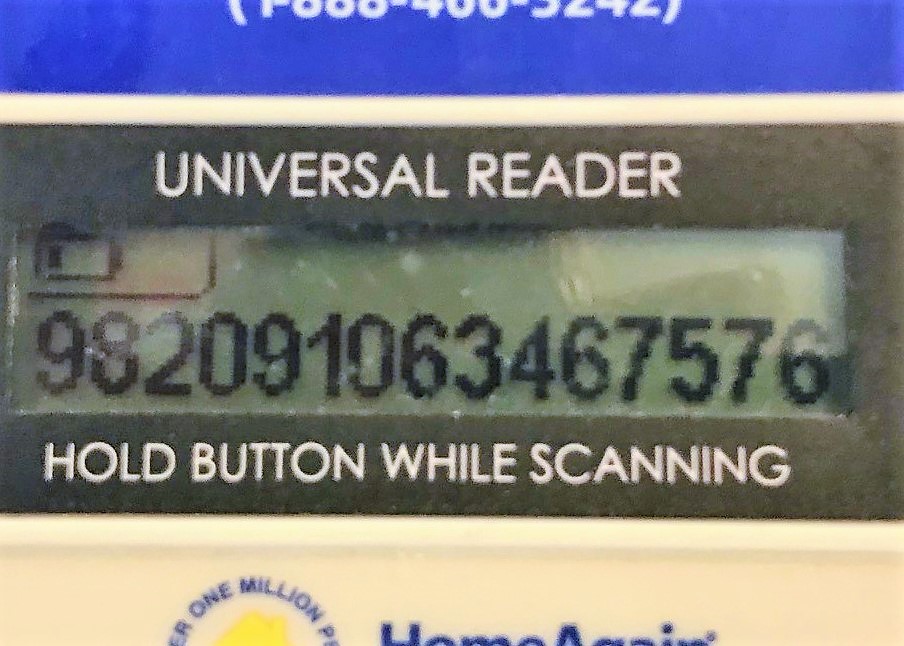
Microchipping a pet assigns them a number used to identify and contact their owner.

One in three pets will become lost at some point during their life. Protect your pet by getting it chipped. Please call the ACAS at (803) 642-1537, option 7, to make an appointment to have it done for just $25 or contact your veterinarian.

Their lives are in our hands.

— By Bob Gordon, FOTAS Communications Director
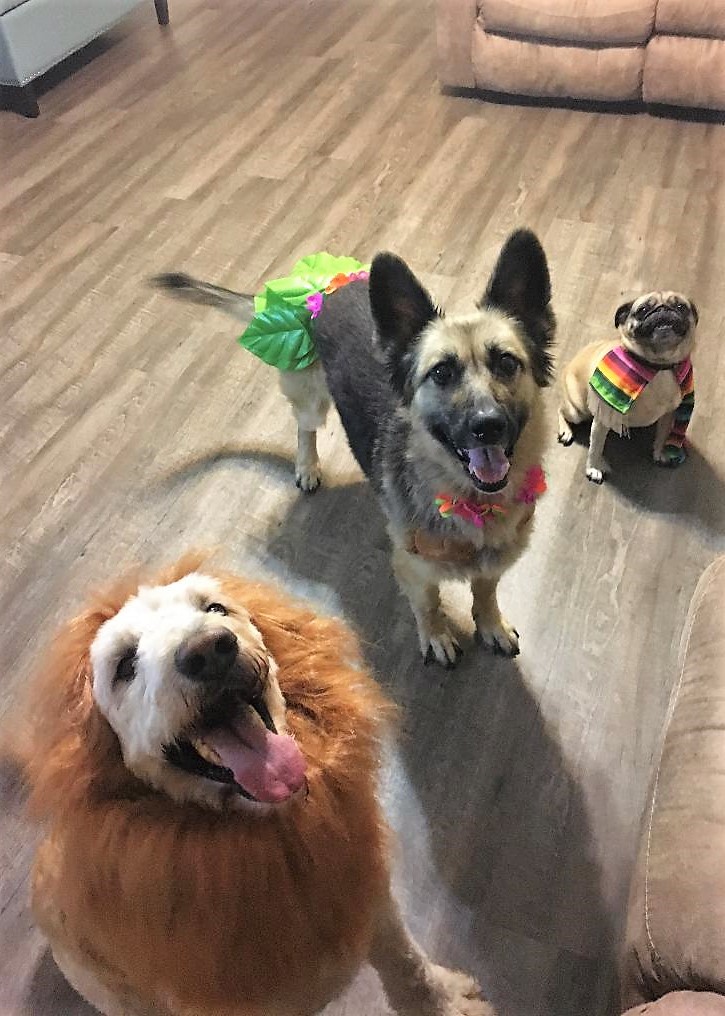
Reunited by a Microchip — Eight Years Later!

This is a story with a happy ending, one that spans eight years, six states, and a dog named Beanie.

In 2010, the Wilson* family found a hungry and scared shepherd puppy on the side of the road. They took her home, fed her, and cleaned her up. They actively searched for her owners, but no one claimed her. After some time had passed, they named her Beanie, took her to the vet, had her vaccinated and microchipped, and found her a home with a couple who lived up north.

This past October, Kate Wilson, who now lives in Delaware with her family, was contacted by the Aiken County Animal Shelter. Beanie had been picked up as a stray by animal control officers, who found the Wilson’s contact information through their original microchip registration.

A microchip is only the size of a grain of rice but it can be the lifeline to your pet.

The Wilsons were stunned. How could this have happened? Certain that Beanie was just lost and not abandoned, they searched for the family who had adopted her, but the contact numbers from eight years before were disconnected. Then they posted Beanie’s information on “lost pet” sites all over social media, but by the end of the shelter’s mandatory “stray” hold period, no one had claimed her.

In the meantime, the Wilson family couldn’t stop thinking about Beanie. The decision to rehome her eight years before had been a hard one. At the time, they already had family pets as well as another stray puppy they were trying to place, so when they found Beanie what they thought was the perfect home, they reluctantly let her go, but they never forgot about her.

I spoke and texted with Kate often during the week Beanie was held at the shelter. Both Kate and her husband had come to see the hand of God in this unexpected reappearance of Beanie in their life, and they made the decision to bring her home—so long as she was kid-friendly and could get along with their other two dogs. We tested Beanie at the shelter with both children and other dogs and she passed with flying colors—the sweetest dog ever! We arranged for Beanie to catch a ride north with one of our transfers, and Kate met the truck on the side of the road at 3 a.m. to pick her up and take her home.

The reunion was magic. Beanie was happy to see Kate and her husband, and she bonded immediately with the children and the two dogs. She even sleeps with their little pug, who can be prickly with other dogs. “It’s like she’s always been here,” says Kate, “part of the family—like she never left.”

Beanie’s microchip helped her find a forever home and two canine BFFs.

Meant to be? Hand of God? Works for me.

There are so many lessons to be learned from this story, but here’s the most important: microchips are an inexpensive, effective way to keep your pet safe when the worst happens and they get lost—all you have to do is keep your microchip contact information current. Microchips can be inserted quickly and painlessly by your vet or a local clinic.

Beanie was lucky; her microchip got her home. Will your pet be that lucky?

Their lives are in our hands.

*Name changed at the family’s request.

— by Kathy Jacobs, FOTAS Program Director


By the Numbers

Over the last two months (Oct 1 to Dec. 5), the County Animal Shelter has taken in 927 strays and surrendered pets! Please spay/neuter your dogs and cats.


Pets of the Week

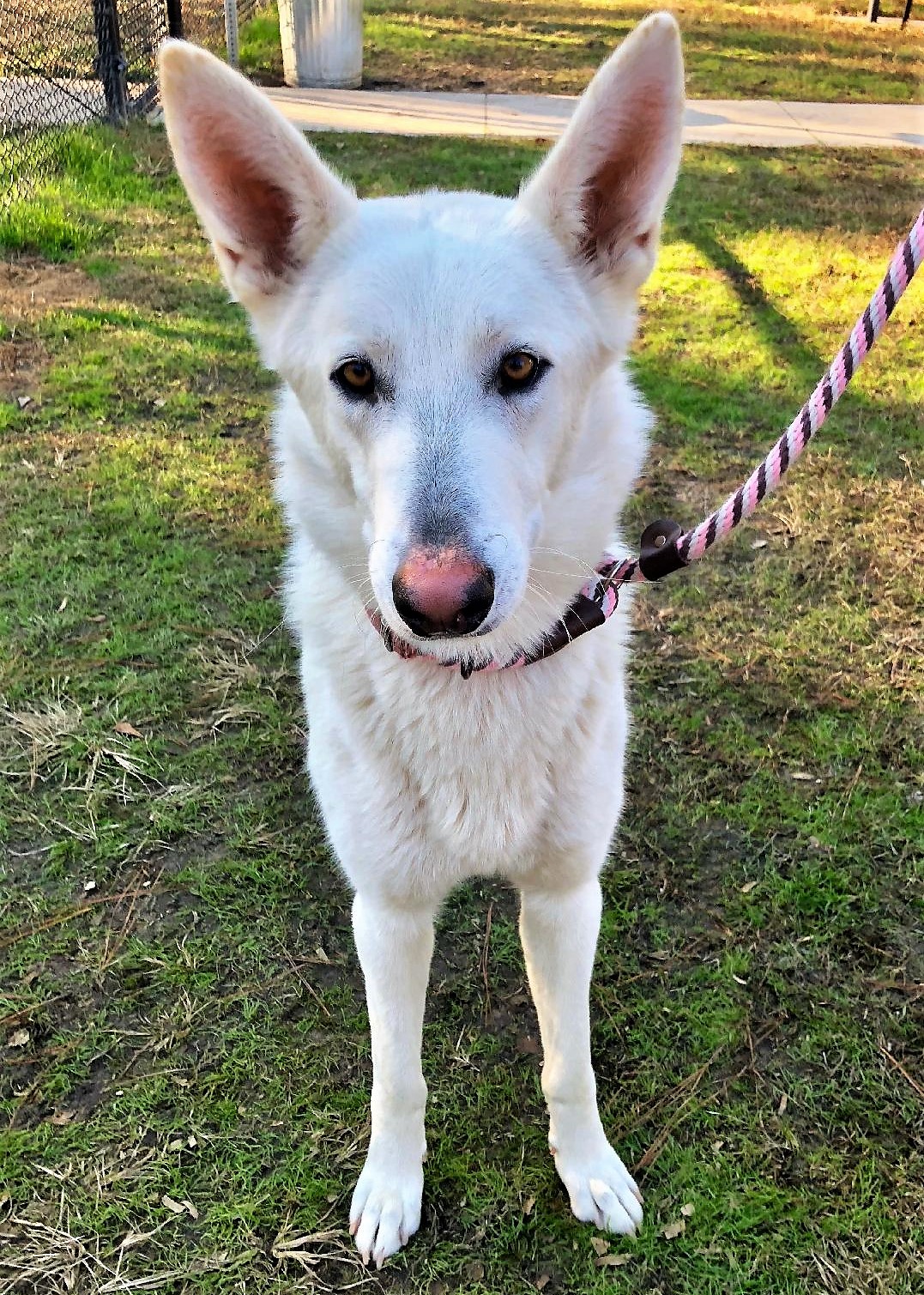
JACKS: Shepherd mix, male, 2 years old, white, 80 pounds – $35


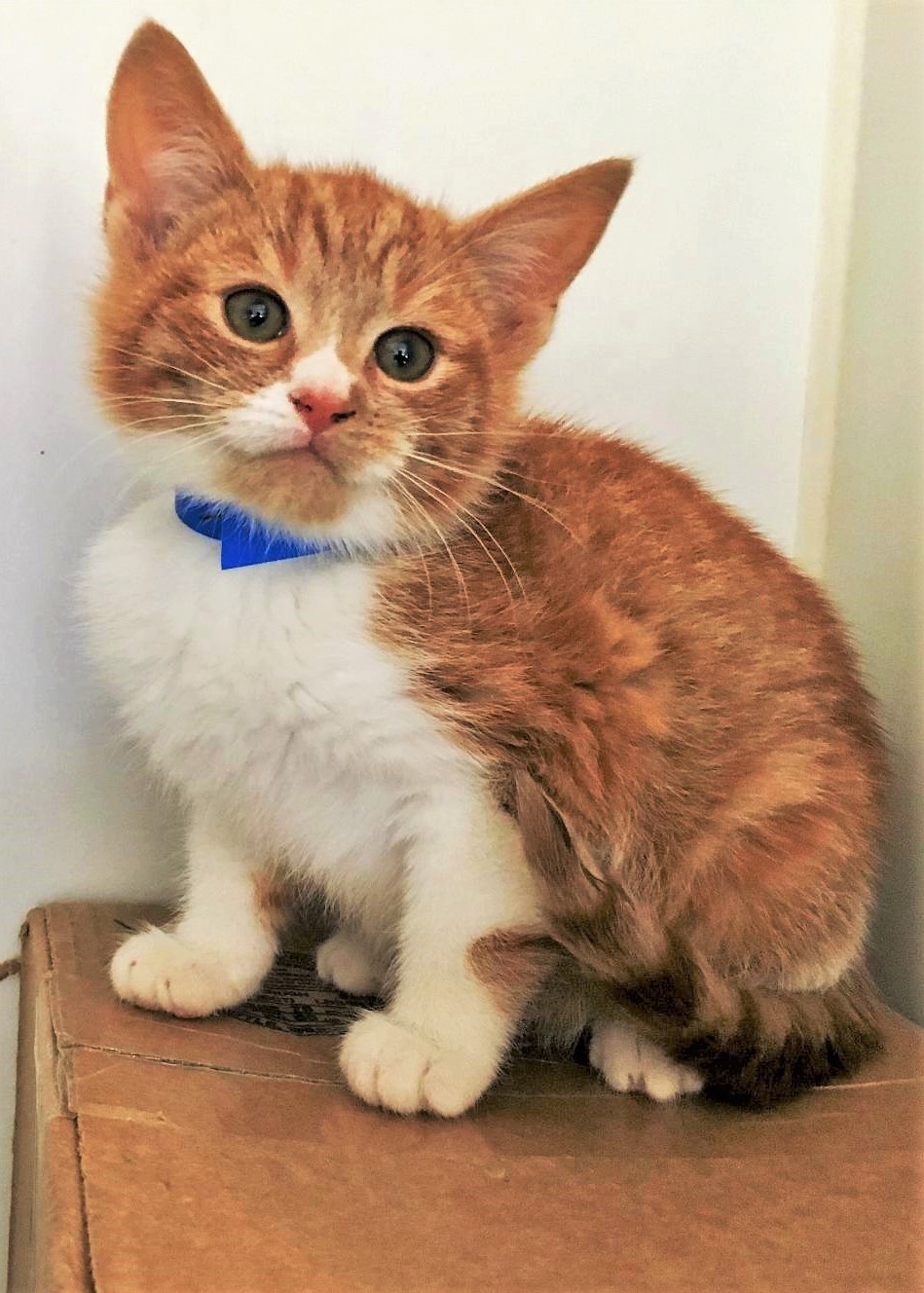
FROST: Domestic Shorthair kitten, male, 2 months old, orange and white Tabby, 1.7 pounds – $10