


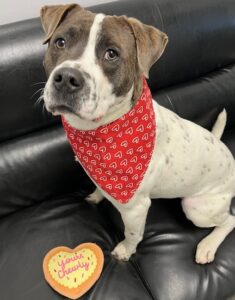
Category Archives: Cats

Senior Pets Make Great Companions

It happens all the time.

Someone surrenders a senior pet to the Aiken County Animal Shelter, or even worse, someone dumps their senior dog or cat on some country road far from home and Animal Control finds them wandering aimlessly around the County, hungry and disoriented. They arrive at the Shelter bewildered and scared. They did nothing to deserve this cruel betrayal and abandonment . . . other than get old.

How could they know or understand they had become inconvenient? They spent their lives with a family they loved, protected, and comforted. Sure, as the years progressed, maybe they slowed down, got gray around the muzzle, had trouble jumping in and out of the car, but their blind devotion to their humans never wavered.
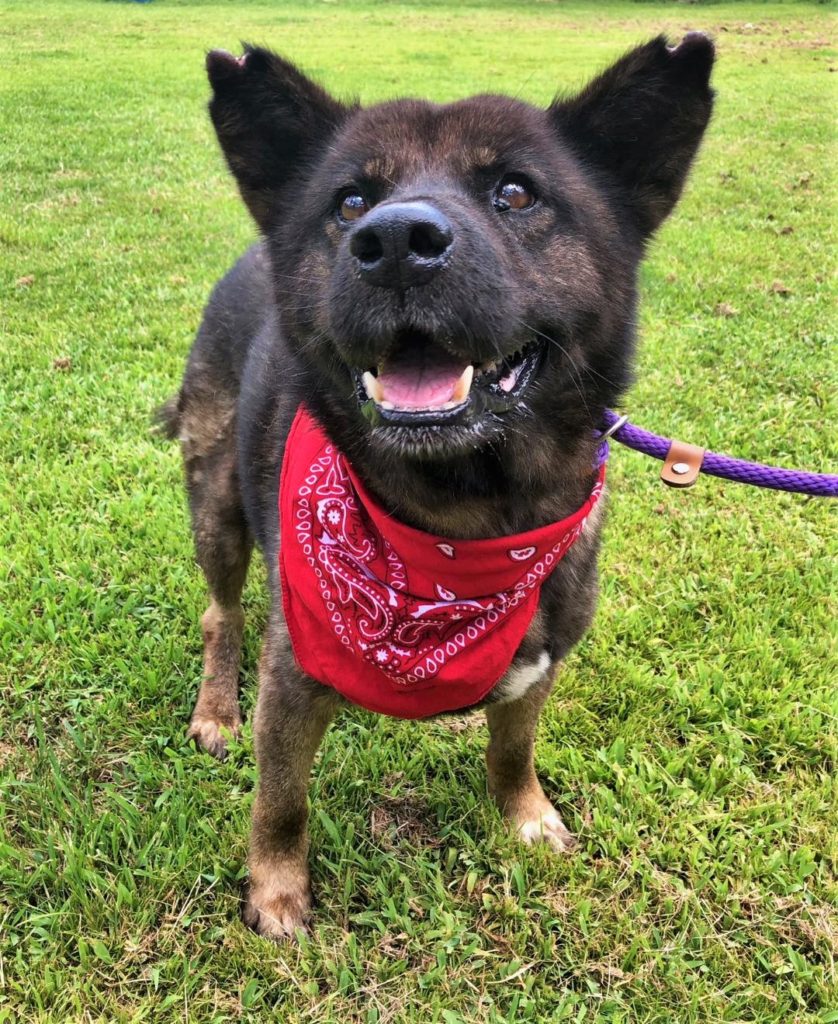
Senior dog MANFRED waited a long time but finally found his forever home this week.

Then one day, through no fault of their own, they end up in a strange place with people they don’t know, and no matter how great the shelter, shelter life is exceptionally stressful for an older pet. They know what it’s like to have a home, and it looks nothing like their stainless-steel kennel at the shelter. Those animals get discouraged when potential adopters walk by their cages without a single glance or kind word looking for younger, cuter pets.

It’s heartbreaking to watch the hope fade from their eyes, so I beg you: Don’t do it! Don’t walk by that senior dog or cat.

Senior pets make great companions. They are mature and calm. They don’t make mistakes on your rug. They are way past the “teething” stage. They don’t need a lot of exercise; they are happy to hang out with you on the couch and binge-watch season after season of The Voice. They are grateful for the chance to love someone—so grateful.

All it takes is a little patience and kindness.

By the way, the advantages of an older pet make them a particularly smart choice for older folks looking for a companion. The emotional and physical benefits to seniors of caring for a pet have been well documented: lower blood pressure, fewer visits to the doctor, a sense of purpose, and companionship. Senior people with pets are often more active, less isolated and lonely, and less likely to suffer from depression. It’s a win/win for animal and human.

There are so many lovable, healthy senior dogs at the shelter now. Like Manfred, who has quickly become a volunteer favorite. Manfred was picked up by animal control as a stray—the tips of his ears raw and bloody from flies and insects. We are baffled about why Manfred was abandoned: he is gentle, affectionate, and housebroken. All he needs now is a second chance, another human to shower all that love on. (Manfred has since been adopted — yay!)
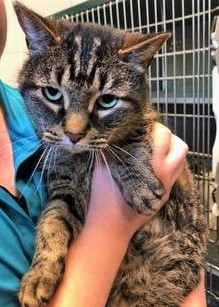
As of July 8, Senior THEO was still seeking a home.

And then there’s Theo, a lovely senior gray tabby with bright blue eyes. He, too, is lovable and personable, and because he is declawed, he will make a great house kitty.

The adoption prices at the county shelter are $35 for dogs and $10 for cats for fully vaccinated and neutered animals. That’s a great deal for all that love.

Caesar Milan says there is a special place in heaven for people who adopt older pets. I say “Amen” to that.

Their lives are in our hands.

— By Joanna D. Samson, FOTAS Vice President
Dying Man Surrenders his House Tabbies to the Shelter …Now They Wait

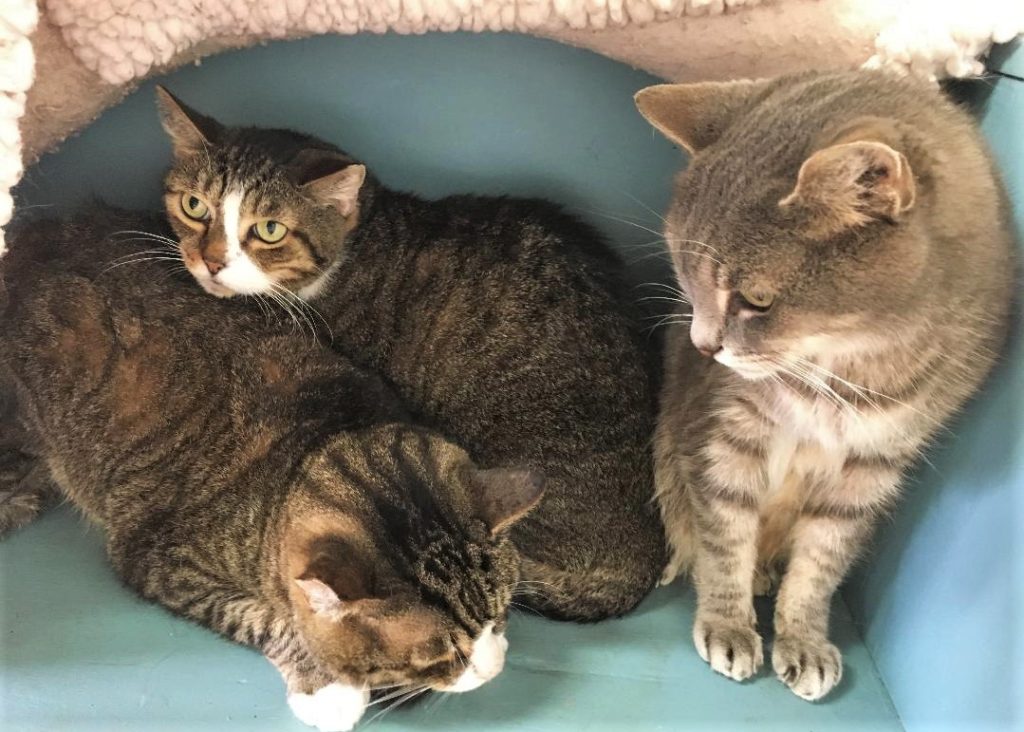
Her father could no longer care for his cats after falling seriously ill, so she brought them to the Aiken County Animal Shelter to be rehomed. The cats, most of them Tabbies and about 5 years old, arrived scared and confused in their new environment. They missed their cozy Windsor home and pined for their cat daddy who had to leave them to enter hospice care.

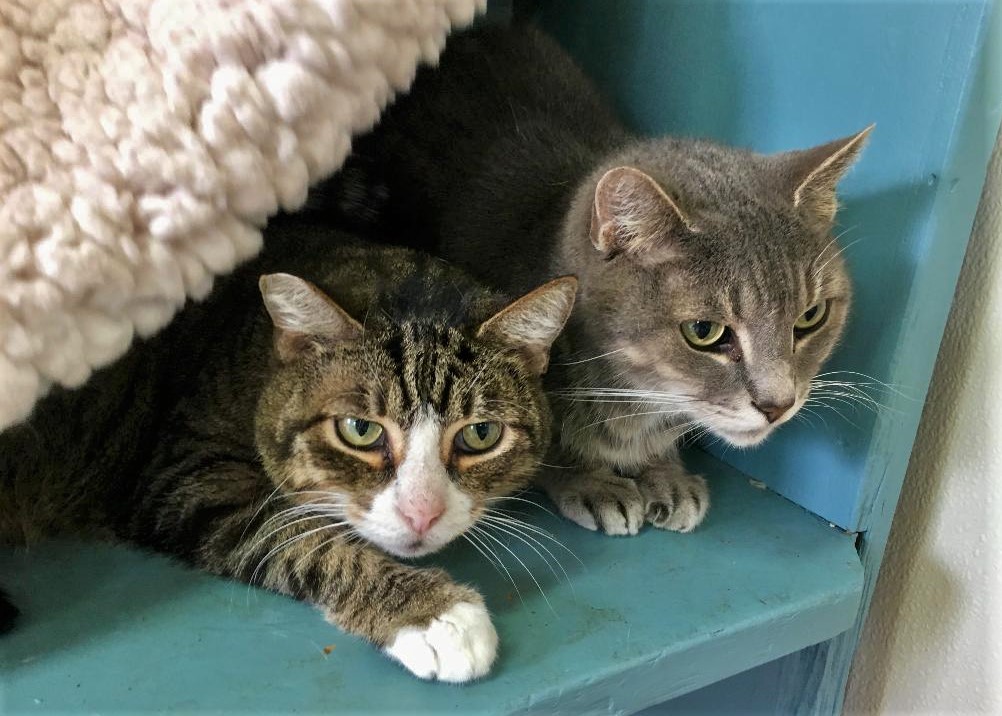
Addie and Brienne sometimes hide under the fleece blanket in the shelter’s cat facility.

“People would dump kittens and other pets on his property all the time, and he’d take them in, feed and care for them, get them healthy and often get attached to them,” said Lisa Lee of her father, David Lee. “These cats are all sweet and have been indoor cats since he rescued them.”

The cats arrived at the shelter on May 20, and since then four have been adopted. As of Friday, three – Cersi, Ellaria and Theon – were waiting to be adopted at the Aiken PetSmart Store and seven were available for adoption at the County Shelter. The seven at 333 Wire Road are Addie, Bronn, Rickon, Kasey, Brienne, Stannis and Melisandre.

David A. Lee passed away on May 31. He was 71. But Lisa said he was relieved his cats were safe and hoped they would find good homes. He took special care of these felines. All of them are healthy and some are even delightfully plump – plus they have shiny coats and clipped claws.

“He did love them, and they kept him busy and happy,” Lisa said. “Unfortunately, he couldn’t find new homes for them before it was too late.”

Though scared, the cats show no aggression and allow visitors to pet them. They need extra TLC but also space and time to adjust to their new surroundings. They are a great choice for patient, kind people with a quiet household, who want to make a difference for a pair of cats. Ideally, we’d like to adopt out these bonded cats in pairs but they are available separately.

Lee’s house cats are very close and the shelter staff would love to adopt them out in pairs. However, they can be adopted separately into a loving home.

David Lee’s story is a reminder that all of us as pet owners need to make arrangements for our animals. Select family and friends that you trust and ask them to be your pets’ caregivers in case something happens to you. None of us know when our time’s up and there’s no time like the present to ensure our furry family members are in good homes after we’re gone.

Their lives are in our hands.

–By Bob Gordon, FOTAS Communications Director

BY THE NUMBERS
In the first two weeks of June, the ACAS received nearly 300 strays and surrendered pets. The shelter facility is currently at full capacity.

Home-to-Home Program Reduces Stress for Pets and Owners

By Ellen Priest, FOTAS Board Member and Home-to-Home Coordinator

Friends of the Animal Shelter (FOTAS) is constantly looking at best practices for the Aiken County Animal Shelter. Recently we discovered the Home-to-Home program and thought it would be a perfect way to reduce the number of animals being taken in by the shelter each year. By the way, that number was 5,000 in 2018. Mind-boggling, isn’t it, that 5,000 unwanted animals made their way to the Aiken County Animal Shelter last year?

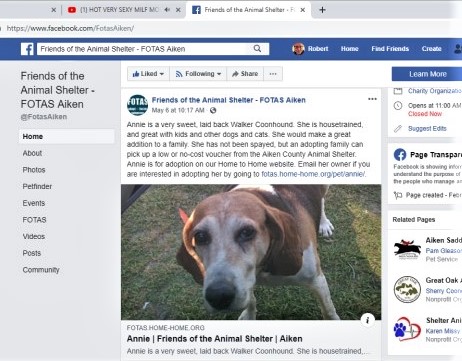
The Home-to-Home program allows owners, who can no longer keep their pet, a way to rehome them to another family by creating a profile on a specially created website and uses FOTAS’ Facebook page to promote the animals. By using this tool, it reduces owner surrendered numbers, and stress for both the animal and the owner.

When animals come from a home to the shelter, they are often so confused and shaken, they shut down. Volunteers will find them shaking in their cages, confused by the noise and the unfamiliar surroundings. These highly adoptable animals cower in their cages, not interacting with prospective adopters and become unadoptable.

One of the many Home-to-Home postings on the FOTAS Facebook page.

Since we started the program the beginning of February, we have had 89 listings. Fifty pets have been adopted, seven were eventually surrendered to the shelter, and the rest are still looking for homes. That is 50 pets that didn’t come to the shelter in the last three months, freeing up space for strays and injured or abused animals. And we’re just getting started.

As we get word out, we hope to have more rehoming success stories, with a pet going from one loving home to another.

Carrolanne reached out to us recently. She had just lost her husband of 35 years suddenly. Richard stayed at home with their two beloved fur babies, while Carrolanne took care of her elderly mother, who had suffered a stroke. With Richard’s sudden passing, Carrolanne was faced with leaving her mother’s side to run home to take care of the dogs, and get back to her mother before the home health worker left. She could not bring the dogs to her mother, who would need wound care if a dog accidentally jumped on her. She was faced with the heartbreaking decision to rehome her beloved Penny and Ginger Snap.

The Ergles were thrilled to welcome Ginger Snap and Penny into their family through the new Home-to-Home adoption program FOTAS started incorporating this year.

Carrolanne contacted the shelter and we got her girls listed on Home-to-Home. The next day, I received a call from Carrolanne, who, choking back tears, said a nice family had come to see Penny and taken elderly Ginger Snap, too, when they saw how bonded the pair were. She said, “I truly don’t know what I would have done without your help and this program.”

Ginger Snap and Penny are now getting the love and attention of the Ergle family, and while Carrolanne is missing them terribly, she has our assurance that when the time is right, we’ll help her find a new pet to love. Visit fotas.home-home.org for more information, and to see available pets.

Their lives are in our hands.

Teaching Children Well about Training and Responsible Pet Care

By Kathy Jacobs, FOTAS Program Director

Educating our children is essential for promoting better pet care and reducing the number of homeless dogs and cats.

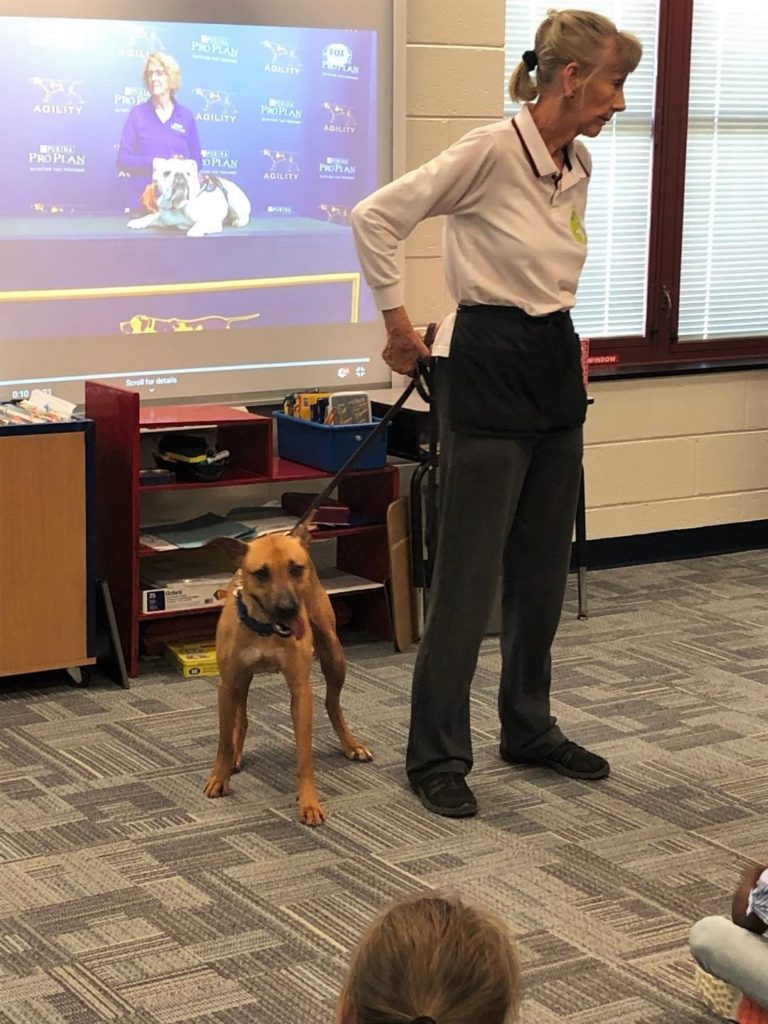
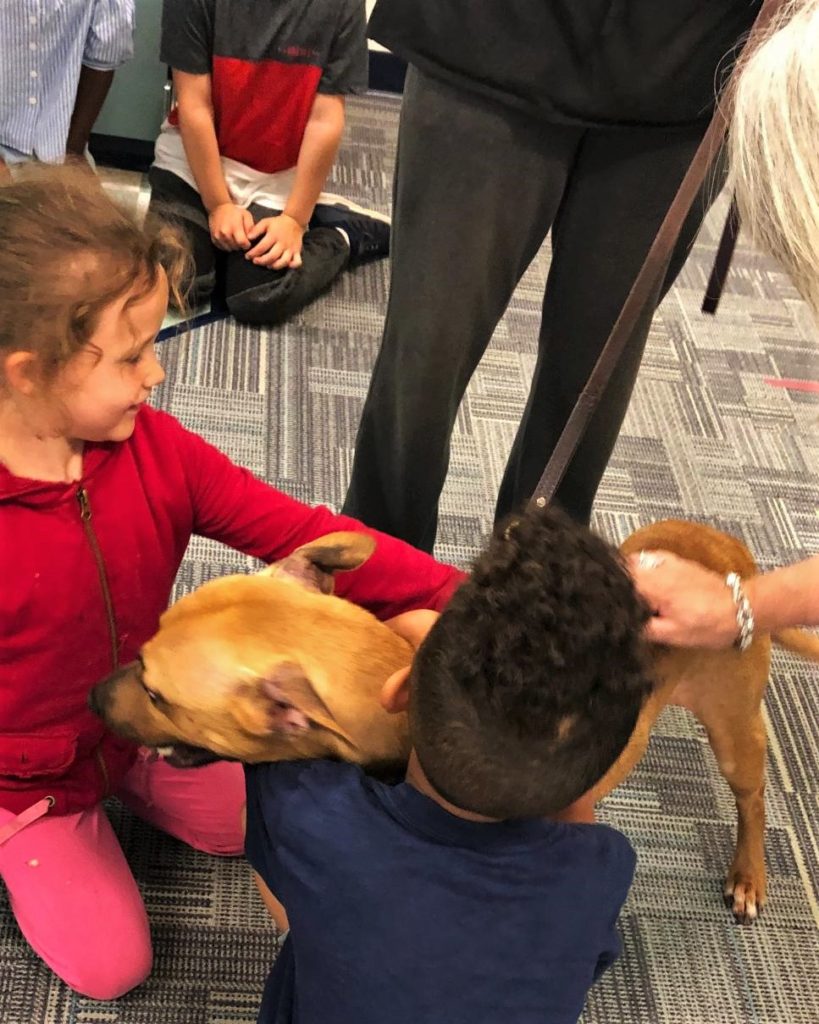
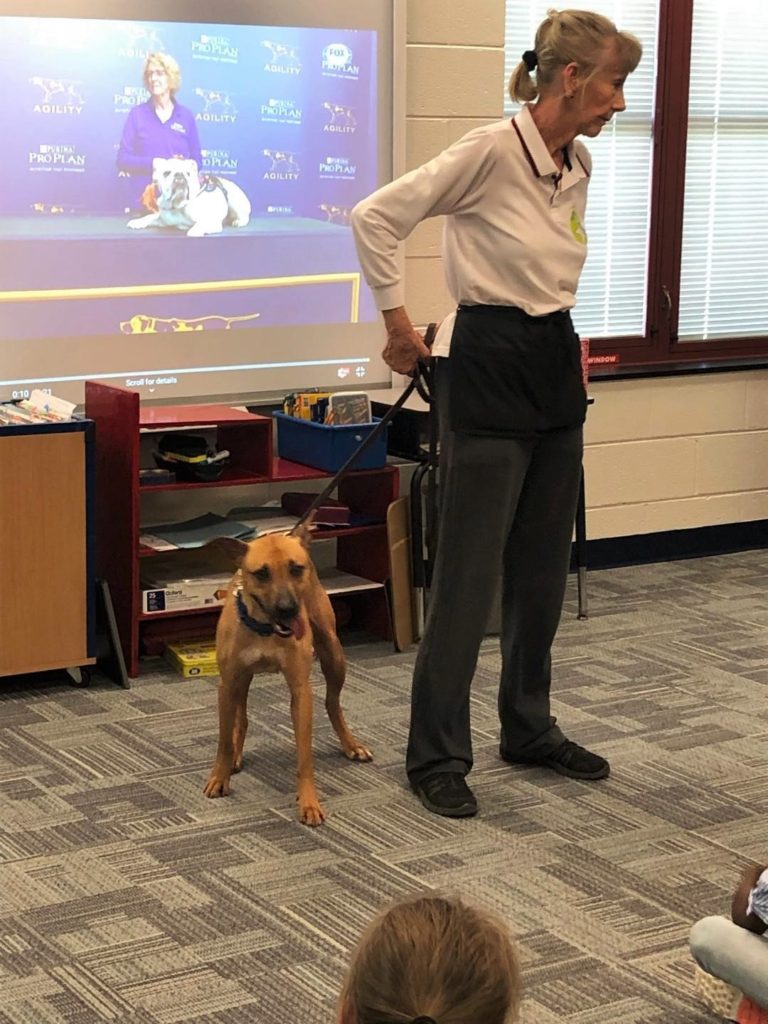
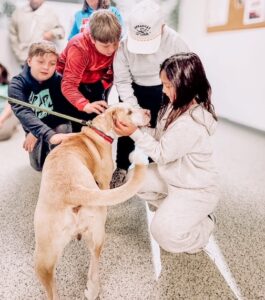
Last week, Dog Trainer Susi Cohen and I were invited to Oakwood Windsor Elementary School to share what we do to support the Aiken County Animal Shelter (ACAS). Susi, a trainer with the Palmetto Dog Club who volunteers her services to FOTAS, brought Holly, a young Retriever mix, to demonstrate basic dog training to the children. She explained that just as teachers use positive reinforcement with students, dog owners need to do the same with their pets.

The students pet Holly, an Aiken County Animal Shelter Dog that was available for adoption.

When young Holly jumped up for attention, Susi explained that the best way to handle this overzealous behavior is to redirect her and praise her when she returns to standing on all fours. She stressed that you should never call your dog a “bad dog”. There are no bad dogs, just dogs that didn’t receive the training that they so desperately need.

One little boy had a great question. He said he understood it was not proper to call his dog bad but asked if it was okay to tell his dog, “No,” when it was misbehaving. Susi smiled and agreed that you must correct your dog, but it’s important to find a specific way to say it. Maybe tell your dog “Off” instead of “No”. She explained that yelling at your dog doesn’t help either; just simply praise your pet when she does what you want her to do. Dogs love attention and they love to please. Training provides both offerings for your pet.

So many of the dogs that come into the shelter are one to two years old. The behavioral reasons people give for surrendering them are typically because they are “too high energy”, “destructive” and/or “too much responsibility.” But if you train them properly, you can avoid these issues. Susi and Karen DeCamp, another wonderful trainer with Palmetto Dog Club, meet and work with people who are struggling with their pet’s conduct. Often, they can provide simple training tips to fix such unwanted behavior, which helps keep many dogs in their homes and out of the shelter.

During her visit to Oakwood Windsor Elementary School, Susi Cohen demonstrates some training techniques with shelter dog Holly.

I also brought a foster kitten to visit with the students. The students were surprised when I told them how many dogs and cats are taken in by the shelter each year. One boy said, “My dog just had 12 puppies, but three died.” Another little girl said her cat had kittens up in the attic and one had a lot of medical issues. I explained to them that Aiken County and FOTAS offer help in these situations. We have spay/neuter vouchers available at the shelter that greatly reduce the cost of this important surgery. It is a simple procedure that will ensure their dog or cat won’t have any more litters.

Going to the schools is always so rewarding. Not only do the shelter animals enjoy spending time with the students and vice versa, but teaching children about animal welfare and responsible pet ownership today paves the way for a better tomorrow.

Their lives are in our hands.

PETS OF THE WEEK

DREI
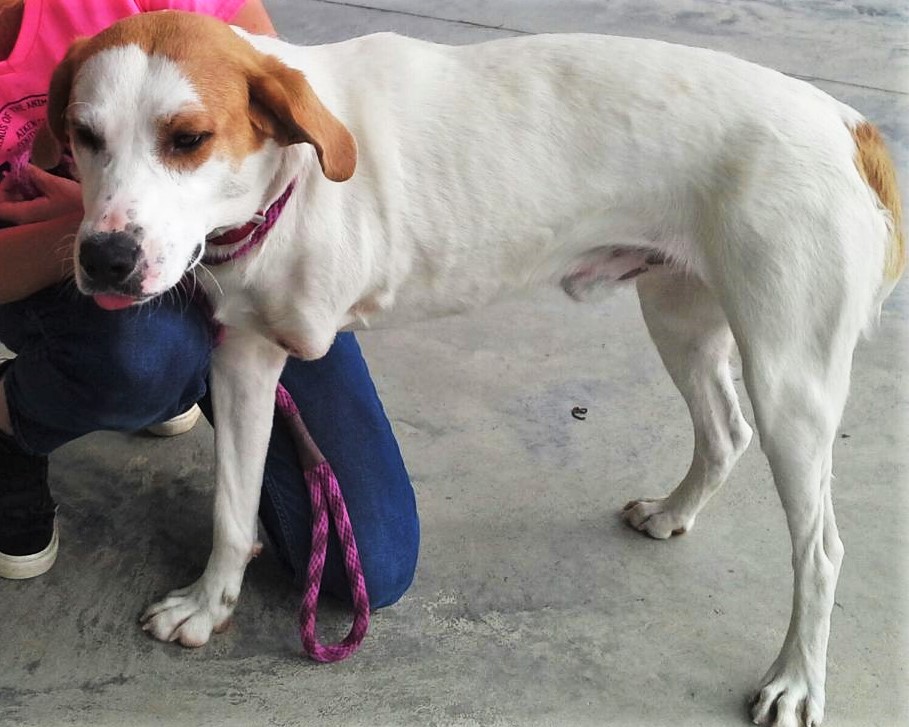
Hound mix, male, 1-1/2 years old, tan & white, 58 pounds, amputated left front leg – $35

Three-legged dog DREI

JACKSON
Domestic Medium Hair, male, 2 years old, black, 8.8 pounds – $10

JACKSON

Here’s What to Do if You Find a Litter of Kittens

By Bob Gordon, FOTAS Communications Director

Spring is here and with the warmer weather comes lots of newborn kittens.

“We’re already seeing a number of pregnant cats arrive at the shelter and kitten season should be hitting any time now,” said Aiken County Animal Shelter Adoption Coordinator Hillary Clark-Kulis. “Once it does, we likely won’t see the flow of kittens slow down until at least November.”

But what do you do if you discover a litter of kittens or a single kitten seemingly abandoned by their mother? How do you best help their chances of survival?

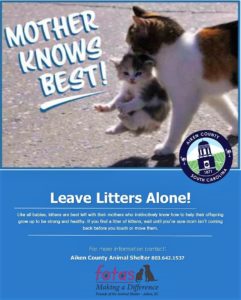
A flyer to remind people that mama cats “know best”.

Well, like all babies, kittens do best when they’re with their mother. Moms instinctively know how to help their offspring grow up to be strong and healthy. Mother’s milk is also vital in providing the kittens powerful nutrients for their immune system.

If the kittens are underage (under 2 pounds or younger than eight weeks old), see if mom is around. If she is gone, wait two to four hours to see if she comes back. She could just be out getting food for her and her kittens.

If mom is there, leave the kittens where they are until they are two pounds or eight weeks old. To help the mom, you can provide shelter and put out food nearby (but not right next to the kittens because you don’t want to attract other cats or potential predators).

If mom is gone and has not returned, you should foster the kittens or find someone who is willing to foster, until they are at least two pounds. This is done through bottle-feeding the kittens until they are ready to eat on their own.

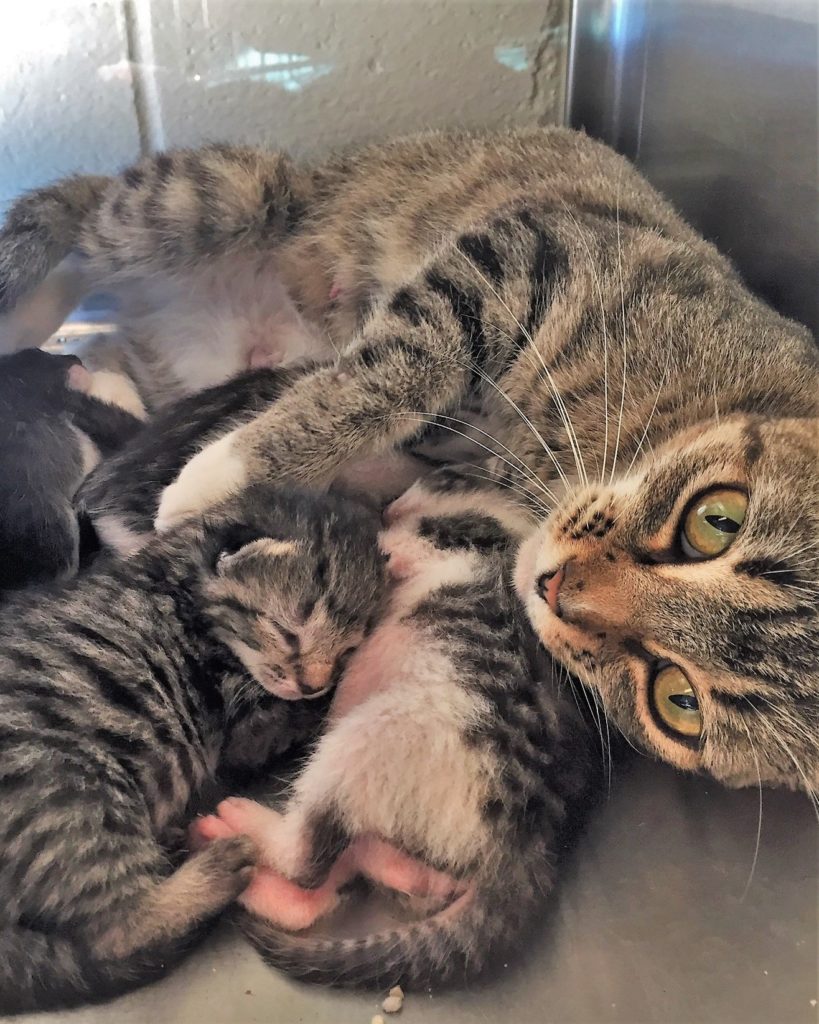
The mother cat gives her kittens their best chance for survival.

“If you feel the kittens are in danger and in need of rescue, you should be prepared to take care of them for a minimum of two weeks for the around-the-clock care they need,” Clark-Kulis said. “Don’t hesitate to contact the shelter for resources and supplies you might need. We can also answer any questions you may have and provide counsel.”

If the kittens you find are weaned or you’re unsure of their age or care needs, you can bring them to the shelter for assessment and we can help you decide on a plan for adoption or direct you to other options, such as our TNR (Trap, Neuter, Return) or spay/neuter voucher program.

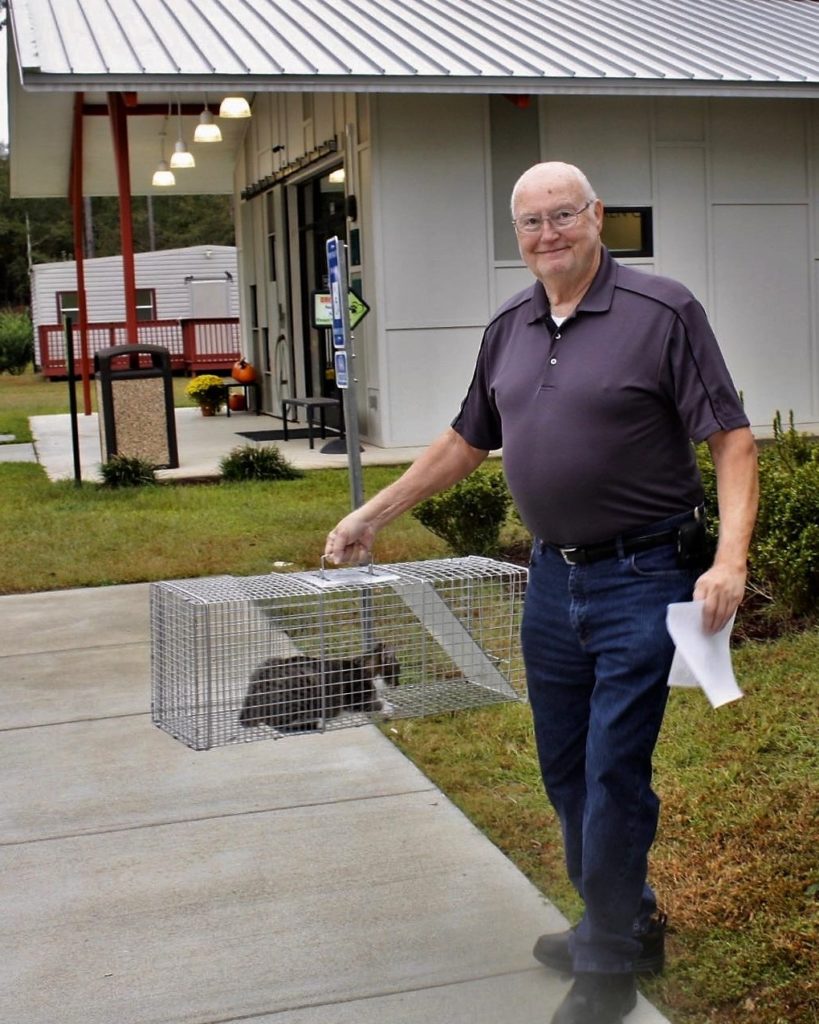
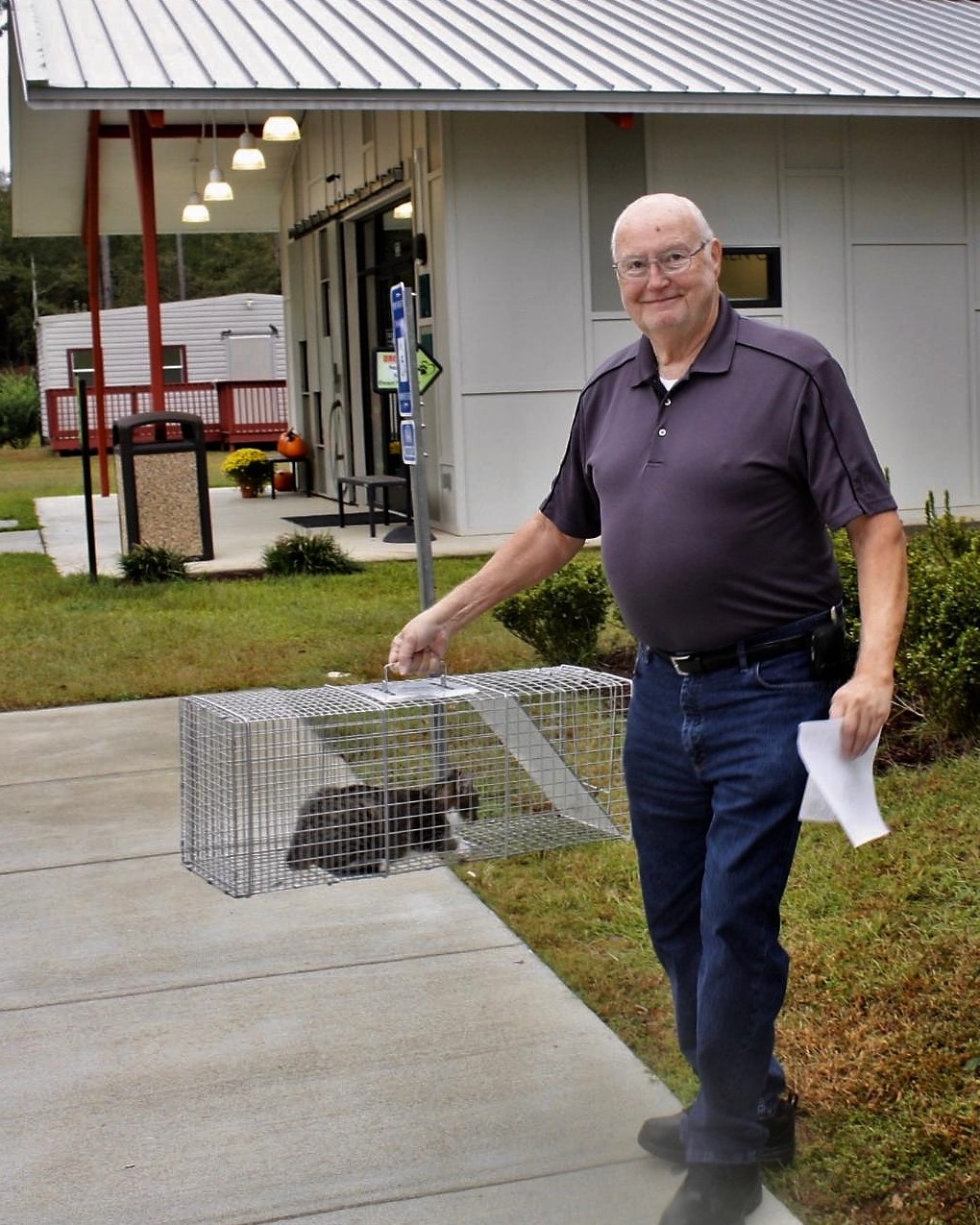
The kittens must be at least four pounds and be in a humane cat trap (you can sign one out from the shelter) if you bring them to the Aiken County Animal Shelter for our Community Cats free TNR program. After they are sterilized, you just return them to their outdoor home. This effectively works to reduce the cat population and prevents more cats from entering the area.

The annual flood of orphaned kittens is almost upon us. But you can help save lives by volunteering to foster orphaned, infant felines, supporting and taking advantage of our TNR program and spreading the word about how to best help kittens survive.

The Aiken County Animal Shelter is located at 333 Wire Road in Aiken. If you can help, please stop by or call the Shelter at (803) 642-1537 and speak to a staff member or volunteer for more information and assistance.

Their lives are in our hands.

Dog Cries Real Tears When Owner Leaves him at Shelter

A few weeks ago, I was finishing up some paperwork at the shelter and saw a handsome Labrador mix sitting quietly, looking up at his owner. She was surrendering him. The dog looked so sad and confused. His owner seemed upset as well.

Sookie is a beautiful, declawed Calico available for adoption at the Aiken County Animal Shelter.

One of the veterinary assistants tried to soothe the dog, but he just shook and refused to leave his owner’s side. A kennel tech came in and picked him up, all 50 pounds, and carried him to medical. I followed as my heart was now invested.

Then I saw something that I had not witnessed before, something that I will never forget. The black Lab had tears in his eyes, with some trickling down his face. His cheeks were puffing in and out and his breathing was rapid. I was stunned. It was like watching a child be taken from his parents. He was heartbroken.

Later, I went and sat with him in his kennel. He already had a fluffy blanket that someone had kindly donated and a toy that some local children had made for shelter dogs. He was just sad. I held him and he snuggled close, desperately seeking comfort.

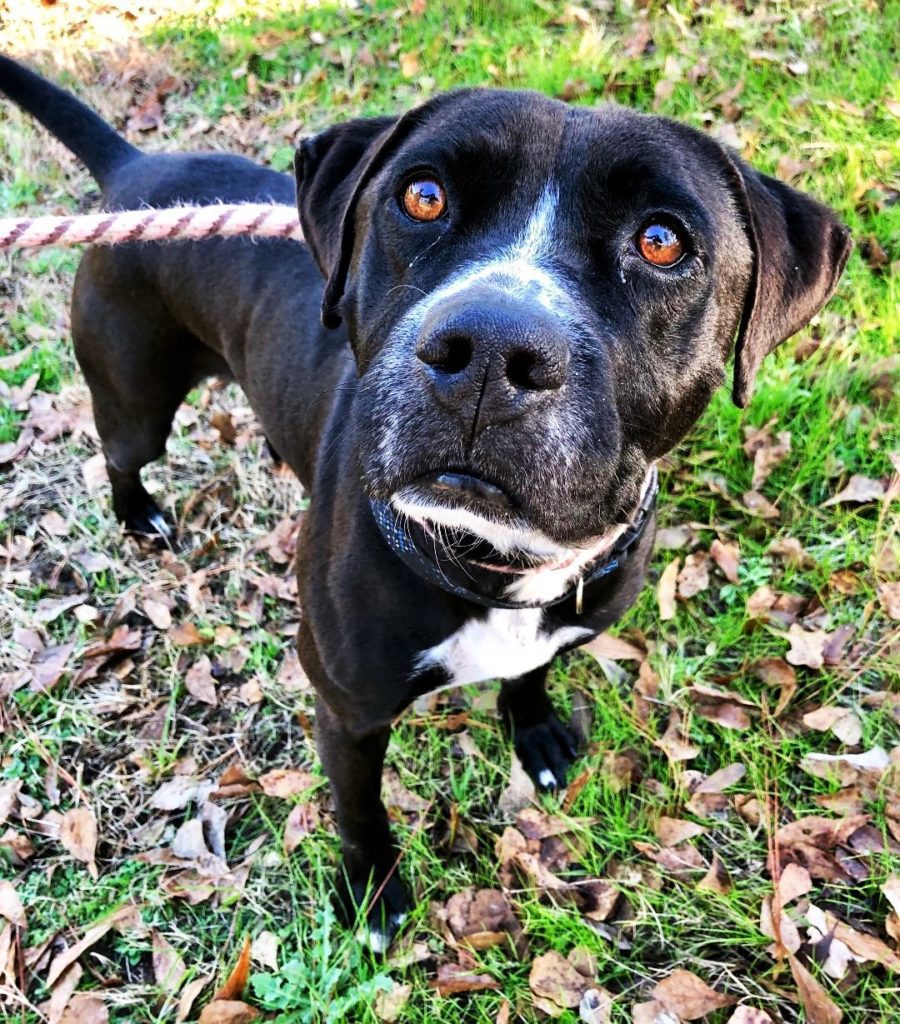
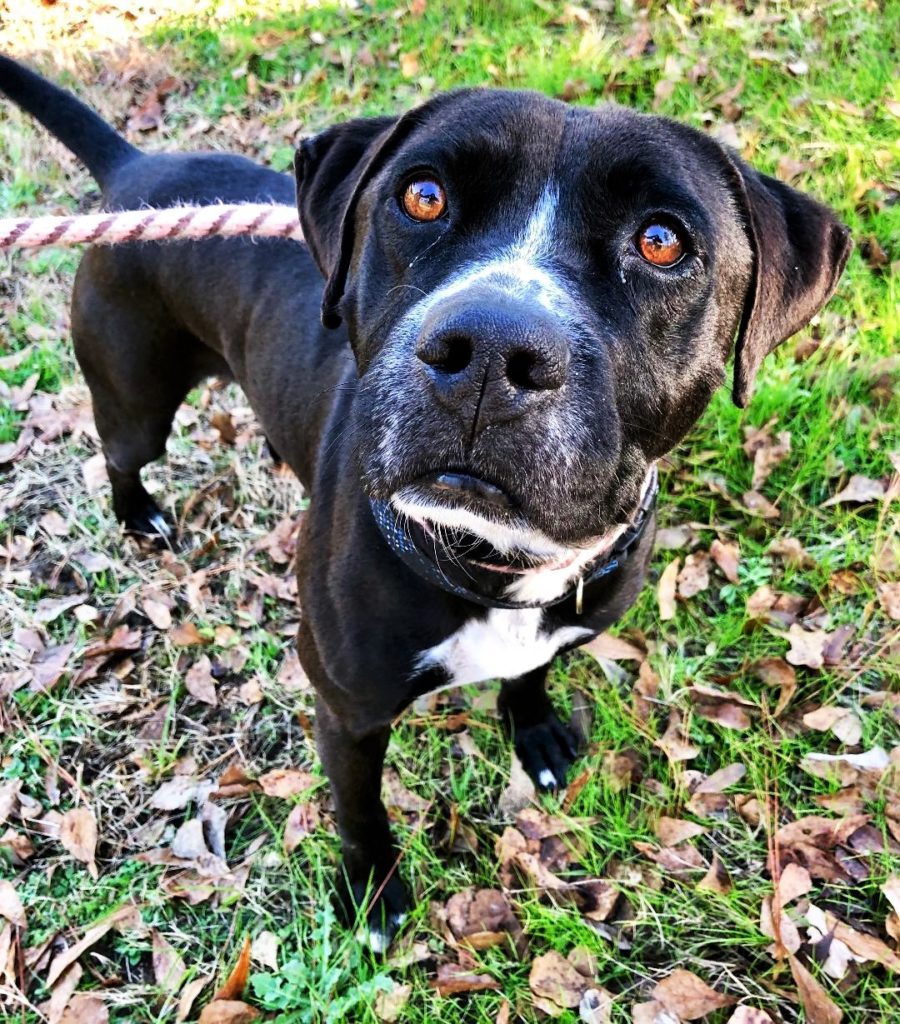
When he was moved to the adoption floor, this dog, Hank, stole the hearts of all the volunteers! He is the most charming boy and you can see how incredibly loving he is when you look into his big eyes. Unfortunately, potential adopters have passed Hank by for other dogs and he has been on the adoption floor for weeks. He still smiles when visitors arrive but when they leave, he gets depressed. We are desperate to find handsome Hank a new forever home where he can be happy and loved.

Labrador mix Hank cried when he was separated from his owner, but he’s eager to find a new home.

Not long after Hank arrived, a lovely, 13-year-old Calico cat was surrendered as well. Being in a house all her life, it was a very frightening experience for her to come to the shelter. Staff and volunteers worry about her as so many people overlook older pets to adopt a kitten or young cat.

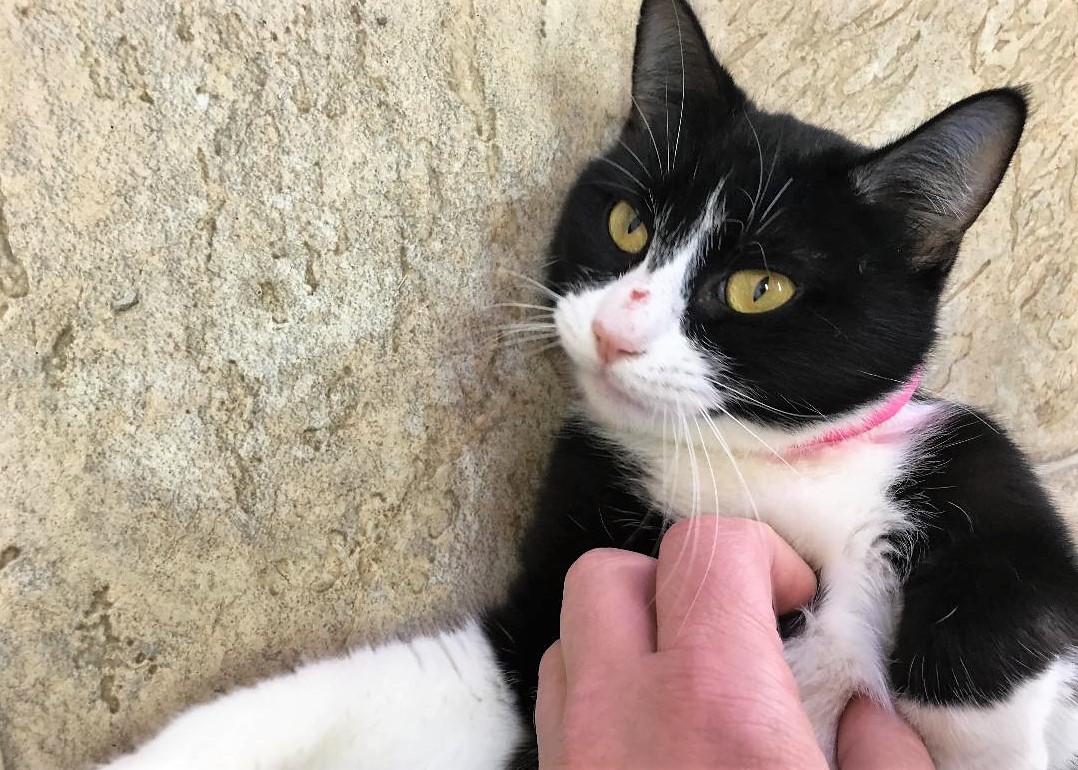
Sookie sat quietly in her kennel at first but allowed us to hold her. When we put her in the lobby for adoption, the declawed feline became fearful and confused – even sometimes hissing at people. This is not because she is a mean cat; she just doesn’t know what is going on and misses her home and family. We are working with her and hoping to earn her trust, but hoping even more that someone will come rescue Sookie and give her the home she deserves.

Please understand that sometimes it is necessary for a pet to be surrendered; it may be the only option for someone. But these animals need comfort and love. It is extremely confusing and scary for them to enter the shelter with all the loud barking, meowing, strange surroundings…all the different smells, the new people.

Please consider volunteering with us to help these wonderful animals, either at the Aiken County Animal Shelter or by fostering them at your home. You can also help by donating to FOTAS so we can purchase the blankets, toys, collars, flea treatments and other items needed to give these animals some comfort. To volunteer, stop by the shelter at 333 Wire Road in Aiken or contact FOTAS at (803) 514-4313 or info@angelhartlinedesigns.com.

Their lives are in our hands.

— By Kathy Jacobs, FOTAS Program Director

Save Lives and Stop Needless Suffering by Fixing your Pets

When people talk about our chronic dog and cat overpopulation problem, they usually focus on the overwhelming numbers – and rightfully so. Millions of pets lose their lives each year because people don’t spay/neuter their animals.

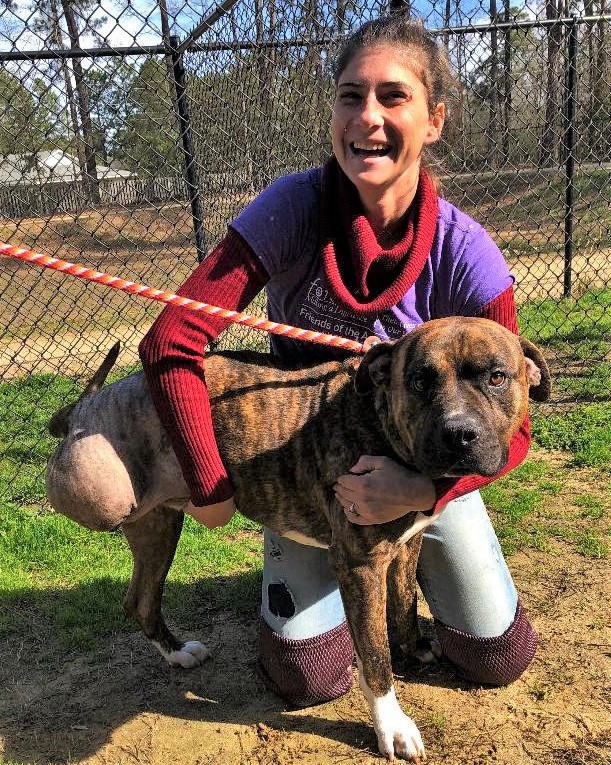
Stray dog Thaddeus arrived at the shelter with a gunshot wound so severe, his right back leg was turned to powder and had to be amputated.

Puppies and kittens will soon be pouring into the County Shelter because some citizens are not getting their pets spayed/neutered.

In fact, the Aiken County Animal Shelter (ACAS) takes in approximately 125 unwanted animals per week during the summer months. When you do the math, the total number of animals coming into the shelter is staggering and the only solution to the problem is spaying and neutering your pets.

It’s really easy and inexpensive to get your pets fixed now, thanks to the County’s spay/neuter voucher program and FOTAS’s Fix-a-Pet program. The SPCA Albrecht Center clinic and participating local veterinarians accept these vouchers, available at the County Shelter, which reduces the cost of fixing your pet to $15 or less.

Wagener, a young stray cat arrived at the shelter in severe pain because her birth canal was too small, and she couldn’t deliver her kittens. She was saved but some of her babies died inside her.

FOTAS and the County also offer a Trap, Neuter & Return (TNR) program for feral and community cats that is helping to reduce feline overpopulation in the area. Cats must be brought to the shelter in a trap, which you can borrow from the ACAS. Trapped cats can be brought to the shelter at 333 Wire Road in Aiken on Tuesday, Wednesday or Thursday mornings at 8 a.m. and picked up later the same day. Call the ACAS for more information, (803) 642-1537.

Mama dog Angeline was scared and exhausted when she was brought in with her starving puppies.

Last year, Aiken County and FOTAS paid for the spay/neuter of 1,287 pets owned by citizens in financial need and 1,099 community/feral cats.

Yellow Retriever Angeline and her starving puppies were brought to the ACAS by an animal control officer. The mama dog was suffering and freezing to keep her puppies alive. Exhausted and ribs visible, Angeline was afraid of human touch but she and her pups are now recovering with the care of FOTAS foster volunteers.

February is National Spay/Neuter Awareness Month, an ideal time to encourage people to have their pets sterilized before the spring and summer months, when there is a rampant overproduction of puppies and kittens. It’s also a time to recognize one other aspect of this issue: needless suffering. These animals not only are filling our shelters but when wandering on their own, searching for mates and food, they also can face horrible and painful consequences.

Thaddeus is a stray who was shot while homeless and searching for food.

So, we’re asking you to help us do better this year. Let’s spread the word about the importance of spay/neuter to our family, friends, acquaintances and even strangers.

Also, please join us in thanking the folks who are helping to fight this animal overpopulation battle. We thank the Aiken County Council for its support of the vital Spay/neuter voucher program; Code Enforcement Director Paige Bayne for the awesome management of the County Spay/Neuter voucher program; The ACAS vet clinic for their TNR work; and our FOTAS TNR veterinarian partners, Aiken Animal Hospital, Aiken Veterinary Clinic, Silver Bluff Veterinary Clinic and Veterinary Services of Aiken.

Their lives are in our hands.

— By Bob Gordon, FOTAS Communications Director

By the Numbers
So far this month (Feb 1-15), the Aiken County Shelter has taken in 176 strays and surrendered pets.


Pets of the Week
REESE
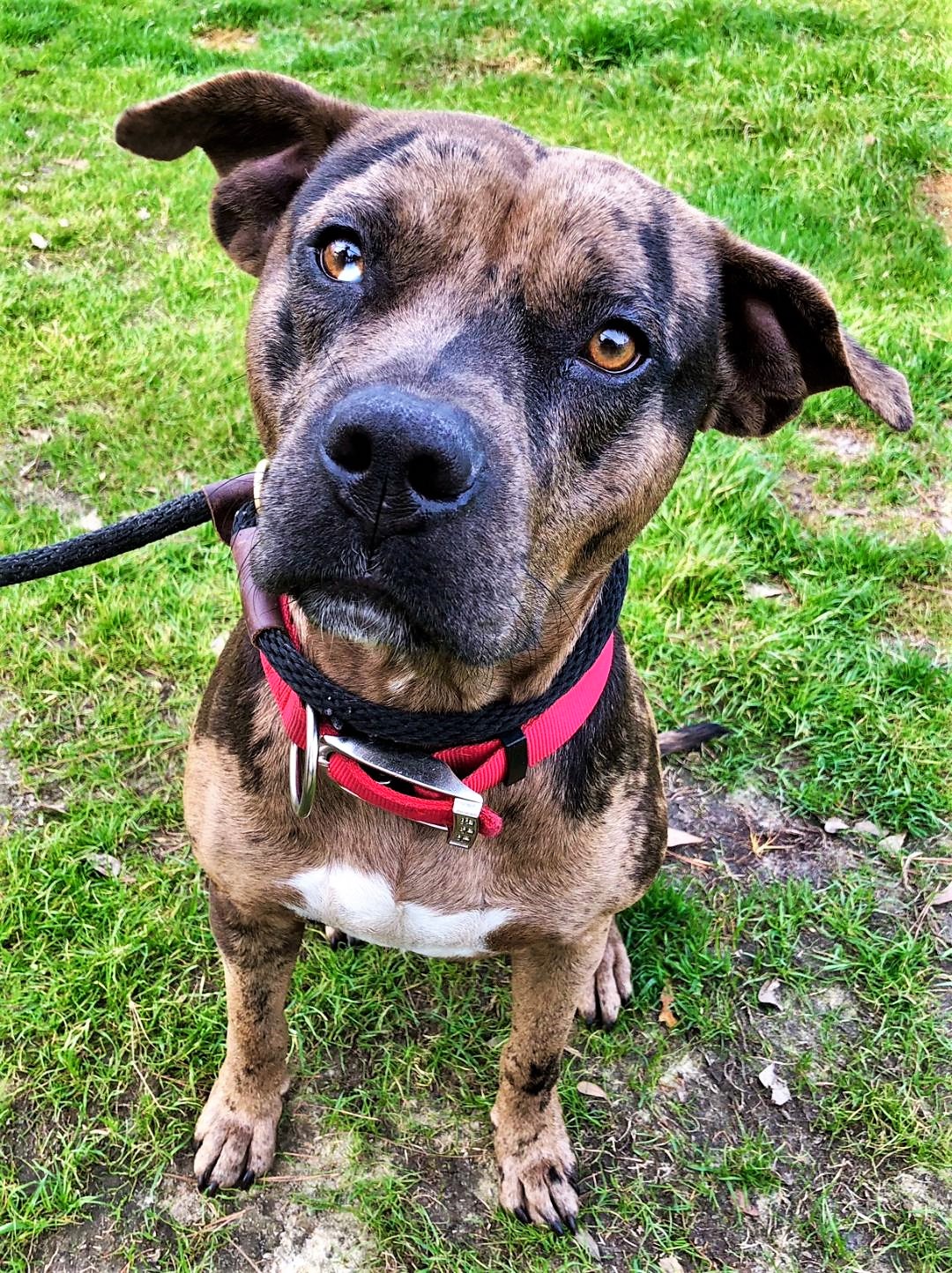
Catahoula Leopard dog mix, male, 1 year old, 57 pounds – $35

WILLY
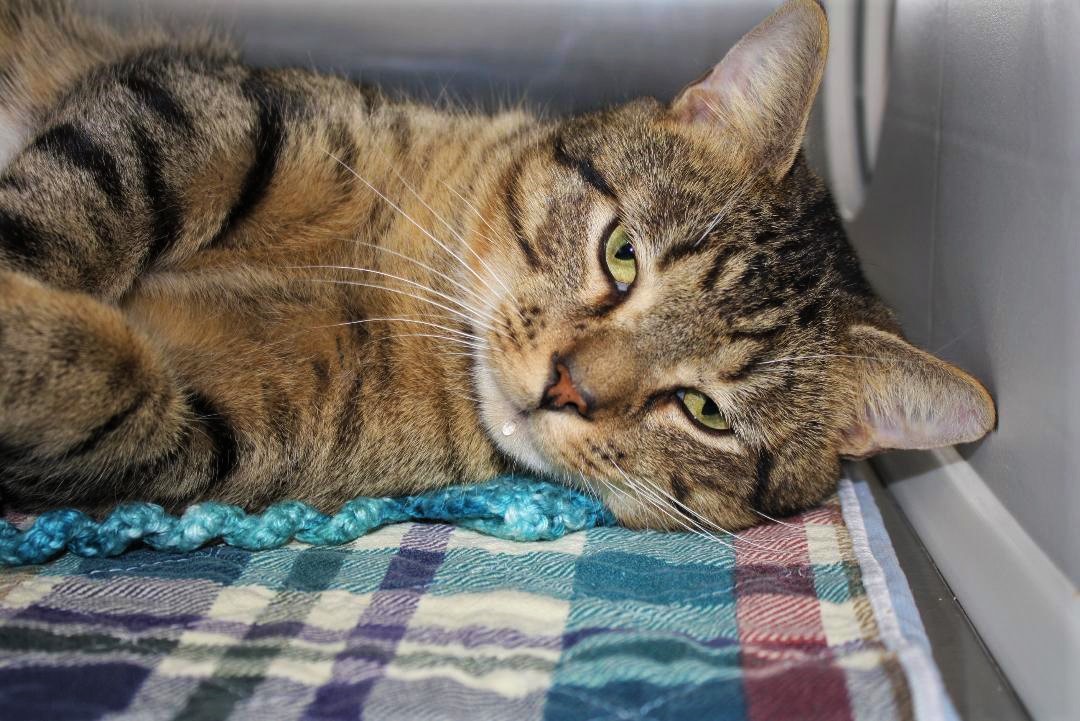
Domestic shorthair cat, male, 3 years old, 12 pounds – $10

The Christmas Spirit of Gratitude and Charity

The Christmas season is upon us. It’s a time of festivity, bright lights, family, goodwill, and faith. It’s also a time to count our blessings. As we at FOTAS look back over the past nine years, it’s also a time to reflect upon our profound gratitude for our friends and supporters in the Aiken community.

FOTAS Volunteer John Berk with Cleo, who was adopted to a good home this year.

We’ve come a long way together. With your help, we successfully lobbied the County Council to build a new shelter and partnered with the county to raise money to fund the architectural design and construction-ready plans.

Once the new shelter opened in early 2014, we recruited and trained an army of volunteers to work at the shelter, performing the equivalent of eight to 10 full-time jobs. We funded training programs for county personnel. We developed and funded exciting new programs with the county to increase adoption rates. We created a network of transfer partners in the northeast that take animals we can’t adopt locally, along with a system of foster care for dogs and cats who have been accepted for transfer or have special needs. We also supplement adoption fees for military personnel and veterans.

LUCY gets some lovin’ from young FOTAS volunteers.

We provided fencing to create exercise yards, bought a new van to move animals locally to outside adoption events, and installed a storage shed. We pay for toys, blankets, treats, flea and tick meds, cat condos, a doggie treadmill to rehabilitate and socialize dogs, and humane runners for folks who need to take their dogs off of chains.

We funded the construction of an isolation pod to separate shelter animals with temporary infectious diseases, as well as a host of necessary medical equipment and supplies. Through this assistance, we’ve made it possible for sick and injured animals to have a second chance. A total of 450 heartworm positive dogs have been saved through our funding. We also pay for outside veterinarian services when necessary.

FOTAS PetSmart Volunteer Twylia with feline Mabel.

Our funding has made it possible to attack overpopulation of pets at the source. Last year, the county and FOTAS paid for the spay/neuter of over 1,300 citizen-owned pets and 1,120 community feral/cats.

Has all this effort made a difference? You bet it has. In 2009, the old county shelter often took in more than 6,000 animals a year; only 5% made it out alive. This year, the shelter will have taken in 4,200 animals, and 90% were saved. Hands down, FOTAS and the county save more animals than any other rescue agencies in the country.

It couldn’t have happened without a lot of hard work, dedication, and support from you, the Aiken community.

Adopted dog HILDE in her forever home December 2018.

We and Aiken’s homeless animals are blessed to have your support.

But there is still so much to do. In the last two months, a whopping 1,000 animals were surrendered to the shelter. Please consider an end-of-the-year donation to FOTAS, either by mail to FOTAS, PO Box 2207, Aiken SC 29802 or online at FOTASAiken.org.

By the way, since FOTAS was recognized by South Carolina as one of the 10 most efficient and effective charity “Angels” in the state, you can be certain that your hard-earned dollars are spent on our mission.

Thank you and God bless your family this Christmas season.

Their lives are in our hands.


— By Joanna D. Samson, FOTAS Vice-President


By the Numbers
Since October 1, the County Animal Shelter has taken in well over 1,000 strays and surrendered pets. Please spay/neuter your dogs and cats.
 
Pets of the Week
ANGIE: Retriever mix, female, 3 years old, brindle and white, 50 pounds – $35


BEE BEE: Domestic Shorthair cat, female, 1-1/2 years old, black and white, 6.5 pounds – $10

The County Shelter’s Community Cat Program Works!

In 2016, Aiken County passed a resolution to implement a return-to-field program at the Aiken County Animal Shelter. Community cat diversion programs (or TNR — trap/neuter/return-to-field) like the county’s program have been hugely successful all over the country. TNR programs are a humane way to reduce overpopulation of homeless cats in the community and public animal shelters like the county shelter. Here’s how it works: citizens trap a feral cat living in their neighborhood (FOTAS provides the traps, if necessary) and bring the cat to the shelter or to a veterinarian designated by the shelter. The cat is neutered and vaccinated at no cost to the citizen, who later returns the cat to the
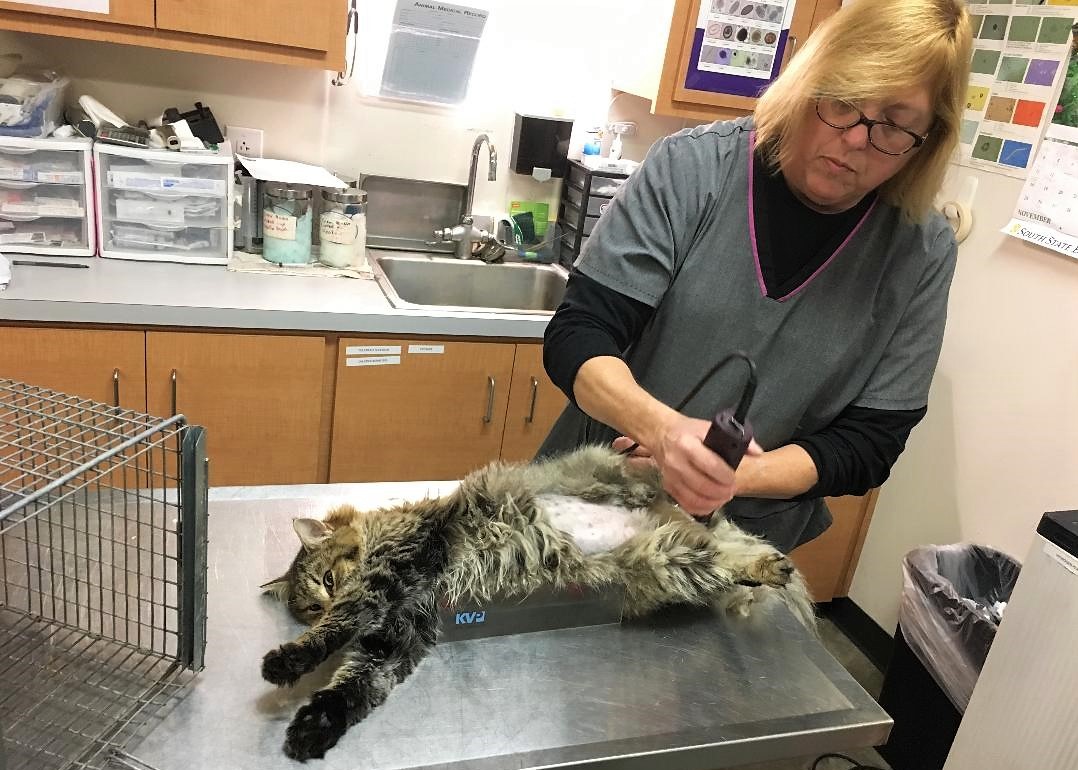
Vet Assistant Lyn Irilli prepares a TNR cat for surgery.
neighborhood. Thus, with help from the local community, the overpopulation of feral cats is reduced. It’s a win-win situation. Why does it work? Because cat colonies that have been sterilized and cannot reproduce do not grow, and since outdoor cats do not live more than two to three years, the cat colonies eventually disappear. The majority of cats received at the county shelter are outdoor cats, so the TNR program reduces the shelter’s intake of cats and reduces the feline euthanasia rate.
Raymond Hastings takes care of a community cat that has just been spayed at the County Shelter.
In 2016, the year in which the county’s TNR program was approved, the shelter had to euthanize 75% of the cats. One year later, in 2017, the shelter’s euthanasia rate for cats had dropped by two-thirds to 21%. And so far in the first nine months of this year, only 6% of the cats at the shelter had to be euthanized. The county’s TNR program is working! Thousands of cats have been saved in fewer than three years; FOTAS works with the shelter to provide free TNR services to Aiken County residents. In addition, FOTAS has purchased scores of traps to lend to citizens who wish to trap and neuter their community cats and return them to their original colonies. There are so many people who have contributed to the success of the TNR program: • The Aiken County Council and Administration for their continued support for the County’s TNR program. • The shelter staff, Dr. Lisa Levy, and Dr. Mike Wells who work so diligently in-house to alter, vaccinate and ear-tip the thousands of community cats received at the shelter (over 1,100 cats in 2017 alone were saved instead of euthanized). • Our veterinarian partners—Veterinary Services, Aiken Animal Hospital, Aiken Veterinary Clinic, Silver Bluff Animal Hospital—who discount their services to support the TNR program. • Aiken County Animal Control officers who respond to citizen requests for assistance with the feral cats in their neighborhood. • FOTAS volunteers Paula Neuroth and Carl Miller who coordinate and assist in facilitating the TNR program. • Our donors who make it possible for FOTAS to supplement the county’s program and provide additional funding for community TNR cats surgeries. • And of course, our community who cares enough to support this humane and highly effective program. There is still so much to do. The shelter is currently receiving hundreds of homeless kittens. But working together, we can wipe out the county’s feral cat overpopulation and unnecessary euthanasia of cats. For more information, please call the shelter 803-642 1537. Their lives are in our hands.

— By Jennifer Miller, President of FOTAS
   

By the Numbers From Nov. 1 to Nov. 28, the County Shelter received 344 strays and surrendered pets.


Pets of the Week

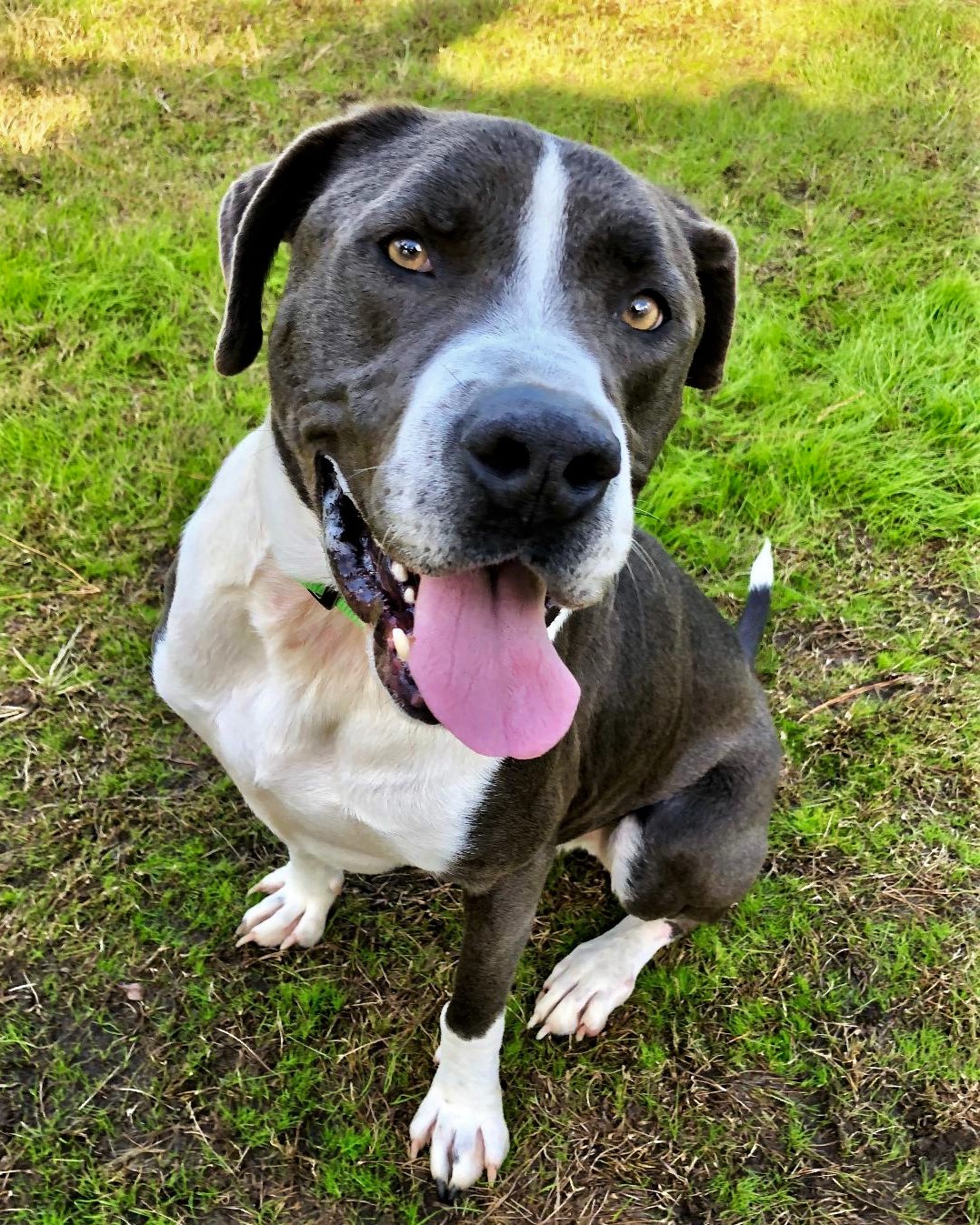
PLUTO Retriever mix, male, 3 years old, gray & white, 77 pounds – $35


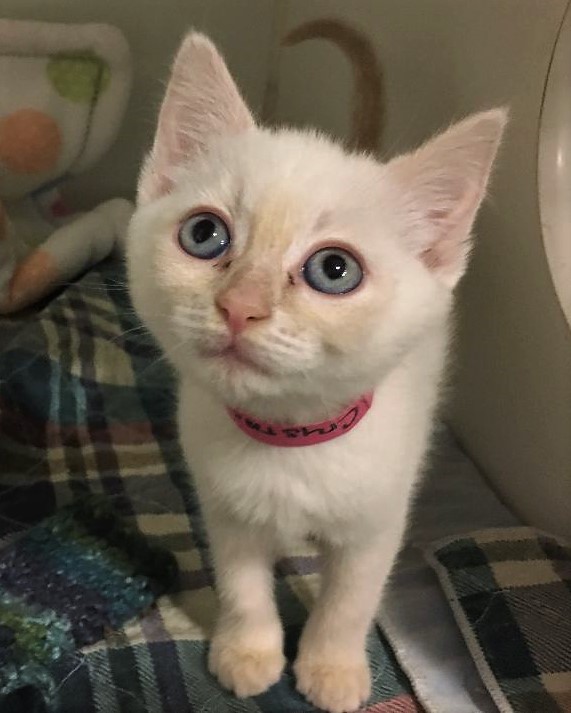
CRYSTAL Domestic Shorthair Siamese mix, female, 2 months old, white, 2 pounds – $10

Please, Please, Spay or Neuter Your Pet!

Last month, 512 animals were taken in to the Aiken County Animal Shelter. More than 500 strays and surrendered pets in October!

It never happens this time of year. We can’t explain it. To tell you the truth, it blows our minds and keeps us up at night. But there it is: after a summer of unexpectedly horrible intake numbers (like that day at the end of July when 44 animals were surrendered in four hours!), fall is shaping up to be just as bad.

Snoopy is athletic and handsome. Just one of more than 500 animals that arrived at the Shelter as a stray or surrendered pet.

Most of these animals did nothing wrong. They were victims of owners who brought them into this world and then washed their hands of them, leaving the rest of us to pay for their neglect.

There is only one way to reduce the shockingly high number of homeless and abandoned animals: every pet in Aiken County must be spayed or neutered. It’s good for the animals and good for the community. Here’s why.

Your pet will live longer. Spayed and neutered animals have significantly less health problems than their unfixed counterparts. By the way, it is not true that pets get fat and lazy as a result of spaying and neutering—only a bad diet and lack of exercise will do that.

Spayed and neutered animals are less likely to roam. That means they are less likely to catch diseases from other animals, get lost, fight with other dogs, or get hit by a car (85% of dogs hit by cars are unaltered).

Spaying your female before she is 6 months old means you can avoid the messy, noisy heat cycles that typically occur twice a year. It also means you can avoid the messy, noisy, smelly crowd of male dogs or cats hanging out in your yard while your pet is in heat.

Neutering your dog decreases potentially aggressive behavior to other animals and people. Particularly children, who are by far the most frequent victims of dog bites.
Your cat or dog will be a better pet. Fixing your pet eliminates unpleasant spraying and marking in your yard, on your rug, on your furniture.

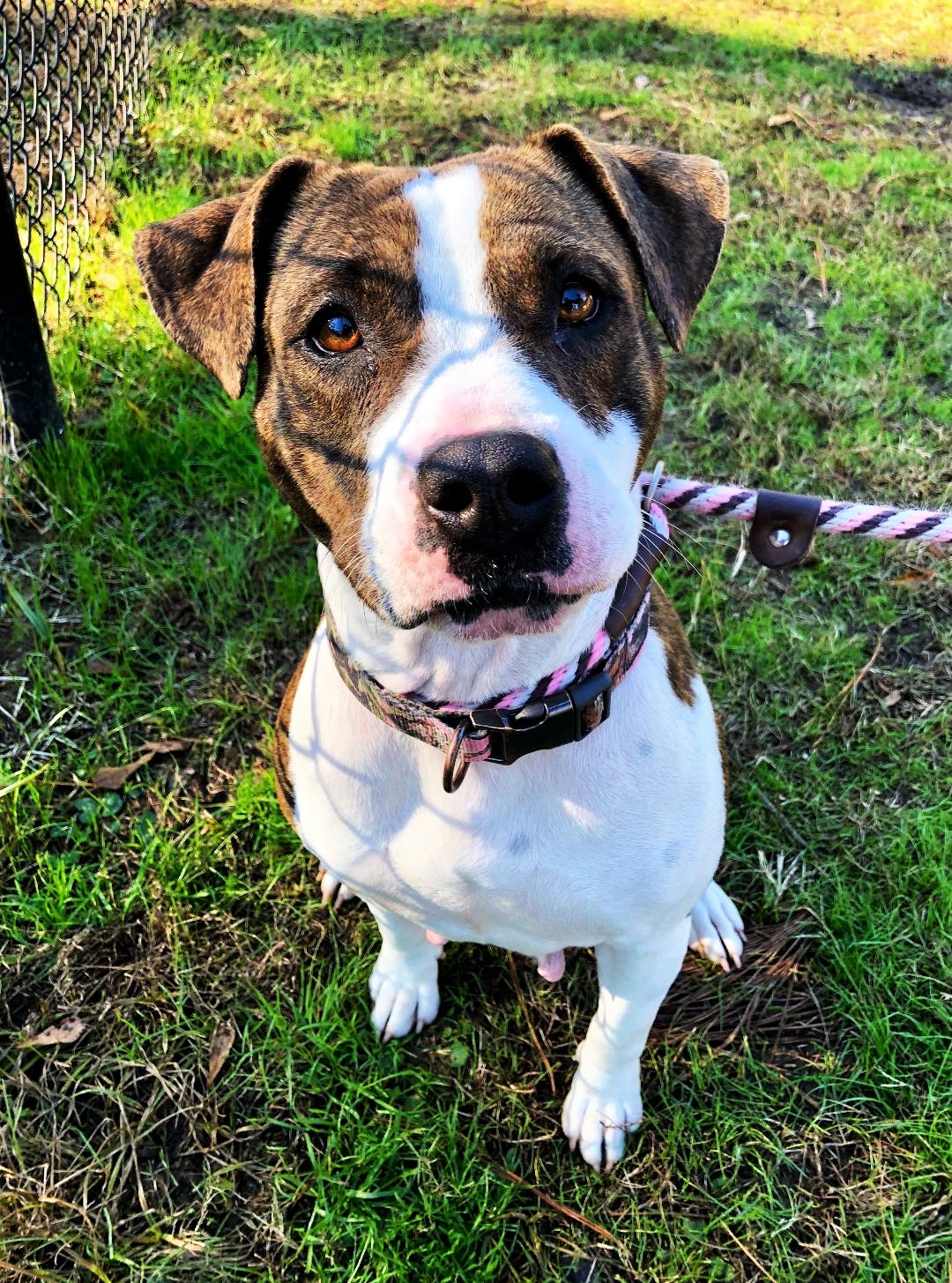
Bueller is such a sweet Pibble. He gets along with people, loves kids and likes other dogs. He’s just not a fan of cats.

Fixing your dog will not make him less protective. Dogs are naturally protective by nature, particularly if you love and feed them.

Fixing your pet is cheaper for the community as a whole. Public shelters are funded by taxpayer dollars. If everyone fixes their pets, the number of homeless and abandoned animals at the shelter will be dramatically reduced, as will the amount of public funds needed to care for those animals.

Moreover, the cost to spay or neuter your pet has never been more affordable. Aiken County has a voucher program, supplemented by FOTAS, to provide low-cost spay/neuter services to residents who need financial assistance. The vouchers are distributed at the County Shelter at 333 Wire Road.

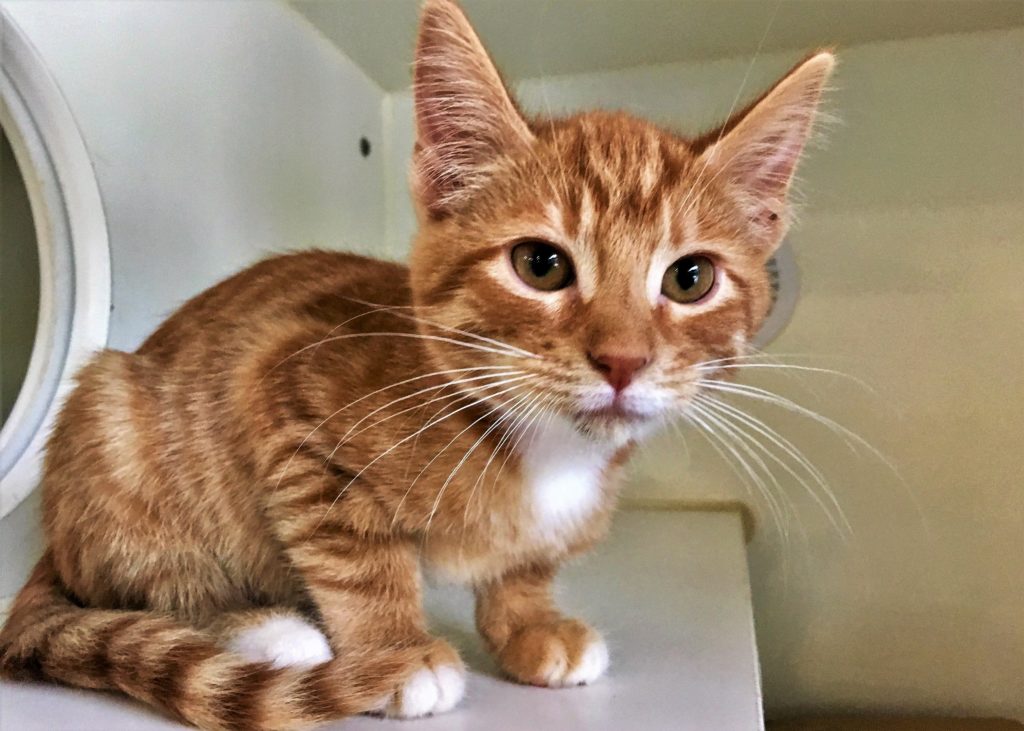
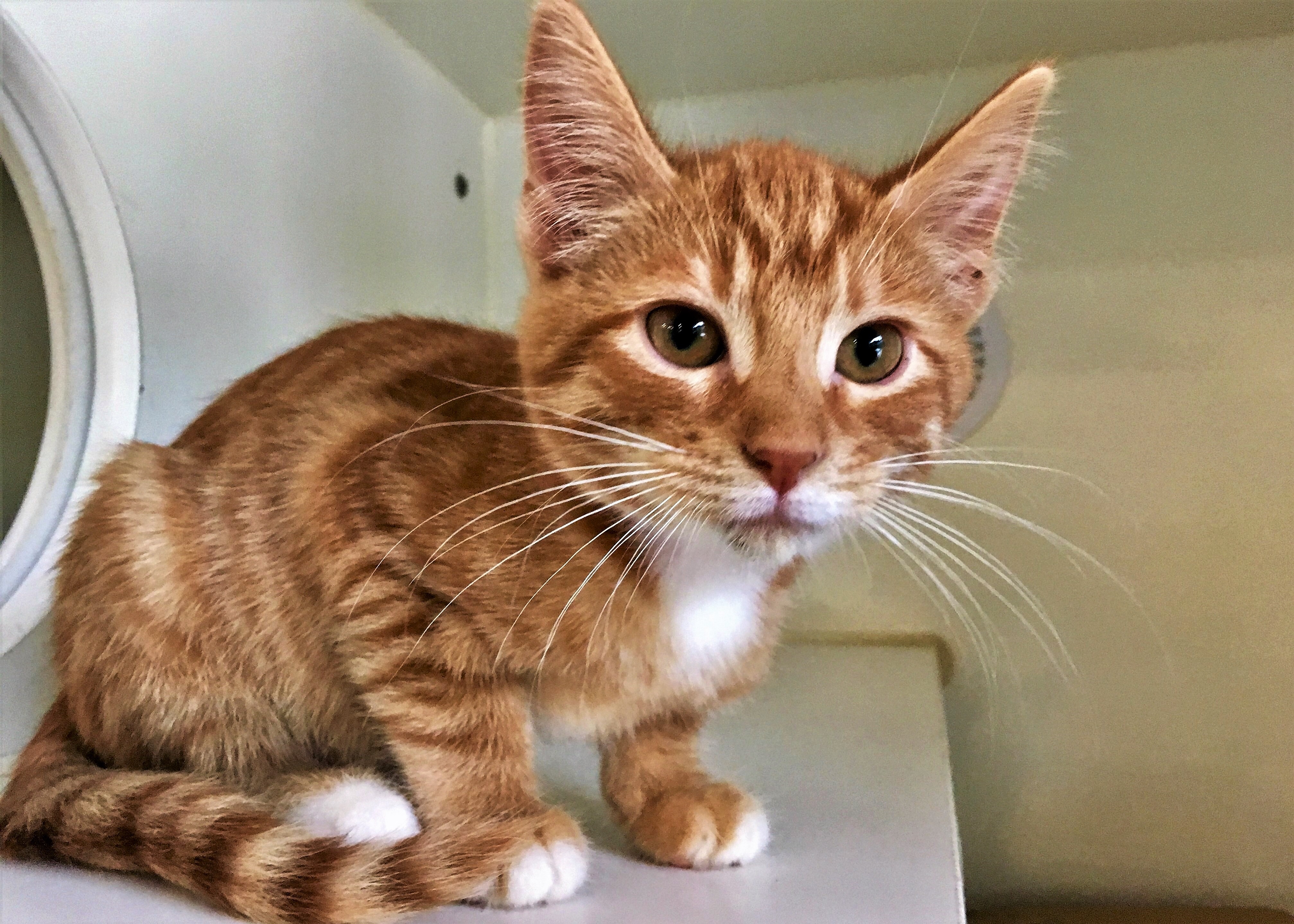
Eddie is a 3-month-old orange Tabby who loves to be held.

Make arrangements to spay or neuter your animal today. Convince your neighbors, friends and family to spay and neuter their pets, too.

There are so many loving, deserving animals in the Shelter that need a home. Why bring even more animals into the world to be dumped in the shelter, or worse, on the side of the road?

Their lives are in our hands.


— by Joanna D. Samson, Vice-President, FOTAS