

Category Archives: kittens

Fostering Medical Needs Pets Brings New Challenges, Many Rewards

This has been a long summer at the Aiken County Animal Shelter (ACAS). Kittens thrown from car windows, dogs starved, puppies abandoned in the woods…we’ve seen all these scenarios come through the door again and again.
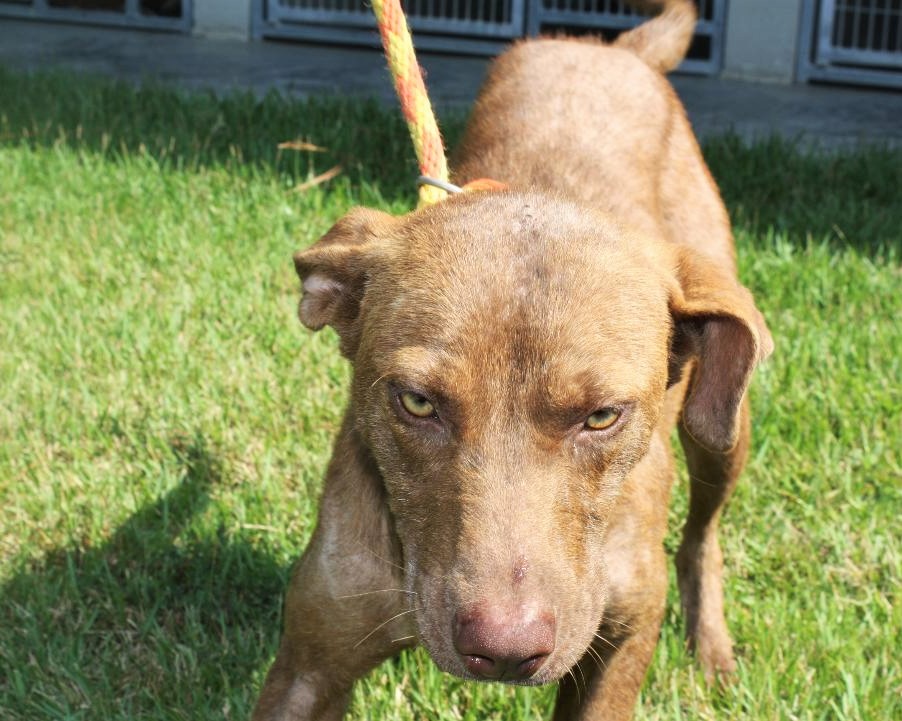
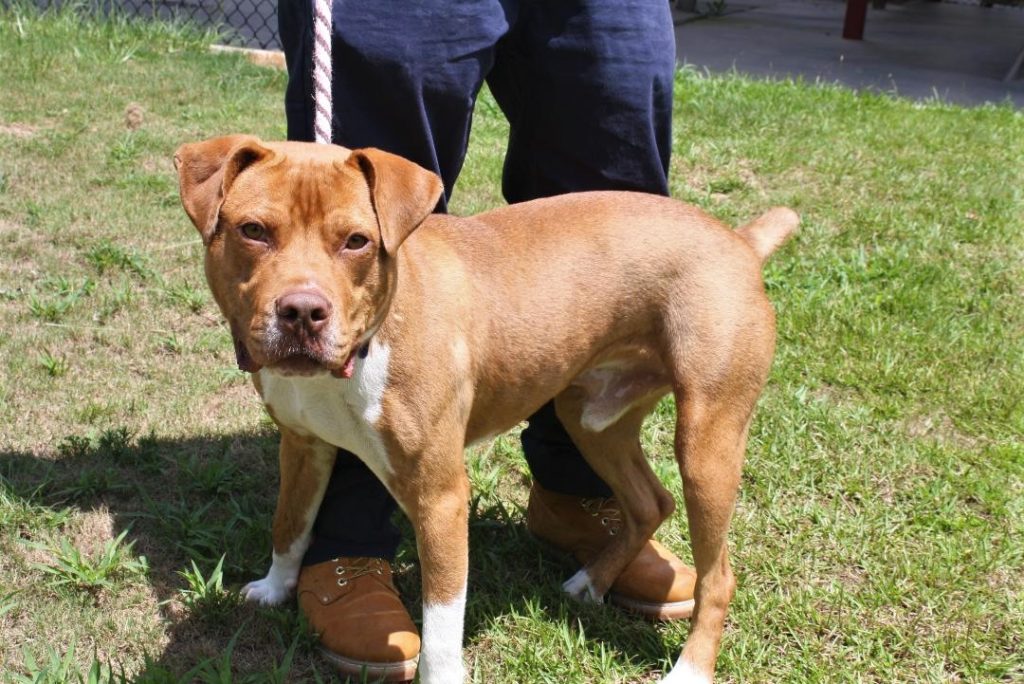
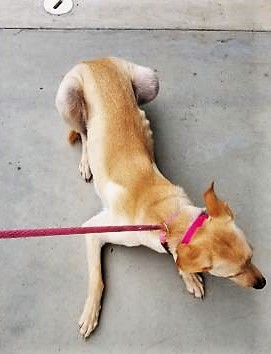
FELICITY is no long in the shelter but is instead recovering from her condition in a FOTAS volunteer’s comfy, quiet home.

Shelter staff and FOTAS volunteers work so hard to help the many pets that are surrendered or found as strays. But look at the numbers: 500 plus animals per month, forty dogs and cats in one day. Where are we expected to put them? So many of these homeless pets need time to heal properly from neglect and abuse. To save them, we need community involvement. We need foster homes.

Luckily, we have a terrific group of foster volunteers. We just need to add to our team.

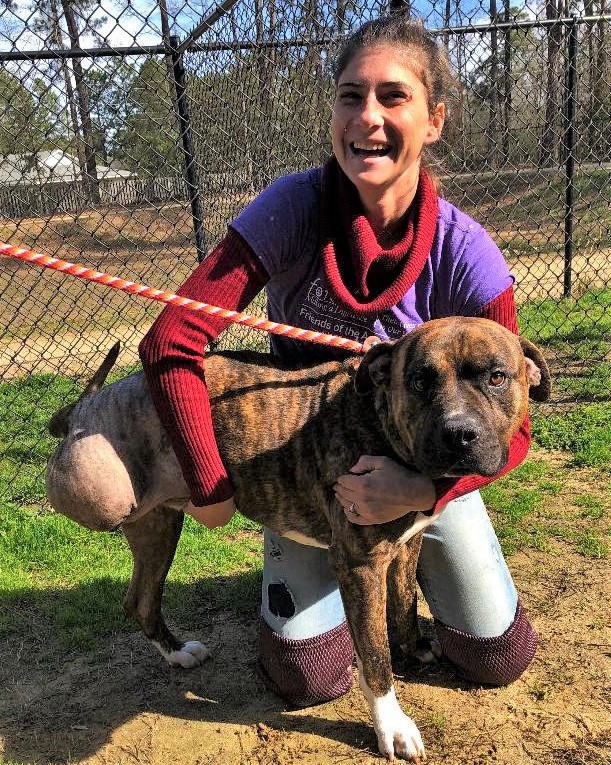
Today Gary Ly is picking up Felicity. Gary is one of those special foster dads who gives our medical needs dogs a safe and happy home for a month, or even two. We never even have to ask; he will call and tell us he has time for another long-term foster. How awesome is that!
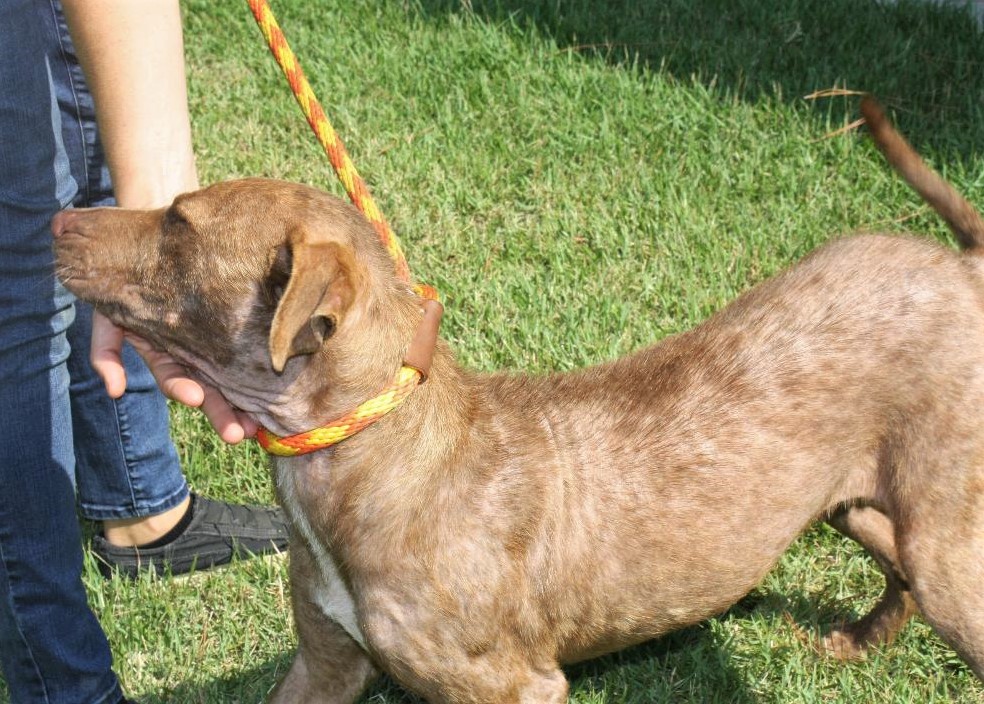
Thanks to FOTAS Foster Gary Ly, Demodex puppy FELICITY is getting the quiet environment and socializing time she needs to regain her fur.

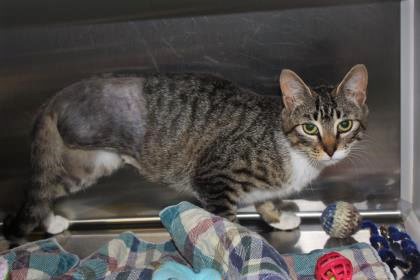
Felicity is a one-year-old, reddish, medium-sized cutie who longs for attention. She came in mostly bald due to Demodectic Mange or “Demodex”. Demodex is very common to any shelter and we never have enough foster homes to manage all the cases. It’s not contagious, but it can worsen from stress like that caused by being in a loud, strange environment. Felicity just needs a quiet place away from the shelter to heal. When 50 other dogs are barking, it is not an ideal place to recover.

She will go home with Gary and we will provide all her food and medicine while he provides her with love and time. Felicity will come back furry, happy and home ready!

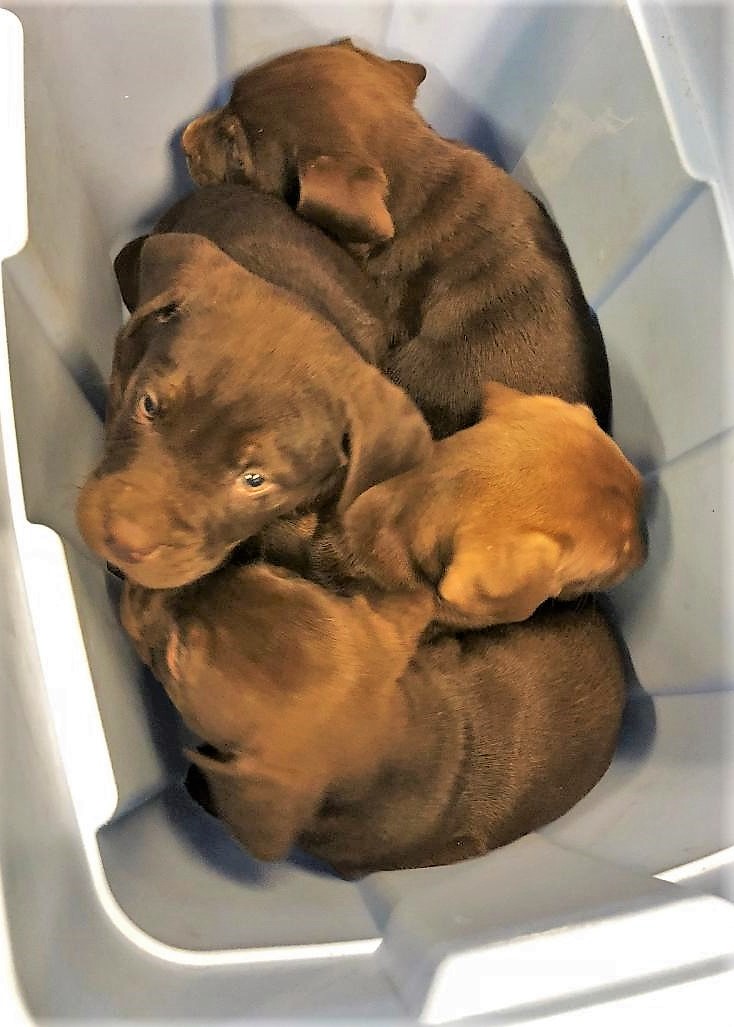
We also had a litter of seven puppies, only a few pounds each. When young puppies are scared and without vaccinations, they are susceptible to getting sick. This litter came in and received their first vaccinations but needed a foster home for two weeks, until they could get another vaccination and be ready for adoption.

Thankfully, Anne Laver was available. Anne is one of those loving people who always has a horse stall free for a litter of pups. After she took them in, they came back so happy and socialized!

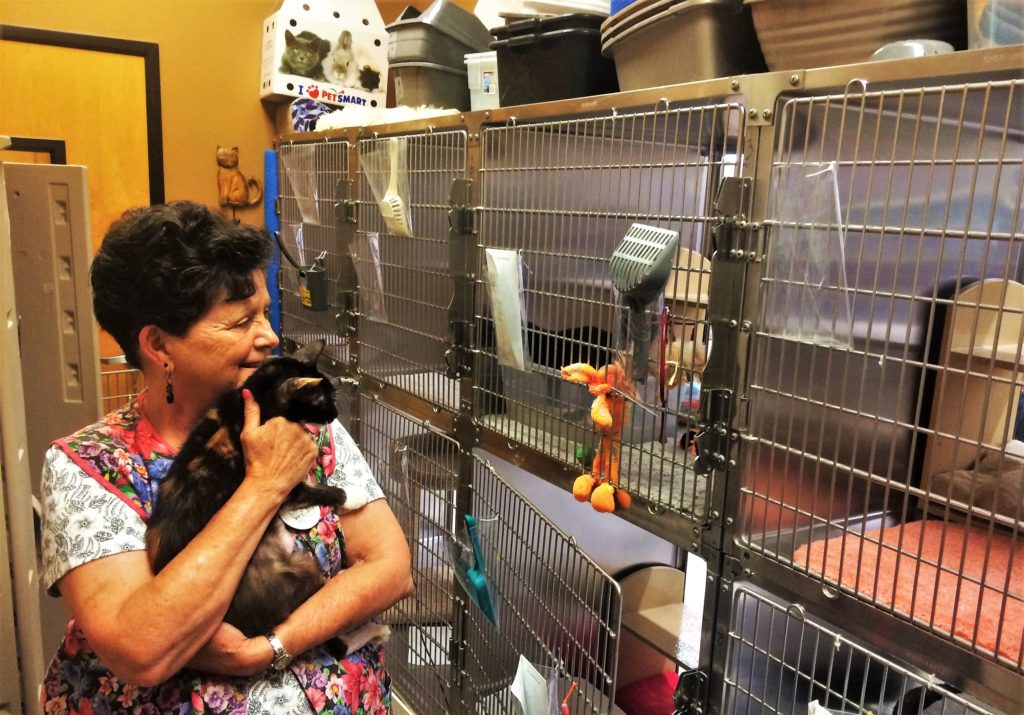
When we can’t find fosters, often members of the staff step up and take care of the animals. Gibson, a sweet Tabby kitten, was brought to the shelter with a severe hip injury. His hip is expected to heal but only if he can enjoy some extra TLC in a quiet environment. ACAS Adoption Coordinator Hillary Clark-Kulis, as she has done for so many infant felines, brought Gibson home to nurse him back to health. She has been fostering him for about a week and the hope is that he’ll fully recover from his injuries by the end of the month.
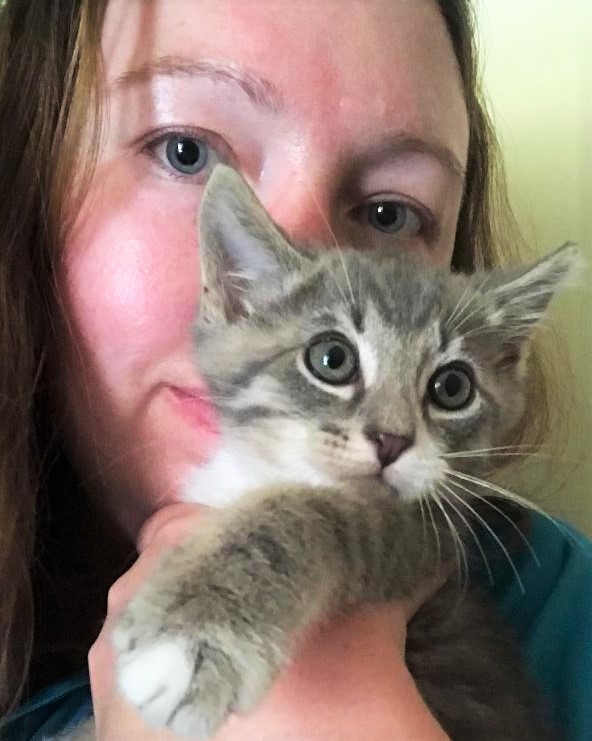
Medical needs kitten GIBSON with his foster mom, ACAS Adoption Coordinator Hillary Clark-Kulis.

Because there is always demand for special needs fosters, we are asking for your help with this specific type of situation. But we also have a need for short-term fosters for healthy animals ready for adoption. If you could just try fostering one time, we think you would see how amazingly rewarding it is!

To give fostering a try, please call FOTAS at (803) 514-4313, email us at info@fotasaiken.org or stop by the ACAS located at 333 Wire Road.

Their lives are in our hands.

By Kathy Jacobs, FOTAS Program Director
Follow-Ups Help Ensure Adopters and Their Pets Are Content

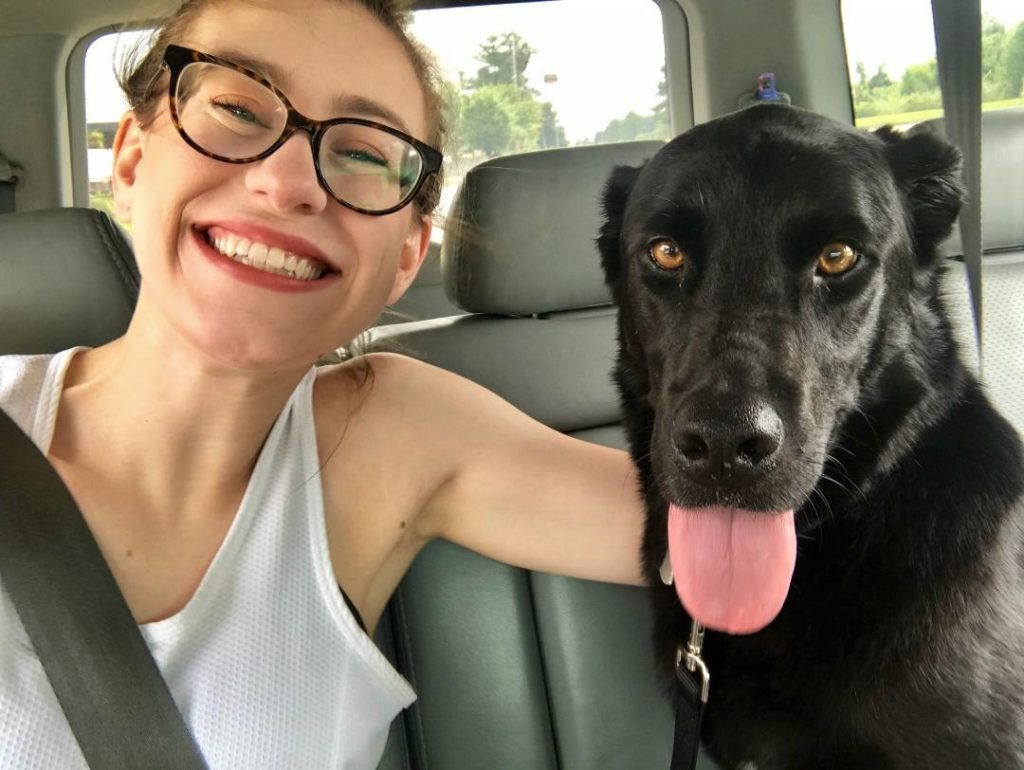
When you adopt a homeless pet from the Aiken County Animal Shelter (ACAS) and walk out the door with your new furry companion, we don’t just file your paperwork, wave good-bye and wish you good luck. We make sure you and your pet are happy and doing well.

FOTAS volunteers and the shelter staff contact new pet owners within a week to 10 days of their adoption to see how they are doing. Is the dog or cat adapting well to his new environment? Is he eating okay? Playing well with others? Adopters also get a chance to share any concerns or questions they have about their new pet.

Kitten Kevin resting in his new home.

Following up with new adopters not only helps ensure they are satisfied with their pets, but also provides us with great stories and information that could help us in future adoptions. The best feedback includes photos of the shelter pets loving life in their new homes.

Here are examples of emails and notes we’ve received from recent adopters (some have been edited for space):

NORA IS ADJUSTING WELL
Nora is doing great! We think she likely had a rough life before the shelter and being adopted. She was extremely terrified of everything. My husband and I could not move without her flinching. She’s been to see our vet now and has gotten some meds and some pointers on how to help her feel more comfortable. It’s working! She’s opening up and becoming so playful and loving. She has such a happy and funny personality. We adore Nora and are so happy to call her ours!

Cassandra Newcomb

COUNTY SHELTER IS THE BEST
Thank y’all for all that y’all do for the fur babies waiting for forever homes. I wish we could have adopted more than just Reuben. Unfortunately, we have a small home and couldn’t accommodate more than the two we now have. I have been raving about y’all to friends and co-workers, for when they are ready to adopt. Your facility is so clean, everyone is so nice, and I feel like the adoption went smoothly and very securely. I am impressed by the background checks done for all adopters and the professionalism displayed was exceptional. Pat yourselves on the back. You all deserve it!

Amiee N. Hinton

Catherine Will with pretty Roo Roo.

BLESSED TO HAVE ROO ROO IN OUR FAMILY
Roo Roo is doing great! She is an absolute angel. We love her so much! She gets along with everyone, including our cat. We are blessed to welcome Roo into our family.

Catherine Will

BROOKE IS FITTING RIGHT IN
Puppy Brooke is fitting right in with the family! She is growing like a weed and doing well with house training. We absolutely love her!

Linda Duffy

KEVIN IS ALMOST PERFECT
Kevin has been loving his new forever home. He’s a very affectionate and playful kitten. He’s been eating well and growing so fast! My fiancé and I love him so much! We are very glad we adopted him. Other than being rambunctious and a little mischievous sometimes, he’s absolutely perfect!

Marilyn Hall

Beagle Nora stretches out at her forever home.

HOME TO HOME IS A GREAT SERVICE
The new adopter came and met my dog, Midi, and decided to take her home. Home to Home is a great service. Thank you so much! (FOTAS’s Home to Home Program helps pets move directly from one home to another.)

Julie Bean

JOSIE IS BEING SPOILED
Josie is doing great! She’s spoiled and her personality shines more every day. She has started to play with her toys and understands that they are hers and nobody is going to take them. She’s eating well, starting to gain a little healthy weight. She goes everywhere with us and even has her own Instagram account, josietherescueshepherd.

Mary Hanna

— By Bob Gordon, FOTAS Communications Director
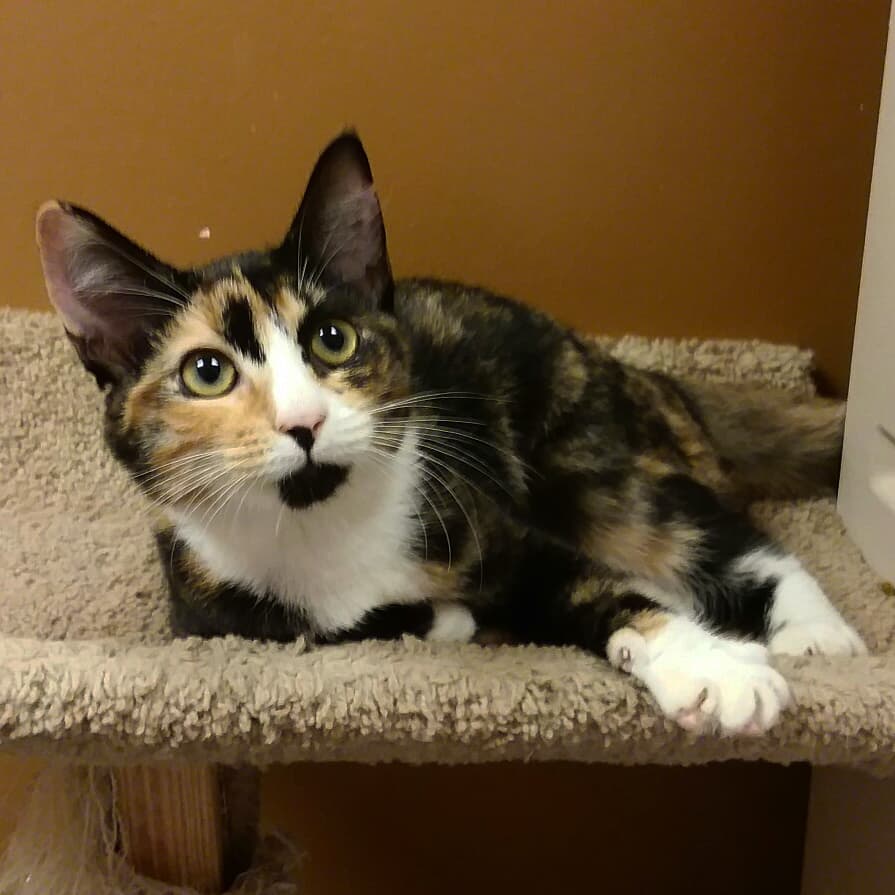
Mama Jeanne: Suffering and Sacrifice Lead to Cat’s Adoption

She arrived during the shelter’s cruelest season, a cat whose story of suffering and sacrifice made us all stop just to take it in. Because of all we don’t know about the cat now called Mama Jeanne, what we do know says it all.

She gave birth to four kittens as a starving stray, then got hit by a car when she left them to find food. With a crushed right leg and a broken left hip, she dragged herself back to her babies and kept nursing them anyhow. Animal Control officers found her days later and brought the little family into the Aiken County Animal Shelter. It would be their home for weeks.

Mama Jeanne could barely stand when she arrived, but pushed through excruciating pain to keep being a mom. Amazingly, her hip healed while she nursed. Her kittens grew healthy and were adopted. But Mama Jeanne’s crushed leg did not respond to treatment and had to be amputated. So, as a newly three-legged adult cat with no pedigree and little promise, she was left to compete for a home in a shelter so crowded it’ll take in 1,500 animals May through July. The shelter’s vet, Dr. Lisa Levy, was worried about Mama Jeanne’s chances and asked me to post her plight on social media.

Young cat Mama Jeanne was badly injured when a car hit her — but she kept caring for her kittens.

Meanwhile, Irene Marie Ortega was working nights as a nurse at the burn center in Augusta, GA. For several months, she spent time between shifts scrolling through websites of shelters as far away as New York looking for the right cat.

“They were cute, but I didn’t feel a connection.” Then, on July 10, she saw Mama Jeanne’s post on Facebook. “I was so touched with her story. After just one reading, I was sure she was The One.” She traded shifts with another nurse to adopt Mama Jeanne that day.

Three-legged cat Mama Jeanne with her new “mom,” Irene Marie Ortega.

Because, in many ways, Mama Jeanne’s story is hers too.

Ortega’s three children were tiny when she became a single mom. A native of the Philippines living in Chicago, she had to find the courage and persistence to make a new life. She moved to the Atlanta area and then Augusta, where she worked nights in nursing homes, spent days in nursing school, and in-between gave it all to care for her children.

“No matter how hard the struggles were, I endured everything just to give the best to my kids,” says Ortega, whose children are now grown and pursuing their own careers in nursing and medicine. “I felt the pains of Mama Jeanne. I’m a single mom, too. I want to give her the life she deserves after all she went through.”

Mama Jeanne was adopted not despite her broken story, but because of it. Social media can be a lifeline for animals otherwise lost in the crowd of overflowing kennels. Like it was for the mama cat who gave her all.

“We love Mama Jeanne so much. She’s safe now,” Ortega says.

Their lives are in our hands.

– By Martha Anne Tudor

BY THE NUMBERS

From May 1 to July 27, the County Animal Shelter received more than 1,500 strays and surrendered pets.

PETS OF THE WEEK

HECTOR

Mixed breed, male, 2 years old, 55 pounds – $35

RODRIGO

Domestic Shorthair Tuxedo, male, 2 months old, 1.5 pounds – $10

A Tale of Tails: A Little Bit Shorter Now

We have all experienced that strange phenomenon where things seem to come in waves, or the old saying that things happen in “threes”. Well for the month of June that trend was tail surgery and it wasn’t three; it was five! I normally perform one or two tail amputations per year. But this particular month the tail injuries kept coming.

First there was Bolt. Bolt is a very energetic Pittie mix. After only a few days at the shelter he developed what we lovingly call “happy tail”. He wags his tail so much he hit it against the walls of his kennel causing the tip to bleed. Normally a wrap on his tail for several days resolves the problem. Unfortunately, Bolt was not a fan of having his tail wrapped and despite bitter apple spray and the dreaded cone of shame around his head, he still managed to get his wraps off. The tail wound kept getting worse and finally I decided to amputate his tail when it became clear that it would never heal. His facial features are a little like a Boxer’s, so we made his tail end match.

His tail healed beautifully and we may have prevented his forever home from having to deal with that exuberant tail knocking everything off the coffee table.

Scraps arrived with a badly injured tail but felt better after the dead tissue was surgically removed.

Then came the 3 kittens Scraps, Sagwa, and Ren. They came in about a week apart.

Scraps was first. About ¾ of his tail was black and hard, meaning all of the tissue was dead and had been for a while. After surgery, the poor little guy hardly had any tail left, but then again neither does a Manx cat. However, he was more playful after surgery, so I think he felt better without that dead tail.

Sagwa is a beautiful little Siamese mix. She came in with the last half of her tail just hanging on by a piece of skin and the bone exposed. She healed very quickly and was adopted within one hour of being put on the adoption floor.

Last of the kittens was Ren. He was the luckiest of the three as only about the last third of his tail was injured, so he was able to keep most of his tail.

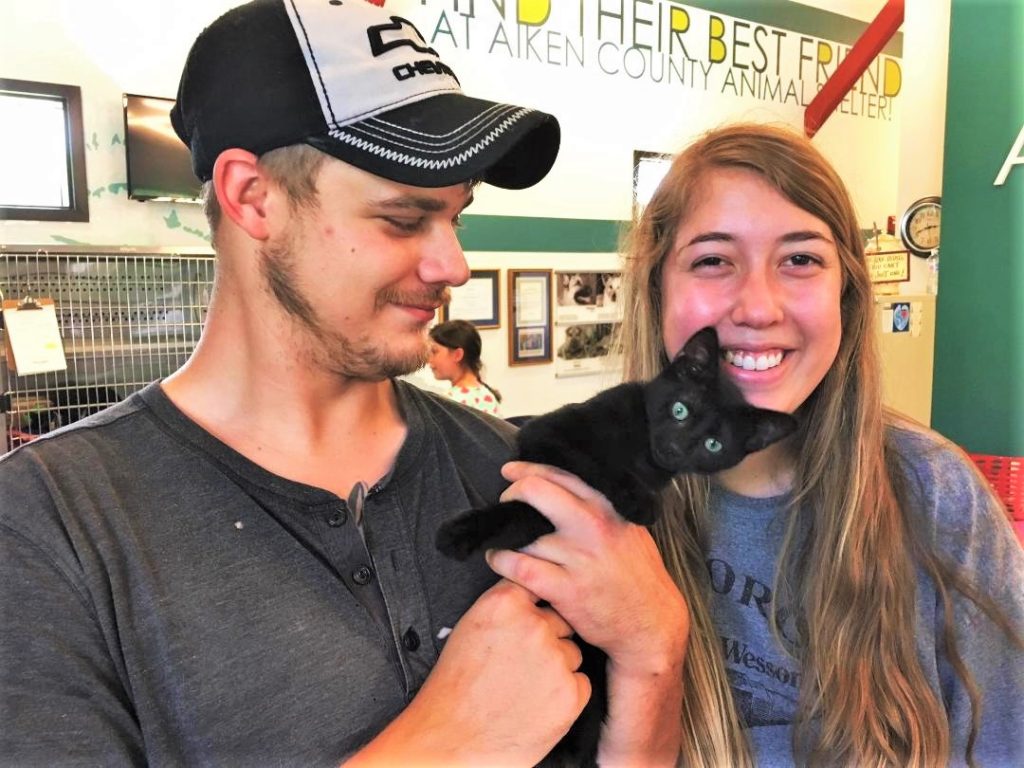
Black kitten Ren goes home with his new family.

Finally, there was Magyver (yes, I spelled it wrong on purpose). He is one of my most challenging cases this year. He is a shepherd mix brought in by animal control with multiple areas on his body covered in maggots. In order for a dog to be that severely infested, they have to be weak enough to allow flies to stay on them long enough to lay eggs, which then hatch into maggots.

My two vet techs and I got to work and it took an hour to shave all the affected areas and flush out all those gross little things. After many years of practice there are not a lot of things that make me squeamish, but maggots are still one of them. (You’ve heard the expression “gag a maggot”. Well, I really think it’s the people who gag!)

X-rays revealed he had a fractured pelvis which is probably why he was reluctant to move to stop the flies. The next few days his skin felt like leather from all the scabs. He would not make eye contact and his eyes looked defeated.

Bolt looks better — and feels better — with a docked tail.

I wasn’t sure he was going to make it but slowly with medication he started to improve. Then his tail turned black and I knew the tissue was so damaged it could not be saved. So Magyver became my fifth tail amputation. As he healed, his spirits started to improve and after two weeks we finally got our first wag of that stump of a tail. I was so happy I almost cried. He was finally showing us he was happy to be alive.

The next day I got my first kiss on the face. His skin continued to heal and his hair is growing back. This amazing dog is in foster care and getting stronger every day. And that makes it all worthwhile.

– By Dr. Lisa Levy, ACAS Veterinarian

Here’s What to Do if You Find a Litter of Kittens

By Bob Gordon, FOTAS Communications Director
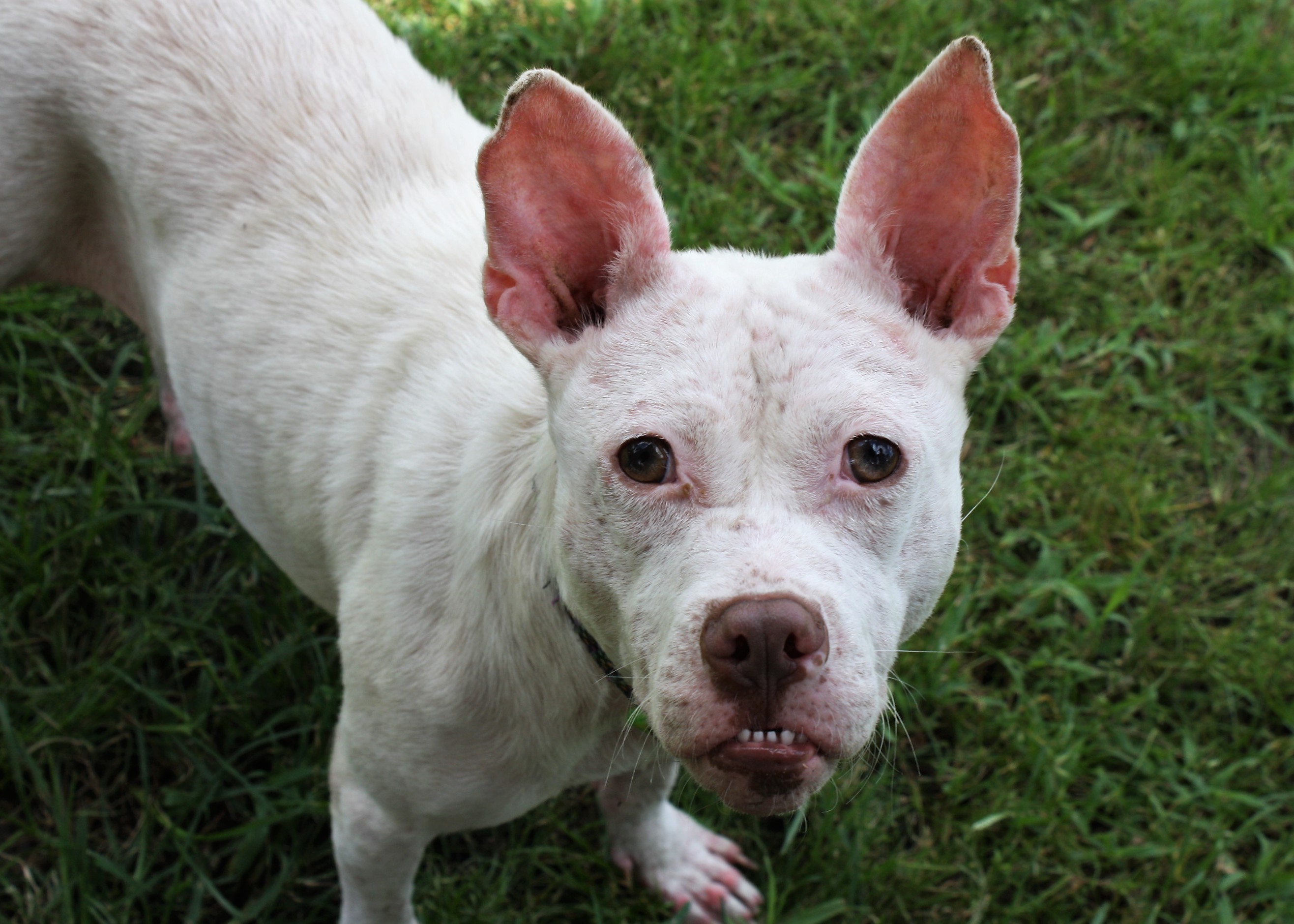
Spring is here and with the warmer weather comes lots of newborn kittens.

“We’re already seeing a number of pregnant cats arrive at the shelter and kitten season should be hitting any time now,” said Aiken County Animal Shelter Adoption Coordinator Hillary Clark-Kulis. “Once it does, we likely won’t see the flow of kittens slow down until at least November.”

But what do you do if you discover a litter of kittens or a single kitten seemingly abandoned by their mother? How do you best help their chances of survival?

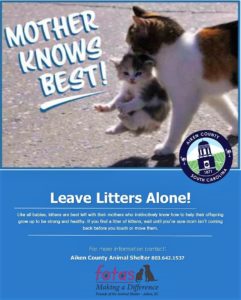
A flyer to remind people that mama cats “know best”.

Well, like all babies, kittens do best when they’re with their mother. Moms instinctively know how to help their offspring grow up to be strong and healthy. Mother’s milk is also vital in providing the kittens powerful nutrients for their immune system.

If the kittens are underage (under 2 pounds or younger than eight weeks old), see if mom is around. If she is gone, wait two to four hours to see if she comes back. She could just be out getting food for her and her kittens.

If mom is there, leave the kittens where they are until they are two pounds or eight weeks old. To help the mom, you can provide shelter and put out food nearby (but not right next to the kittens because you don’t want to attract other cats or potential predators).

If mom is gone and has not returned, you should foster the kittens or find someone who is willing to foster, until they are at least two pounds. This is done through bottle-feeding the kittens until they are ready to eat on their own.

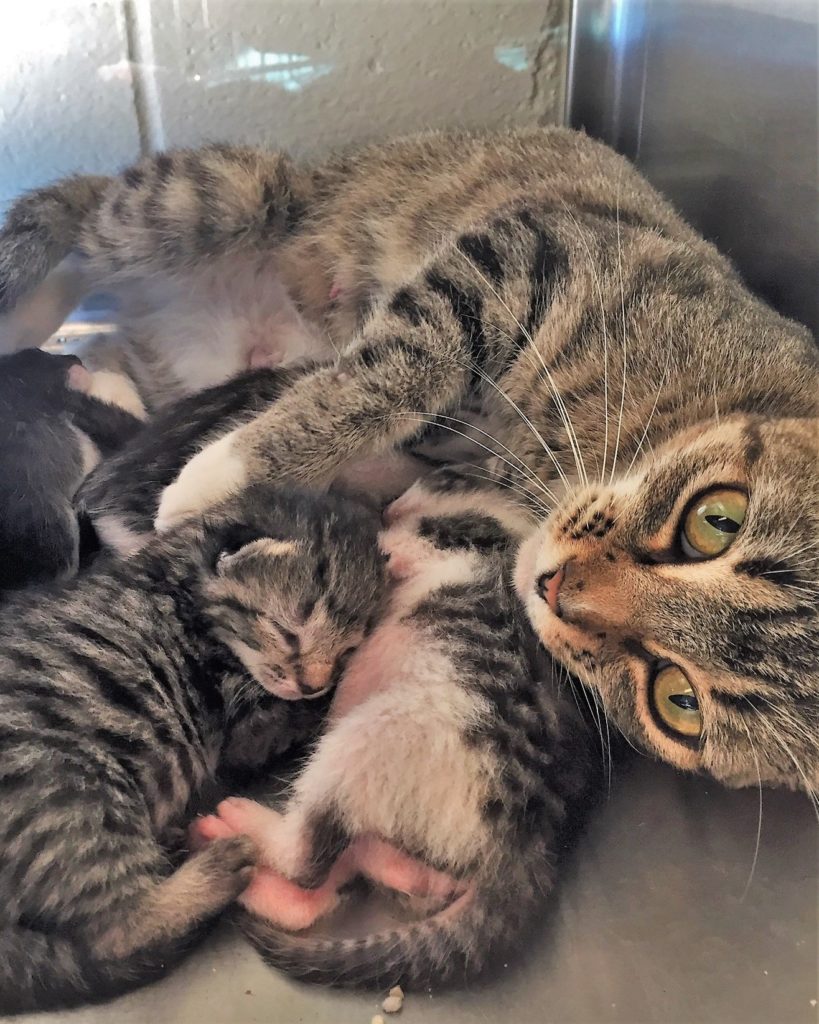
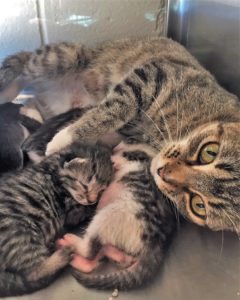
The mother cat gives her kittens their best chance for survival.

“If you feel the kittens are in danger and in need of rescue, you should be prepared to take care of them for a minimum of two weeks for the around-the-clock care they need,” Clark-Kulis said. “Don’t hesitate to contact the shelter for resources and supplies you might need. We can also answer any questions you may have and provide counsel.”

If the kittens you find are weaned or you’re unsure of their age or care needs, you can bring them to the shelter for assessment and we can help you decide on a plan for adoption or direct you to other options, such as our TNR (Trap, Neuter, Return) or spay/neuter voucher program.

The kittens must be at least four pounds and be in a humane cat trap (you can sign one out from the shelter) if you bring them to the Aiken County Animal Shelter for our Community Cats free TNR program. After they are sterilized, you just return them to their outdoor home. This effectively works to reduce the cat population and prevents more cats from entering the area.

The annual flood of orphaned kittens is almost upon us. But you can help save lives by volunteering to foster orphaned, infant felines, supporting and taking advantage of our TNR program and spreading the word about how to best help kittens survive.

The Aiken County Animal Shelter is located at 333 Wire Road in Aiken. If you can help, please stop by or call the Shelter at (803) 642-1537 and speak to a staff member or volunteer for more information and assistance.

Their lives are in our hands.

Save Lives and Stop Needless Suffering by Fixing your Pets

When people talk about our chronic dog and cat overpopulation problem, they usually focus on the overwhelming numbers – and rightfully so. Millions of pets lose their lives each year because people don’t spay/neuter their animals.

Stray dog Thaddeus arrived at the shelter with a gunshot wound so severe, his right back leg was turned to powder and had to be amputated.

Puppies and kittens will soon be pouring into the County Shelter because some citizens are not getting their pets spayed/neutered.

In fact, the Aiken County Animal Shelter (ACAS) takes in approximately 125 unwanted animals per week during the summer months. When you do the math, the total number of animals coming into the shelter is staggering and the only solution to the problem is spaying and neutering your pets.

It’s really easy and inexpensive to get your pets fixed now, thanks to the County’s spay/neuter voucher program and FOTAS’s Fix-a-Pet program. The SPCA Albrecht Center clinic and participating local veterinarians accept these vouchers, available at the County Shelter, which reduces the cost of fixing your pet to $15 or less.

Wagener, a young stray cat arrived at the shelter in severe pain because her birth canal was too small, and she couldn’t deliver her kittens. She was saved but some of her babies died inside her.

FOTAS and the County also offer a Trap, Neuter & Return (TNR) program for feral and community cats that is helping to reduce feline overpopulation in the area. Cats must be brought to the shelter in a trap, which you can borrow from the ACAS. Trapped cats can be brought to the shelter at 333 Wire Road in Aiken on Tuesday, Wednesday or Thursday mornings at 8 a.m. and picked up later the same day. Call the ACAS for more information, (803) 642-1537.

Mama dog Angeline was scared and exhausted when she was brought in with her starving puppies.

Last year, Aiken County and FOTAS paid for the spay/neuter of 1,287 pets owned by citizens in financial need and 1,099 community/feral cats.

Yellow Retriever Angeline and her starving puppies were brought to the ACAS by an animal control officer. The mama dog was suffering and freezing to keep her puppies alive. Exhausted and ribs visible, Angeline was afraid of human touch but she and her pups are now recovering with the care of FOTAS foster volunteers.

February is National Spay/Neuter Awareness Month, an ideal time to encourage people to have their pets sterilized before the spring and summer months, when there is a rampant overproduction of puppies and kittens. It’s also a time to recognize one other aspect of this issue: needless suffering. These animals not only are filling our shelters but when wandering on their own, searching for mates and food, they also can face horrible and painful consequences.

Thaddeus is a stray who was shot while homeless and searching for food.

So, we’re asking you to help us do better this year. Let’s spread the word about the importance of spay/neuter to our family, friends, acquaintances and even strangers.

Also, please join us in thanking the folks who are helping to fight this animal overpopulation battle. We thank the Aiken County Council for its support of the vital Spay/neuter voucher program; Code Enforcement Director Paige Bayne for the awesome management of the County Spay/Neuter voucher program; The ACAS vet clinic for their TNR work; and our FOTAS TNR veterinarian partners, Aiken Animal Hospital, Aiken Veterinary Clinic, Silver Bluff Veterinary Clinic and Veterinary Services of Aiken.
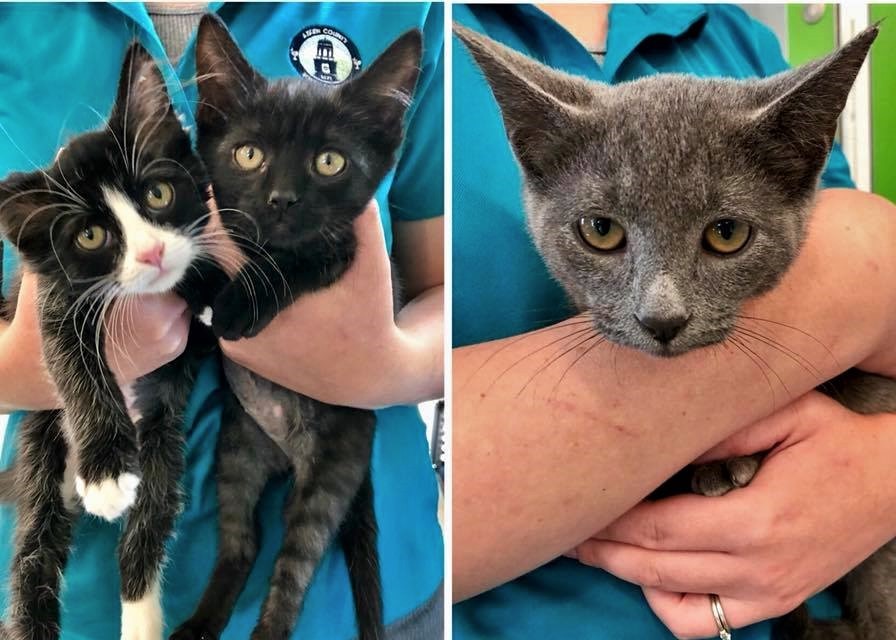
Their lives are in our hands.

— By Bob Gordon, FOTAS Communications Director
By the Numbers
So far this month (Feb 1-15), the Aiken County Shelter has taken in 176 strays and surrendered pets.


Pets of the Week
REESE
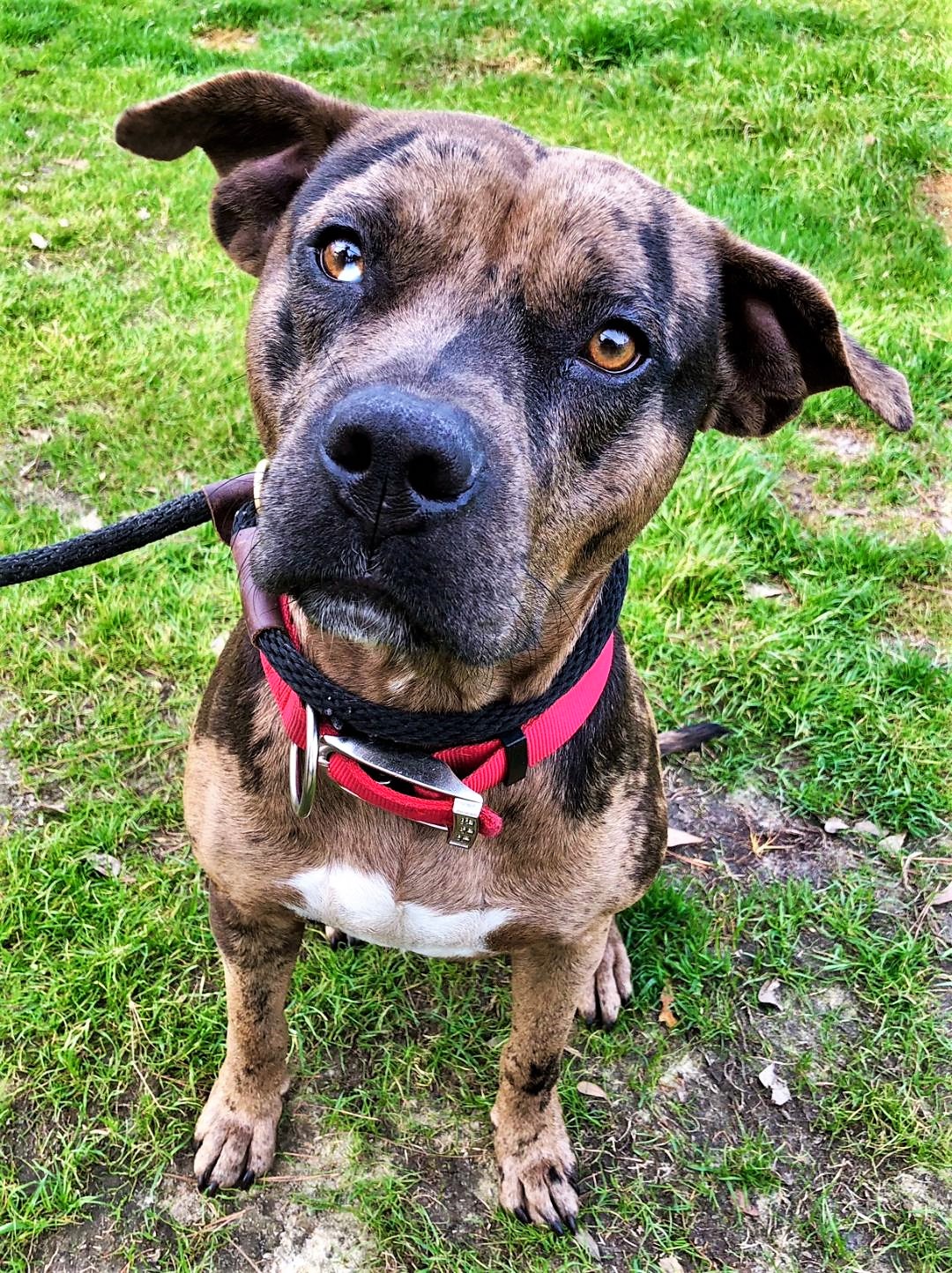
Catahoula Leopard dog mix, male, 1 year old, 57 pounds – $35

WILLY
Domestic shorthair cat, male, 3 years old, 12 pounds – $10

Please, Please, Spay or Neuter Your Pet!

Last month, 512 animals were taken in to the Aiken County Animal Shelter. More than 500 strays and surrendered pets in October!

It never happens this time of year. We can’t explain it. To tell you the truth, it blows our minds and keeps us up at night. But there it is: after a summer of unexpectedly horrible intake numbers (like that day at the end of July when 44 animals were surrendered in four hours!), fall is shaping up to be just as bad.

Snoopy is athletic and handsome. Just one of more than 500 animals that arrived at the Shelter as a stray or surrendered pet.

Most of these animals did nothing wrong. They were victims of owners who brought them into this world and then washed their hands of them, leaving the rest of us to pay for their neglect.

There is only one way to reduce the shockingly high number of homeless and abandoned animals: every pet in Aiken County must be spayed or neutered. It’s good for the animals and good for the community. Here’s why.

Your pet will live longer. Spayed and neutered animals have significantly less health problems than their unfixed counterparts. By the way, it is not true that pets get fat and lazy as a result of spaying and neutering—only a bad diet and lack of exercise will do that.

Spayed and neutered animals are less likely to roam. That means they are less likely to catch diseases from other animals, get lost, fight with other dogs, or get hit by a car (85% of dogs hit by cars are unaltered).

Spaying your female before she is 6 months old means you can avoid the messy, noisy heat cycles that typically occur twice a year. It also means you can avoid the messy, noisy, smelly crowd of male dogs or cats hanging out in your yard while your pet is in heat.

Neutering your dog decreases potentially aggressive behavior to other animals and people. Particularly children, who are by far the most frequent victims of dog bites.

Your cat or dog will be a better pet. Fixing your pet eliminates unpleasant spraying and marking in your yard, on your rug, on your furniture.

Bueller is such a sweet Pibble. He gets along with people, loves kids and likes other dogs. He’s just not a fan of cats.

Fixing your dog will not make him less protective. Dogs are naturally protective by nature, particularly if you love and feed them.

Fixing your pet is cheaper for the community as a whole. Public shelters are funded by taxpayer dollars. If everyone fixes their pets, the number of homeless and abandoned animals at the shelter will be dramatically reduced, as will the amount of public funds needed to care for those animals.

Moreover, the cost to spay or neuter your pet has never been more affordable. Aiken County has a voucher program, supplemented by FOTAS, to provide low-cost spay/neuter services to residents who need financial assistance. The vouchers are distributed at the County Shelter at 333 Wire Road.

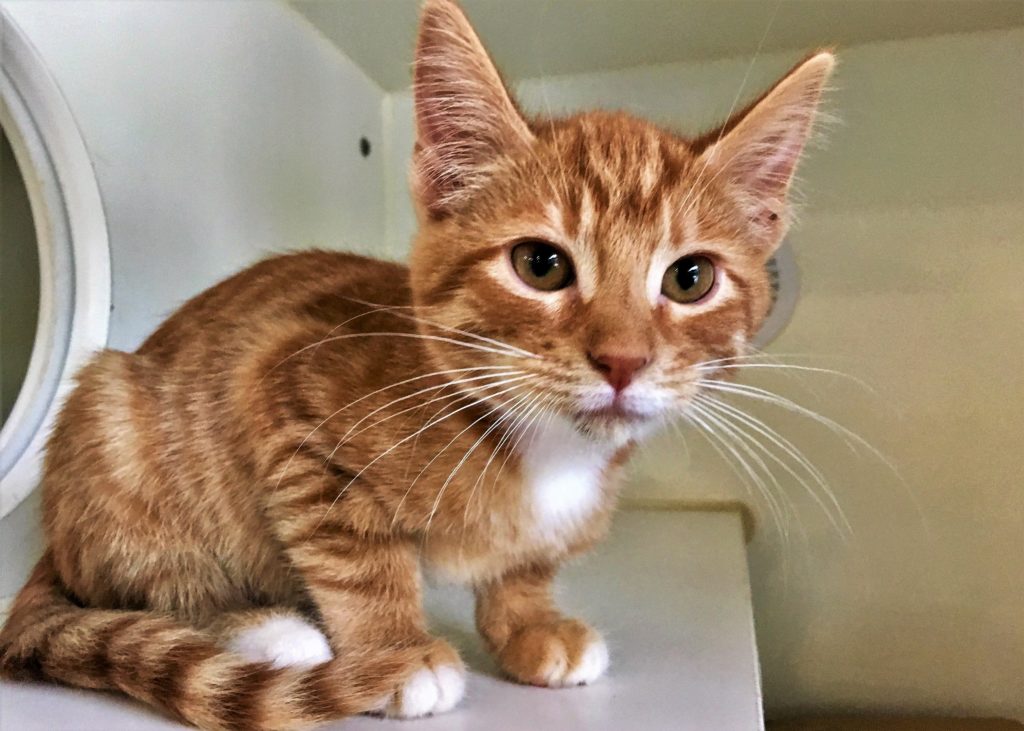
Eddie is a 3-month-old orange Tabby who loves to be held.

Make arrangements to spay or neuter your animal today. Convince your neighbors, friends and family to spay and neuter their pets, too.

There are so many loving, deserving animals in the Shelter that need a home. Why bring even more animals into the world to be dumped in the shelter, or worse, on the side of the road?

Their lives are in our hands.


— by Joanna D. Samson, Vice-President, FOTAS

Aiken PetSmart Cats Get Care and Comfort from FOTAS Volunteers

“I like their purring – I love that sound,” says FOTAS PetSmart Volunteer Twylia Stewart as she strokes the fur of Kendi, a male black kitten who’s just arrived from the Aiken County Animal Shelter. “I also think they sometimes don’t get as much attention from people as dogs do. Everybody loves dogs, including me, but I think cats are sometimes seen as the second-class citizens of the pet world.”

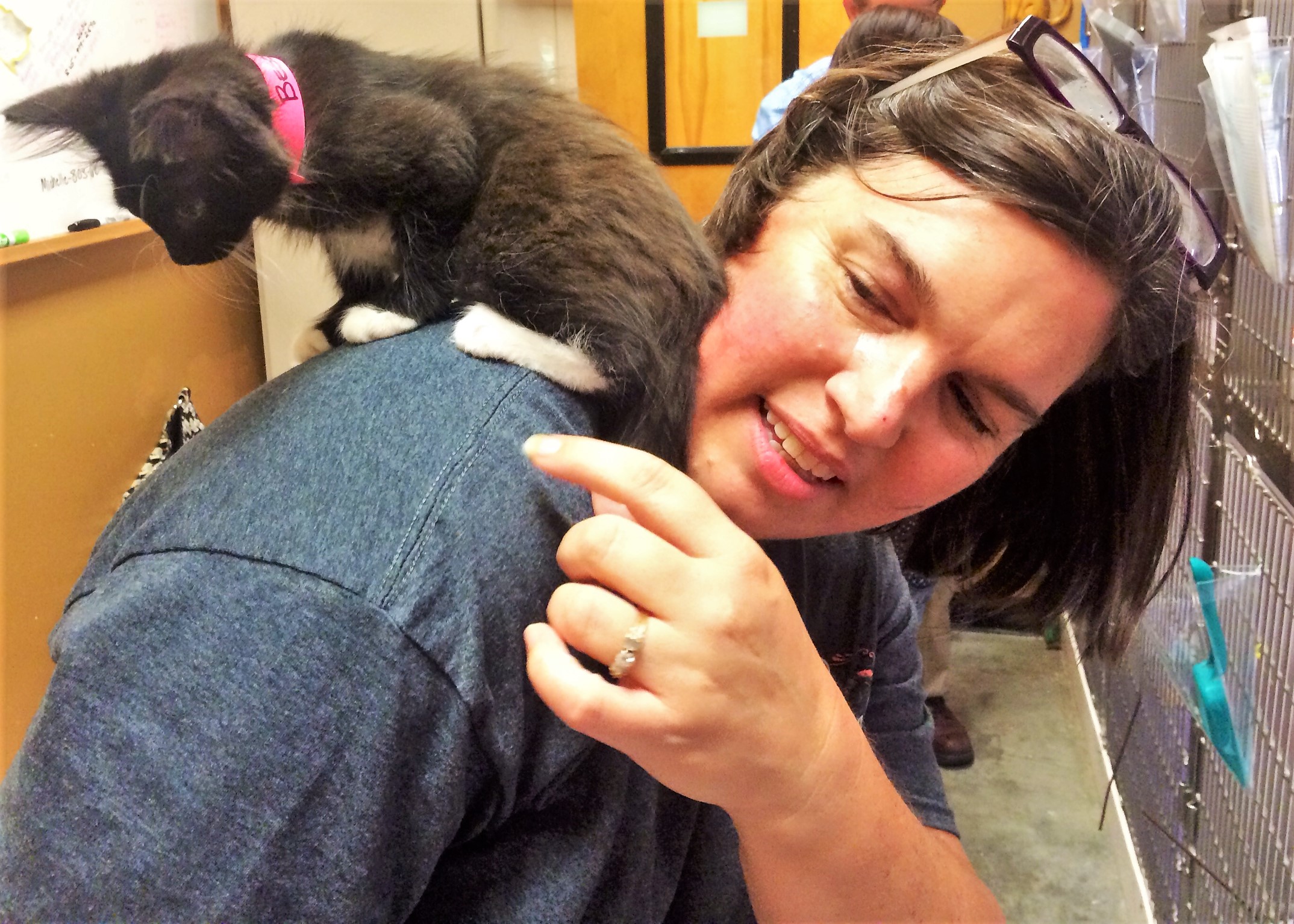
Michelle Greene gets some help from kitten Bess while cleaning a PetSmart cat condo.

Stewart’s passion for felines is shared by all the members of the FOTAS volunteer team who take care of the cats at the Aiken PetSmart Store.

“We love what we do,” said Judy Albert, who leads this special team. “We want to help and make sure the cats are well-cared for and give these animals a second chance to live with a loving family.”

The Aiken County Animal Shelter (ACAS) receives many unwanted felines in need of homes each month, but the partnership with PetSmart helps ease the load, providing a second location for cats to be showcased and adopted. While most of the adoptable adult cats and kittens are available at the County Shelter located at 333 Wire Road, PetSmart provides FOTAS with 10 cat condos at its Aiken store on Whiskey Road.

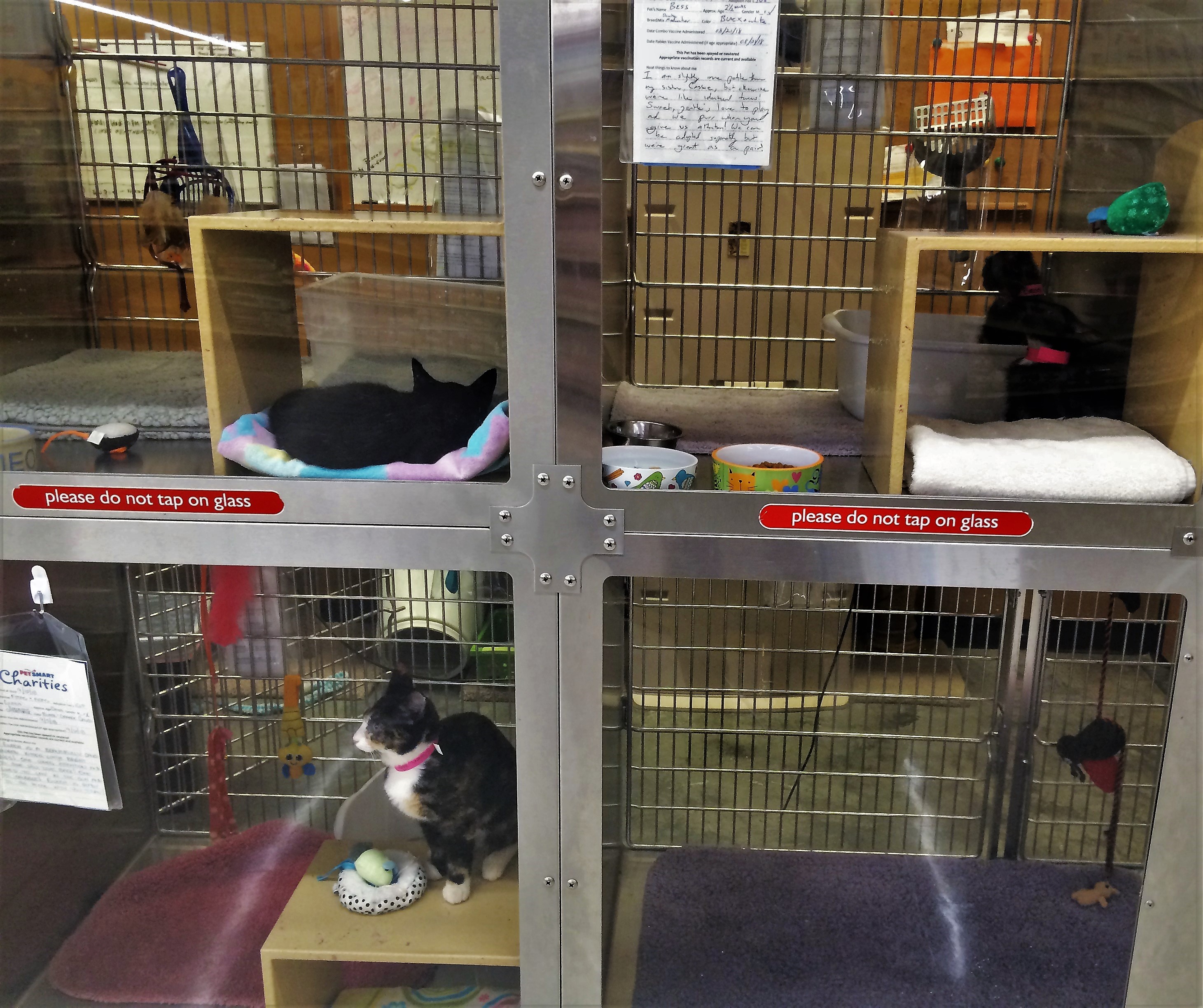
PetSmart has 10 cat condos at the back of the Aiken store that attractively display the Shelter cats.

Once ACAS staff transports the cats and all their medical records and paperwork to PetSmart, the FOTAS volunteers keep the felines watered, fed and clean. They follow a strict schedule, making sure that someone comes in to maintain the kitties’ condos and living area twice a day, every day. The volunteers also take notes on the cats’ behavior and special needs and most stay for hours to play with the felines, helping to socialize and prepare them for their future forever homes.

“Cats are funny and entertaining,” says Michelle Greene, who started volunteering three years ago because her 10-year-old daughter, Ansley, wanted to help and be around the PetSmart cats. “We enjoy working with them, try to make sure they feel comfortable around people and let the compatible ones play together. I like volunteering here because it’s something I can do once a week that benefits the animals and it’s also teaching my kids responsibility. We call it our ‘fuzz therapy.’”

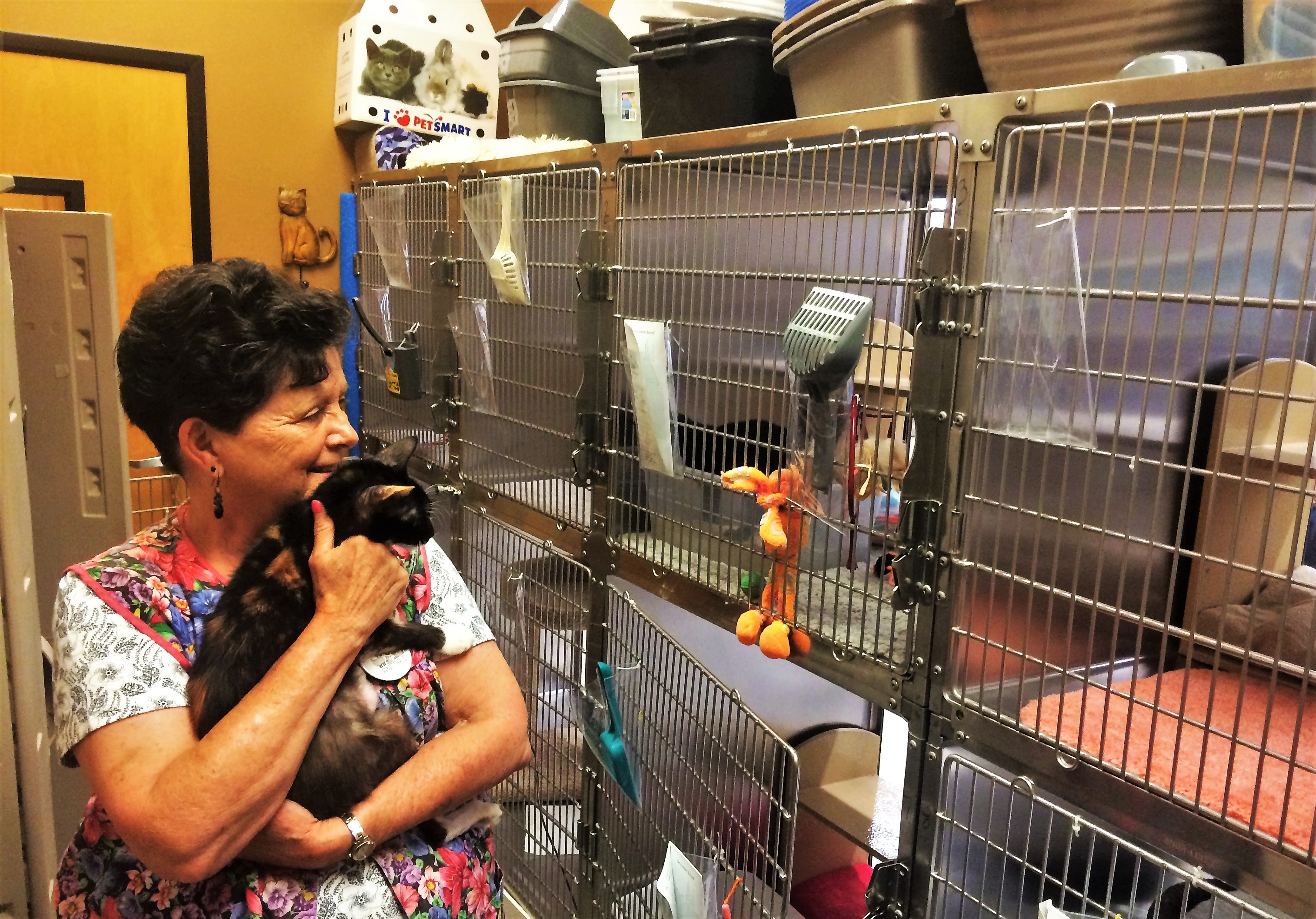
FOTAS Volunteer Twylia Stewart cuddles PetSmart Calico kitten, Eileen.

Thank you so much to the FOTAS Pet Smart volunteers: Leader Judy Albert, Eileen Livesey Allen, Kathy Bissell, Meagan Boehl, Kayla Cox, Cheryl Dillinger, Lynn Edwards, Michelle Greene, Allison Hamilton, Leah Holt, Lauren Jennings, Diane Moore, Twylia Stewart and Emily Smith.

Thank you also to PetSmart, especially Aiken PetSmart Store Manager Steve Block, Assistant Store Leader Ken Gunter, Customer Engagement Leader Lauren Amundsen and the many store associates who assist customers.

It’s a team effort and a lot of work but the results speak, or rather, meow for themselves.

Their lives are in our hands.

— By Bob Gordon, FOTAS Communications Director
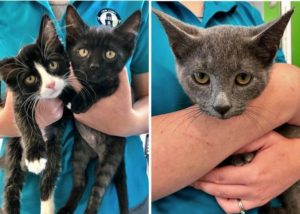


Pets of the Week

EILEEN: Calico kitten, female, 4 months old, 4.5 pounds – $10 (available at Aiken PetSmart store)


TOOTOO: Terrier mix, female, 10 months old, 33 pounds – $35

Feline FIV is a Virus, Not a Death Sentence

Each day as I finish my rounds at the shelter, I leave a list of things to be done for our team of veterinary assistants (three of the hardest workers on the planet!) that includes testing our newest cat residents for Feline Leukemia (FeLV) and Feline Immunodeficiency Virus (FIV).  When I come in the next morning, my heart would sink if they told me that anyone tested positive for either disease.  This had always meant euthanasia since these cats were considered unadoptable.  But over the last several years, that opinion has changed.

Becky was the first FIV positive kitten adopted under the Shelter’s new FIV adoption program.

FIV infection is transmitted primarily by bite wounds.  It is not transmitted sexually or through casual contact.  Infected cats may live a completely normal and long life. Or they may at some point succumb to the virus, which attacks the immune system and allows the cat to become vulnerable to other infections such as respiratory, mouth, bladder, skin, and eye infections.  Once the cat develops recurring infections, the disease is inevitably fatal. What allows some cats to live with the virus and develop no symptoms and some cats to become ill is unknown and therefore unpredictable.

Kittens may test positive if born to an FIV positive mother but that is most likely due to transfer of antibodies and most of these kittens will test negative within six months.  True FIV infections in kittens are possible but not common.  Because of this, the Aiken County Animal Shelter has decided to adopt out FIV positive kittens.  We will retest these kittens in six months at no charge.  The adopter must understand that we can in no way guarantee these kittens will test negative, although statistics show that most kittens will become negative.

In the case of adult cats, things are a little trickier.  We have no way to predict the outcome for these cats.  We recently adopted out our first two FIV positive cats, Rowan and Martin.  They were adopted by someone who already has an FIV positive cat, so they posed no threat to spread the virus – an ideal placement.  Any home with no other cats would also be a great option.

Adoptable FIV positive kittens are now available at the County Shelter for just $10 each, including (left to right): Becky, Analeese and Tillie.

We are often asked if this infection is contagious to people or dogs, and the simple answer is no.  But if any member of the family is immunocompromised or on immunosuppressant drugs, to be safe we don’t recommend exposure to these cats.

All FIV positive cats should be kept indoors to prevent the cat from being exposed to other diseases.  They should also be kept inside to prevent the possibility of exposing other neighborhood cats to the infection through “cat fights” as we know cats are fiercely territorial.

I know that we are asking a lot of someone to adopt a cat that may have a shorter than normal life span.  But the way I look at it is that God made the majority of “pet species” with shorter life spans than ours.  So, we will inevitably experience the heartbreak when we lose them after 10-15 years.  These cats develop FIV through no fault of their own, but just by acting in the true nature of a cat.  Does this mean they shouldn’t experience a loving home for the time they do have on this earth? 

We always end this column with the words, “Their lives are in our hands,” and never has this been more true.  If you are selfless enough to consider adopting one of these cats, please let us know so we can contact you the next time we see that dreaded positive result on a test.

— By Dr. Lisa Levy, Aiken County Animal Shelter Veterinarian

Tips for Choosing the Purr-fect Shelter Feline

Adding a cat to your home can be one of life’s most rewarding experiences. They are terrific companions and easier to care for than dogs. Plus, most felines are great cuddlers, playmates and entertainers (there’s a reason cat videos dominate the Internet). Studies have even shown their purrs can improve your health and lower your risk of a heart attack.

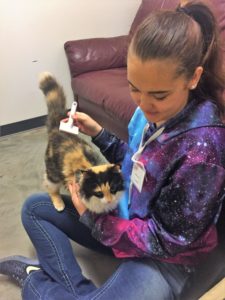
Volunteer Hannah brushes Lydia after the young cat jumps in her lap.

If you come to the Aiken County Animal Shelter, you can adopt a cat or kitten for just $10 – this fee includes their vaccinations, spay/neuter surgery and microchip. So, are you ready to adopt a cat or kitten? If so, here are some tips for choosing the best feline for your home:

Select the right cat for your lifestyle. Are you looking for a lap cat? Or is a playful, high-energy cat more your style? What about fur length? Longhair or shorthair? Do you like a chatty cat or one that’s quiet and shy? These are some of the questions you need to answer when selecting a cat. Talk to a FOTAS volunteer or staff member about the available cats. They are familiar with each cat’s traits and can help you identify the feline that best fits your personality and lifestyle.

Cats vs. kittens. Kittens are cute – that’s why they usually get adopted so quickly. But they also need extra nurturing and demand more of your time. If you do decide to adopt a kitten, consider getting two. Why? Because the little ones usually have loads of energy and need to burn it off. Their need to exercise is easily satisfied if they have a littermate to play with.

Let the cat choose you. Dogs love it when you walk up to them and immediately start petting them, but cats prefer a subtler approach. Let them come to you. Some cats will run up to you right away or

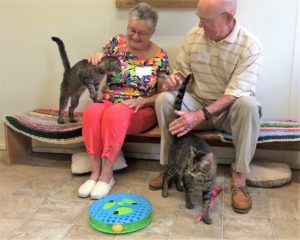
FOTAS Volunteers Jan and Jerry Tankersley come to the ACAS every Tuesday to help socialize cats and kittens.

even put their paws on your shoulders. But most will first assess whether they trust and like you before approaching. To greet a cat, stick your hand out, palm down, about a foot away from his face and let him sniff it. He will usually step forward and “butt” your hand, which is his way of saying, “Hello,” and marking you with his scent. This is the cat’s way of telling you he trusts and likes you — and you can now pet him and rub under his neck. 

Spend time with the cat before making your final decision. Once you find a cat you like, and who likes you, spend some time with him. Ask to take the cat to an adoption room, where you can further study his personality and confirm you have a bond with the kitty.

Keep the cat indoors. If you adopt a cat, please keep him inside. The average lifespan of an indoor cat is 18 to 20 years, while an outdoor cat’s usual lifespan is just 5 years. If you must have your pet outdoors, the Shelter often has barn cats to adopt. These are cats that have lived outside most of their lives and can’t be happy as housecats.

There are so many cats at the shelter looking for homes right now. Please stop by and find “the one” for you.

Their lives are in our hands.

— by Bob Gordon, FOTAS Director of Communications
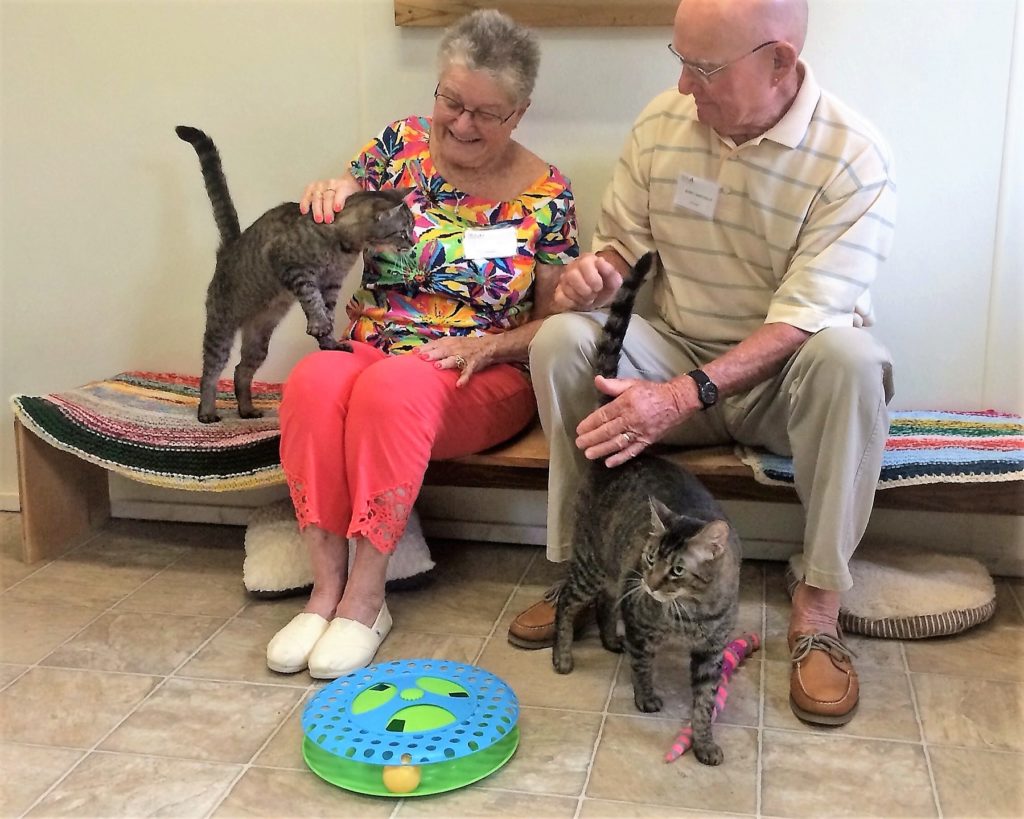
By the Numbers
In July, the County Animal Shelter received 554 stray animals and surrendered pets.



Pets of the WeekLARISSA: Retriever mix, female, 1-1/2 years old, tan & black, 59 pounds – $35
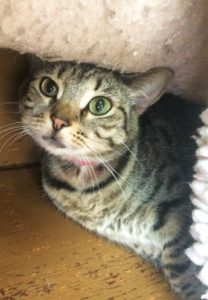
 

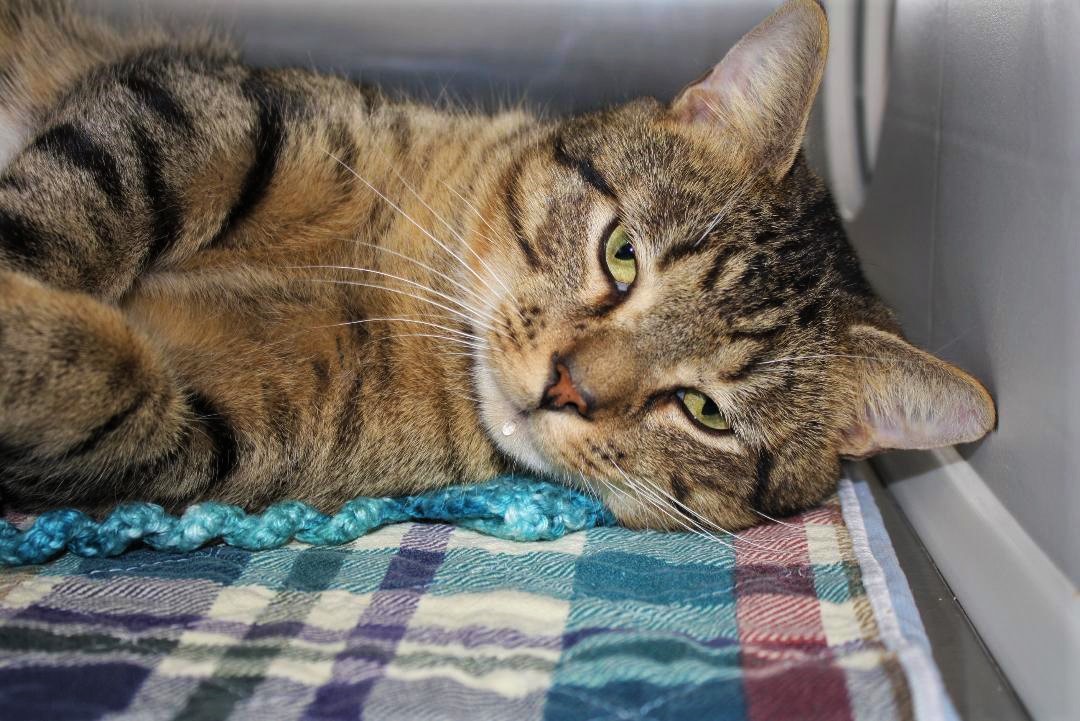
MISTY: Domestic Shorthair, female, 3 years old, black & tan Tabby, 10 pounds – $10