

Category Archives: Volunteers

Pulling for the Pibbles

By Joanna Dunn Samson, FOTAS Vice President


Luci was surrendered to the Aiken County Animal Shelter by her owner, who had been deployed overseas.

Olivia was picked up by Aiken County Animal Control, starving and anxious.

Harley spent the first part of his young life outdoors, starving and dodging abuse from the drug-addicts who claimed to own him.

Dante was found wandering the County roads in search of food. He was malnourished anxious and mistrustful.

Ginger spent her entire 2 years of life at the end of a chain. She has permanent scars on her neck and head from her chain and is heartworm positive (HW+).

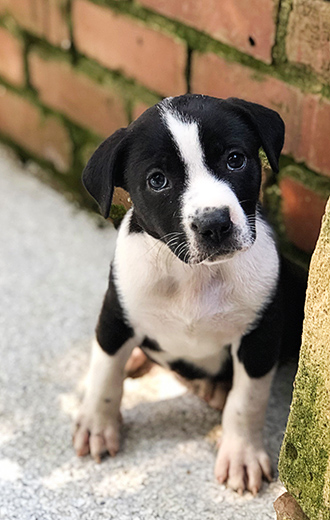
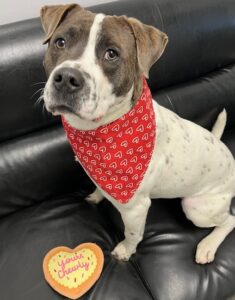
All of these unfortunate animals are what we call “Pibbles” – pitbulls or pitbull mixes. Open admissions shelters across the country are inundated with Pibbles. It’s a real crisis. They are the hardest dogs to place, spend the longest resident time in the shelter, thus straining limited resources and space. Pibbles are euthanized in greater numbers than their less muscular, less energetic and less square-headed brethren.

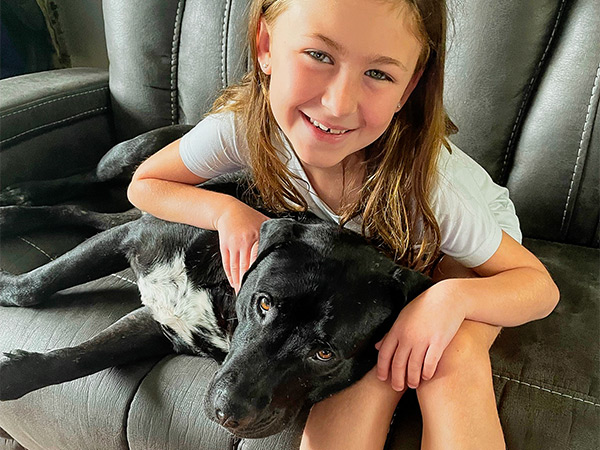
Yet Pibbles make extraordinary pets and companions. Today, Luci and Olivia are companions to veterans and working on their service dog certifications. Harley has been adopted by a local, loving family. Dante is living the good life on a farm in Maine. Our dear Ginger, a little scruffy and scarred up, found her true love at an off-site adoption event at Stable View and spends her days loving and being loved.

Here is what you need to know about the Pibbles in the County Shelter.

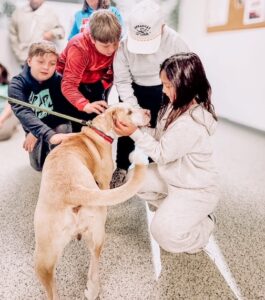
Because it takes so long to find them homes, Shelter staff and FOTAS volunteers have had lots of time to observe and assess these dogs, so we’re confident they have the right temperament to make great pets. Our volunteers work with the Pibbles daily to channel their naturally energetic instincts and make them more adoptable – no small chore since 90% of them have never had basic obedience training or a regular routine of feeding and exercise.

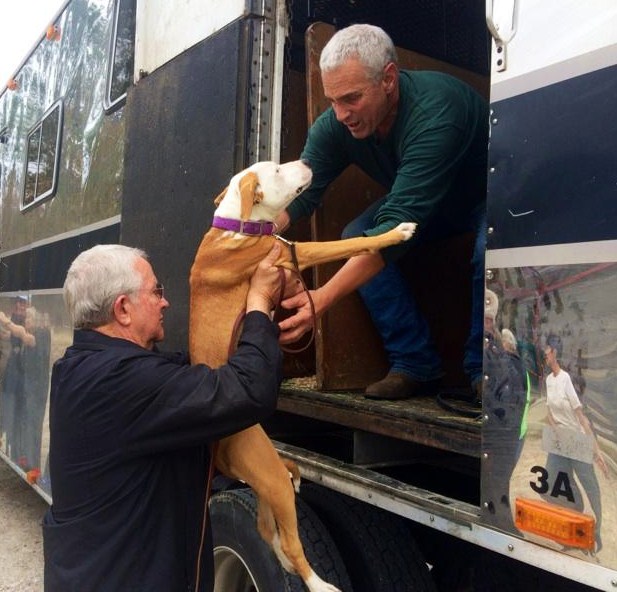
Moreover, we work with our foster families and our no-kill rescue partners to find homes for these dogs when they are not locally adopted. We don’t need to transfer the cute, fluffy dogs that happen to come our way – they find homes in a heartbeat. We choose dogs for transfers that have been on the adoption floor the longest, which are, more often than not, our Pibbles.

For those dogs that aren’t selected for transfer or can’t be transferred out of state because they are HW+, FOTAS reaches out to its rescue partners to find them homes. If they need to be treated for heartworms, FOTAS funds the first six months of treatment (via the established slow-kill method).

It breaks my heart to see so many of these noble, big-hearted animals lined up in the kennels at the Shelter, desperate for someone to give them some attention, a little love, and a home of their own.

Dogs like handsome Bryon, who wags his tail so hard, it bleeds; or Rob Roy, a gentleman pit with the heart of a lamb; or little Tiger, who is wild about children and loves to play and kiss.

Please don’t wait. These dogs have done nothing to deserve their fate. They need our help.

Their lives are in our hands.
Aiken Tech Class Boosts Shelter Staff’s Value and Efficiency

By Bob Gordon, FOTAS Communications Director and Volunteer, 

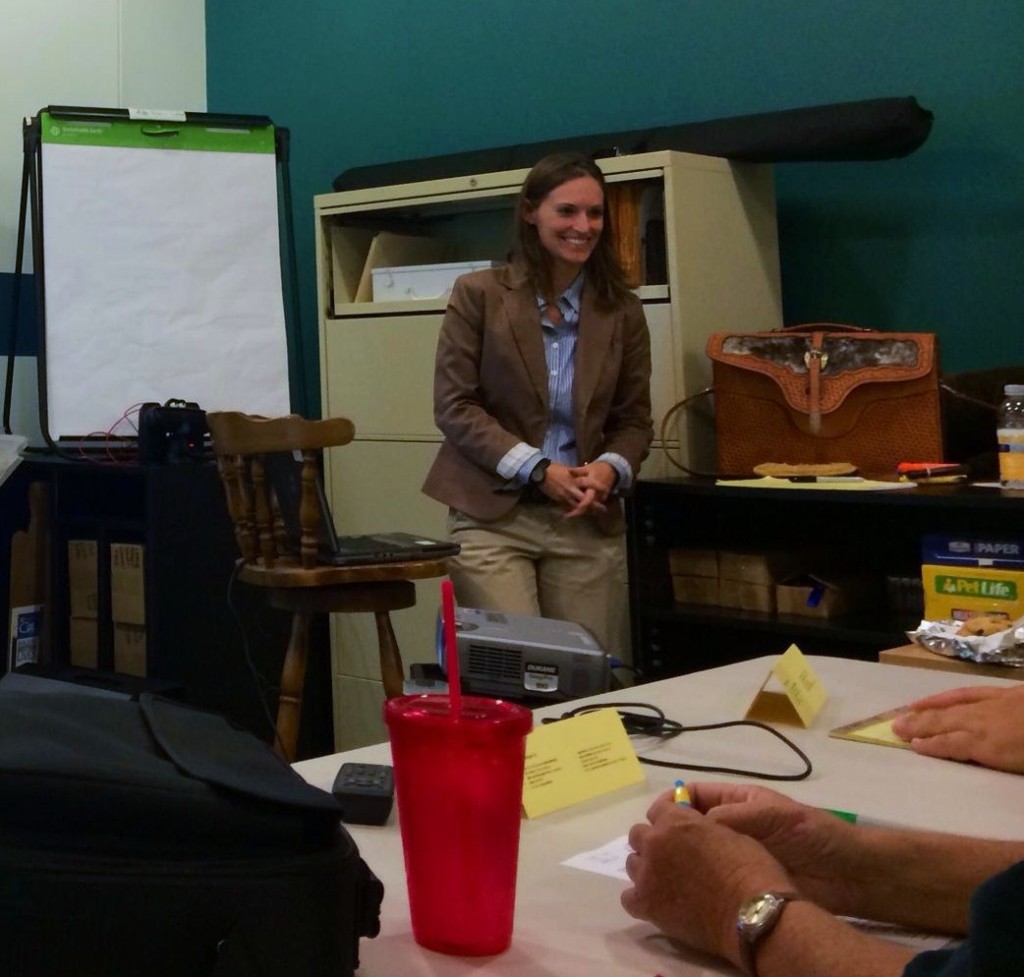
The Aiken County Animal Shelter’s (ACAS) staff and a small group of FOTAS foster volunteers are hitting the books hard after hours. During three-hour classes held twice a week at the shelter, staff members are reviewing PowerPoint slides, engaging in discussion, observing animal behavior and practicing their new knowledge through hands-on exercises with shelter dogs and cats.

It is all part of a special curriculum designed by Aiken Technical College to increase the shelter staff’s expertise and improve their job skills. Completely funded by FOTAS, the Kennel Technician class is expected to help ACAS employees become even more effective, well-rounded and flexible in their job duties.

Martha Chadwick, manager of the County Shelter, came up with the idea with Dr. Steven F. Simmons, Dean of Business, Computer Technology and Training at ATC, and Dr. Katie Comerford, DVM, is teaching the class. It is the first partnership among ATC, FOTAS and the County.

“When I approached Dr. Simmons about creating a program for Aiken County, he was genuinely interested in tailoring a specific course that would positively impact the homeless animals of Aiken County, as he and his family are also FOTAS volunteers,” Martha said.

The classes began Nov. 3 and will continue until Dec. 17. ATC supplies the instructional books and other reading materials.

The class curriculum has much of the same content as ATC’s vet assistant course but was tweaked and tailored for shelter professionals since issues and needs that come up at an animal shelter are different from those at a veterinary office or hospital.

The County Shelter’s small staff is expected to be more proficient with this new training, able to help each other with their tasks and work more as a team. For example, by learning how to properly and safely hold an animal to draw blood, insert a microchip or examine an injury or ailment, the staff can assist the vet techs if needed. Or by learning the symptoms of common medical conditions in dogs and cats, and being better able to spot signs of canine and feline illnesses, the staff can more readily alert the shelter’s vet, Dr. Lisa Levy, and her assistants to the situation so proper medical care can be administered right away.

Receiving this added education will allow the staff to cross-train for various positions and make it easier for staff members to fill in for their fellow employees if they are forced to be absent due to such unforeseen circumstances such as illness or personal emergency.

“This is a wonderful new partnership with Aiken Technical College,” said FOTAS President Jennifer Miller. “Everyone came together for this project, which will ultimately result in giving the best care possible to the orphaned dogs and cats at the shelter. This is the result of a true team effort, including the community, whose donations made this class possible.”

To learn more about FOTAS and its many activities, go to www.fotasaiken.org.

Their lives are in our hands…


Trainer Helps Prepare Shelter Dogs for their Forever Homes

By Bob Gordon, FOTAS Communications Director and Volunteer

Everyone who adopts a dog or puppy from the Aiken County Animal Shelter receives a voucher for a free dog training session with canine expert Susi Cohen.

Susi is the president of the Palmetto Dog Club in Aiken and has worked with and trained animals for more than 30 years. She volunteers at the shelter twice a week, helping other volunteers and County staff with basic dog training skills and working one-on-one with dogs that need special attention.

We interviewed Susi to learn more about the FOTAS training program at the shelter and why it is so vital to both the dogs and their new owners.

Q. What are the keys to effective dog training and why should I take the time to do it?

A. Training takes patience and consistent repetition with a lot of praise and rewards. It gives the dog good manners, more confidence, and makes him a well-adjusted dog – and a well-adjusted dog is a happy and well-behaved dog.

Q. When I use my free voucher, what training will I receive for my adopted dog?

A. I work with the dog and adopter for about one hour at the shelter. Every owner will have different issues with their dogs. And that’s the beauty of the program – we tailor the training for each individual dog. So if they have a particular issue, we can help them eliminate it.

Q. If I’ve adopted a dog from the County Shelter, can I call you with questions?

A. Absolutely. If you have any issues, I am available to answer your questions and discuss them with you. Every adopter is given my contact information as part of the FOTAS “Ask the Trainer” program. I’m always taking calls. People need to understand that dogs love to be trained. They love to be told to what to do. They love parameters and being praised for behaving well.

Q. How much training do most dogs need?

A. Every dog is different. Some dogs have bad experiences that they have to overcome. Some of these dogs have been mistreated and need to learn to trust again. But the norm is not mistreatment; it’s lack of treatment altogether. They haven’t been given any attention and don’t know when they are acting improperly. Still, despite these challenges, we’ve had great success with adopted dogs.

Q. Can you give us an example?

A. Last season I had Annie, an older German shepherd mix that was insecure and had no confidence whatsoever. We worked closely with Annie and she made a turnaround you wouldn’t believe. She went from a cowering, overly defensive dog to a happy dog that trotted with her tail straight up and exuded confidence. The metamorphosis was incredible.

Q. Has the on-site dog training made a difference at the shelter?

A. Yes, it’s worked well because FOTAS and the volunteers are so dedicated. Like me, they can’t stand seeing good dogs come back after being adopted just because they need some training. The adoption return rate has gone down and I like to think that drop in returns is because the dogs leave with better manners and are more prepared for their new homes.

For more about the FOTAS Dog Training Program and Susi’s contact information, please go to www.fotasaiken.org.


Their lives are in our hands…


Pets of the Week

GRACE — Border Collie and Hound mix, female, 1 year old, 50 lbs.  — $70

CINDER— gray tabby, female, 7 months old, 6 lbs. — $35


By the Numbers

January 2013 – August 2015

FOTAS organized and paid for the spay/neuter surgeries of 699 citizen’s pets and 628 community cats, totaling 1,327 dogs and cats fixed!

Young FOTAS Volunteers Making a Difference at County Animal Shelter

By Bob Gordon, FOTAS Communications Director and Volunteer

On Diana Haltiwanger‘s tenth birthday, she did something unusual to celebrate the big day. She took her birthday money as well as food, leashes, toys and other treats to the Aiken County Animal Shelter and personally delivered the generous donation to FOTAS.

“I just love animals,” Diana said, “and I thought it might help make a difference in their lives.”

Diana’s selfless gesture is just one example of children steadily becoming a force in fulfilling the altruistic goals of FOTAS and the County Shelter.

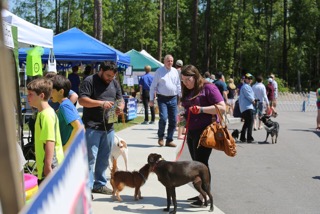
Although the majority of community members who support the shelter are retirees and other adults, more kids are getting involved in assisting the orphaned dogs and cats at 333 Wire Road. Some children donate their time by participating in FOTAS events like the Dog Ears Reading Program, Dog Day Crafternoons, Woofstock, and other fundraisers. Others get involved through clubs, Scouts, and their schools (prime examples are the South Aiken High School Chapter of the Serteen Club and the Aiken High NJROTC). And some kids just decide to become FOTAS volunteers on their own.

Volunteer Holly Heiens became a volunteer after she did a report on shelter animals for school last year. Ever since learning more about their hardships, the driven 10-year-old has donated her time to animals in need.

“When Holly wants something, she goes after it,” said her mother, Kari, who volunteers with her daughter every Saturday. Kari said that even though there are lots of social events and parties on Saturdays, they work around them so she and her daughter can meet their weekly commitment to the shelter animals.

Young FOTAS Volunteers Making a Difference at County Animal Shelter

By Bob Gordon, FOTAS Communications Director and Volunteer

On Diana Haltiwanger‘s tenth birthday, she did something unusual to celebrate the big day. She took her birthday money as well as food, leashes, toys and other treats to the Aiken County Animal Shelter and personally delivered the generous donation to FOTAS.

“I just love animals,” Diana said, “and I thought it might help make a difference in their lives.”

Diana’s selfless gesture is just one example of children steadily becoming a force in fulfilling the altruistic goals of FOTAS and the County Shelter.

Although the majority of community members who support the shelter are retirees and other adults, more kids are getting involved in assisting the orphaned dogs and cats at 333 Wire Road. Some children donate their time by participating in FOTAS events like the Dog Ears Reading Program, Dog Day Crafternoons, Woofstock, and other fundraisers. Others get involved through clubs, Scouts, and their schools (prime examples are the South Aiken High School Chapter of the Serteen Club and the Aiken High NJROTC). And some kids just decide to become FOTAS volunteers on their own.

Volunteer Holly Heiens became a volunteer after she did a report on shelter animals for school last year. Ever since learning more about their hardships, the driven 10-year-old has donated her time to animals in need.

“When Holly wants something, she goes after it,” said her mother, Kari, who volunteers with her daughter every Saturday. Kari said that even though there are lots of social events and parties on Saturdays, they work around them so she and her daughter can meet their weekly commitment to the shelter animals.

“It isn’t really hard work when you are there to help the animals and brighten their day,” Holly said. “It’s more like fun work.”

Noah Jacobs is another junior volunteer who juggles a number of responsibilities. Sports, school and hanging out with his friends are important to the 10-year-old, but he spends as much time as he can at the shelter with his mom, Kathy. The Jacobs family also fosters shelter animals at their home, helping them get prepped for adoption.

“I talk to my friends about it. I think more kids should volunteer,” Noah said. “Some of my friends are nervous about volunteering but they shouldn’t be. Even the big dogs are nice.”

Alex Robinson helps out at the shelter every weekend with his father, William, and sometimes his grandfather, Charles. One of the reasons the 12-year-old volunteers at the shelter is because he loves dogs but can’t own one where he lives.

“It has taught Alex responsibility,” William said. “I am impressed how quickly he picked up on what to do at the shelter. Overall, it’s been a very positive experience for him and we’ve met a lot of great people there.”

The County Shelter is always looking for more young volunteers to help out and work with the animals. Volunteers under 18 must be accompanied by an adult. If you are interested in volunteering and making a difference, please contact FOTAS at (803) 514-4313 or volunteer@angelhartlinedesigns.com.

Their lives are in our hands.


Local Volunteers Are the Lifeblood of Aiken County Animal Shelter


By Bob Gordon, FOTAS Communications Director and Volunteer

The power of volunteering cannot be overstated. Not only is it rewarding and uplifting to the people donating their time for a good cause, but it also makes it possible for organizations to achieve more than they possibly could through their limited budgets and staff.

Nowhere is this truer than at the Aiken County Animal Shelter.

“Volunteers are our lifeblood,” said Nanci Santos, FOTAS volunteer coordinator. “We are so very grateful for the wonderful core group of volunteers that return daily or on committed days to walk dogs, socialize the animals, and act as reception desk ambassadors.”

Besides the daily tasks of walking the dogs and manning the front desk, volunteers also help with the FOTAS transfer program, manage and promote special events, help maintain the shelter grounds , aid with general administrative duties, assist with FOTAS spay/neuter programs and foster dogs and puppies.

Susie and Wally Huiet are a couple that volunteers for multiple shelter duties: dog walking, fostering and helping with the transfer program. Susie also takes photos of the dogs available for adoption and posts them on social media.

“When you give your time and your love to these dogs and enable them to be adopted or selected for a rescue transport, it is a great feeling,” Susie said.  “Every dog you can get adopted or rescued really means you are saving two lives, because one goes onto a new home and another is able to leave the intake building and get their chance on the adoption floor.”

Paula Neuroth has been juggling a number of volunteer responsibilities for years. She and her husband, Rod, have been fostering puppies and their mothers at their Aiken home since 2010. Paula also helps manage and coordinate FOTAS Fix-a-Pet, a spay/neuter program financed through private donations.

“There never will be a big enough staff at the shelter because of budget restrictions,” Paula explained. “But we as volunteers can provide support that helps the shelter achieve its goals and fill the gaps, and FOTAS helps fund programs that otherwise could not be realized.”

Peggy Babineau works the front desk every Monday afternoon, greeting and assisting shelter visitors with their adoption needs. She and her daughter, Becca, also foster new dogs each week, getting them socialized and more prepared for their eventual forever homes.

“Volunteering is rewarding beyond words,” Peggy said. “You can get attached to the dogs in your care. But you just have to focus on the goal of getting them ready to leave for a better life.”

As a result of the dedicated efforts of all our volunteers, FOTAS and the County are saving the lives of more animals than any time in the shelter’s past. But every day is a challenge and more help is always needed. If you are interested in volunteering and making a difference, please contact FOTAS at (803) 514-4313 or volunteer@angelhartlinedesigns.com.

Their lives are in our hands.


The joy of fostering

07 June 2015

The joy of fostering

By Joanna Dunn Samson, FOTAS Vice President

The Igoe’s have fostered close to 100 puppies and dogs from the Aiken County Animal Shelter. The Wolcott’s and Courtney Conger have fostered well over 350. The Wisemans average about 100 per year. The Heuberger’s, our newest foster family, have already fostered 6. Ray Eckenrode fostered 12 in his first year. Sam Cato has fostered so many she quit counting.

These are just a few of our network of our committed foster families. The Igoes, Wolcott’s, Conger and the Wiseman’s specialize in taking pregnant mamma dogs and birthing their puppies or very young, motherless puppies and raising them in a nourishing environment until they are weaned. Healthy puppies are highly adoptable everywhere, but especially in the north where mutt puppies are rare because everyone spays and neuters.

Cato, Eckinrode, and the Heubergers take dogs scheduled for transfer (those not adopted locally after a period of time) out of the shelter a few days before the scheduled transfer date, allowing them time to decompress from hectic shelter life and socialize in a home environment.

In almost every case, the animals transferred to another shelter are already spoken for by the time they are loaded on the truck, or they are adopted within a week of arriving at the new rescue, which makes letting the dogs go when the time comes more bearable.

“You have to take the bigger view,” says Girl Conger. “It’s about helping as many animals as possible get out of the shelter and find a forever home, not about being a sucker for every dog you take home. It’s a simple formula: math + heart – every dog we take allows a dog crowded in the intake wing to be moved to the adoption floor. We save two lives for every one we foster.”

“Plus, it’s a never-ending supply of squishy, fluffy, adorable puppy love and puppy-breath. What could be better than that?”

They all love animals, that’s a given, but they all foster for different reasons. Eckenrode traveled for business and couldn’t adopt a dog, so fostering gave him “dog time” in small chunks. Cato does it because it’s her way of giving back to the community. Tara Heuberger does it because she wants her 5-year-old son, Tegan, to learn how to care for the dogs.

Heather Wiseman says the best thing about fostering is the time the family spends together caring for and playing with the puppies. “It’s made us a stronger family, and the puppies are so much better adjusted growing up in a home instead of the shelter.”

And they all do it different ways.  Some fosters make a safe, comfortable place for their visitor outside of the house. Others fully integrate them into their lives.

“I pick them up and bring them home, then my happy pack of 5 dogs takes over,” says Cato. “They teach the newcomer good manners and housetraining. They all sleep in the bed with me. I love it.”

Here’s the thing: we need you to foster! The dogs need you! Now! This summer! Call the FOTAS Hotline at (803) 514-4313 and we’ll tell you how.

Thank you and God Bless. Their lives are in our hands.

Then and now at the Community Aiken County Animal Shelter

31 May 2015

Then and now at the Community Aiken County Animal Shelter

By Joanna Dunn Samson, FOTAS Vice President

5000 square feet. Concrete floors with open trenches for waste removal. No air conditioning or air exchange system. No isolation facilities. No medical facilities. A tiny food prep area. No hot water. Peeling paint. Inadequate lighting. No separate cat facilities. No play yards. No volunteers. 200 anxious animals stuffed into a facility designed for 50.

It was a prescription for misery. Chance of survival at the old Aiken County Animal Shelter? About 10-15%.

Bobby Arthurs, the County’s Chief Animal Control Officer who started working with enforcement in 2001, remembers those days.

“It was hard at the old shelter,” says Arthurs, “especially in the spring and summer months when intake was so high and we’d have 3 or 4 animals crowded together in a single, small kennel. There were no volunteers or staff to walk or play with them. You’d look over the room and it was like the animals had just given up – they were all depressed.”

In those days, the shelter was overcrowded and the euthanasia rate was still 85-90% on average. A trip to the shelter was a near-certain death sentence for an animal. Often the only time an animal had any personal human contact was when they were removed from their cage to be euthanized.

All that changed when the new shelter opened last year.

“Now the shelter can separate adoptable animals from intake animals,” says Arthurs. “We have hot water, proper ventilation, sanitary medical facilities. We can isolate sick animals – that’s huge! Finally, shelter staff has the ability to improve the prospects for these animals.”

Sandy Larsen, the senior vet tech at the shelter who shares the distinction with Arthurs of having worked at the shelter the longest, agrees.

“It’s a happier, healthier place to be for everyone,” says Larsen, “staff, animals and volunteers – and as a result, our adoptions are up, our transfers are up, and our euthanasia rate is down. In fact, I can’t remember the last time we had to euthanize an animal from the adoption floor.”

I wish we could say, “It’s all better!” and rest on our laurels, but we can’t. The success over the past year is fragile and dependent on so many factors: the amount of intake, proper staffing, sufficient public funding, and volunteers. Some of those are already in question.

Our volunteer force is down dramatically because of folks leaving for the summer. One morning last week, only one person was available to walk 30 dogs.

April and May have seen record intake highs.

The County budget is strained because of reduced state and federal funding and the expenses of last year’s ice storm.

Although the Aiken community has demonstrated its support, both in commitments of time and money, to turn the shelter around, the job is not, perhaps will never be, done. Success requires resources.

Now, more than ever, we need volunteers at the shelter to walk dogs and help around the shelter. We need foster families to take animals slated for transfer out of the shelter to help alleviate overcrowding. We need all citizens to spay and neuter to reduce the overpopulation of homeless animals. We need donations to take care of special needs at the shelter.

We need you, the Aiken community, to tell your friends, your neighbors, and your elected officials how much the community shelter means to you.

And if you can, we need you to give these animals a home.

FOTAS: Transfer program and foster families save lives

27 May 2015

FOTAS: Transfer program and foster families save lives

By Joanna Dunn Samson, FOTAS Vice President.

It’s not even Memorial Day yet, and the intake wing of the Aiken County Animal Shelter is inundated with abnormally high numbers of owner surrenders, puppies, kittens and strays usually reserved for the summer months. Intake during April and May has been at record highs, far exceeding the number of animals leaving the shelter for forever homes. The shelter is forced to double or triple up animals in the kennels in the intake wing until space is available on the adoption floor. It is an agonizing state of affairs.

When this happens, FOTAS and shelter staff increase their efforts to network the animals on the adoption floor the longest (among other things) by organizing transfers to our no-kill sister agencies in other parts of the country. The transfer program has grown to include 20 partner rescue agencies over the past five years.

“It’s hard work,” says Jennifer. “The partner tells us how much space they have available, and we send them photographs and information about the dogs on the adoption floor, particularly the dogs that have been in the shelter the longest and need to be moved on. We don’t need to transfer out the small, cute dogs- they find homes quickly – we really advocate on behalf of the dogs that are hardest to place.”

In addition to the hard to place dogs, the transfer partners also take healthy, weaned puppies – a godsend during this time of year when the shelter is packed with them.   Says Miller, “Mutt puppies are hard to find and in great demand, particularly in the north, because everyone spays and neuters their animals.”

The FOTAS and County-approved foster homes are instrumental in the success of the transfer program. Once FOTAS and the transfer partner have negotiated which animals to send, FOTAS volunteers and county staff move the approved dogs to foster homes quickly, allowing the dogs a little transition time in a home before they are shipped out.

“Plus,” says Caroline Simonson, a FOTAS Director and volunteer, “moving the dogs quickly to foster frees up space on the adoption floor, allowing staff to release dogs from intake, which is so important when intake is so crowded.”

The need for foster families has never been greater. A potential foster fills out an application and demonstrates to the County that they have a safe, healthy place to care for the dogs. FOTAS is willing to pay for food and vet services to reduce the cost of fostering if necessary.

“You get to save two lives for every foster you take in,” says Toni Urben, a FOTAS foster, “ the dog you foster and the dog that takes its place on the adoption floor. My husband Gary and I love doing it.”

And so will you. Over the next couple of weeks, I’ll share with you some of the experiences of our fosters so you can see for yourself how satisfying and how necessary the job is.

We are desperate for more foster families, so if you’ve ever thought about fostering, now is the time. Please call the FOTAS Hotline at 803-514-4313, or email us at info@angelhartlinedesigns.com.

Their lives are in our hands.
Summer Heartbreak at the County Animal Shelter

17 May 2015

Summer Heartbreak at the County Shelter

By Joanna Dunn Samson, FOTAS Vice President

Summer is tough at the Aiken County Animal Shelter. While the rest of the world settles into the sleepy tempo of summer, FOTAS volunteers and County staff shift into hyper-drive to address the inevitable onslaught of puppies, kittens and owner-surrender animals that crowd the intake wing and stress county resources to alarming levels.

This year, the seasonal surge of animals started early. The shelter experienced abnormally high intake during April, and May’s numbers promise to be equally dismal.

These homeless animals will come from the County, the City, Edgefield County, occasionally private rescue agencies already filled to capacity, but primarily, they come from private citizens.  On average, the number of citizen-surrendered animals doubles during the summer months because of (are you ready?) vacations.

Vacations! It is a sad but true fact that there are people who surrender their pets to the County Shelter when they go on vacation rather than make proper arrangements for their care, consigning their confused and trusting pets to the stress of a shelter environment and a 50% chance of being euthanized. Unthinkably heartless.

Over the past year, the County and FOTAS, with the help of the community, made great strides in saving more animals and reducing the euthanasia rate, but until rampant overpopulation is checked and the horrifying intake numbers come down (a 10-year proposition under the best of circumstances, according to most experts), our goal of never having to euthanize another adoptable animal is out of reach.

In the meantime the County, with the help of FOTAS, is responsible for the care and disposition of the 4600-5000 unwanted animals that wind up in the County shelter each year. Paid for with taxpayer dollars, the County shelter has a legal obligation to accept all comers – it cannot refuse to accept an animal because there isn’t enough room. Quite frankly, it feels like sweeping back the ocean with a broom, especially during the summer months.

How can you help?

First and foremost, spay or neuter your animals, and talk your friends and family into spaying and neutering theirs. If you or they cannot afford the cost to spay/neuter, you may be eligible for County or FOTAS financial assistance.

Help us take care of the animals – volunteer at the shelter.

Become a short-term foster for dogs selected for transfer or a long-term foster for mamma dogs and their puppies until they are weaned and rehomed.

Most of all: adopt one of the deserving animals in the Adoption Wing.  For every animal you adopt or foster, you save two lives – the pet you adopted and the pet that can be moved to the adoption floor from Intake.

Make a tax-free donation to the cause at www.fotasaiken.org.

Call us at (803) 514-4313 or email us at info@angelhartlinedesigns.com and see how you can get involved. You won’t be sorry.

Take advantage of our outrageous May special: adopt an adorable “Pibble” for only $20 or a cat for $10. The adoption fees cover spay/neuter surgery, all inoculations and micro-chipping. It’s a tiny cost for taking home a new love.

Their lives are in our hands.

BY THE NUMBERS

April 2015

Total received = 481 dogs and cats

Total adopted/transferred = 170 dogs and cats

Total euthanized = 201 dogs and cats

PETS OF THE WEEK

SAUL .. American bull dog — male — 6 mos. old — 34 lbs.  — $20

ROSEANNE … Tabby — female — 2 years — 17.7 lbs  — $10

All bully dog mixes $20 and cats $10 through May 31, 2015