

Tag Archives: abused and neglected animals

Speaking Out on Behalf of Neglected, Abandoned, and Abused Animals

Adopting a pet can bring years of love, laughter, and companionship into you and your family’s life, but it is also a responsibility that goes far beyond providing food and water.
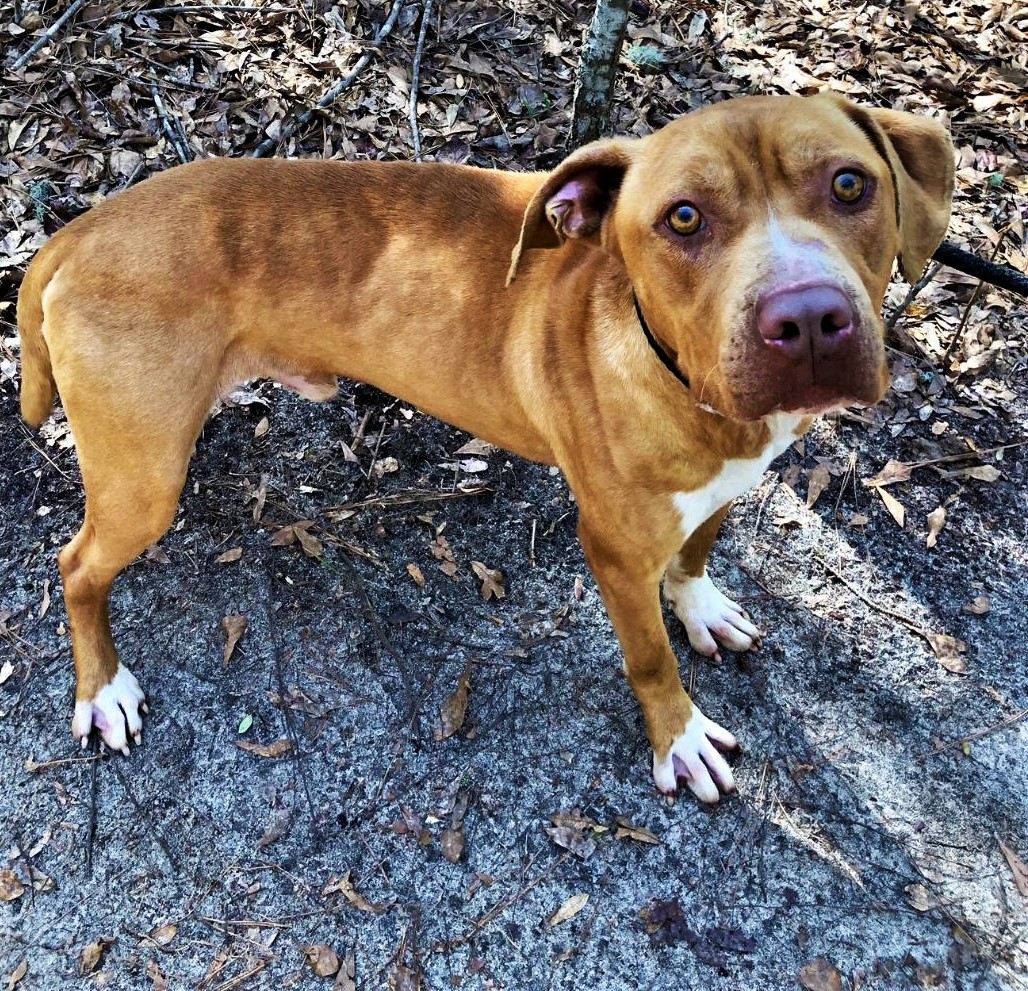
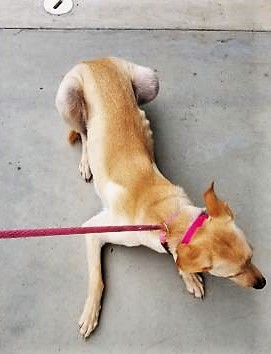
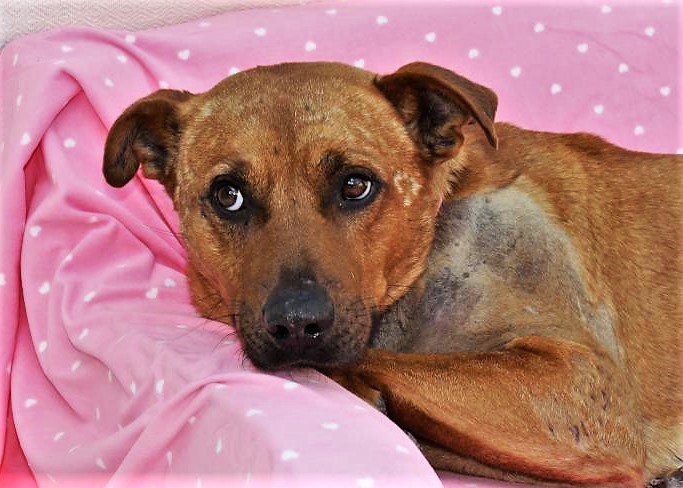
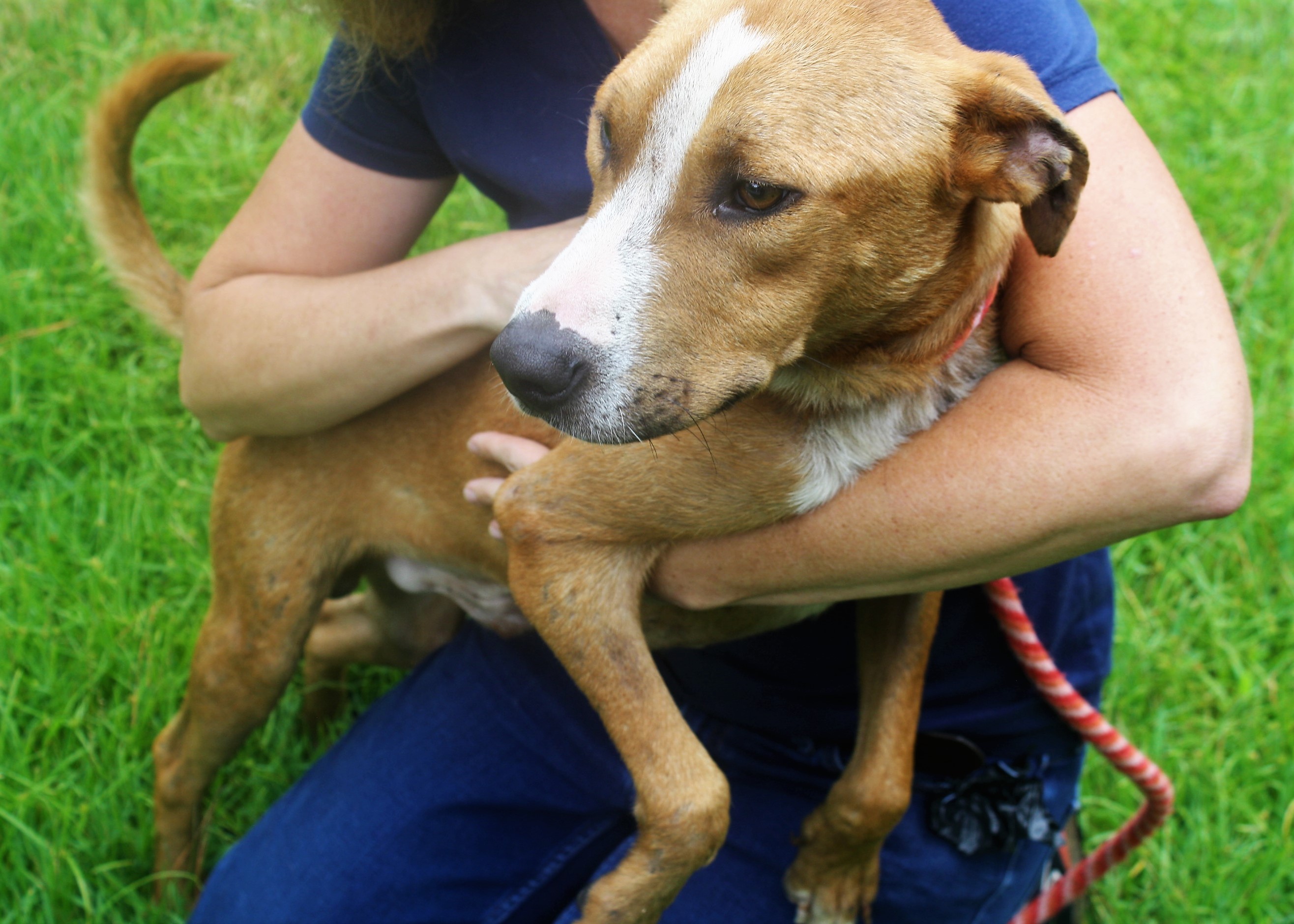
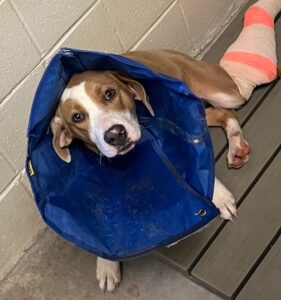
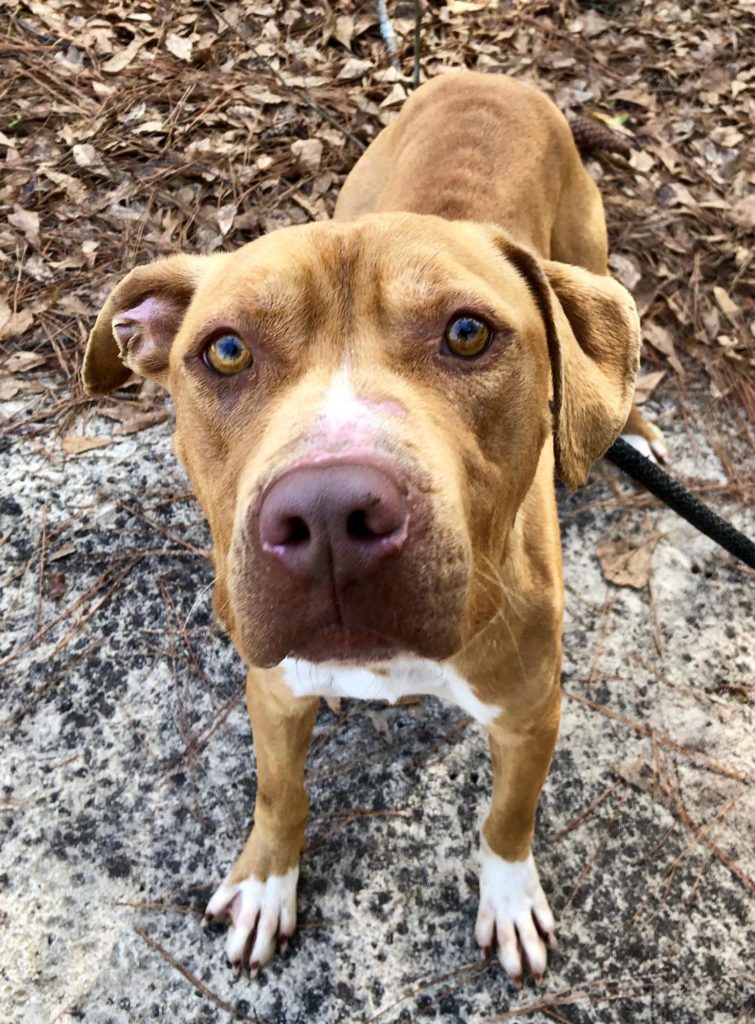
Rupert is starting to fill out from his skin and bones appearance, but he still needs a loving home.

Pets need a safe place to shelter them from the elements. They need to be vaccinated against rabies and other types of preventable diseases. Since fleas, ticks, and mosquitoes never stop breeding here in the South where the weather is warm year-round, flea and tick medicine and heartworm prevention are essential. All pets should be spayed or neutered to avoid accidental breeding and rampant overpopulation of homeless animals that end up in the shelter, cared for by the taxpayers. In addition, an unfixed pet is more likely to roam, get into trouble, get injured or hit by a car. Unfixed pets are more likely to develop cancer and other life-threatening illnesses.
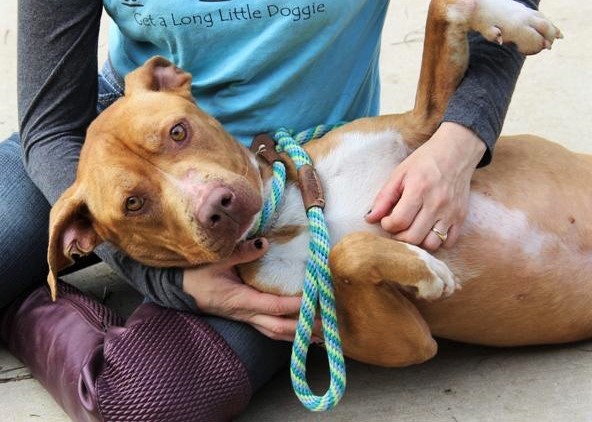
Rupert loves to get his belly rubbed!

Slightly more than one half of the intake at the Aiken County Animal Shelter are strays picked up by Animal Control. Only 8% of strays are claimed by their owners. That means that the owners of 92% of those animals didn’t care enough to keep those animals safe at home or to look for them when they disappeared (or worse, they just dumped them on the side of the road). The strays that get picked up are, for the most part, skinny, scared, and flea-bitten. They are often heartworm positive. They may have picked up mange from scavenging food in the trash. Hundreds of strays come to the shelter each year injured — attacked by other dogs, shot at, beaten, hit by cars. We’re seeing more of it all the time. It’s discouraging and heartbreaking.

Take one of our recently adopted residents, Edgar. When he was picked up by Animal Control, patches of his fur were missing from scratching himself raw because he is allergic to fleas. He is such a loving dog, too: calm, gentle, great with kids. Or Rupert, rescued by Animal Control because the owners did not provide “adequate” food and shelter. “Not adequate” is an understatement. Rupert was starving; every single bone in his body was visible under his scraggly coat. Although distrustful at first, Rupert came to love shelter life: regular feeding; a clean, safe, warm place to sleep; people to love; and pals to hang out with.
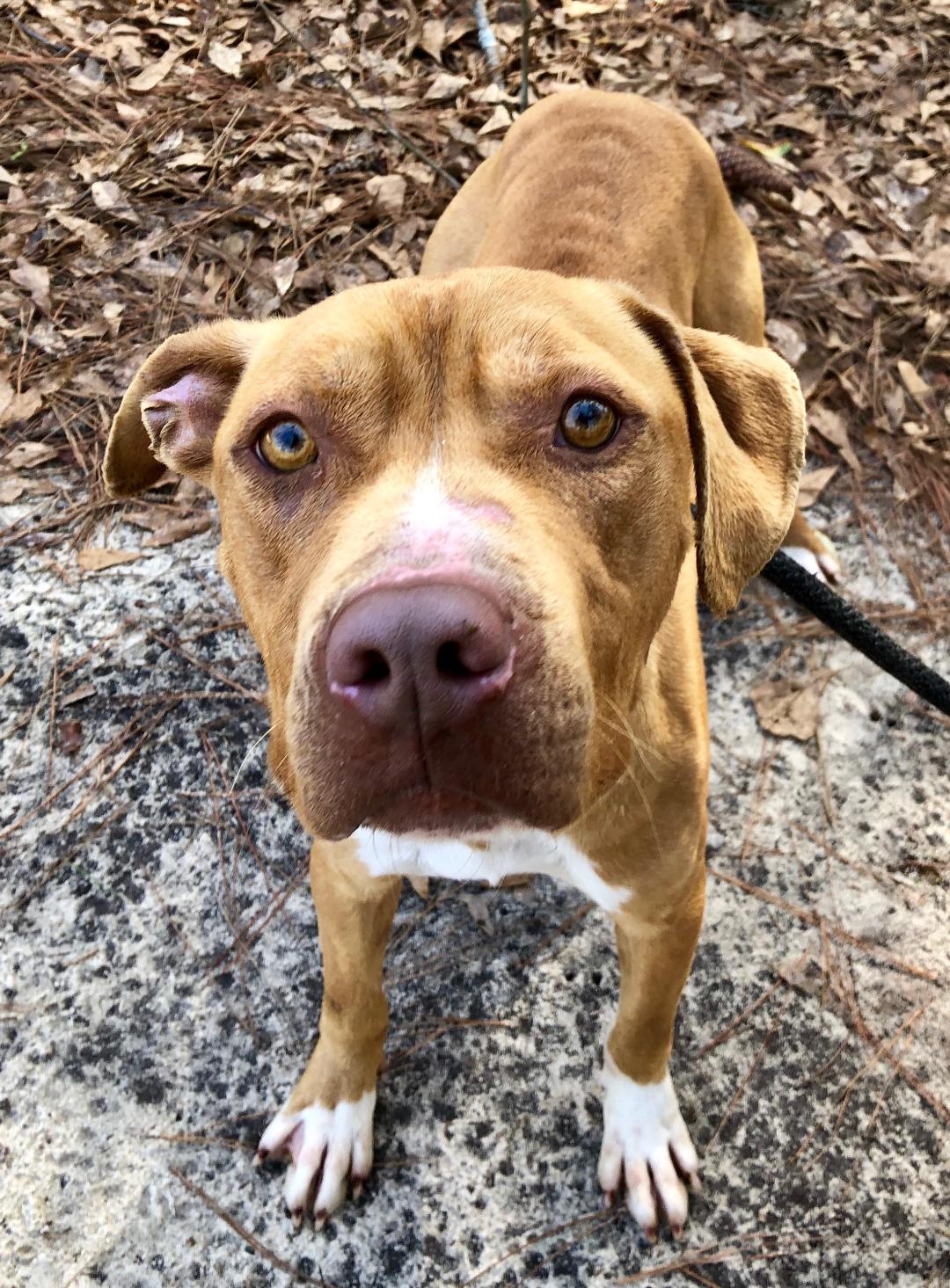
Rupert’s had a tough life and deserves a chance with a wonderful home.

It’s hard for us to imagine how someone could have cared so little about Edgar and Rupert to allow them to suffer so much, but here’s the amazing thing. Despite their unpleasant experiences at the hands of humans, both dogs have been willing — so willing — to give us another chance. That takes real heart and courage. We can learn something about forgiveness from these dogs.

Neglected, abandoned, homeless animals do not have a voice, but we do. Please talk about responsible pet care with your neighbors, your children, your friends, your family, your church. Speak out when you see an animal neglected or abused. We can help by educating owners, suggest alternatives or provide resources, and if necessary, rescue the pet and give them a second chance with responsible, committed owners who will shower them with affection and treat them like family. Edgar and Rupert deserve that. They all do.

Their lives are in our hands.

By Joanna Samson, FOTAS Vice President

By the Numbers
In the first week of March, the Aiken County Animal Shelter received more than 100 strays and surrendered pets.

Pets of the WeekJAMES
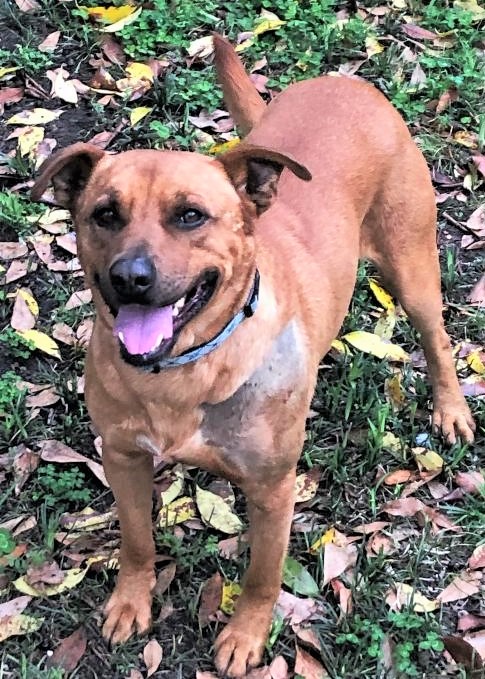
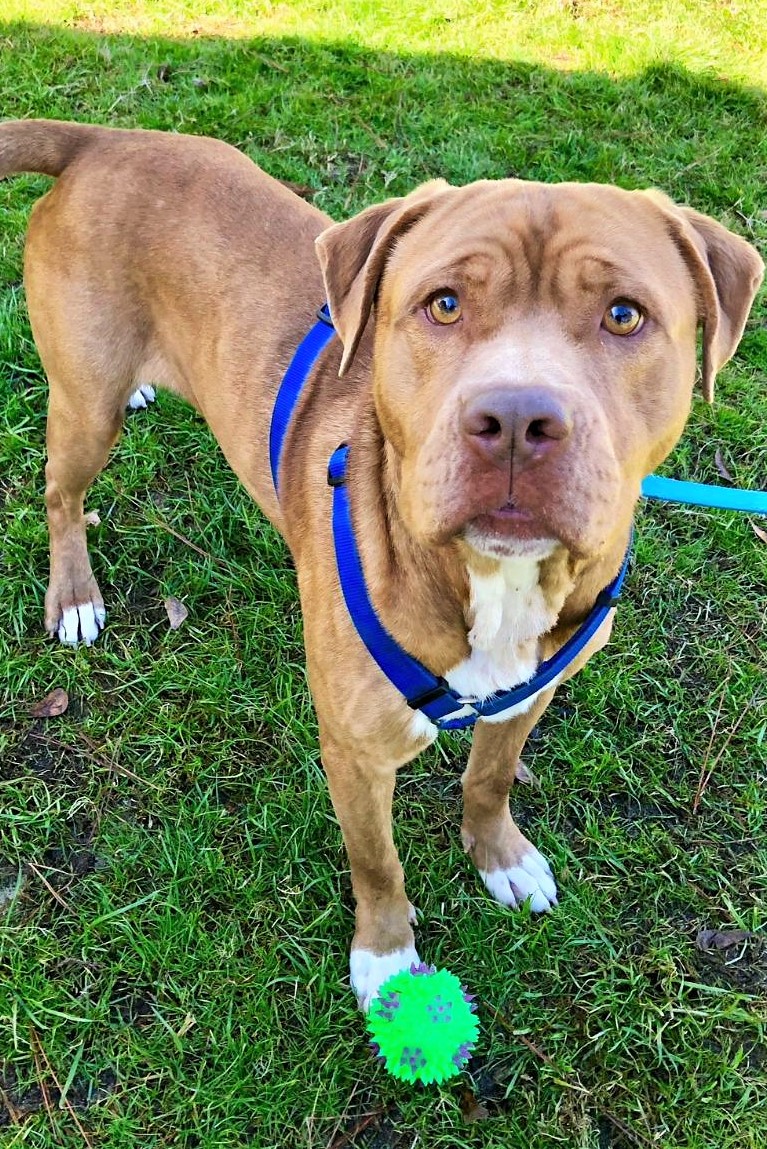
Mixed breed, male, 4 years old, red, 61 pounds – $35
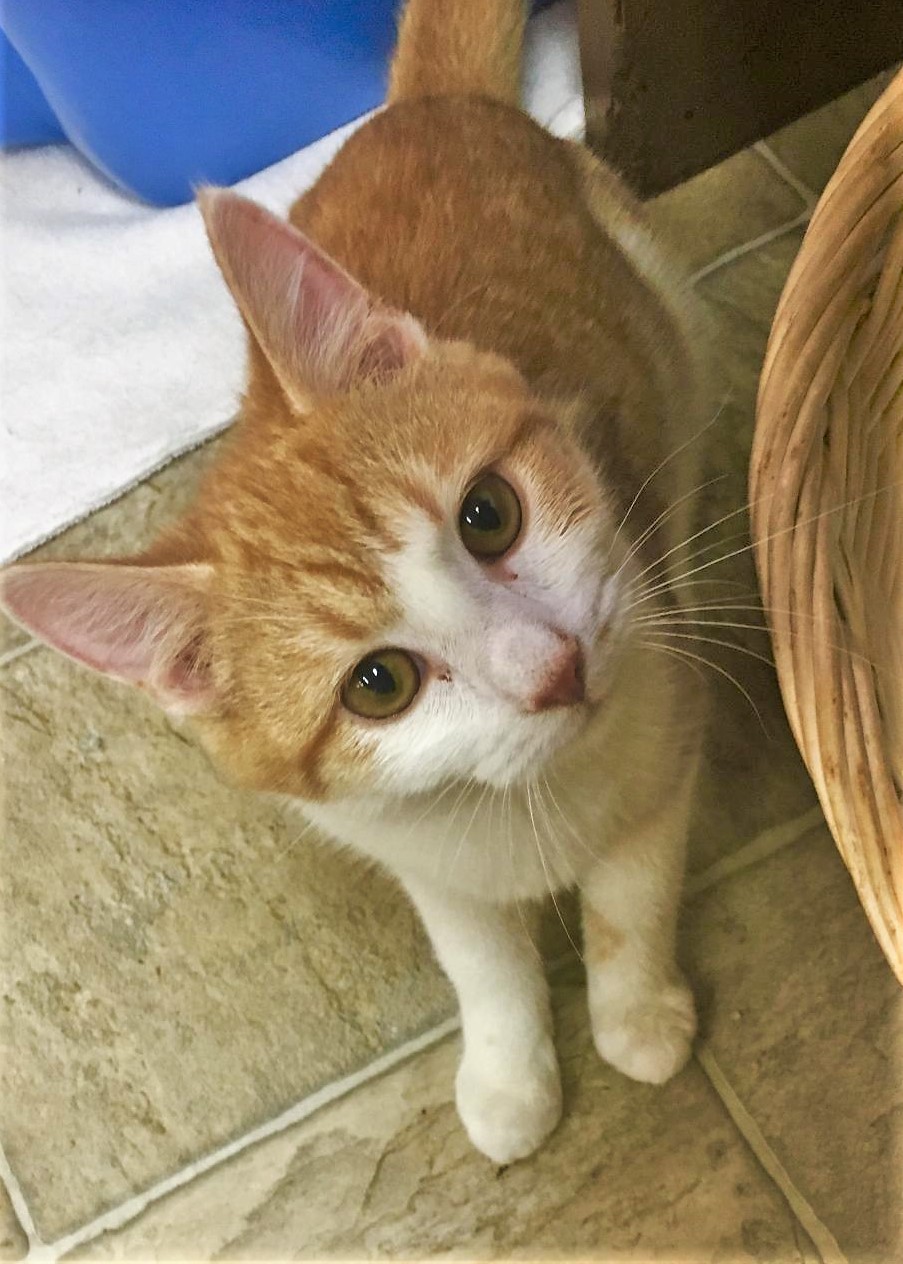
TREME
Domestic Shorthair, male, 1 year old, orange Tabby, 7 pounds – $10
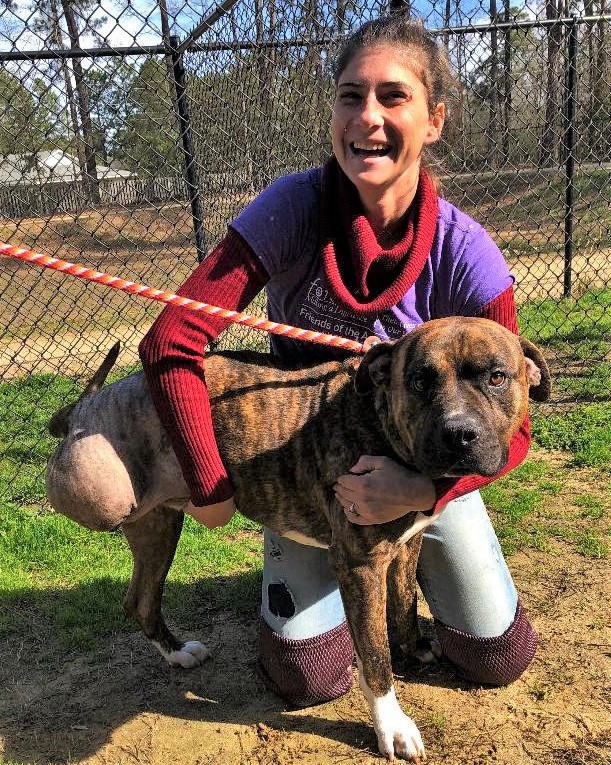
Save Lives and Stop Needless Suffering by Fixing your Pets

When people talk about our chronic dog and cat overpopulation problem, they usually focus on the overwhelming numbers – and rightfully so. Millions of pets lose their lives each year because people don’t spay/neuter their animals.

Stray dog Thaddeus arrived at the shelter with a gunshot wound so severe, his right back leg was turned to powder and had to be amputated.

Puppies and kittens will soon be pouring into the County Shelter because some citizens are not getting their pets spayed/neutered.

In fact, the Aiken County Animal Shelter (ACAS) takes in approximately 125 unwanted animals per week during the summer months. When you do the math, the total number of animals coming into the shelter is staggering and the only solution to the problem is spaying and neutering your pets.

It’s really easy and inexpensive to get your pets fixed now, thanks to the County’s spay/neuter voucher program and FOTAS’s Fix-a-Pet program. The SPCA Albrecht Center clinic and participating local veterinarians accept these vouchers, available at the County Shelter, which reduces the cost of fixing your pet to $15 or less.

Wagener, a young stray cat arrived at the shelter in severe pain because her birth canal was too small, and she couldn’t deliver her kittens. She was saved but some of her babies died inside her.

FOTAS and the County also offer a Trap, Neuter & Return (TNR) program for feral and community cats that is helping to reduce feline overpopulation in the area. Cats must be brought to the shelter in a trap, which you can borrow from the ACAS. Trapped cats can be brought to the shelter at 333 Wire Road in Aiken on Tuesday, Wednesday or Thursday mornings at 8 a.m. and picked up later the same day. Call the ACAS for more information, (803) 642-1537.

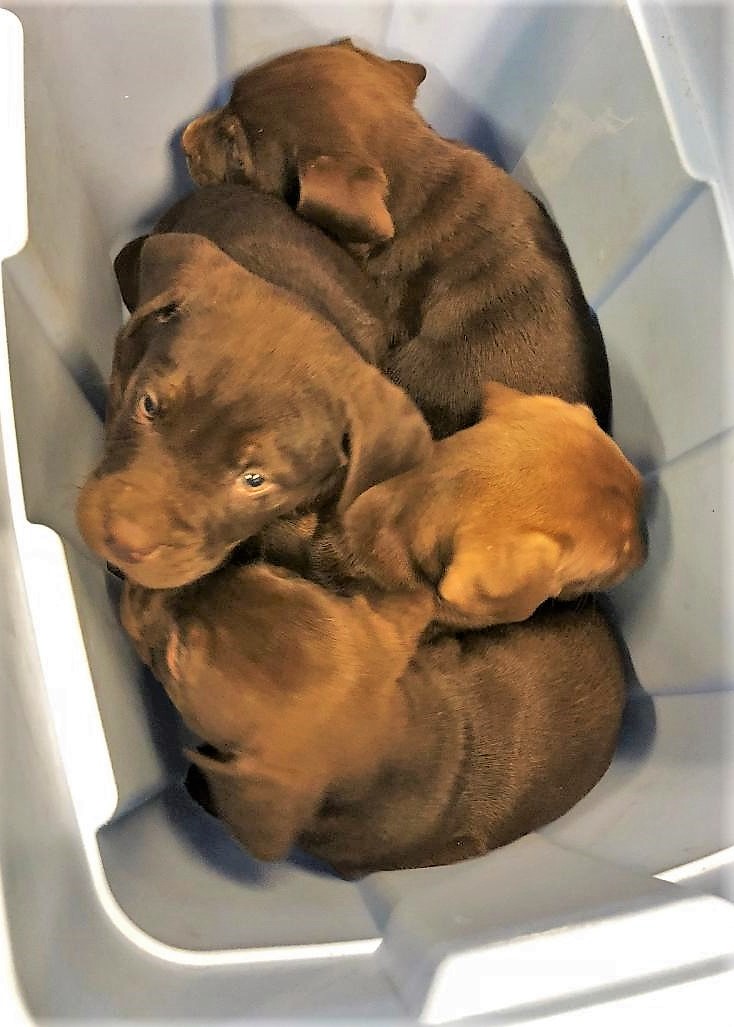
Mama dog Angeline was scared and exhausted when she was brought in with her starving puppies.

Last year, Aiken County and FOTAS paid for the spay/neuter of 1,287 pets owned by citizens in financial need and 1,099 community/feral cats.

Yellow Retriever Angeline and her starving puppies were brought to the ACAS by an animal control officer. The mama dog was suffering and freezing to keep her puppies alive. Exhausted and ribs visible, Angeline was afraid of human touch but she and her pups are now recovering with the care of FOTAS foster volunteers.

February is National Spay/Neuter Awareness Month, an ideal time to encourage people to have their pets sterilized before the spring and summer months, when there is a rampant overproduction of puppies and kittens. It’s also a time to recognize one other aspect of this issue: needless suffering. These animals not only are filling our shelters but when wandering on their own, searching for mates and food, they also can face horrible and painful consequences.

Thaddeus is a stray who was shot while homeless and searching for food.

So, we’re asking you to help us do better this year. Let’s spread the word about the importance of spay/neuter to our family, friends, acquaintances and even strangers.

Also, please join us in thanking the folks who are helping to fight this animal overpopulation battle. We thank the Aiken County Council for its support of the vital Spay/neuter voucher program; Code Enforcement Director Paige Bayne for the awesome management of the County Spay/Neuter voucher program; The ACAS vet clinic for their TNR work; and our FOTAS TNR veterinarian partners, Aiken Animal Hospital, Aiken Veterinary Clinic, Silver Bluff Veterinary Clinic and Veterinary Services of Aiken.

Their lives are in our hands.

— By Bob Gordon, FOTAS Communications Director

By the Numbers
So far this month (Feb 1-15), the Aiken County Shelter has taken in 176 strays and surrendered pets.


Pets of the Week
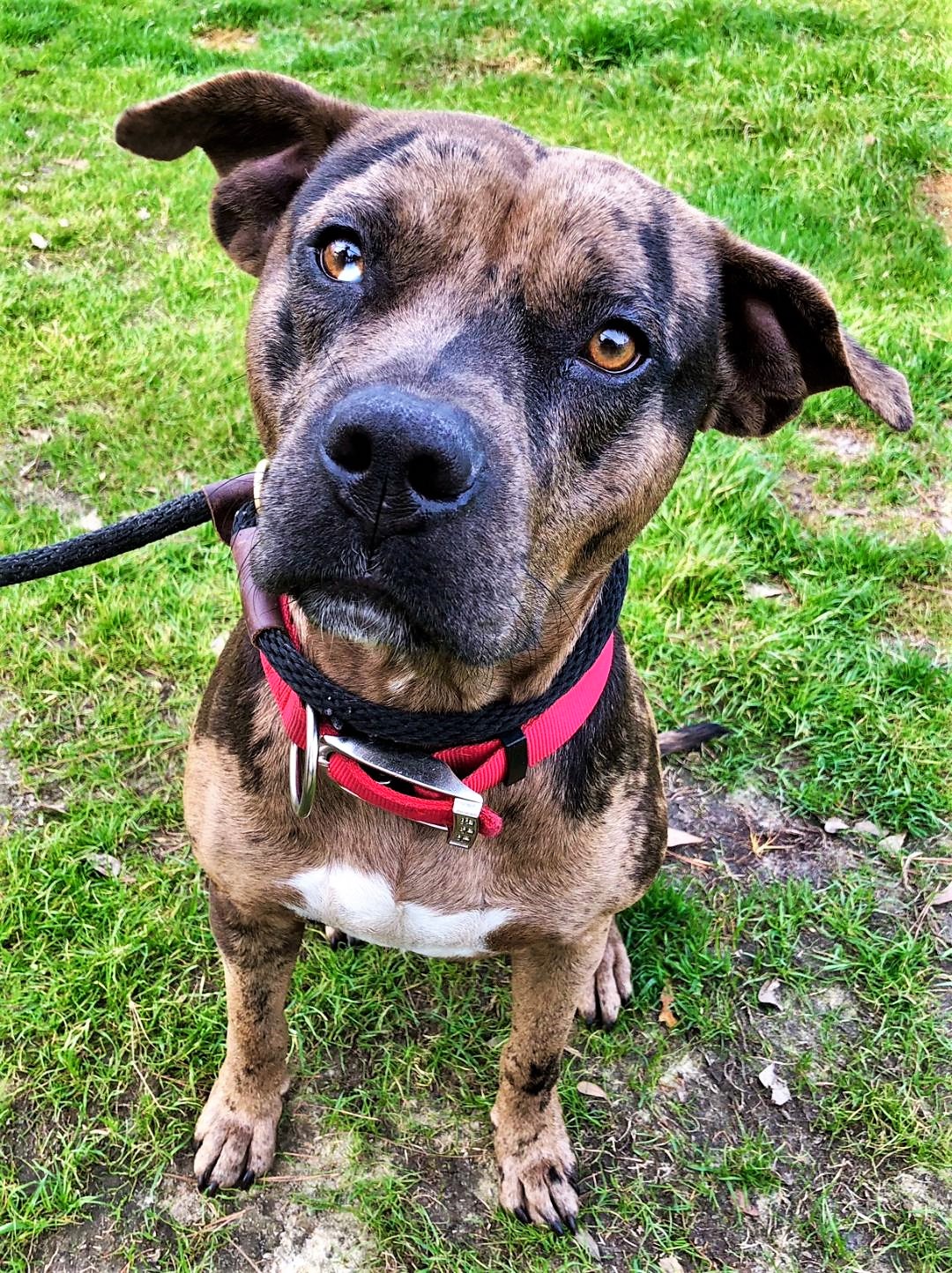
REESE
Catahoula Leopard dog mix, male, 1 year old, 57 pounds – $35

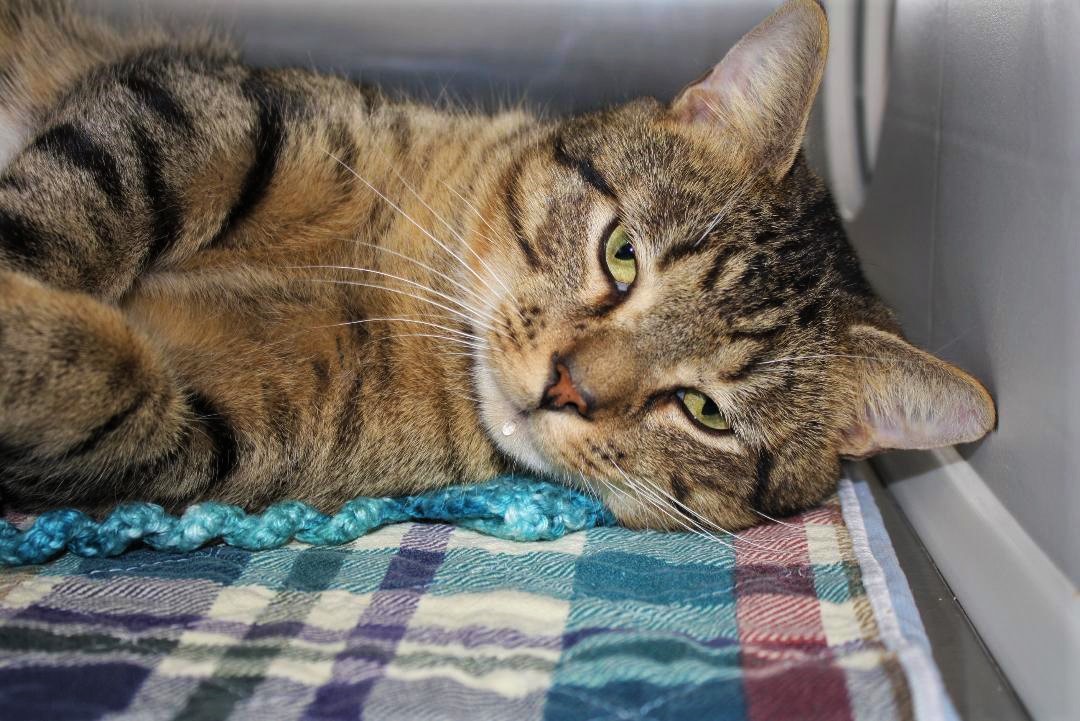
WILLY
Domestic shorthair cat, male, 3 years old, 12 pounds – $10

Abused and neglected dogs show true love and forgiveness

When you volunteer at the shelter, you learn a lot about forgiveness. Dogs and cats come to us injured, neglected and abused – yet, they forgive. These are animals who have never known love but are desperate to provide it.

Recently, two particular dogs have stolen my heart.

Despite being neglected and locked to a chain most of his life, Walter is one of the sweetest, most loving dogs on the adoption floor.

James arrived at the Aiken County Animal Shelter (ACAS) with scars all over his body. He had been attacked by dogs and he lay frozen with his eyes wide with fear. James had been found as a stray and was limping and covered in cuts, some needing to be stitched. When one of the trainers who helps evaluate the dogs put a leash on him to walk him, the terrified dog started to roll like an alligator biting at the leash. It was frightening and painful to watch. We gave him a bed and a meal and hoped for the best.

For two days Darling Rios, one of our canine coaches, sat with him, hand fed him and spoke softly to him. She then started leash walking him. This time, he just held the leash in his mouth while walking, almost for security.
After a week, James was allowing Darling to hug him and we introduced him to dogs and other people. The first time I walked him, he was hesitant because he didn’t know if I was going to hurt him. Luckily, after only a short time, he was sitting at my feet and thumping his tail.

James arrived at the shelter bleeding and terrified, but he’s now ready to love again.

This wonderful dog is now calm and enjoys sitting with people and watching the other shelter dogs. No one ever came looking for James, but he has forgiven. He is ready to love someone with all his heart, and we are doing all we can to help him find someone who will love him the same.

Walter was brought in with a severe injury. His neck was wounded from a chain that dug into his skin. Dr. Levy, the shelter’s veterinarian, treated him and he is healing fast! This poor dog lived his life on a chain that restricted his activity, keeping him from people and being nurtured.

We worried he would be aggressive. Little did we know that in a few days, after love from volunteers and staff members, he would be walking on leash, licking all visitors, playing with other dogs and acting like a family pet! He is embracing life again and now waits for his forever home where he will give his new family all of his heart.

The special thing about these dogs is their ability to love. If you purchase a puppy, you will get a cute, loving pet. However, if you adopt a dog that has never known love and you show them kindness, you will receive the most amazing gift ever! These are pets who are quick to bond, and they appreciate their owners in a special way. I promise you will never regret taking the time to show kindness to one of these pets. There is a connection that takes place, and it will change you both forever.

Please don’t pass by a dog or cat that has a few scars, a few gray hairs, or one that hides in the back of their kennel. Stop, talk to them softly and treat them with kindness. You may find they’re the missing piece to your heart.

Their lives are in our hands.

— By Kathy Jacobs, FOTAS Program Director

Life after Chains

Skye, Queenie, King and Polo: what do these dogs have in common? They are all pit-crosses. They were skinny and dirty, their coats scruffy. None had been spayed or neutered. The females were bred indiscriminately; how many times is anyone’s guess. Three of them tested positive for heartworms.

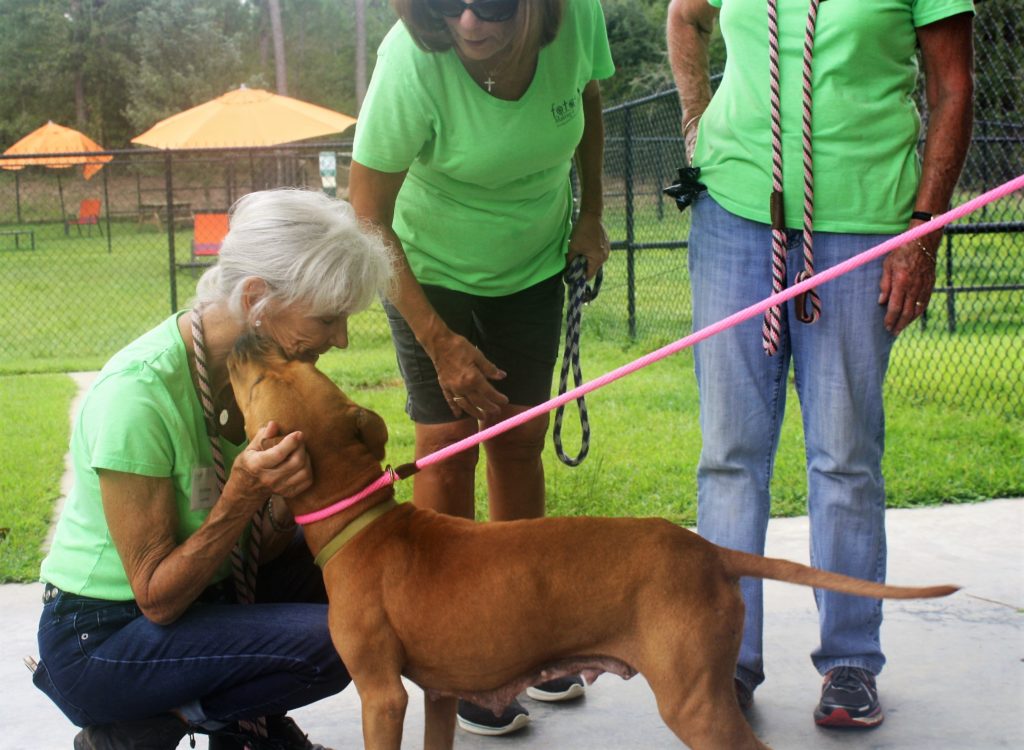
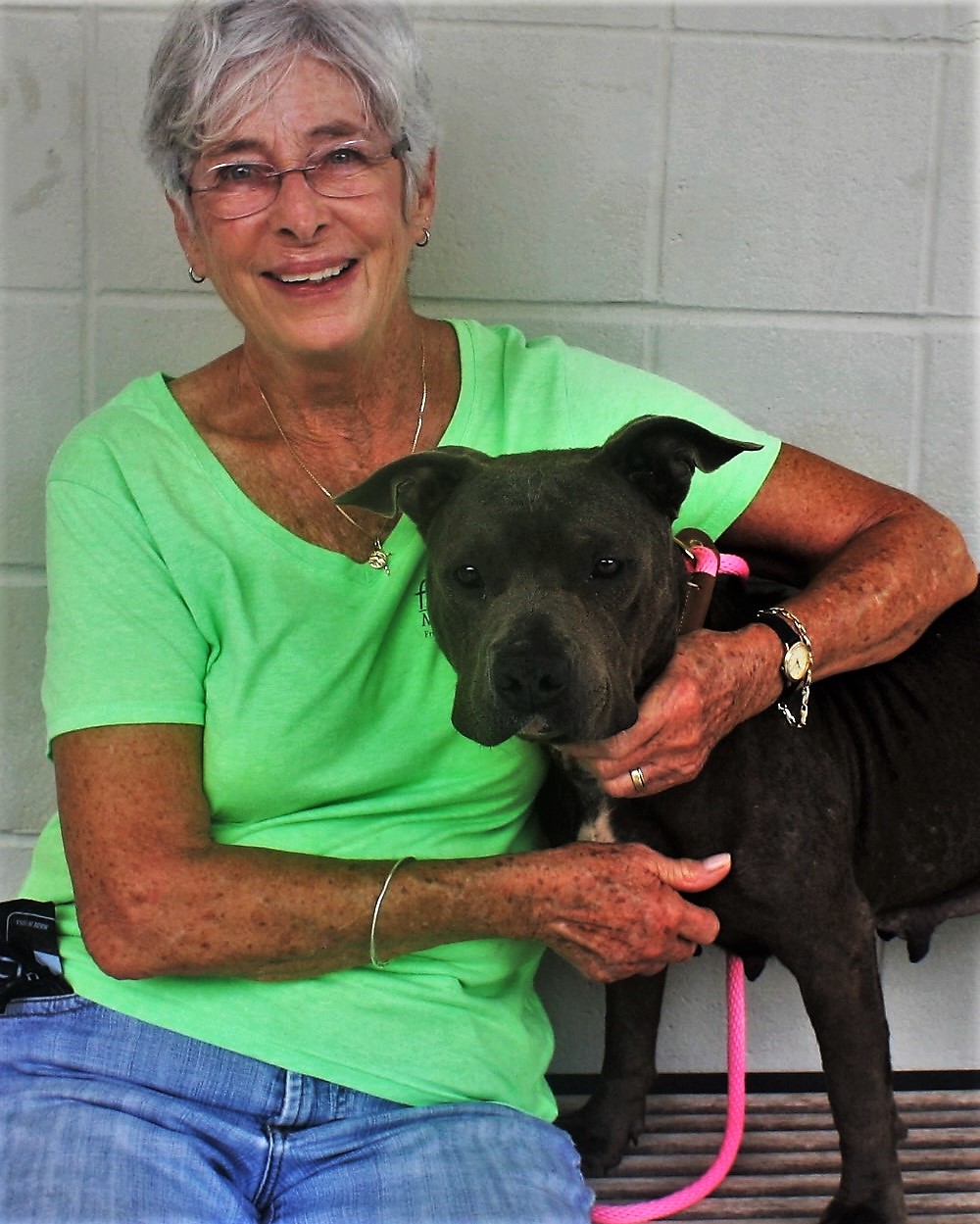
Volunteer Judy Kolb spends quality time with Queenie.

All four dogs were chained to stationary objects in a bare dirt yard, 24/7, with no relief from the elements. Their movements are clumsy and unsteady because they could only move so far on their short chains. All of the dogs were starved for human attention.

It’s a miserable existence, attached to a chain every second of every day for your entire life, pacing through your own waste. Dogs are social animals. They thrive in a pack, whether it be a pack of humans or a pack of dogs or a combination of both. A tethered dog with limited contact to people or other animals suffers from loneliness. They are often frustrated by their inability to interact with the other dogs just outside their reach. That isolation expresses itself in a dull, lifeless, dispirited dog; sometimes it results in intolerance to other dogs.

Tethered dogs are often uncoordinated or become physically impaired because, without an opportunity to run and play, their muscles never develop.

Polo, now available for adoption, was one of the neglected dogs rescued and brought to the County Shelter.

Sadly, many tethered dogs die on their chains—choked or trapped by the tangled teether and unable to reach shelter or water, if it’s even available.

Skye, Queenie, King and Polo have been rescued by Aiken County Animal Control. At the shelter, they are receiving, perhaps for the first time in their short lives, medical treatment, two meals a day, toys, treats, and a clean and protected place to sleep.

They are also getting lots of human attention. They love that. Their tails wag and their eyes shine every time staff and volunteers offer a kind word, a walk, a snuggle and a hug, a lap to lay their head on. We love that, too.

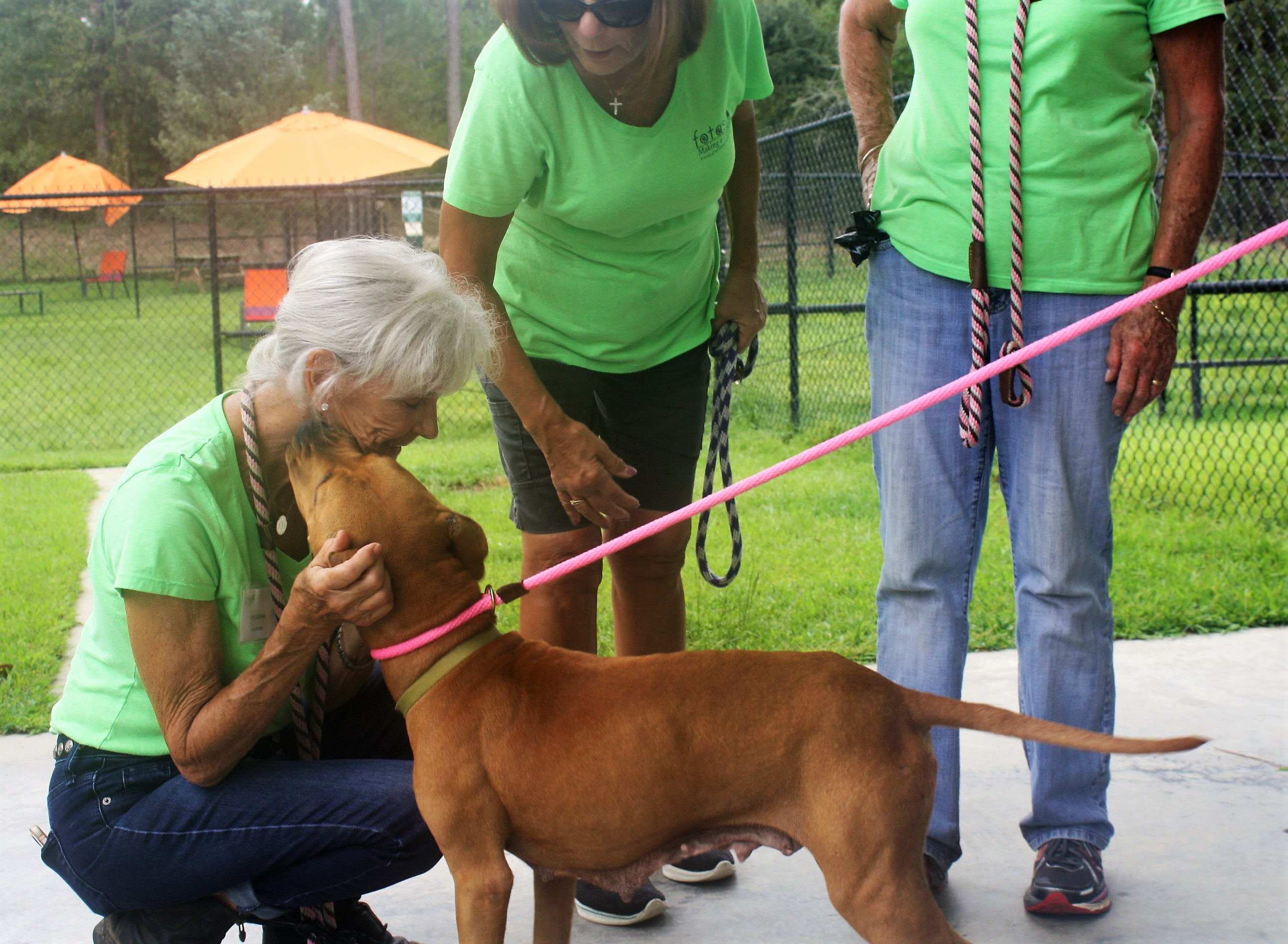
Skye gets some love from FOTAS Volunteer Karen Loughran before going on a walk with Volunteer Sharon Johnson.

Dr. Levy has released Skye, Queenie and Polo for adoption; King will be available once he gains a little weight. FOTAS will pay for heartworm treatments for those that need it. We work with them every day on their canine socialization skills. We can say without equivocation that these dogs are incredibly grateful and affectionate, capable of loving and being loved by humans.

Yes, chaining a dog to a fixed object all their life without access to shelter, clean water, medical treatment, and companionship (both human and canine) is cruel, yet most of the people who chain their dogs are not cruel. Maybe they lack resources, maybe it’s all they’ve ever known. There’s help for those folks — FOTAS provides animal control officers with humane runners and swivel/stakes to help them take their dogs off the chains.

For the others—the cruel and grossly negligent—that’s a matter for the animal control officers. It is illegal in Aiken County to tether dogs to stationary objects with chains all the time, but animal control can only save those animals if they know about it, so speak up! (County Animal Control: (803) 642-1537) Cruelty tips from the public can be kept confidential.

Help us take those dogs off the chains. Their lives are in our hands.

— By Joanna Dunn Samson, Vice President of FOTAS