

Tag Archives: foster

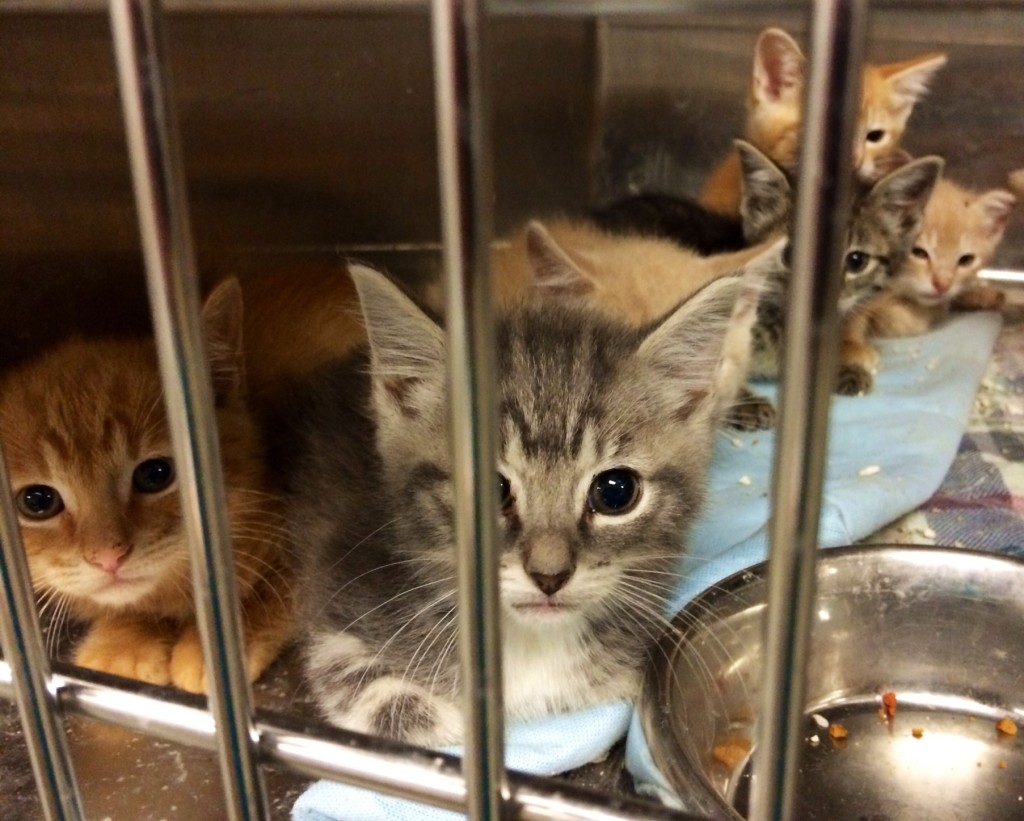
Kitten Fosters Needed to Handle Flood of Felines

By Bob Gordon, FOTAS Communications Director

Kitten season is here.

During the period from spring to early fall, an explosion of newborn kittens occurs across the country, and Aiken County is no exception. Currently, an average of two to three kittens a day are being dropped off at the Aiken County Animal Shelter (ACAS) and that rate is only going to increase in coming months.

Kittens are cute, fluffy and impossible not to love. But they also are some of the most vulnerable and at-risk animals in our shelter because they require so much time and special attention. This is especially true if their mother is no longer around to wean them.

That’s why the ACAS and FOTAS are urgently seeking volunteers to foster these baby felines.

The shelter needs people to take home and care for kittens until they are old enough to be adopted. This includes spending time with the tiny babes to help socialize and prepare them for their ultimate forever home. Although it can be a lot of work, fostering is also a rewarding experience. These volunteers are saving lives and helping kittens find families.

“To hold these tiny creatures in your hands and experience them responding to kindness having had little to no human contact is amazing,” said Cindy Paulson, one of the shelter’s kitten foster volunteers. “And looking down at them with their little alien-like ‘ET’ eyes so full of trust and wonder makes me feel like in the scheme of life, with all its craziness, I am doing just a little something to make a difference.”

FOTAS and the shelter not only provide fosters with food and other supplies; they are always available to provide guidance and support.

“FOTAS is there right by my side helping me, and they are sincerely as involved with each little kitten as I am,” Cindy said. “I am not alone in this and they make me feel confident with how to properly care for the kittens.”

Becoming a kitten foster is simple. Just come to the shelter at 333 Wire Road in Aiken and fill out a foster application. After your form is received, you will be contacted for a site evaluation, just to assure that the animal will be in a safe environment. Once the site evaluation is completed and you are approved, FOTAS will get you started.

“The reasons to foster kittens are many,” said Muf Fuller, another kitten foster mom. “They make you smile when you are greeted in the morning with multitudes of mini mews; laugh when they tumble and pounce on each other; and sigh when they nestle with each other as they sleep. But the most rewarding part is when you receive notice that a family has decided to adopt one or more of these little bundles of energy and joy.”

For more information about fostering kittens and other shelter animals, please call (803) 514-4313 or send an email to volunteer@angelhartlinedesigns.com.

Their lives are in our hands.
FOTAS volunteers make a difference for the County’s homeless animals

By Joanna D. Samson, FOTAS Vice-President

On any given day at the Aiken County Animal Shelter, FOTAS volunteers greet visitors, answer the phone, assist the County Adoption Coordinators, and coordinate on-site programs such as the Dog Ears Reading Program, birthday parties, yard sales or special events such as the Woofstock Dog, Cat & Music Festival (to be held in the fall of this year.)

FOTAS volunteers also work with the animals every day. Some cuddle and visit with the cats and kittens. Some walk the dogs on the trails around the property, often stopping by the lobby to hang out and hobnob with other volunteers and visitors. Some walk the dogs that have just had surgery. Some wash and groom dogs, while others play with the puppies in the segregated puppy pen.

In the newest program at the Shelter, FOTAS volunteers create and manage play groups in the yard consisting of multiple dogs on the adoption floor, giving them a much needed opportunity to socialize with their own kind and blow off some steam.

Volunteers are the lifeblood of FOTAS – through their and the County’s efforts over the past 7 years, thousands of animals have been saved and the euthanasia rate at the Shelter has dropped from 95% to 30%, an extraordinary accomplishment by any measure.

Is it perfect? No.

Can it be better? Yes, but until everyone in the county spays and neuters their cats, and the shockingly high intake numbers at the shelter come down, we need more people like you to commit time and resources to the 4,700 abandoned, homeless, abused and neglected animals that pass through the Shelter doors every year. We need such dedication from the community just to sustain this level of progress, much less build on it.

The Shelter and FOTAS particularly need more help in the summer months, when intake at the Shelter skyrockets and our volunteers take much needed time off to vacation with their family or beat the heat.

If you’ve ever thought about volunteering to help animals, now is the time. Perhaps you and one of your older children could volunteer together. Pick a time that works for you during operating hours at the Shelter, and we’ll make it work.

Tell us what interests you. Dog care and handling? Cats? Working at the front desk with other volunteers to greet the public? Short-term or long-term fostering? Fostering is a great way for your family to care for a dog or puppies without the commitment of owning a pet. There are so many possibilities, and the work you do with and for the animals makes an enormous difference in the lives of these unfortunate souls.

Don’t wait – call the FOTAS Hotline at (803) 514-4313, or email us at info@angelhartlinedesigns.com.

Their lives are in our hands.
 

Judy with Sandra July 24 2015 ref

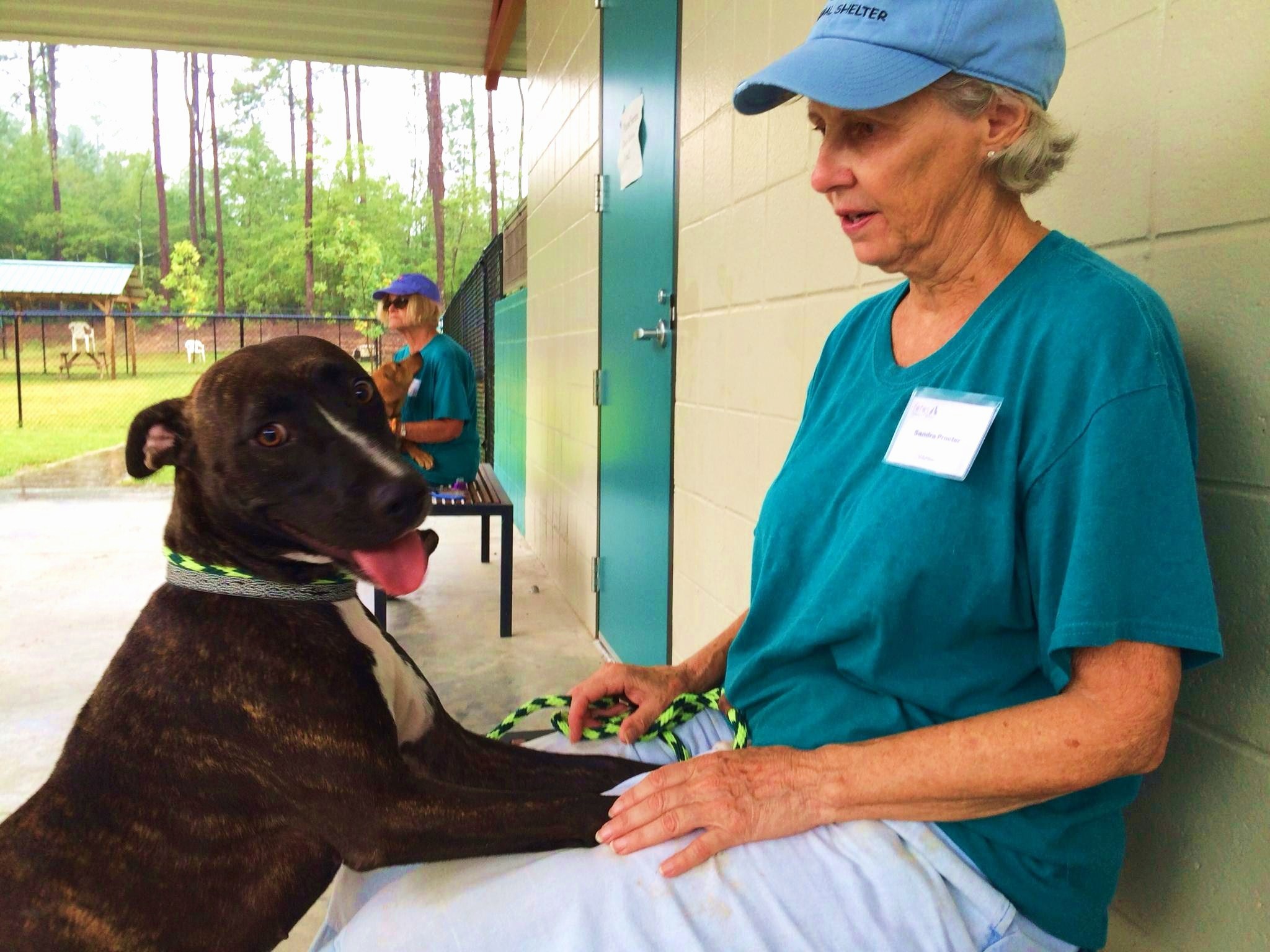
Above:  FOTAS Volunteer Sandra Procter comforts Judy, a sweet shelter dog.

10404387_775575675905680_2097047779266901543_n


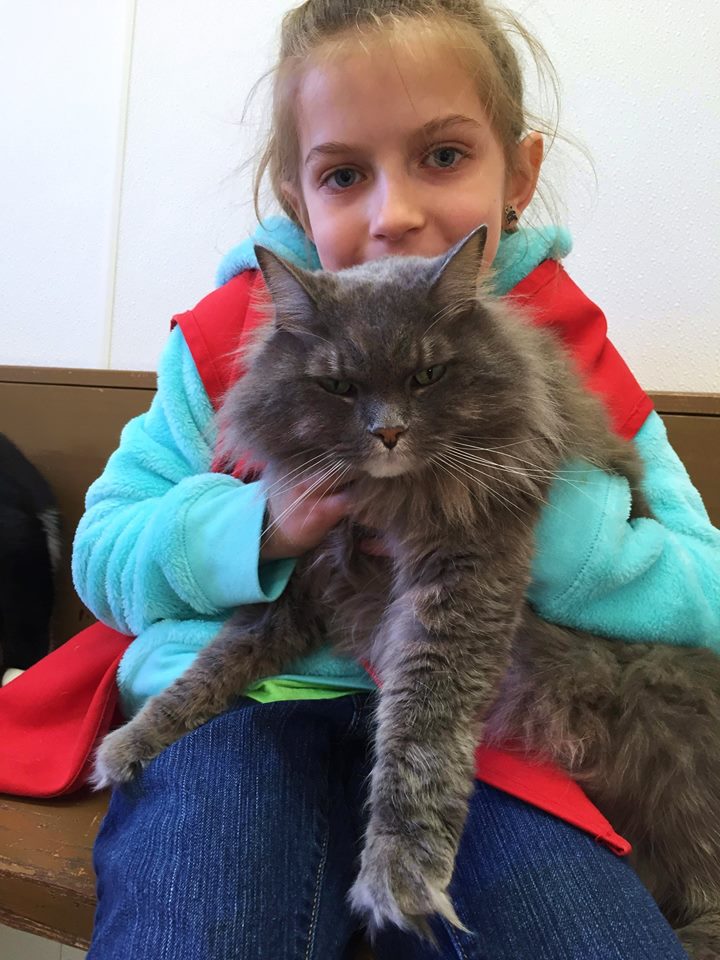
Above:  Young FOTAS Volunteer Holly Heiens with Munchkin the cat.

Trap/Neuter/Return: Best Solution for Fixing Community Cat Issues

By Bob Gordon, FOTAS Director of Communications With spring kitten season already upon us, now is a good time to become better aware of the County’s Trap/Neuter/Return (TNR) feral or community cat program. Two months ago, the Aiken County Council County passed a return to field resolution that made TNR a best management practice. TNR is considered to be the most humane and effective way of controlling feral cat population growth. Using this method, all the feral cats in a colony are trapped, neutered/spayed and then returned to their territory, where they continue to thrive on their own or sometimes caretakers provide them with food and shelter. Young kittens that can still be socialized, as well as friendly adults, are placed in foster care and eventually adopted out to good homes.
“Euthanizing all community feral cats does not reduce the cat population and instead just creates a vacuum effect in which more cats come into the colony and take the place of those felines that are gone,” said Aiken County Animal Shelter (ACAS) Manager Bobby Arthurs. “So, now the county is following the steps of hundreds of other communities that have reduced their homeless cat population through TNR.”
TNR is offered by clinics and veterinarians throughout the state and country. Bobby said the ACAS veterinary staff only has the capacity to do a strictly limited amount of surgeries per day, so if you plan to bring in a feral cat to be spayed/neutered, please call ahead to make an appointment. Statistics show that an unaltered male cat and an unaltered female cat and their offspring are capable of producing 781,250 kittens in a seven-year period. But this overpopulation can be avoided by trapping and immediately neutering and vaccinating community cats against rabies. Once fixed, the free-roaming community cats can be humanely returned to the field instead of being euthanized at the shelter. FOTAS, through its fund raising efforts and Fix-a-Pet Program, has paid for 803 community cats’ spay/neuter surgeries. It has also provided traps for people to catch community cats through its Fix-a-Pet Program (originally named Lenny’s Brigade). Kathy Bissell, who led the pilot program in 2012, says that when you remove the cats’ reproduction drive and females no longer have the stress from pregnancy, they do well living in a cat colony.
“The nuisance behavior often associated with feral cats is dramatically reduced through TNR, including aggressive behavior, the yowling and fighting that comes with mating activity and the odor of unneutered males spraying to mark their territory,” she said. The mantra of TNR advocates is, ‘No litters, no odors and no noise.’”
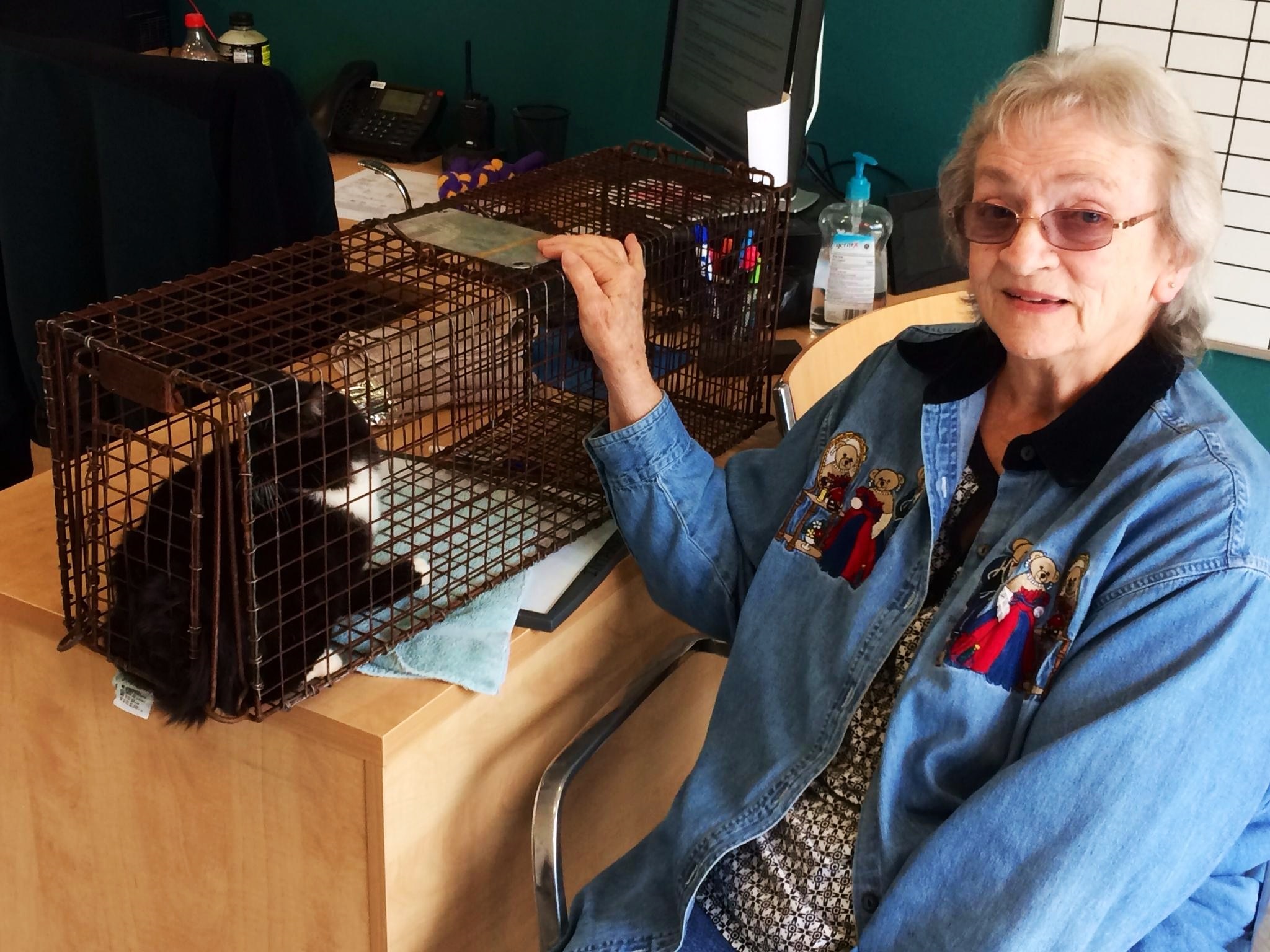
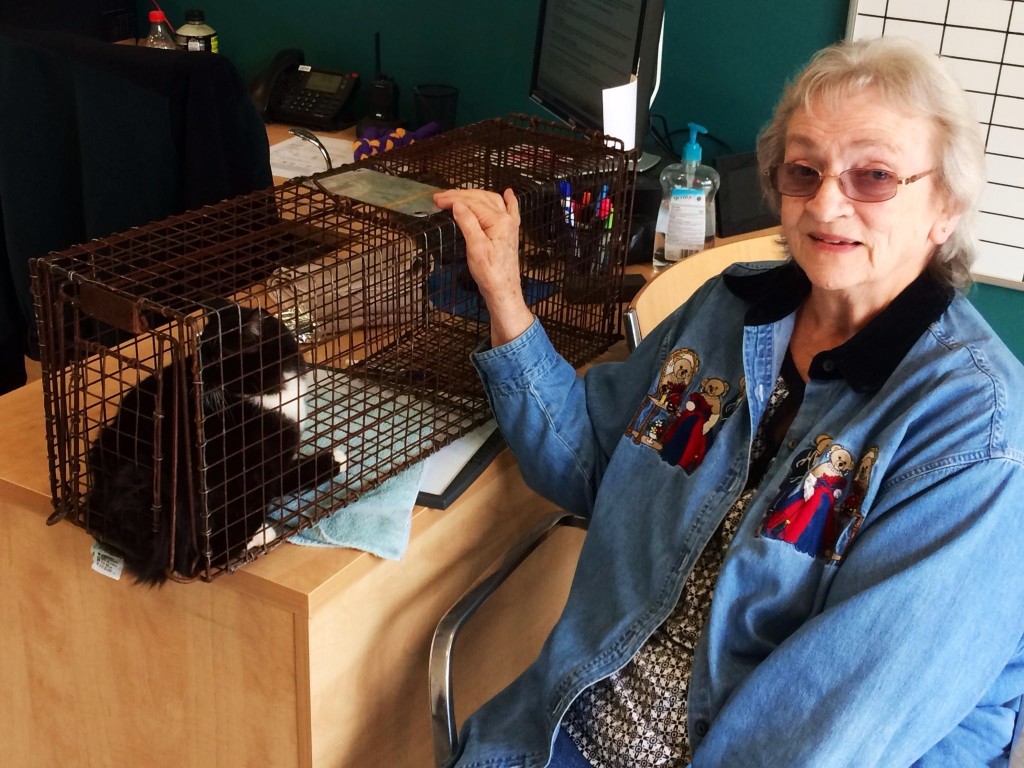
Other advantages of TNR: It immediately stabilizes the size of the cat colonies by eliminating new litters. It lessens the number of felines flowing into local shelters, which results in lower euthanasia rates and increased adoptions of cats already in the shelters. The returned, fixed cats prevent unneutered cats from moving in and starting a new cycle of overpopulation. The fixed feral cats continue to provide natural rodent control. TNR is the most effective and humane way to reduce the numbers of unwanted cats in the community and received at the shelter. Last year 1,286 cats had to be euthanized at the shelter and by doing TNR — and working together — we can reduce that number. Their lives are in our hands…   Ellen Parker brings a community cat to ACAS           Above photo: Ellen Parker of Aiken brings a community cat to the shelter to be neutered. Later, she will return the fixed cat to its colony. If you are bringing in a feral cat to be spayed/neutered, please call ahead because the ACAS veterinary staff can only do a strictly limited amount of such surgeries per day.

Warm weather increases the dire need for fosters

By Joanna D. Samson, Vice President, FOTAS

Spring has come to Aiken early this year. The days are getting longer, the azaleas are out, and everywhere you look, the landscape is awash in vibrant shades of green and splashes of color. It’s the season of rebirth, and most folks embrace the change of season after the cold, wet days of winter.

So why are we at FOTAS and the County Animal Shelter holding our collective breath when the rest of the community is in such a good mood?

Because we know that in short order the Shelter will be inundated with abandoned dogs and cats, homeless puppies and kittens, and an increasing number of strays, and we do not have enough foster families to help us handle this inevitable seasonal rise in intake.

We need foster homes—people who have the time and facilities to take care of dogs and/or puppies on a short-term or long-term basis until we can find them homes locally, or failing that, with a transfer partner in other parts of the country.

It doesn’t take much to be a foster. All you need is a secure, comfortable place for your shelter guest to sleep and play, the time to care for them, and dog-friendly pets (if you already have a pet). FOTAS and the Shelter will provide everything else if need be: food, crates, medicine, and assistance.

And you can choose to foster for only a few days or up to a few weeks. You would not be obligated to foster every time we ask. We are grateful for whatever time you can give us.

Most of our foster families take care of dogs that are scheduled for transfer to sister rescue agencies within the week. Placing them with a foster family allows these animals to decompress from the stress of the shelter environment before the journey to their new homes. Your Shelter guest, who is healthy and inoculated, does not have to sleep in your house if there is a secure, protected place outside of your home, like in a barn or a garage.

And here’s the thing: these animals are already spoken for, so there is no pressure on you to keep them. Indeed, it is just the opposite. We need you to let them go. It’s the same as, say, taking care of a friend’s pet for a couple of days.

We also need fosters who are willing to care for either mama dogs and their puppies, mama cats and their kittens or just puppies and kittens that have been abandoned to the Shelter. These little guys need to get out of the Shelter until their immune systems and inoculations are complete. Equally important, just like human babies, these helpless puppies need love and attention–lots of it. Typically, these commitments can be, depending on the age of the puppies, anyplace from 3 to 8 weeks.

Finally, we need fosters who are willing to take on the occasional special needs dog for 30 days or longer depending on the circumstances.

If you’ve ever thought about fostering, now is the time. Please call the FOTAS Hotline at 803-514-4313, or email us at info@angelhartlinedesigns.com.

Their lives are in our hands.
 

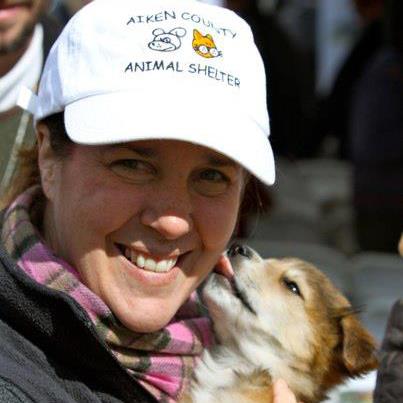
The photo above is of Girl Conger Wolcott, whose family has fostered hundreds of puppies over the years, cuddling with one of her puppy fosters.

The Shelter, FOTAS and the case of the scrawny yellow dog

By Joanna D. Samson, FOTAS Vice President.

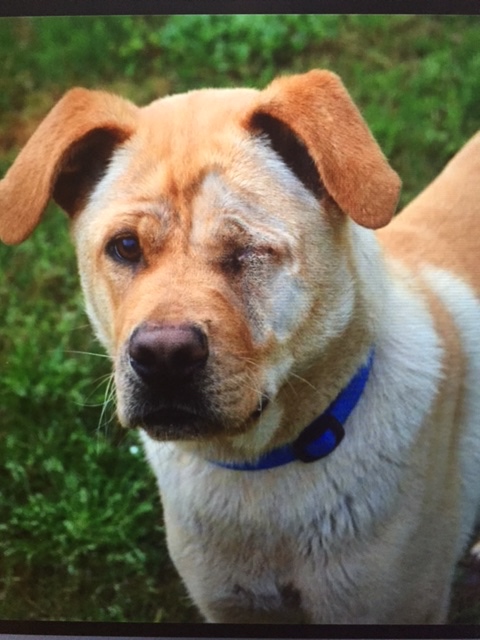
When the Aiken County Animal Control officer picked up the scrawny yellow dog roving the County roads, they were taken aback by his condition. His left eye was damaged. His coat was dull and matted. He had lost patches of hair all over his body, revealing irritated, scabby skin underneath. He was hungry and dehydrated. He had no collar and no microchip.

At the Shelter, Dr. Levy examined the frightened stray, and hard as it is to imagine, his condition was worse than it appeared. His left eye had collapsed. He was infected with Demodectic mange. He was heartworm positive. Under normal circumstances, the combination of these three costly and chronic medical problems, coupled with his overall bad health, might have led Dr. Levy to conclude that it was more humane to end his suffering – after all, the Shelter must care for close to 5000 animals a year, and it is difficult enough to find the resources to care for the healthy ones.

But the plight of the scrawny yellow dog tugged at Dr. Levy and the staff’s heartstrings. Although shy at first, he was affectionate, desperate to please, and even more desperate to be loved. Everyone– Dr. Levy, the Shelter staff, and FOTAS—agreed this dog needed to be saved. So when no one claimed him after the mandatory 5-day hold, we named him Seamus (pronounced Shaa-mus) and set about to save his life.

First, Dr. Levy surgically removed Seamus’ collapsed left eye. He came through surgery like a champ.

Second, the Shelter began treating Seamus’ Demodectic mange, which is the non-contagious form of mange that can be cured with daily medication for 60-90 days.

Finally, although Seamus tested positive for heartworms, because of his age (Dr. Levy estimates he still young, probably about a year old), it is unlikely that the heartworm microfilaria (the heartworm larvae spread through the bite of a mosquito) has had an opportunity to develop into advanced heartworm disease.

Accordingly, Dr. Levy concluded that Seamus’ heartworms could be treated through the “slow kill” method, which involves administering an initial course of antibiotics, followed by monthly ivermectrin (HeartGuard), which is the same oral medicine every southern dog should take to prevent heartworms.

The Shelter and FOTAS have provided the resources to restore Seamus to good health, but his ultimate recovery depends upon you, the community.

Seamus desperately needs to recover in a home environment, because the inevitable stress of life in a crowded, public shelter will exacerbate his mange and compromise his immune system. Ideally, a forever home would be best. Short of that, if someone could foster him until he finds a forever home–that will work, too. The Shelter will provide his mange medicine and regular checkups, and FOTAS will pay for his heartworm treatment for 6 months.

Please, help us find the sweet, shy, 1-year-old, 45-pound Seamus a place to live, a home, and people to love him and care for him – all the things he deserves, but never had.

His life is in our hands.

FOTAS Transfer Program is Vital to Our Mission

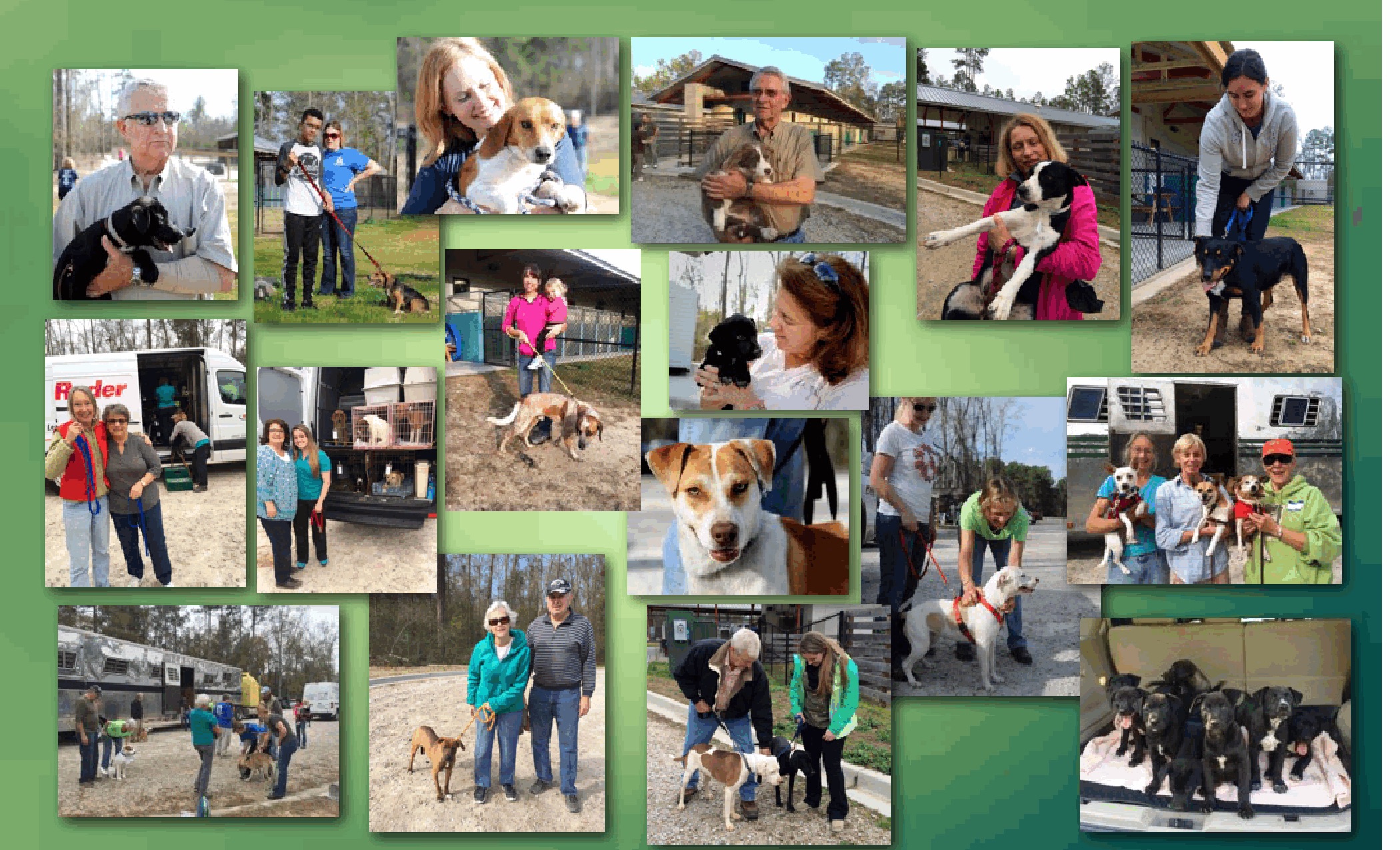
FOTAS and Aiken County have developed a network of no-kill rescue facilities in other regions of the Country that are willing and able to take the County’s Animal Shelter dogs, puppies, cats & kittens and place them in forever homes. FOTAS organizes and funds the transport of the transfer animals to the other rescue facilities as needed.

The Transfer Program has proven to be an important aspect in our ability to save more animals.

Collage_000001

Diary of a Foundling

By Joanna D. Samson, FOTAS VP

Day 1

I can’t remember how I got there; I only remember I was scared out of my wits. I was on the side of a road. It was noisy. Cars and trucks flew right past me . . . so close! My mind went blank. I couldn’t move. I couldn’t stop shaking.

A car pulled over, and a lady got out and ran over to me. I tried to make myself little because, well, I don’t know, I was confused. She held out her hand, and I inched over to her, hoping she was a nice lady. She scooped me up, clutched me to her chest, and sprinted back to her car.

Inside the car was quieter, but still, I was worried. I didn’t want her to put me back on the road, so I sat quietly so she would know I was a good girl.

When the car stopped, I started to shake again, afraid of the road. But she took me inside a place called a shelter and handed me to another lady, who took me in her arms and said, “Poor baby! Look at that! She’s lost an eye.”

I did? An eye? I didn’t think so. I lost a ball once in the yard . . . but an eye? Nope, didn’t ring a bell.

The next thing I know, I’m on a steel table and a lady wearing a white coat poked and prodded and looked into my ears and then flashed a light on my face. After a few seconds, she clicked off the light, scratched behind my ear and said, “Well, puppy, you never had an eye to begin with, did you?”

Exactly! What a relief! The only thing I ever lost was a ball, and truth be told, it was that blasted cat’s fault. It was all too much. I needed a nap.

Day, uh . . . well, some other day

After the whole eye thing was resolved, another lady named Foster picked me up and took me to a nice house with a big yard and two other dogs, who were a little miffed at first, but in no time we were all great buds and chased each other all over the yard just for fun. I had my own soft bed and great food twice a day (never enough food, but I didn’t complain.)

Another day

After a bunch of glorious days, Foster put me in the car one morning without my pals. She seemed sad, so I laid my head on her lap to make her feel better. We drove back to the shelter, where there was another big car with other dogs in crates. Uh oh. Now I was worried.

But Foster hugged me and told me what a good girl I was and how I was going to the best place ever. Could there be any place better than at Foster’s with my pals? I didn’t think so, but I knew Foster would never let anything happen to me. I licked that salt water off her face, hopped into the crate, and settled in for a nap. I was ready for the best place ever. I was ready for a home.

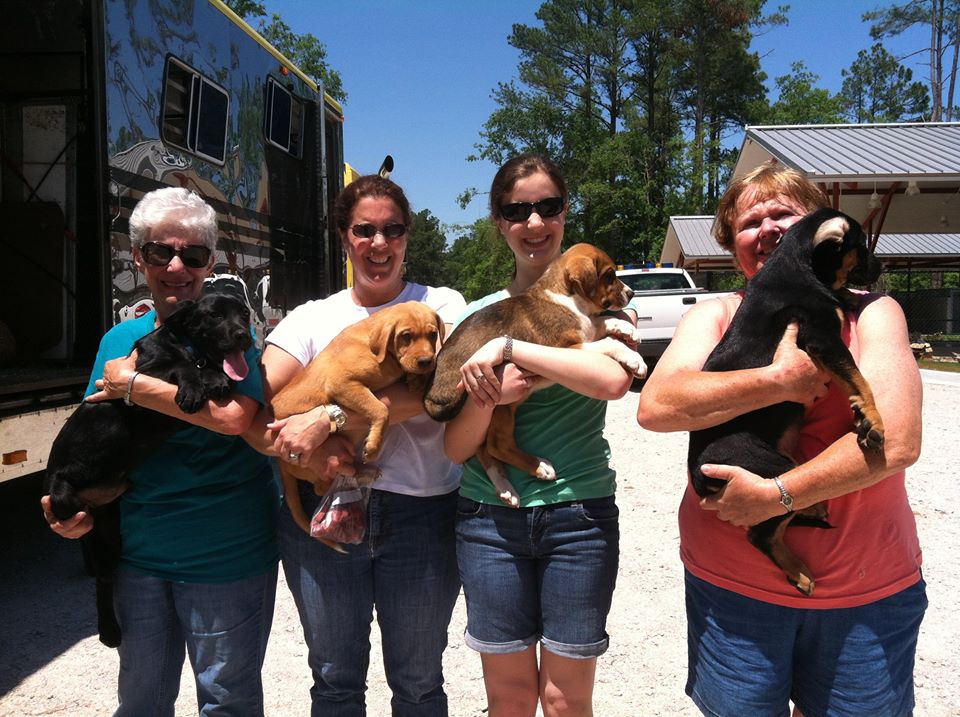
Every year, hundreds of puppies are abandoned in Aiken County. FOTAS and the Shelter provide medical care and place many of them into foster homes until they can find homes locally through the shelter or with a transfer partner.

Their lives are in our hands.
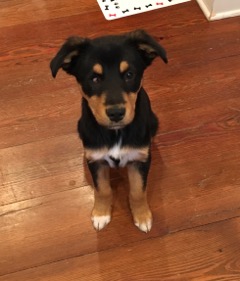
In the photo above, thanks to FOTAS, the one-eyed foundling is growing up in her forever home in New Jersey.

The Stars come out at the Aiken County Animal Shelter

By Joanna Dunn Samson, Vice President of FOTAS

Last weekend the stars were out at the Aiken County Animal Shelter, where many of the resident Stars came out to walk the red carpet and meet their adoring public. The excitement in the air was palpable.

“Everyone gets so excited about the Academy Awards,” says Ellie Joos, FOTAS Board member and volunteer, “but the real action is happening right here on Wire Road. The canine and feline stars at the Shelter are nothing short of phenomenal.”

Here are some of the winners of the 2016 Aiken County Petacademy Awards.

The award in the Most Affectionate category went to Trey, a 2 year-old black lab mix. Trey is very shy and a Hall of Fame love bug who would just as soon snuggle up to your leg than almost anything in the world, with the possible exception of eating.

“I am most grateful to the Academy for this award,” panted Trey, edging closer and closer to my leg. “I can’t wait to find a home where I can share all this affection!”

The Best Hugger and Kisser award went to Shakespeare, a 3 month-old golden puppy with a huge heart and a long tongue.

“Whoa!” cried Shakespeare, with a wiggle and a shake. “You mean I get an award for hugging and kissing? You think I could get one for scarfing down those tasty little beef treats?”

One of the biggest surprises of the day: 3 year-old, golden brindle Brutus took home an award in The Most Bashful in a Large Body category. Weighing in at 93 lbs, this big boy Hall of Famer and Pet of the Week is so shy, he’d like to spend his life with his head in your armpit. In fact, if you could fit his food bowl in your armpit, too, he’d be a happy man.

“Bffdd?*&&& hnnt!!f3 djjjfddd,” mumbled Brutus.

“Brutus thanks the Academy for its recognition,” interpreted Kathy Jacobs, his agent, “and he hopes one of his fans will take him to a forever home where he will always be safe.”

The Lifetime Achievement Award went to Madam Mim, a 9 year-old, dark gray shaggy terrier mix who was found wandering the streets without identification and with cataracts, tumors, and broken teeth. A sweet, quiet dog, Miss Mimm said, “After the kindness of the folks at the shelter and the amazing medical care administered by Dr. Levy, the shelter vet, my faith in humanity has been restored. I look forward to living out my years basking in the love of my furever home.”

Finally, the award for Most Nurturing to Every Living Thing category went to Lindy, a 4-year old white bully mix with gray markings who loves all people, kids, dogs and cats she meets. Her acceptance speech was extraordinary.

“The world would be a better place, “ said Lindy, giving her fellow nominees a soft nudge, “if everyone would adopt a dog from the shelter and stay home and give hine-y rubs. Then, finally, the world will know peace.”

There wasn’t a dry eye in the house.

Please don’t wait to make one of the Shelter stars the light of your life. Their lives are in our hands.
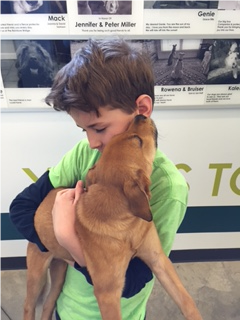
Yeva, a County Shelter “Hall of Famer” speaks out for the Bully breeds

By Joanna D. Samson, FOTAS Vice President

When that nice FOTAS lady, Kathy Jacobs, asked me, Yeva, a stray nobody from no place, to be a spokesperson for my kind, I was proud to be asked, because my kind are the most misunderstood and mistreated breed of the canine world: we are the bully breed mixes, the pits and the pibbles.

We are easy to recognize, what with our noble, square heads; huge, goofy smiles; long tongues; and muscular physiques. But our truly best attribute is this: we adore our human companions, particularly the little ones, with the steadfast devotion of a canine Mother Theresa.

We are also great Americans. Thousands of my kind served as proud mascots for our troops during wartimes and were celebrated on World War I posters – Hall of Famers! Today, the tradition continues as many of us are trusted service and companion dogs for our veterans. Just like the American people, my kind are brave, generous of spirit, and able to rise above hardship and succeed, no matter how humble our beginnings.

Take me, for instance. My experience with humans had taught me to stay clear at all costs, but to my great surprise, the humans at the shelter were different. They spoke quietly, touched me softly, fed me regularly, and stopped by my kennel frequently just to chat. I began to trust them. I began to love them. They loved me back! I was wild with joy.

In one short month I went from a petrified, lonely stray to a Hall of Fame love bug and a spokeswoman for my kind. Is that an American success story or what?

Would I rather crawl into your lap than lay by your feet? Does my Hall of Fame kissing get a little sloppy? Yes and yes – guilty as charged, but I’m always gentle with the little ones, and I’ll fetch anything you throw all day long.

Then there’s my young friend, ChaCha, another shining example of American resilience and fortitude. She, too, was a homeless scared nobody, but after a little care and kindness from the Shelter staff and volunteers, she overcame her sad past and rose to Hall of Fame status in the Wiggle, Drop, Roll and Love-up a Human category. Whoa! That ChaCha’s downright breathtaking.

You see, it’s not just the brave mascots and the dedicated service dogs that are Hall of Famers – all of my kind on the adoption floor at the Aiken County Animal Shelter are Hall of Famers or else we wouldn’t be there. We are, quite simply, awesome.

FOTAS wants to hear about your Hall of Fame bully dog. Upload a photo to the FOTAS Facebook page, www.facebook.com/FOTASAiken, by March 20th and tell us about your Hall of Fame pet. The photo entry with the most “Likes” will win a large gel dog bed and 10 pounds of dog biscuits. How cool is that?

In the meantime, if you are looking for your next best friend at the Shelter, don’t just walk by us Hall of Famers. Yes, we may be very excited to see you, but if you give us a chance, we’ll dote on you forever.

Our lives are in your hands.

In the Yard

By Joanna D. Samson, FOTAS Vice President

On a recent morning in the yard of the Aiken County Animal Shelter, a sweet, quiet dog named Alexa was basking in the sunshine when a dark brindle puppy named Terry scrambled to her side, volunteer in tow.

Alexa gave the puppy a friendly sniff. “Hey, little guy, you new here?”

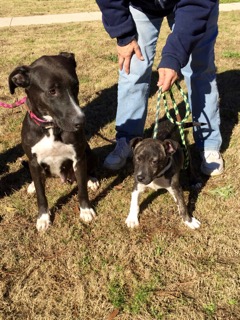
“I am,” wheezed Terry, straining against his leash. “It’s all so confusing. I had a sister and we were on the side of a road and I don’t remember how we got there and then this man stopped and put us in a truck and brought us here.” Pant. Pant.

“And we were so scared and then we were in some room with other dogs and we got had to get shots and Oh! I hate shots and then we had to get a bath and Oh! I hate baths, too.” Pant. Pant.

“And then some lady took my sister and I had to sleep by myself and if that ain’t bad enough, I heard some volunteer say: ‘Every dog must get sprayed and tutored before they leave!’” Having worked himself into a frenzy, Terry rolled on his back and wailed, “I hate getting sprayed and I’m too young to be tutored!”

Alexa licked Terry gently on the ear. “Whoa, little man, slow down! I know it’s scary, but it’s going to be okay, I promise. That nice Kathy Jacobs, FOTAS’ new part-time staff person and program coordinator, will check on you every day. You get two meals a day and a warm place to sleep. That’s a big deal for me. I used to sleep in the dirt under a leaky porch.”

Terry stopped gnawing on his leash and cocked his head. “Hmmm … yeah, the food …”

“Plus, every day the FOTAS volunteers come and take us for a walk. They rub my tummy and scratch behind my ears – I’m talking world-class ear-scratching here. Sometimes they throw me a ball and sometimes we just hang out by the bench, watching the world go by. When we go back inside, we get a toy and a treat. Then it’s naptime. It’s a good place to wait for our forever family.”

Terry attacked a leaf fluttering across the yard, ripped it to shreds and spit out the pieces. “Family? What’s a family?”

Alexa wagged her tail. “A family is nice humans who take you to their home and love you forever. With your cute white leg and one blue eye, you’ll find a home in no time.”

She sighed, dropped to the ground, and laid her head on her paws, a little sad. “Me? Well, I’m a little older and kind of saggy. I’m also heartworm positive, but Dr. Levy says I’m not sick, and I’m being treated, and I shouldn’t give up hope.”

Terry eyed his volunteer’s shoelaces and sized up the odds of catching that one floppy piece on the first try. One should never give up hope, he thought, and pounced.

Alexa and Terry are ready for their forever homes. Alexa is 3 years-old, spayed, and very well-mannered. Terry is a neutered (not tutored) 10 week-old, happy, frisky puppy.

Please don’t wait. Their lives are in our hands.