



Tag Archives: kittens

ACAS Is Your Chief Resource for Upcoming Kitten Season

A flood of kittens is about to hit the area. It happens every year, starting in April, peaking in July and August, and sometimes continuing into November. Feline babies of every color, fur length and breed type will soon be popping up throughout the country – including Aiken County.
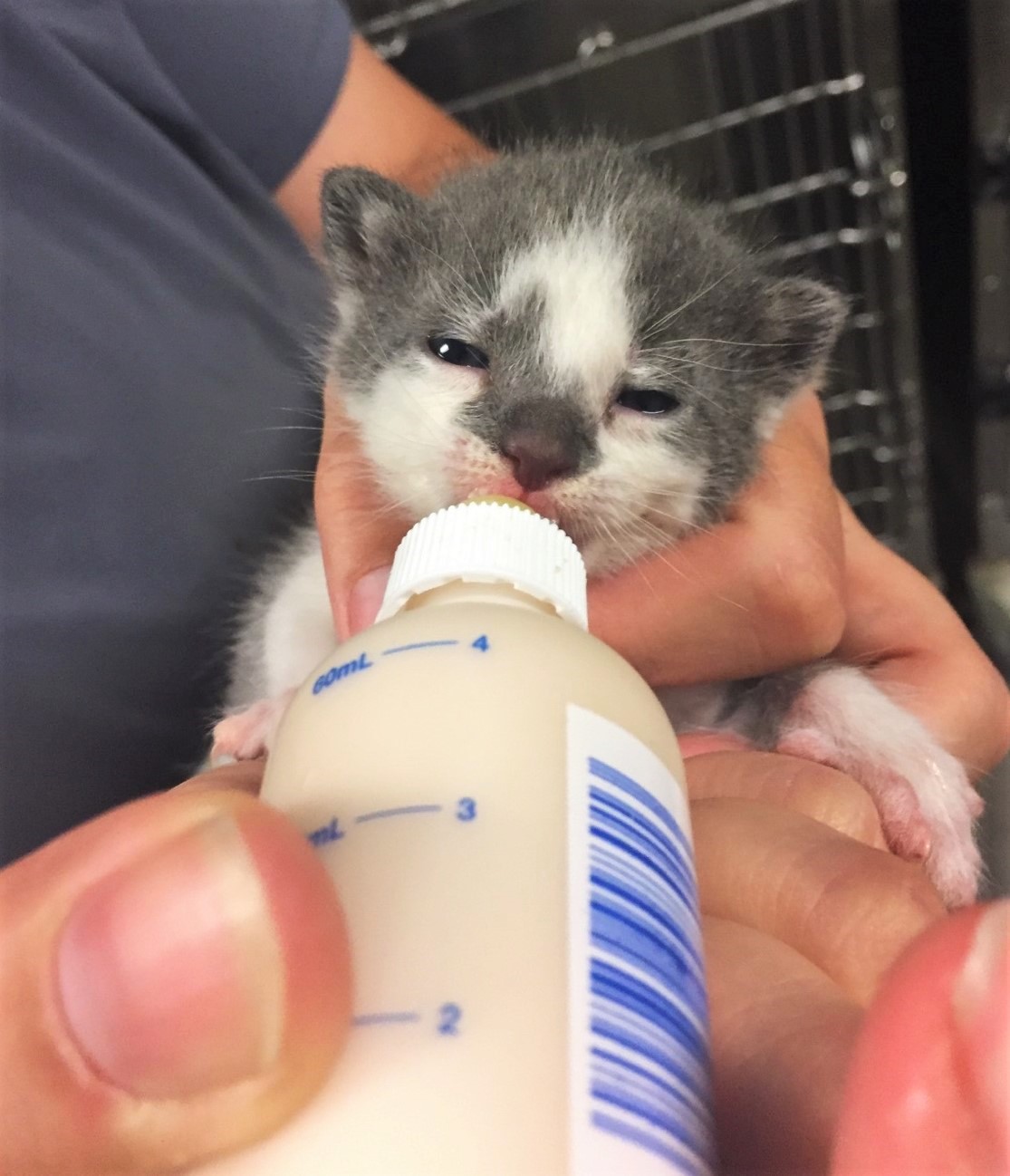
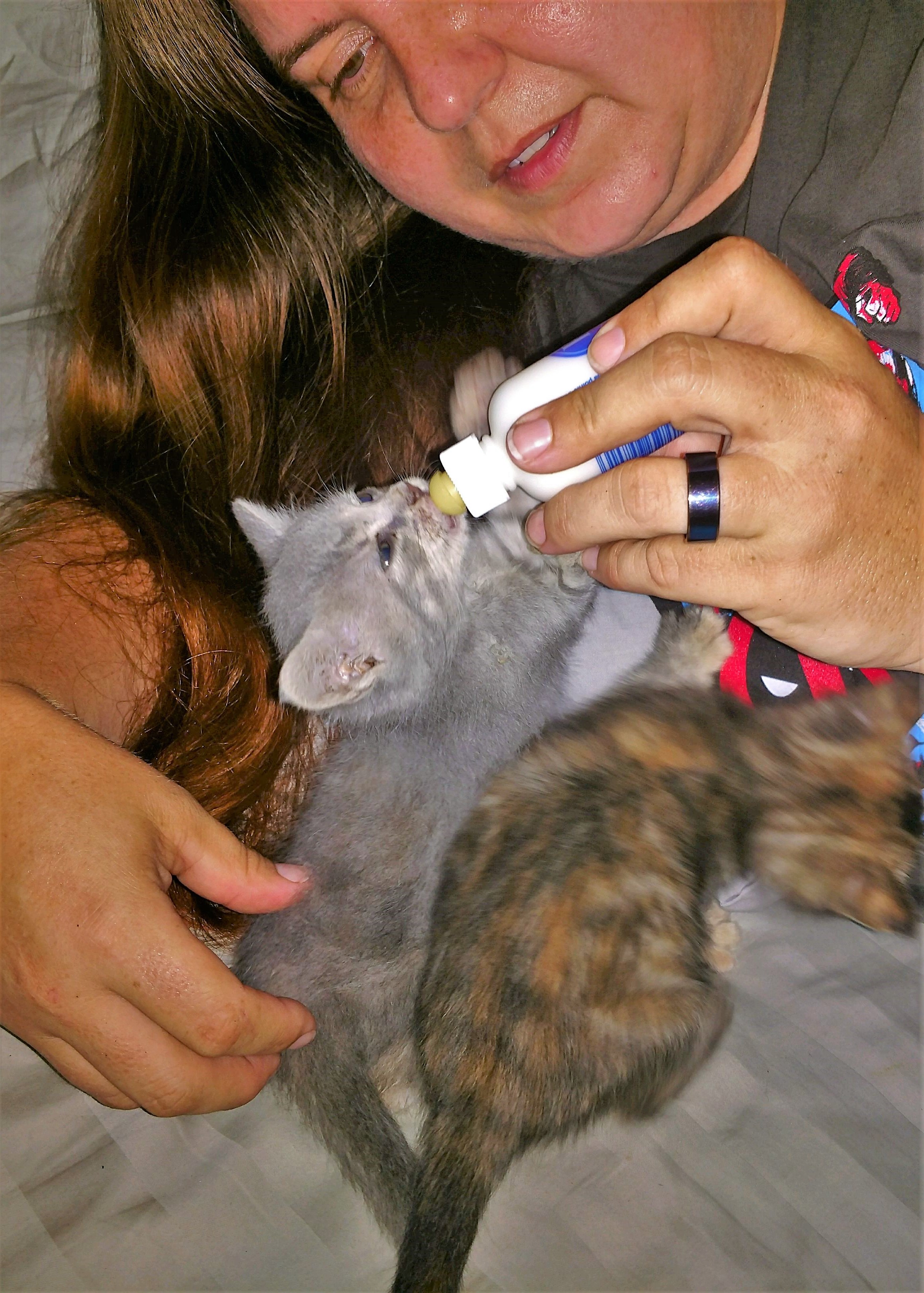
A kitten is bottle-fed by a foster volunteer.

Here is what you can do to help.

Remember that mama knows best
Before you pick up any kittens, determine if the kittens’ mother is around. Kittens do best when they are with their mother, who instinctively knows how to nurture and protect her young, ensuring they grow up strong and healthy. The mother’s milk is crucial to providing the kittens powerful nutrients for their immune systems. If the kittens are underage (less than 2 pounds or younger than eight weeks old) and mom is still around and taking care of them, leave the kittens where they are until they are weaned. To help the mama cat, you can provide shelter and put out food nearby.

If the kittens’ mom is not around, wait at least two hours to see if she comes back. If she doesn’t return, foster the kittens (or find someone who is willing to foster) until they are at least two pounds. This is done through bottle-feeding the kittens until they are ready to eat on their own.

Foster orphaned kittens until they are old enough to be adopted
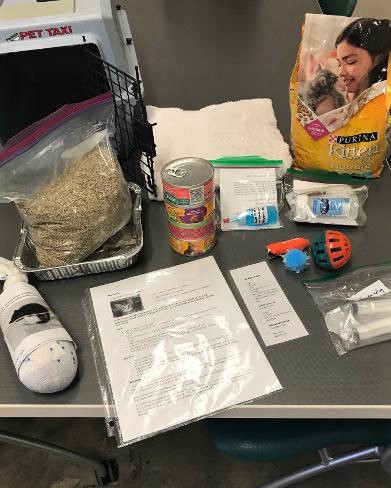
FOTAS provides “kitten kits” containing supplies you need to take care of the kittens until they are old enough to come to the Aiken County Animal Shelter (ACAS).

While kittens under four weeks old need to be bottle fed, older kittens just need a little of your time to nurture and socialize them, as well as make them feel loved.

“Even if you have just 20 minutes twice a day to be with your foster kittens, it is more than we have the capacity to do at the shelter,” explained ACAS Adoption Coordinator Hillary Clark-Kulis. “If you can help us by fostering, we will make sure they are adopted to loving homes.”.
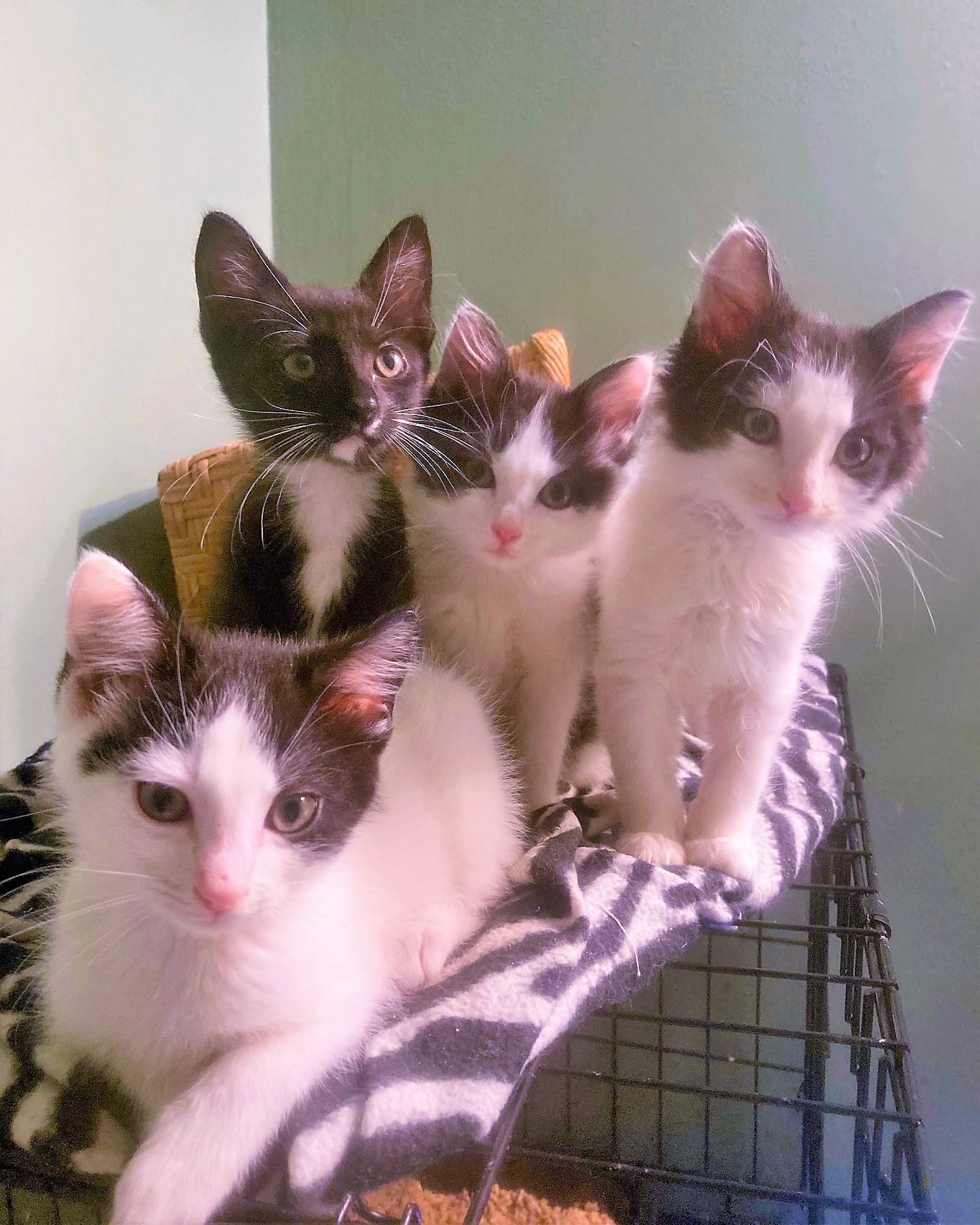
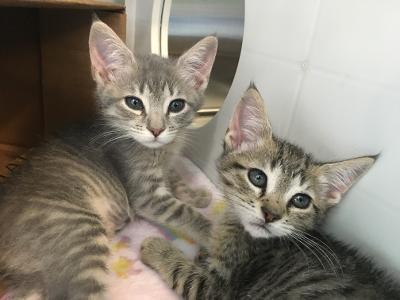
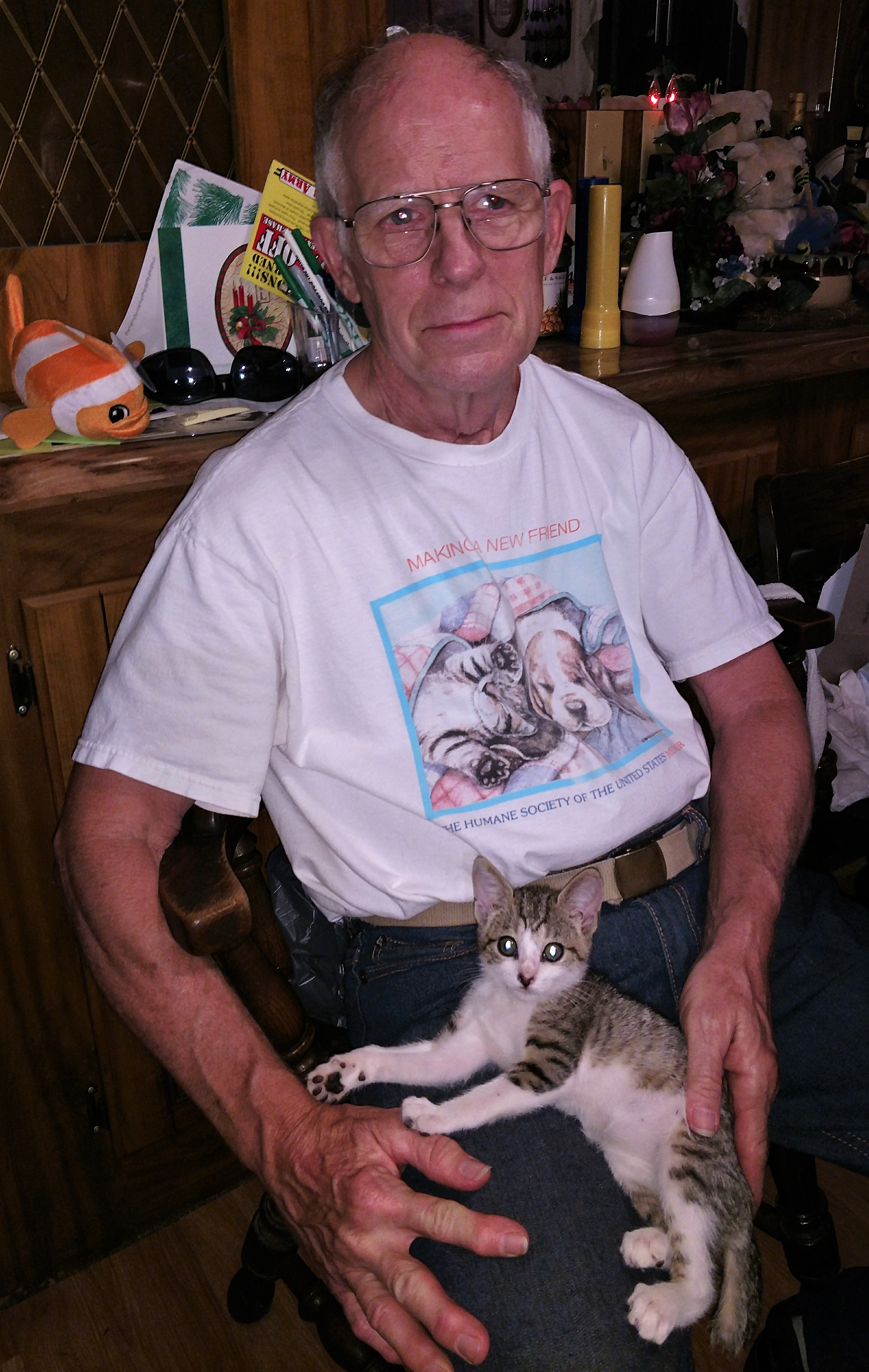
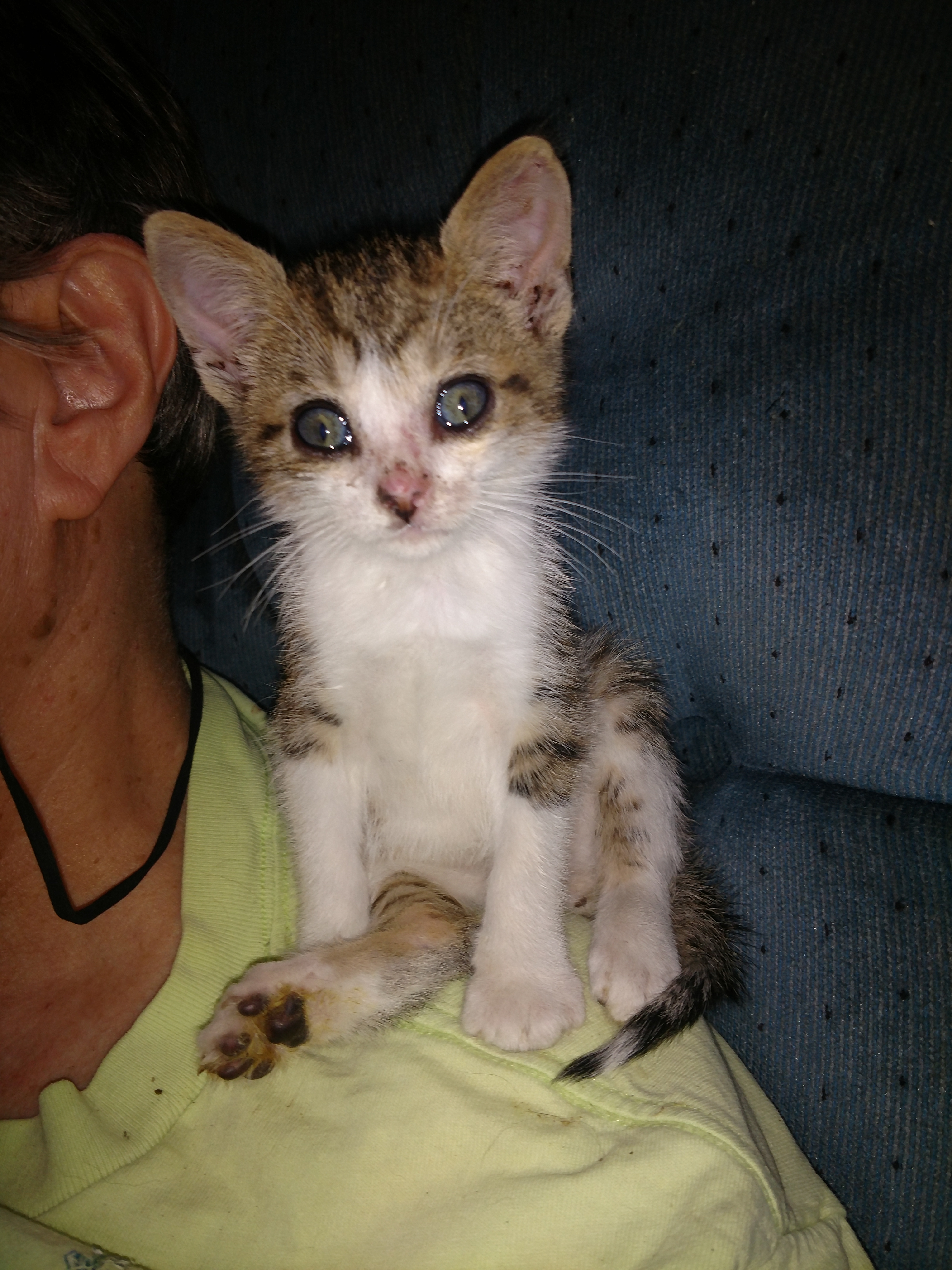
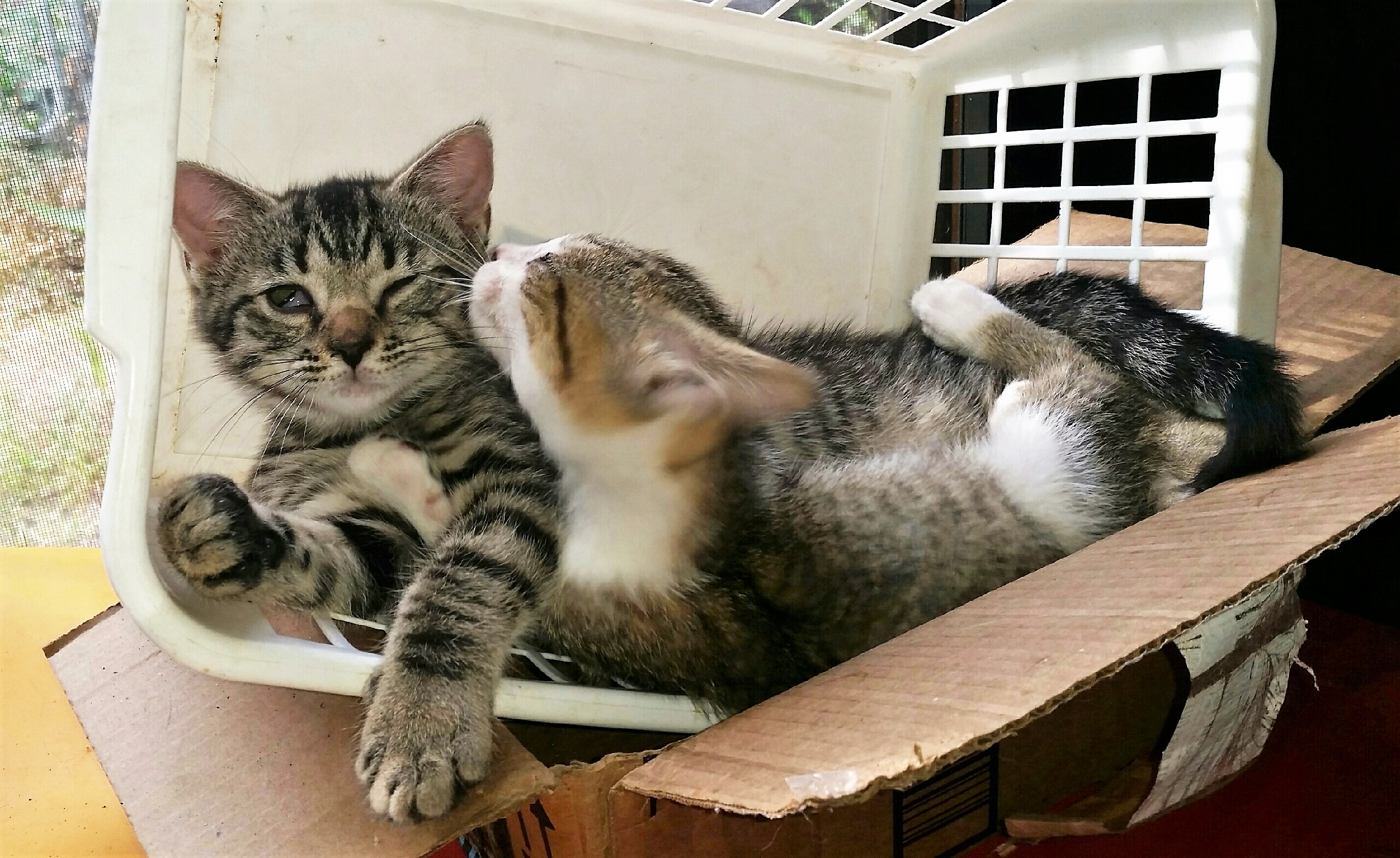
Wisp, Willow, Breezy and Bubbles were found wild and dirty. But after a few weeks in a foster home, they were healthy, social and adoptable.

If you are unsure of the kittens’ age or care needs, you can bring them to the shelter for assessment and we can help you decide on a plan for adoption or direct you to other options, such as our TNR (Trap, Neuter, Return), which is free to Aiken County residents, or the spay/neuter voucher program. You can also call the shelter for counsel.

Fosters are needed for kittens in 2021
Because citizens are sometimes unable to bottle feed and socialize the kittens they find, we have a small team of FOTAS fosters who take in babies and give them the care they require. These amazing volunteers save many feline lives each year. To join this special team, please go to the FOTAS website (fotasaiken.org) or call the shelter at (803) 642-1537.

Their lives are in our hands.

— By Bob Gordon, FOTAS Communications Director
County Shelter Pets in Need Find Fantastic Forever Homes

When you adopt a homeless pet from the Aiken County Animal Shelter (ACAS) and walk out the door with your new furry companion, staff members don’t just file your paperwork, wave good-bye and wish you good luck. They make sure you and your pet are happy and doing well.
Here are emails received from recent adopters we followed up with (some have been edited for space):

Gator is a hit in his new home.

Bonded kittens adapting well to new home
Boots and Tux are doing very well. We are so glad we adopted both of them and feel it would have been a big mistake to separate them. We recommend your shelter to everyone we talk to because we have had such a positive experience. Keep up the great work!

Ruth Leazer

Gator is enjoying his new life
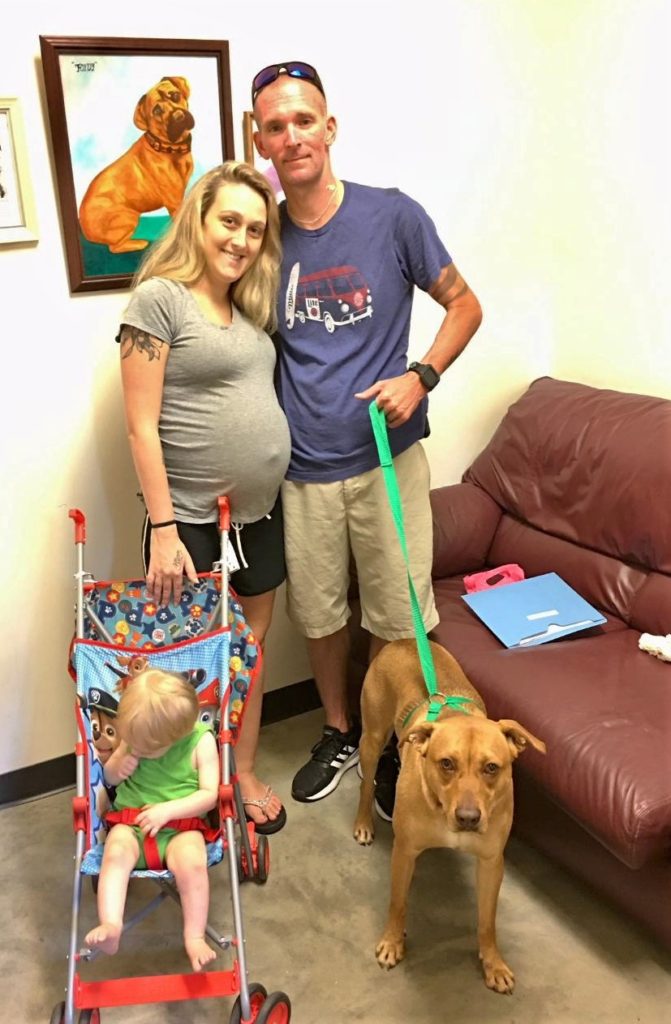
Gator loves his new fur brothers and sister. He also loves Joey, our 9-year-old. He sleeps and plays with him. Gator is healthy as an ox and enjoying life. We can’t thank you enough! He is a big part of our lives!

Angela Miles

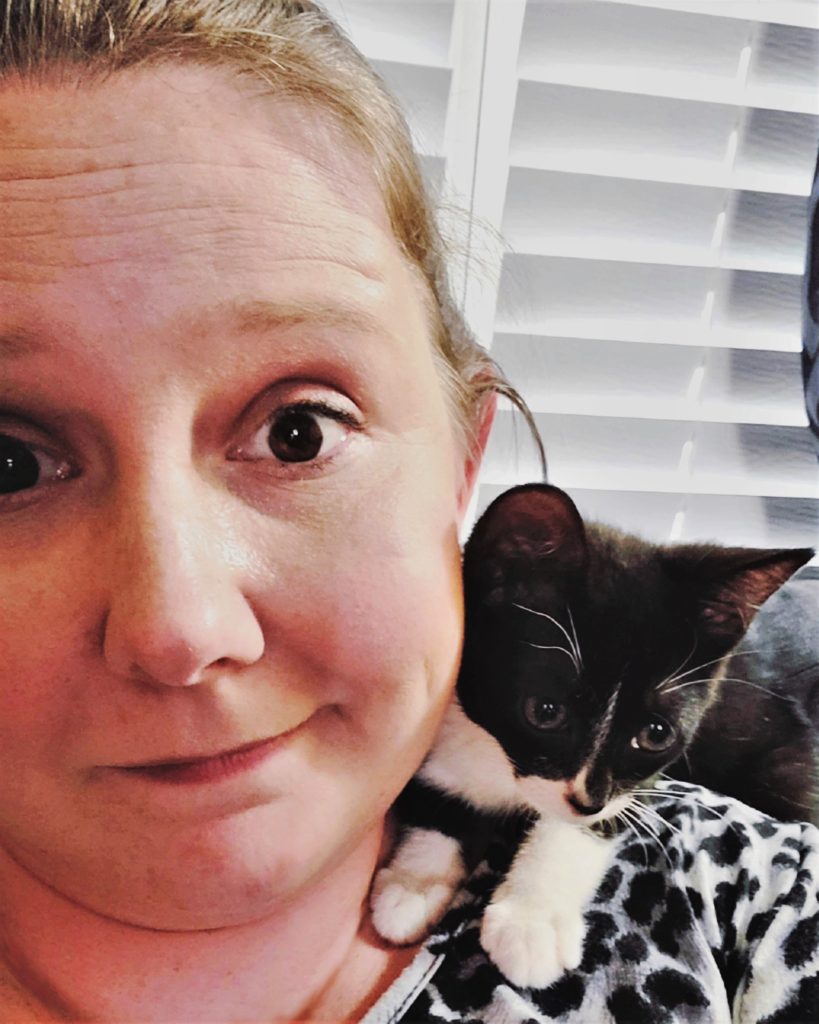
Binx relaxes on his new human sister’s shoulder.

Binx beats his fear, then makes himself at home
Binx was very scared the first few days and didn’t want to come from the bathroom. But now he has made himself at home. He’s gentle with all three of my kids and lets them hold him as much as they want. He sleeps with my 6-year-old every night. His favorite place in the house is the window seat where he watches the squirrels until he falls asleep. He’s the best cat ever. We love him so much!

Lisa Robinson

Everybody loves Ringo
Hello! Ringo is doing great! Loves all her new siblings and they love her! Her new name is Willow. Thanks for checking in!

Mikky Glidden

Ringo (left) with his feline family member.

Boz is a big mush who loves belly rubs
Boz is doing fabulously! He was frozen in place when we first got him, but now he struts around confidently. He loves playing with tennis balls and is big mush who falls over for belly rubs. He jumps up on the bed and wakes me up with kisses every morning. He really has been a joy! We are working on obedience and he now knows how to heal, sit, and lay down on command.

Courtenay Khoury

Boz (left) and his new best friend and canine brother.

Kimber is the perfect family addition
It took a little while for Kimber to trust the dogs, but they play quite a bit now. Our pittie, Riley, absolutely adores her. She has also bonded well with our other cat, Stella. They are inseparable! Kimber is a very affectionate love bug who loves to play and watch TV but most of all, cuddle. She’s the perfect addition to our little family!

Carrie Betterly

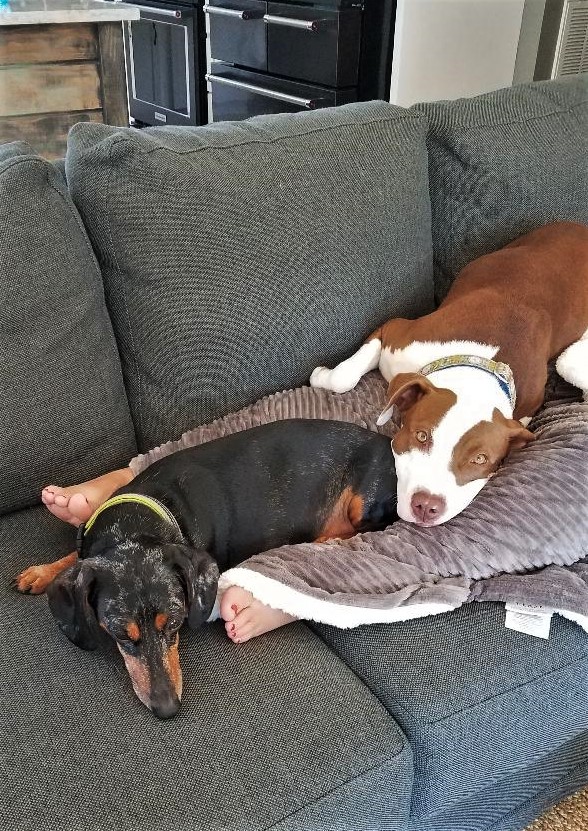
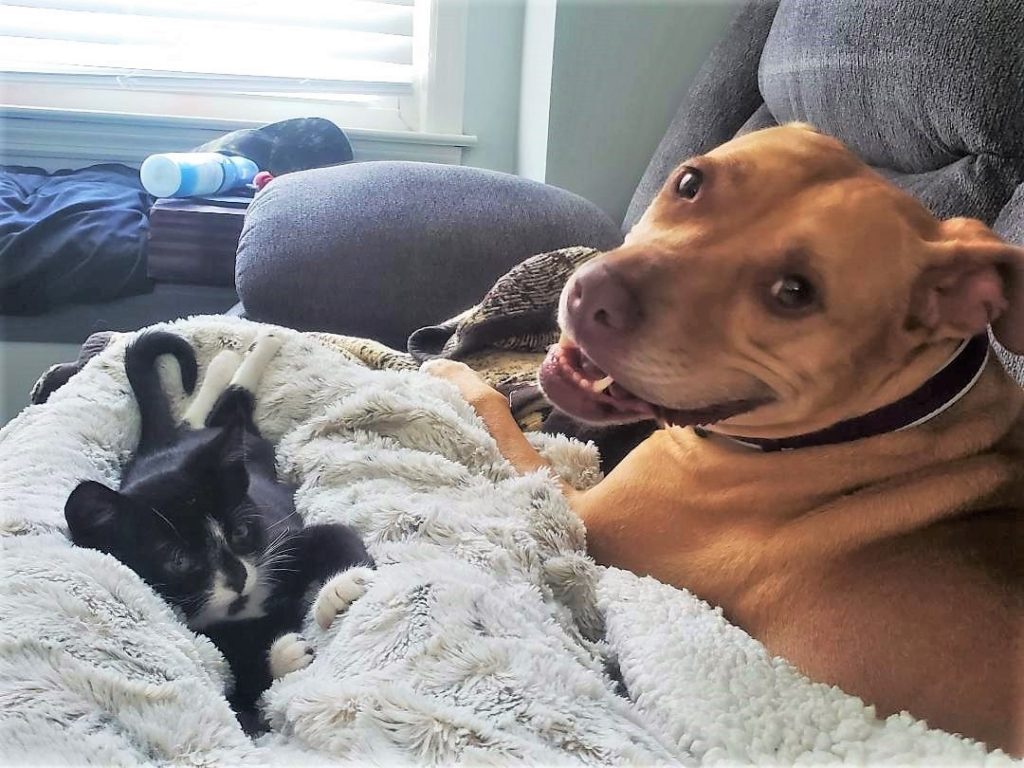
Kimber in her forever home with Pitty mix Riley.

— By Bob Gordon, FOTAS Communications Director

Fosters and Citizens Step Up and Save Lives During Kitten Season

Kitten season is upon us. A female cat can go into heat at any time of year, but the majority do so between May and November, and it puts a tremendous strain on animal shelters and rescues – including the Aiken County Animal Shelter.

What to do if you find kittens
With so many kittens being born during this period, you might spot them in your yard or while taking a walk in your neighborhood. But what do you do if this happens? It depends on a number of factors – but before you do anything, determine if the kittens’ mother is around. Kittens do best when they are with their mother, who instinctively knows how to help her offspring grow up to be strong and healthy. The mother’s milk also is crucial to providing the kittens powerful nutrients for their immune systems.

Kitten season takes place from late May to Nov.

Depending on their age and condition, here are your three choices if you find kittens:

1. Leave the kittens be. If the kittens are underage (under 2 pounds or younger than eight weeks old) and mom is still around and taking care of them, leave the kittens where they are until they are weaned. To help the mama cat, you can provide shelter and put out food nearby.

2. Take the kittens into your home. If the kittens’ mom is not around, wait at least two hours to see if she comes back. If she doesn’t return, foster the kittens or find someone who is willing to foster, until they are at least two pounds. This is done through bottle-feeding the kittens until they are ready to eat on their own.

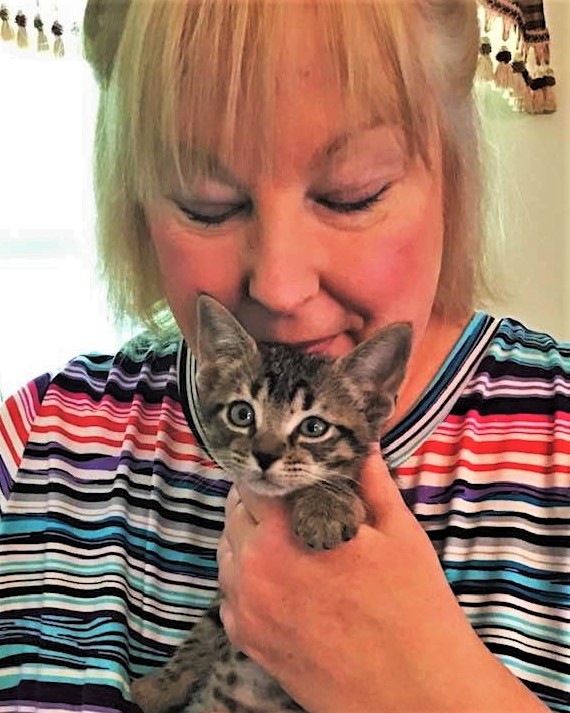
FOTAS Volunteer Mindy Hand holds foster kitten, Dewey, who was adopted last week.

FOTAS provides “kitten kits” containing supplies you need to take care of the kittens until they are old enough to come to the shelter or go into foster care. If you’re unsure of the kittens’ age or care needs, you can bring them to the shelter for assessment and we can help you decide on a plan for adoption or direct you to other options, such as our TNR (Trap, Neuter, Return), which is free to Aiken County residents, or the spay/neuter voucher program.. You can also call the shelter for counsel.

FOTAS provides citizens with kitten kits — complete with food, litter, toys and other resources to help care for them.

3. Bring the kittens to shelter for spay/neutering. If the kittens are at least four pounds, they can be brought to the shelter in a humane cat trap (you can sign one out from the shelter) to be fixed through our Community Cats TNR program. After they are sterilized, you just return them to their outdoor home. This effectively works to reduce the cat population and prevents more cats from entering the area.

Fosters are always needed
Because citizens are sometimes unable to bottle feed and socialize the kittens they find, we have a small team of FOTAS fosters who take in babies and give them the care they require. These amazing volunteers save many feline lives each year. You can help save lives by volunteering to foster, too. To volunteer, go to the FOTAS website (fotasaiken.org) or call the shelter at (803) 642-1537.

Their lives are in our hands.


— By Bob Gordon, FOTAS Communications Director
Adopters Report Back with Stories about Their County Shelter Pets

FOTAS volunteers and the shelter staff contact new pet owners within a week to 10 days of their adoption to see how they are doing Following up with new adopters not only helps ensure they are satisfied with their pets, but also provides us with great stories and feedback that can help with future adoptions. The best feedback includes photos of the shelter pets loving life in their new homes.

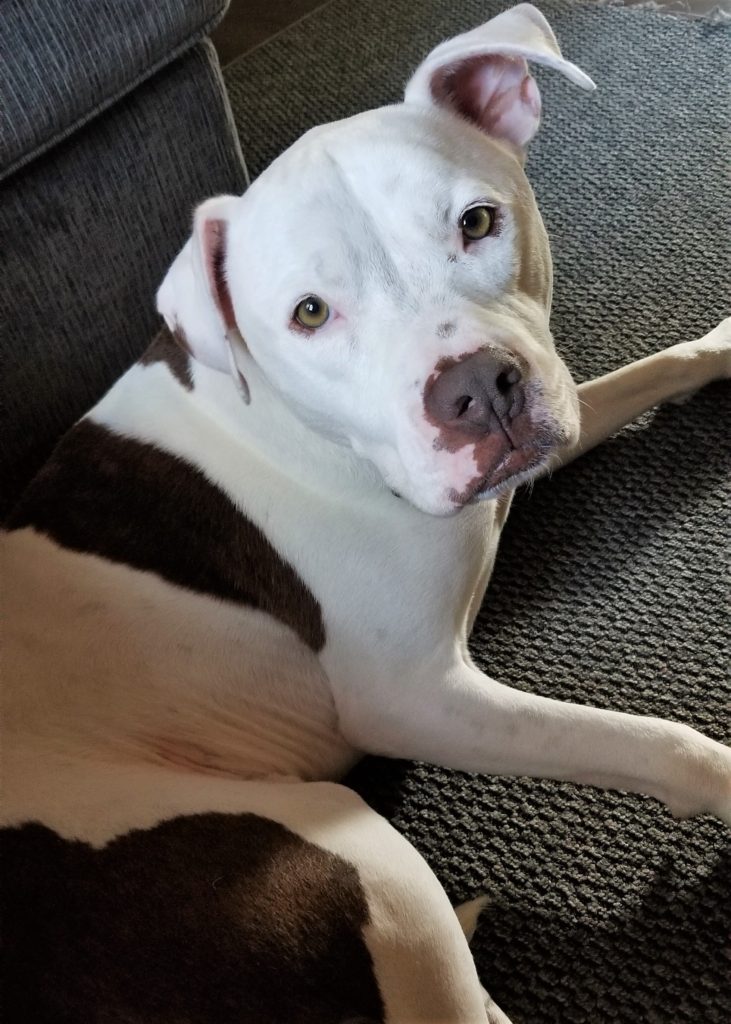
Pit Bull mix Hector loves his new family and watches over the little ones.

Here are examples of emails and notes we’ve received from recent adopters (some have been edited for space):

Hector watches over new baby girl
I’m happy to report that Hector has adjusted very well to life in the Frank household. He has been eating just fine and quickly adapted to his routine here. We just had our fourth child last week and one of Hector’s favorite things to do is lay beside her swing and bed to watch over her. He is very protective over the little ones. We appreciate the opportunity to have him in our lives.

Murray Frank

Kittens Cheddar and Kady enjoy cuddle time at their new home
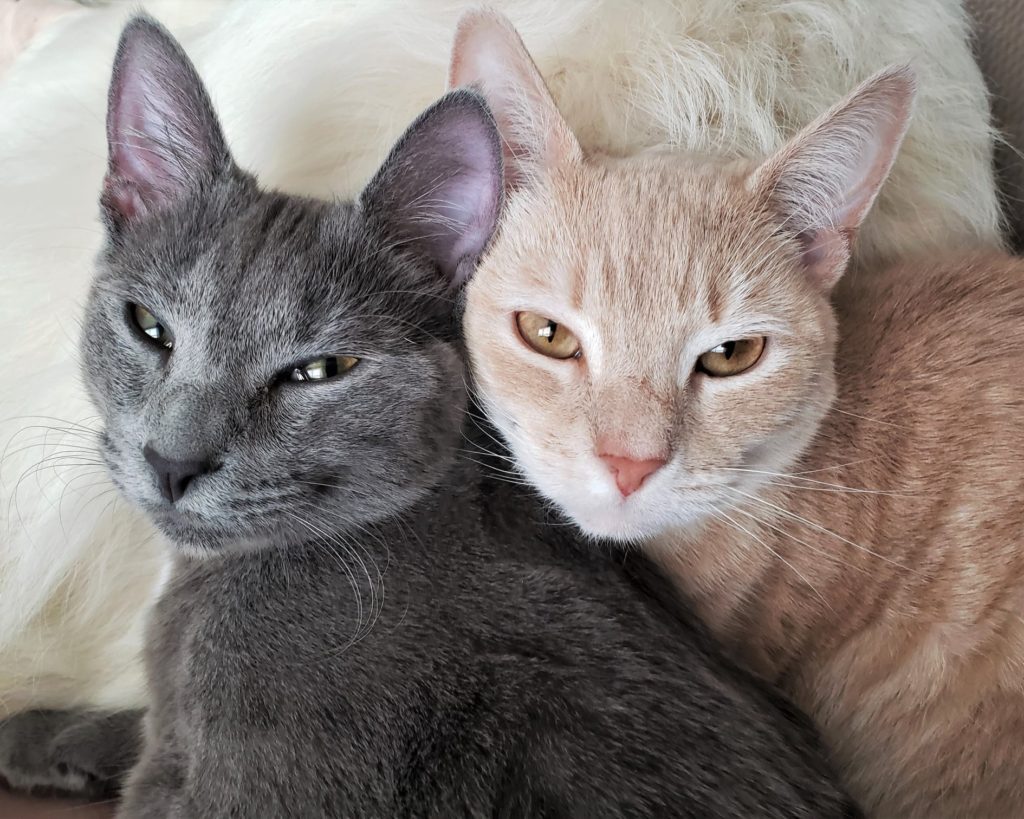
Cheddar and Kady are doing great. They are eating well, and both have become part of our family. They enjoy playing together and cherish all their cat toys and other treats. Kady has an attachment to her favorite blanket and both enjoy cuddle time.

Brittany Hiers

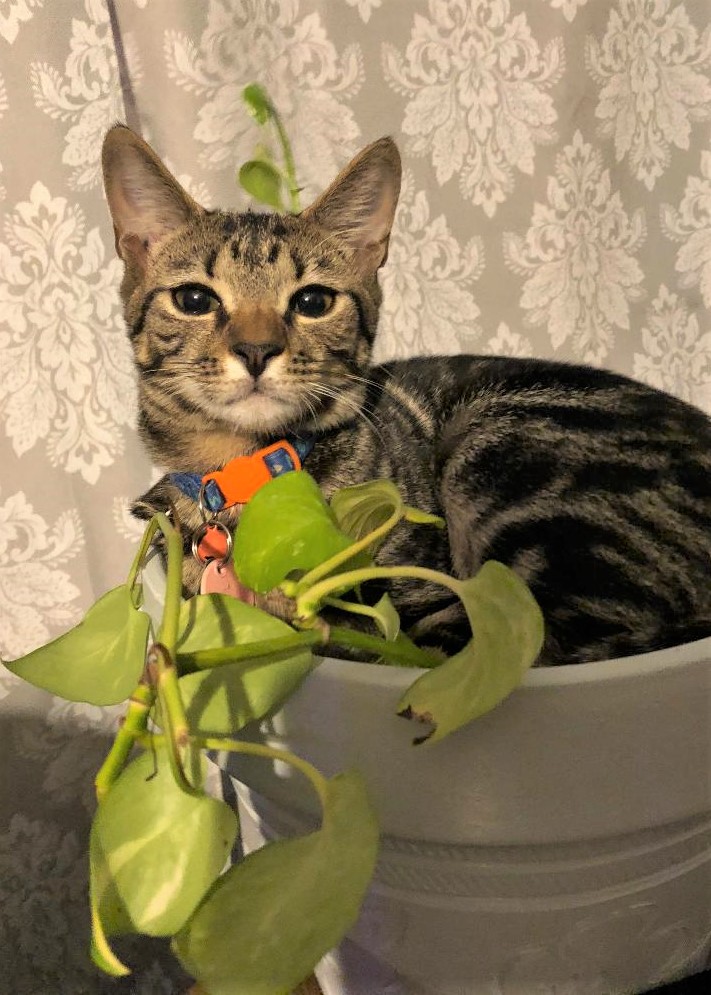
Kitten Cheddar: If I fits, I sits!

Senior Beagle Aimee is filling out and gaining confidence
Aimee is amazing! We changed her name to Sadie, and she is the absolute sweetest. She loves going on walks, wants to meet all the neighbors and her two favorite things are jerky treats and car rides. She’s filled out like the vet wanted and has gained the confidence to get on the couch whenever she wants! We were just talking about taking her on a trip to the mountains this fall so she can smell all the trails. Thank you for taking care of her until we found her!

Kelli Prather

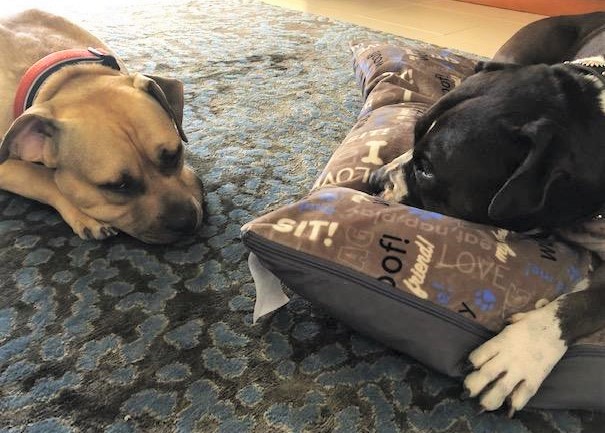
Pibble Haylee eats side by side with her new brother
Haylee is doing very well. She is still learning which are her toys and which are ours, but catching on very quickly. She is loving her new brother, Dudley. They eat side by side and he is slower than her, but she will wait until he is finished to make sure he cleaned his bowl. They have become fast friends!

Will Clark

Adopted Haylee (left) and Dudley have become fast friends.

Bo wins his family’s heart and takes over their bed
Bo is doing amazing …we changed his name to Buddy and he truly is my buddy as well as a big part of our family. We love him very much and he shows us lots of love in return. He’s also taken over our bed during the day.

Niccole Reidhead

— By Bob Gordon, FOTAS Communications Director
Mama Jeanne: Suffering and Sacrifice Lead to Cat’s Adoption

She arrived during the shelter’s cruelest season, a cat whose story of suffering and sacrifice made us all stop just to take it in. Because of all we don’t know about the cat now called Mama Jeanne, what we do know says it all.

She gave birth to four kittens as a starving stray, then got hit by a car when she left them to find food. With a crushed right leg and a broken left hip, she dragged herself back to her babies and kept nursing them anyhow. Animal Control officers found her days later and brought the little family into the Aiken County Animal Shelter. It would be their home for weeks.

Mama Jeanne could barely stand when she arrived, but pushed through excruciating pain to keep being a mom. Amazingly, her hip healed while she nursed. Her kittens grew healthy and were adopted. But Mama Jeanne’s crushed leg did not respond to treatment and had to be amputated. So, as a newly three-legged adult cat with no pedigree and little promise, she was left to compete for a home in a shelter so crowded it’ll take in 1,500 animals May through July. The shelter’s vet, Dr. Lisa Levy, was worried about Mama Jeanne’s chances and asked me to post her plight on social media.

Young cat Mama Jeanne was badly injured when a car hit her — but she kept caring for her kittens.

Meanwhile, Irene Marie Ortega was working nights as a nurse at the burn center in Augusta, GA. For several months, she spent time between shifts scrolling through websites of shelters as far away as New York looking for the right cat.

“They were cute, but I didn’t feel a connection.” Then, on July 10, she saw Mama Jeanne’s post on Facebook. “I was so touched with her story. After just one reading, I was sure she was The One.” She traded shifts with another nurse to adopt Mama Jeanne that day.

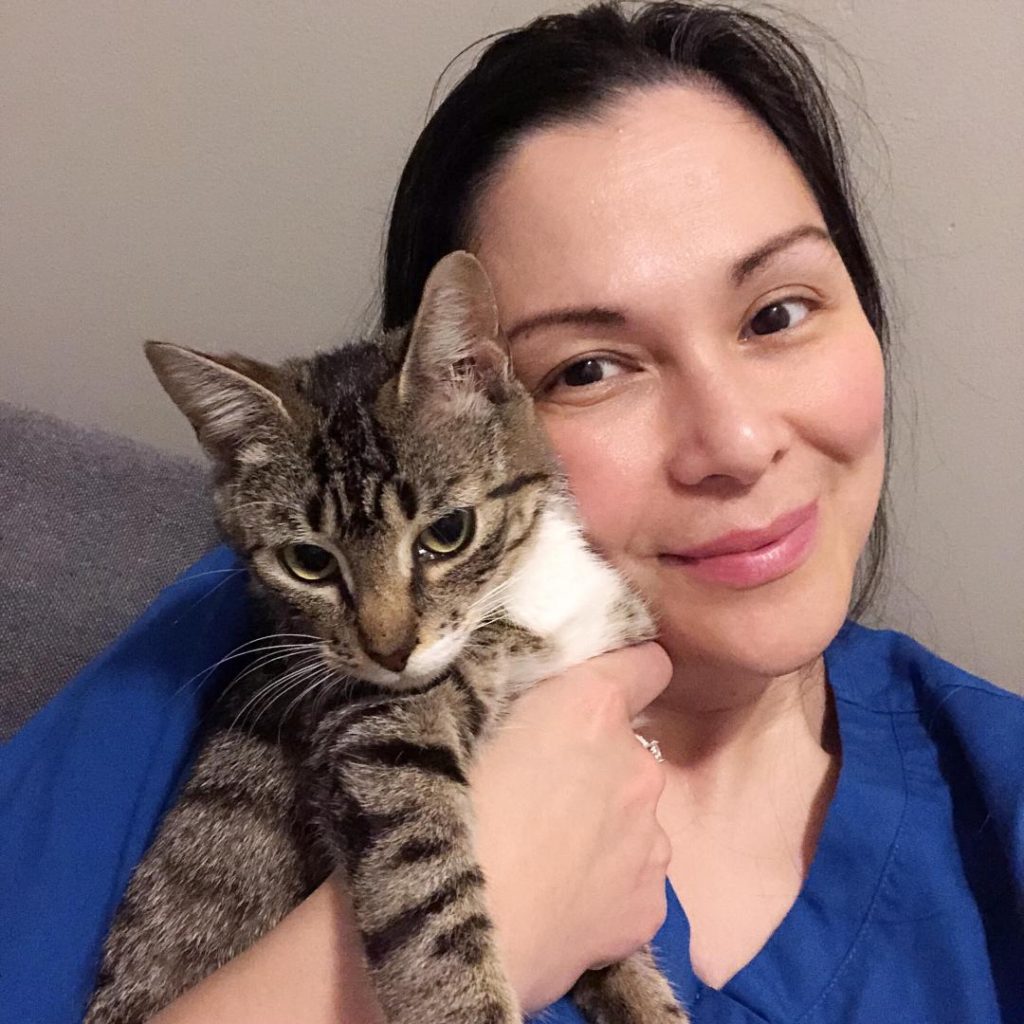
Three-legged cat Mama Jeanne with her new “mom,” Irene Marie Ortega.

Because, in many ways, Mama Jeanne’s story is hers too.

Ortega’s three children were tiny when she became a single mom. A native of the Philippines living in Chicago, she had to find the courage and persistence to make a new life. She moved to the Atlanta area and then Augusta, where she worked nights in nursing homes, spent days in nursing school, and in-between gave it all to care for her children.

“No matter how hard the struggles were, I endured everything just to give the best to my kids,” says Ortega, whose children are now grown and pursuing their own careers in nursing and medicine. “I felt the pains of Mama Jeanne. I’m a single mom, too. I want to give her the life she deserves after all she went through.”

Mama Jeanne was adopted not despite her broken story, but because of it. Social media can be a lifeline for animals otherwise lost in the crowd of overflowing kennels. Like it was for the mama cat who gave her all.

“We love Mama Jeanne so much. She’s safe now,” Ortega says.

Their lives are in our hands.

– By Martha Anne Tudor

BY THE NUMBERS

From May 1 to July 27, the County Animal Shelter received more than 1,500 strays and surrendered pets.

PETS OF THE WEEK

HECTOR

Mixed breed, male, 2 years old, 55 pounds – $35

RODRIGO

Domestic Shorthair Tuxedo, male, 2 months old, 1.5 pounds – $10

A Tale of Tails: A Little Bit Shorter Now

We have all experienced that strange phenomenon where things seem to come in waves, or the old saying that things happen in “threes”. Well for the month of June that trend was tail surgery and it wasn’t three; it was five! I normally perform one or two tail amputations per year. But this particular month the tail injuries kept coming.

First there was Bolt. Bolt is a very energetic Pittie mix. After only a few days at the shelter he developed what we lovingly call “happy tail”. He wags his tail so much he hit it against the walls of his kennel causing the tip to bleed. Normally a wrap on his tail for several days resolves the problem. Unfortunately, Bolt was not a fan of having his tail wrapped and despite bitter apple spray and the dreaded cone of shame around his head, he still managed to get his wraps off. The tail wound kept getting worse and finally I decided to amputate his tail when it became clear that it would never heal. His facial features are a little like a Boxer’s, so we made his tail end match.

His tail healed beautifully and we may have prevented his forever home from having to deal with that exuberant tail knocking everything off the coffee table.

Scraps arrived with a badly injured tail but felt better after the dead tissue was surgically removed.

Then came the 3 kittens Scraps, Sagwa, and Ren. They came in about a week apart.

Scraps was first. About ¾ of his tail was black and hard, meaning all of the tissue was dead and had been for a while. After surgery, the poor little guy hardly had any tail left, but then again neither does a Manx cat. However, he was more playful after surgery, so I think he felt better without that dead tail.

Sagwa is a beautiful little Siamese mix. She came in with the last half of her tail just hanging on by a piece of skin and the bone exposed. She healed very quickly and was adopted within one hour of being put on the adoption floor.

Last of the kittens was Ren. He was the luckiest of the three as only about the last third of his tail was injured, so he was able to keep most of his tail.

Black kitten Ren goes home with his new family.

Finally, there was Magyver (yes, I spelled it wrong on purpose). He is one of my most challenging cases this year. He is a shepherd mix brought in by animal control with multiple areas on his body covered in maggots. In order for a dog to be that severely infested, they have to be weak enough to allow flies to stay on them long enough to lay eggs, which then hatch into maggots.

My two vet techs and I got to work and it took an hour to shave all the affected areas and flush out all those gross little things. After many years of practice there are not a lot of things that make me squeamish, but maggots are still one of them. (You’ve heard the expression “gag a maggot”. Well, I really think it’s the people who gag!)

X-rays revealed he had a fractured pelvis which is probably why he was reluctant to move to stop the flies. The next few days his skin felt like leather from all the scabs. He would not make eye contact and his eyes looked defeated.

Bolt looks better — and feels better — with a docked tail.

I wasn’t sure he was going to make it but slowly with medication he started to improve. Then his tail turned black and I knew the tissue was so damaged it could not be saved. So Magyver became my fifth tail amputation. As he healed, his spirits started to improve and after two weeks we finally got our first wag of that stump of a tail. I was so happy I almost cried. He was finally showing us he was happy to be alive.

The next day I got my first kiss on the face. His skin continued to heal and his hair is growing back. This amazing dog is in foster care and getting stronger every day. And that makes it all worthwhile.

– By Dr. Lisa Levy, ACAS Veterinarian

Here’s What to Do if You Find a Litter of Kittens

By Bob Gordon, FOTAS Communications Director
Spring is here and with the warmer weather comes lots of newborn kittens.

“We’re already seeing a number of pregnant cats arrive at the shelter and kitten season should be hitting any time now,” said Aiken County Animal Shelter Adoption Coordinator Hillary Clark-Kulis. “Once it does, we likely won’t see the flow of kittens slow down until at least November.”

But what do you do if you discover a litter of kittens or a single kitten seemingly abandoned by their mother? How do you best help their chances of survival?

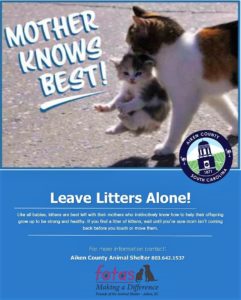
A flyer to remind people that mama cats “know best”.

Well, like all babies, kittens do best when they’re with their mother. Moms instinctively know how to help their offspring grow up to be strong and healthy. Mother’s milk is also vital in providing the kittens powerful nutrients for their immune system.

If the kittens are underage (under 2 pounds or younger than eight weeks old), see if mom is around. If she is gone, wait two to four hours to see if she comes back. She could just be out getting food for her and her kittens.

If mom is there, leave the kittens where they are until they are two pounds or eight weeks old. To help the mom, you can provide shelter and put out food nearby (but not right next to the kittens because you don’t want to attract other cats or potential predators).

If mom is gone and has not returned, you should foster the kittens or find someone who is willing to foster, until they are at least two pounds. This is done through bottle-feeding the kittens until they are ready to eat on their own.

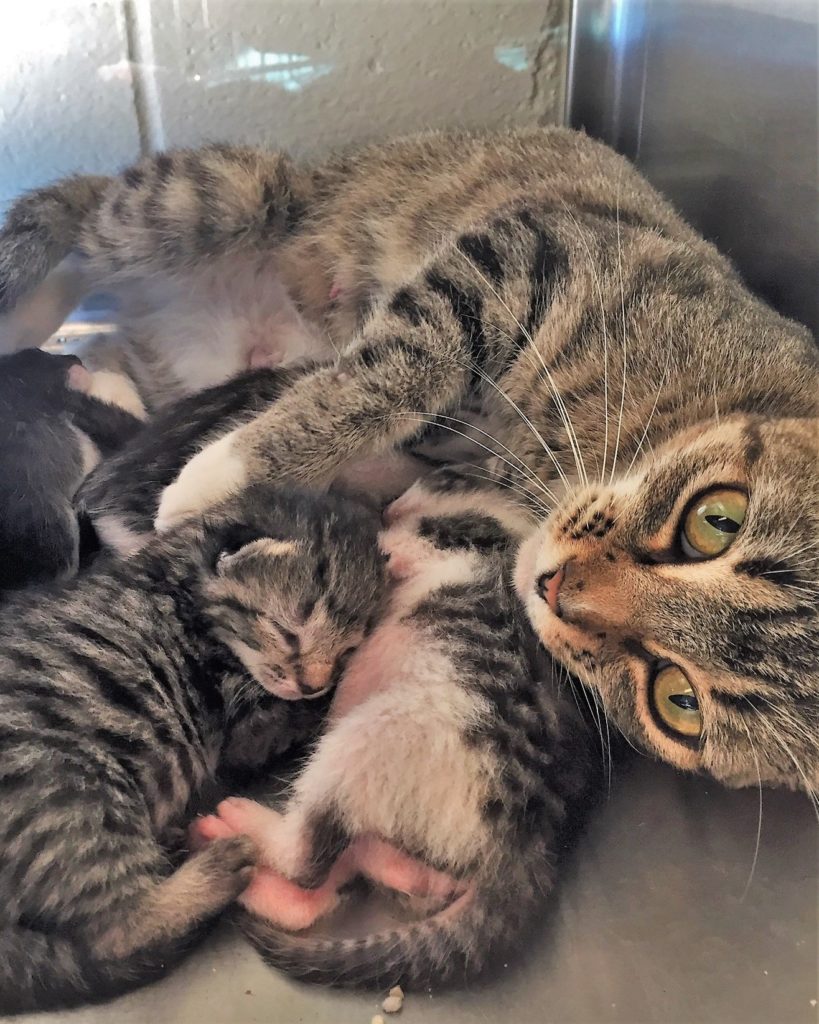
The mother cat gives her kittens their best chance for survival.

“If you feel the kittens are in danger and in need of rescue, you should be prepared to take care of them for a minimum of two weeks for the around-the-clock care they need,” Clark-Kulis said. “Don’t hesitate to contact the shelter for resources and supplies you might need. We can also answer any questions you may have and provide counsel.”

If the kittens you find are weaned or you’re unsure of their age or care needs, you can bring them to the shelter for assessment and we can help you decide on a plan for adoption or direct you to other options, such as our TNR (Trap, Neuter, Return) or spay/neuter voucher program.

The kittens must be at least four pounds and be in a humane cat trap (you can sign one out from the shelter) if you bring them to the Aiken County Animal Shelter for our Community Cats free TNR program. After they are sterilized, you just return them to their outdoor home. This effectively works to reduce the cat population and prevents more cats from entering the area.

The annual flood of orphaned kittens is almost upon us. But you can help save lives by volunteering to foster orphaned, infant felines, supporting and taking advantage of our TNR program and spreading the word about how to best help kittens survive.

The Aiken County Animal Shelter is located at 333 Wire Road in Aiken. If you can help, please stop by or call the Shelter at (803) 642-1537 and speak to a staff member or volunteer for more information and assistance.

Their lives are in our hands.

Fostering Kittens is a Proud Tradition for Windsor Family

“You get the love from the kittens and when you see one that you raised get adopted to a good home, it’s one of the best feelings in the world,” says Fran Bush, explaining the rewards of fostering homeless shelter pets.

FOTAS Foster Volunteer Angela Poe bottle-feeds kittens at home.

Fran Bush with Nuka

She should know. Fran and her husband, Don, are top volunteers for FOTAS and the Aiken County Animal Shelter (ACAS) and have been fostering kittens and other homeless animals in their Windsor home for many years. Before retiring and volunteering for FOTAS, they owned Booklovers Bookstore in Aiken and customers, knowing their love for animals, would bring the couple strays to nurture and place in homes.

Don Bush with healing foster kitten, Nuka.

It’s a proud family tradition. Fran’s mother took in stray cats and taught her how to care for them and Fran’s daughter, Angela Poe, and her husband, Derrick, have fostered about a dozen ACAS kittens so far this year – some of them only days old.

“I used to joke to my friends that I had to share my cradle with kittens,” Angela said. “But it’s what you do…take care of these animals that are helpless on their own.”

It’s a noble cause and the work of these fosters is vital to FOTAS and the ACAS. While the Shelter provides all the care it can – and extraordinarily committed staff members even take kittens to their own homes for bottle feeding – the flood of orphaned fur babies is too much to handle for any rescue or shelter facility. Until they are at least 3 weeks old, kittens must be bottle

Nuka recovering from her upper resperatory illness.

fed every two hours and manually stimulated to defecate and urinate – and they must be cared for 24 hours a day. If the kittens are brought in with their momma cat, she can take care of these tasks. But most litters arrive at the shelter without their mother and the kittens need nourishment and care. Older kittens need fostering, too. Before being put up for adoption, they must be socialized and learn to trust humans.

Nuka gives some love to fellow foster kitten Mischief.

Fran and Don have fostered four litters of kittens in the last year, but they also take in “singlets” or kittens that are found alone. Recently, they saved a kitten named Nuka. Nuka was just 2 or 3 weeks old when he was found on the side of the road, weak and suffering from a sever upper respiratory infection. He also had difficulty standing on his own. Fran took in the kitten and the ACAS gave him antibiotic to treat the infection. His condition was touch and go, but eventually he recovered. The probable scenario is that Nuka’s back leg was injured when he was dumped from a moving vehicle.

“We are so grateful that Fran and Don stepped up to save this kitten’s life,” said ACAS Adoption Coordinator Hillary Clark-Kulis. “They gave him the one-on-one, 24-hour care needed to recover from his illness and injury.”

Now, Nuka is happy, healthy and best buddies with Mischief, another foster kitten saved by Fran and Don.  But with more than 200 strays and surrendered pets arriving at the shelter in just the first two weeks of June, it won’t be long before another kitten arrives that desperately needs their help.

If you can help foster for FOTAS, please call (803) 514-4313.

Their lives are in our hands.

By the Numbers

From June 1-14, the ACAS received more than 200 strays and surrendered pets.


Pets of the Week

PHANTOM

Mixed breed, male, 2 years old, black & white, 50 pounds – $35


PENNY

Domestic Shorthair kitten, female, 2 months old, orange/white Tabby, 1.5 pounds – $10