


Tag Archives: Susi Cohen

Doggy Treadmill Works Wonders at the County Shelter

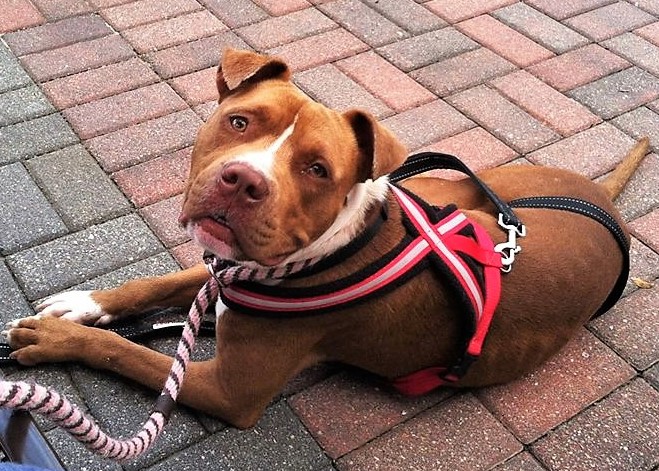
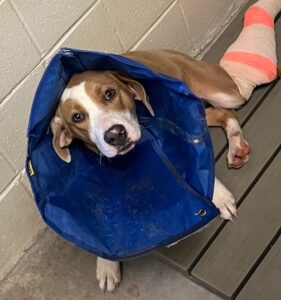
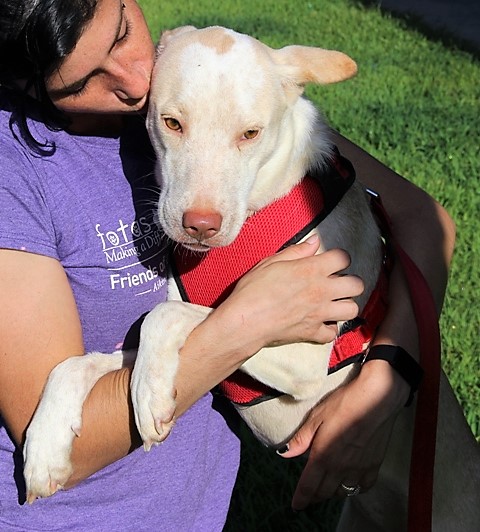
Working out on the treadmill helped TORI build back her confidence.

When someone suggested to FOTAS a few months ago that using a doggy treadmill at the Aiken County Animal Shelter would help our shy, scared dogs and overly-energetic dogs to adapt faster, I was skeptical. But when I spoke with Susi Cohen, an amazing dog trainer who helps us with behavioral issues, she was all for it.

So we thought, why not? If it can help us save more dogs, let’s give it a try.

Susi located (and FOTAS paid for) a canine treadmill and trained seven volunteers how to work with the dogs on the treadmill. Besides being great fun, I was stunned at the results.

For example, Tori, one of our shyest dogs (and the longest resident on the adoption floor) cautiously stepped on the treadmill, lured by a treat. Susi started the equipment slowly. At first, Tori stumbled, then she walked, but she still wouldn’t make eye contact. As we increased the speed, she had to focus, and then she relaxed. Amazing! She was engaged; she was responding to praise, to us. She was becoming … a pet!
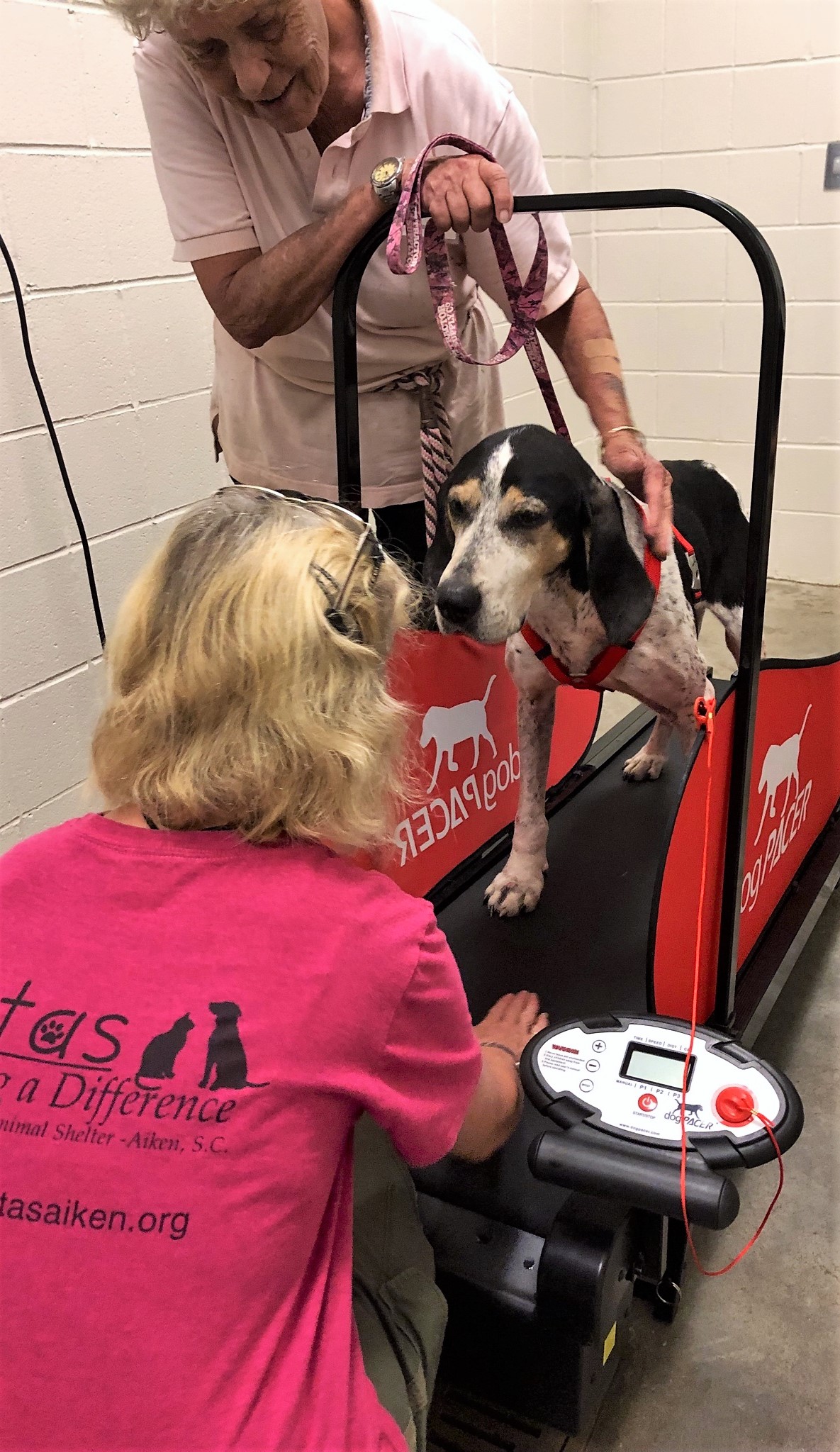
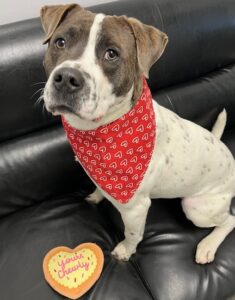
HANK, now adopted, was one of the first Shelter dogs to use the doggy treadmill.

Or take Nero, who was admitted to the shelter with a collar embedded in his neck. For two weeks, he sat motionless in his kennel, unresponsive, unable to make eye contact. After a bit, he attached to one of our intake volunteers (she is a dog whisperer—they all fall for her eventually), who was able to coax him out of his shell. Once he took that step, he emerged as a high-energy bull in a china shop—pulled on the leash, distracted by dogs, squirrels, you name it. He was a happy boy, probably for the first time in his short life.
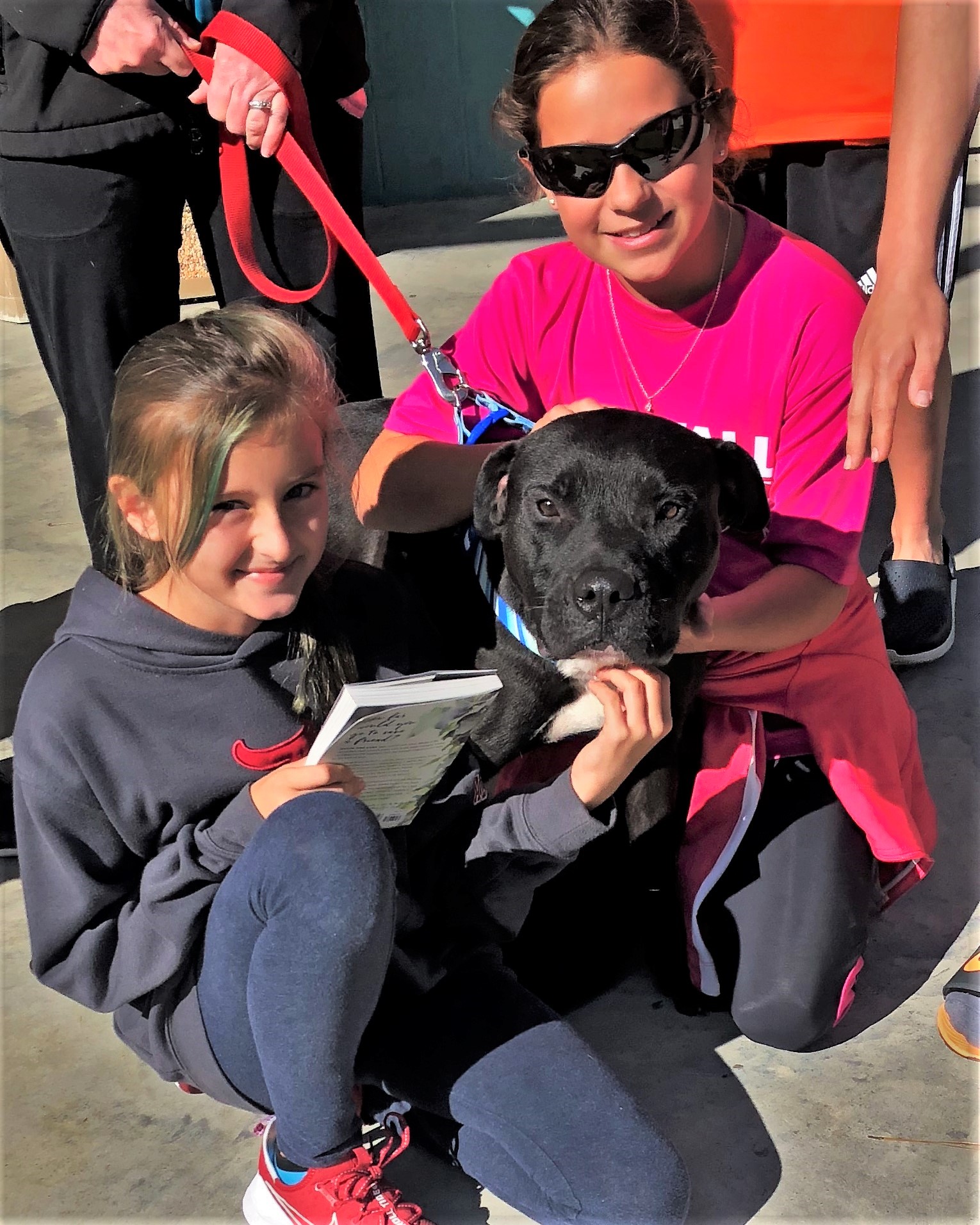
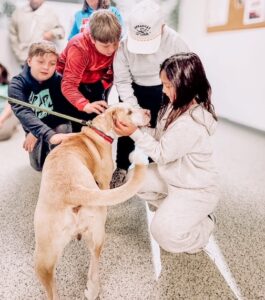
Junior FOTAS students meet and read to NERO during their recent visit to the Animal Shelter.

Could time on the treadmill help big Nero calm down and focus on us? I wasn’t certain. Nero started working on the treadmill on Monday, and I missed his first three sessions. On Thursday morning, I took him for a walk first thing (he’s housebroken—he waits), and Whoa! What a difference!

Nero and I had just started on our walk when Pat, a friend and volunteer, stopped me to chit-chat. As we were talking, Nero sat patiently on my foot. He didn’t pull. He didn’t bark. He just sat, relaxed and behaved. I was floored! I walked him straight into the lobby and announced the amazing transformation in this dog thanks to the treadmill, the volunteers, and lots of praise.

This past Saturday, after our Junior FOTAS group finished reading to the dogs (our Dog Ears Reading Program), I brought Nero out to meet the kids. They all ran to him and hugged him, and he rolled into their arms, gentle and snuggly. I have to confess, I cried.

Nero and Tori still need a forever home (they are such great dogs now!) All of us — FOTAS volunteers and shelter staff—are so grateful for our generous supporters that make it possible to purchase tools, like the treadmill, that help transform a scared, abandoned dog into a pet. We are also grateful for the dedicated volunteers that convince those lost and unloved animals that humans aren’t so bad, so that one day they will be able to return that love to a new family in a forever home.

Their lives are in our hands.

— By Kathy Jacobs, FOTAS Program Coordinator


By the Numbers
From Nov 1 to 15, the Aiken County Shelter received more than 200 stray animals and surrendered pets.

 

Pets of the Week
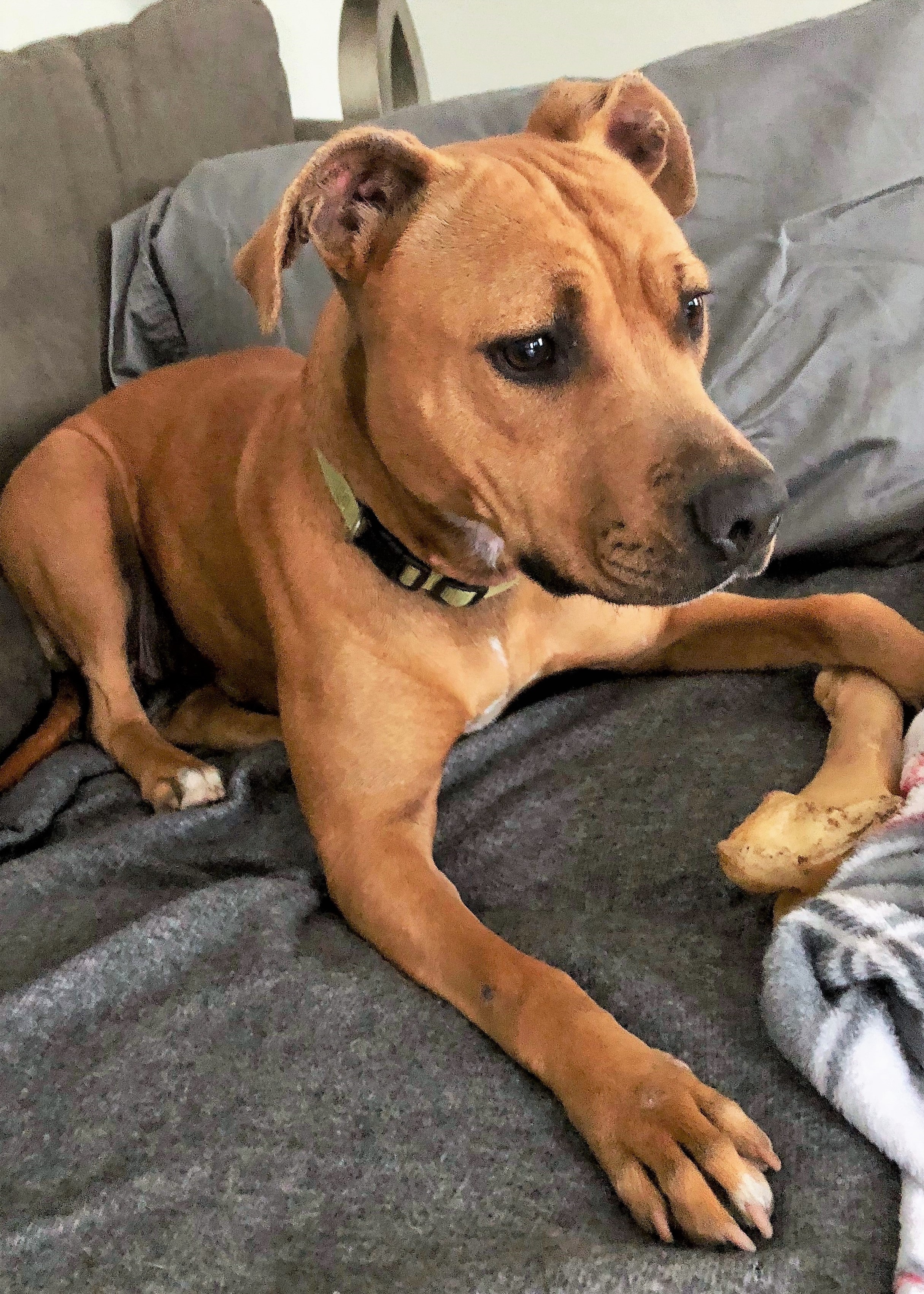
SKYE
Retriever mix, female, 2 years old, tan, 58 pounds – $0 (adoption fee paid for by FOTAS donor)
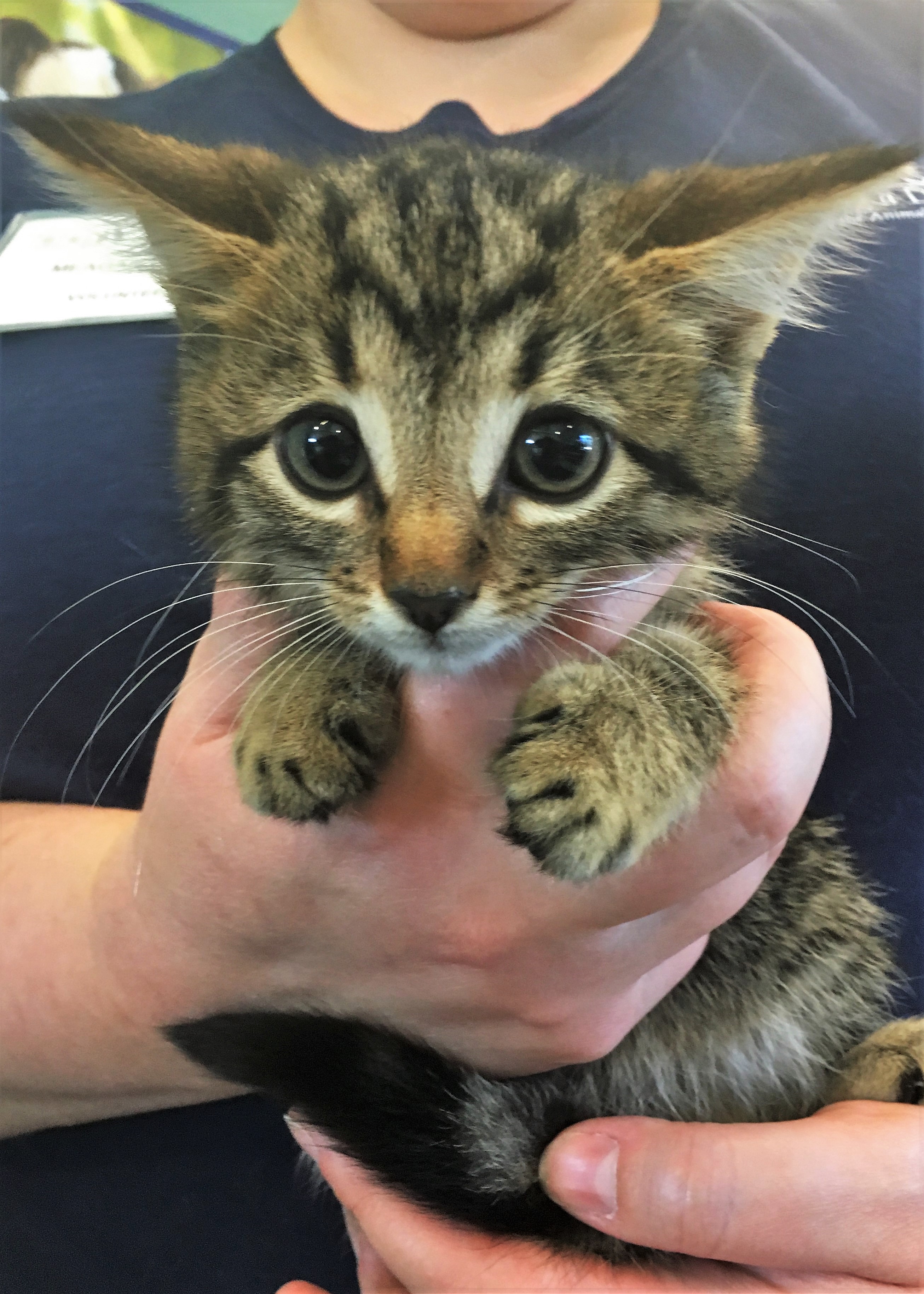
 

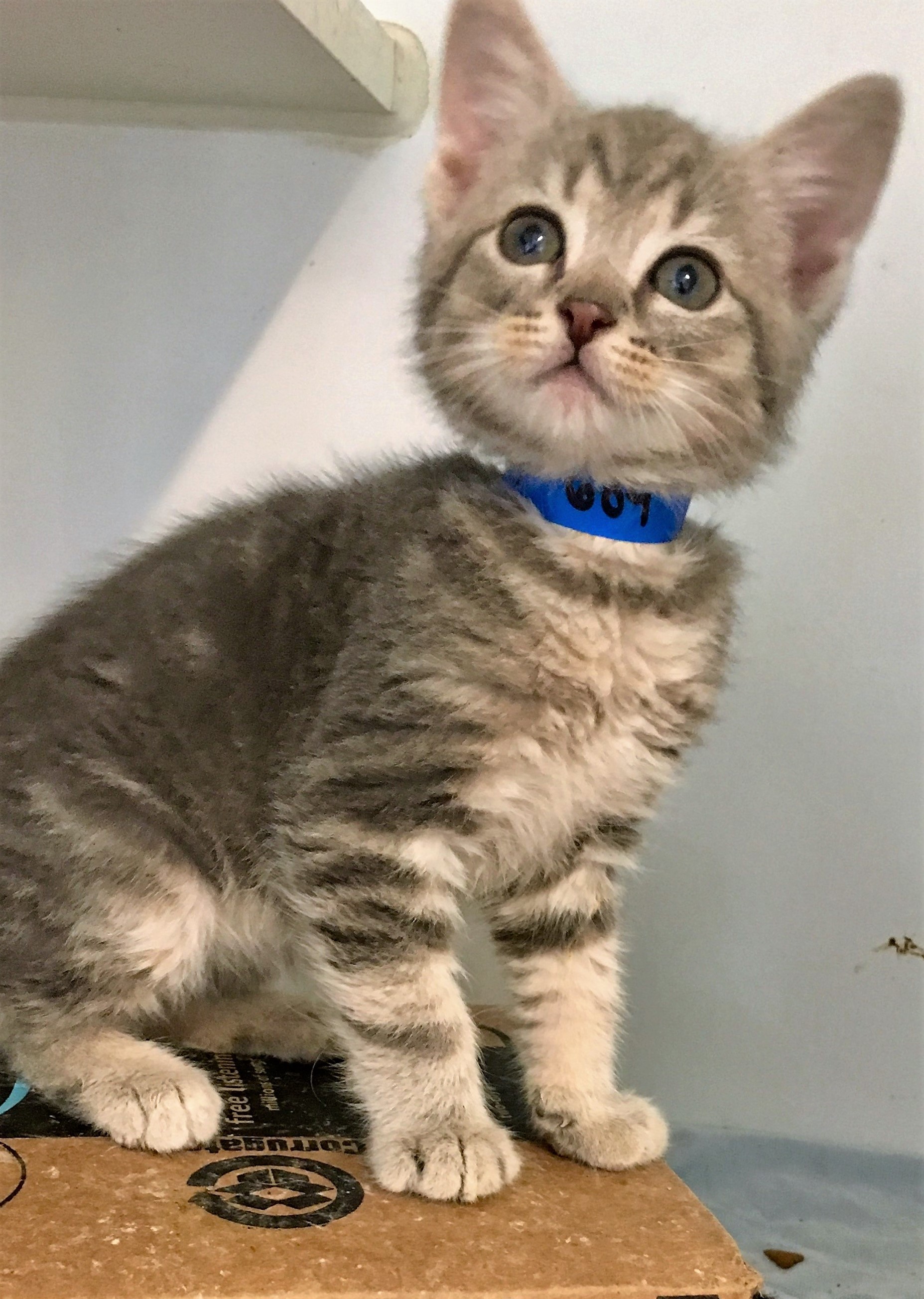
GIBLET
 Domestic Shorthair, male, 2 months old, gray Tabby, 1.5 pounds – $10

FOTAS and USC Aiken Partner on Program that Helps Save Shelter Dogs’ Lives

When you take Dr. Meredith Elzy’s Behavior Modification class at USC Aiken, not only do you learn the key concepts of this psychology therapy in a regular classroom setting, but you also make weekly visits to the Aiken County Animal Shelter to learn how to train homeless dogs.

The USCA students work closely with and get to know the dogs during their training.

“My role is taking what students are doing with the dogs and facilitating how it pertains to what they’re learning in the classroom,” Dr. Elzy explained.

Now in its second year, the program has already gained popularity at USC Aiken with students eager to spend time with shelter dogs for credit. Three hours a week are devoted to lecture and discussion at USC Aiken, but one hour a week involves working closely with dogs on the adoption floor.

This year, Dr. Elzy decided to join the students during this hands-on part of the program.

“I’ve learned the importance of getting to know the personalities of the dogs and what it means to work with a dog that may have been neglected and is now craving love and attention,” she said. “I think it’s a really important skill to perceive what each dog’s strengths and weaknesses are from both a behavior modification aspect and a broader psychological aspect.”

Besides teaching students psych concepts and providing them with valuable learning tools, the class also helps to prepare dogs for their forever homes.

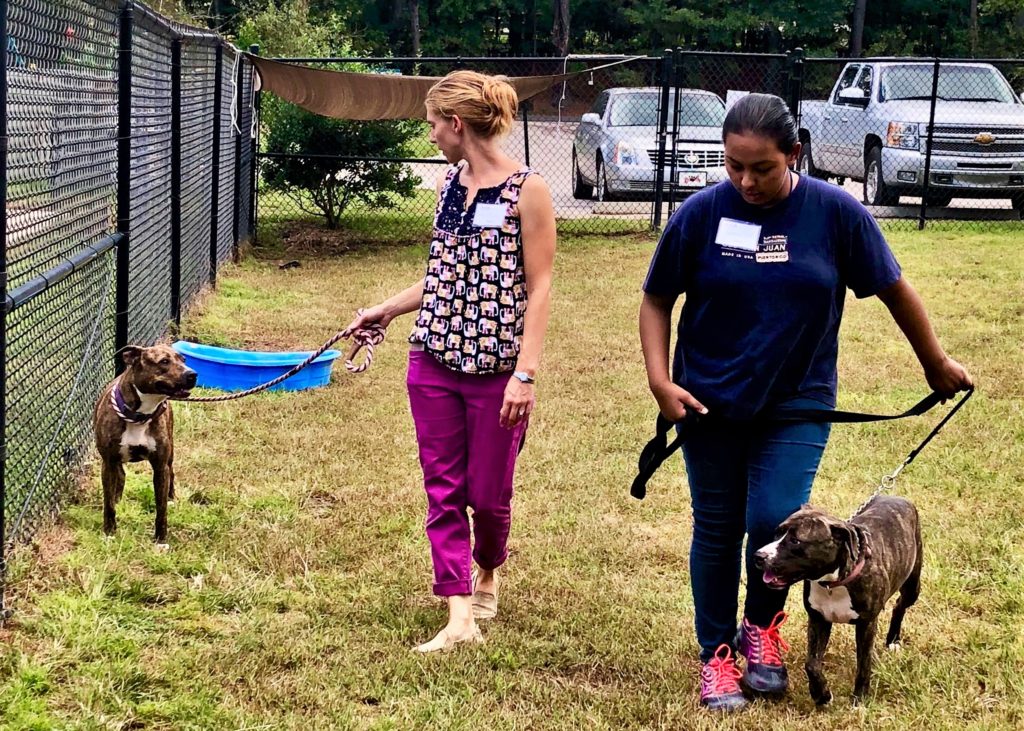
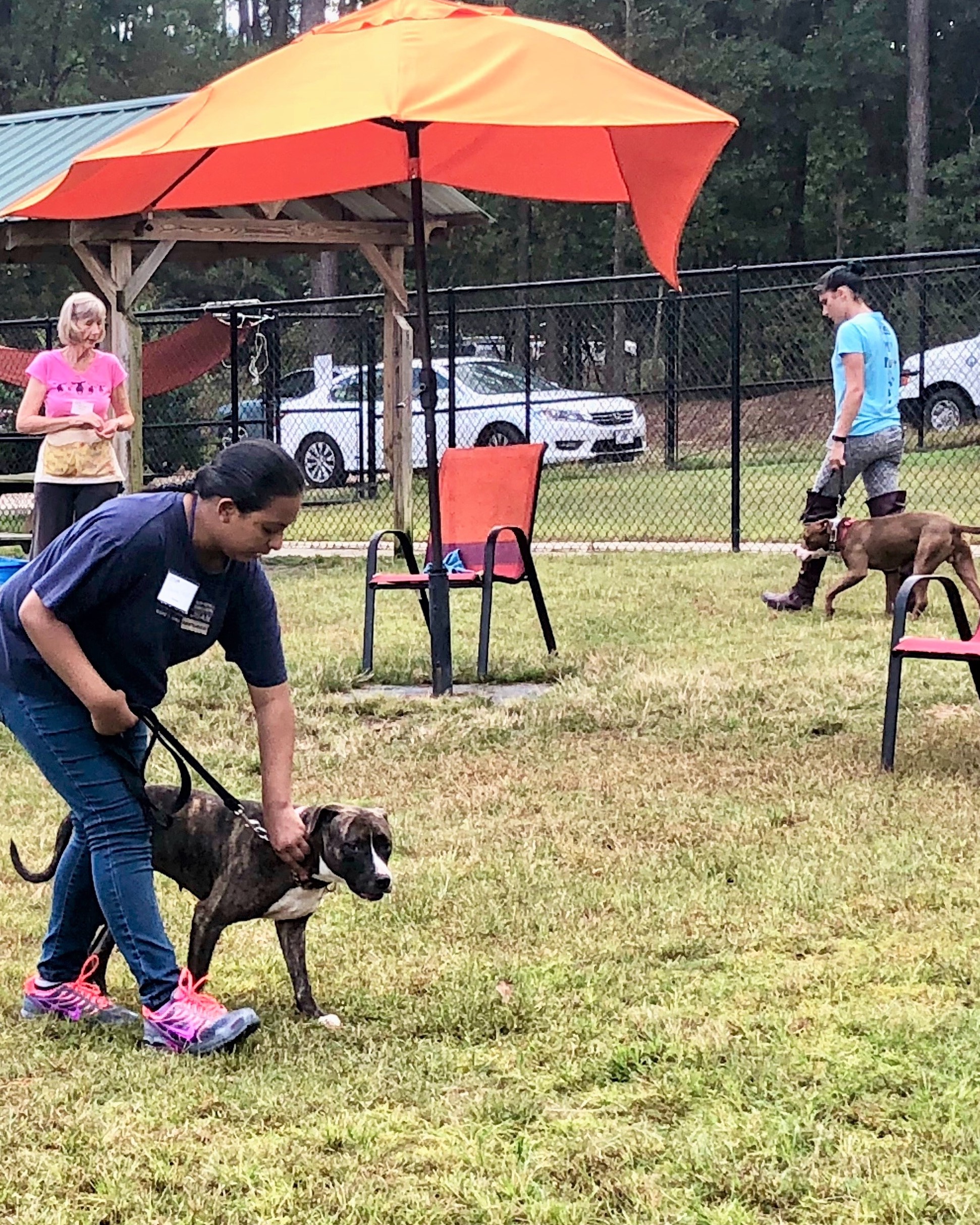
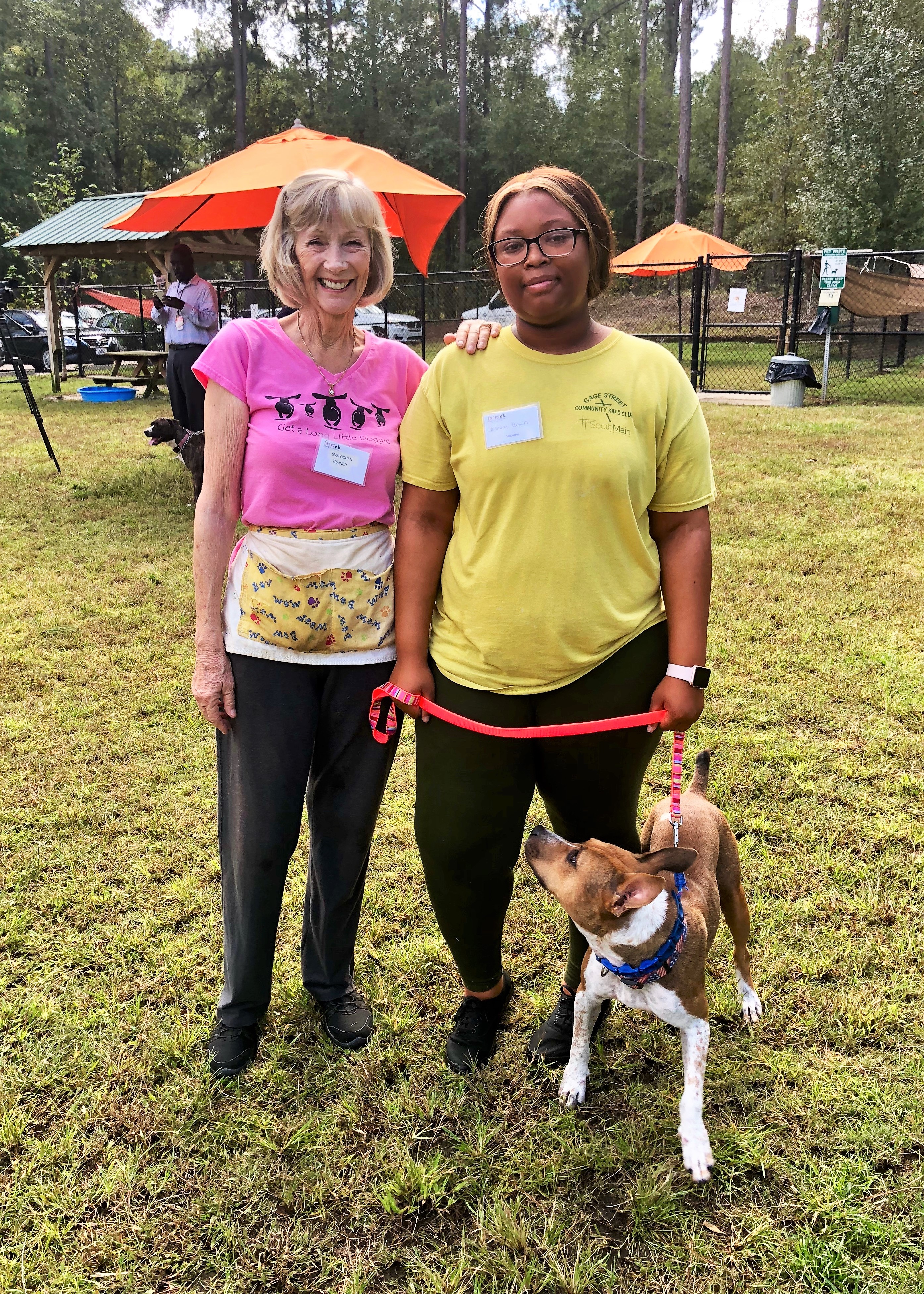
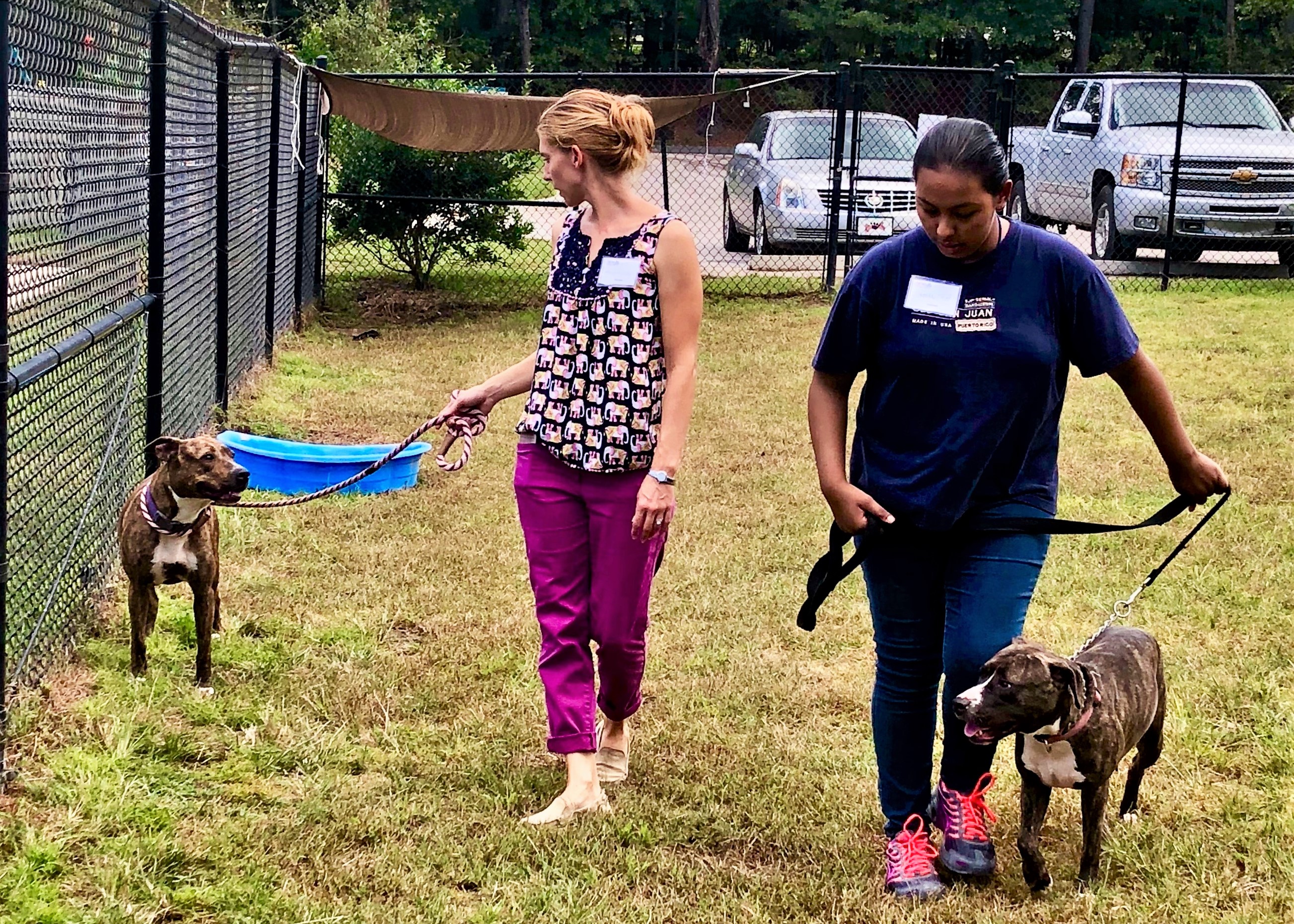
Susi Cohen’s (left) dog training class at the ACAS is helping USC Aiken Psychology students learn their craft while also preparing dogs for adoption.
USC Aiken Assistant Professor Dr. Meredith Elzy (left) walks Tiger as one of her students works with Billie. Both shelter dogs are steadily gaining more confidence through training.

When shelter canines receive more time and attention, it makes them more trusting and confident – which makes them more adoptable. In fact, the extra human attention can save their lives by better ensuring they will make good pets and be on their best behavior once adopted.

Students come to the Shelter on Tuesdays and Thursdays to work with the dogs for an hour and follow the instruction of Susi Cohen, one of the Shelter’s lead dog trainers. During the first five weeks of class, the students enjoy the group instruction from Susi; but during the second five weeks, they’ll take what they’ve learned and apply it on their own, socializing and walking dogs as FOTAS volunteers.

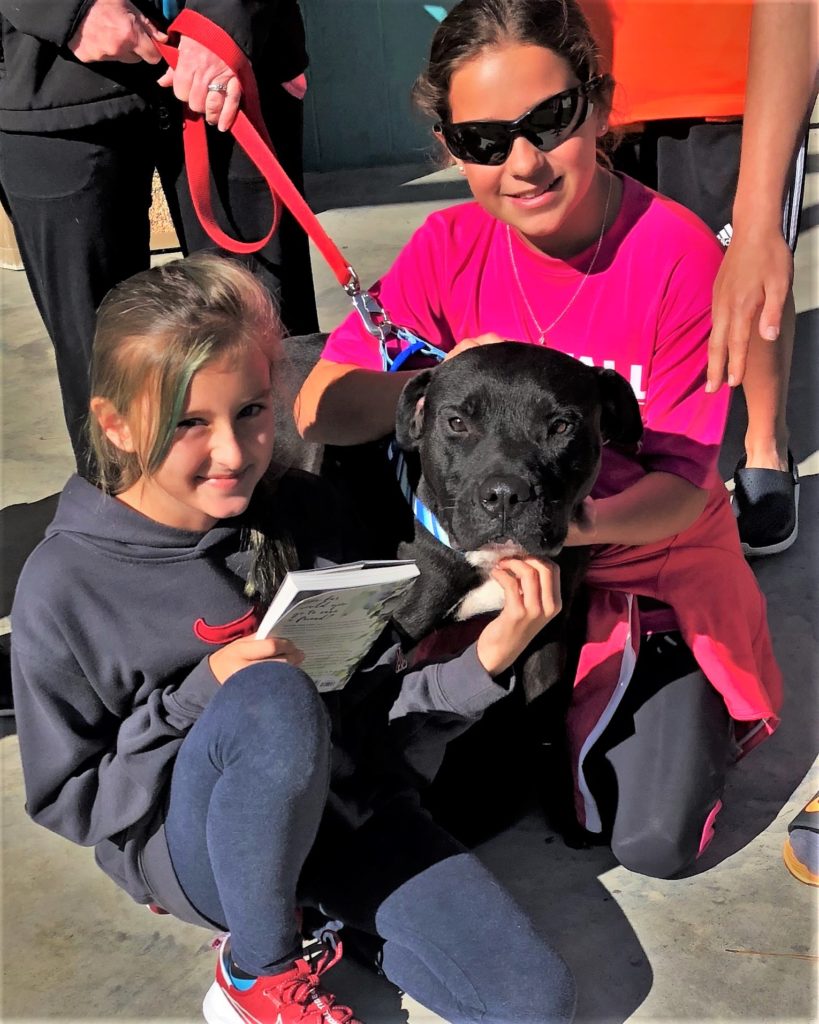
“I’ve been amazed at how sweet these dogs are,” said USC Aiken student Rachel Hopkins. “They seem so sad at first…but once they get out there with us, they do a complete 180 because they’re so happy being with people and getting attention.”

Hopkins said she’s gotten a little emotional at times seeing the many unwanted dogs, but the chance to learn while giving back to the community has been a valuable experience.

“During my first class, one of the dogs, Jett, rested his head on my lap for five straight minutes and it really pulled at my heart how much he just wanted to be accepted and loved on,” she said. “But I was just informed that he was adopted this week, and that makes me feel wonderful.”

Their lives are in our hands.

— By Bob Gordon, FOTAS Communications Director


By the Numbers
In the first half of October, the County Animal Shelter received more than 300 strays and surrendered pets!


Pets of the Week

CARLIN
Domestic Shorthair, male, gray Tabby, 2 months old, 1.8 pounds – $10


POLO
Retriever mix, male, white and tan, 3 years old, 49 pounds – $35

Free Training Session Included with Every ACAS Dog Adoption

By Bob Gordon, FOTAS Communications Director

Susi Cohen comes with every dog adoption at the Aiken County Animal Shelter (ACAS). Or, rather, her expertise and guidance does. As the shelter’s expert dog trainer, she provides a free, private session for everyone who gives an ACAS dog or puppy a forever home.

“When dogs leave from the shelter to their new residence, it is a big, happy change but also can cause stress,” Susi explained. “The dogs find themselves in a different environment, and will often rely on their new owners to direct them. That’s when I come into the picture.”

In addition to receiving the training session, adopters are provided with Susi’s contact information so they can call and check in with her if they have questions or need additional training advice.

Susi is the president of the Palmetto Dog Club in Aiken and has worked with and trained animals for more than 30 years. She volunteers at the shelter, helping other volunteers and County staff with basic dog training skills and working one-on-one with dogs that need special attention.
In most cases, the training serves to show the adopters standard disciplinary techniques such as teaching their dog how to: heel and walk well on a leash; stop jumping up on people and furniture; sit on command; or follow proper housebreaking procedures. But sometimes Susi takes on and solves more severe behavioral issues such as a Pit Bull mix that chased and scared an adopter’s horses; a chocolate Lab that liked to chew on his adopter’s car interior; and a Terrier that kept relieving herself in the house immediately after being walked outside.
But even such rare and extreme cases are usually resolved relatively fast. Susi said it all comes down to motivating the dog by using continuous, positive reinforcement and building that bond with your animal.

“The biggest mistake people make is being inconsistent,” Susi said. “They do one thing for a day or two, and then try something different, and then go back to the first approach – and the dog gets confused. The dog has to be able to connect the dots.  The key to training success is constant repetition with positive reward”, she explained.

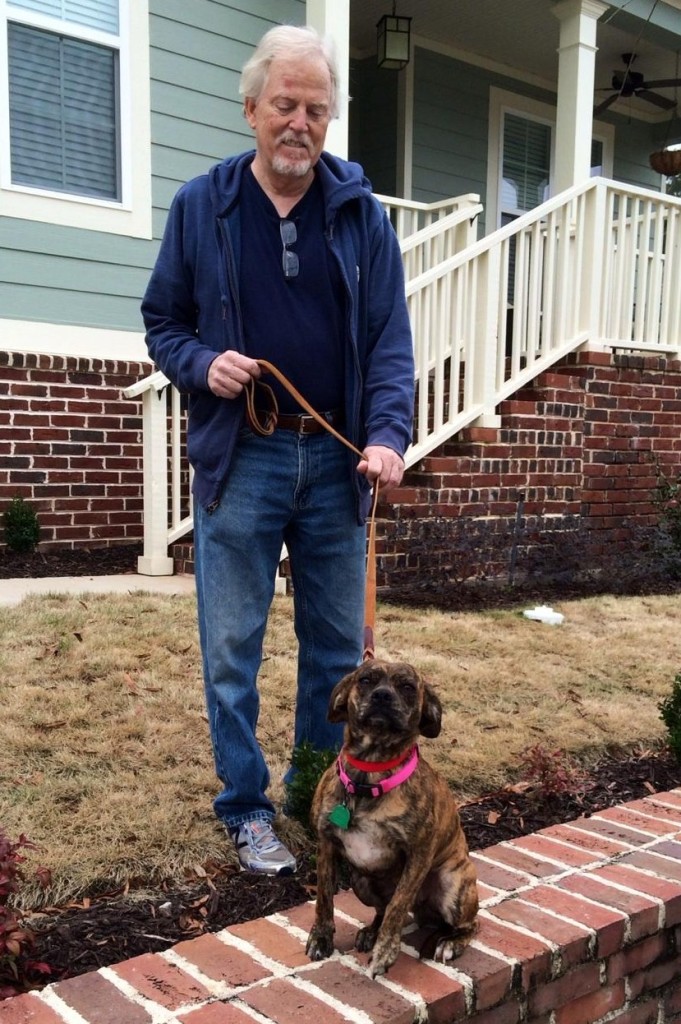
One adopter who recently learned this important lesson is Jim Brownlow of Aiken. He adopted Ruthie, a one-year-old brindle Hound mix, in December and took the free training session with Susi to improve his new dog’s manners.
Ruthie is so friendly, she wants to jump up on people. She also sometimes suddenly stops during her walks because she gets distracted. But Susi showed Jim how to give the appropriate commands for getting Ruthie to follow some simple procedures. Extremely pleased with the session, Jim plans to take more instruction from Susi.
“The training really helped me because I was doing some little things wrong out of habit, and Susi got me on the right track,” he said.
Thanks to such success stories, an increasing amount of people are taking the free training and the shelter’s rate of adoption returns, already low, is dropping.

“When dogs behave well at their new adopted home, it means they become part of the family,” Susi said.

Their lives are in our hands.