


Tag Archives: dog training

The long, hot, busy dog days of Summer

The summer months are nerve-wracking at the Aiken County Animal Shelter, and this summer is no exception. Dogs are doubled and tripled-up in the kennels due to extraordinarily high owner-surrenders. We recently heard a shelter in Georgia is euthanizing adoptable animals because they ran out of space. That is our constant nightmare, but FOTAS volunteers and shelter staff are working double-time to avoid that outcome in Aiken.

Last Saturday began at 9:00 a.m. with the monthly FOTAS-sponsored pet food assistance drive. Cars were already lined up before we opened, and by 10 a.m., FOTAS had supplied food for more than 100 pets whose owners simply needed a little help. No owner should ever have to surrender their pet to the shelter because they can’t afford food—not if we can help it.

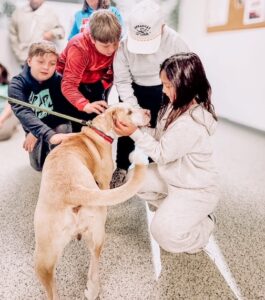
At 10:00 a.m., our “Dog Ears Listening” event began, which FOTAS sponsors with the Aiken County Library. Young school-age children come to the shelter with their parents and read to the dogs in kennels. It’s amazing how quiet the dogs get as the children read to them. I’m not sure who enjoys the event more: the kids, the dogs, the parents, or the FOTAS volunteers who supervise the program.

Simultaneously, in the outside yards, staff and volunteers were managing play groups of selected dogs as part of our “Dogs Playing for Life” program. Dogs are social animals, and this play time is critical for their physical and mental health, and a happy, relaxed dog is a more attractive adoption prospect.

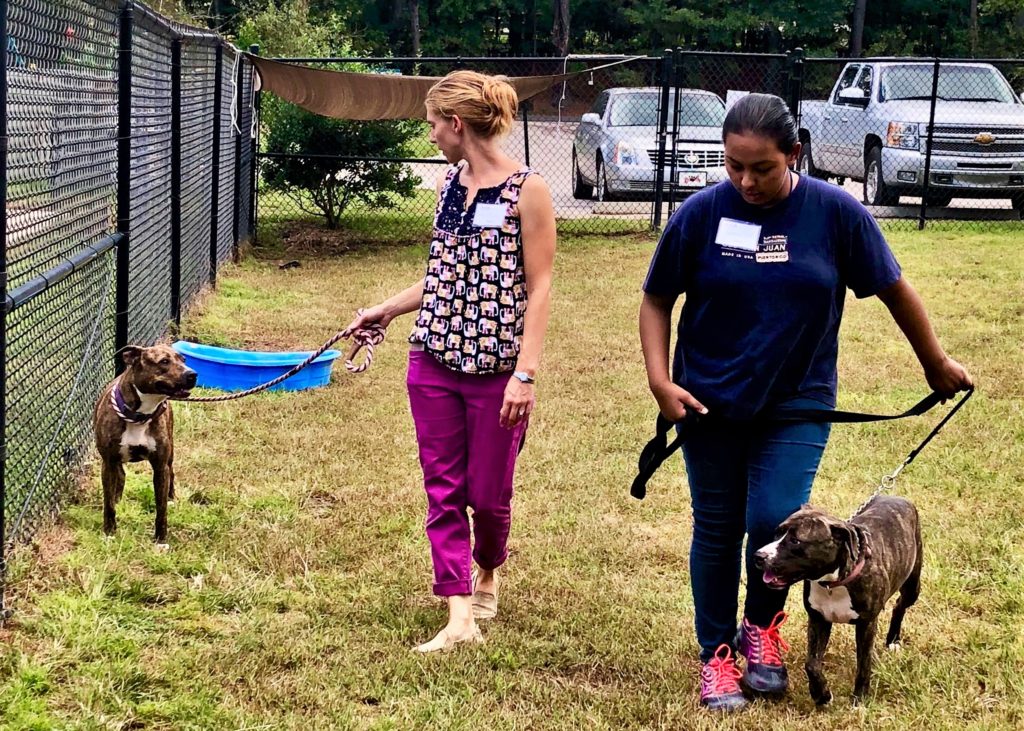
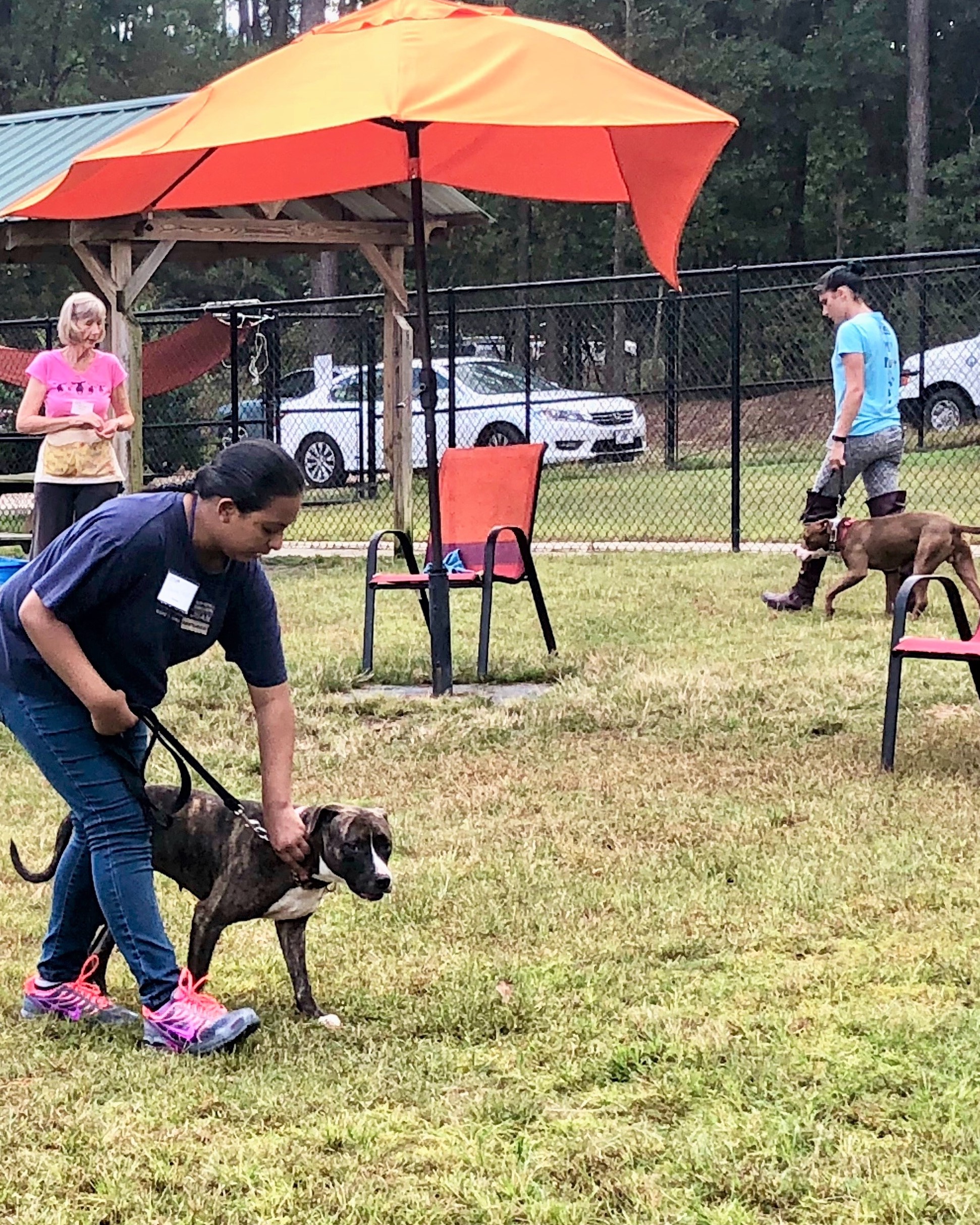
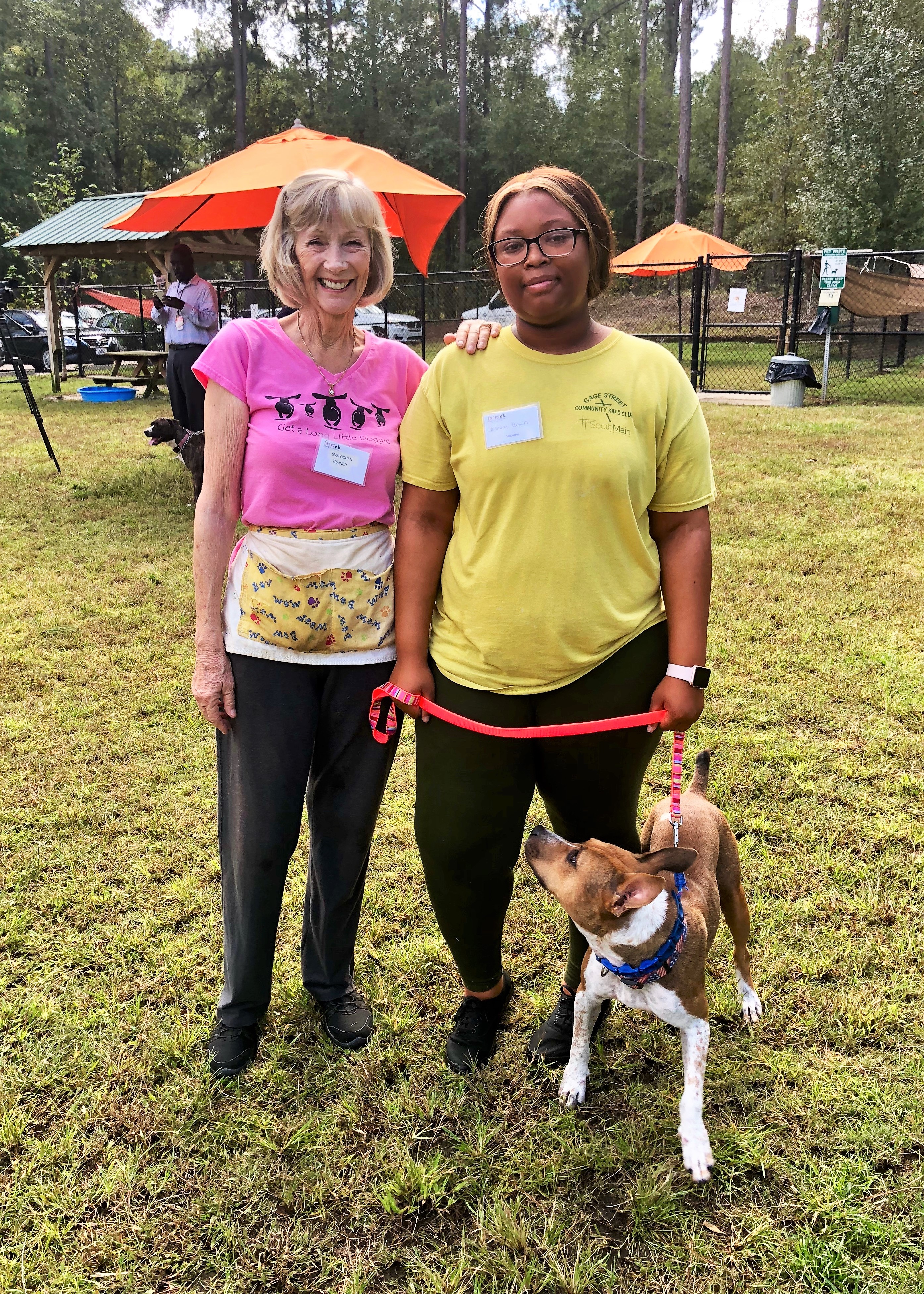
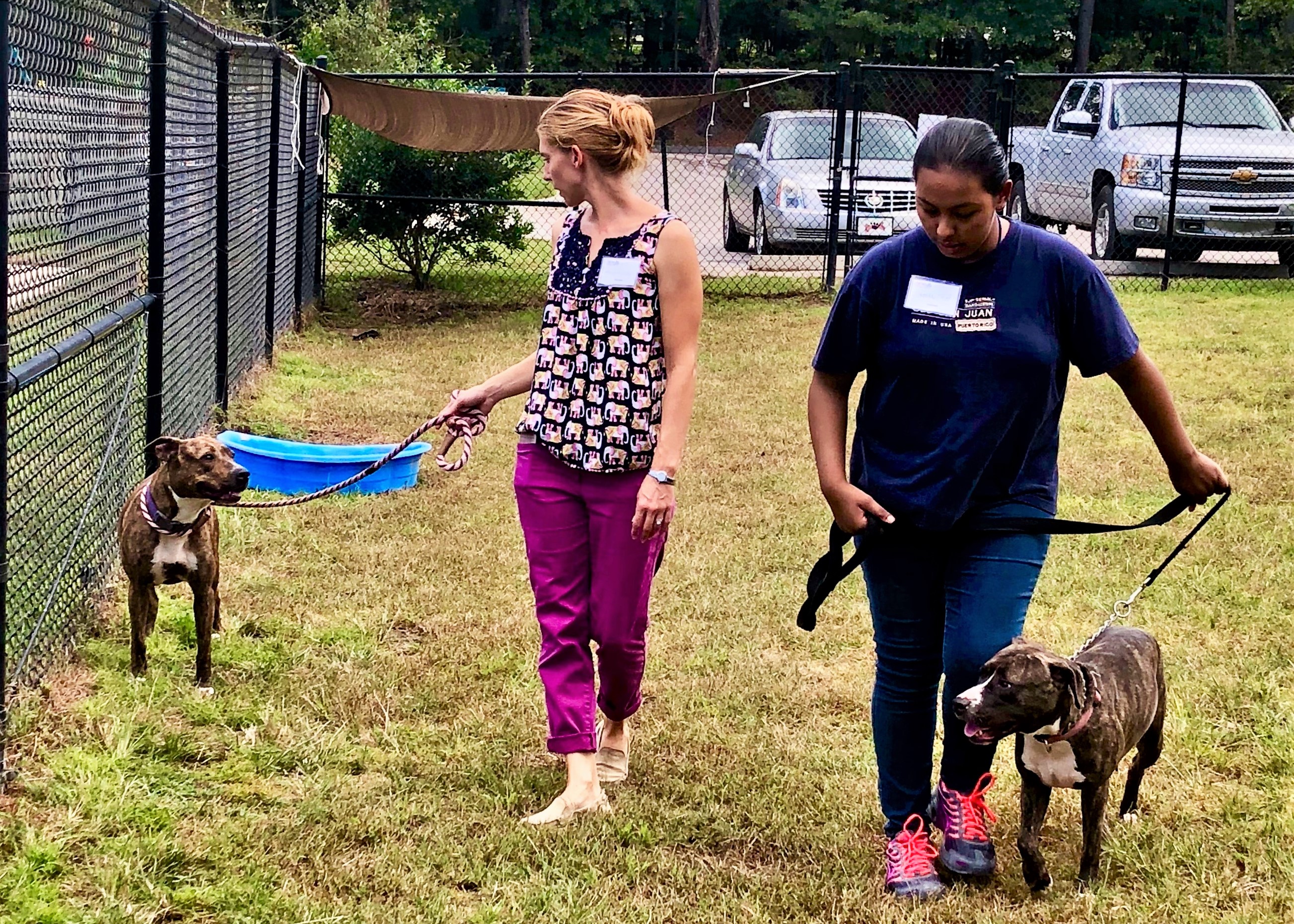
After play groups wrapped up, the obedience training began, where volunteers, under the guidance of trainer Jennifer Jotblad, teach the dogs basic commands to make them more adoptable. Dogs who have been at the shelter the longest get the most attention. One such dog, Lady, has become a star. Volunteer Malia Koelker takes Lady in her car for doggie-day outings, taking her to Hopeland Gardens and treating her to chicken nuggets at McDonalds. Lady loves the car and next week, if she is not adopted, will go to an offsite adoption event at Dover Saddlery.

At 11:00 the shelter doors officially open for adoptions. The shelter is participating in the “Pick Me” South Carolina adoption event, where shelters across the state waive or reduce adoption fees. I was pleased to see potential adopters come through the door. It also made my day to see a new foster pick up a dog—we always need more fosters.

Then a good Samaritan pulled up with two dogs he found on the street. Both dogs were microchipped, and the kind gentleman agreed to drive the dogs to home. Love those happy endings!

I then had the pleasure of catching up with volunteer Joanne Goble. Joanne had moved to Maryland in 2020 to be close to her family. Although she loved Maryland, she loved volunteering for FOTAS even more. She recently moved back to Aiken and has resumed her volunteer duties at the shelter. How cool is that?

FOTAS and the county staff are working overtime during these hot days to make sure no adoptable animal must be euthanized on our watch, but we need your help. Please adopt, volunteer, foster, and donate.
Their lives are in our hands.

By Jennifer Miller, FOTAS President
Bringing Your New Dog Home: Five Tips for a Successful Adoption

You just saved a life. A dog at the Aiken County Animal Shelter (ACAS) pulled at your heart and after visiting her, you took her home to be your companion. You’re excited but a little nervous (which is normal). It’s a big step to introduce a dog into your home, and you want to do all you can to ensure your new family member has a smooth transition to your residence.

But how do you do that?

“It’s all a matter of giving your new dog time to adjust,” said Karen DeCamp, who trains dogs at the ACAS with Susi Cohen. “Their world has been turned upside down, and each dog is different regarding how quickly they adjust and get comfortable in their home environment.”

When ACAS dog SIMON is adopted, his owner will enjoy a free session with certified professional dog trainers Susi Cohen or Karen DeCamp.

Here are five tips for making your dog adoption a success:

1. Prepare by purchasing must-have items. Having the right tools can ease the stress and smooth the transition for your dog from shelter to home. Purchase food bowls, beds, leashes, harnesses, toys and dog crate ahead of time.

2. Let your new dog decompress. When dogs leave the shelter, they are happy, excited, scared – a mixture of emotions. Give your adopted dog a few days to decompress and relax. She likely didn’t sleep well in the shelter, so don’t be surprised if she curls up and goes to sleep when she first enters your home.

3. Be patient and establish a strict routine. “Be consistent when you get your new dog home,” Cohen advises. “Take her out at the same time, feed her at the same time. Be rigid with her routine. This establishes discipline, keeps the dog focused and helps her get acclimated to her new situation.” For the first few weeks, you should also avoid taking your dog to busy places, such as dog parks or social gatherings. Try to limit interaction to your immediate family.

4. Crate train your dog. Crate training is a great way to help your dog feel safe and less anxious when you have to leave her alone to go to work or run errands. “Most dogs feel more secure if they have a place where they feel safe, and a crate can accommodate that need,” Cohen said. “Make it comfortable by putting a dog bed inside and leave the door open to start so it is welcoming to your dog. She needs to feel safe.

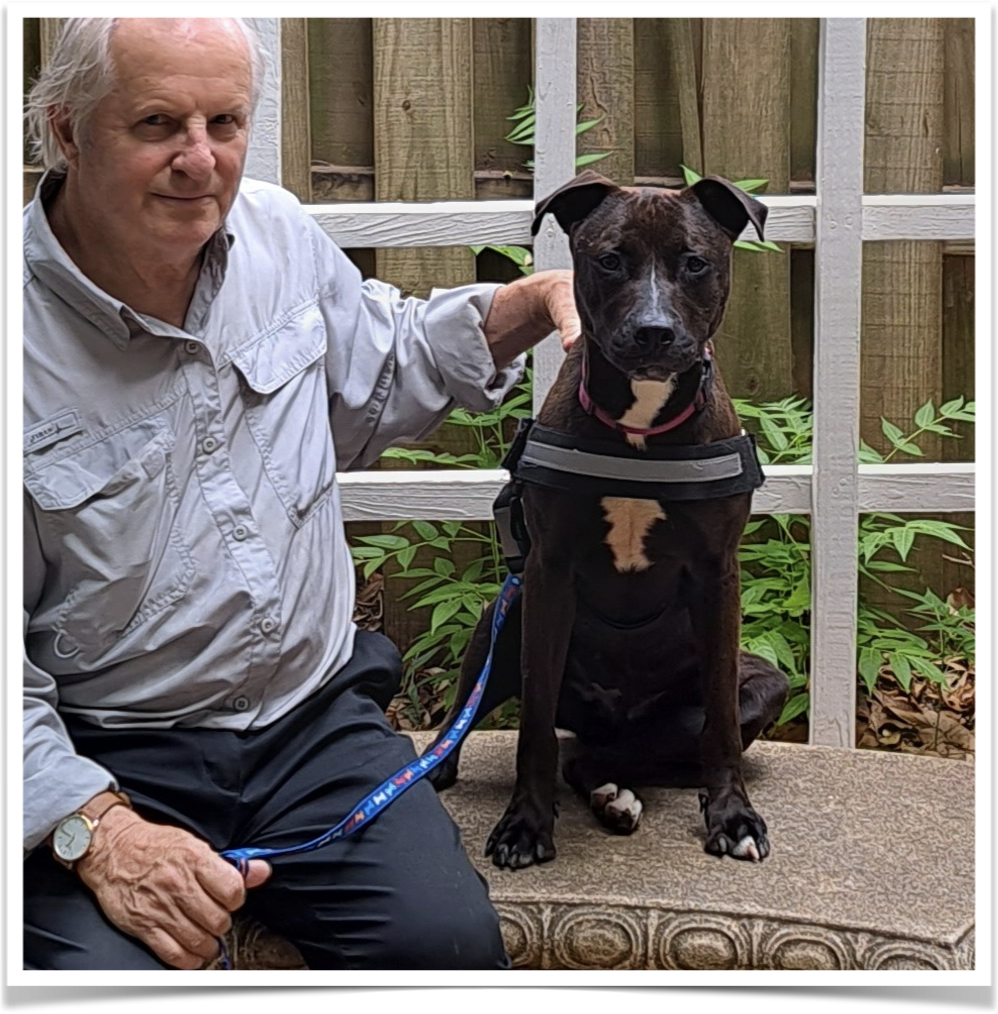
ACAS Dog Trainer Karen DeCamp, seen here with adoptable dog, MILES, says preparation and patience are key to a successful adoption.

5. Slowly introduce your dog to other pets. Before adopting another dog, a meet and greet with your dog at the shelter is strongly recommended. This will better ensure your dogs are a good match. To introduce them at home, DeCamp recommends walking them near each other on neutral ground that is not your current dog’s “territory.” This way, they can check each other out during the natural, positive activity of a walk.

Everyone who adopts a dog from the shelter receives a voucher for a free training session and can contact the ACAS trainers for guidance. “If you have any problems or questions, just call us,” Cohen said. “We’re here to help.”

— By Bob Gordon, FOTAS Communications Director

Job Shadow Day at the Shelter with Logan Heath

One of my favorite programs offered within the Aiken County School System is Job Shadow Day. Students are encouraged to follow an adult at work to learn first-hand what they do each day. This was the first year that a local student asked to shadow me at the Aiken County Animal Shelter (ACAS). I was so excited!

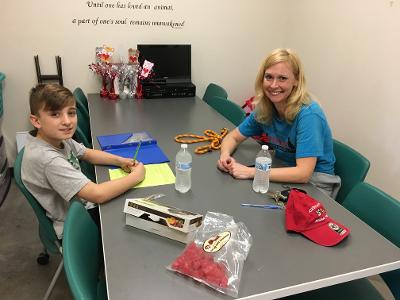
Logan Heath prepares for his Shadow Day with FOTAS Programs Coordinator Kathy Jacobs.

Logan Heath, a member of our Junior FOTAS after-school program at Tall Pines STEM Academy, arrived at 8 a.m. and we had plenty to do. I explained that we needed to walk the shelter and take inventory. We had to visit all the new dogs and cats and start making plans for them. It also meant preparing them for foster homes, calling foster families, flea-treating dogs, bathing puppies and making sure all adoptable pets were walked and shown love.

I noticed Logan’s eyes get big when he saw a new mother dog and her puppies. He had never seen puppies that little before. The mother dog was so sweet and let me take out a puppy for Logan to hold. We then called super foster mom Girl Conger-Wolcott to come pick up this litter.

Next, we saw a new puppy that looked so sad all curled up in a bed. We called Betsy Holmes and asked if she would foster him. She immediately said yes and was on her way. Logan and I bathed the puppy, found some food and toys and got ready for Betsy to arrive. Logan asked if he could name the puppy Alex, so we did. It suited him!

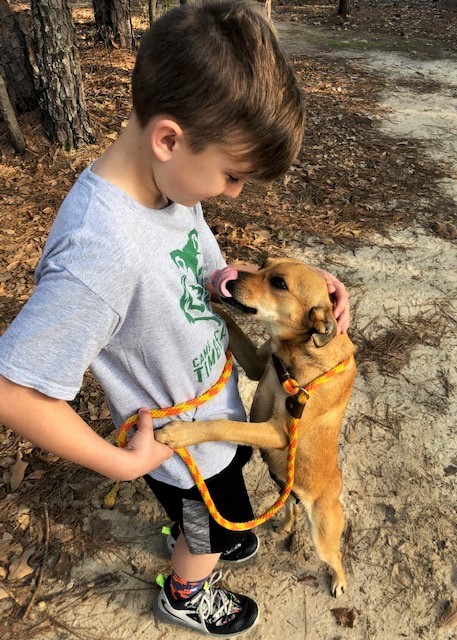
Tall Pines STEM Academy student and Junior FOTAS Volunteer Logan Heath bonds with Derry.

Logan has a dog but no cats, so he really wanted to spend time with a kitty. We had a super snuggly cat that enjoyed playing and getting some couch time. We talked about how playing and getting human attention can help a pet be more adoptable and less fearful of new people.

We then went to the kennels to meet the adoptable dogs. He really wanted to walk a cute dog named Derry. When we put the leash on, she rolled over and smiled. I told Logan she is what we call “perfection on paws.” Derry and her puppies were found dumped on the side of the road. How could a dog go through so much and still be so sweet?

Logan said his grandmother was picking him up after we were done and she was looking for a canine companion. When his grandmother arrived, he asked if he could show her a dog. He walked into the kennel and got down on the ground with Derry. His grandmother asked why he thought she should adopt her and Logan said, “Because she is amazing.” Without hesitation, she replied, “Okay then, let’s bring her home.”

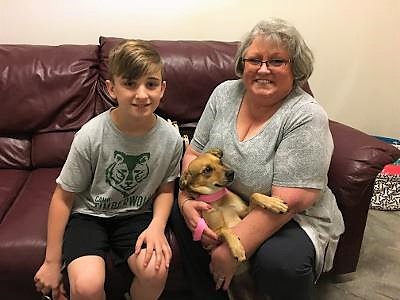
Logan and his grandmother, Kimberly Parker, adopt Derry — a dog that was found dumped on the side of the road with her puppies.

We are hoping to put all this social distancing behind us soon. We miss our Junior FOTAS volunteers! Young people like Logan make a huge difference in the lives of the shelter pets. We hope that children in Aiken County will stay connected with us by emailing lists of their favorite pet names, sending videos reading to their pets and submitting fun animal-themed pictures or videos that we can share with our Facebook followers. (Please send your submissions to info@FOTASAiken.org.)


— By Kathy Jacobs, FOTAS Programs Coordinator

Bringing Your New Dog Home

You did it! You made the decision to get a new dog, and you also decided to adopt your new dog at the Aiken County Animal Shelter. Armed with scientifically proven suggestions about how to choose, you drove to shelter, walked through the kennels on the adoption floor, and promptly fell in love with the goofy-looking spotted mutt with the big ears in #12. You name him Wally (after your cousin, Wally, who also has big ears), pay your fees, and sign the papers. You and Wally jump in the car and head for home, sweet home.

Now what?

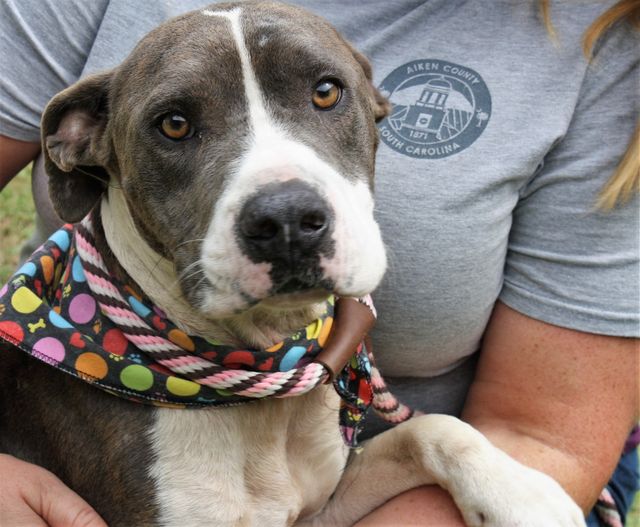
Mixed breed Martin gets a hug from his new sister before heading home.

“The very first thing you need to do,” says Susi Cohen, President of the Palmetto Dog Club and a FOTAS volunteer trainer, “is teach your dog to be a good family member. It’s likely Wally has never had any basic obedience training (many shelter dogs haven’t), but if you invest some time into teaching him basic commands (sit, stay, wait, heel, and down), the rules of the house, and developing a schedule for sleeping, eating, play time, and exercise, the payoff will be huge.”

Like any relationship, it takes time for you and your dog to get to know each other—figure each other out. Like people, dogs are a product of their breeding and their environment, with their own personality, likes and dislikes, fears and preferences. But unlike (most) people, dogs are the most adaptable (and forgiving) animals on earth.

“It’s all about helping Wally make the transition,” says Karen DeCamp, also a FOTAS volunteer trainer. “In addition to the loss or abandonment associated with ending up in the shelter, life in the shelter can be stressful. Going to another new place may be confusing at first, but dogs, particularly shelter dogs, want to please you. All it takes is a little love and patience.”

This initial energy and focus pays off in spades. It’s exciting, too—you are creating a bond with your new pal, and FOTAS is here to help with that, too. Both Cohen and DeCamp provide adopters with a free obedience lesson at home. They will help you come up with a personalized game plan to make sure you and your dog enjoy a lifetime of joy and companionship.

Mary Scott Valentine and Taylor Swan love their new dog, who they adopted from the County Animal Shelter and renamed Jerry Garcia.

It’s been two weeks since Wally joined your family, and you’ve spent a lot of time together. He adores your toddler and is terrified of your cat. He flings his squeak toys around with wild abandon. He’s wary of strangers at first and loves to play with other dogs. When he’s not cleaning up the crumbs under the baby’s highchair, he trails your wife around the house like a wake. He never tires of a car ride, looks forward to his walks, and snores when he sleeps. He’s so fast, squirrels tremble at the very sight of him. He’s learned to sit, does his business outside (you’ve been consistent with his routine), and comes when you call him—most of the time. He loves nothing more than to curl up on the couch with his head on your leg.

He is, quite simply, the best dog ever. Even your cousin Wally thinks so.

Their lives are in our hands.

— By Joanna D. Samson, FOTAS Vice President

BY THE NUMBERS
According to the Humane Society of the United States, 71 percent of domestic violence victims report that their abuser also targeted pets..

PETS OF THE WEEK

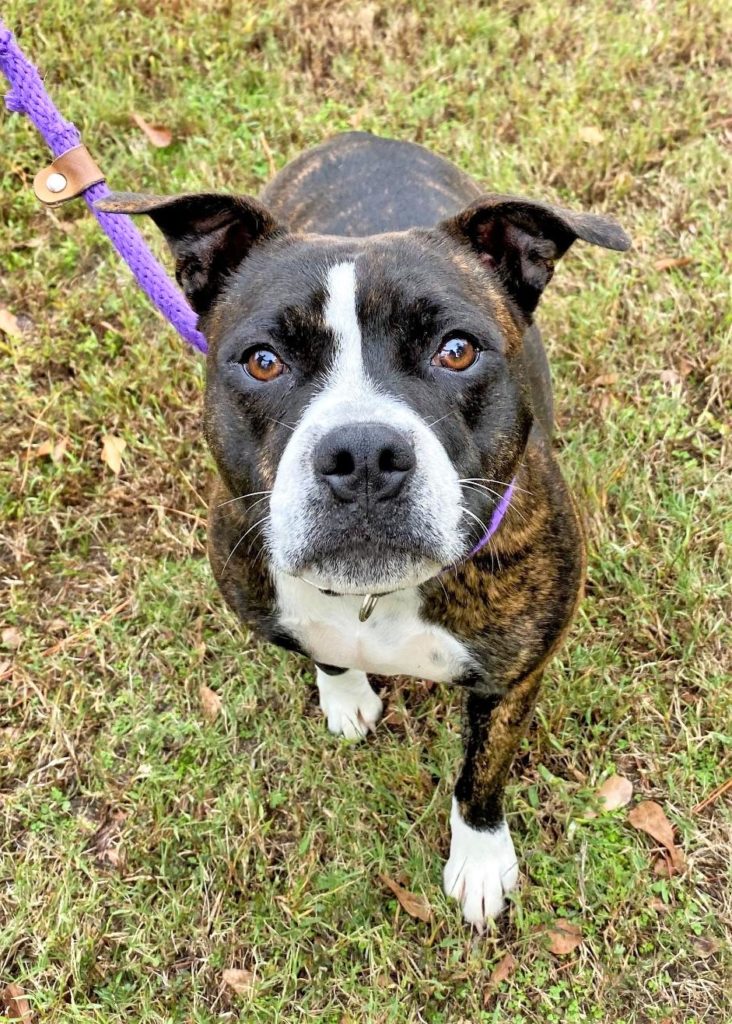
INDIA
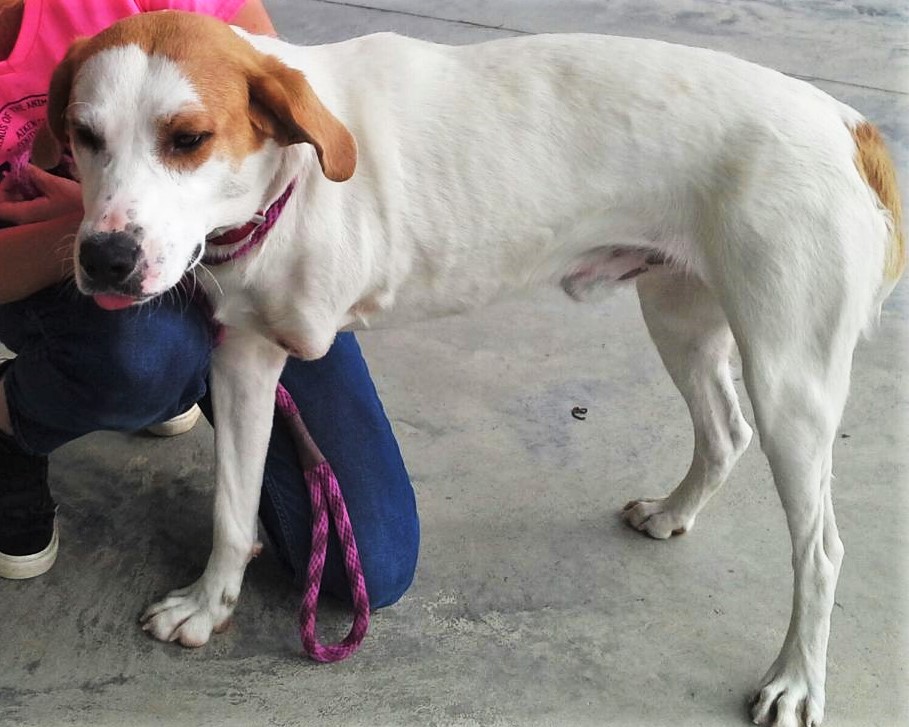
Mixed breed, female, 1 year old, brindle & white, 45 pounds – $35

RAVEN
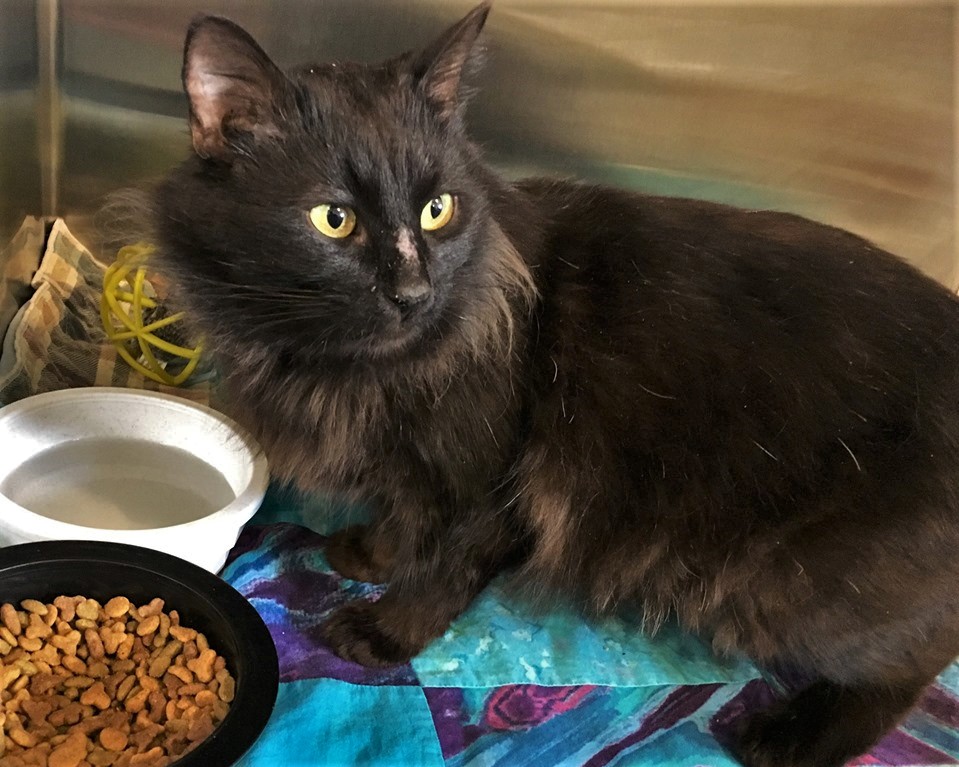
Domestic Shorthair, female, 3 years old, 10 pounds – $10                               

Teaching Children Well about Training and Responsible Pet Care

By Kathy Jacobs, FOTAS Program Director

Educating our children is essential for promoting better pet care and reducing the number of homeless dogs and cats.

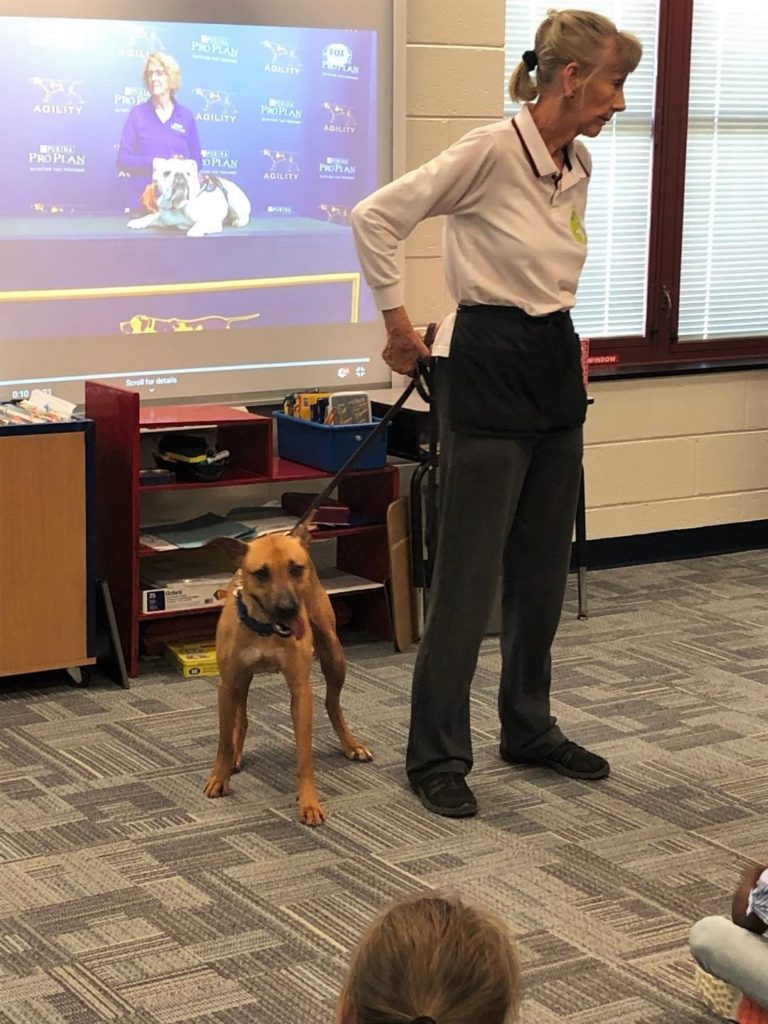
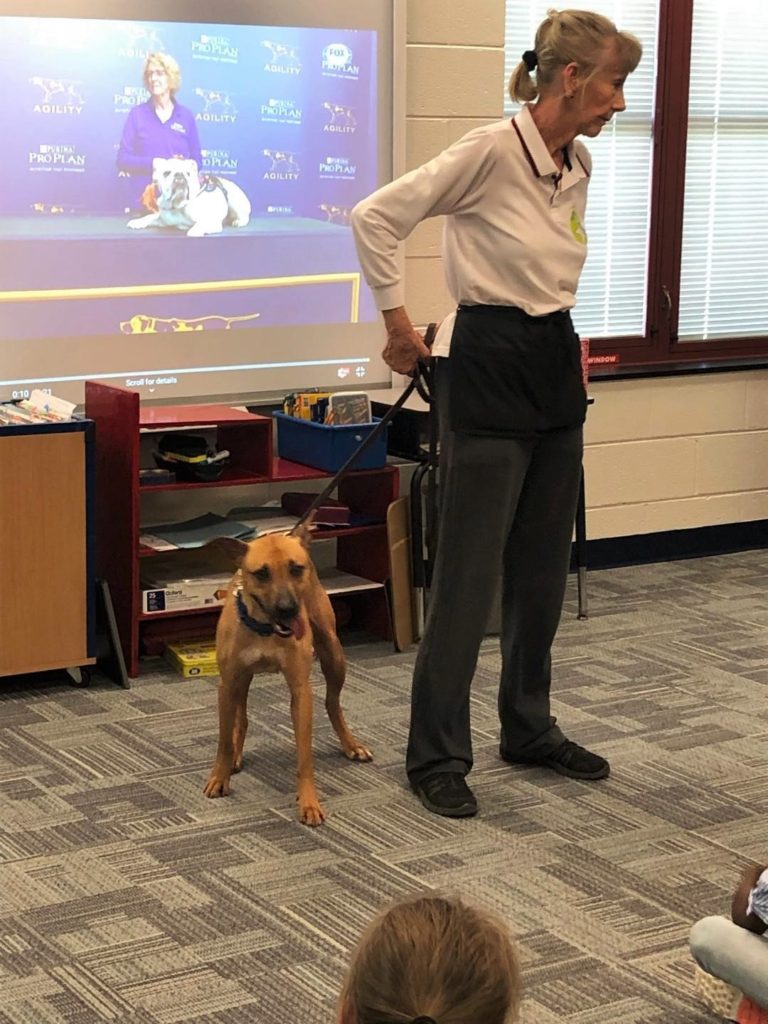
Last week, Dog Trainer Susi Cohen and I were invited to Oakwood Windsor Elementary School to share what we do to support the Aiken County Animal Shelter (ACAS). Susi, a trainer with the Palmetto Dog Club who volunteers her services to FOTAS, brought Holly, a young Retriever mix, to demonstrate basic dog training to the children. She explained that just as teachers use positive reinforcement with students, dog owners need to do the same with their pets.

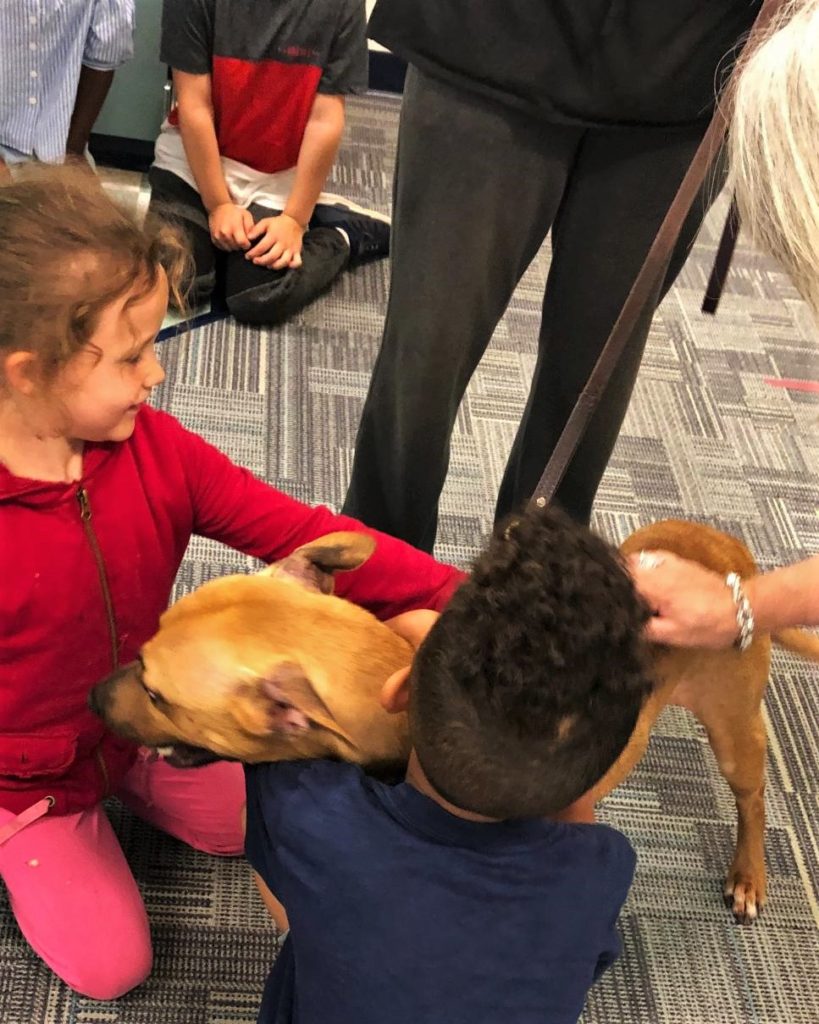
The students pet Holly, an Aiken County Animal Shelter Dog that was available for adoption.

When young Holly jumped up for attention, Susi explained that the best way to handle this overzealous behavior is to redirect her and praise her when she returns to standing on all fours. She stressed that you should never call your dog a “bad dog”. There are no bad dogs, just dogs that didn’t receive the training that they so desperately need.

One little boy had a great question. He said he understood it was not proper to call his dog bad but asked if it was okay to tell his dog, “No,” when it was misbehaving. Susi smiled and agreed that you must correct your dog, but it’s important to find a specific way to say it. Maybe tell your dog “Off” instead of “No”. She explained that yelling at your dog doesn’t help either; just simply praise your pet when she does what you want her to do. Dogs love attention and they love to please. Training provides both offerings for your pet.

So many of the dogs that come into the shelter are one to two years old. The behavioral reasons people give for surrendering them are typically because they are “too high energy”, “destructive” and/or “too much responsibility.” But if you train them properly, you can avoid these issues. Susi and Karen DeCamp, another wonderful trainer with Palmetto Dog Club, meet and work with people who are struggling with their pet’s conduct. Often, they can provide simple training tips to fix such unwanted behavior, which helps keep many dogs in their homes and out of the shelter.

During her visit to Oakwood Windsor Elementary School, Susi Cohen demonstrates some training techniques with shelter dog Holly.

I also brought a foster kitten to visit with the students. The students were surprised when I told them how many dogs and cats are taken in by the shelter each year. One boy said, “My dog just had 12 puppies, but three died.” Another little girl said her cat had kittens up in the attic and one had a lot of medical issues. I explained to them that Aiken County and FOTAS offer help in these situations. We have spay/neuter vouchers available at the shelter that greatly reduce the cost of this important surgery. It is a simple procedure that will ensure their dog or cat won’t have any more litters.

Going to the schools is always so rewarding. Not only do the shelter animals enjoy spending time with the students and vice versa, but teaching children about animal welfare and responsible pet ownership today paves the way for a better tomorrow.

Their lives are in our hands.

PETS OF THE WEEK

DREI
Hound mix, male, 1-1/2 years old, tan & white, 58 pounds, amputated left front leg – $35

Three-legged dog DREI

JACKSON
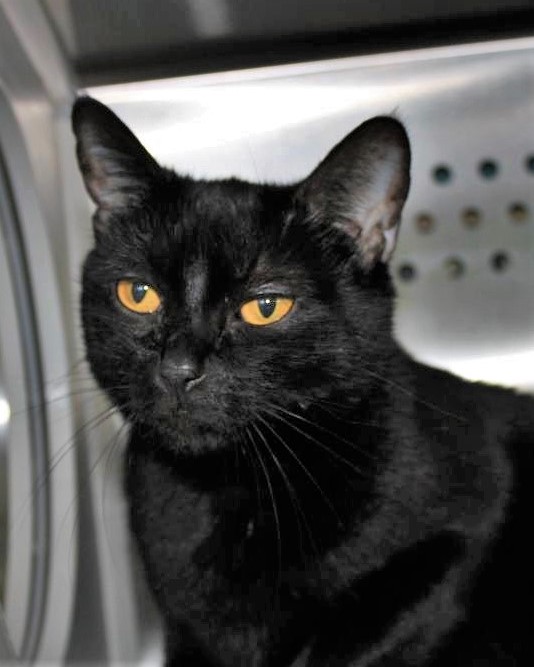
Domestic Medium Hair, male, 2 years old, black, 8.8 pounds – $10

JACKSON

Couple Fosters Shelter Dogs, Prepares them for Good Homes

When Yvonne and Colin Brookes moved to Aiken from the UK two years ago, they didn’t think they’d have any dogs in their home. They planned to make frequent trips back to the UK to visit family and friends across the pond, so owning pets wasn’t practical.

But for a couple not used to life without animals, this was a difficult adjustment. Yvonne spent most of her life as a professional horse trainer and rider in North Yorkshire, England and at one time she and Colin owned six horses, two dogs and two cats. Shortly before moving to Aiken, their last dog, a Jack Russell named Bernie, passed away at the age of 18.

“It was very hard not having a pet but then we heard about FOTAS and attended their Woofstock festival – and we discovered a way to spend time with animals and at the same time help dogs in need,” Yvonne said.

They started by walking dogs and spending time with them on the shelter grounds. Then Yvonne began to take dogs on “Doggie Days Out,” a FOTAS program that allows people to take shelter canines for short trips to the park, downtown or even just for a car ride. Yvonne was taking so many dogs on days out that a separate sign-out sheet was created for her.

Finally, Yvonne and Colin took in a puppy, Tyler, for about a week to help the 5-month-old Hound get used to people and experience what living in a house is like before being placed in his forever home.

“The fear we had initially was getting too attached to the dogs,” Yvonne explained. “We had never fostered before and in the past, any animal in our home was considered a member of the family. But once we took the approach that these dogs were just with us for a little while and already destined to be someone else’s pet, it became an extremely rewarding experience.”

Yvonne Brookes takes shelter dog Zeus on a walk downtown to help socialize him. Such special attention and training helped prepare Zeus for his forever home.

After Tyler, the couple fostered a young Lab mix Carlos. Then came Mac, Maverick, Celeste, Polo and Zeus. All were dogs needing socialization and training. Retriever Celeste was shy but bloomed into a confident canine under the two-week tutelage of Yvonne.

Polo, a chain dog, learned better manners and how to walk well on a leash. Zeus, a large Rhodesian Ridgeback, who was anxious and bit at his leash when being walked, became a well-behaved, calmer dog.

“I would tell anyone who’s thinking of fostering, give it a go,” Yvonne said. “It really helps these animals. It helps them find homes and raises the likelihood of a successful adoption. Sometimes it’s just a matter of teaching these animals that they can be loved.”

Their lives are in our hands.

— By Bob Gordon, FOTAS Communications Director

By the Numbers
On the first  two days of the new year, the County Animal Shelter took in 58 strays and surrendered pets.


Pets of the Week
PHILO
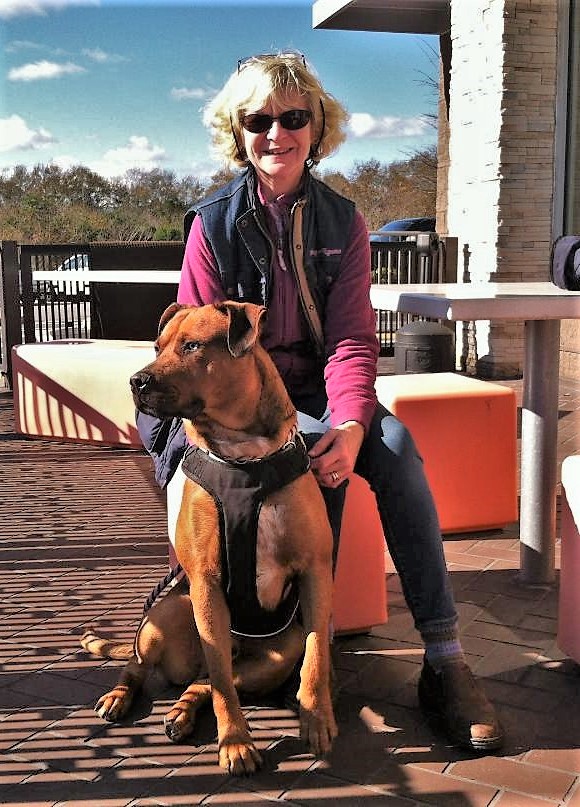
Mixed breed, male, 3 years old, brindle/white, 48 pounds – $35

CLARA
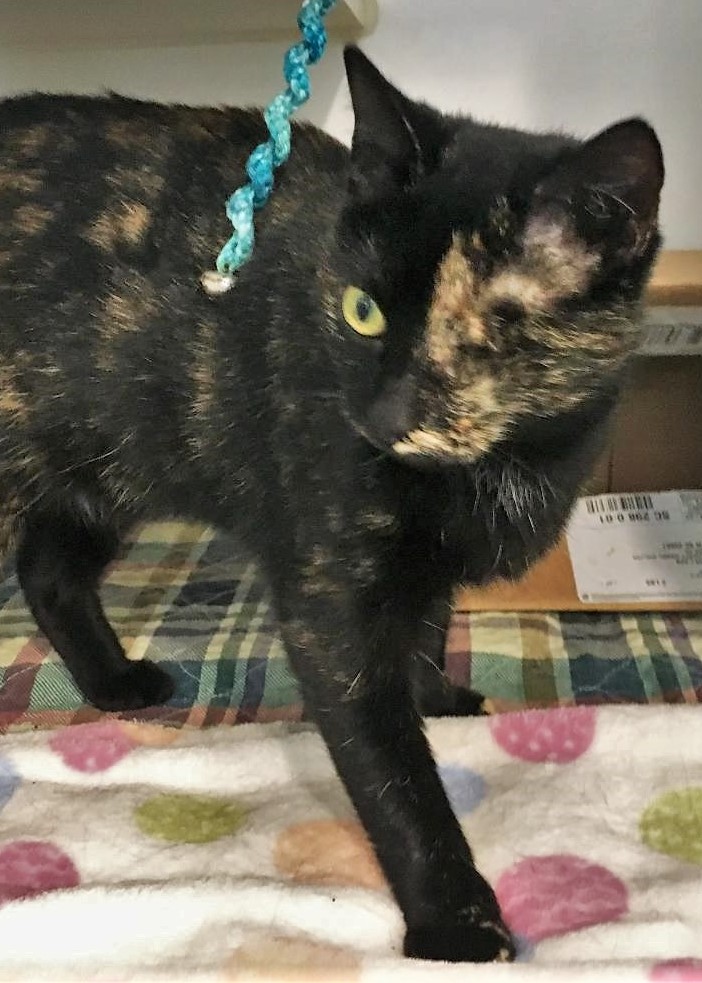
Domestic Shorthair cat, female, 1 year old, tortoiseshell, 8 pounds – $10

FOTAS and USC Aiken Partner on Program that Helps Save Shelter Dogs’ Lives

When you take Dr. Meredith Elzy’s Behavior Modification class at USC Aiken, not only do you learn the key concepts of this psychology therapy in a regular classroom setting, but you also make weekly visits to the Aiken County Animal Shelter to learn how to train homeless dogs.

The USCA students work closely with and get to know the dogs during their training.

“My role is taking what students are doing with the dogs and facilitating how it pertains to what they’re learning in the classroom,” Dr. Elzy explained.

Now in its second year, the program has already gained popularity at USC Aiken with students eager to spend time with shelter dogs for credit. Three hours a week are devoted to lecture and discussion at USC Aiken, but one hour a week involves working closely with dogs on the adoption floor.

This year, Dr. Elzy decided to join the students during this hands-on part of the program.

“I’ve learned the importance of getting to know the personalities of the dogs and what it means to work with a dog that may have been neglected and is now craving love and attention,” she said. “I think it’s a really important skill to perceive what each dog’s strengths and weaknesses are from both a behavior modification aspect and a broader psychological aspect.”

Besides teaching students psych concepts and providing them with valuable learning tools, the class also helps to prepare dogs for their forever homes.

Susi Cohen’s (left) dog training class at the ACAS is helping USC Aiken Psychology students learn their craft while also preparing dogs for adoption.

USC Aiken Assistant Professor Dr. Meredith Elzy (left) walks Tiger as one of her students works with Billie. Both shelter dogs are steadily gaining more confidence through training.

When shelter canines receive more time and attention, it makes them more trusting and confident – which makes them more adoptable. In fact, the extra human attention can save their lives by better ensuring they will make good pets and be on their best behavior once adopted.

Students come to the Shelter on Tuesdays and Thursdays to work with the dogs for an hour and follow the instruction of Susi Cohen, one of the Shelter’s lead dog trainers. During the first five weeks of class, the students enjoy the group instruction from Susi; but during the second five weeks, they’ll take what they’ve learned and apply it on their own, socializing and walking dogs as FOTAS volunteers.

“I’ve been amazed at how sweet these dogs are,” said USC Aiken student Rachel Hopkins. “They seem so sad at first…but once they get out there with us, they do a complete 180 because they’re so happy being with people and getting attention.”

Hopkins said she’s gotten a little emotional at times seeing the many unwanted dogs, but the chance to learn while giving back to the community has been a valuable experience.

“During my first class, one of the dogs, Jett, rested his head on my lap for five straight minutes and it really pulled at my heart how much he just wanted to be accepted and loved on,” she said. “But I was just informed that he was adopted this week, and that makes me feel wonderful.”

Their lives are in our hands.

— By Bob Gordon, FOTAS Communications Director


By the Numbers
In the first half of October, the County Animal Shelter received more than 300 strays and surrendered pets!


Pets of the Week

CARLIN
Domestic Shorthair, male, gray Tabby, 2 months old, 1.8 pounds – $10


POLO
Retriever mix, male, white and tan, 3 years old, 49 pounds – $35