

Tag Archives: Fix-a-Pet

Why You Should Spay or Neuter Your Pet

On Wednesday, July 31, 44 animals were surrendered to the Aiken County Animal Shelter between 12:00 p.m. and 4:00 p.m., the shelter’s posted intake hours. Forty-four animals in four hours on one day! Do the math, that’s an average of 11 animals per hour for four hours!

Shocking. Distressing. Heartbreaking!

The vast majority of these animals did nothing wrong. They were victims of owners who brought them into this world and then washed their hands of them, leaving the rest of us to pay for their neglect.

It’s been a horrible summer for animal intake at the shelter. The number of animals coming into the shelter May through July (that is, 1,618) was double the amount of intake for January through March (827).

Discouraging. Mind-blowing. Sad.

The only way to reduce the shockingly high number of homeless and abandoned animals is for every Aiken County pet owner to spay and neuter their pets. Fixing your pet is good for them, for you, and for the community. Here’s why:
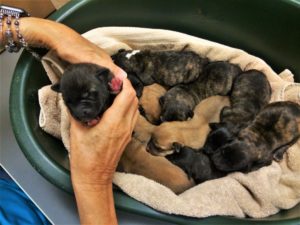
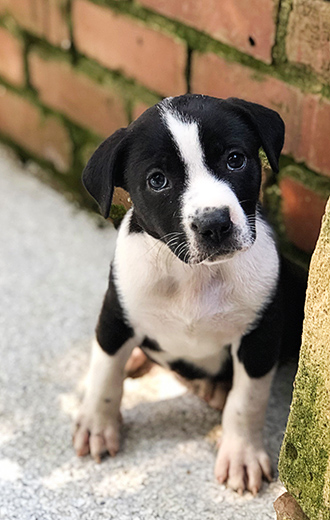
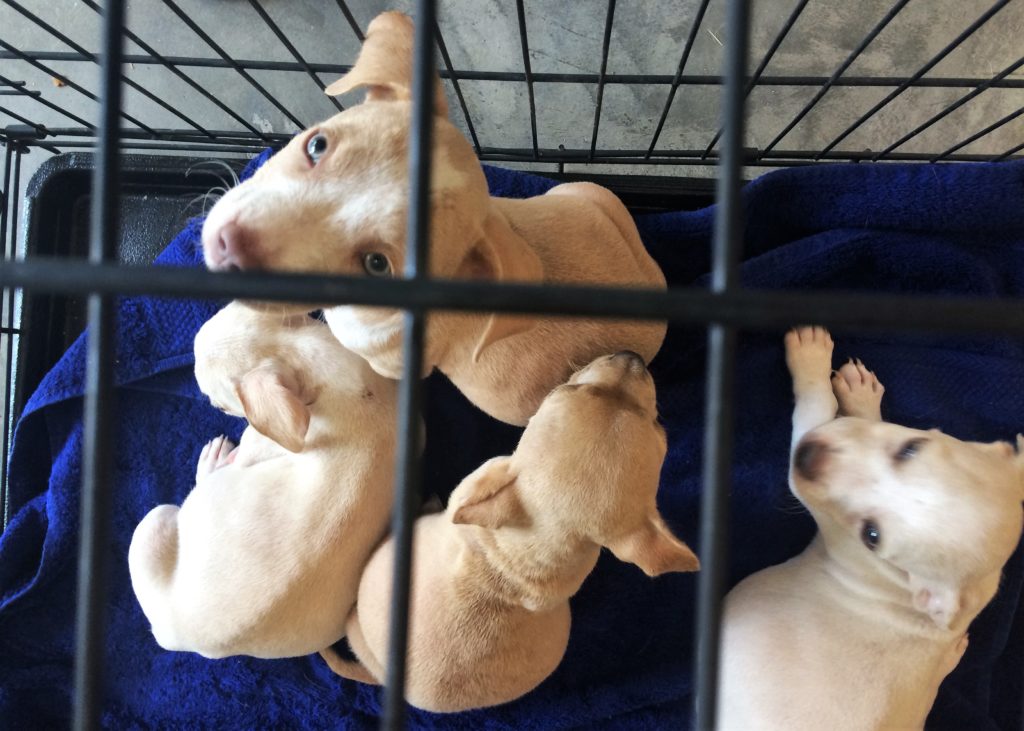
Spaying and neutering is affordable through the Aiken County voucher program. Fixing animals prevents huge litters of unwanted puppies like this one.

Your pet will live longer. Spayed and neutered animals have significantly less health problems than their unfixed counterparts. By the way, it is not true that pets get fat and lazy as a result of spaying and neutering—only a bad diet and lack of exercise will do that.

Spayed and neutered animals are less likely to roam. That means they are less likely to catch diseases from other animals, get lost, fight with other dogs, or get hit by a car (85% of dogs hit by cars are unaltered).

No more dogs in messy heat. Spaying your female before she is 6 months old means you can avoid the messy, noisy heat cycles that typically occur twice a year. It also means you can avoid the messy, noisy, smelly crowd of male dogs or cats hanging out in your yard while your pet is in heat.

Fixed animals are less aggressive. Neutering your dog decreases potentially aggressive behavior to other animals and people. Particularly children, who are by far the most frequent victims of dog bites.

Your cat or dog will be a better pet. Fixing your pet eliminates unpleasant spraying and marking in your yard, on your rug, on your furniture.

Fixing your dog will not make him less protective. Dogs are naturally protective by nature, particularly if you love and feed them.
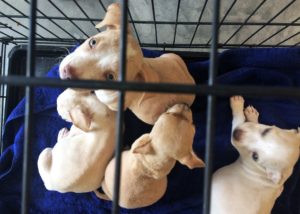
The number of animals coming into the shelter May through July (1,618) was double the amount of intake for January through March (827).

Fixing your pet is cheaper for the community as a whole. Public shelters are funded by taxpayer dollars. If everyone fixes their pets, the number of homeless and abandoned animals at the shelter will be dramatically reduced, as will the amount of public funds needed to care for those animals.

Moreover, the cost to spay or neuter your pet has never been more affordable. Aiken County has a voucher program, supplemented by FOTAS, to provide low-cost spay/neuter services to residents who need financial assistance. The vouchers are distributed at the County Shelter at 333 Wire Road. Make arrangements to spay or neuter your animal today. Convince your neighbors, friends and family to spay and neuter their pets, too.

There are so many loving, deserving animals in the Shelter that need a home – why bring more animals into a world where their safety and care is so uncertain?

Their lives are in our hands.

— By Joanna D. Samson, Vice-President, FOTAS


By the Numbers
In just the first week of August, the Aiken County Shelter received 130 strays and surrendered pets.


Pets of the Week
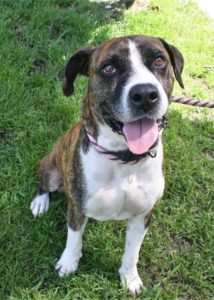
DUNCAN: Boxer mix, male, 4-1/2 years old, brindle & white, 61 pounds – $35
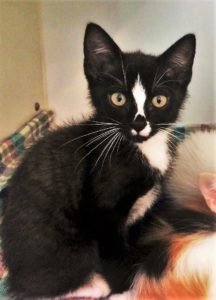
 

FRANKIE: Domestic Shorthair, male, 2 months old, black & white, 2 pounds – $10
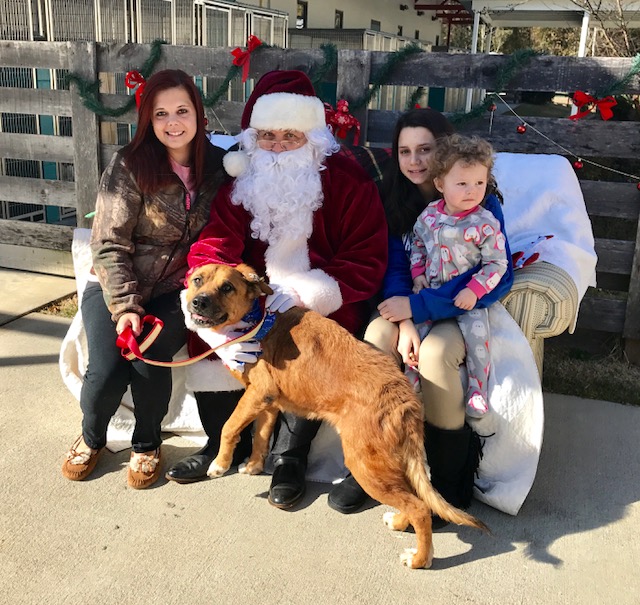
FOTAS: Christmas spirit, gratitude and saving animals

Every Sunday, the ‘Aiken Standard’ allows us this space to tell you about the Aiken County Animal Shelter, FOTAS and the plight of the 5000 homeless animals consigned to the Shelter every year, and we are deeply appreciative for that opportunity. Over the years, we have used this column to tell you about initiatives designed to save the lives of more animals and to report on our progress. We have written about the special people who have made a difference in the lives of the Shelter animals, and we have showcased particular dogs or cats who had captured our hearts and needed a little extra “ink” to find them that perfect home.

This Christmas Eve, however, we are not going to use this space to report or convince or to ask you for help; instead, we are simply going to thank you … all of you:

Chairman Gary Bunker and the County Council, County Administrator Clay Killian, and Assistant County Administrators Ashley Jacobs and Brian Sanders for being responsive and responsible public partners;

Councilwoman Kathy Rawls, believed in our mission from the very start and helped us build the successful public/private partnership between the County and FOTAS;

Paige Bayne, Director of Aiken County Code Enforcement, and our beloved Bobby Arthurs, Chief Animal Control Officer and Shelter Manager, who directly oversee and manage the Shelter operations with thoughtful and dedicated attention to the welfare of the animals;

The County Shelter staff—the intake administrators, adoption coordinators, vet assistants, kennel techs and custodians—who make certain that all of those animals are properly documented and cared for with compassion and efficiency;

Dr. Lisa Levy, the Shelter Vet, whose medical prowess and big heart has saved the lives of hundreds of animals who arrive at the Shelter abused, mangled and injured, giving them a second chance;

The FOTAS volunteers, who work on bookkeeping, social media, and special fundraising events; who work with FOTAS Fix-a-Pet and curbing the population of community cats; who organize and work on special fundraising and on-site events; who foster mamma dogs and cats and all their progeny, who care for animals designated for transfer; who shuffle animals to off-site adoption events; who greet the public and man the front desk, walk the dogs, love up the cats, work with play groups, and show animals to potential adopters—the dramatic and steady increase in the Shelter’s live release rate since 2009 (84% so far this year) is directly related to their efforts; and

Last but not least, you, the Aiken community, who have supported our efforts with enthusiasm and generosity, adopted your pets from the thousands of deserving animals who end up in the Shelter, and who are working to end the excessive population of homeless animals by spaying and neutering your animals—you have designated the Shelter as your community shelter, and we could not be prouder.

The Board of Directors of FOTAS—Jennifer Miller, Mary Lou Welch, Edythe Hubler, Frank Townsend, Dr. Charlie Timmerman, Caroline Simonson, Ellie Joos, Ellen Priest, Grant and Heather Wiseman, Shanna Ryberg Pearsons, Jeri Barrett, Allison Tyler, myself, and FOTAS Program Director Kathy Jacobs, wish you and your family Merry Christmas and a happy and healthy New Year.

Their lives are in our hands.

By Joanna D. Samson, FOTAS Vice President

By the Numbers

December specials – dogs/puppies $35, cats/kittens $10

January through November: FOTAS and the Aiken County Animal Shelter saved 3,706 dogs and cats.

Please adopt and help us save 4,000 by the end of 2017!

Pets of the Week

MARIELLE: Shepherd mix, female, 3 years old, black w/white, 31 pounds –$0 (adoption sponsored by FOTAS donor)

MARIELLE POTW DEC 24 2017

MILA: Domestic medium-hair cat, female, 1 year old, gray, 6 pounds – $0 (adoption sponsored by FOTAS donor)

MILA POTW DEC 24 2017


Feral kittens and the Good Samaritan

By Joanna Dunn Samson, FOTAS Vice President

One morning, you come downstairs to the kitchen, turn on the coffee maker, and open the back door to check the weather. Then you hear it: faint, pitiful mewing sounds coming from the crawl space under the porch. You grab a flashlight and go out to investigate. What you find breaks your heart: six tiny feral kittens, eyes still closed, mewing for what? Food? Mama? Warmth?

What do you do?

mother cat and kittenThe Good Samaritan in you wants to spring into action and rescue the little snuggle nuggets, but is that the wisest course?

“It isn’t, at least not right away,” says Hillary Clark-Kulis, the Adoption Coordinator for the Aiken County Animal Shelter. “Odds are mama has gone out to feed herself and will be returning soon to care for her babies, and it is always better for little kittens to be cared for by their mama. She can properly clean and feed them around the clock. We advise waiting and watching for mama to return. Patience is the better part of valor in these cases.”

Raising little kittens is tricky business. They need to be fed every two hours around the clock. They cannot eliminate waste on their own, so cleaning and massaging in just the right places is required to allow them to process their food. Mama’s milk also provides crucial antibodies. When the kittens are weaned to hard food, mama teaches them how to be little cats, how to fend for themselves, how to hunt.

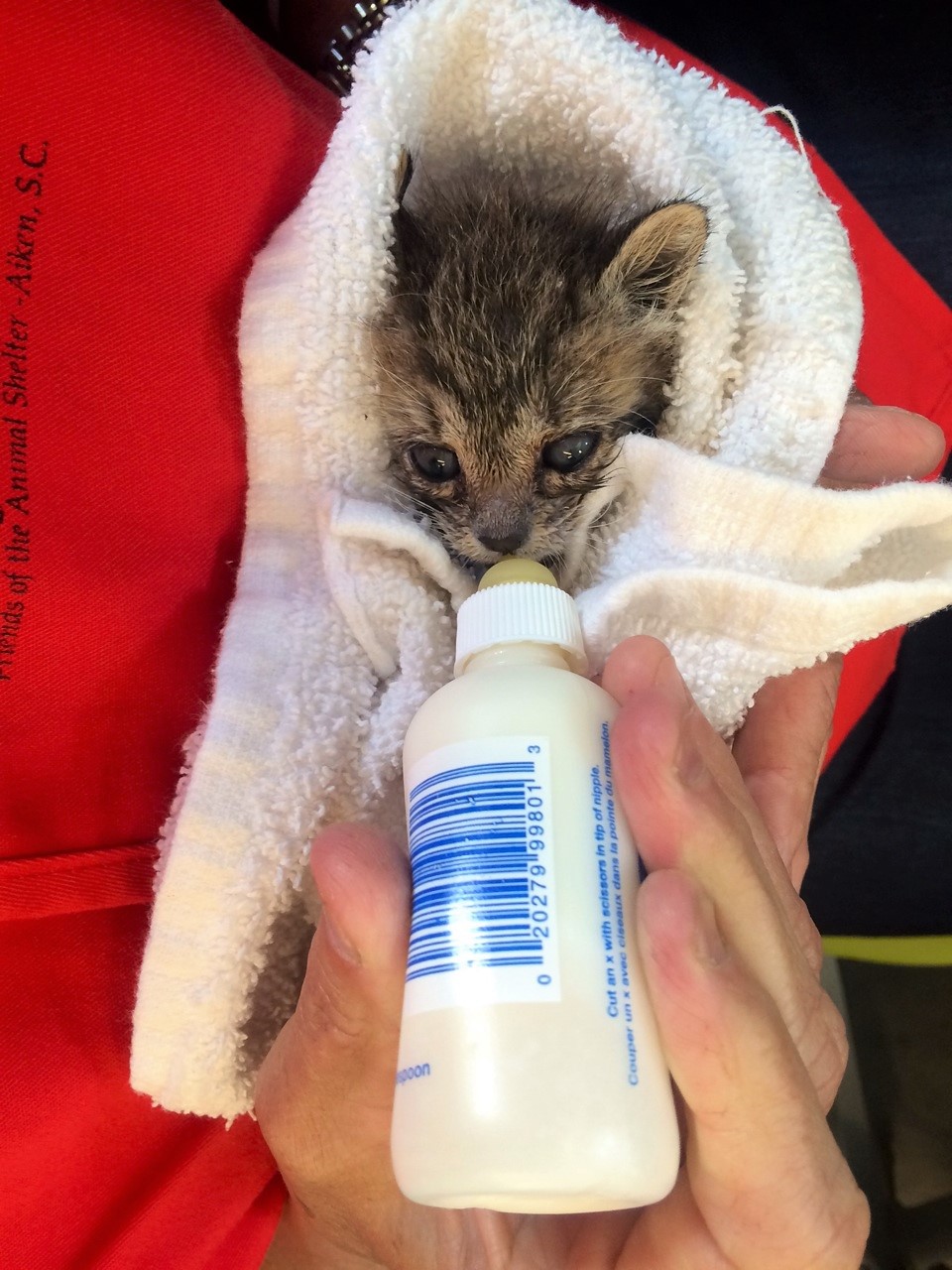
kitten bottle feederAssuming mama comes home, the best thing you can do is support mama until the kittens are weaned. Provide her healthy cat food and clean water, maybe a box with soft towels for a warm dry place to nest.

Feral cats are often fearful of humans, so speak softly, move slowly, try to befriend her, get her accustomed to friendly human contact. FOTAS can provide you with the appropriate supplies if needed.

After about five weeks, call the Shelter and make an appointment to bring mama in to get vaccinated, spayed and returned to field (no cost to you), and the kittens to be vetted and put up for adoption (unless the kittens are too feral, in which case, they too can be vaccinated, spayed and returned to field.)

Let’s rewind: what if you watch the little kittens all day and mama doesn’t return, then what do you do?

Now it’s time to collect the little kittens and bring them to the Shelter. Dr. Levy will assess their health, then FOTAS volunteers will foster the kittens at home. That means two weeks of bottle feeding every two hours, watching their temperature, keeping them clean until their eyes open and they can eat on their own. Once they pass that critical stage, the little snuggle muffins can be socialized until they are big enough to be adopted.
“Taking proper care of new-born kittens requires skill and patience, but there are experienced FOTAS volunteers we call upon for help,” says Kathy Jacobs, FOTAS Program Director. “We couldn’t do it without them, and we always need more volunteers!”

Call the FOTAS hotline at (803) 514-4313 or the County Shelter at (803) 642-1537, when your Good Samaritan is called into service.

Their lives are in our hands.

By the Numbers
Jan. to Sept. 2017: FOTAS Fix-A-Pet and the Aiken County Animal Shelter spayed/neutered 864 community/feral cats that were returned to field.

Pets of the Week

REMINGTON: Retriever mix, male, 2 years old, light brown and white, 46 pounds – $35
ERIK: Domestic shorthair cat, male, 1-1/2 years old, light orange Tabby, 10 pounds – $10 (available at Aiken PetSmart)

Giving Thanks

Thanksgiving is a time of reflection for those of us at FOTAS—a time to take stock of our blessings; to consider the remarkable progress we and the County have made in making the world a better place for Aiken County’s homeless, abandoned and abused animals; and in particular, to celebrate the many people who have contributed to our astonishing success and made this journey so meaningful.

Thanks to our committed partner, Aiken County, for making it possible to save the lives of thousands of homeless animals in the County. The strength of its commitment and the success of our partnership is evidenced not only by the state-of-the-art public animal shelter on Wire Road, but also by its increased commitment to subsidized spay/neuter for County residents.

Thanks to Paige Bayne, the County’s Enforcement and Animal Services Director, Bobby Arthurs, the Shelter Manager and Chief Animal Control Officer, Dr. Lisa Levy, the Shelter’s veterinarian, and all the Shelter staff for their dedication to increasing the opportunities for each adoptable animal to find a forever home and their willingness to implement new programs and practices that enhance those opportunities.

Thanks to the army of volunteers who make the work of FOTAS possible – everything from manning the front desk, walking and training dogs (91 volunteers walked dogs during the last 3 months), managing canine play groups, working special events and fundraisers, fostering dogs, organizing transfers, manning off-site adoption events, working on publicity, social media and financial record and bookkeeping responsibilities, and coordinating FOTAS-Fix-a-Pet activities.

Committed volunteers like Bonnie White, who helps at the shelter four days a week. “I get back so much more than I give,” says Bonnie. “When I leave the shelter, I’m not thinking about my bills or the dishes in the sink; I’m thinking about the dogs I helped and what else I can do to make them a better adoption prospect. Or I’m thinking about the abandoned kitten who just needs lots of love.”

Bonnie pauses. “You know what?” she says with a sigh. “I can’t adopt them all, but I sure can love them all.”

I am profoundly touched by her sentiment. I know she is not alone—all of our volunteers feel the same love, empathy, and commitment to the cause that Bonnie does.

And finally, thanks to you, the Aiken Community, for your extraordinary generosity and support. You have made it possible for FOTAS to help the County provide the best possible care for shelter animals, increase adoptions and transfers, and supplement the County’s spay/neuter financial assistance program.

And here’s the best part: all of that love, effort, commitment and hard work has paid off. The live release rate at the shelter has increased from 5% (in the pre-FOTAS years prior to 2009), to 29% (in the year before the new shelter opened in 2013) to almost 70% in the past year.

That’s a very big deal.

FOTAS and the thousands of animals that have been saved over the past 7 years thank you for your continued support. God bless you and your family during this holiday season.

Their lives are in our hands.


Bonnie White with an adoptable dog from the Aiken County Animal Shelter

There’s more than one way to adopt a County Shelter cat

By Bob Gordon, FOTAS Director of Communications Cats are fascinating creatures. They entertain us with their acrobatics, keep our homes free of mice with their hunting skills, and head butt us and purr to share their love and happiness. Not to mention they clean and groom themselves, don’t need to be taken for walks and come in a wide variety of patterns and colors. As Sigmund Freud once quipped, “Time spent with cats is never wasted.” But even with cats, sometimes you can have too much of a good thing – especially when people don’t get their pets fixed. Indeed, the Aiken County Animal Shelter has been overcrowded with homeless cats since spring. From May through September, about 1,240 cats have been taken in by the shelter. That is an average of 248 surrendered or stray cats per month! With so many strays and surrenders coming in and our facility at full capacity, we developed two other channels for cat adoptions. These other adoption outlets include: Barn Cat Program. Besides our domesticated cats and kittens on the adoption floor, we adopt out feral and less socialized felines as barn cats. These kitties are built more for the outdoors and serve as good mousers. Because of their wilder demeanor, the barn cats are available for free to those able to give them safe homes. However, there is still an application and screening process to adopt them. PetSmart Cats. Thanks to fantastic FOTAS volunteers and PetSmart’s outstanding staff and management, we are able to care for, exhibit and adopt out County Shelter cats from the company’s Aiken store. Having this outstanding alternative outlet for adopters has saved many feline lives. So far this year, more than 116 of our shelter cats have been adopted from the PetSmart located at 2527 Whiskey Road. Due to the unusually high number of homeless and stray cats and kittens being brought to the Shelter, FOTAS extended its $15 cat adoption special through November 30 and just yesterday held its second “Catpacity Saturday” in which all cats and kittens were adopted out for free. The Shelter and FOTAS need these additional channels and specials to place more felines and are working overtime to save as many County Shelter cats as possible. But we need your help. Please spay/neuter your pets. The only way to get the cat/kitten overpopulation in check is to stop the problem at its source. There are a number of ways to get financial help with the surgery. You can obtain a county spay/neuter voucher at the Shelter; or if your cat is outdoors and feral, check out our Trap/Neuter/Return (TNR) program. For more information about these and other programs, please go to the FOTAS website, www.fotasaiken.org. Their lives are in our hands.
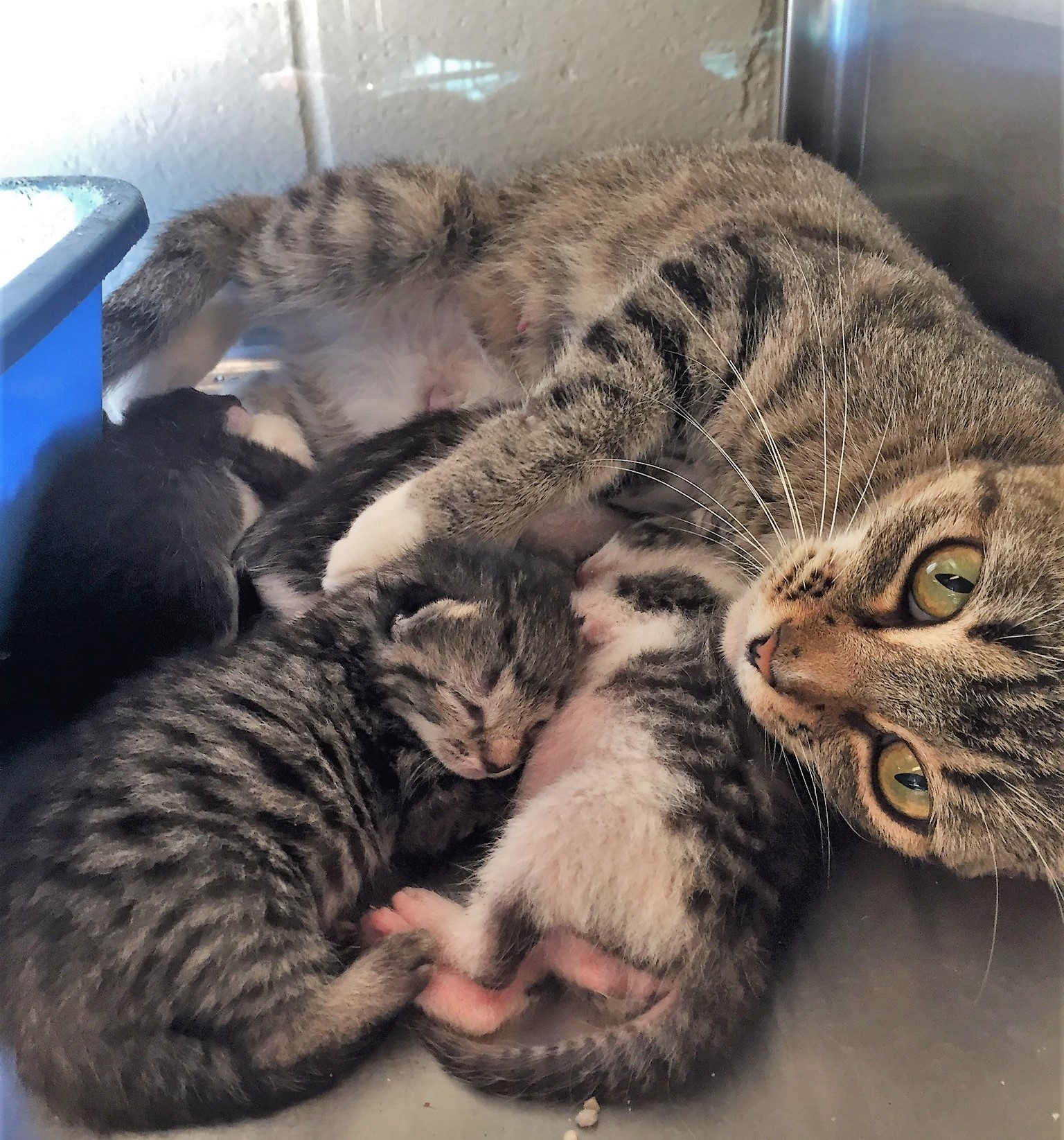
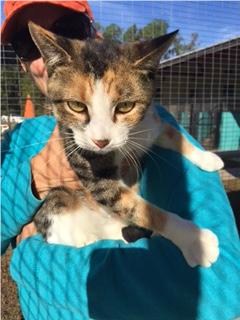
A FOTAS volunteer holds Molly, a beautiful Tabby who arrived at the shelter with kittens

Fix-A-Pet Program provides assistance for spay/neutering surgery

By Bob Gordon, FOTAS Director of Communications
While it is impossible to determine exactly how many orphaned dogs and cats live in the United States, the American Society for the Prevention of Cruelty to Animals (ASPCA) estimates that for cats alone the number is upwards of 70 million. That figure is staggering but the ASPCA stat that is a true jaw-dropper is this one: only 10 percent of the animals received by shelters have been spayed or neutered, while 83 percent of pet dogs and 91 percent of pet cats are spayed or neutered.
This means a vast majority of pet owners are acting responsibly by getting their pets fixed. But a small percentage of people who do not get their animals spayed or neutered are the source of our cat and dog overpopulation crisis.
FOTAS and the Aiken County Animal Shelter are well aware of this troubling trend, and that is why they are working together to make spay/neutering pets as easy as possible for local residents. Aiken County has a voucher program to assist its citizens who are in need of financial help to spay/neuter their pets and community cats. It also has a Trap/Neuter/Release (TNR) program in which feral cats are fixed and then returned to local cat colonies. 

FOTAS supplements both of these limited County initiatives with its “Fix-A-Pet” program. In fact, since launching Fix-A-Pet in 2013, FOTAS has organized and, through donations, paid for the spay/neuter surgeries of more than 1,800 community cats and pets owned by citizens in need of financial assistance.
Now you may be thinking, “How can such a small minority of irresponsible pet owners create such a huge overpopulation problem?” If we take a look at some more stats, the answer to that question becomes crystal clear.  According to the ASPCA, a fertile cat produces one to two litters of kittens a year; the average number of kittens is four to six per litter. A fertile dog produces about one litter per year and the average amount of puppies in a litter is four to six. In other words, the cute little critters can make a lot of babies in a very short time.

Cats are especially impressive breeding machines. They can become sexually mature at four months old. Since the average gestation period for a cat is about two months, a kitten could deliver a litter when she is as young as six months old. Kittens having kittens! This is why it is not uncommon for people to start caring for a small group of cats living on their property and soon witness the manageable group explode into a cat colony of 20 or more felines.
It is heartbreaking when cats and dogs are abandoned by their owners and left to fend for themselves. The animal’s world is shattered. But when the dog or cat is not fixed, the result is a cycle of heartbreak as multiple unwanted, orphan animals are born.
Please help spread the word to spay/neuter your pet. Until everyone in our community fixes their pets, the County Animal Shelter and other local shelters will continue taking in thousands of homeless animals every year.
For more information about the FOTAS Fix-a-Pet Program, please go to www.fotasaiken.org or call the Fix-A-Pet Hotline, (803) 514-4313.

Their lives are in our hands…

Successful TNR Program Boosted by Local Veterinarians

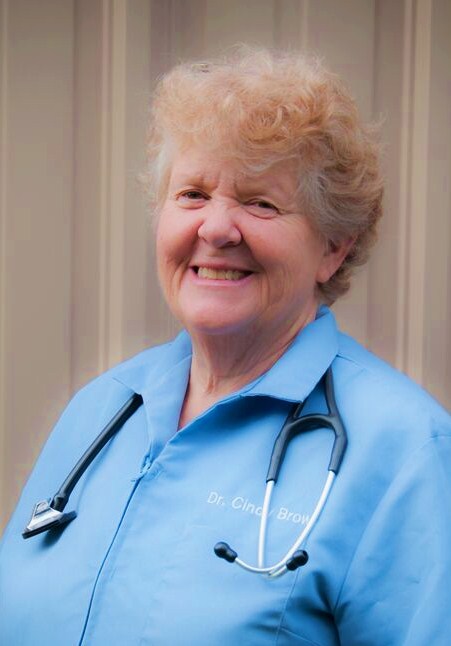
By Bob Gordon, FOTAS Director of Communications Aiken veterinarians Holly Woltz and Cindy Brown are helping FOTAS with its Trap/Neuter/Return (TNR) program and have already fixed close to 300 community and feral cats for local residents.
“I became partners with FOTAS and the County Shelter because I’ve seen the gut-wrenching consequences of cat overpopulation,” said Dr. Woltz, Chief of Staff for Veterinary Services. “The numbers are still too high with these feral cats, and the shelter has a limited budget…stretched to a tiny thread to meet many needs. Since we can spay/neuter these animals for FOTAS at a very low price, I volunteered our services. FOTAS needs every penny!”
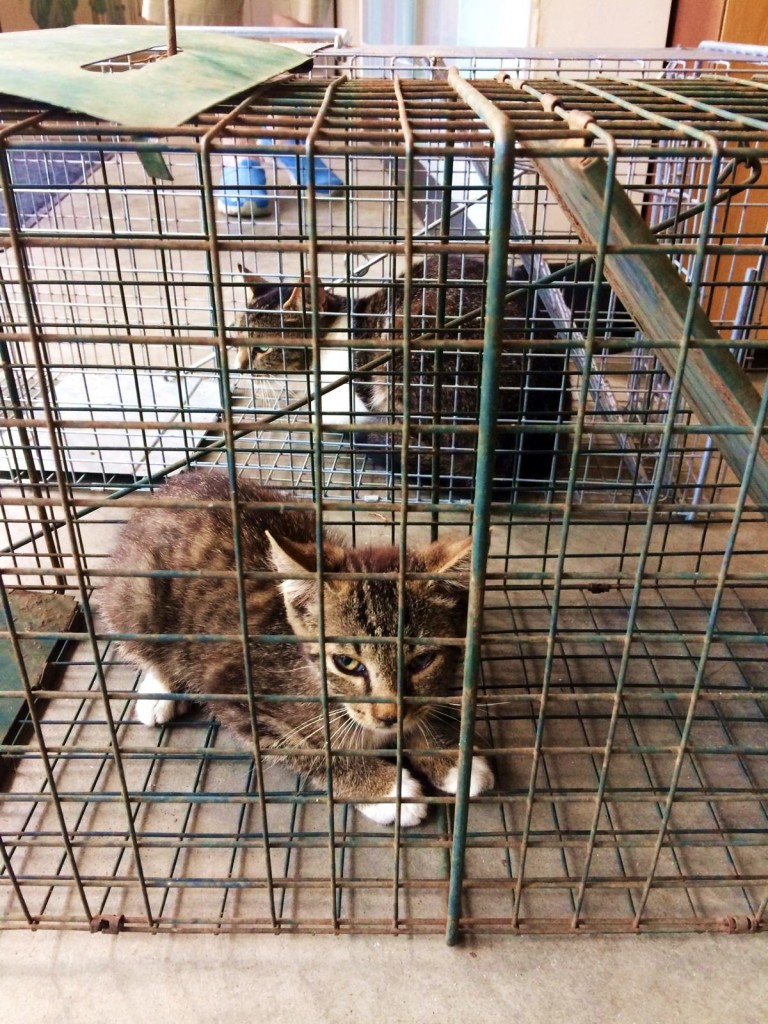
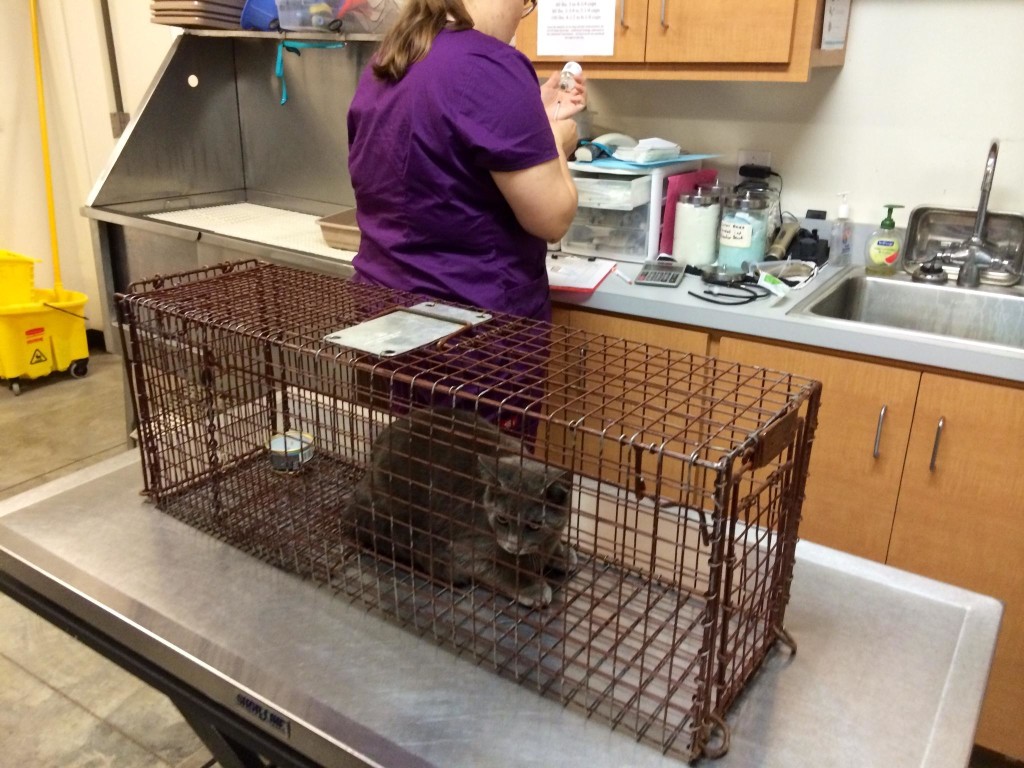
TNR is regarded as the most humane and effective way to control feral cat population growth. Using this method, all the feral cats in a colony are trapped, neutered/spayed and then returned to their territory, where they continue to thrive on their own. Young kittens that can still be socialized, as well as friendly adults, are placed in foster care and eventually adopted out to loving homes. Dr. Brown, who practices at Aiken Animal Hospital, also began volunteering her practice’s services to FOTAS late last year, and says by all accounts TNR seems to be working.
“Any time that FOTAS volunteers or the County Shelter calls for help, we accommodate their needs whenever possible to help the stray animal situation in Aiken,” she said. “I cannot stress enough the importance of education to aid in the [cat overpopulation] problem and we will continue to help spay and /or neuter as many stray animals as we can,” she added. Since launching the TNR Program in 2013, FOTAS has paid for the surgeries of more than 870 community cats. “The TNR program is a socially responsible and compassionate approach to serving these cats and the public,” said Dr. Woltz. “As a result, cats live healthier and more peaceful lives.”
The County also provides traps and can do a limited amount of spay/neuter surgeries for feral and community cats. If you need financial assistance with spay/neutering your domesticated cat or dog, the County has vouchers you can apply for at the shelter and FOTAS can also help through the Fix-A-Pet Program. Please donate to FOTAS to support the TNR and Fix-A-Pet programs, as well as provide other assistance to the homeless animals at the County Shelter. To make a donation, you can go to our website, FOTASaiken.org, or bring your contribution to the shelter at 333 Wire Road in Aiken. And while you’re there, visit our adoptable animals. The shelter is still at full capacity and the steady stream of homeless animals being brought through our doors has not let up. If you are looking for a cat (or dog), NOW is a great time to find a furry companion at the County Shelter. Their lives are in our hands…
Holly Woltz DVM
Holly Woltz DVM
Cindy Brown DVM
Cindy Brown DVM
                 

Trap/Neuter/Return: Best Solution for Fixing Community Cat Issues

By Bob Gordon, FOTAS Director of Communications With spring kitten season already upon us, now is a good time to become better aware of the County’s Trap/Neuter/Return (TNR) feral or community cat program. Two months ago, the Aiken County Council County passed a return to field resolution that made TNR a best management practice. TNR is considered to be the most humane and effective way of controlling feral cat population growth. Using this method, all the feral cats in a colony are trapped, neutered/spayed and then returned to their territory, where they continue to thrive on their own or sometimes caretakers provide them with food and shelter. Young kittens that can still be socialized, as well as friendly adults, are placed in foster care and eventually adopted out to good homes.
“Euthanizing all community feral cats does not reduce the cat population and instead just creates a vacuum effect in which more cats come into the colony and take the place of those felines that are gone,” said Aiken County Animal Shelter (ACAS) Manager Bobby Arthurs. “So, now the county is following the steps of hundreds of other communities that have reduced their homeless cat population through TNR.”
TNR is offered by clinics and veterinarians throughout the state and country. Bobby said the ACAS veterinary staff only has the capacity to do a strictly limited amount of surgeries per day, so if you plan to bring in a feral cat to be spayed/neutered, please call ahead to make an appointment. Statistics show that an unaltered male cat and an unaltered female cat and their offspring are capable of producing 781,250 kittens in a seven-year period. But this overpopulation can be avoided by trapping and immediately neutering and vaccinating community cats against rabies. Once fixed, the free-roaming community cats can be humanely returned to the field instead of being euthanized at the shelter. FOTAS, through its fund raising efforts and Fix-a-Pet Program, has paid for 803 community cats’ spay/neuter surgeries. It has also provided traps for people to catch community cats through its Fix-a-Pet Program (originally named Lenny’s Brigade). Kathy Bissell, who led the pilot program in 2012, says that when you remove the cats’ reproduction drive and females no longer have the stress from pregnancy, they do well living in a cat colony.
“The nuisance behavior often associated with feral cats is dramatically reduced through TNR, including aggressive behavior, the yowling and fighting that comes with mating activity and the odor of unneutered males spraying to mark their territory,” she said. The mantra of TNR advocates is, ‘No litters, no odors and no noise.’”
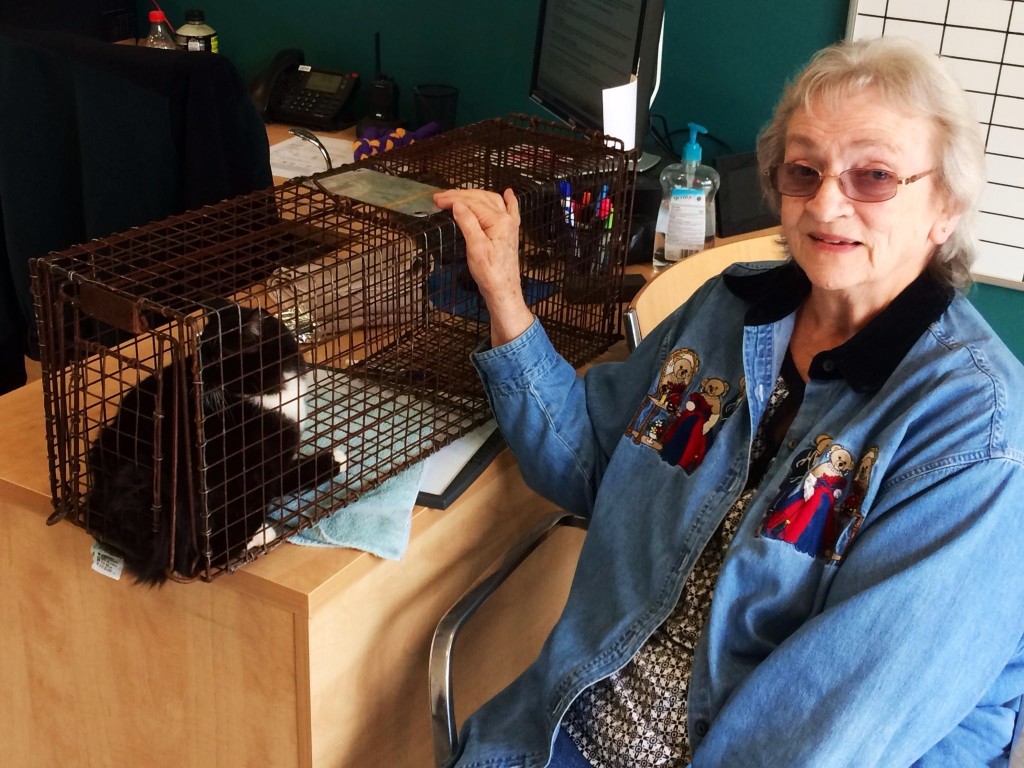
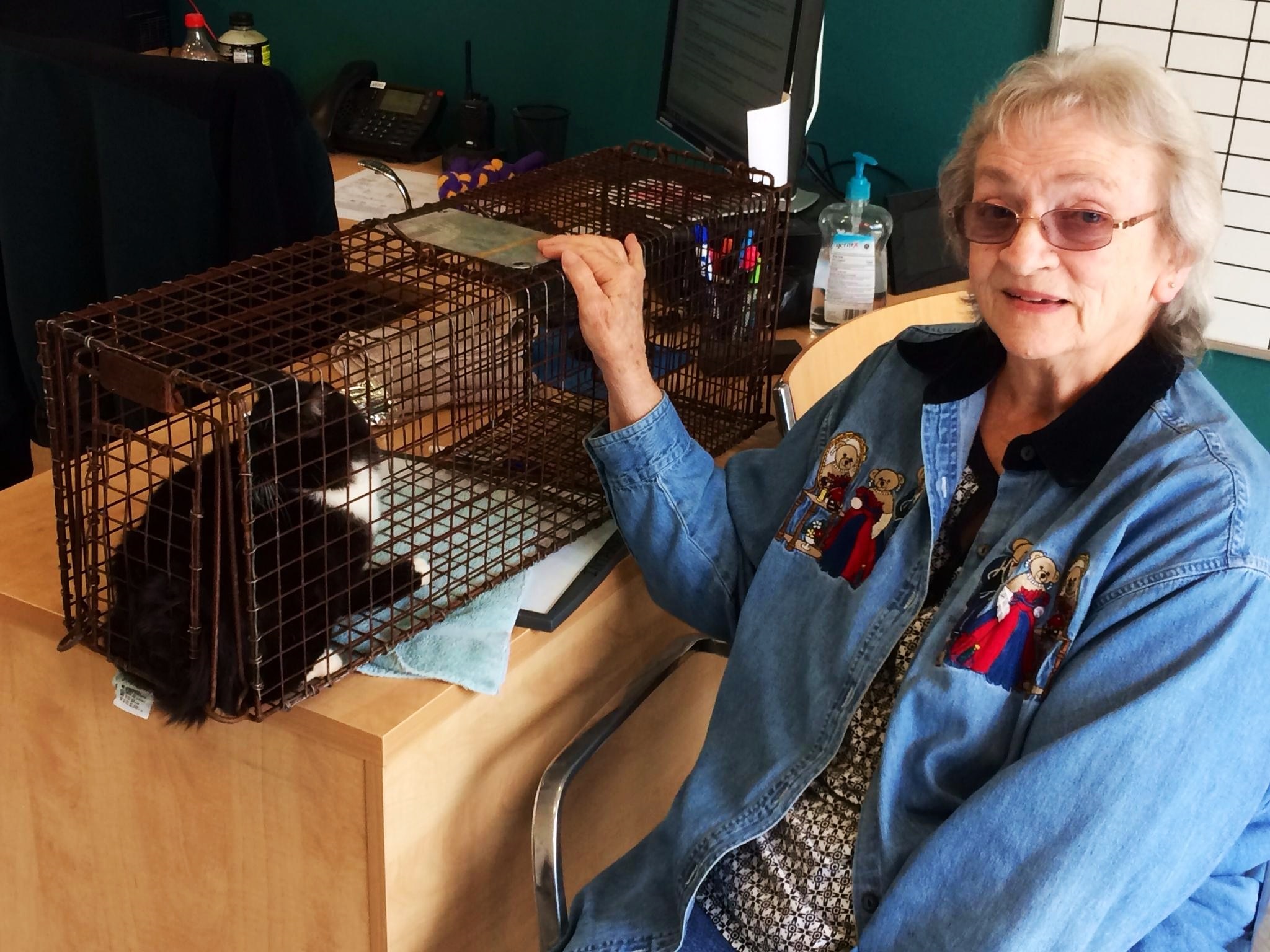
Other advantages of TNR: It immediately stabilizes the size of the cat colonies by eliminating new litters. It lessens the number of felines flowing into local shelters, which results in lower euthanasia rates and increased adoptions of cats already in the shelters. The returned, fixed cats prevent unneutered cats from moving in and starting a new cycle of overpopulation. The fixed feral cats continue to provide natural rodent control. TNR is the most effective and humane way to reduce the numbers of unwanted cats in the community and received at the shelter. Last year 1,286 cats had to be euthanized at the shelter and by doing TNR — and working together — we can reduce that number. Their lives are in our hands…   Ellen Parker brings a community cat to ACAS           Above photo: Ellen Parker of Aiken brings a community cat to the shelter to be neutered. Later, she will return the fixed cat to its colony. If you are bringing in a feral cat to be spayed/neutered, please call ahead because the ACAS veterinary staff can only do a strictly limited amount of such surgeries per day.

FOTAS partnership with PetSmart boosts shelter cat adoptions

By Bob Gordon, FOTAS Communications Director

Audie Murphy, Felix, Tiffy, Avalon, Kiki, Pip and Pickles are each in their own cat carrier after being examined, vaccinated, microchipped, and given a final flea treatment. Once the pre-prepared adoption forms and other paperwork is checked over and put into folders by Aiken County Animal Shelter (ACAS) staff members, the seven cats and kittens are ready to begin their short journey from the shelter to the PetSmart store on Whiskey Road.

An ACAS adoption assistant transports the chorus of meowing felines to the Aiken PetSmart, and upon arriving is greeted by Store Manager Butch Hampton or one of his friendly employees. The PetSmart team is always happy to see new cats come in and takes pride in its role of helping adopt them to customers.

“Things are going great with the work we are doing with FOTAS and the County Shelter,” Butch said. “Everybody is fully engaged and committed to this partnership, and I think we make a good team.”

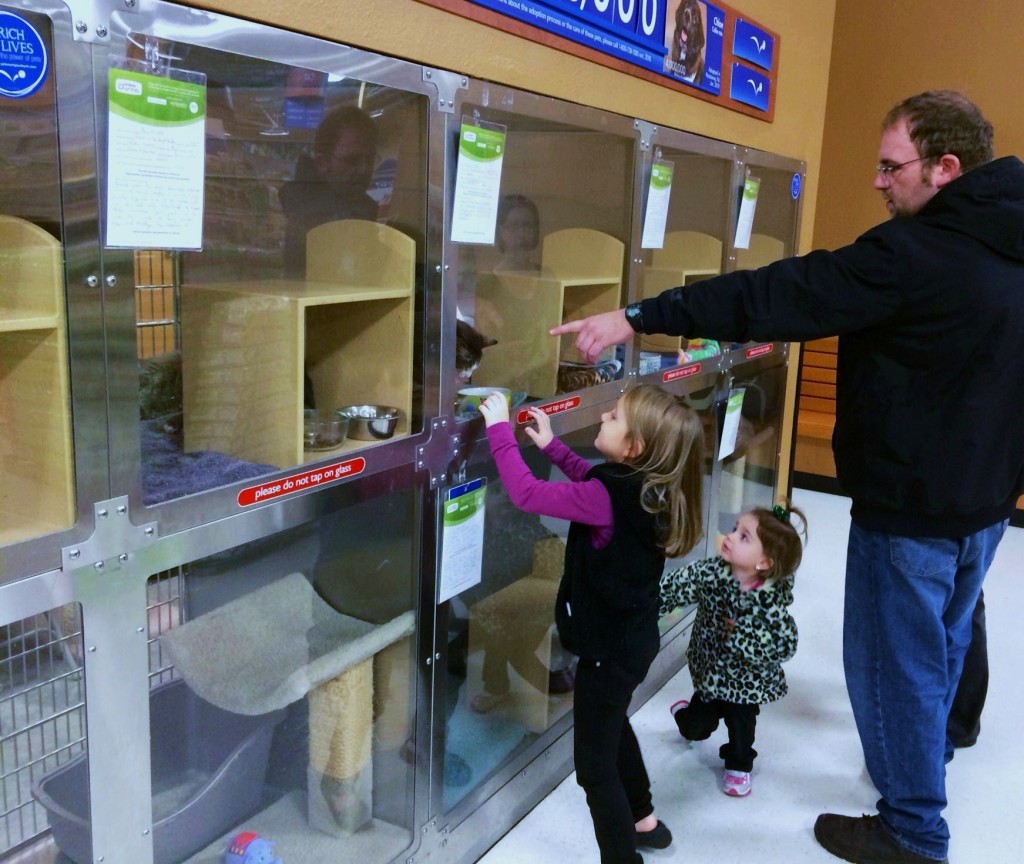
The ACAS representative makes sure all of the felines are settled into their PetSmart cat apartments located in the back-left corner of the store. Then, the PetSmart staff takes over, ensuring that any interested customers receive the information and paperwork needed to adopt the cats. The adoption fee is $35, which includes spay/neuter, vaccinations and microchip.

Before FOTAS began its direct partnership with PetSmart, the adoption fee for the store’s cats was about twice as much as it is now. Also, adoptions were managed by a rescue that required a home inspection of potential adopters. While a worthy precaution, this added stipulation could take a lot of extra time. Now, folks can adopt a cat and take it home right away.

It is a mutually beneficial relationship. The cats draw customers to PetSmart and the store serves as a second venue for the shelter to showcase its adoptable felines. But the real winners of this collaborative effort are the cats themselves. With the effective teamwork between the organizations, the shelter cats are finding homes quicker, making space for more cats to get their chance at being adopted. Since just mid-December, more than 35 shelter cats have been adopted at the PetSmart store. Since the partnership was initiated, the Shelter has replenished PetSmart with new cats every week.

Also fully committed to the goal of saving the shelter’s cats and finding them forever homes are eight volunteers that help keep the PetSmart cats clean, watered and fed. They follow a strict schedule, making sure that someone comes in to maintain the cats’ living area twice a day, every day. Some volunteers stay for hours to play with the felines, helping to socialize and prepare them for their future forever homes.


“I think having the County’s homeless cats at both the shelter and PetSmart helps the Aiken community see how many beautiful and loving cats are available,” said Volunteer Judy Albert. “They all need permanent and loving homes.”

Their lives are in our hands.

For more information about the PetSmart cat adoptions, please go to www.fotasaiken.org and be sure to check out the shelter cats available for adoption at the ACAS, 333 Wire Road in Aiken or at the Aiken PetSmart, 2927 Whiskey Road.

FOTAS community: making a difference for homeless animals

21 December 2014

FOTAS Community: making a difference for homeless animals

By Joanna D. Samson, FOTAS Director

What makes the Aiken County Animal Shelter a true community shelter?

It’s not just because it’s owned and operated by a public body and funded through taxpayer dollars. It’s not just because it’s obligated by law to serve all of Aiken County, which is 50 times larger than the City of Aiken (1071 square miles versus 21) and serves a population almost 5 times larger than the City’s.  It’s also not just because the County shelter is legally obligated to accept and care for all County strays, all County and City owner-surrenders – a whopping average intake of 400 dogs and cats per month.

Those are the legal technicalities that define the basic nature of the County shelter, but to me, it is a community shelter because the Aiken community itself has claimed the County shelter as its own. It is the heart that makes the shelter tick, the force that breathes life into the daunting task of caring for thousands of homeless and abandoned animals every year.

That’s why the Friends of the Aiken County Animal Shelter (FOTAS) was created in 2009 – to marshal the private resources of the Aiken community to supplement and support the County shelter’s limited budgetary and operational needs.

FOTAS formed an army of committed community volunteers, who perform the jobs equivalent of 9-10 paid staff positions. Volunteers organize, coordinate and implement transfers to no-kill sister agencies in other parts of the country, on-site events such as Woofstock, the Dog Ears Reading Program, puppy socials and off-site adoption events. They recruit and support local citizens to privately foster animals in their homes.FOTAS volunteers developed and manage a website and social media to keep the community informed. They create and run fundraising community events like Play Fore the Dogs, Broadway Sings for the Pets, and the FOTAS Hunter Pace. They coordinate spay/neuter services through FOTAS Fix-a-Pet and Lenny’s Brigade. They love-up the cats and walk the dogs at the shelter 6 days a week and on holidays. They work with and train difficult-to-place dogs. They write thank-you notes, make phone calls, keep the books and greet visitors at the shelter.Because FOTAS is an all-volunteer organization funded solely by private donations, virtually every dollar contributed to FOTAS is used to improve the lives of and outcomes for the County’s homeless animals.

In addition to funding improvements to the shelter itself (play yards with appropriate drainage and irrigation, a separate feline facility with a hot water heater, stainless steel kennels with guillotine doors, surgical equipment, etc.), FOTAS dollars also fund essential needs (heartworm medicine, flea and tick treatments, toys, leashes, collars, supplies for foster families, vet clinics for pets and citizens in need, an off-site adoption van and the like) and the programmatic costs of transfer and spay/neuter.

Here’s the good news: all this effort and support is making a difference.

In the last 23 months, FOTAS organized and funded the spay/neuter surgeries of 859 dogs and cats and transferred 1339 dogs to sister agencies. As of the end of November, there has been a 14% reduction in shelter intake and a 43% increase in adoptions and transfers over 2013. The average monthly euthanasia rate has dropped from 90+% in pre-FOTAS years to 55%. That’s huge.

This Christmas, make your holiday gifts count: donate to FOTAS to save a life in honor of your family and friends. A $45 gift will fix a pet cat and $80 a dog. A $75 gift will treat a heartworm positive dog. A $90 gift will help FOTAS fund the transfer of an animal to a no-kill facility and a forever home.

Seriously, does Dad really need a new tie? Call us at 803-514-4313 or email us at info@angelhartlinedesigns.com to discuss the possibilities.

And don’t forget to take advantage of our special Holiday adoption rates until January 3rd ($35 for dogs and $10 for cats).

Merry Christmas, Happy Holidays and God Bless you and your family.

BY THE NUMBERS

January 2013 through November 2014:

1339 dogs/cats— FOTAS worked with the Shelter and transferred these animals to partner rescues/shelters ( this is in ADDITION to local adoptions from the County Shelter )

876 pets & community cats were spayed/neutered, organized and paid for by FOTAS ( this is in ADDITION to those animals spayed/neutered through the County’s voucher program )