


Tag Archives: Aiken County Animal Shelter

Please, Please, Spay or Neuter Your Pet!

Last month, 512 animals were taken in to the Aiken County Animal Shelter. More than 500 strays and surrendered pets in October!

It never happens this time of year. We can’t explain it. To tell you the truth, it blows our minds and keeps us up at night. But there it is: after a summer of unexpectedly horrible intake numbers (like that day at the end of July when 44 animals were surrendered in four hours!), fall is shaping up to be just as bad.
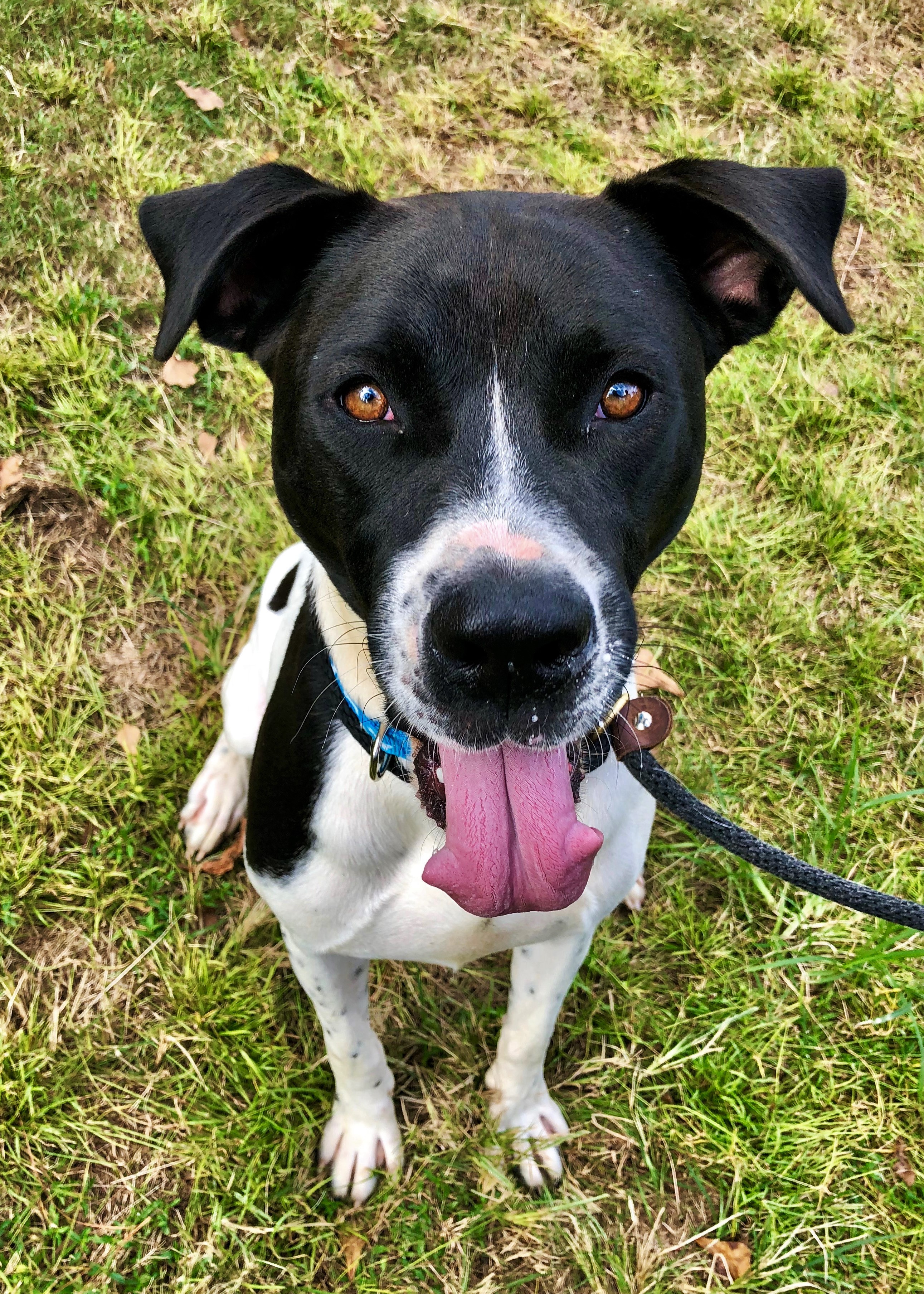
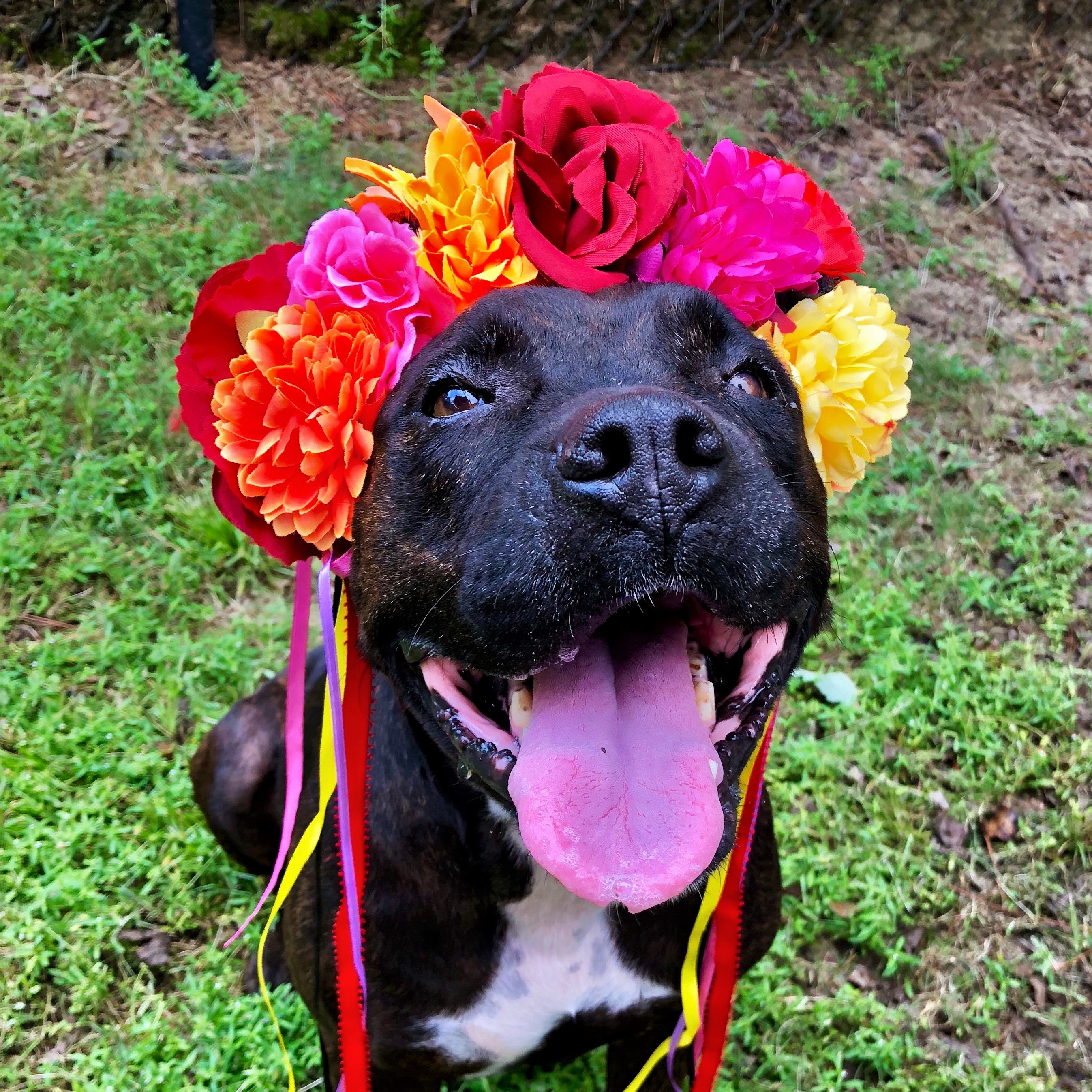
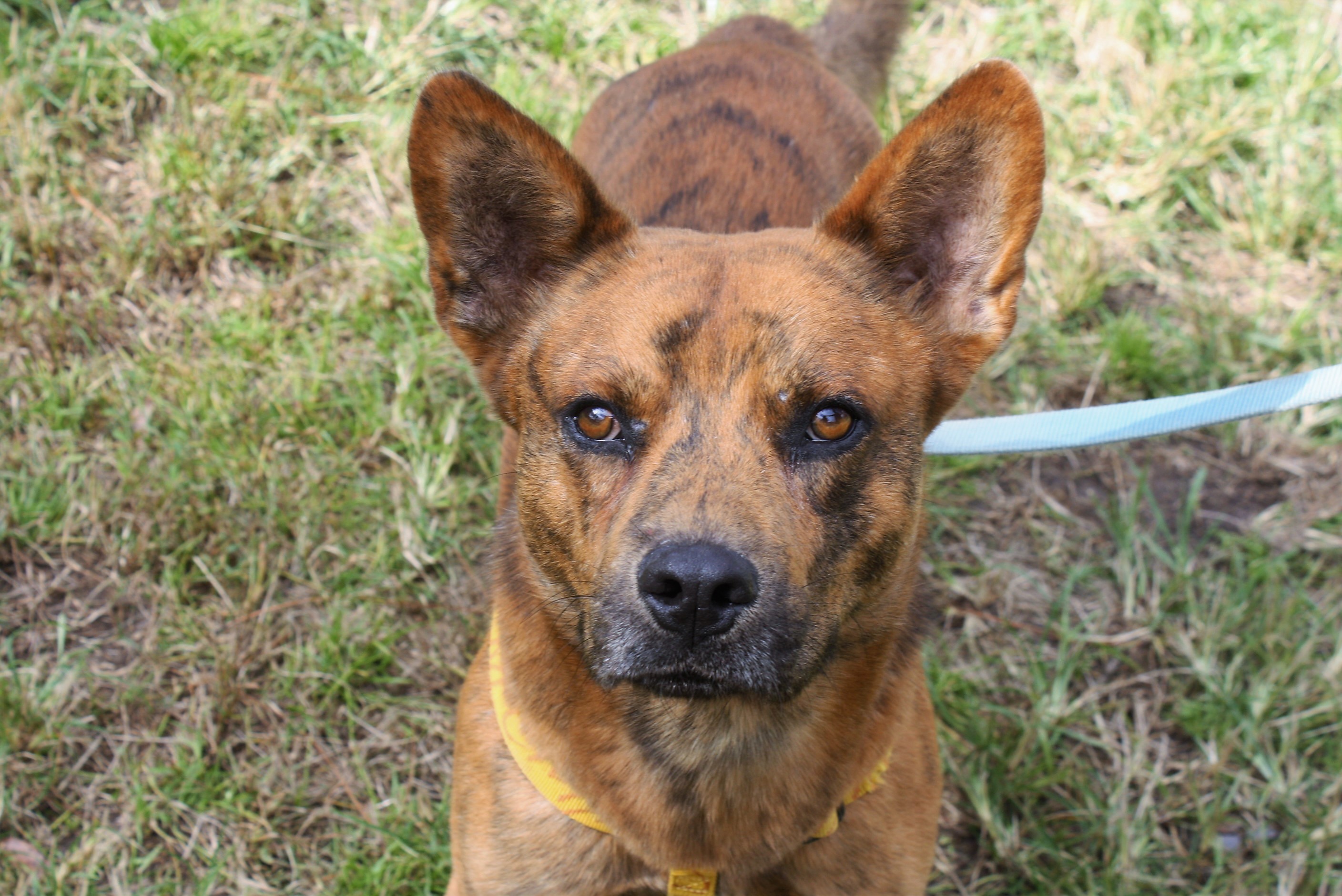
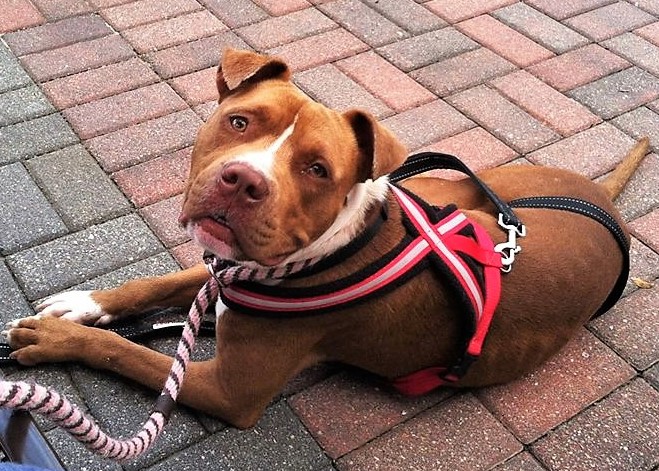
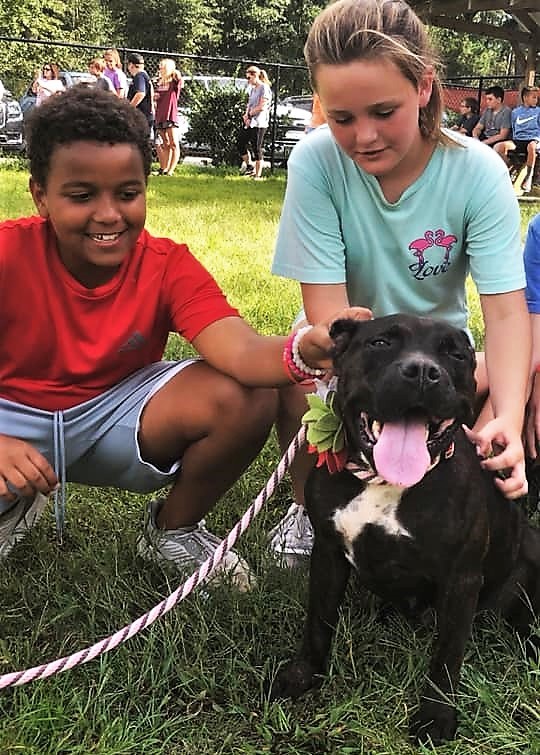
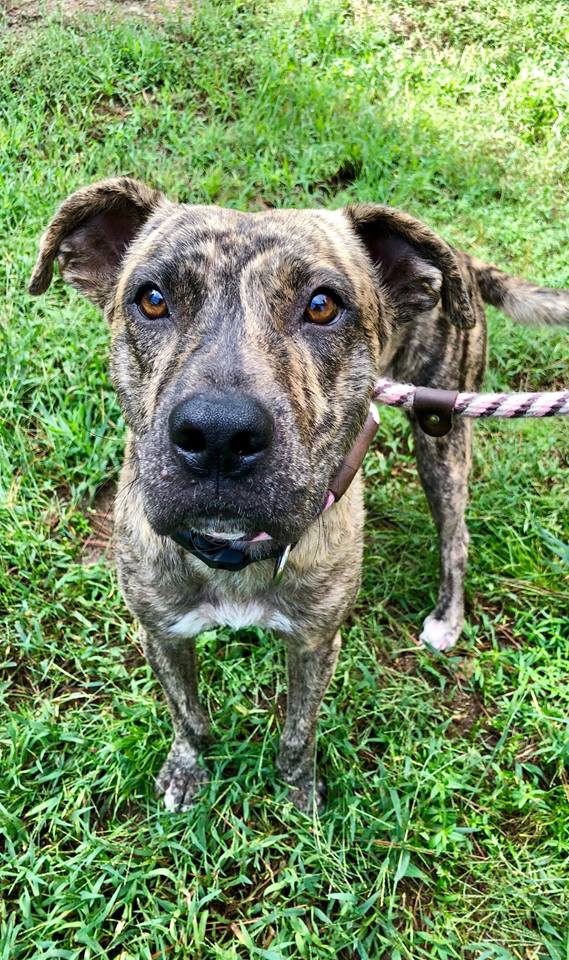
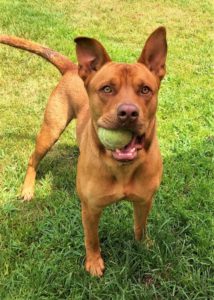
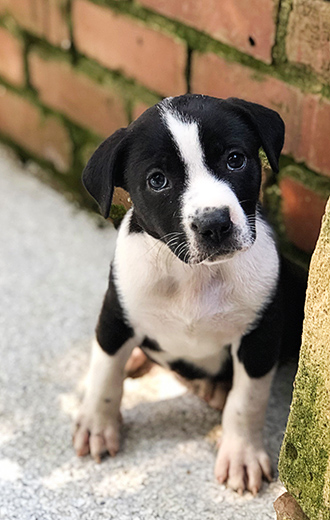
Snoopy is athletic and handsome. Just one of more than 500 animals that arrived at the Shelter as a stray or surrendered pet.

Most of these animals did nothing wrong. They were victims of owners who brought them into this world and then washed their hands of them, leaving the rest of us to pay for their neglect.

There is only one way to reduce the shockingly high number of homeless and abandoned animals: every pet in Aiken County must be spayed or neutered. It’s good for the animals and good for the community. Here’s why.

Your pet will live longer. Spayed and neutered animals have significantly less health problems than their unfixed counterparts. By the way, it is not true that pets get fat and lazy as a result of spaying and neutering—only a bad diet and lack of exercise will do that.

Spayed and neutered animals are less likely to roam. That means they are less likely to catch diseases from other animals, get lost, fight with other dogs, or get hit by a car (85% of dogs hit by cars are unaltered).

Spaying your female before she is 6 months old means you can avoid the messy, noisy heat cycles that typically occur twice a year. It also means you can avoid the messy, noisy, smelly crowd of male dogs or cats hanging out in your yard while your pet is in heat.

Neutering your dog decreases potentially aggressive behavior to other animals and people. Particularly children, who are by far the most frequent victims of dog bites.

Your cat or dog will be a better pet. Fixing your pet eliminates unpleasant spraying and marking in your yard, on your rug, on your furniture.
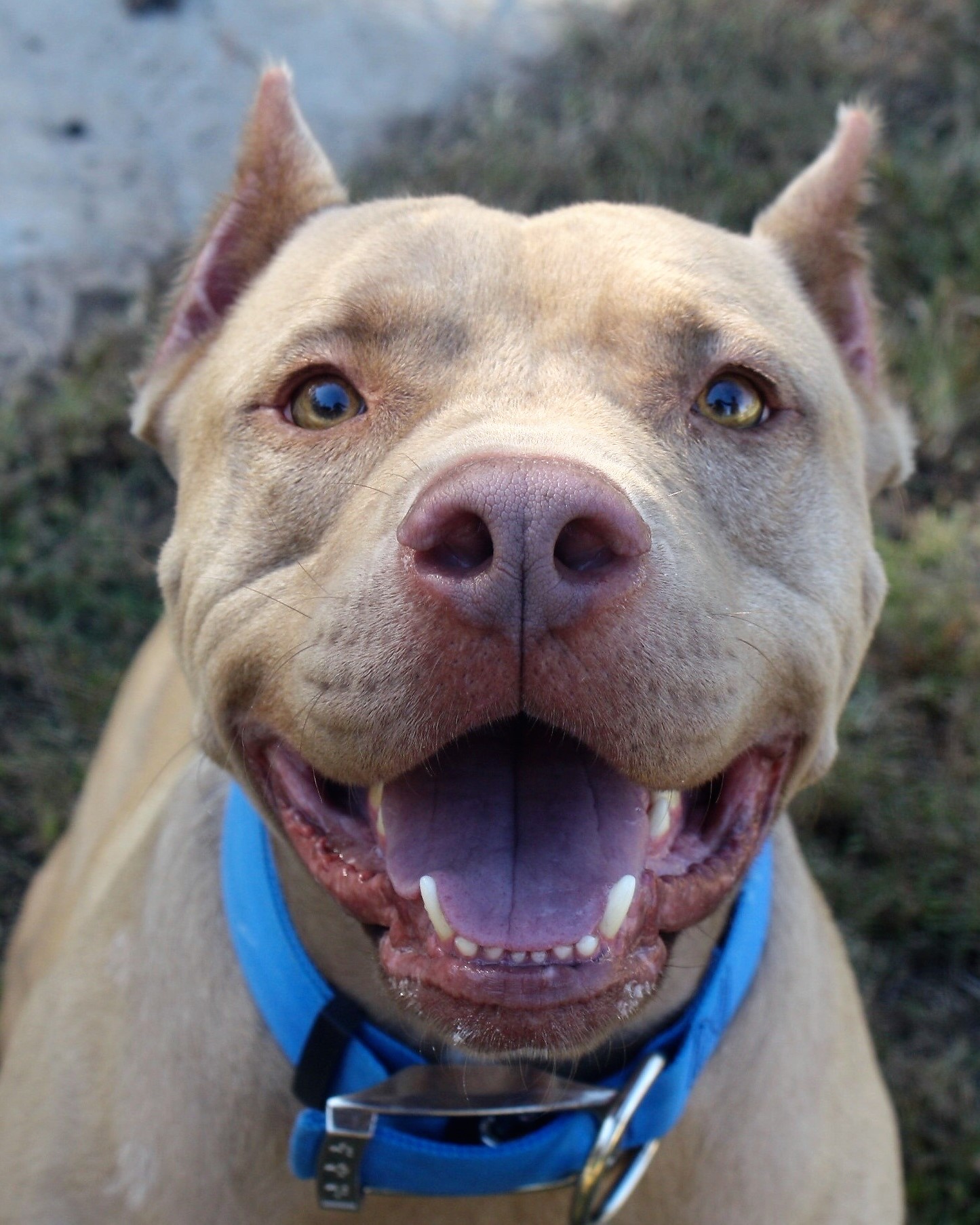
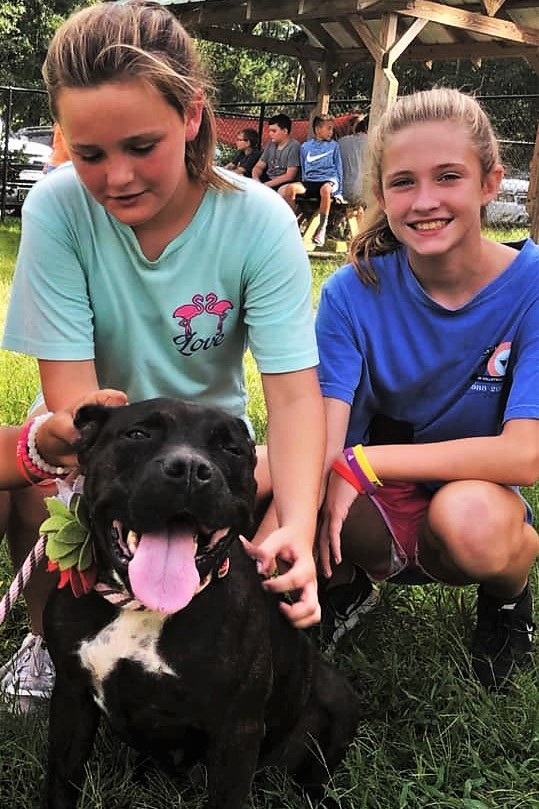
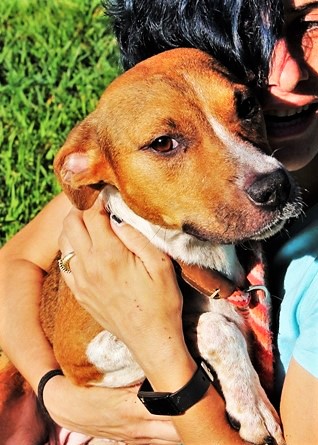
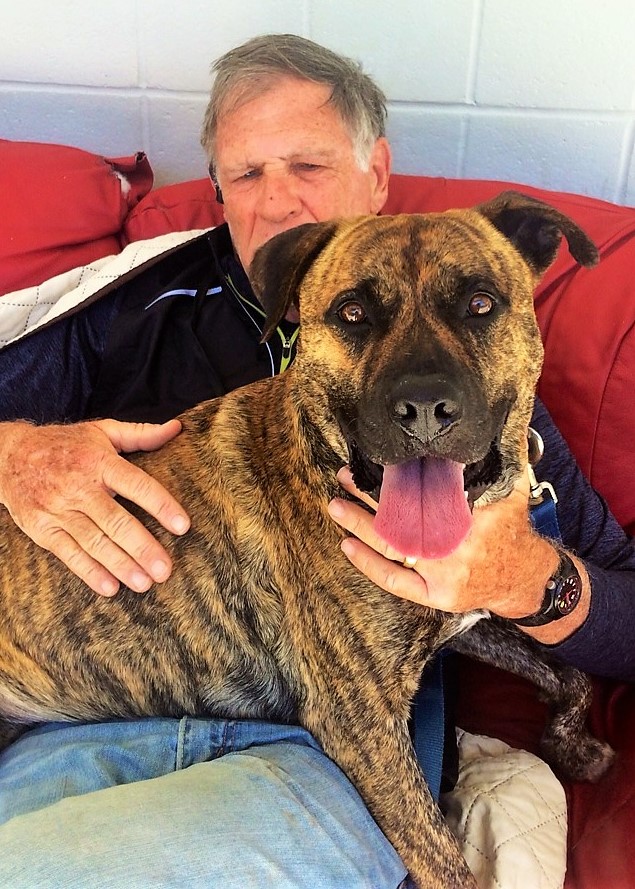
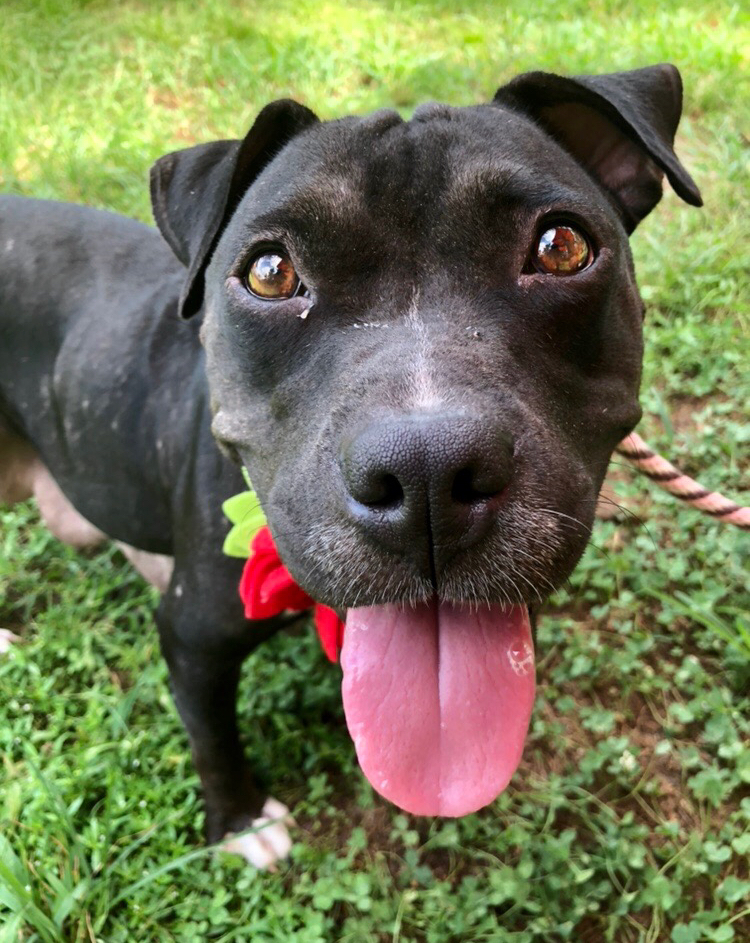
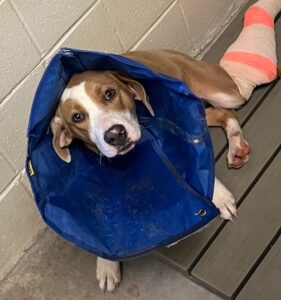
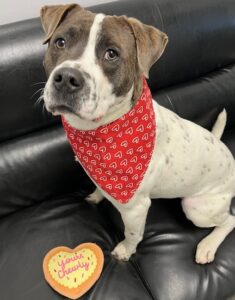
Bueller is such a sweet Pibble. He gets along with people, loves kids and likes other dogs. He’s just not a fan of cats.

Fixing your dog will not make him less protective. Dogs are naturally protective by nature, particularly if you love and feed them.

Fixing your pet is cheaper for the community as a whole. Public shelters are funded by taxpayer dollars. If everyone fixes their pets, the number of homeless and abandoned animals at the shelter will be dramatically reduced, as will the amount of public funds needed to care for those animals.

Moreover, the cost to spay or neuter your pet has never been more affordable. Aiken County has a voucher program, supplemented by FOTAS, to provide low-cost spay/neuter services to residents who need financial assistance. The vouchers are distributed at the County Shelter at 333 Wire Road.
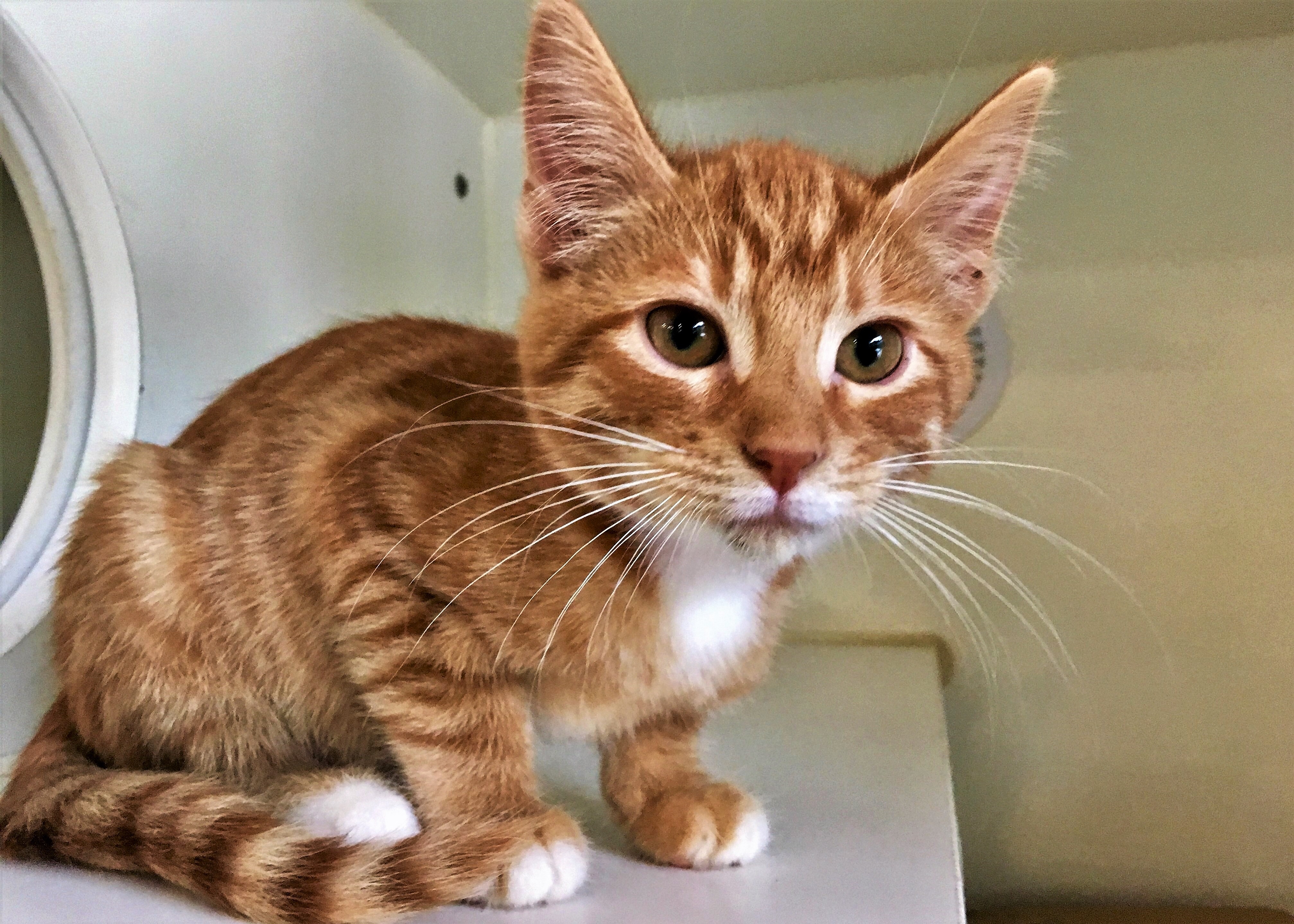
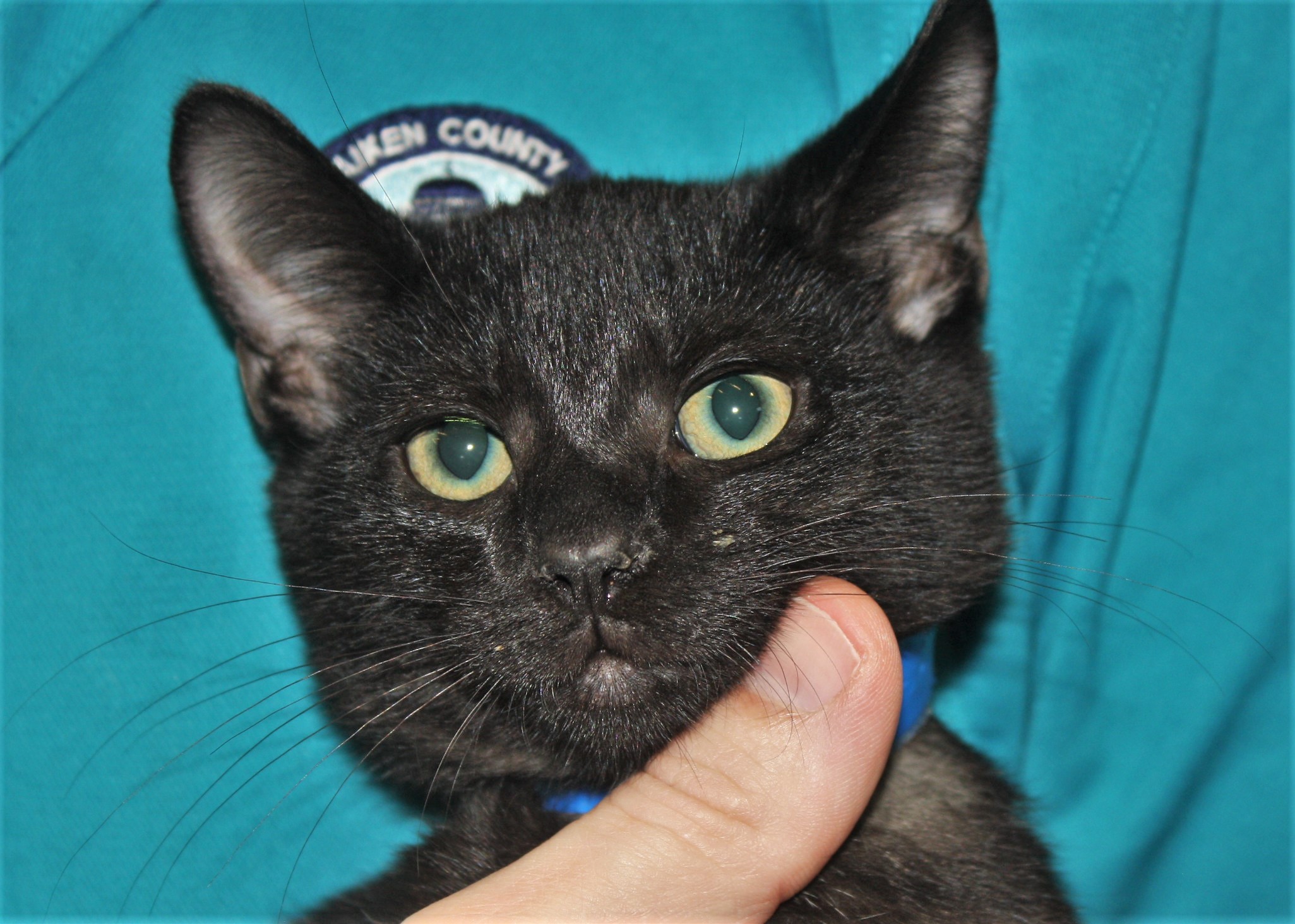
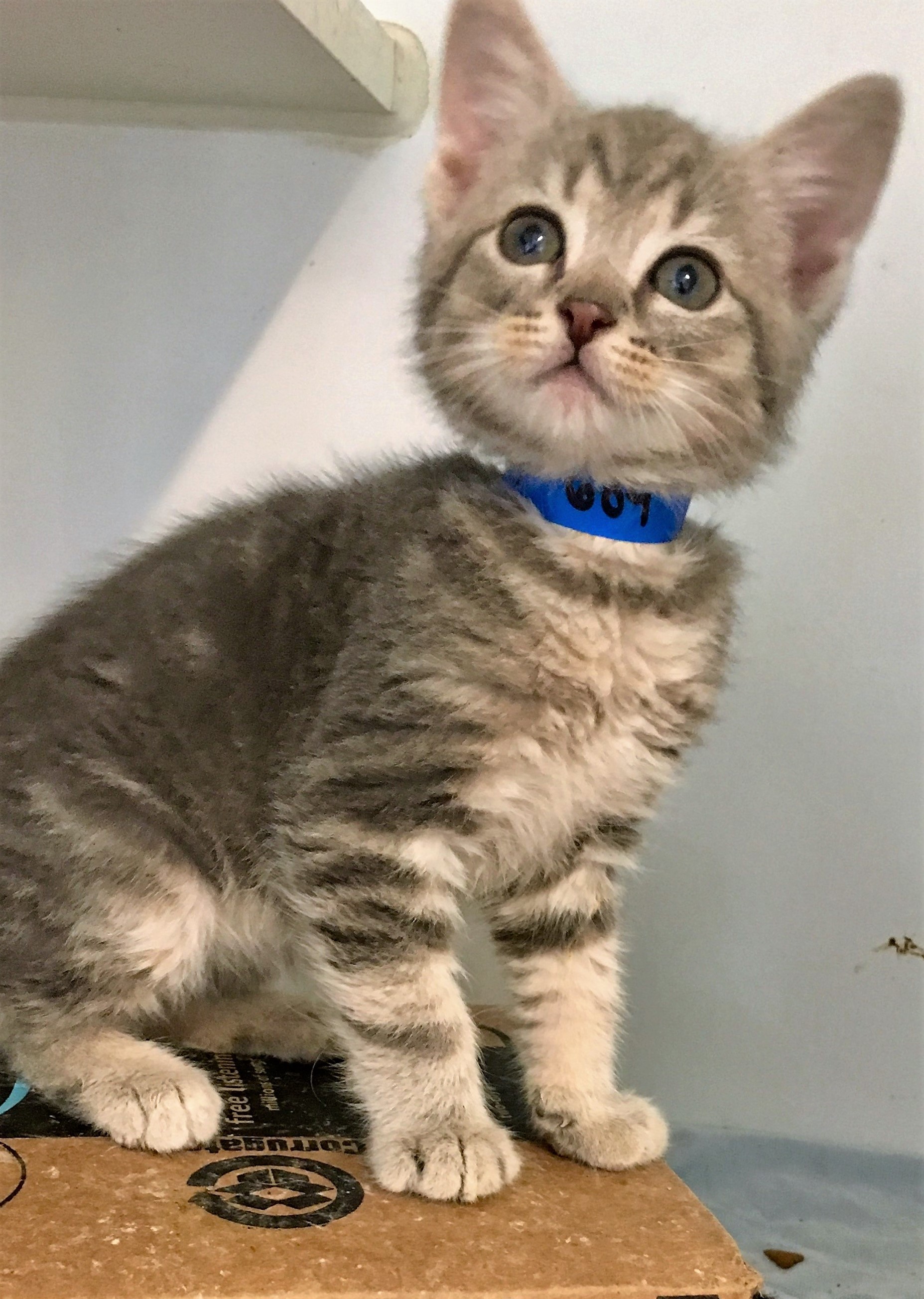
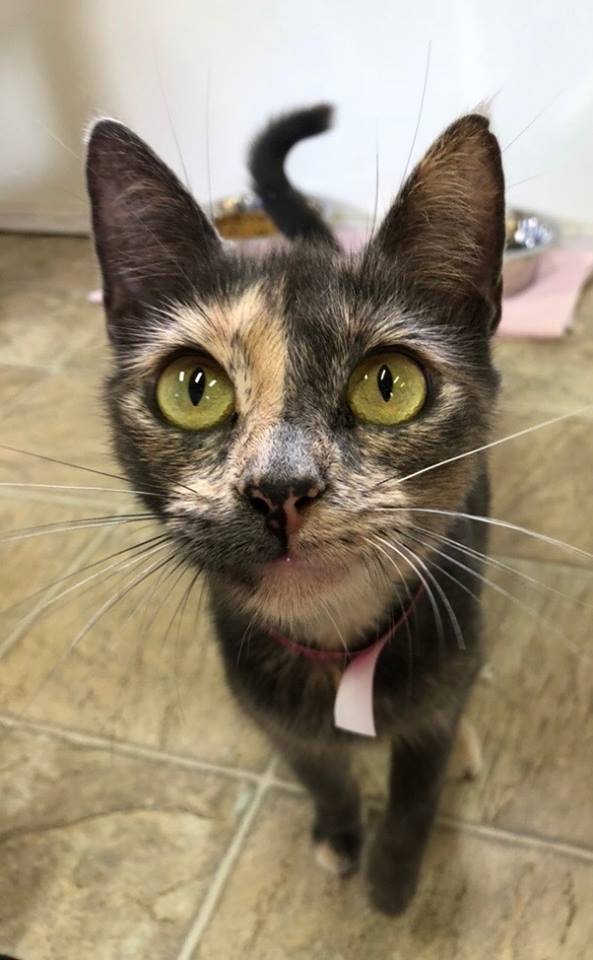
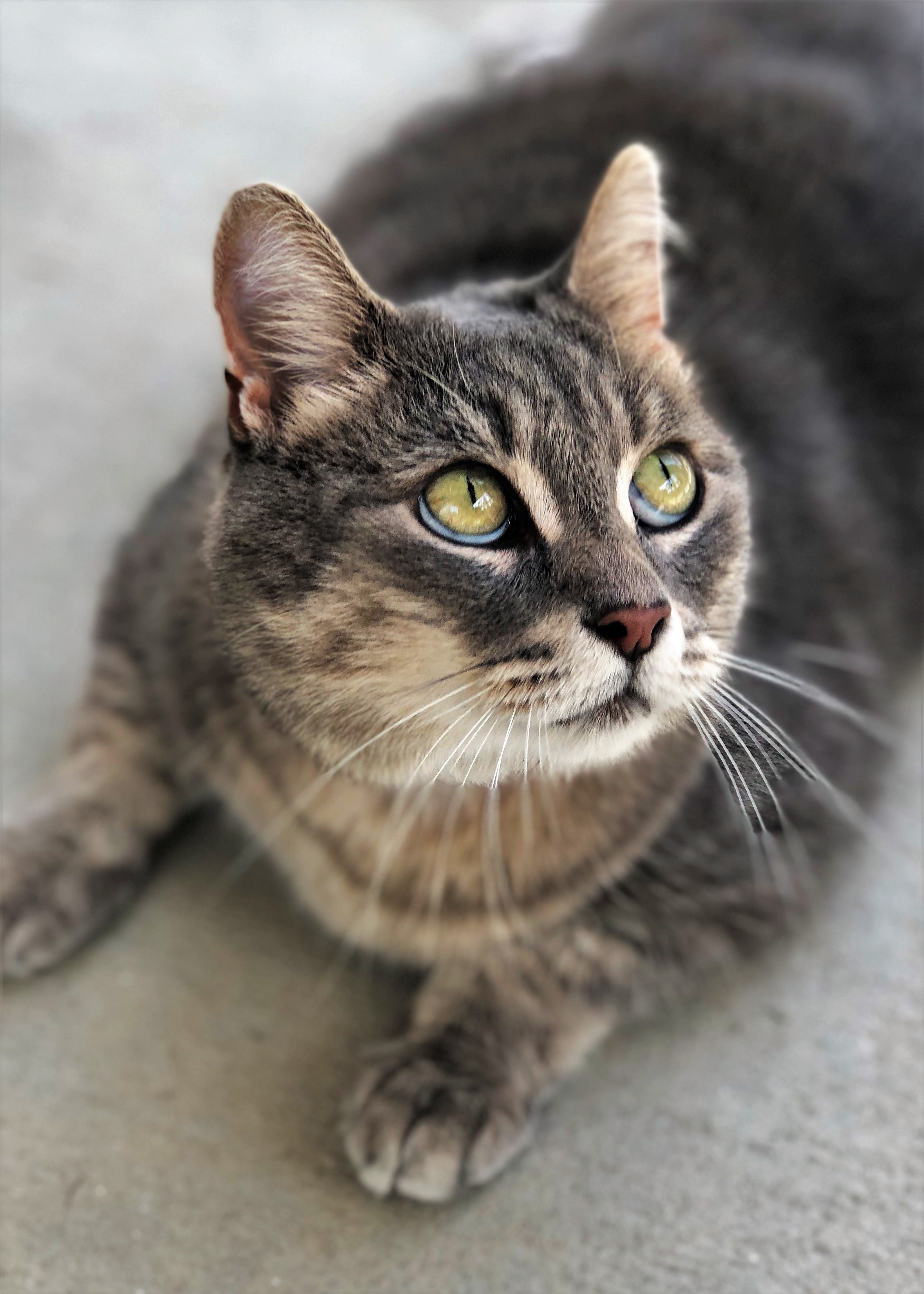
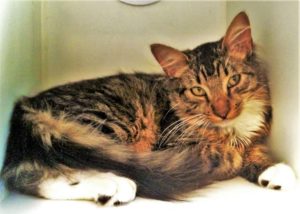
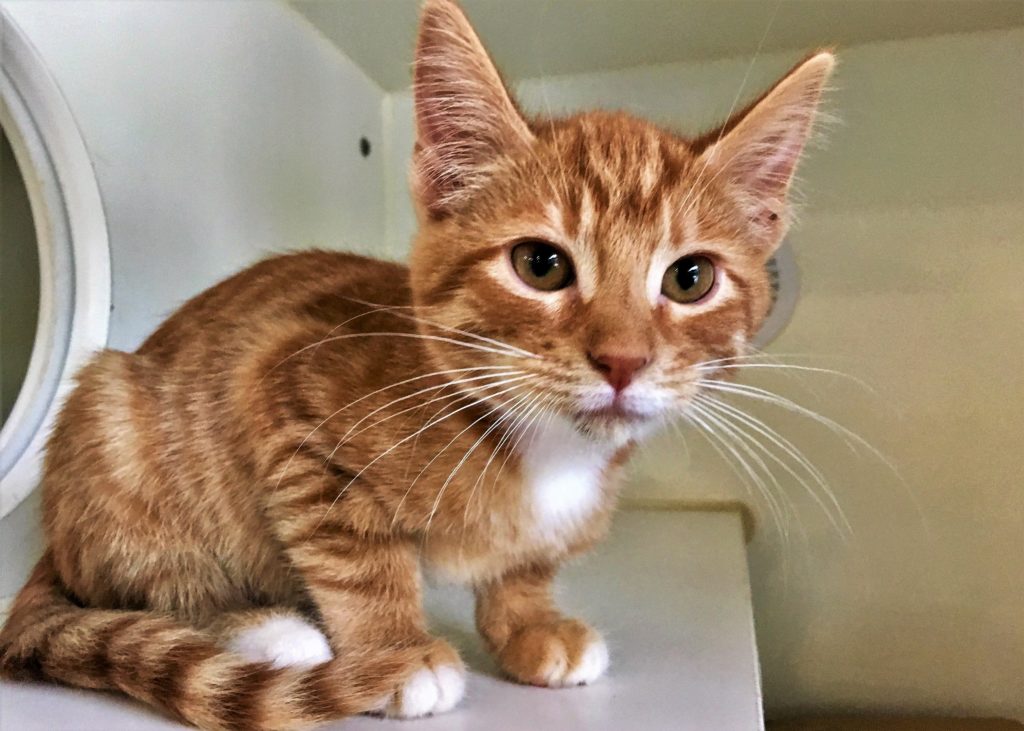
Eddie is a 3-month-old orange Tabby who loves to be held.

Make arrangements to spay or neuter your animal today. Convince your neighbors, friends and family to spay and neuter their pets, too.

There are so many loving, deserving animals in the Shelter that need a home. Why bring even more animals into the world to be dumped in the shelter, or worse, on the side of the road?

Their lives are in our hands.


— by Joanna D. Samson, Vice-President, FOTAS
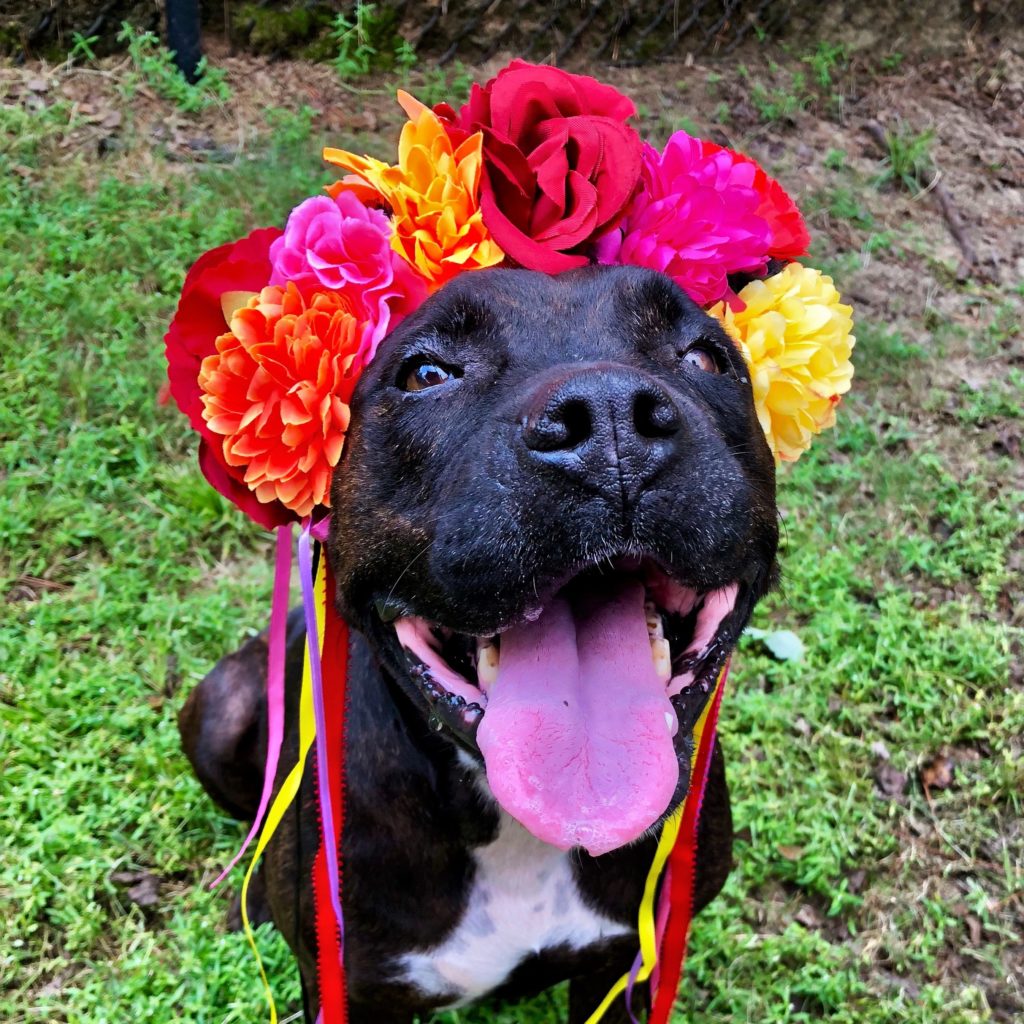
Sweet Rosetta and Polo Deserve Loving Homes of their Own

Rosetta is on a couch, stretched out on her back with her eyes closed as FOTAS Volunteer John Berk simultaneously texts on his phone and rubs her chest. She opens her eyes briefly to gaze up at him, clearly appreciative of the special attention. “You’re a good girl,” Berk says quietly. Rosetta shuts her eyes again and her face breaks into a goofy grin. Seeing the stocky dog’s trademark smile, accentuated by her long tongue hanging to the side, causes Berk to chuckle.

Rosetta is housebroken, gets along with most other dogs and cats, and is a lovable character. She deserves a great forever home.

“I don’t know why she hasn’t been adopted,” he says. “She loves people, especially children, and gets along with most dogs and cats. She walks like a dream on a leash and one of here favorite activities is to go on a car ride.” She’s also housebroken and likes to cuddle with people, sometimes falling asleep in their arms.

Despite all her terrific attributes, Rosetta has been on the adoption floor, waiting for a forever home, longer than any other animal at the Aiken County Animal Shelter (ACAS) .

When she arrived at the shelter as a stray, Rosetta barely had any fur due to a skin infection. She showed other physical signs of neglect – underweight, flea bitten and raw elbows that were likely caused by long stretches of having to lay and sleep on a hard, rough surface like concrete.

But somehow, she’s maintained her upbeat personality and love for life. No matter how many times visitors pass her over to adopt other dogs, the 5-year-old, 48-pound sweetheart never quits walking up to the front of her kennel to greet new people. Sometimes she pushes the left side of her head against the door, inviting them to rub her ears and neck. Her skin infection is cured and her sleek black and brindle coat has completely filled in, so she looks fantastic. Still, no one has adopted her.

With more than 400 strays and surrendered pets arriving at the shelter so far this month, some great dogs are bound to get lost in the crowd – but Rosetta is long overdue to find a home.

Polo was rescued from a life of neglect and needs a good home.

Another dog who has been at the shelter too long and urgently needs a good home is Polo. This friendly, 3-year-old, 50-pound mixed breed was rescued from a brutal life in which he spent most of his time on a short chain with no shelter and little food and water.

Rosetta is a clothes hound who loves kids and belly rubs.

But after working with FOTAS Foster Yvonne Brookes, he is doing wonderfully and quickly learning to be patient and respectful.

He’s already housebroken, walks great on a leash and sits on command. Polo would do best in a home that has a fenced in yard because he’s athletic and loves to run. He’s super sweet but would do best as an only pet.

Both Rosetta and Polo have been sponsored by generous FOTAS donors, so their adoptions are paid for – please consider adding one of these special dogs to your family.

Their lives are in our hands.


— by Bob Gordon, FOTAS Communications Director
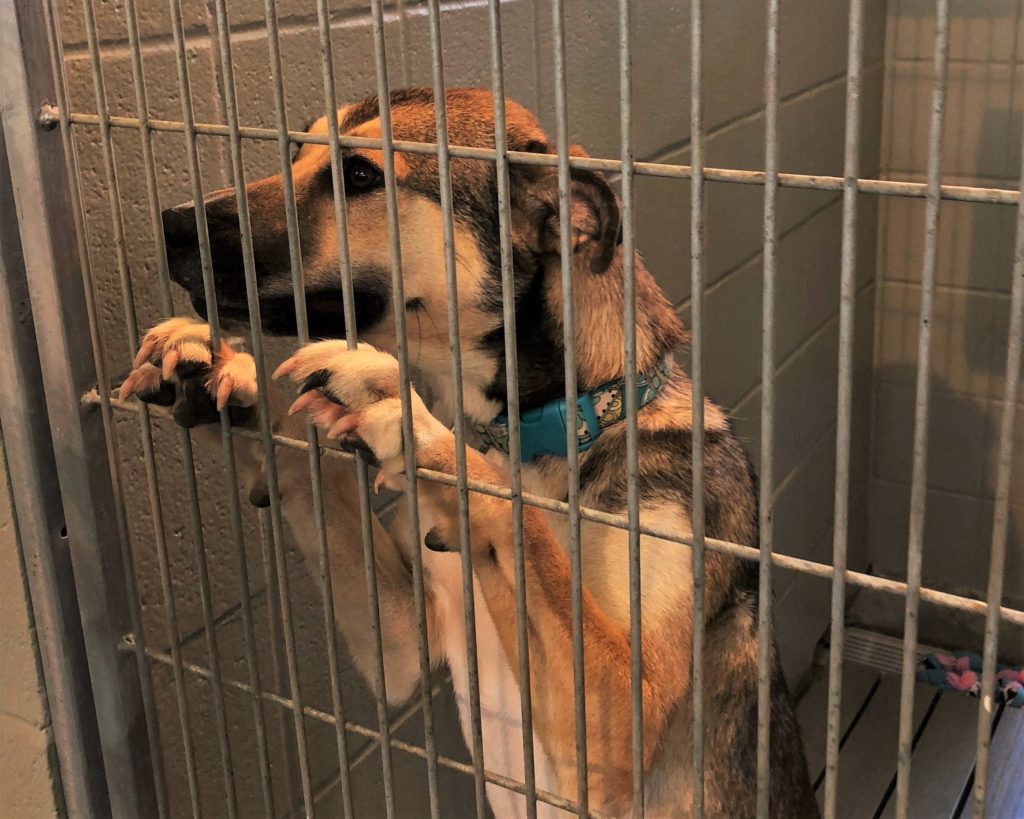
 

Pets of the Week

BOSCO: Domestic shorthair kitten, male, black, 3 months old, 2.5 pounds – $10


TEDDY: Mixed breed, male, brindle, 4-1/2 years old, 44 pounds – $35


FOTAS and USC Aiken Partner on Program that Helps Save Shelter Dogs’ Lives
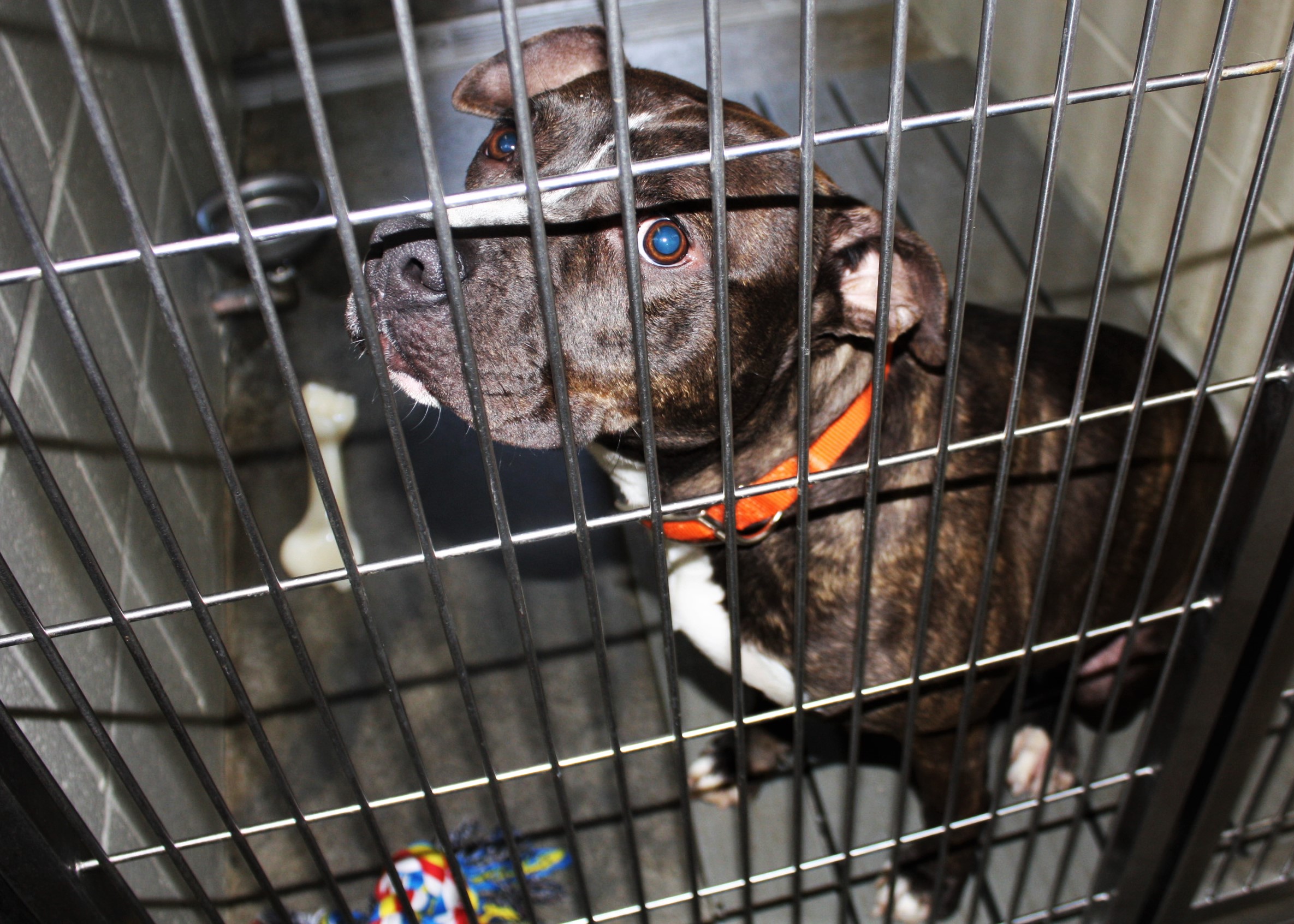
When you take Dr. Meredith Elzy’s Behavior Modification class at USC Aiken, not only do you learn the key concepts of this psychology therapy in a regular classroom setting, but you also make weekly visits to the Aiken County Animal Shelter to learn how to train homeless dogs.

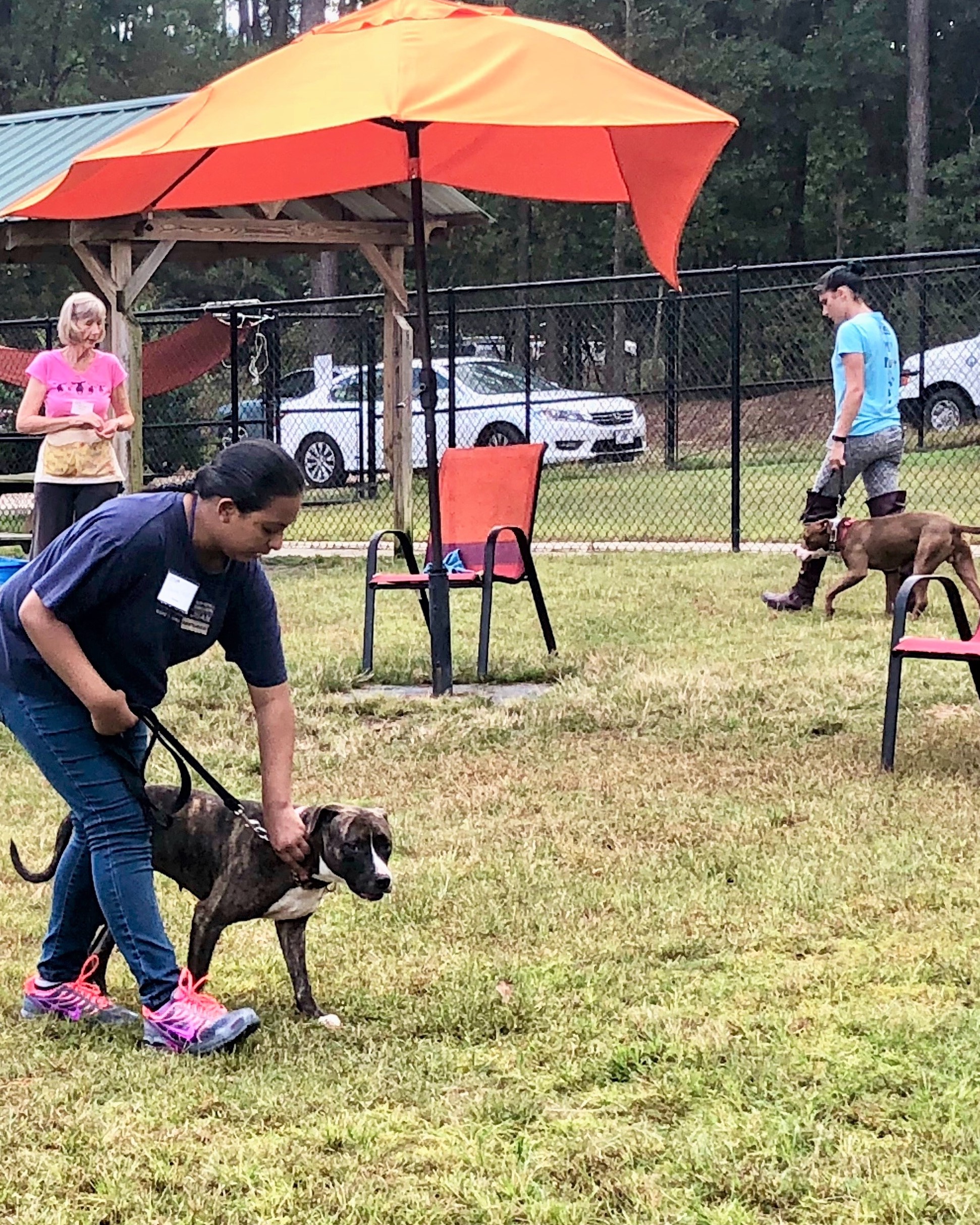
The USCA students work closely with and get to know the dogs during their training.

“My role is taking what students are doing with the dogs and facilitating how it pertains to what they’re learning in the classroom,” Dr. Elzy explained.

Now in its second year, the program has already gained popularity at USC Aiken with students eager to spend time with shelter dogs for credit. Three hours a week are devoted to lecture and discussion at USC Aiken, but one hour a week involves working closely with dogs on the adoption floor.

This year, Dr. Elzy decided to join the students during this hands-on part of the program.

“I’ve learned the importance of getting to know the personalities of the dogs and what it means to work with a dog that may have been neglected and is now craving love and attention,” she said. “I think it’s a really important skill to perceive what each dog’s strengths and weaknesses are from both a behavior modification aspect and a broader psychological aspect.”

Besides teaching students psych concepts and providing them with valuable learning tools, the class also helps to prepare dogs for their forever homes.

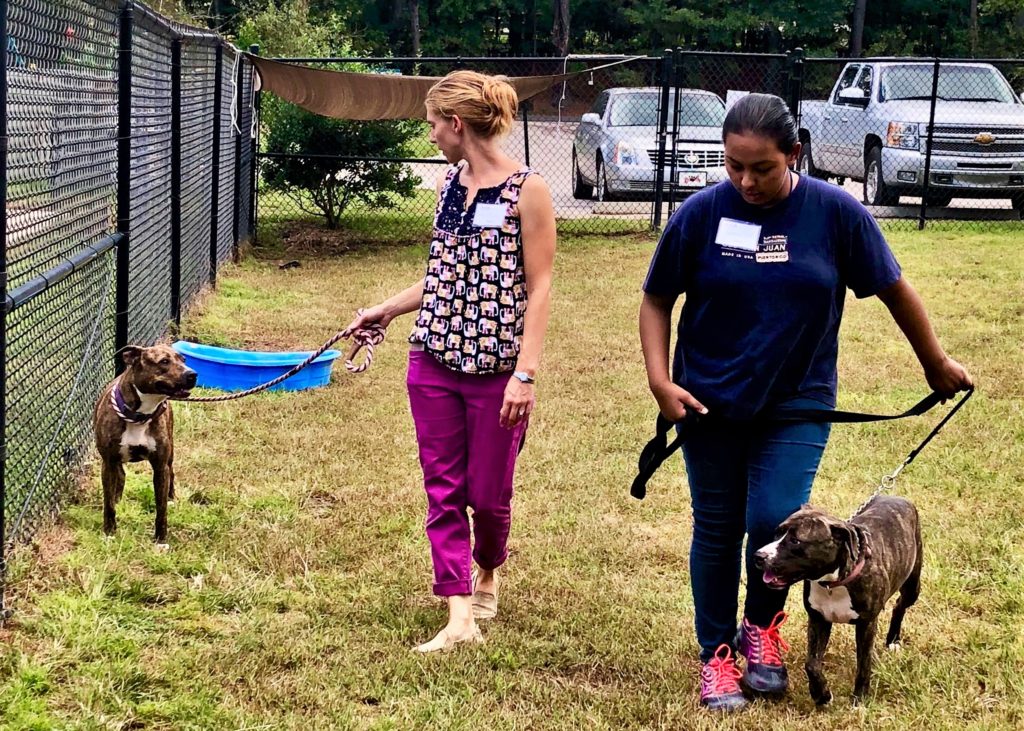
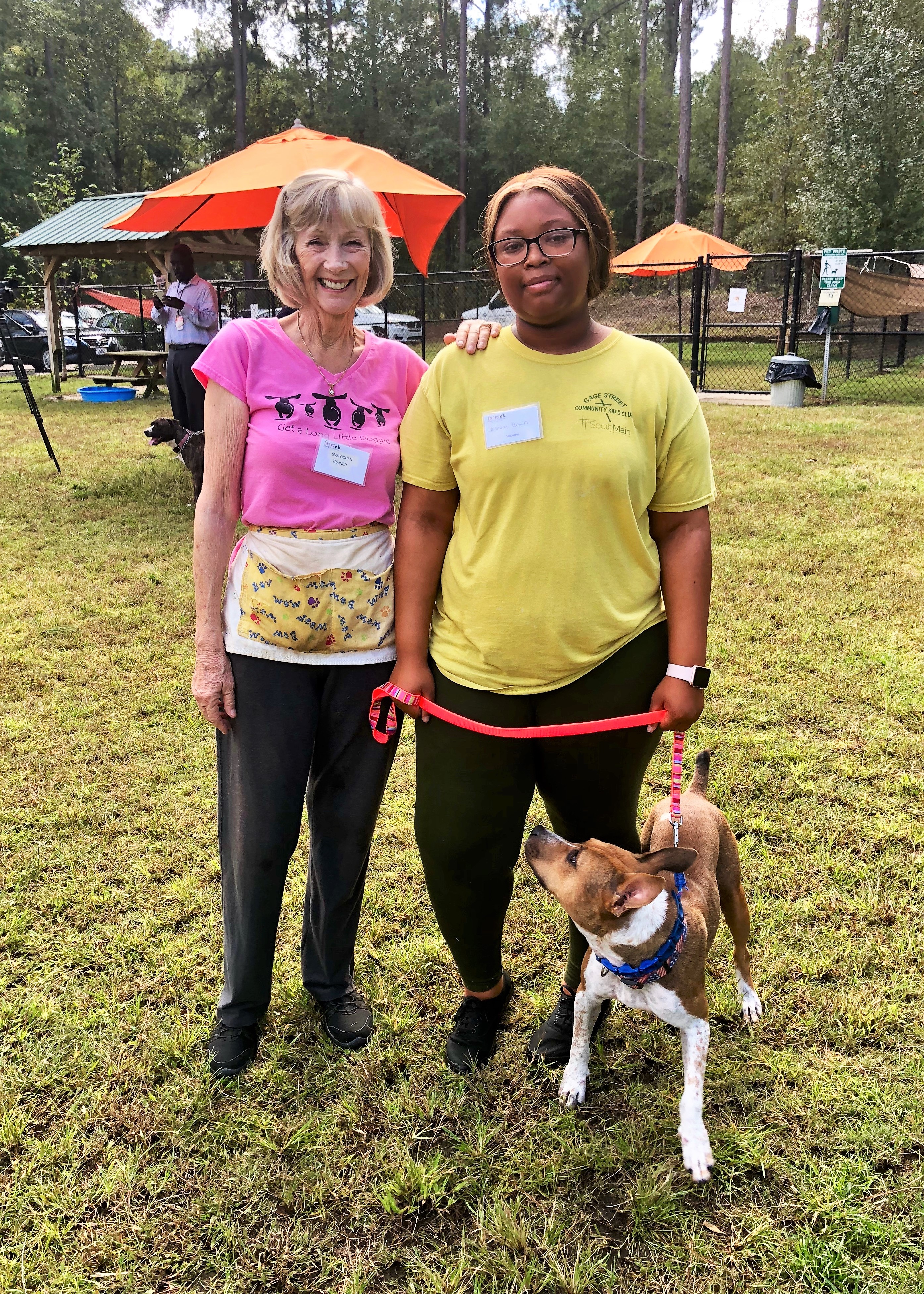
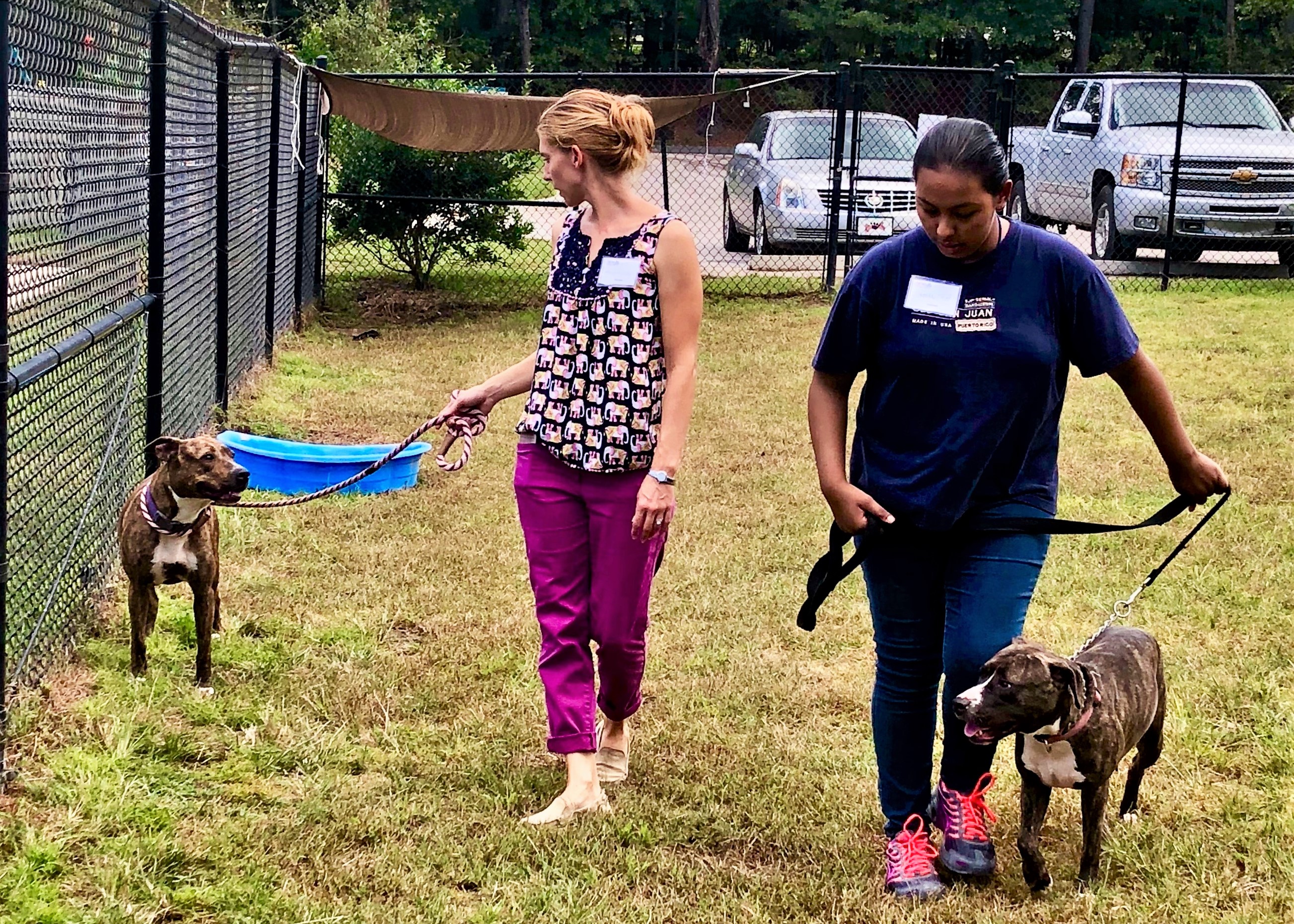
Susi Cohen’s (left) dog training class at the ACAS is helping USC Aiken Psychology students learn their craft while also preparing dogs for adoption.
USC Aiken Assistant Professor Dr. Meredith Elzy (left) walks Tiger as one of her students works with Billie. Both shelter dogs are steadily gaining more confidence through training.

When shelter canines receive more time and attention, it makes them more trusting and confident – which makes them more adoptable. In fact, the extra human attention can save their lives by better ensuring they will make good pets and be on their best behavior once adopted.

Students come to the Shelter on Tuesdays and Thursdays to work with the dogs for an hour and follow the instruction of Susi Cohen, one of the Shelter’s lead dog trainers. During the first five weeks of class, the students enjoy the group instruction from Susi; but during the second five weeks, they’ll take what they’ve learned and apply it on their own, socializing and walking dogs as FOTAS volunteers.
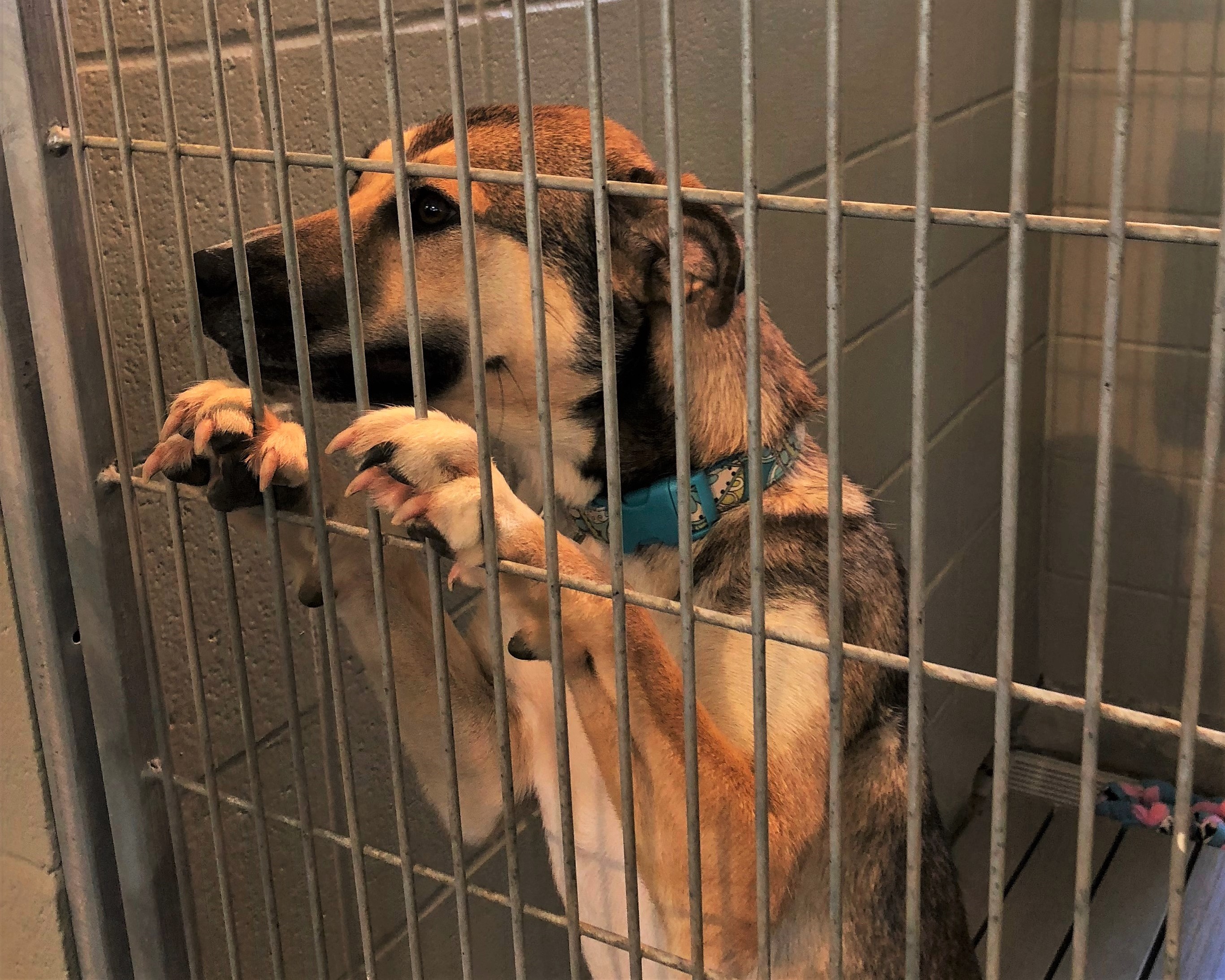
“I’ve been amazed at how sweet these dogs are,” said USC Aiken student Rachel Hopkins. “They seem so sad at first…but once they get out there with us, they do a complete 180 because they’re so happy being with people and getting attention.”

Hopkins said she’s gotten a little emotional at times seeing the many unwanted dogs, but the chance to learn while giving back to the community has been a valuable experience.

“During my first class, one of the dogs, Jett, rested his head on my lap for five straight minutes and it really pulled at my heart how much he just wanted to be accepted and loved on,” she said. “But I was just informed that he was adopted this week, and that makes me feel wonderful.”

Their lives are in our hands.

— By Bob Gordon, FOTAS Communications Director

 

By the Numbers
In the first half of October, the County Animal Shelter received more than 300 strays and surrendered pets!


Pets of the Week

CARLIN
Domestic Shorthair, male, gray Tabby, 2 months old, 1.8 pounds – $10


POLO
Retriever mix, male, white and tan, 3 years old, 49 pounds – $35

Junior FOTAS Students Prove our Future Looks Good
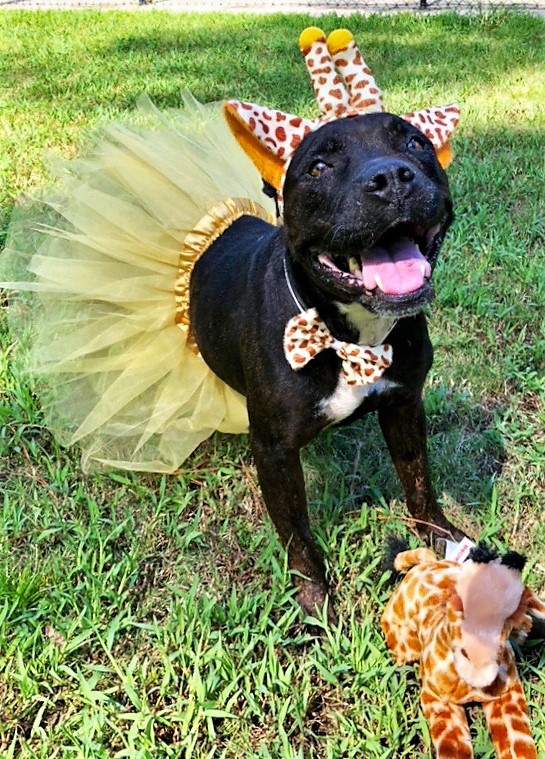
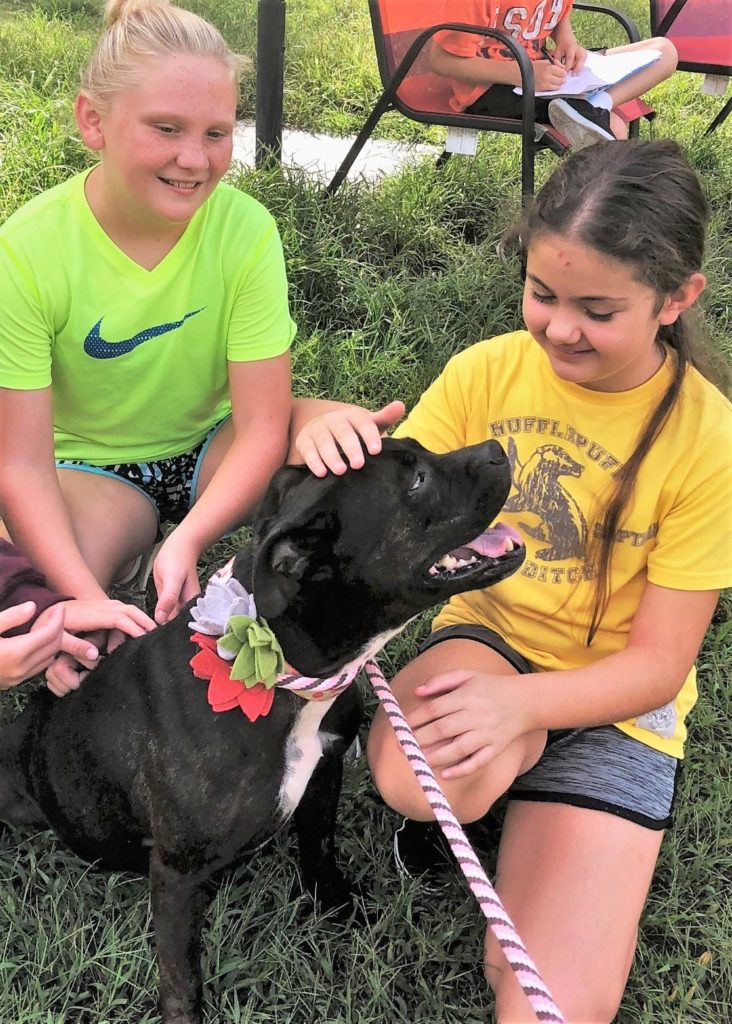
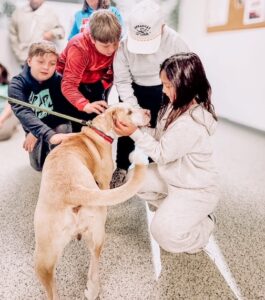
Junior FOTAS students took photos with adorable, adoptable Rosetta to post on social media.
Last year, a new after school program called Junior FOTAS was started by students at Tall Pines STEM Academy. Two teachers assist the students, including their language arts teacher, Mrs. Busby, who is passionate about helping shelter pets and a FOTAS volunteer, and their math teacher, Mrs. Mastromonico, who’s adopted pets from the shelter and is a strong animal advocate. Her son even raised over $400 for FOTAS’s Have a Heart Save a Heart program, a fund that provides heartworm treatment for shelter dogs.
Every other week, the group meets after school along with myself and FOTAS Volunteer Marnie Munger. During each meeting, we introduce the students to a new shelter pet and teach them the importance of spaying and neutering and about the Trap, Neuter Release (TNR) program, heartworm prevention and other key FOTAS and ACAS initiatives.

The students surprised all of us! They made videos about FOTAS programs such as Doggie Days Out, Fix-a-Pet and Community Outreach. They held a car wash that raised money for heartworm treatment and marched in the Aiken Memorial Day Parade in t-shirts that they designed, singing a cheer about spaying and neutering.

And at last year’s Annual Woofstock Doggy Derby Day, members of the group sold snow cones to raise money for shelter pets. These kids are incredible!

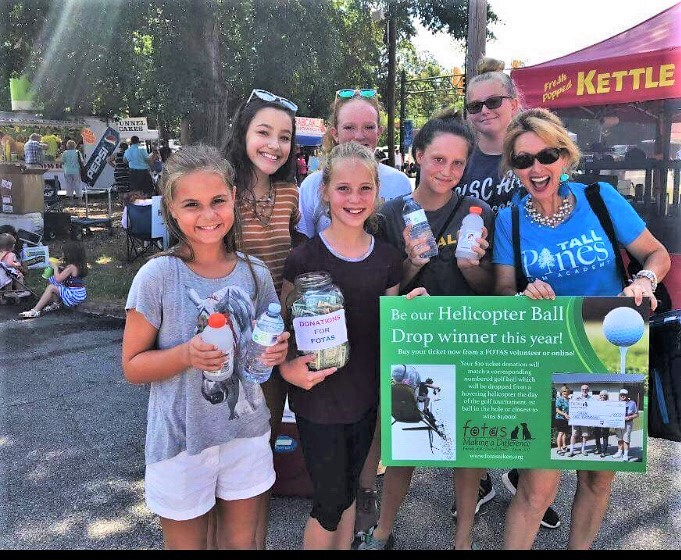
Junior FOTAS members raised money for the shelter animals at Aiken’s Makin’.

This year, during the first meeting I was blown away when more than 40 students joined the group! These young people are enthusiastic and ready to get to work. Members of the group took the initiative to sell raffle tickets for a FOTAS fundraiser at Aiken’s Makin’. They sold $100 in tickets and took in over $400 in monetary donations to help the shelter pets.

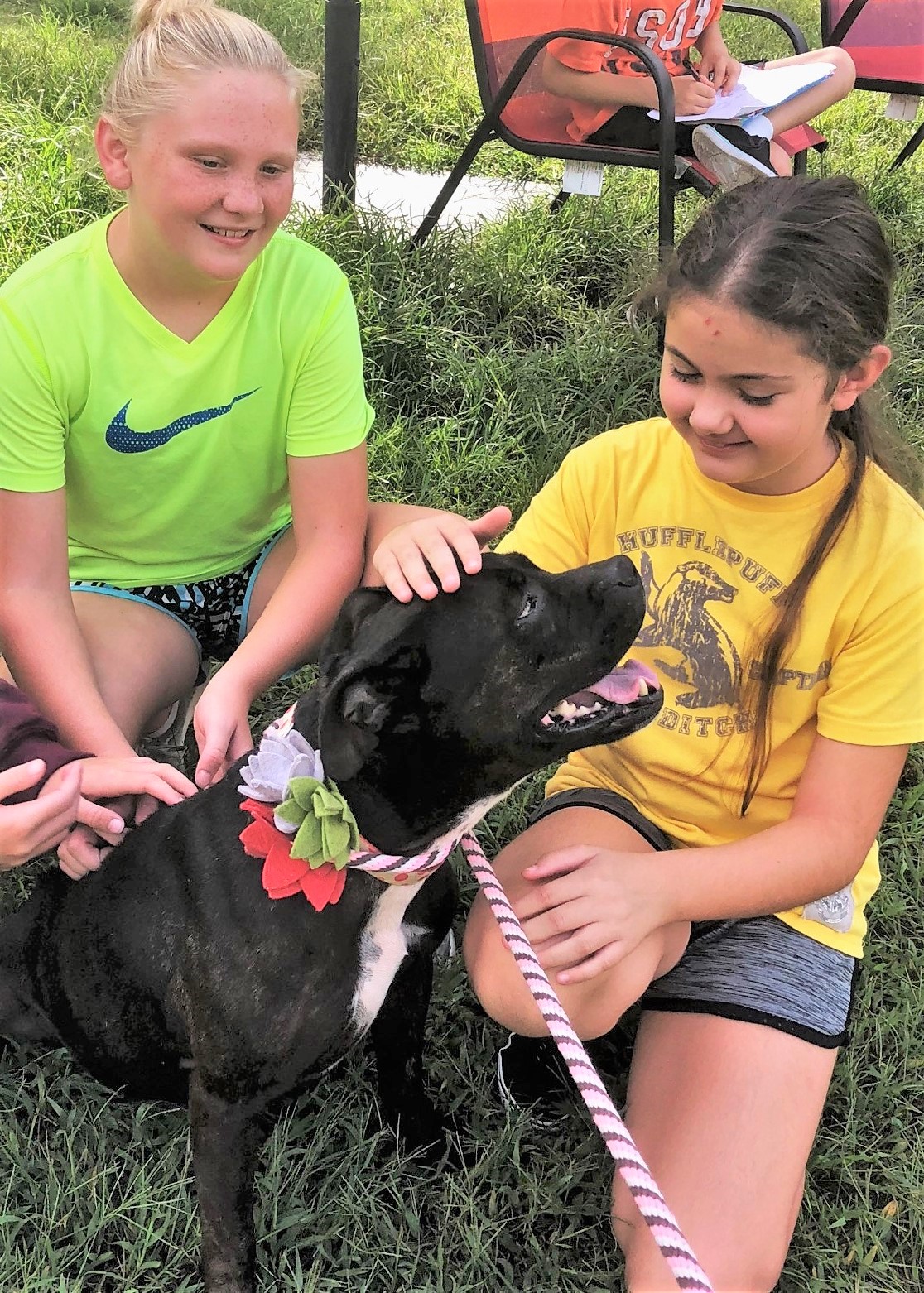
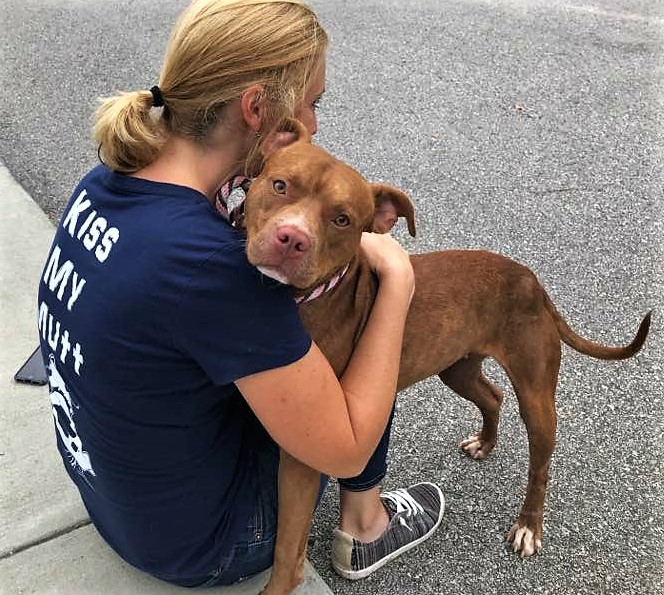
Most recently, Junior FOTAS visited the animals at 333 Wire Road and enjoyed a tour by Shelter Manager Bobby Arthurs. Bobby showed them the entire facility and taught them the history of the ACAS. The students were really interested in the process of how animals arrive at the shelter and how they are adopted. They all took turns hugging and loving the shelter’s longest canine resident, Rosetta, and brainstormed on how they can help dogs like her find homes faster. One idea was to make flyers, while another was to take pictures and selfies with her and share them on social media. Who wouldn’t want to adopt a dog that is so awesome with kids, right?

To see their eyes when they hugged a homeless dog was beautiful and Rosetta was in heaven! What a perfect world it would be if everyone was so eager to love!

Despite Junior FOTAS’s promotion of Rosetta on social media, she has yet to be adopted.

FOTAS is thrilled to see young people take an interest in helping the shelter animals. We have all heard that “children are our future,” and if these students are this driven at their young ages of 11-14, our future is looking pretty bright!

Please keep an eye on these upcoming leaders in animal advocacy and contact us at (803) 514-4313 or info@angelhartlinedesigns.com if you’d like to start a Junior FOTAS group at your learning institution.

Their lives are in our hands.


— By Kathy Jacobs, FOTAS Program Director


Pets of the Week

ADELI
Domestic Medium-hair, female, 2 years old, 7.6 pounds – $10

LILITH
Mixed breed, female, 2 years old, 35 pounds – $35

Leadership & Teamwork Make FOTAS Golf Tourney a Signature Event

FOTAS just held its Fifth Annual Playing Fore the Pets Golf Tournament and Helicopter Ball Drop on Oct. 1. The event was bigger than ever, with 176 golfers participating in the tournament and 996 ball drop raffle tickets sold.

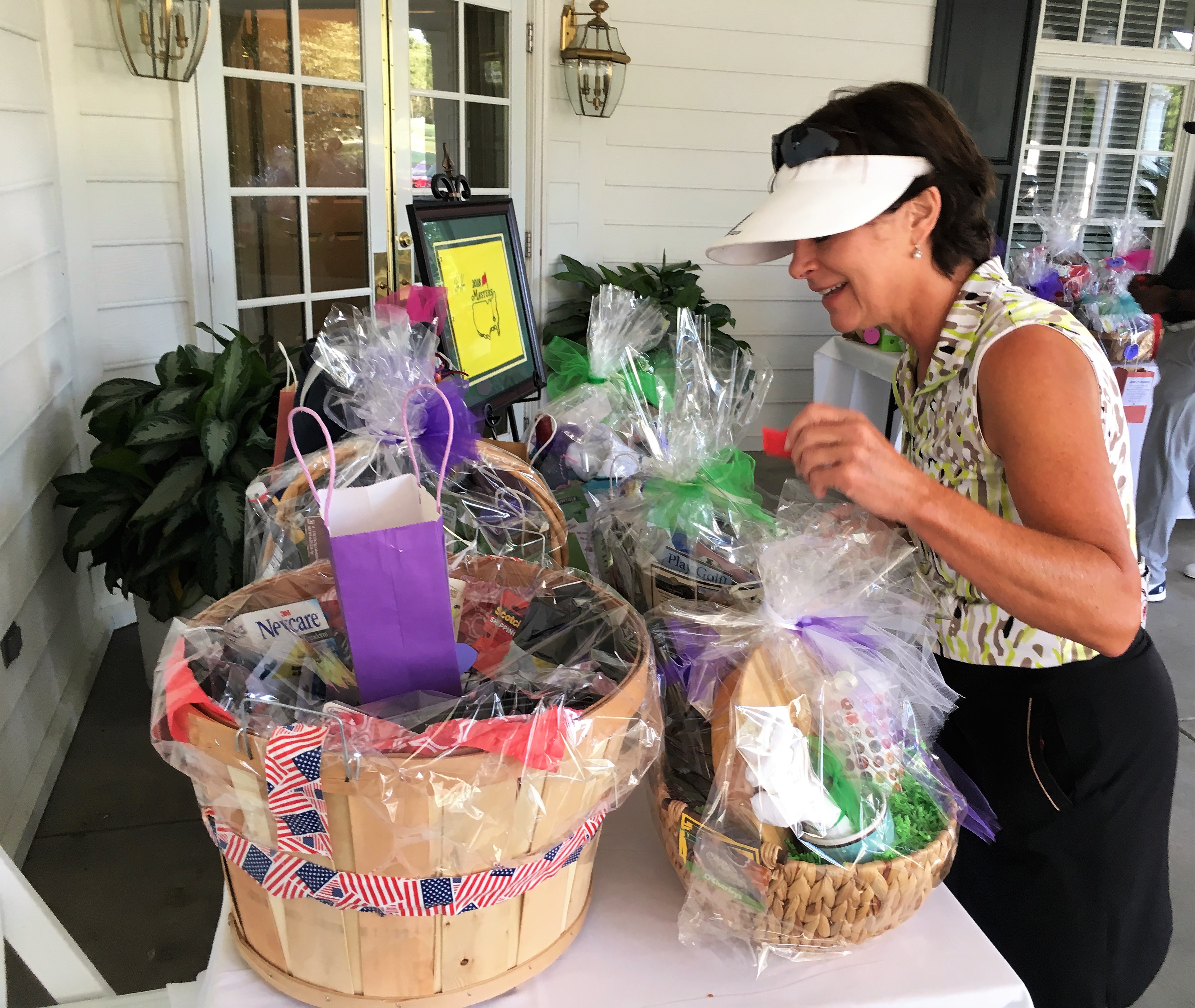
A golf tournament participant checks out the prizes and gift baskets provided by sponsors.

In just five years, this special event has become the biggest FOTAS fundraiser of the year. It’s quite an achievement but such success doesn’t happen by accident. The event has grown and progressively raised more money to benefit the homeless pets at the Aiken County Animal Shelter due tostrong leadership and a lot of hard work.

The leadership? Sandy and Ross Staiger, co-chairs of the event. When Ross retired in 2011, the couple moved from New Hampshire and made their home in Aiken. Sandy joined FOTAS in 2012 as a dog-walking volunteer and soon put her photography skills to good use, taking high-quality pictures of shelter dogs to promote their availability and use in their profiles. She helped out at various FOTAS events, including the organization’s annual Woofstock festival, and

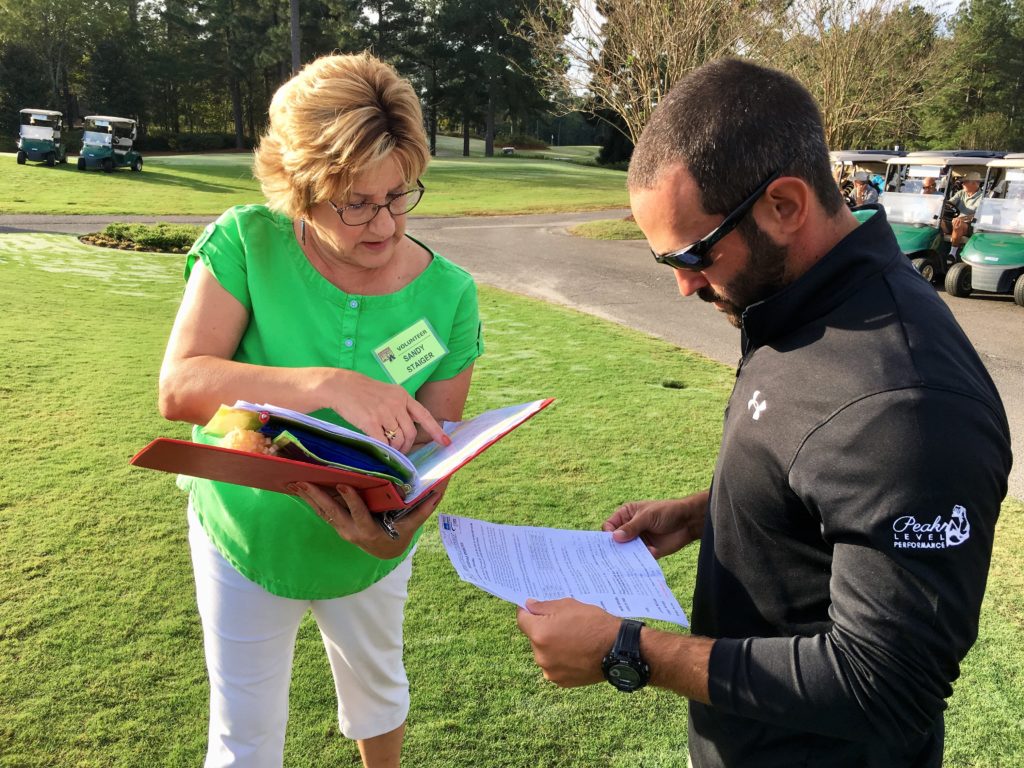
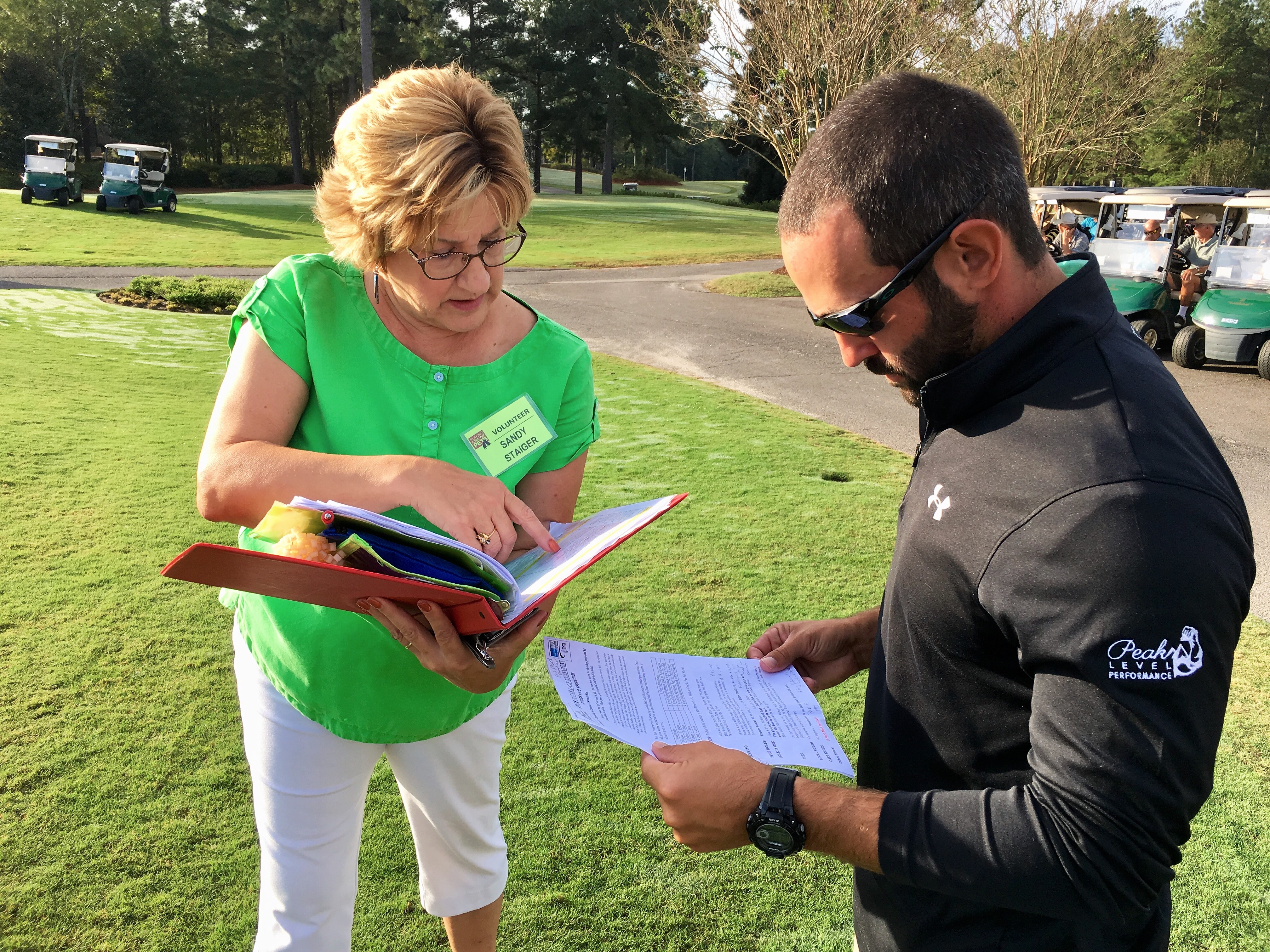
On tournament day, Sandy Staiger reviews final details with a representative from The Reserve Club at Woodside.

thought adding a golf tournament to the FOTAS schedule of events could be a nice fit.

Never one to sit quietly when she has a suggestion, Sandy shared her idea to start a golf-themed fundraising event with FOTAS President Jennifer Miller. The event would include their signature attraction, a helicopter hovering 300 feet in the air, dropping hundreds of numbered golf balls onto a target below. Each ball would represent a $10 raffle ticket and the person whose ball landed closest to the target would win $1,000. Miller and the FOTAS Board liked the idea and held the premier Playing Fore the Pets fundraiser in 2014.

“The goal of this event is not only to provide a fun time for amateur golfers and raise money for the animals, but also to build awareness of the needs at the County Shelter and inform the community about FOTAS’s many helpful programs that help these unwanted pets,” Sandy said.

The hard work of planning and executing the tournament is done by the Playing Fore the Pets event committee. According to the Staigers, this group is the “heart” of the tournament’s success. No outside contest experts are hired. No consultants provide support. It’s up to this small unit to minimize expenses and do all the leg work. FOTAS volunteers fill the role of the event’s service staff on tournament day.

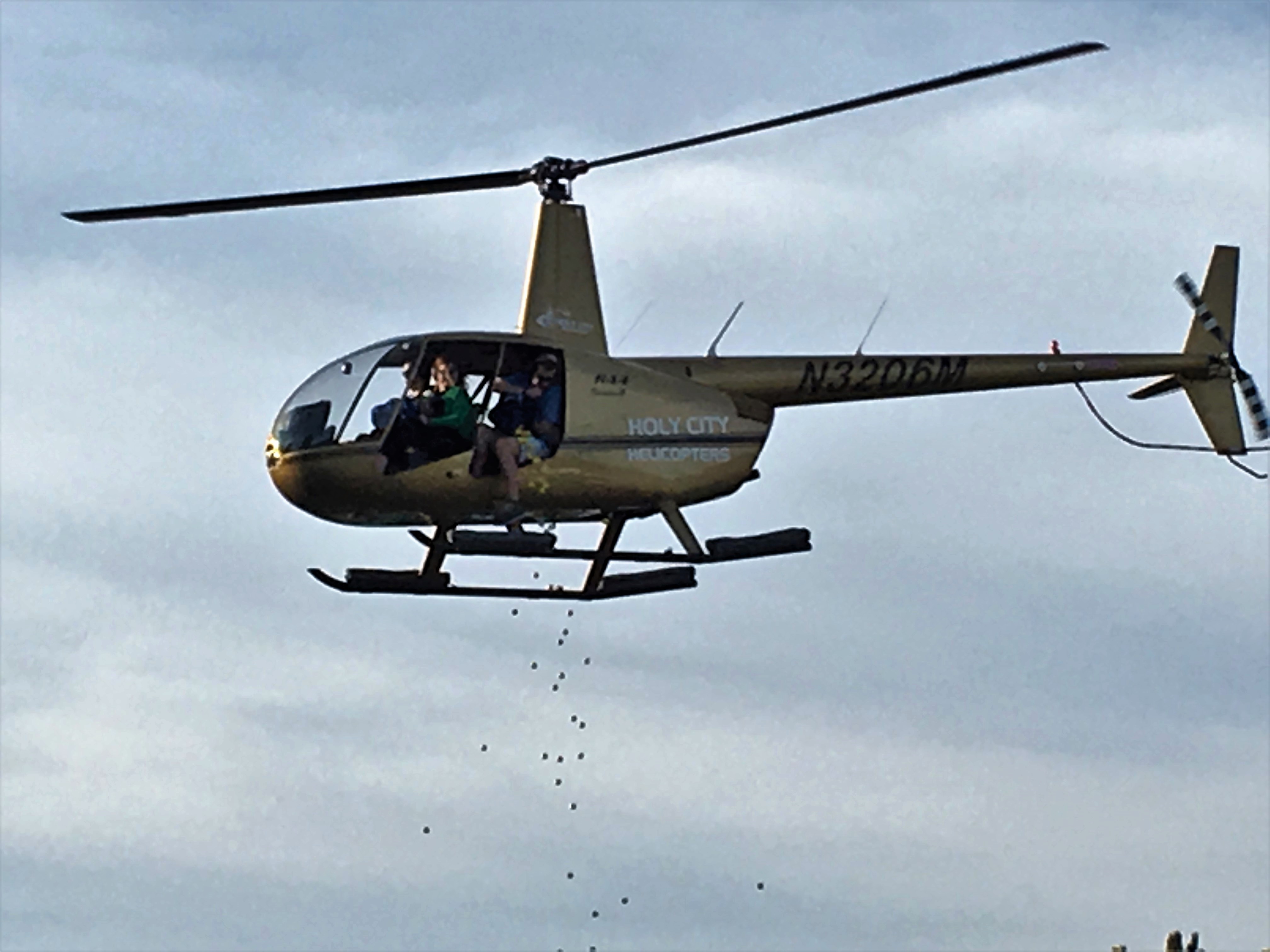
During the helicopter golf ball drop event, nearly 1,000 golf balls are released from 300 feet onto a target below.

The committee includes: four-year veterans Karen Loughran, Sharon Johnson and Connie Jarzmik; two-year vets Jan Barker and Cori McCorkle; and Cindie Davidson, who joined the committee this year. These women start organizing and seeking sponsors in May and their work doesn’t let up until the day of the tournament and golf ball drop.
This year, sponsorship signs, banners, and beautiful prize baskets dominated the tournament grounds more than ever — all due to the work of committee members and the generosity of both long-time and freshman sponsors.

“The best part for Ross, me and the committee is seeing the result of our efforts,” Sandy said. “It’s all about benefiting the County Shelter animals.”

Their lives are in our hands.

— By Bob Gordon, FOTAS Communications Director


By the Numbers
In the first four days of October, the County Animal Shelter received 120 strays and surrendered pets – an average of 30 animals per day!


Pets of the Week

TULIP
Domestic Shorthair, female, tortoiseshell, 1 year old, 7.2 pounds – $10

ALLEN
Retriever mix, male, brindle, 1 year old, 52 pounds – $35

Love Is in the Air at the Aiken County Animal Shelter

Sandra Procter, one of FOTAS’s first volunteers, was walking her favorite dog, Stanley, on the Aiken County Animal Shelter’s trails this week. She stopped to pet Stanley and praise him for his good behavior.

As she enjoyed this warm moment with the young Retriever mix, Sandra looked around her and saw something that really touched her – four other volunteers enjoying similar quiet moments with shelter dogs.

Kathy Jacobs calms an excitable, young Pibble.

Jeff Martin had Choco on the trail and was petting and reassuring the handsome Doberman mix; Jeff’s wife, Bonnie, was hugging sweet Bulldog mix, Princess; and Jackie Edel was sitting on a bench, loving on petite Beagle mix, Suzette. Meanwhile, John Berk was gently loading Carter, a red Shepherd mix, into his car for a “Doggie Day Out” to Starbucks. No one was actually walking; they were each giving their shelter dogs some quiet time, love and affection – helping them to learn trust.

Often people think they can’t walk dogs because it will be too physically demanding. There are some dogs that do need a lot of exercise and time to run, but so many others would much rather sit with a person on a bench or a couch, and be loved. Hours are spent in their kennels each day, some only getting out for half an hour. They are lonely. Dogs are companion pets, “man’s best friend”.  They crave love from people.

Our shelter cats also need volunteers to sit with them, pet them, talk to them. There is nothing better than bringing a book and sitting on the bench in the cat facility. Within minutes, you will have furry friends curling up with you.

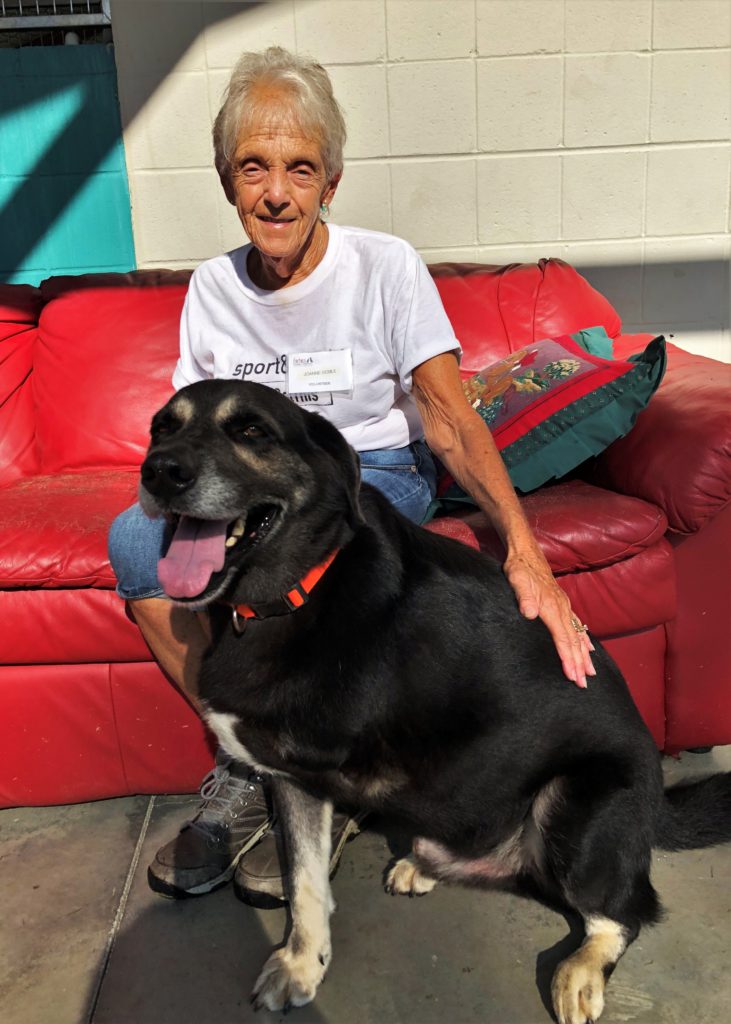
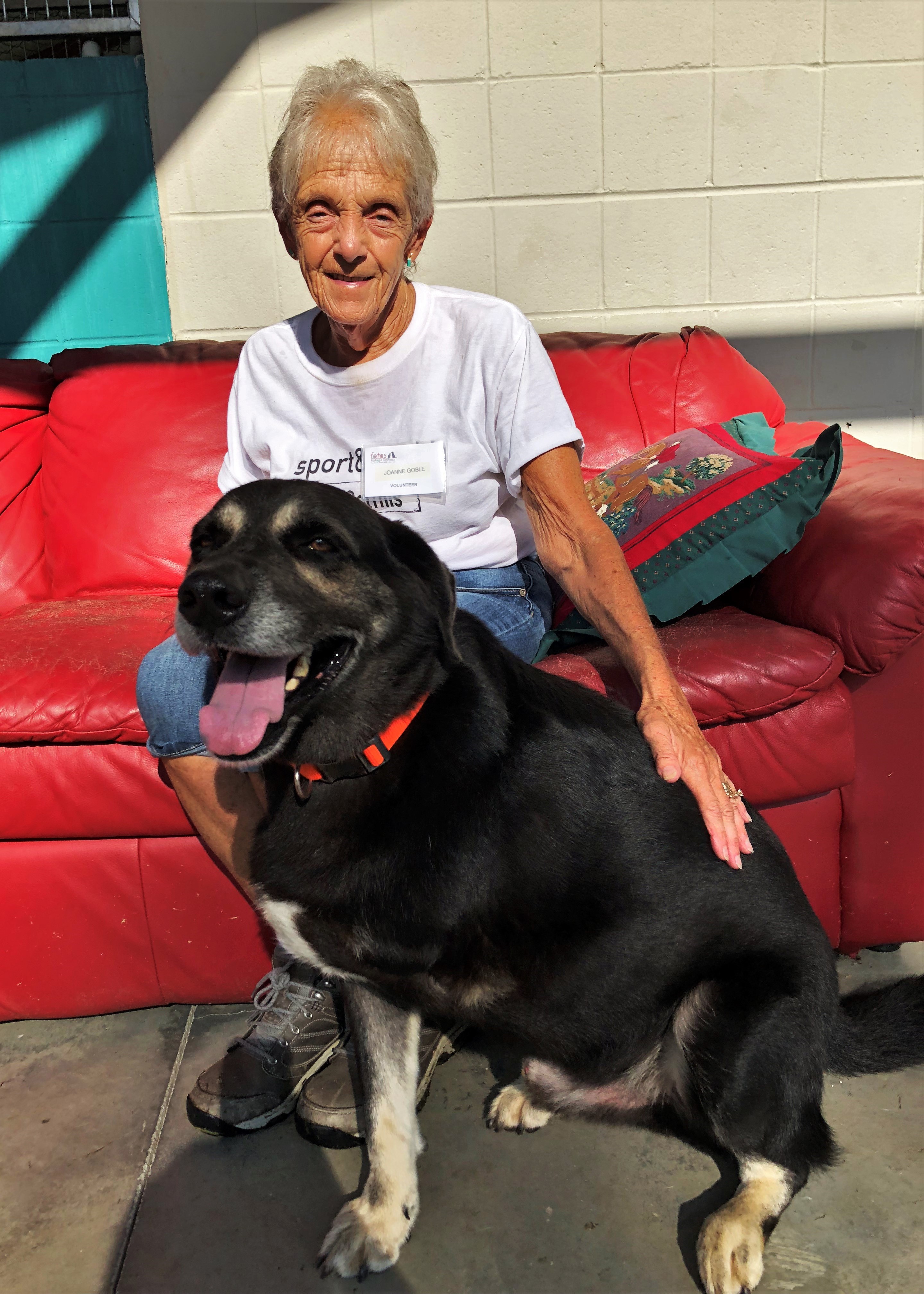
FOTAS Volunteer Joanne Goble enjoys some quiet time with sweet Charlie, a special needs, three-legged dog.

Joanne Goble came to us as a new volunteer. She had trouble getting some of the more excitable and larger dogs out of their kennels. But other volunteers were happy to help get the dogs out for her if she would just pet the lonely animals and spend time with them. Joanne is a great dog walker but an even better dog lover. She also gives the best

Volunteer John Berk and Kromer.

belly rubs, according to Charlie, a senior three-legged dog who would much rather sit by Joanne on the couch than take a long walk on the trails.

“Being at the shelter walking the dogs and interacting with the other volunteers has helped me more than anything else since my husband’s death in February,” Joanne said. “I just need to know my size limitations on which dogs I should walk.”

“All I would say to a prospective volunteer is, for me, being at the shelter makes everything right with the world,” she added.

Dogs and cats give us just as much love as we give them. If you are struggling with stress, anxiety, loss or just feeling lonely, you will benefit from spending time with shelter pets. Hug a dog or a cat, spend time interacting with a pet and you will both feel so much better!

Their lives are in our hands.

— By Kathy Jacobs, FOTAS Program Director


By the Numbers

The County Shelter received 493 strays and surrendered pets during the month of August.  In the first five days of September, the shelter received 52 animals.

Pets of the Week

CASS
Domestic Medium haired cat, female, 4 years old, 14 pounds – $10 (available at Aiken PetSmart store)


PRINCESS
American Bulldog mix, female, 4 years old, 47 pounds – $35

Shorter Stray Hold Requirement Will Reduce Kennel Stress

It’s Friday, August 24th and the Aiken County Animal Shelter is full. I make my way to Intake to check out the new arrivals. There are so many in all shapes and sizes: fluffy, shiny, furless, battered, blonde, red and black. They are scared and anxious. It breaks my heart.

A Pibble waits for her chance to be moved to the County Shelter’s adoption floor.

Near the back in #28, a beautiful female Shepherd picked up as a stray cowers in the back of her kennel. I sit by the door and talk softly to her, offer her treats. Eventually she crawls forward and licks my hand. That’s a good sign. It means she will probably be a highly-adoptable dog.

Seven days later, however, that same Shepherd is jumping, barking, spinning in circles in her kennel. She is anxious, frantic. That’s not a good sign. She is showing signs of extreme kennel stress already, and yet she cannot be moved to the adoption floor for at least six more days.

Why? Because county regulations currently require stray dogs to be held for five business days (the day of arrival, weekends and holidays don’t count) before they can be released for adoption.

I do the math: my girl in kennel #28 came in on Friday; day 1 will be Monday. Technically her five-day hold will be up at closing-time on Friday, August 31st, but it’s a holiday weekend, so she can’t be spayed until Tuesday, September 4th. If she does well, the earliest she could be moved to the adoption floor is Wednesday the 5th.

That’s 13 days before she even gets the chance to be adopted. During that time, experienced volunteers will walk her and evaluate her behavior, give her some much-needed love and attention, but she is only one of hundreds of dogs who need attention at the shelter. I watch her spin and bark and pace in her kennel, and I pray she can stay sane that long.

The five-day rule is intended to allow owners the chance to claim their lost dogs, however, it just doesn’t happen that way. Here are the facts: only 8% of stray dogs are claimed by their owners, and that 8% are almost always claimed within three days of pickup.

Only 8%. Three days.

Nine out of 10 stray animals at the Shelter are never claimed by owners.

In the meantime, our girl in kennel #28 is suffering. No matter how good the facility, the shelter is an unknown, noisy, busy place full of barking dogs and strangers. It is particularly hard for the dogs, who are social animals by nature. They must be housed separately for their own safety, but that separation, coupled with the noise and activity levels, wears on them, and like people, their ability to adapt varies widely from animal to animal. We’ll try to give the pretty Shepherd more time in the play yards and additional walks, but the shelter is full. There are so many animals and only so many volunteers.

I am happy to report that our pretty Shepherd persevered with a little help from her human friends at the shelter: she has a new home and humans to love her every day. It’s a shame she had to suffer all those extra days needlessly. Fortunately, last Tuesday, Aiken County took steps to change the stray-hold requirements to five calendar days. We applaud the County Council and Administration for their efforts.

Their lives are in our hands.

— by Kathy Jacobs, FOTAS Program Director


By the Numbers

Nine out of 10 stray animals received by the shelter are never claimed by owners.


Pets of the Week

ROSETTA: Mixed breed, female, 5 years old, 48 pounds – $35


JEN: Domestic Shorthair kitten, female, 2 months old, 1.3 pounds – $10

County and FOTAS Work Together to Keep Dogs Off Chains

The County, FOTAS and other concerned citizens worked together for months to pass a tethering ordinance. Many animal cruelty and neglect cases include dogs permanently attached to heavy chains that limit their mobility and access to food, water and shade or escape from their own waste. But little could be done to prevent people from treating their animals this way without an enforceable regulation against such conditions.

County Animal Control Supervising Officer Patrick Miller with Igloo dog houses donated by generous citizens.

Then last year, after many people – including County Animal Shelter Manager and Chief Enforcement Officer Bobby Arthurs – testified to the Aiken County Council, the ordinance was finalized and passed. Arthurs worked with County Code Enforcement Director Paige Bayne and County Attorney Jim Holly on the original draft of the ordinance.

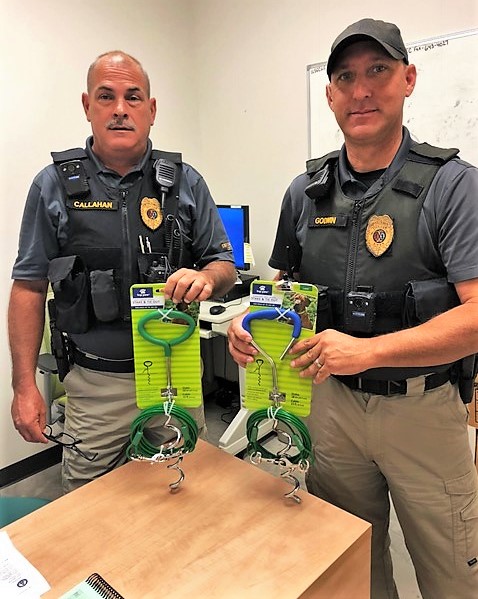
Passed on March 21, the tethering ordinance ensures people treat their dogs more humanely by making it unlawful for a person to tether, fasten, chain, tie or restrain a dog to a house, tree, fence, or any stationary object except for a brief period necessary to complete a temporary task that requires the dog to be restrained. That period cannot exceed four hours and the animal must have free access to water, food and shelter during this time.

If a tethering system is used, it must be connected to a single stake with a swivel on top, be at least 15 feet long and allow the dog to have as close to 360 degrees circular movement as practicable.  If a runner or trolley system is used, it must be at least 20 feet long and allow the dog to move freely along the length of the trolley runner line without being entangled.

“The word is definitely getting out there and it’s already made a difference,” said County Animal Control Officer Brandon Creel. “The number of animals we see on chains has dipped significantly.”

In the past six months, FOTAS has purchased and supplied 75 humane runners and swivels/stakes to help such canines.

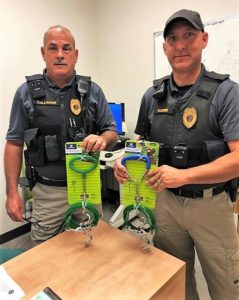
County Animal Control Officers Larry Callahan (left) and Daniel Godwin holding swivel systems that ensure dogs are tied in compliance with Aiken County’s tethering ordinance.

It should be noted that the new tethering law gives officers a big stick to punish animal cruelty and prevent cases of neglect, but not all animals tied outside are treated poorly. Certain citizens love their dogs but can’t afford to put up a fence or a runner.

“Some of these people will feed their dog before themselves, that’s how much they care about them,” said County Animal Control Officer Larry Callahan. “But it’s a different lifestyle where dogs are kept outside.”

When these families need help, the officers let FOTAS Programs Director Kathy Jacobs know, and she provides the materials they need.

“We have to look at the big picture,” Creel said. “If the owner’s heart is in the right place but they just can’t afford the runner or swivel system, we see if FOTAS can help. We try to assist people when we can. After all, helping them out also helps their dogs.”

If you can donate funds to help purchase runners or swivel systems for dogs, or can donate dog houses, new or used and in good condition, it would be most appreciated.  Please bring your donations to the County Shelter, 333 Wire Road in Aiken.

Their lives are in our hands.

 – By Bob Gordon, FOTAS Communications Director


Pets of the Week

CHARLIE
Shepherd mix, male, 6 years old, special needs dog (front left leg amputated), 72 pounds – $35


JASMINE
Siamese mix cat, female, 1 year old, 6 pounds – $10

Abandoned Shelter Dog Now Comforts People in Need

Beth and Gary Bode adopted Buck, a two-year-old Retriever mix, from the Aiken County Animal Shelter (ACAS) nine months ago on Halloween. They had lost both of their chocolate Labs to age-related maladies in 2015 and weren’t sure they were ready to go through the pain of loss again.

But there was something special about Buck.

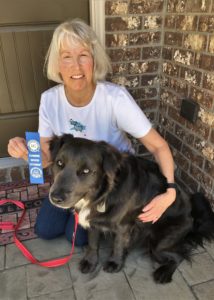
Beth Bode proudly displays Buck’s American Kennel Club Canine Good Citizen ribbon.

When he was picked up as a stray and brought to the shelter, Beth was volunteering for FOTAS as a dog walker. She had already mentioned to the shelter staff and FOTAS team that she was thinking about adopting a pet who could be certified as a therapy dog to visit schools, hospitals, senior living centers and other institutions. Despite his initial shyness and difficult past, Buck had an especially gentle demeanor, so FOTAS Programs Director Kathy Jacobs introduced him to the Bodes.

“We took him for a ‘Doggie Day Out’ and knew within the first hour that he was meant to be ours!” Beth said. Buck hopped up on their bed and cuddled with the couple during his first night as their adopted dog, but it took months for him to fully trust that he had a home for life. The Bodes took advantage of the free training session included with every ACAS adoption and said it helped them understand how to help Buck adjust to his new home.

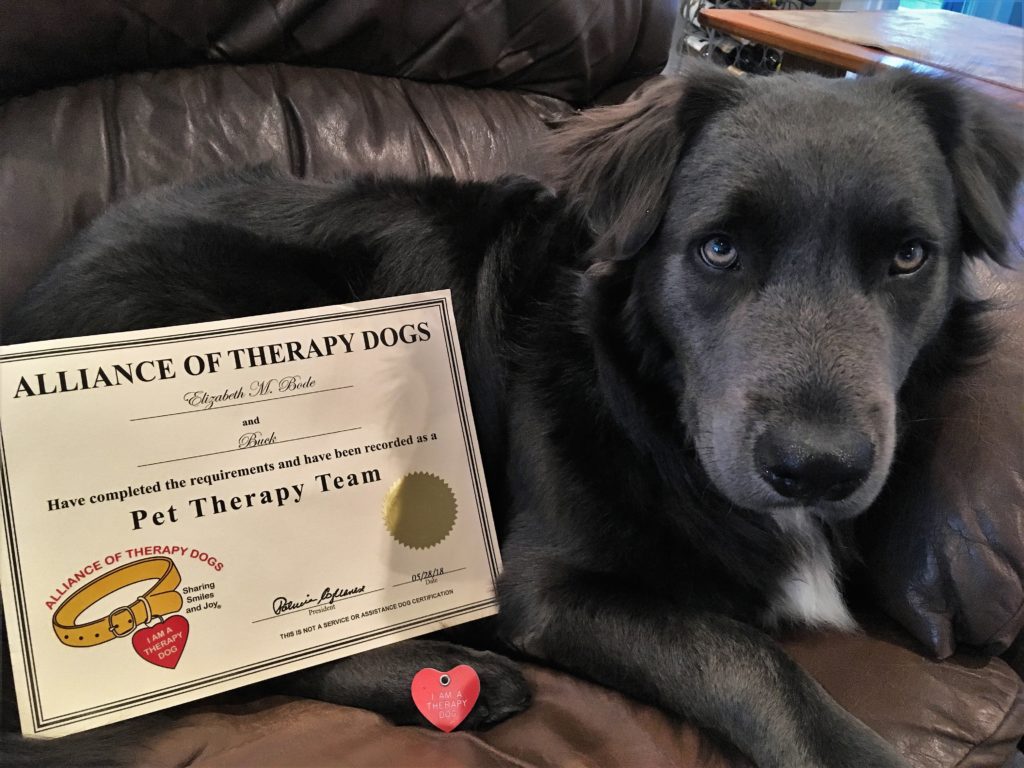
Once Buck started feeling more confident, Beth researched how to get him certified as a therapy dog through the Alliance of Therapy Dogs (ATD), a group active in the Aiken/Augusta area. She enrolled Buck in a six-week course and he passed the American Kennel Club’s Canine Good Citizen test. She also completed the required police background check on the therapy dogs website and filled-out the application paperwork. Then, she took Buck to take the Alliance of Therapy Dogs test, and he passed that too!  After three supervised therapy visits, Beth mailed the completed paperwork and certification fees to ATD and soon received a welcome packet containing Buck’s official ATC certificate, member handbook, ID card, and dog tag.

Now, Buck goes on frequent therapy visits with the Aiken/August ATD group or the Aiken group, “Love on Leashes”. He is learning from the other therapy dogs and enjoying his interactions with strangers in need.

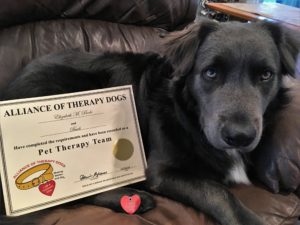
Buck with his Therapy Dog certificate and identification tag.

“We had a wonderful visit last week at HarborChase (an assisted living and memory care center in Aiken), where he comforted a man who had to put his dog to sleep the previous day,” Beth said. “He made an immediate connection, climbed next to him and put his head in the man’s lap. It was amazing!” Incredibly, the man’s deceased dog was also named “Buck”.

Buck has come a long way from the scared, wary stray that arrived at the County Shelter nine months ago. Now he’s a happy and confident canine who contributes to society.

“We feel very blessed to have Buck in our lives,” Beth said. “We thank FOTAS and the Aiken Animal Shelter for all they do to save and rehome the many wonderful animals that end-up in their care.”

Their lives are in our hands

 – By Bob Gordon, FOTAS Communications Director

By the Numbers

From Aug. 1 to 22, the ACAS received 385 strays and surrendered pets. During last weekend’s Clear the Shelters event, 75 animals were adopted.


Pets of the Week

CARTER
Shepherd mix, male, 2 years old, 61 pounds

LANDRY
Domestic medium-hair kitten, male, 5 months old, 6 pounds

Feline FIV is a Virus, Not a Death Sentence

Each day as I finish my rounds at the shelter, I leave a list of things to be done for our team of veterinary assistants (three of the hardest workers on the planet!) that includes testing our newest cat residents for Feline Leukemia (FeLV) and Feline Immunodeficiency Virus (FIV).  When I come in the next morning, my heart would sink if they told me that anyone tested positive for either disease.  This had always meant euthanasia since these cats were considered unadoptable.  But over the last several years, that opinion has changed.

Becky was the first FIV positive kitten adopted under the Shelter’s new FIV adoption program.

FIV infection is transmitted primarily by bite wounds.  It is not transmitted sexually or through casual contact.  Infected cats may live a completely normal and long life. Or they may at some point succumb to the virus, which attacks the immune system and allows the cat to become vulnerable to other infections such as respiratory, mouth, bladder, skin, and eye infections.  Once the cat develops recurring infections, the disease is inevitably fatal. What allows some cats to live with the virus and develop no symptoms and some cats to become ill is unknown and therefore unpredictable.

Kittens may test positive if born to an FIV positive mother but that is most likely due to transfer of antibodies and most of these kittens will test negative within six months.  True FIV infections in kittens are possible but not common.  Because of this, the Aiken County Animal Shelter has decided to adopt out FIV positive kittens.  We will retest these kittens in six months at no charge.  The adopter must understand that we can in no way guarantee these kittens will test negative, although statistics show that most kittens will become negative.

In the case of adult cats, things are a little trickier.  We have no way to predict the outcome for these cats.  We recently adopted out our first two FIV positive cats, Rowan and Martin.  They were adopted by someone who already has an FIV positive cat, so they posed no threat to spread the virus – an ideal placement.  Any home with no other cats would also be a great option.

Adoptable FIV positive kittens are now available at the County Shelter for just $10 each, including (left to right): Becky, Analeese and Tillie.

We are often asked if this infection is contagious to people or dogs, and the simple answer is no.  But if any member of the family is immunocompromised or on immunosuppressant drugs, to be safe we don’t recommend exposure to these cats.

All FIV positive cats should be kept indoors to prevent the cat from being exposed to other diseases.  They should also be kept inside to prevent the possibility of exposing other neighborhood cats to the infection through “cat fights” as we know cats are fiercely territorial.

I know that we are asking a lot of someone to adopt a cat that may have a shorter than normal life span.  But the way I look at it is that God made the majority of “pet species” with shorter life spans than ours.  So, we will inevitably experience the heartbreak when we lose them after 10-15 years.  These cats develop FIV through no fault of their own, but just by acting in the true nature of a cat.  Does this mean they shouldn’t experience a loving home for the time they do have on this earth? 

We always end this column with the words, “Their lives are in our hands,” and never has this been more true.  If you are selfless enough to consider adopting one of these cats, please let us know so we can contact you the next time we see that dreaded positive result on a test.

— By Dr. Lisa Levy, Aiken County Animal Shelter Veterinarian