




Tag Archives: heartworms

Biscuit is Heartworm Free and Living the Good Life

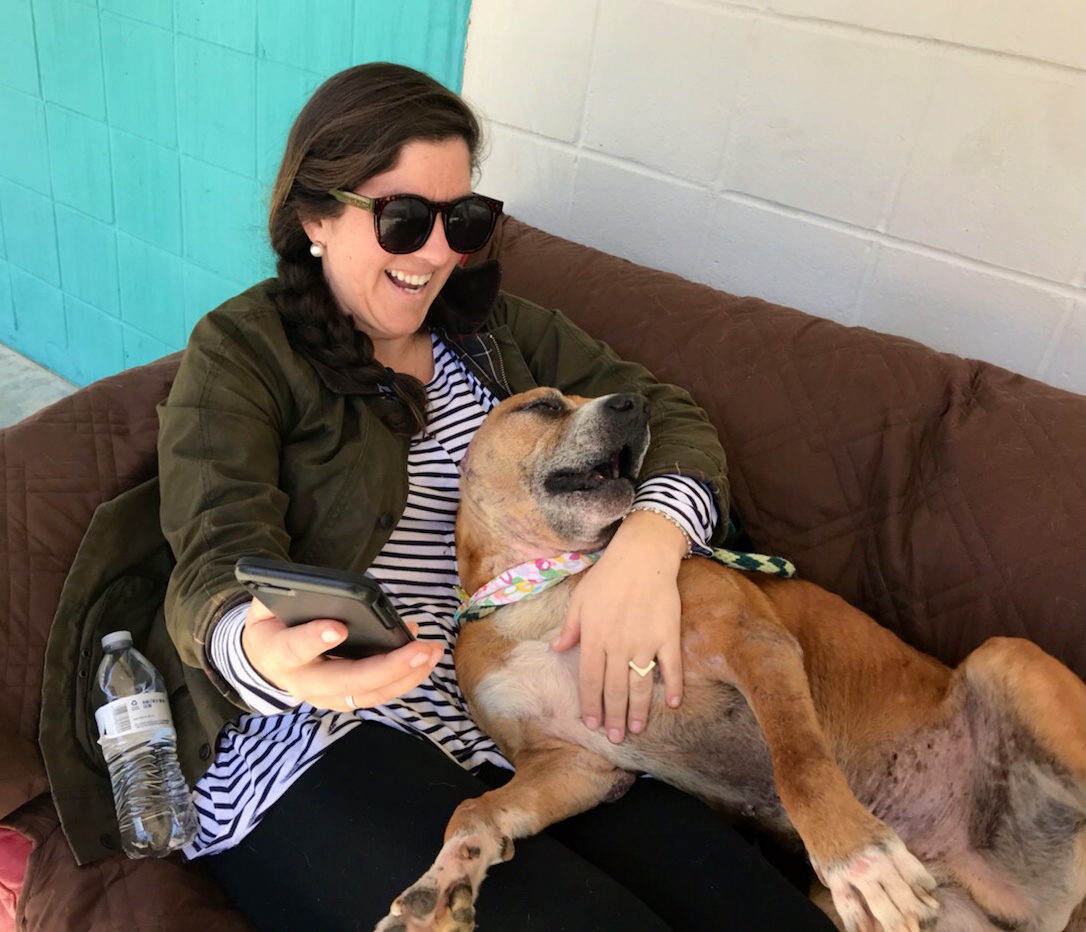
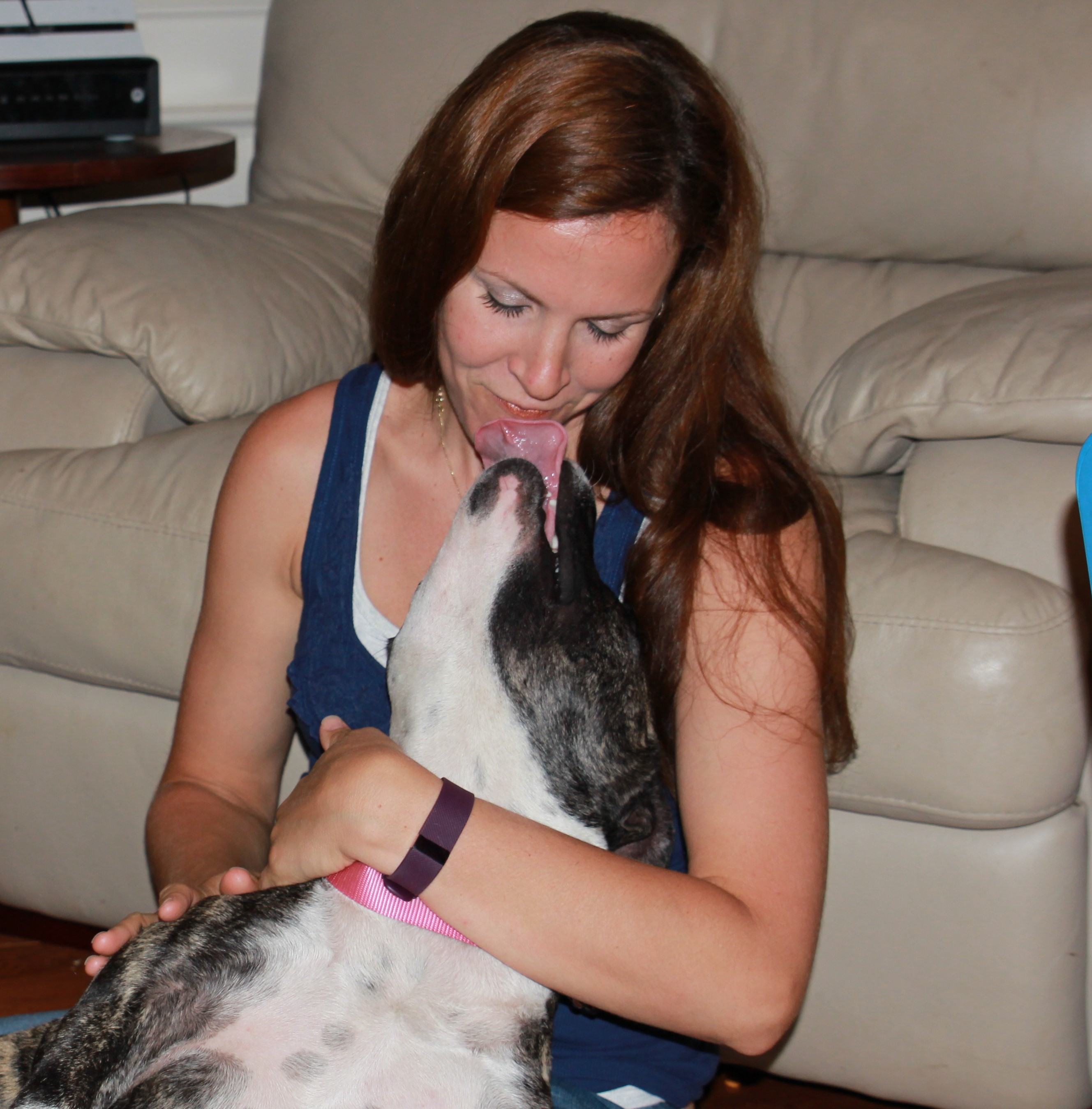
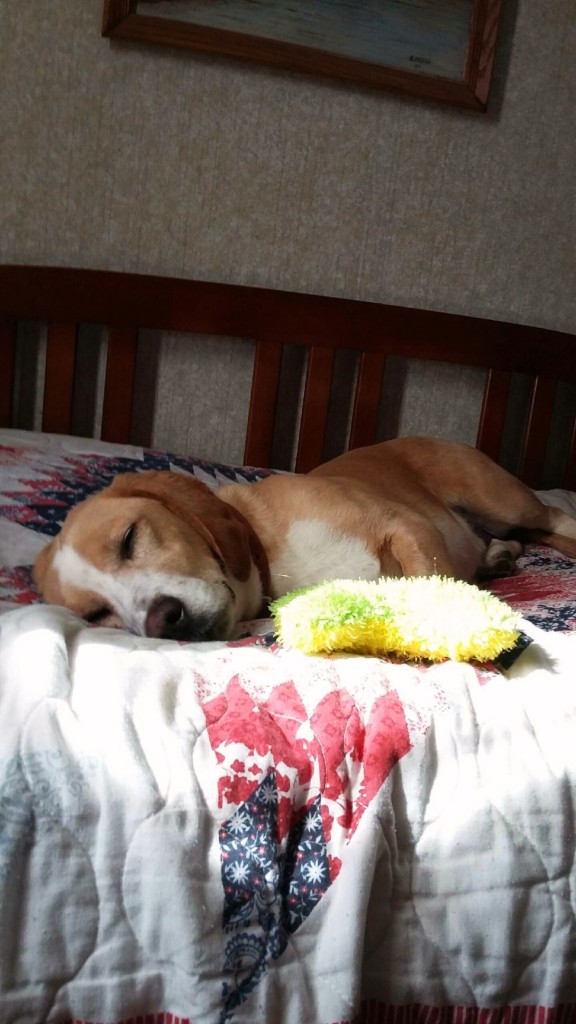
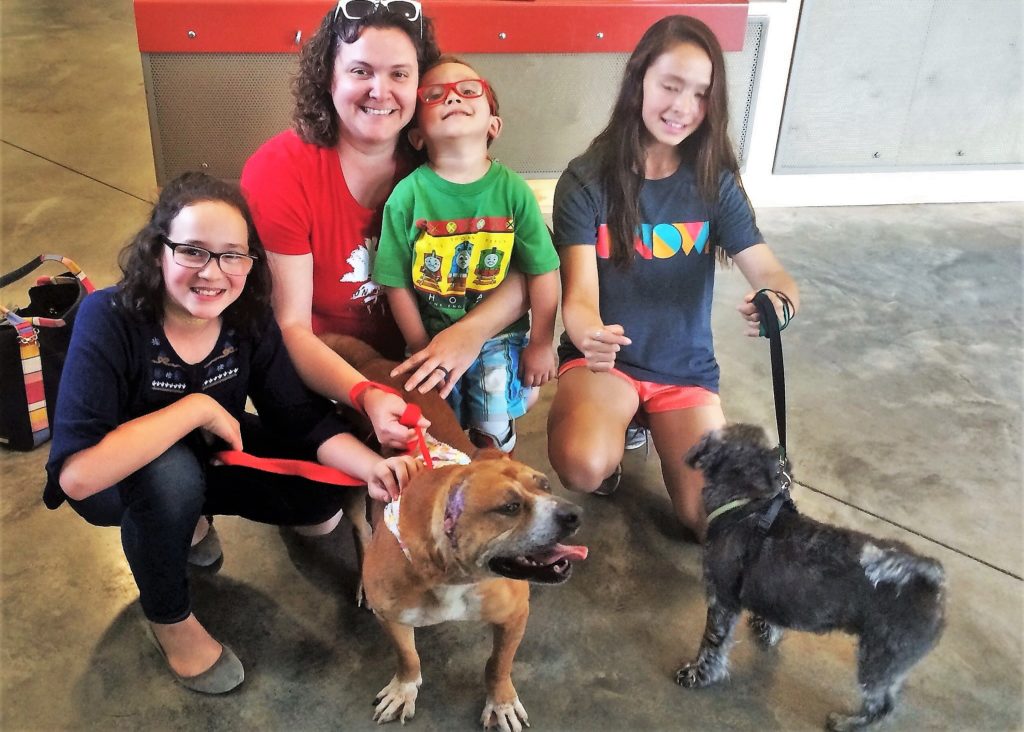
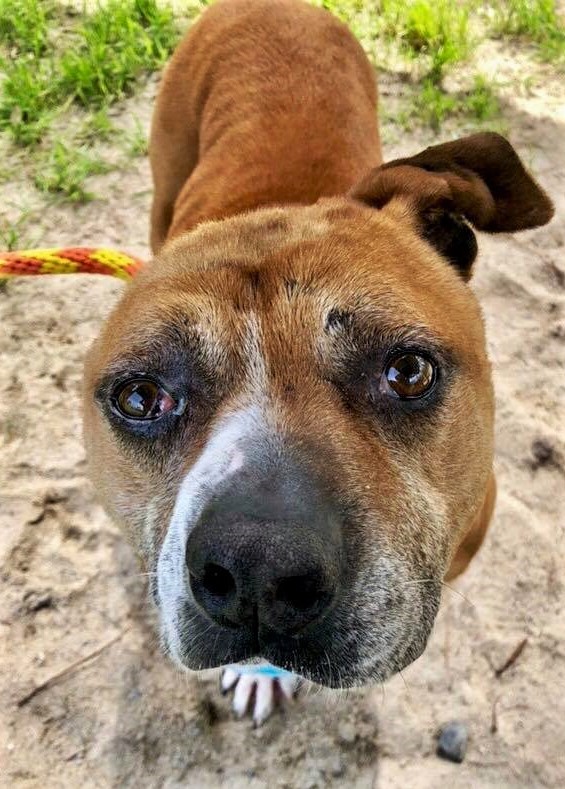
It is uplifting to see how happy Biscuit is now that he has a home with a family that loves him. This sweet 9-year-old mixed breed is one of those special dogs you never forget. In fact, Dr. Lisa Levy, the Aiken County Animal Shelter’s (ACAS) Veterinarian, said Biscuit is one of her favorite dogs to ever come into the shelter.
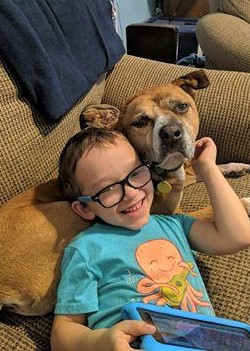
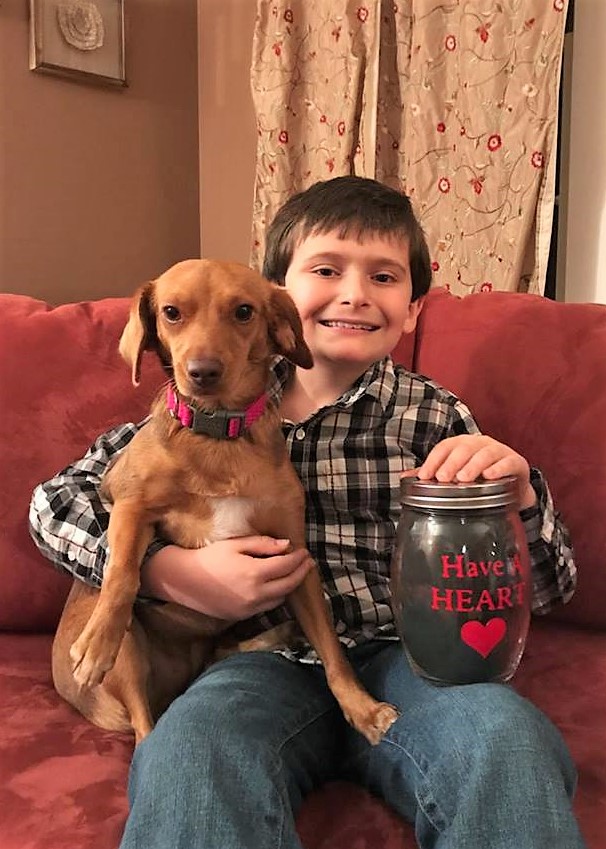
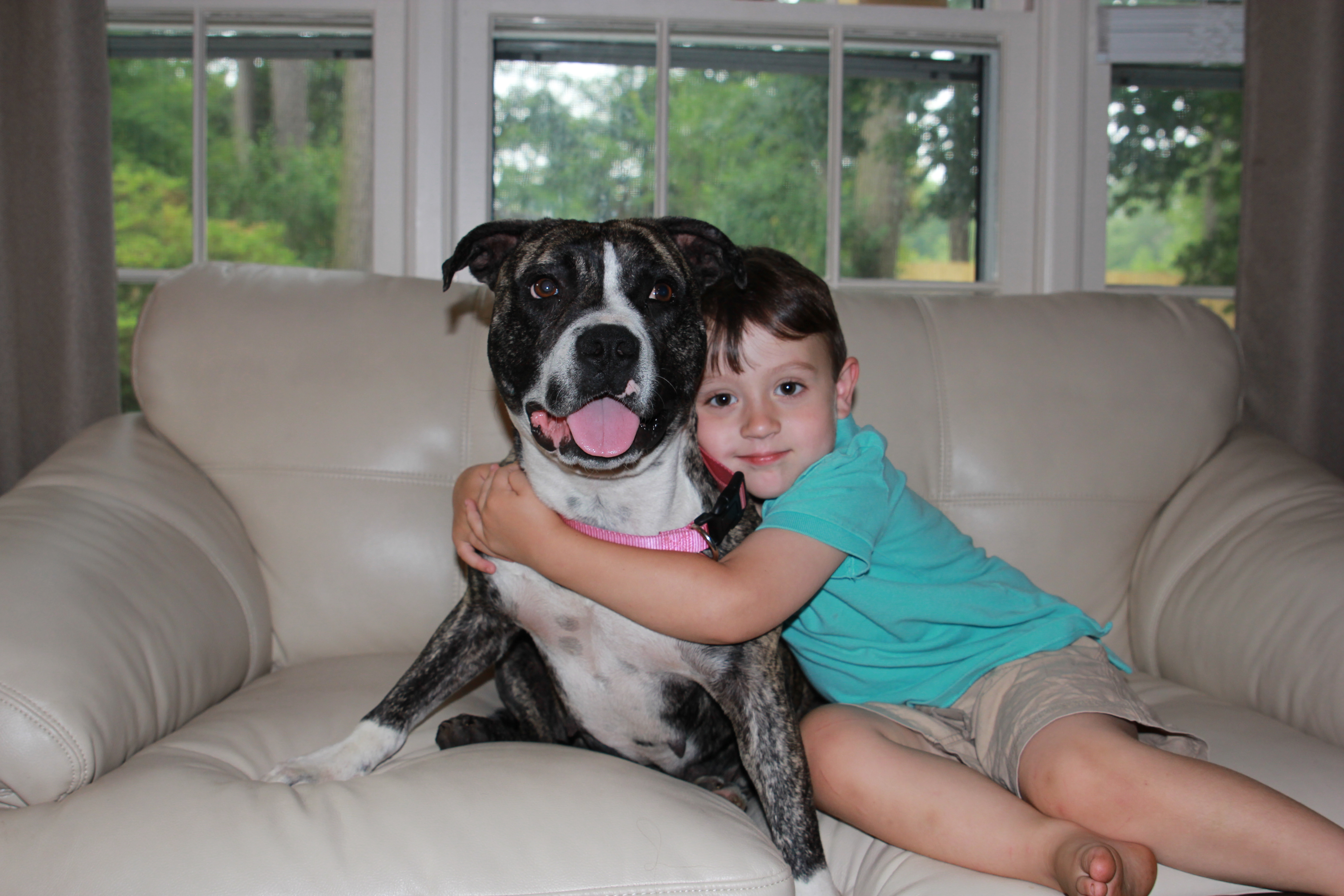
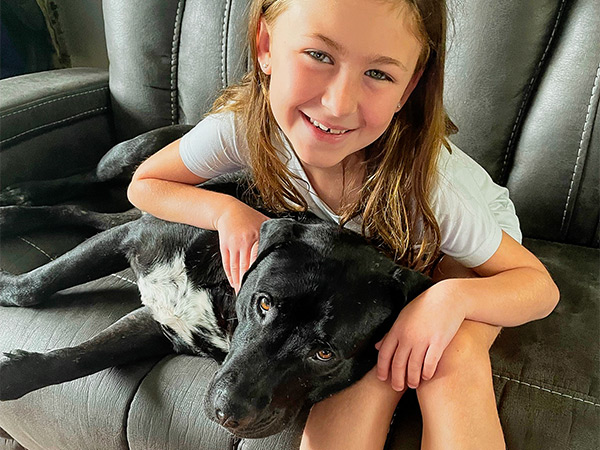
Biscuit gets a hug at home from young Trace, one of his four new human siblings.

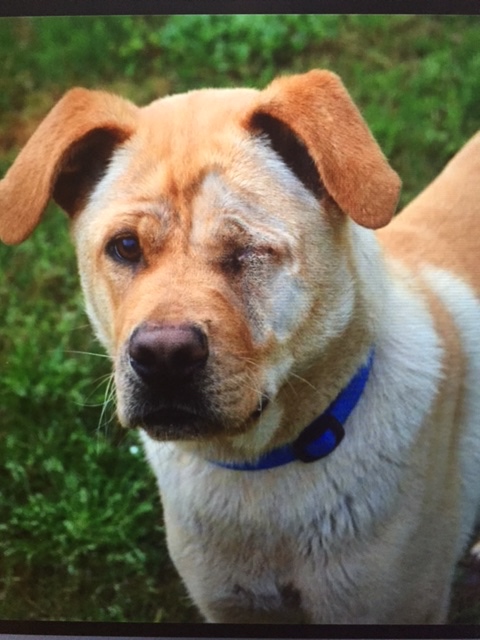
Biscuit arrived at the ACAS with a severe wound to his head. The gash was terribly infected, and his recovery was in doubt. But Dr. Levy was able to stitch the wound closed and clear the infection with antibiotics. Throughout the long process, Biscuit wagged his tail and displayed an amazing spirit.

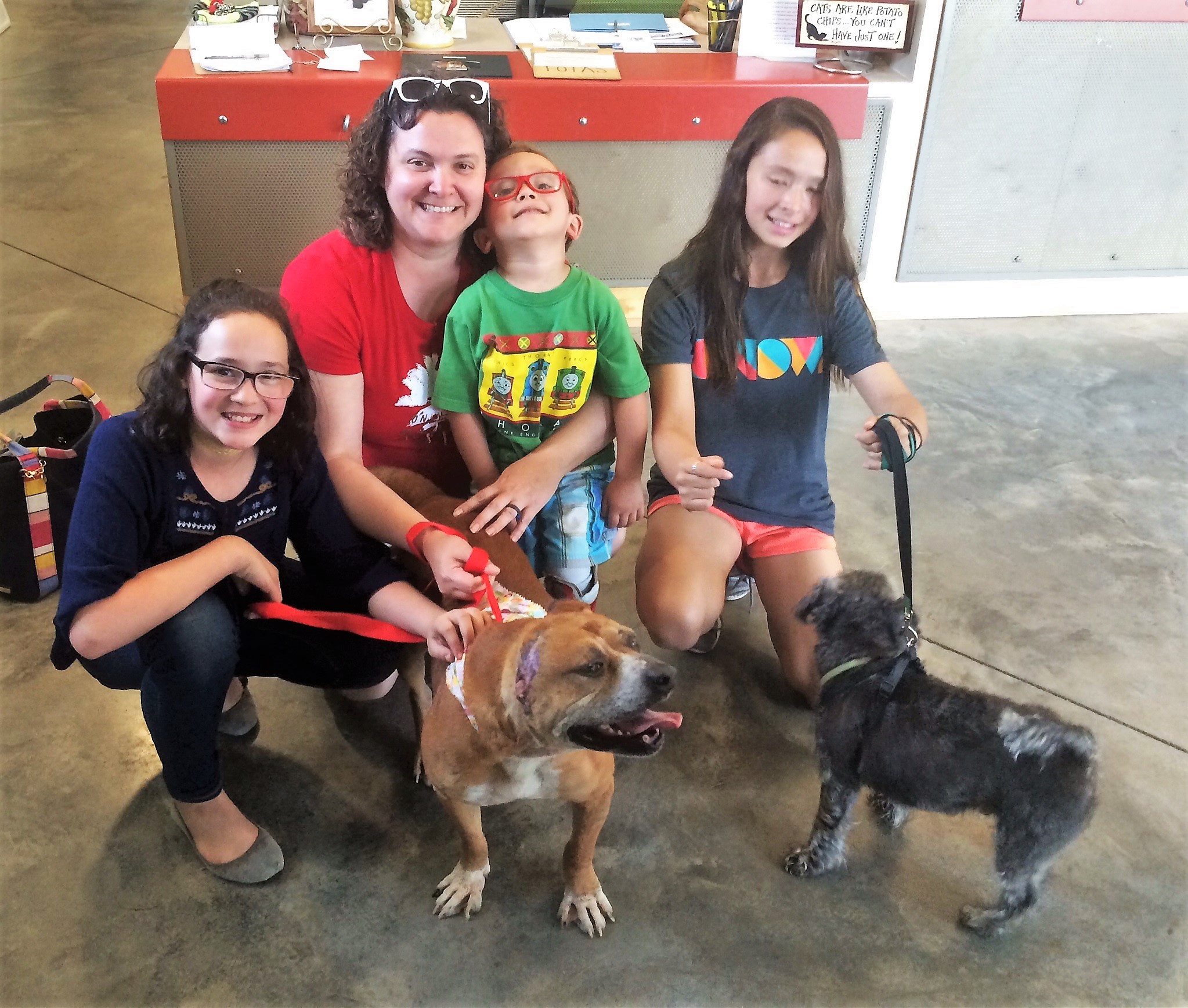
He was adopted by the Gallardo family in April and in late December, Biscuit reached another milestone well worth celebrating – he tested negative for heartworms. Thanks to FOTAS funding his treatment, Biscuit is now completely heartworm free.

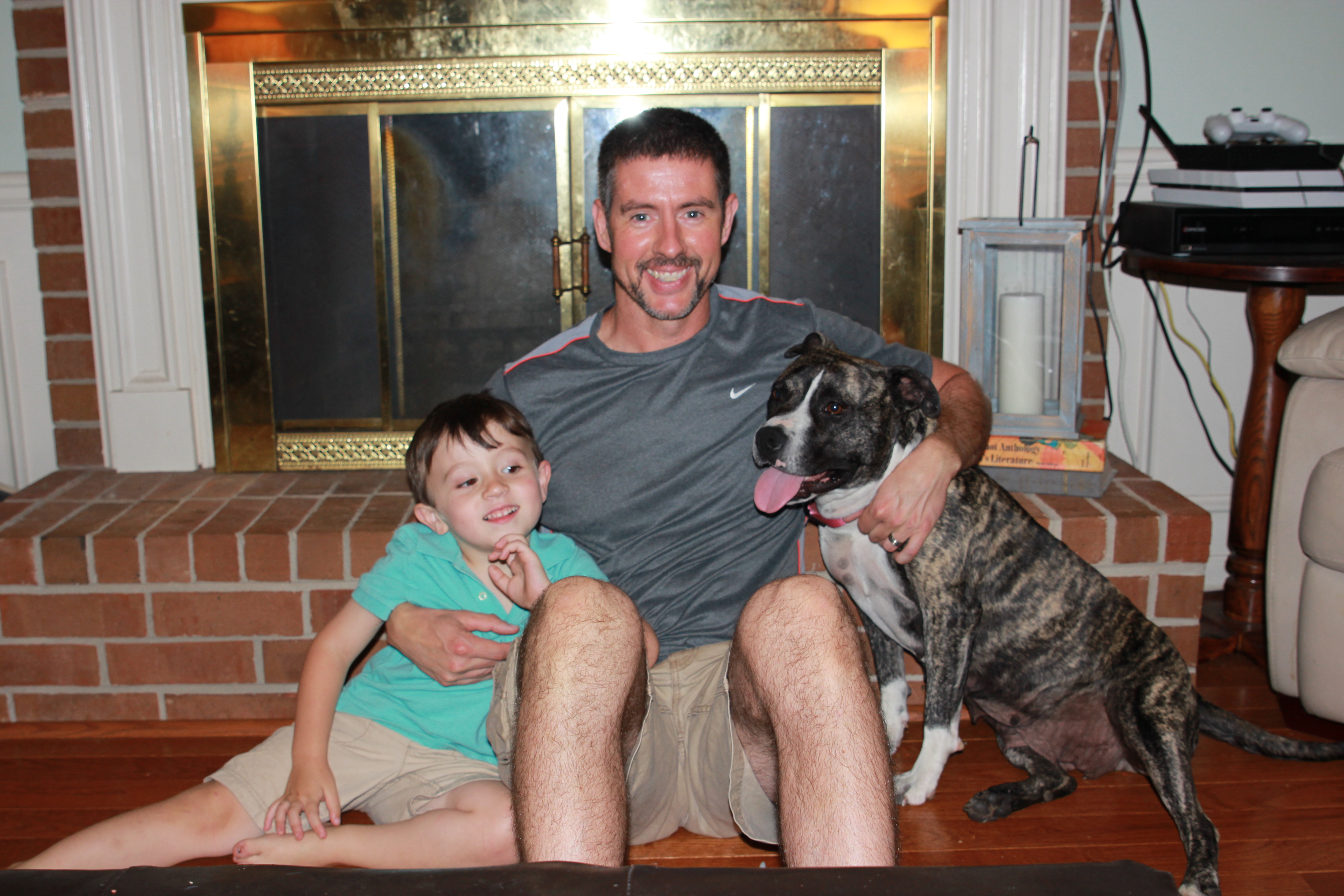
“Biscuit is doing great,” said Brenda Gallardo, who teaches at Warrenville Elementary School. “He gets along with our other dogs, he likes to be loved on and he wants to be with everybody. He’s also taken over our couch in the TV room.”

Unfortunately, heartworm infection is common in this area. The warmer weather makes dogs more susceptible to getting bitten by mosquitos and the infection getting transferred into their bloodstream and heart. It’s easily prevented with prescribed monthly chewable pills, but you only have to miss one month to make your dog vulnerable to infection. Heartworm disease is very curable but the medication for treating it is not cheap. That’s why it’s such a godsend to have FOTAS funding the treatment for every heartworm positive dog on the adoption floor.
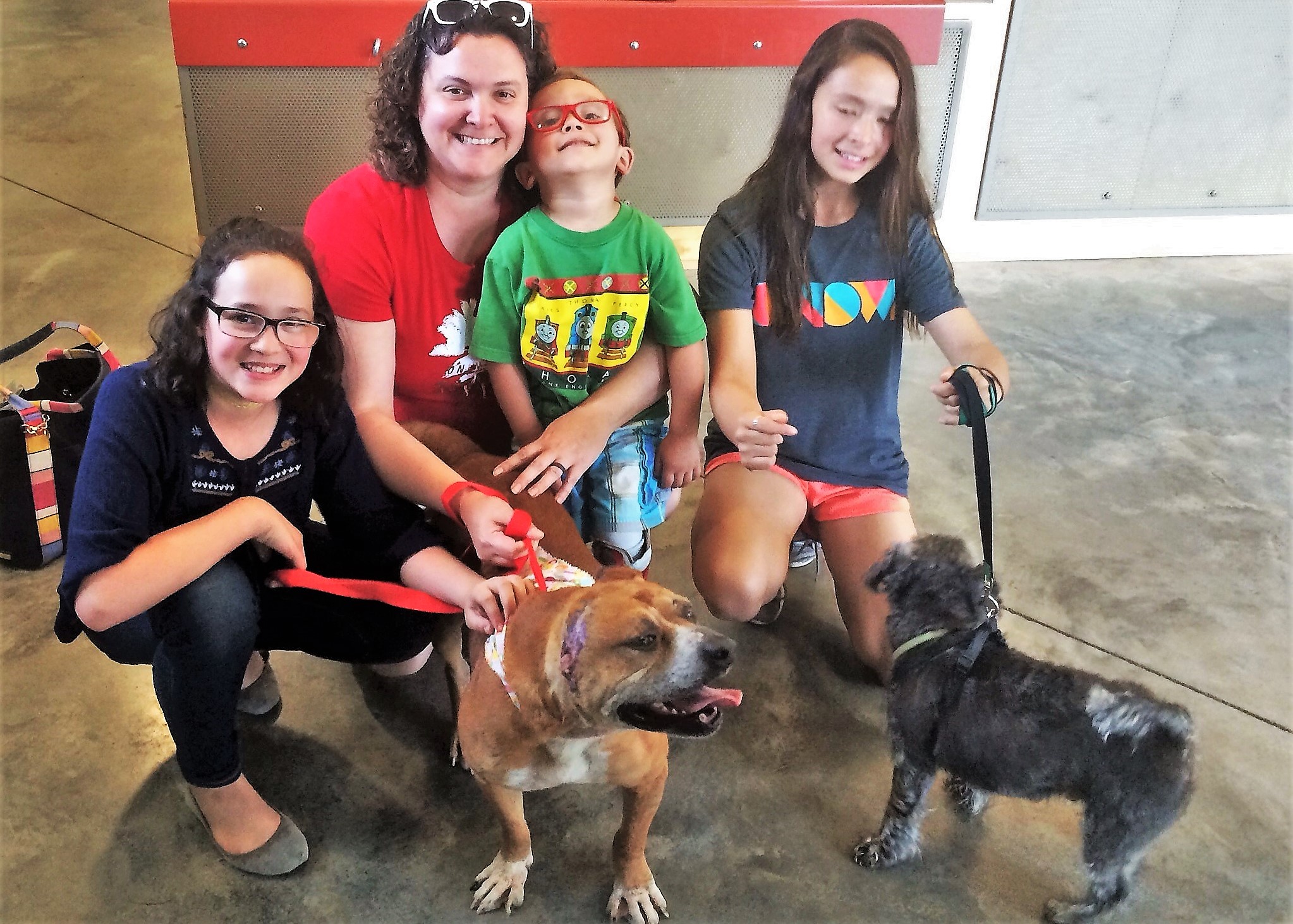
Biscuit gets adopted and starts his new, better life with the Gallardo family.

In 2017 and 2018, FOTAS saved 470 heartworm positive dogs by funding their treatments. In the past, these dogs, adoptable and otherwise healthy, would have been euthanized because the County didn’t have the funds to treat them.

But since FOTAS started its “Have a Heart, Save a Heart” program two years ago, the community has donated enough money for every heartworm positive dog at the shelter to be saved and treated.

“We weren’t hesitant at all to adopt a heartworm positive dog like Biscuit,” Brenda said. “There was no stress or difficulties because the shelter staff made it easy and explained everything.”

“Biscuit is such a great dog and so loving with the kids – I wouldn’t hesitate to do it all over again,” she added.

For more information on heartworm treatment, please go to fotasaiken.org. You can also donate to the FOTAS “Have a Heart, Save a Heart” Fund to help treat heartworm positive dogs at the ACAS.

Their lives are in our hands.

— By Bob Gordon, FOTAS Communications Director


By the Numbers
In 2017 and 2018, FOTAS saved 470 heartworm positive dogs by funding their treatment.


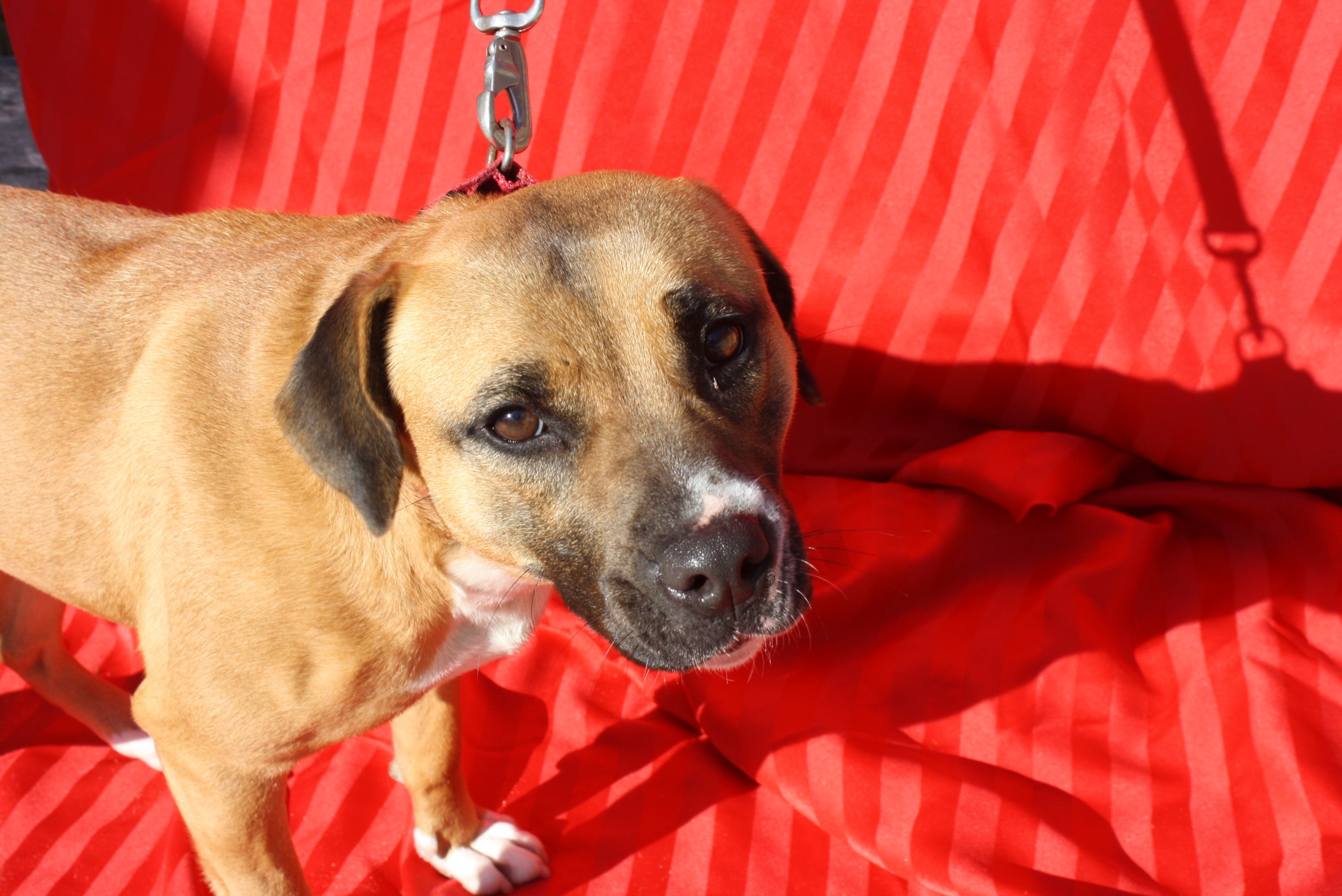
Pets of the WeekUNO

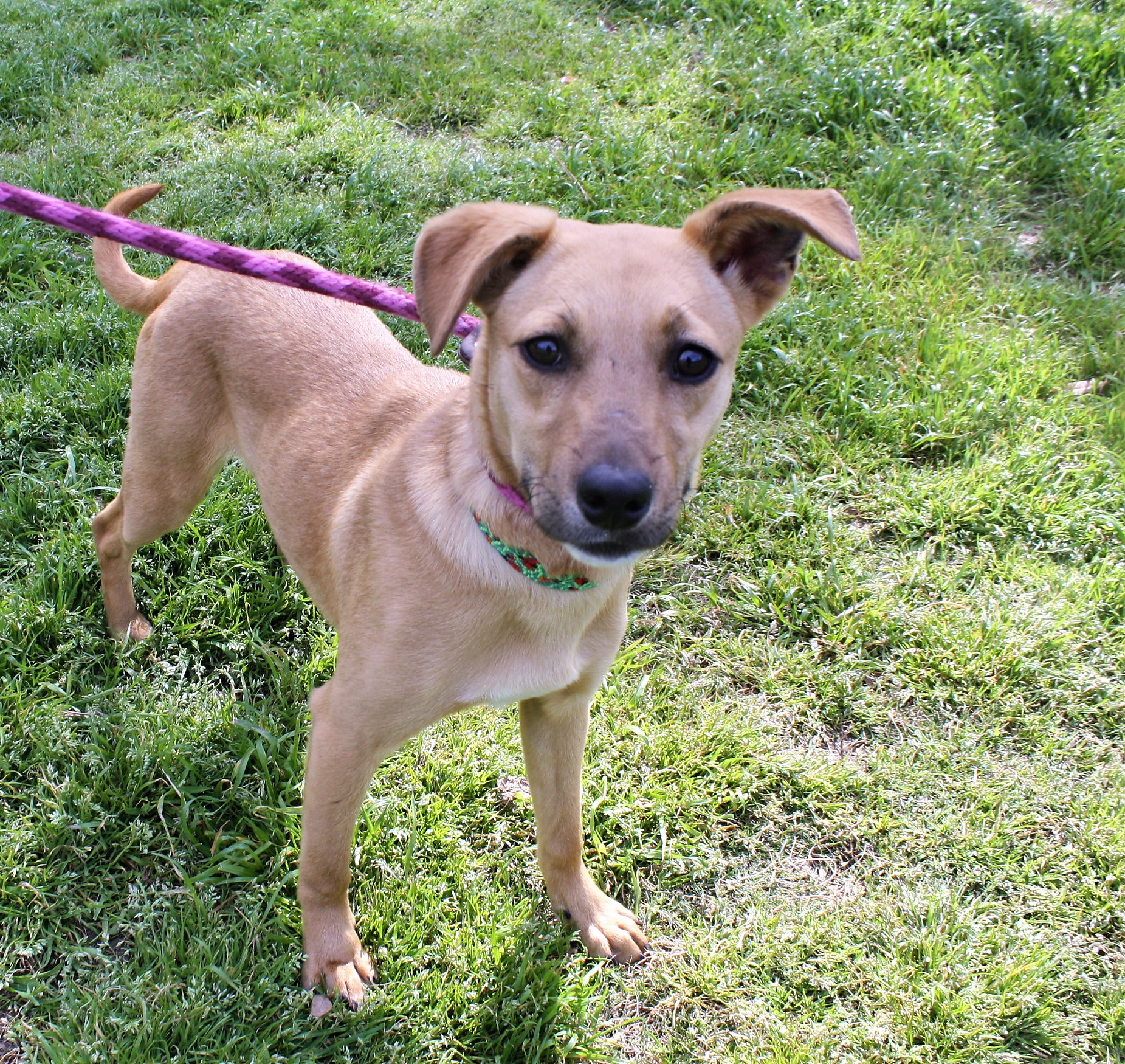
Retriever/Hound mix, male, 7 years old, 48 pounds – $35
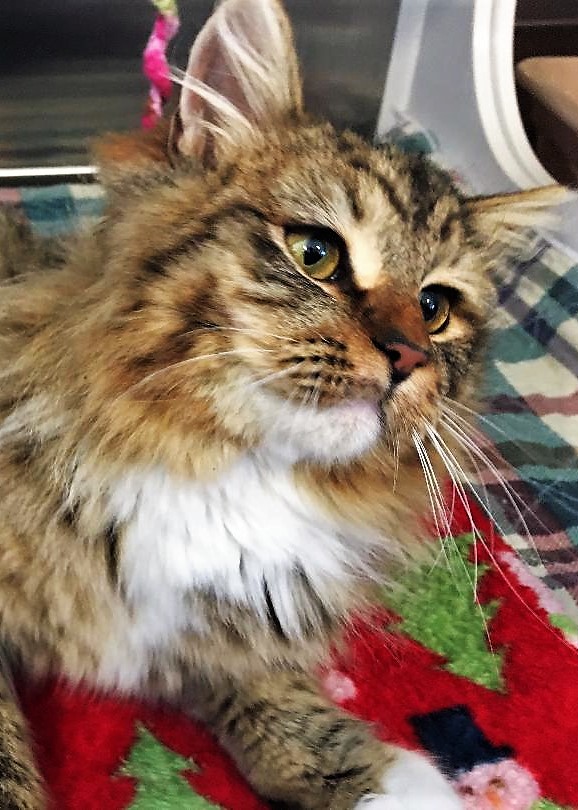
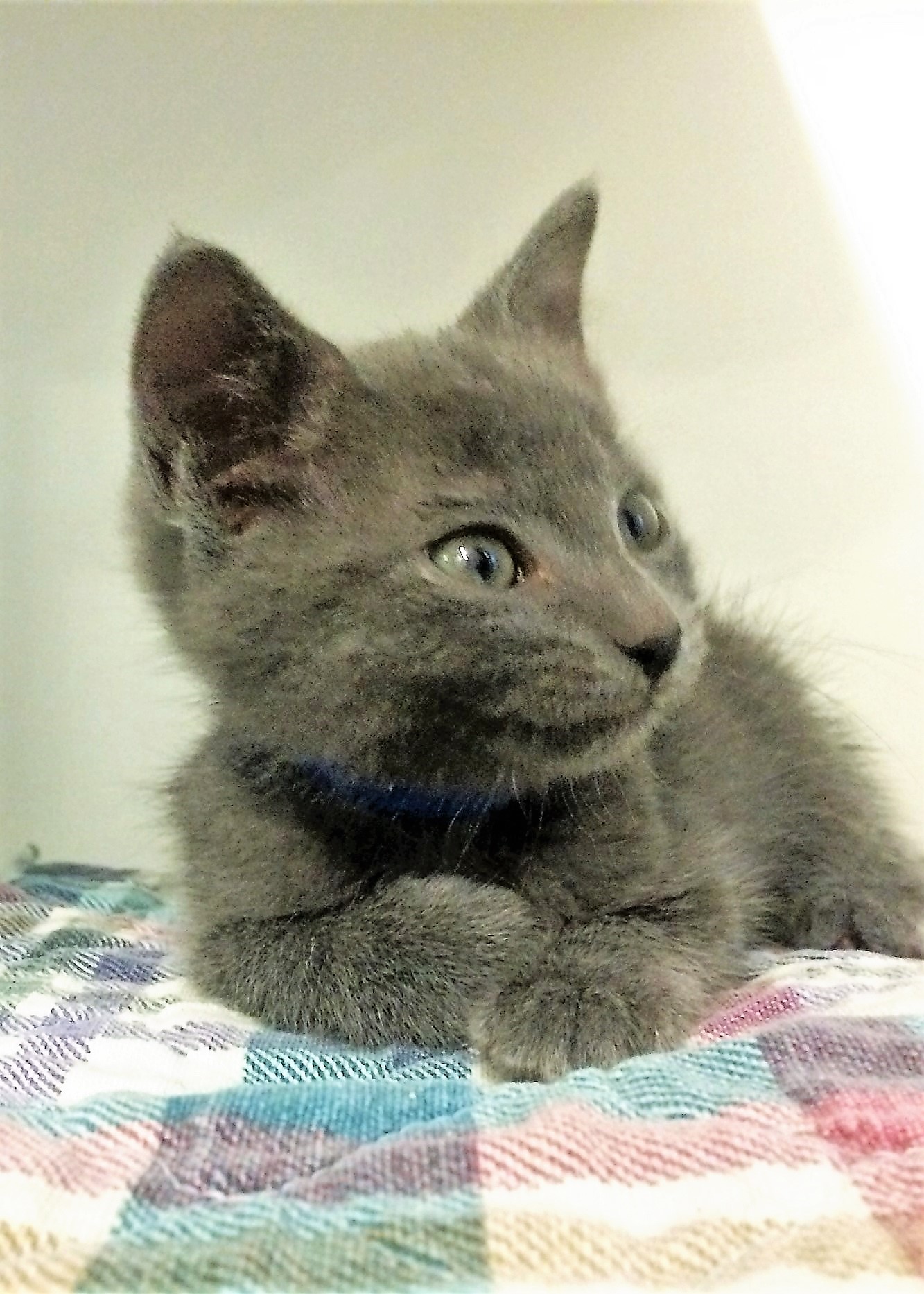
GRAVY
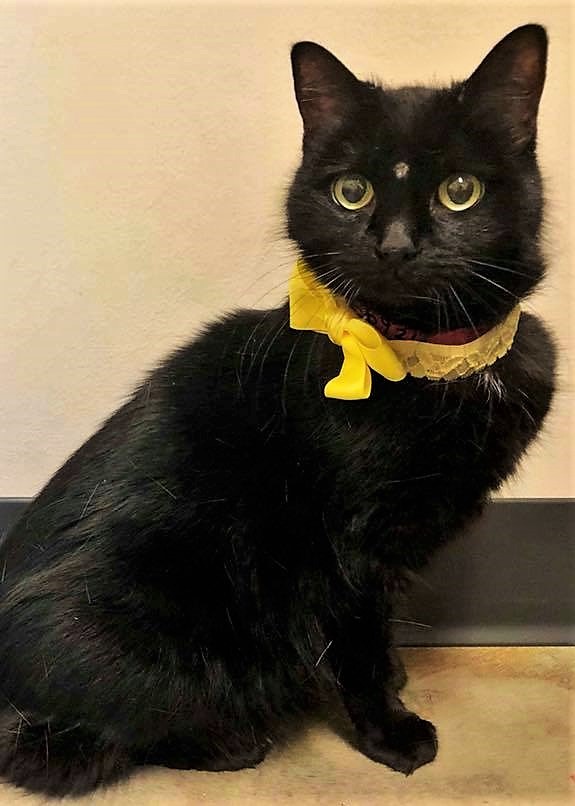
Domestic longhair kitten, male, 9 months old, 5 pounds – $10 


A Challenge Named Biscuit

I recently faced my most challenging case since I started working at the shelter.

Biscuit was a “neighborhood dog.” The woman who brought him in said he showed up every few days and she would feed him. She had not seen him for three days when he showed up that Tuesday morning. She called the shelter in distress thinking he had been shot in the head. When she brought him in, I examined him and determined he had not been shot but had been attacked by another dog.

Volunteer Anne Morgan gives Biscuit some couch time.

His wounds were extensive. The damage to his right ear was so severe that the entire ear flap, as well as a large area of skin around the ear, had actually died. Infection had also set in giving off a terrible odor. I have been in practice for more than 30 years and very little can still gross me out. But this smell was so bad, we had to keep the doors to the clinic open to let in fresh air. Through all of this, Biscuit sat on the exam table wagging his tail. I wasn’t sure I could save him, but I was going to try.

Surgery was challenging. All the dead tissue needed to be removed, leaving a huge open area that was extremely difficult to suture closed. I was able to close most of it, but it remained to be seen how it would heal. We kept him on antibiotics to fight the infection, and over a period of about three weeks the wound did heal! It wasn’t pretty, but it healed.

Biscuit lost an ear when he was attacked by a dog.

Biscuit was adopted by an Aiken family and now has a canine brother named Bear.

During Biscuit’s recovery, we noticed that he held his right rear leg out to the side and limped a little. X-rays revealed that he had an old fracture of his femur just above the knee that had not been treated and therefore didn’t heal properly. There was also some degeneration of his hip joint. These injuries are consistent with being hit by a car. Unfortunately, he also tested positive for heartworms, an all too common occurrence for strays in our area.

One thing that stood out to me about Biscuit is that when he came into the shelter he was already neutered. That means he belonged to someone. At some point he was somebody’s dog. How did he end up like this? Was he lost? Was he abandoned? Did someone try to find him?

Through it all, Biscuit has shown an amazing spirit. He loves everyone, is ecstatic when we pet, or even better, scratch him, and his tail never stops wagging. He may not be the prettiest to look at, but he is truly one of my favorite dogs ever to come into the shelter. He deserves a great home, and we will do everything we can to find it for him.

Epilogue: Shortly after Dr. Levy submitted this column, Biscuit was adopted by an Aiken family. He is enjoying a fresh start at his new home with a small poodle mix named Bear. As with all adopted heartworm positive County Shelter dogs, FOTAS is paying for Biscuit’s treatment through its “Have a Heart, Save a Heart” program.

 – By Dr. Lisa Levy, ACAS Veterinarian

paw_print_heart_stickers-r368b69be3802466f8feff0ba57adc012_v9w0n_8byvr_512Pets of the Week

RavenRAVEN: Terrier mix, female, 1 year old, 21 pounds – $35


OREO POTW APRIL 8OREO: Domestic Shorthair, declawed, female, 9 years old, 8 pounds – $10

Nine-year-old Aiken boy raises more than $400 for shelter’s heartworm positive dogs

Alex Mastromonico is on a mission to help the homeless animals at the Aiken County Animal Shelter (ACAS). The nine-year-old heard about FOTAS’s “Have a Heart, Save a Heart” program, a fund which supplements the treatment of heartworm positive dogs at the shelter, and decided he wanted to pitch in to this life-saving effort.

With his birthday on the horizon, Alex asked his mom, Lori, if instead of getting presents this year, could he ask for money to go to the shelter dogs? And could he have a birthday party, where his friends could be asked to donate to FOTAS instead of bringing traditional party gifts? Oh, and could he personally deliver the donation to the shelter, so they could visit the animals?

“Of course, I said, ‘Yes,’” Lori said. “I was incredibly proud of him. Alex has never been materialistic, so this was the perfect way for him to celebrate his birthday.”

But for Alex, it was not enough. He told his aunt about what he was doing, and she helped him to take the mission to another level by setting up a temporary fundraising page on Facebook. In just weeks, Alex’s Facebook page and birthday party combined to raised $425 for FOTAS and the shelter dogs.

Nine-year-old Alex Mastromonico with his adopted dog, Bailee.

Alex has always loved animals “because they’re great company, unpredictable and fun,” and his family has three pets adopted from the ACAS – Bailee, a one-year-old Chihuahua mix, and kitten siblings Melania and Mingus. But what sparked his interest in animal advocacy was overhearing his mom talk about FOTAS.

Lori teaches fifth grade at Tall Pines STEM Academy and the school started a Junior FOTAS club this year with the assistance of FOTAS Programs Coordinator Kathy Jacobs. The students in Junior FOTAS meet after school to learn about different aspects of the ACAS and FOTAS. For their first meeting, Kathy brought a heartworm positive dog who was up for adoption and explained how heartworms are treated and how the “Have a Heart, Save a Heart” program saved about 200 dogs last year.

“Alex overheard me talking about the Junior FOTAS meetings, and his idea snowballed from there,” Lori said.

But what really motivates a boy to work so hard to make that idea come to fruition and miss the chance to be showered with gifts on his birthday? Is it the joy of giving? Is it to impress his family and friends?

“Well, I do feel very good about doing it,” Alex said. “But you can’t donate for any of those reasons. You have to do it with your whole heart. Not because someone tells you…it has to because you want to do it.”

Their lives are in our hands

by Bob Gordon, FOTAS Director of Communications


By the Numbers

Feb. 7 to 14: Find “the One” Valentine’s Special: Dogs & puppies $14, cats & kittens $0

paw_print_heart_stickers-r368b69be3802466f8feff0ba57adc012_v9w0n_8byvr_512Pets of the Week

PRINCESS
Princess valentine picMixed breed, female, 5 years old, brown and white, 55 pounds – $14 (through Feb. 14)


BARTON
barton potw feb 11Domestic Shorthair, male, 2 months old, dark gray, 1.6 pounds – $0 (through Feb. 14)

Lost, mud-covered pup leads family to love Bully mix breeds

By Bob Gordon, FOTAS Director of Communications

Five years ago, Lauren Kilbreth was heading home after a job interview when she passed some little kids running from a mud-covered puppy. Lauren wasn’t in the best part of town, it was cold and pouring rain, and she was dressed in one of her best business suits – but she felt compelled to turn the car around and head back to investigate.

“He looked lost and I was worried he might get hit by a passing vehicle, so I decided I would get out of my car and call him to me, and if he ignored me or became aggressive, I’d just continue on my way,” Lauren says.

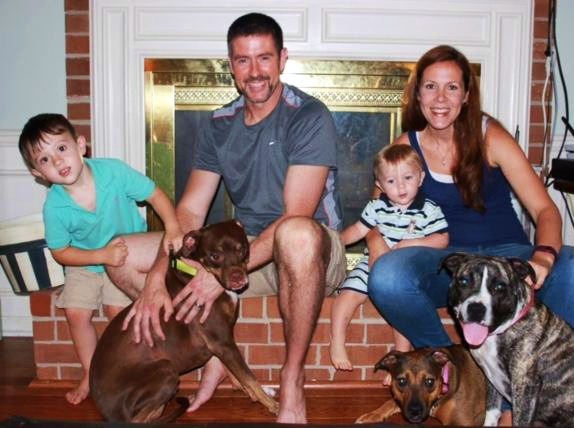
But when she clapped her hands once, knelt down and called out to the pup, he came running into her arms. Lauren took him home, gave him a bath and she and her husband, Ryan, became smitten with the brown Pit Bull mix pup with a white chest. Not only was he a loyal love bug to the couple but he also got along well with their two older Greyhounds, Grace and Baxter, and Stella, their Westie. The Kilbreths named their new, furry family member, Rock.

Rock grew to weigh 60 pounds and became the alpha dog. When Lauren and Ryan had their first baby, Easton James, Rock showed extraordinary interest, always watching over the child and needing to look over Lauren’s shoulder when she changed the baby’s diaper. Rock nurtured their second baby, Deacon Reid, the same way.

Friends who visited the Kilbreths were initially a bit wary of Rock. They weren’t sure how they felt about Bully mix dogs because of the negative way they are portrayed in the media. But most came to love Rock. Some even got Bully mix dogs of their own.

All was great at the Kilbreth home until last year, when their two oldest dogs, Grace and Stella, were diagnosed with cancer and rapidly succumbed to the disease. Baxter handled their deaths well but Rock became depressed and withdrawn. Lauren, now a volunteer at the Aiken County Animal Shelter (ACAS), decided it was time to find a new playmate for Rock. She took him to the Shelter to meet her favorite prospects and he picked a lovely, one-year-old Bully mix named Evie May, who quickly made Rock a happy dog again. Then, just three months ago, the Kilbreths adopted another young Bully mix beauty from the shelter. At 75 pounds, Ava Rae became the biggest dog in the Kilbreth home and has fit in beautifully with the other canine family members. She is heartworm positive but the slow-kill treatment for her condition, paid for by FOTAS, is nearly complete.

The ACAS currently has a number of Bully mix canines available, including seven dogs and four puppies. Carson, Cy, Conor, Chip, Delta, Connor and Tavis are the adults and the two-month-old pups are Claressa, Jeremy, Klay and Shadrack.

“Take a chance on these dogs,” Lauren says. “They are extremely loyal and have a lot of love to give. Never judge a book by its cover. Go to the shelter and see for yourself how sweet they can be.”

Their lives are in our hands…

KilbrethFamily1

KilbrethFamily4

KilbrethFamily3

The Shelter, FOTAS and the case of the scrawny yellow dog

By Joanna D. Samson, FOTAS Vice President.

When the Aiken County Animal Control officer picked up the scrawny yellow dog roving the County roads, they were taken aback by his condition. His left eye was damaged. His coat was dull and matted. He had lost patches of hair all over his body, revealing irritated, scabby skin underneath. He was hungry and dehydrated. He had no collar and no microchip.

At the Shelter, Dr. Levy examined the frightened stray, and hard as it is to imagine, his condition was worse than it appeared. His left eye had collapsed. He was infected with Demodectic mange. He was heartworm positive. Under normal circumstances, the combination of these three costly and chronic medical problems, coupled with his overall bad health, might have led Dr. Levy to conclude that it was more humane to end his suffering – after all, the Shelter must care for close to 5000 animals a year, and it is difficult enough to find the resources to care for the healthy ones.

But the plight of the scrawny yellow dog tugged at Dr. Levy and the staff’s heartstrings. Although shy at first, he was affectionate, desperate to please, and even more desperate to be loved. Everyone– Dr. Levy, the Shelter staff, and FOTAS—agreed this dog needed to be saved. So when no one claimed him after the mandatory 5-day hold, we named him Seamus (pronounced Shaa-mus) and set about to save his life.

First, Dr. Levy surgically removed Seamus’ collapsed left eye. He came through surgery like a champ.

Second, the Shelter began treating Seamus’ Demodectic mange, which is the non-contagious form of mange that can be cured with daily medication for 60-90 days.

Finally, although Seamus tested positive for heartworms, because of his age (Dr. Levy estimates he still young, probably about a year old), it is unlikely that the heartworm microfilaria (the heartworm larvae spread through the bite of a mosquito) has had an opportunity to develop into advanced heartworm disease.

Accordingly, Dr. Levy concluded that Seamus’ heartworms could be treated through the “slow kill” method, which involves administering an initial course of antibiotics, followed by monthly ivermectrin (HeartGuard), which is the same oral medicine every southern dog should take to prevent heartworms.

The Shelter and FOTAS have provided the resources to restore Seamus to good health, but his ultimate recovery depends upon you, the community.

Seamus desperately needs to recover in a home environment, because the inevitable stress of life in a crowded, public shelter will exacerbate his mange and compromise his immune system. Ideally, a forever home would be best. Short of that, if someone could foster him until he finds a forever home–that will work, too. The Shelter will provide his mange medicine and regular checkups, and FOTAS will pay for his heartworm treatment for 6 months.

Please, help us find the sweet, shy, 1-year-old, 45-pound Seamus a place to live, a home, and people to love him and care for him – all the things he deserves, but never had.

His life is in our hands.

Heartworm Positive Dogs Can Be Great, Longtime Companions

By Bob Gordon, FOTAS Communications Director

Most everyone knows heartworms are a threat to dogs, especially in the warm climate of the South. But what many people might not realize is that heartworm disease is seldom a death sentence. In fact, dogs with this condition can live happy, high quality lives as long as they are given appropriate care.

Of course, it is much easier (and cheaper) to stop this mosquito-borne illness in its tracks by giving your dog a preventative medication. But if a canine is unlucky enough to get heartworms because he is a stray or his prior owner didn’t provide a preventative, there are effective treatments available.

These heartworm positive (HW+) dogs are not contagious and only in the most severe cases do they show any symptoms. So, as long as their condition is managed properly and not critical, they can make wonderful, long-term companions.

Annie, a Hound mix, is a prime example of this phenomenon. Though she tested positive for heartworms upon arrival at the Aiken County Animal Shelter (ACAS), the young dog was quickly put on two weeks of doxycycline pills, a drug that weakens the heartworm, followed by a strict regimen of heartworm preventative. The preventative allows the worms to die off at a slow rate and prevent the dog from getting any new heartworms. FOTAS pays for the initial medication and six months of the preventative for all HW+ dogs adopted at the ACAS.

Matt Cummins, who adopted Annie and lives in Graniteville with his wife and young daughter, said Annie has as much energy as any other two-year-old dog and is the most loving pet he’s ever had.

Shuli is another HW+ Shelter dog that is doing well at her new home. Adopted by Keelin Redmond of Aiken in October, the 4-year-old, blonde Terrier mix was also put on the “slow kill” treatment of doxycycline, followed by a heartworm preventative. Keelin, a local veterinarian, said she fell in love with Shuli before she found out about her condition. However, she is thrilled to have her.

“If I had let it [the heartworm infection] put me off adopting Shuli, I would have missed out on one of the best things to ever happen to me,” she said.

Other HW+ dogs recently adopted from the Shelter include Bailey, a black Lab mix, and Mason, a Bassett mix. Both are doing great in their new homes.

To encourage the adoption of HW+ dogs, FOTAS and the ACAS are featuring a Valentine’s Day special in which the adoption fee for HW+ dogs is just $14. This special will continue through Feb. 15.

“Adopting one of these dogs is a commitment of giving medication regularly and we recommend people follow up with their veterinarians for continued monitoring,” said Dr. Levy, the County Shelter’s veterinarian. Dr. Levy herself has two rescue dogs that were HW+ when she adopted them. One is now 13 years old and the other 10 – and both are doing great.

To learn more about FOTAS, The Valentine’s HW+ Dog Adoption Special and heartworm prevention/treatment, please go to www.fotasaiken.org.

Their lives are in our hands…

Adopting a Healthy Heartworm Positive Dog: A Talk With the Doctor


By Joanna Dunn Samson

You’ve decided it’s time to adopt a dog. You pack up the kids and head over to the new Aiken County Animal Shelter to check out some prospects.

A volunteer introduces you to Duke, a 35-pound, black and tan border collie/shepherd cross. Duke is frisky, alert and well-behaved. He loves attention. He loves his bath. He walks quietly on a leash.

Duke’s perfect, you think, but there’s one thing that worries you.

Duke is heartworm positive (HWP).

You need not worry. Duke is a healthy dog with Stage 1 heartworm infection, which can be treated with proper care. As a result, pursuant to a new County/FOTAS initiative, Duke is eligible for adoption and FOTAS will pay for the first six months of treatment when he is adopted.

I asked Dr. Charlie Timmerman, a well-respected veterinarian in Aiken County for over 30 years and a FOTAS Board member, about heartworms and the new County/FOTAS initiative.

CT: Heartworms, which are prevalent in South Carolina, are parasites that live in the heart and lungs. Left untreated, the worms can increase in numbers and fill the heart chambers, interfering with the heart’s ability to pump blood to the body and ultimately causing congestive heart failure.

JDS: How is the disease transmitted?

CT: By mosquitos that have fed on an infected dog; the mosquito then transmits the microfilaria, or the larva, to the next dog it bites.

JDS: Does a dog bitten by an infected mosquito get sick right away?

CT: No, it takes the microfilaria 6-7 months to become an adult and move into the heart. The time for a dog to develop heartworm disease varies with every dog, and not every dog will develop heartworm disease!!! That’s why early diagnosis and treatment is so important.

JDS: How can you tell if a dog is infected?

CT: Through a blood test that checks for the presence of adult worms. If it’s positive, then you do a second test to determine if there is microfilaria in the blood stream. Some dogs only have adult worms and no microfilaria.

A dog that tests positive for infection, who is otherwise healthy and shows no clinical signs of disease, could be in the very early stages of infection. They are as healthy as any of the other adoptable dogs at the County shelter.

JDS: How do you treat early-stage heartworm infection?

CT: We endorse the “slow-kill” method of treatment, which is more affordable and easier for the dog than the “fast-kill” method.

First we administer antibiotics, which weakens the adult worms and makes them easier to kill. Then the dogs are put on Heartguard, a monthly preventative, which keeps them from getting more heartworms and “slowly kills” the worms and any microfilaria.

JDS: If someone adopts a healthy HWP dog from the County, does FOTAS help pay for the treatment?

CT: Yes.  FOTAS issues a voucher for the doxycycline and six months of Heartguard, which is accepted by six participating veterinarians in the County.

It’s a great deal, because every dog in South Carolina should be on monthly heartworm prevention anyway, so it’s one less expense for the owner.

This is all good news. Like Duke, there are many loving, healthy dogs at the County Shelter that just happen to test positive for heartworms.

Thru August 9th, if you adopt a HWP dog, the adoption fee is reduced to $35 and you get the first 6 months of Heartguard free.

That’s a win-win for everyone.

So come on, why don’t you take Duke home today?

Here are the Shelter’s  received, saved and euthanasia stats for the month of June 2014.

DOGS                   CATS                        TOTAL

Received                                                      300                        268                          568

Re-Homed (adopted/transferred)                   65                          80 (best ever)        215

Euthanized                                                     43                        292                          435


DUKE — Male, shepherd/collie mix — 1.5 years old —  $35


Rosa – Female, calico — 4 yrs old — 7.5 lbs — $17