

Tag Archives: News

Life after Chains

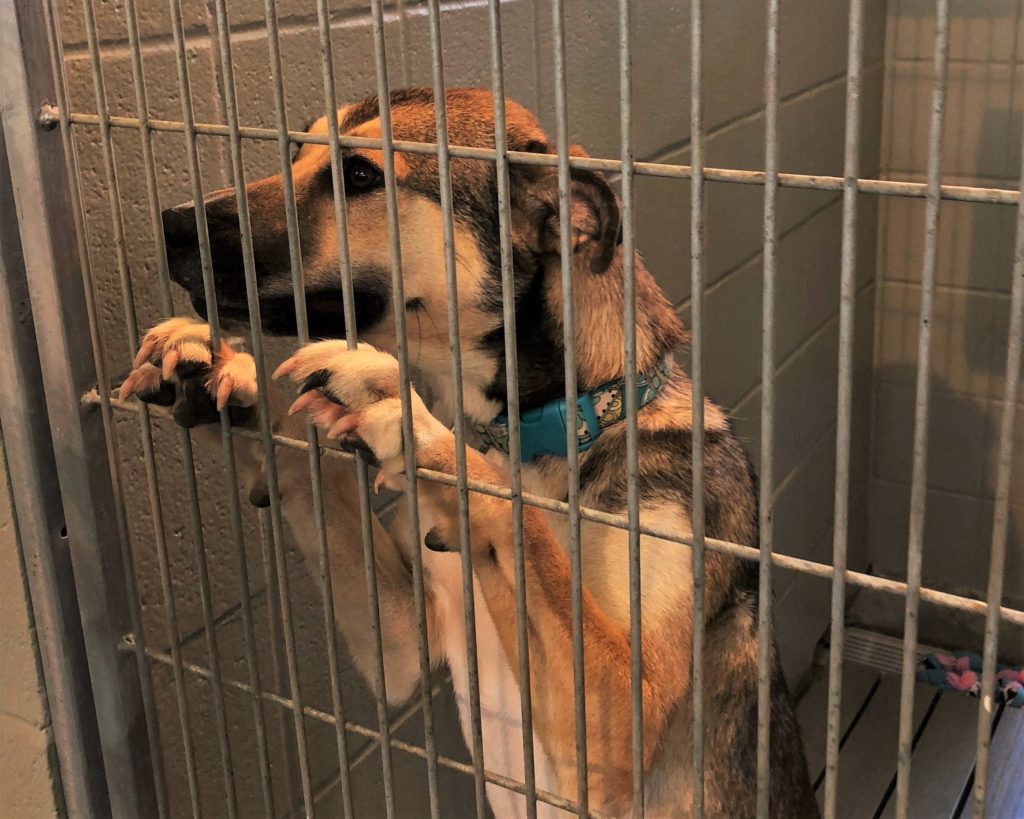
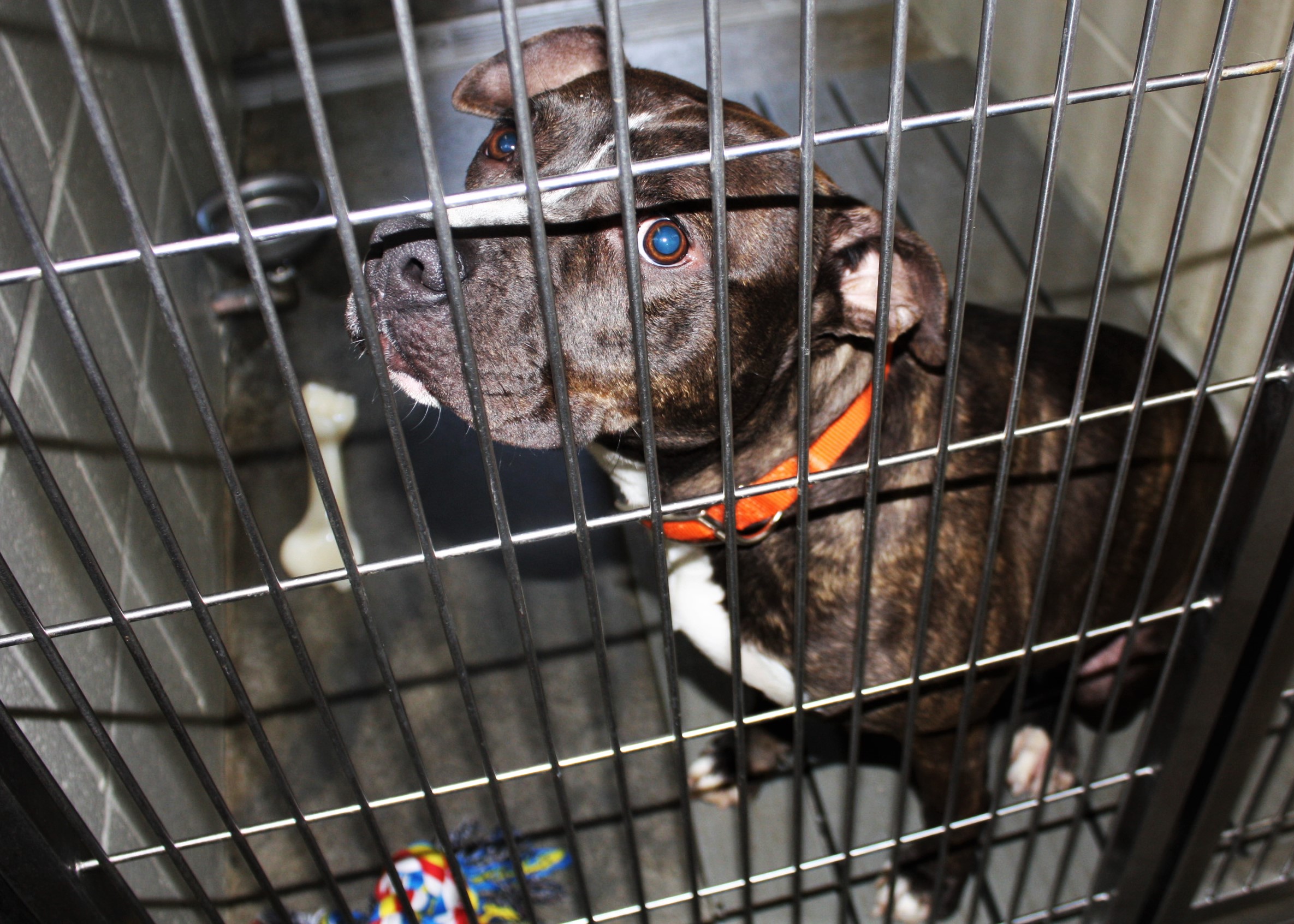
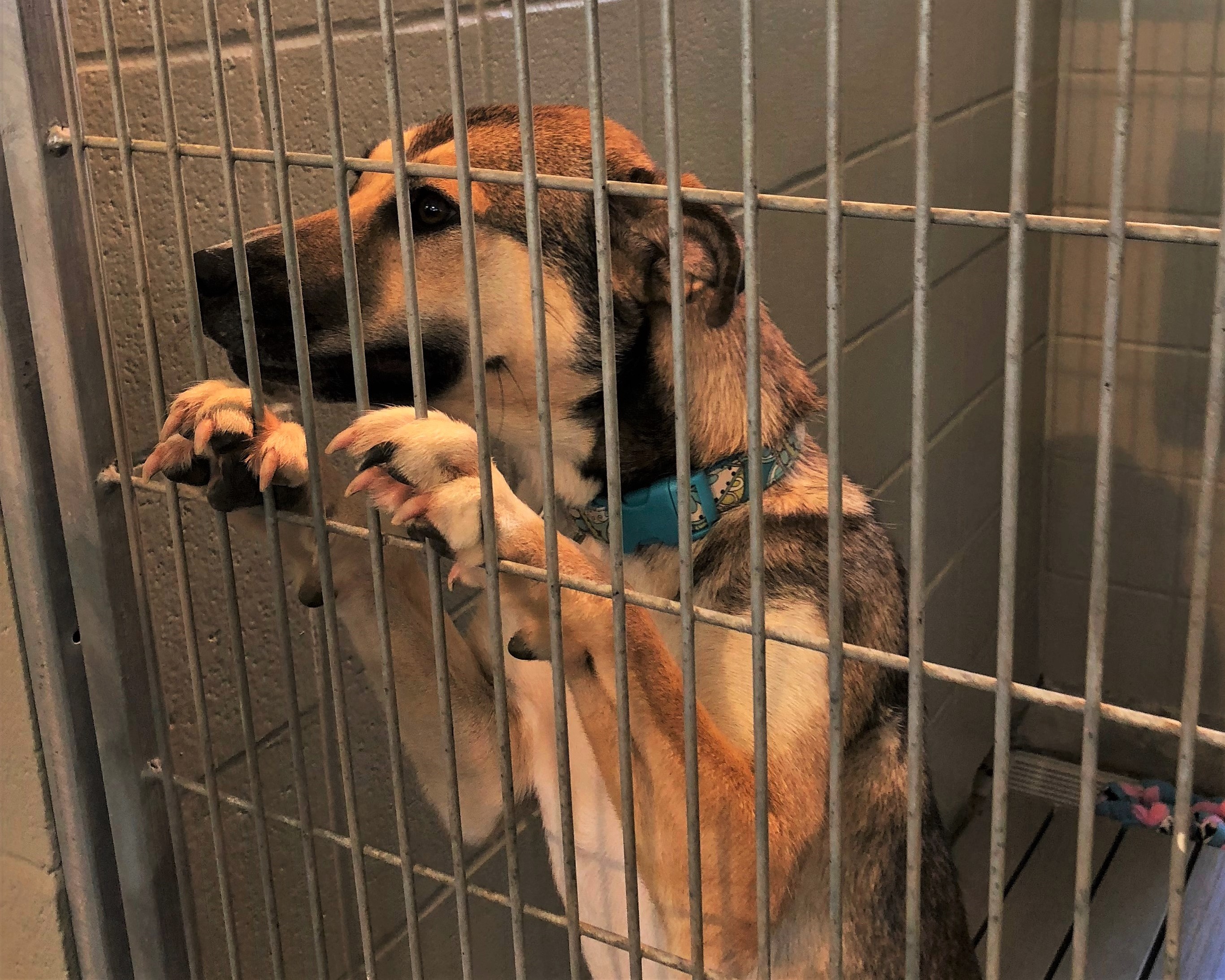
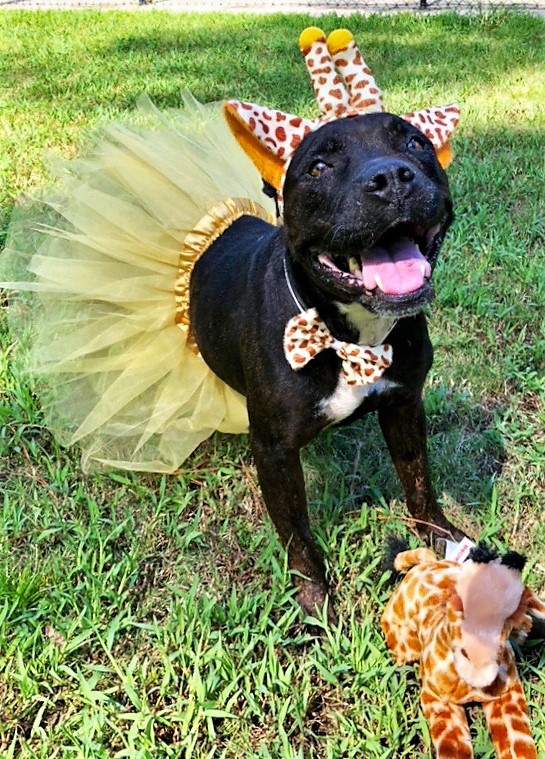
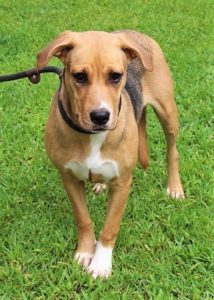
Skye, Queenie, King and Polo: what do these dogs have in common? They are all pit-crosses. They were skinny and dirty, their coats scruffy. None had been spayed or neutered. The females were bred indiscriminately; how many times is anyone’s guess. Three of them tested positive for heartworms.
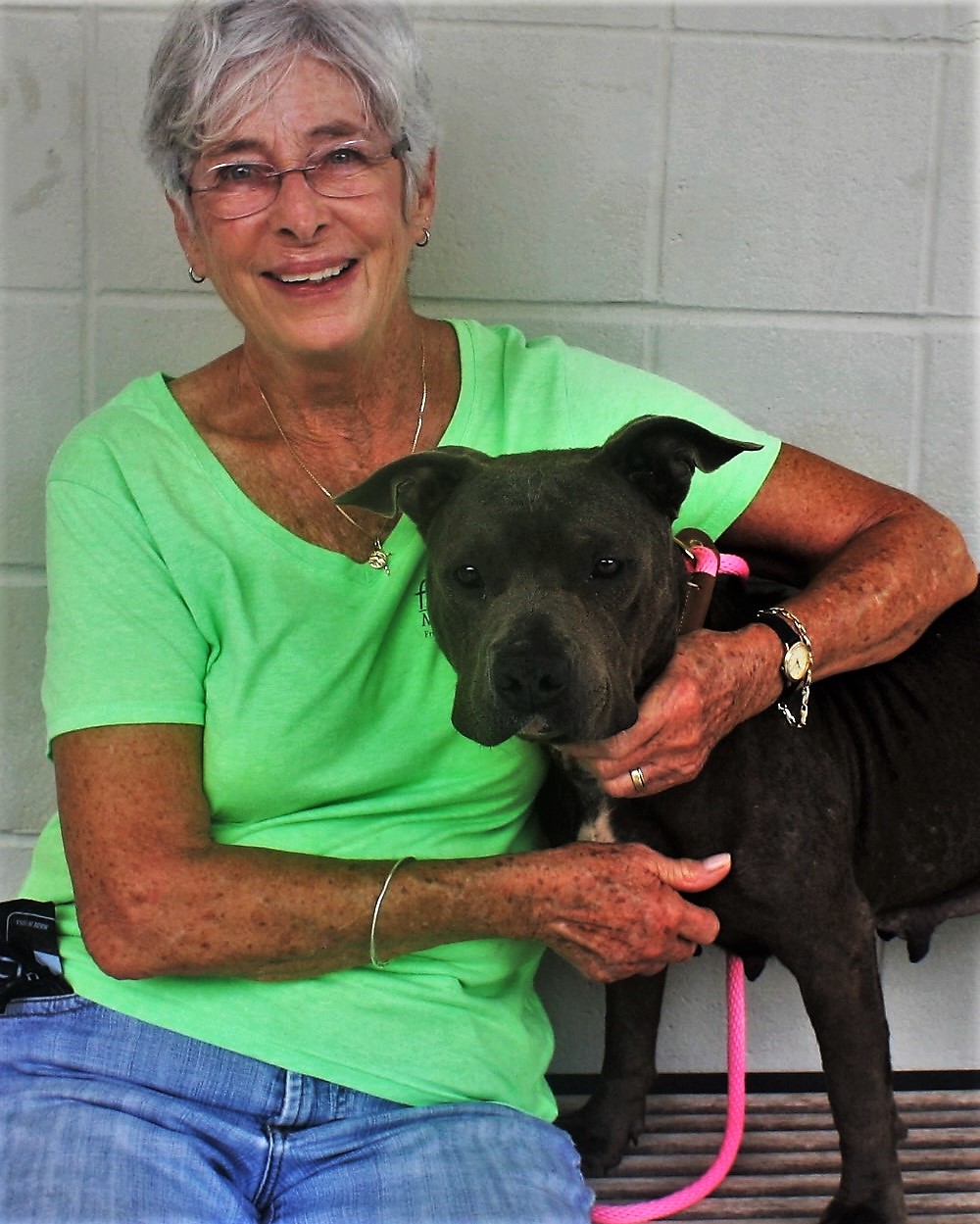
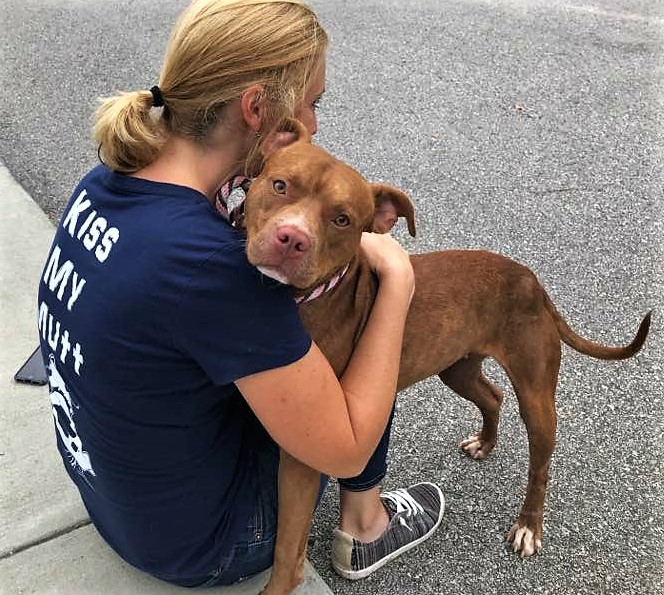
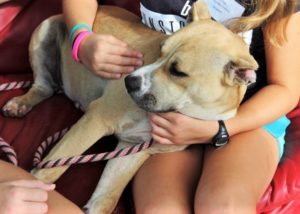
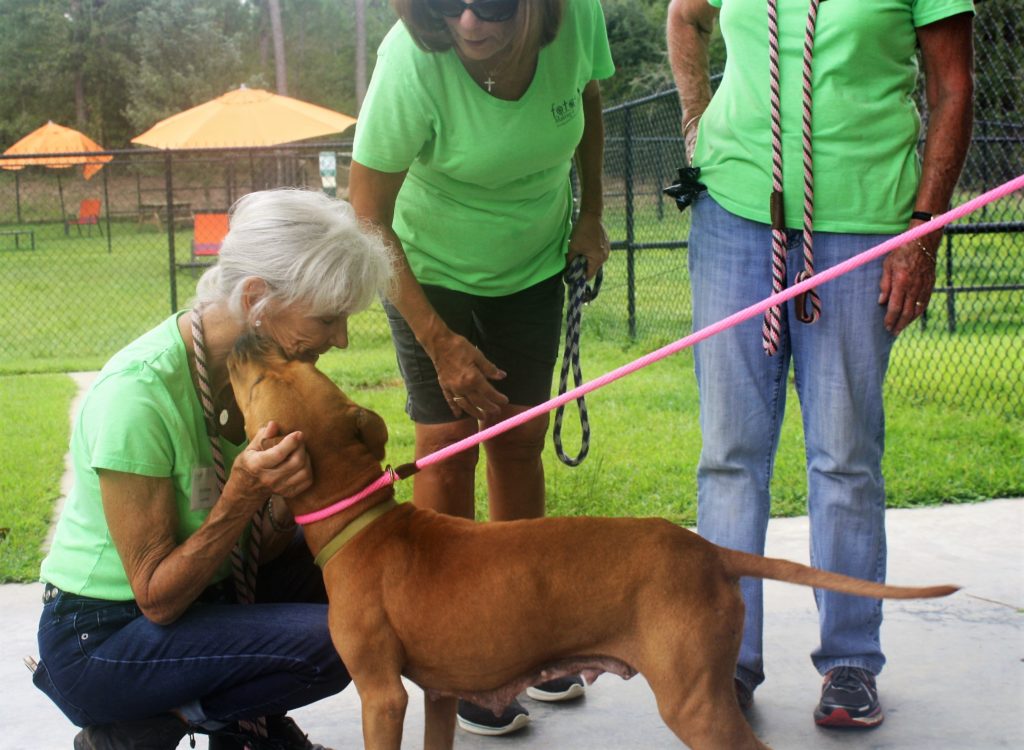
Volunteer Judy Kolb spends quality time with Queenie.

All four dogs were chained to stationary objects in a bare dirt yard, 24/7, with no relief from the elements. Their movements are clumsy and unsteady because they could only move so far on their short chains. All of the dogs were starved for human attention.

It’s a miserable existence, attached to a chain every second of every day for your entire life, pacing through your own waste. Dogs are social animals. They thrive in a pack, whether it be a pack of humans or a pack of dogs or a combination of both. A tethered dog with limited contact to people or other animals suffers from loneliness. They are often frustrated by their inability to interact with the other dogs just outside their reach. That isolation expresses itself in a dull, lifeless, dispirited dog; sometimes it results in intolerance to other dogs.

Tethered dogs are often uncoordinated or become physically impaired because, without an opportunity to run and play, their muscles never develop.
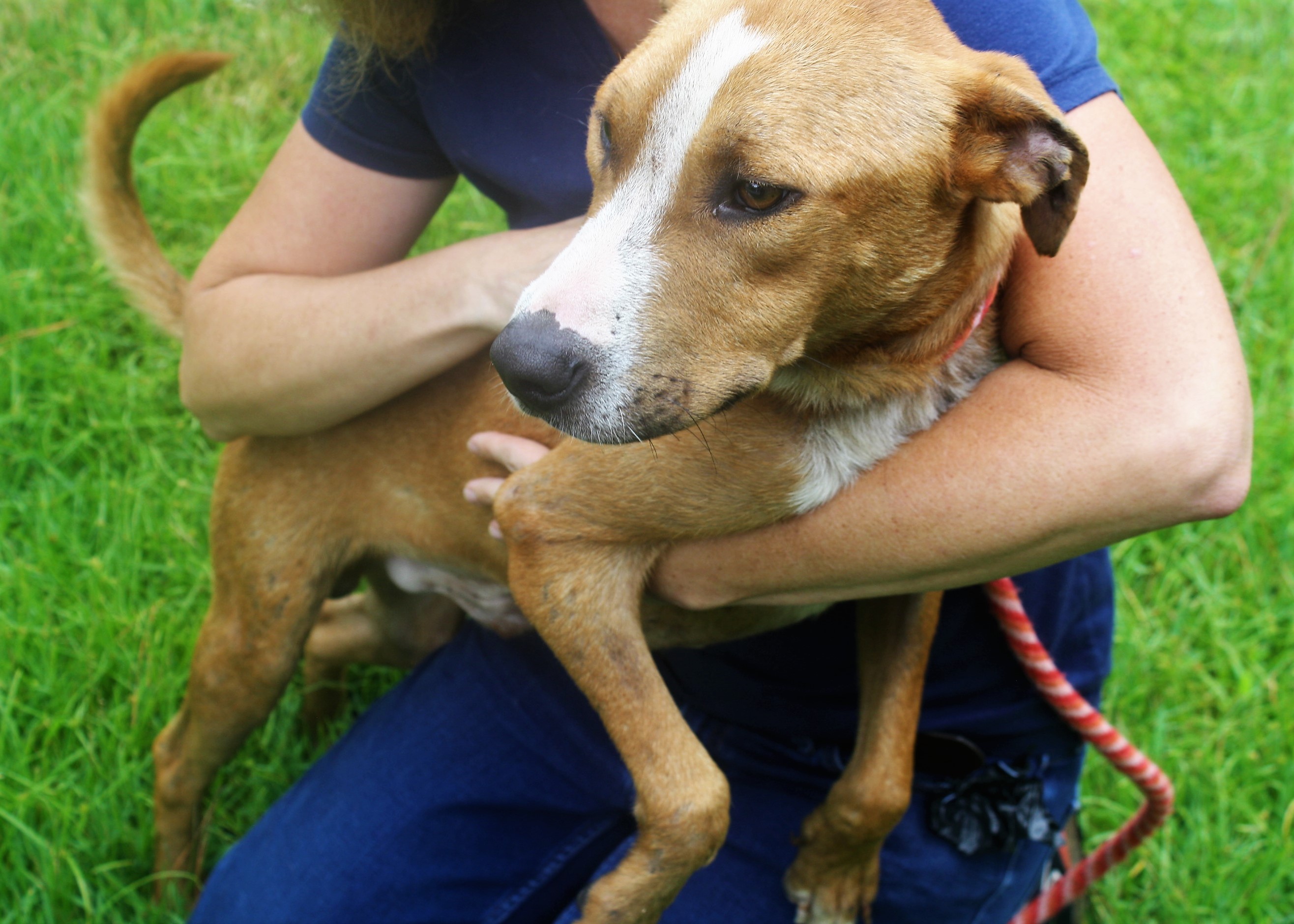
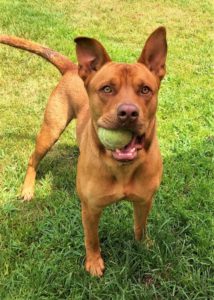
Polo, now available for adoption, was one of the neglected dogs rescued and brought to the County Shelter.

Sadly, many tethered dogs die on their chains—choked or trapped by the tangled teether and unable to reach shelter or water, if it’s even available.

Skye, Queenie, King and Polo have been rescued by Aiken County Animal Control. At the shelter, they are receiving, perhaps for the first time in their short lives, medical treatment, two meals a day, toys, treats, and a clean and protected place to sleep.

They are also getting lots of human attention. They love that. Their tails wag and their eyes shine every time staff and volunteers offer a kind word, a walk, a snuggle and a hug, a lap to lay their head on. We love that, too.
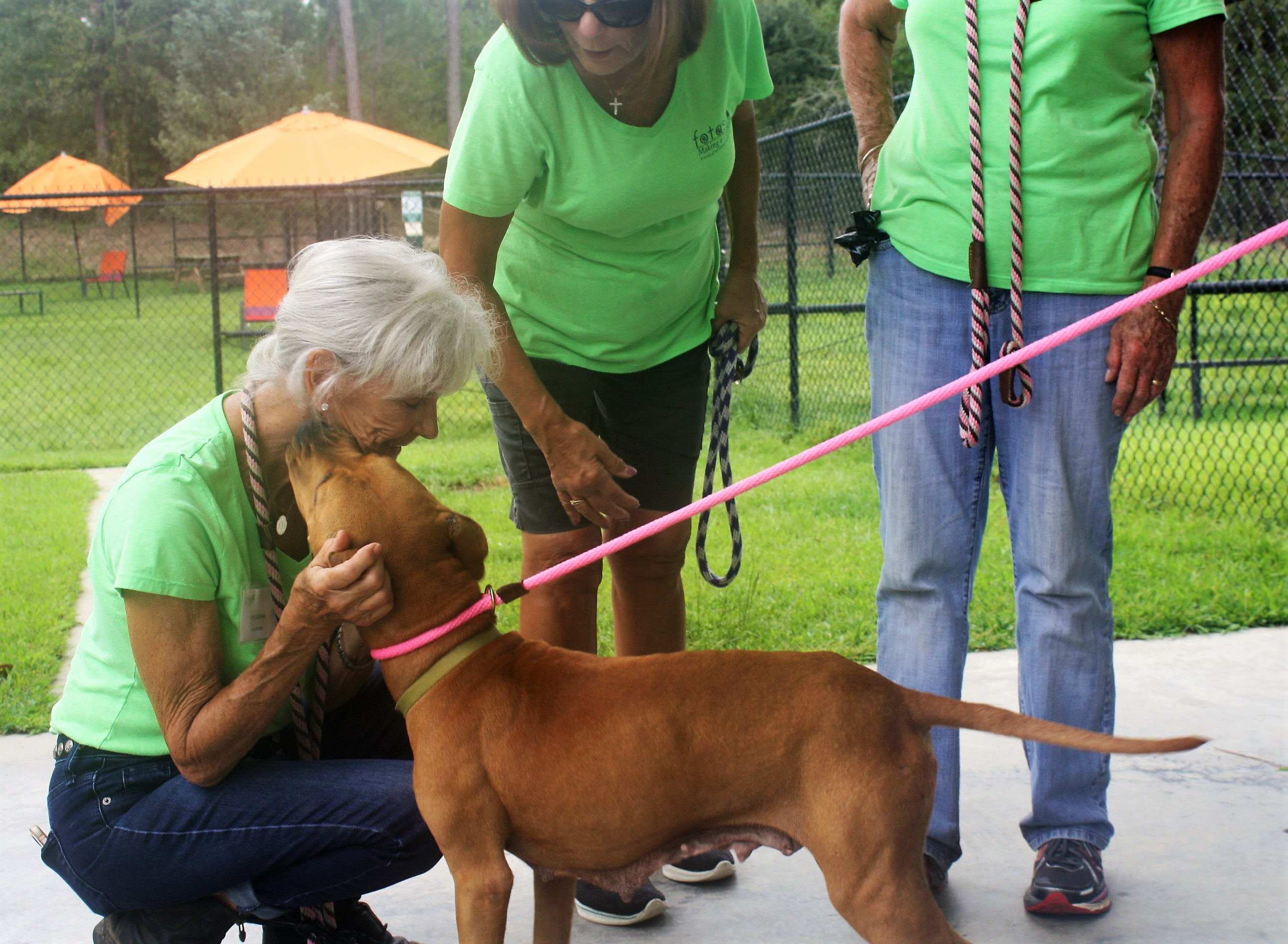
Skye gets some love from FOTAS Volunteer Karen Loughran before going on a walk with Volunteer Sharon Johnson.

Dr. Levy has released Skye, Queenie and Polo for adoption; King will be available once he gains a little weight. FOTAS will pay for heartworm treatments for those that need it. We work with them every day on their canine socialization skills. We can say without equivocation that these dogs are incredibly grateful and affectionate, capable of loving and being loved by humans.

Yes, chaining a dog to a fixed object all their life without access to shelter, clean water, medical treatment, and companionship (both human and canine) is cruel, yet most of the people who chain their dogs are not cruel. Maybe they lack resources, maybe it’s all they’ve ever known. There’s help for those folks — FOTAS provides animal control officers with humane runners and swivel/stakes to help them take their dogs off the chains.

For the others—the cruel and grossly negligent—that’s a matter for the animal control officers. It is illegal in Aiken County to tether dogs to stationary objects with chains all the time, but animal control can only save those animals if they know about it, so speak up! (County Animal Control: (803) 642-1537) Cruelty tips from the public can be kept confidential.

Help us take those dogs off the chains. Their lives are in our hands.

— By Joanna Dunn Samson, Vice President of FOTAS
Love Is in the Air at the Aiken County Animal Shelter

Sandra Procter, one of FOTAS’s first volunteers, was walking her favorite dog, Stanley, on the Aiken County Animal Shelter’s trails this week. She stopped to pet Stanley and praise him for his good behavior.

As she enjoyed this warm moment with the young Retriever mix, Sandra looked around her and saw something that really touched her – four other volunteers enjoying similar quiet moments with shelter dogs.

Kathy Jacobs calms an excitable, young Pibble.

Jeff Martin had Choco on the trail and was petting and reassuring the handsome Doberman mix; Jeff’s wife, Bonnie, was hugging sweet Bulldog mix, Princess; and Jackie Edel was sitting on a bench, loving on petite Beagle mix, Suzette. Meanwhile, John Berk was gently loading Carter, a red Shepherd mix, into his car for a “Doggie Day Out” to Starbucks. No one was actually walking; they were each giving their shelter dogs some quiet time, love and affection – helping them to learn trust.

Often people think they can’t walk dogs because it will be too physically demanding. There are some dogs that do need a lot of exercise and time to run, but so many others would much rather sit with a person on a bench or a couch, and be loved. Hours are spent in their kennels each day, some only getting out for half an hour. They are lonely. Dogs are companion pets, “man’s best friend”.  They crave love from people.

Our shelter cats also need volunteers to sit with them, pet them, talk to them. There is nothing better than bringing a book and sitting on the bench in the cat facility. Within minutes, you will have furry friends curling up with you.

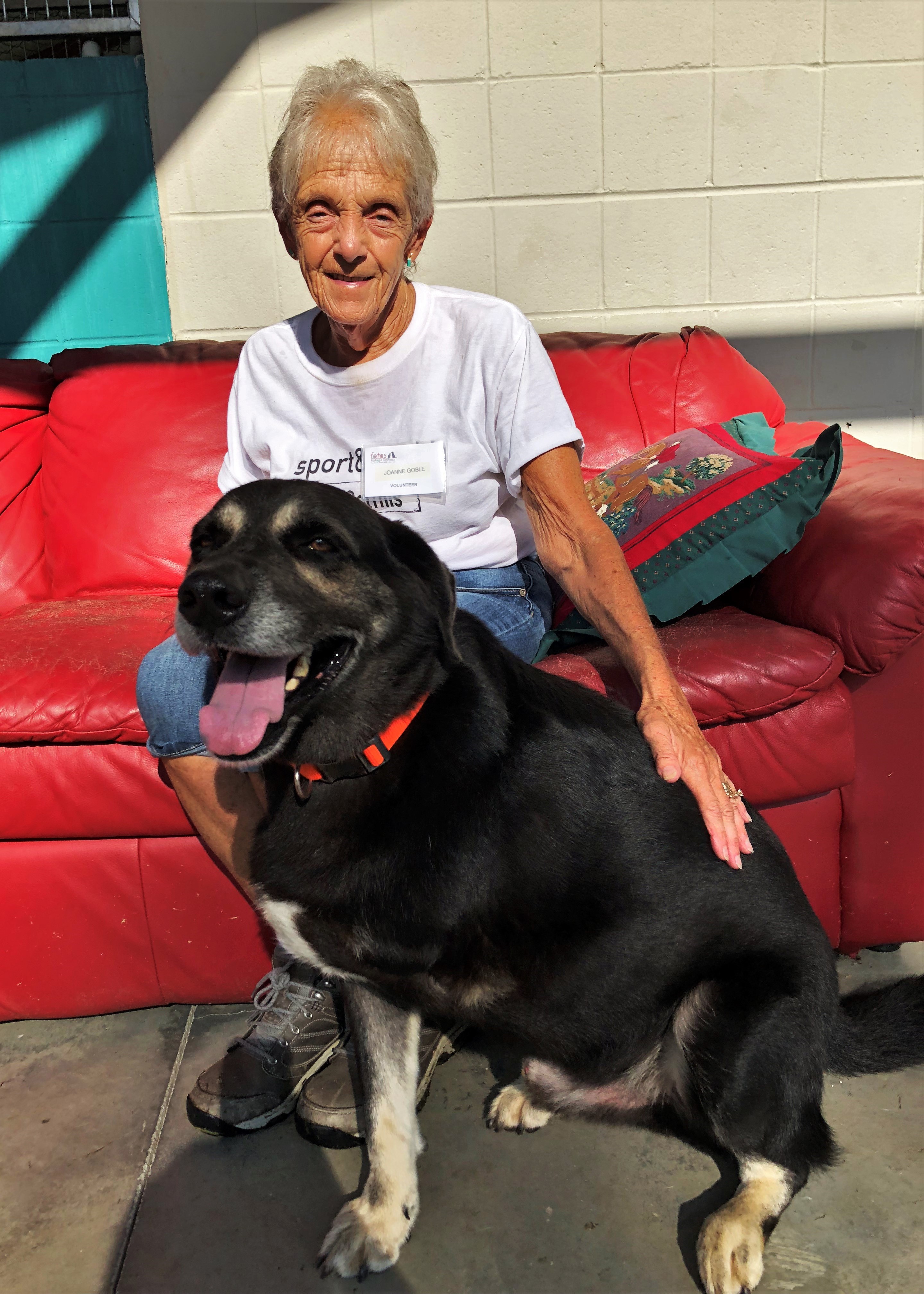
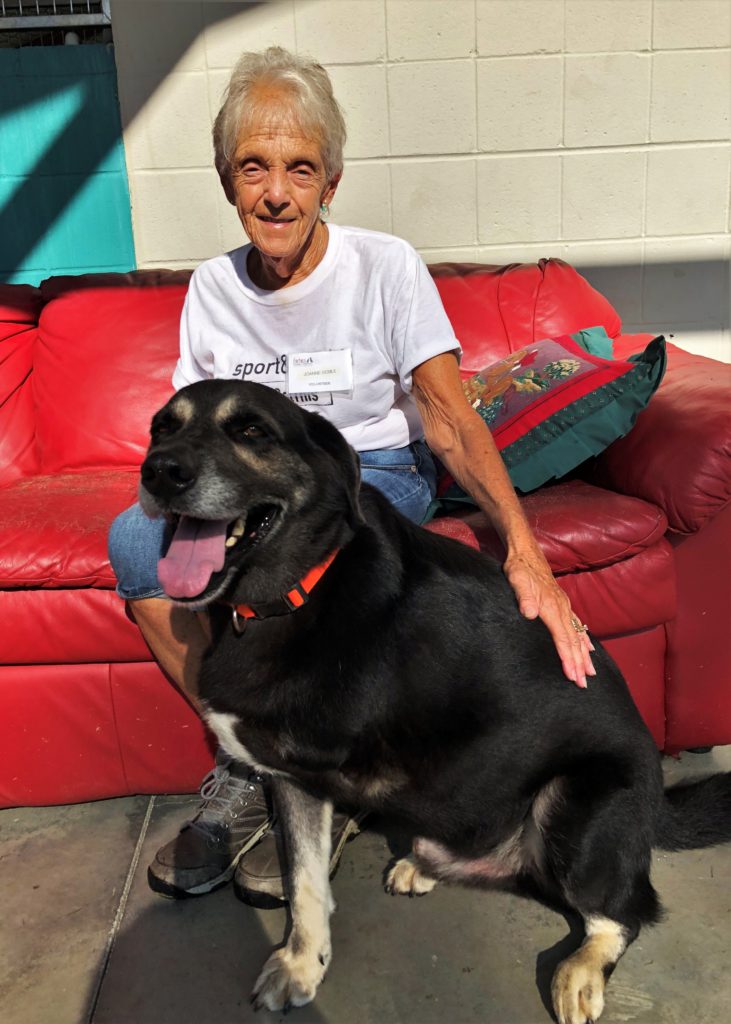
FOTAS Volunteer Joanne Goble enjoys some quiet time with sweet Charlie, a special needs, three-legged dog.

Joanne Goble came to us as a new volunteer. She had trouble getting some of the more excitable and larger dogs out of their kennels. But other volunteers were happy to help get the dogs out for her if she would just pet the lonely animals and spend time with them. Joanne is a great dog walker but an even better dog lover. She also gives the best

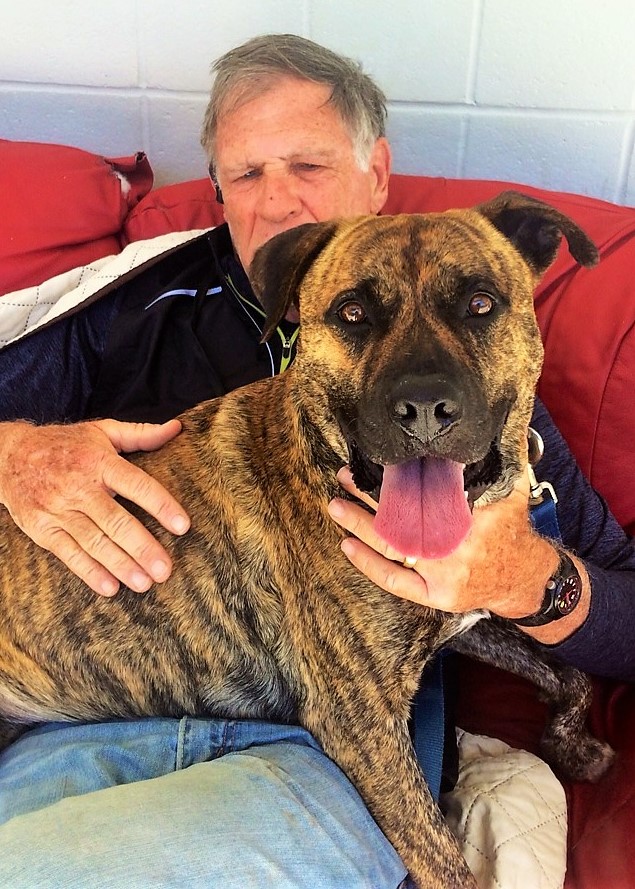
Volunteer John Berk and Kromer.

belly rubs, according to Charlie, a senior three-legged dog who would much rather sit by Joanne on the couch than take a long walk on the trails.

“Being at the shelter walking the dogs and interacting with the other volunteers has helped me more than anything else since my husband’s death in February,” Joanne said. “I just need to know my size limitations on which dogs I should walk.”

“All I would say to a prospective volunteer is, for me, being at the shelter makes everything right with the world,” she added.

Dogs and cats give us just as much love as we give them. If you are struggling with stress, anxiety, loss or just feeling lonely, you will benefit from spending time with shelter pets. Hug a dog or a cat, spend time interacting with a pet and you will both feel so much better!

Their lives are in our hands.

— By Kathy Jacobs, FOTAS Program Director


By the Numbers

The County Shelter received 493 strays and surrendered pets during the month of August.  In the first five days of September, the shelter received 52 animals.

Pets of the Week

CASS
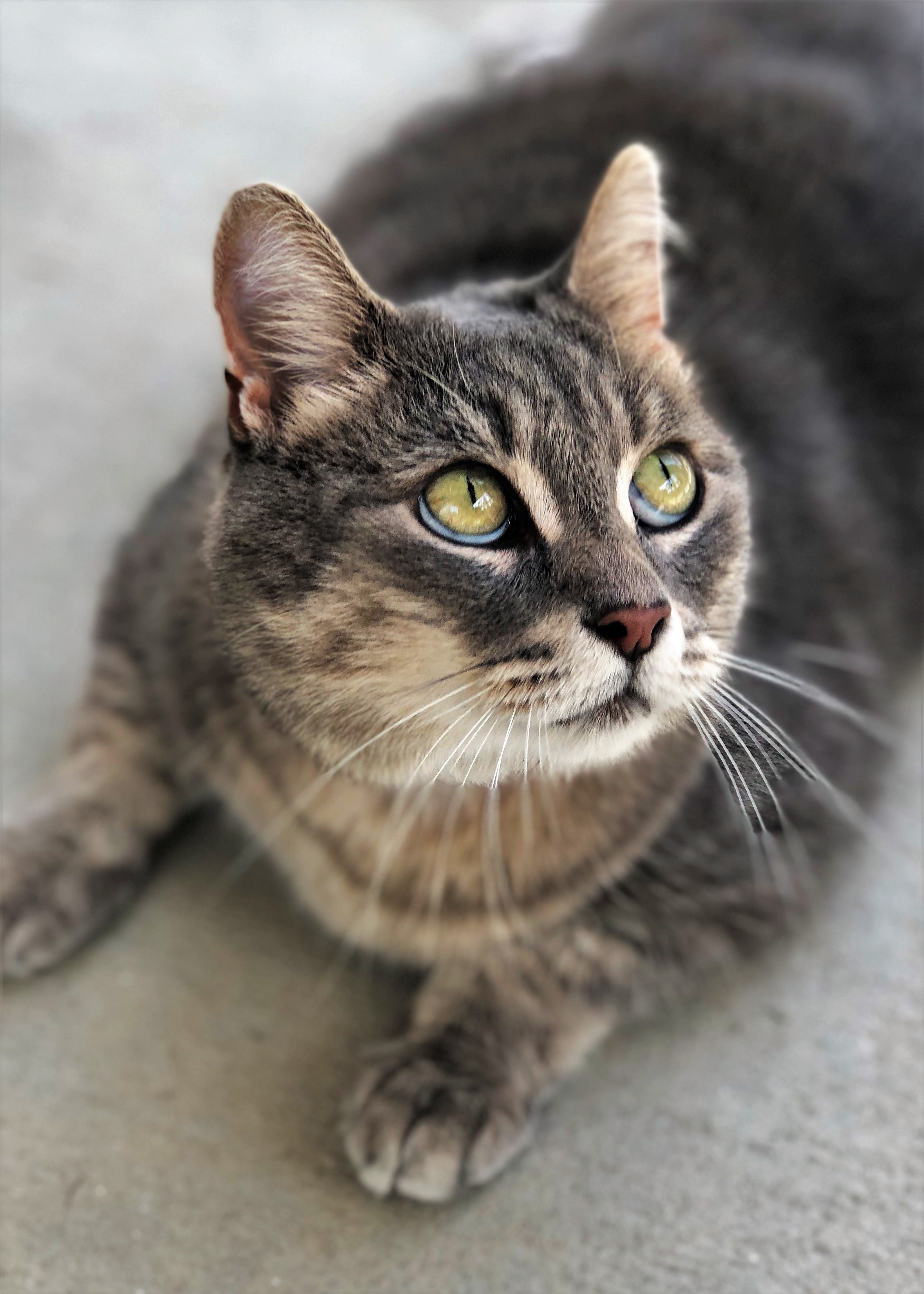
Domestic Medium haired cat, female, 4 years old, 14 pounds – $10 (available at Aiken PetSmart store)


PRINCESS
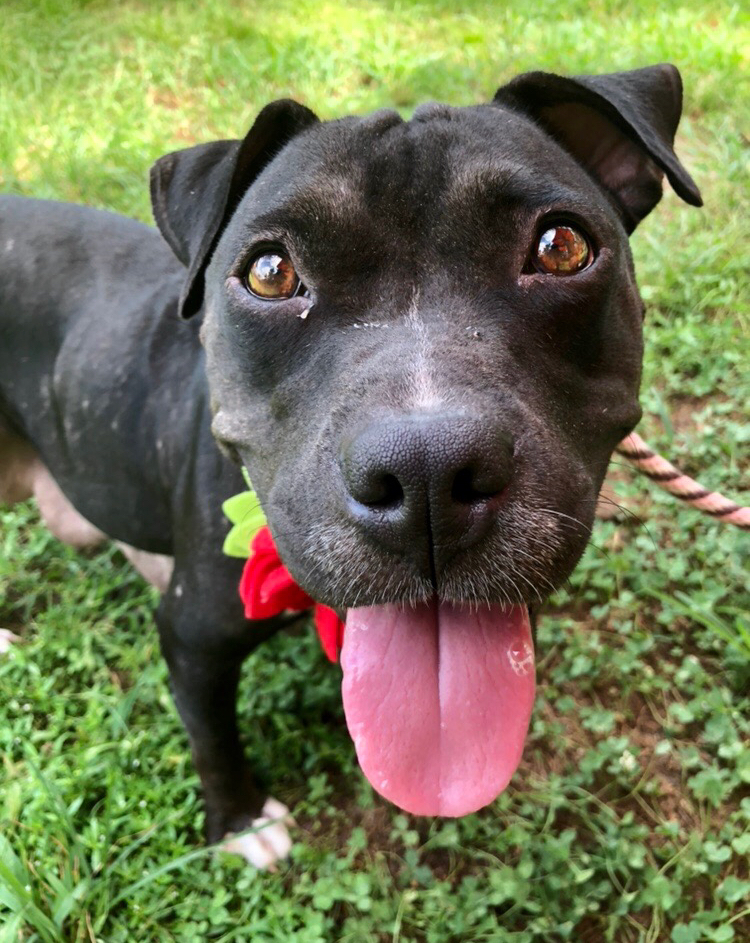
American Bulldog mix, female, 4 years old, 47 pounds – $35

Aiken PetSmart Cats Get Care and Comfort from FOTAS Volunteers

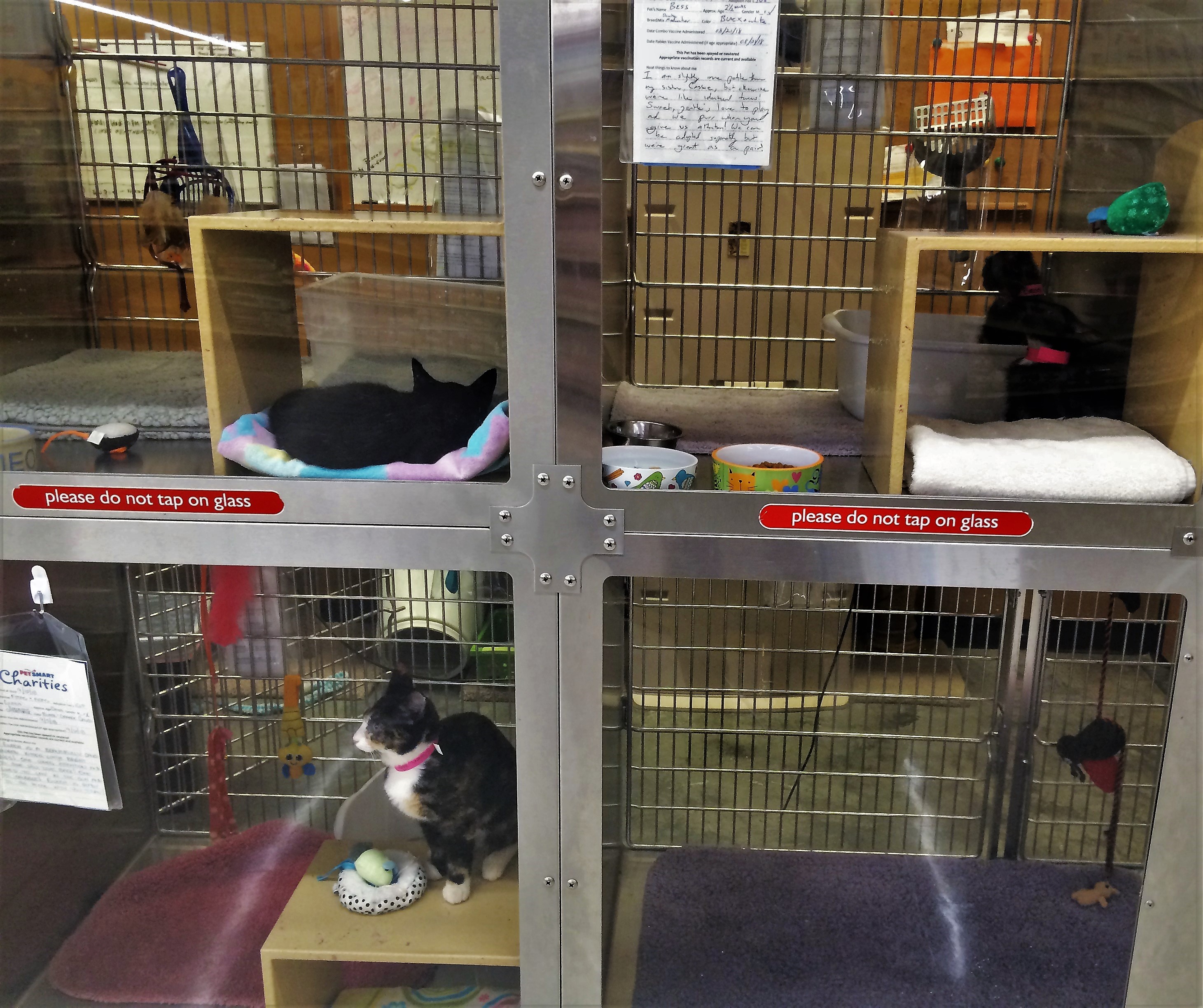
“I like their purring – I love that sound,” says FOTAS PetSmart Volunteer Twylia Stewart as she strokes the fur of Kendi, a male black kitten who’s just arrived from the Aiken County Animal Shelter. “I also think they sometimes don’t get as much attention from people as dogs do. Everybody loves dogs, including me, but I think cats are sometimes seen as the second-class citizens of the pet world.”

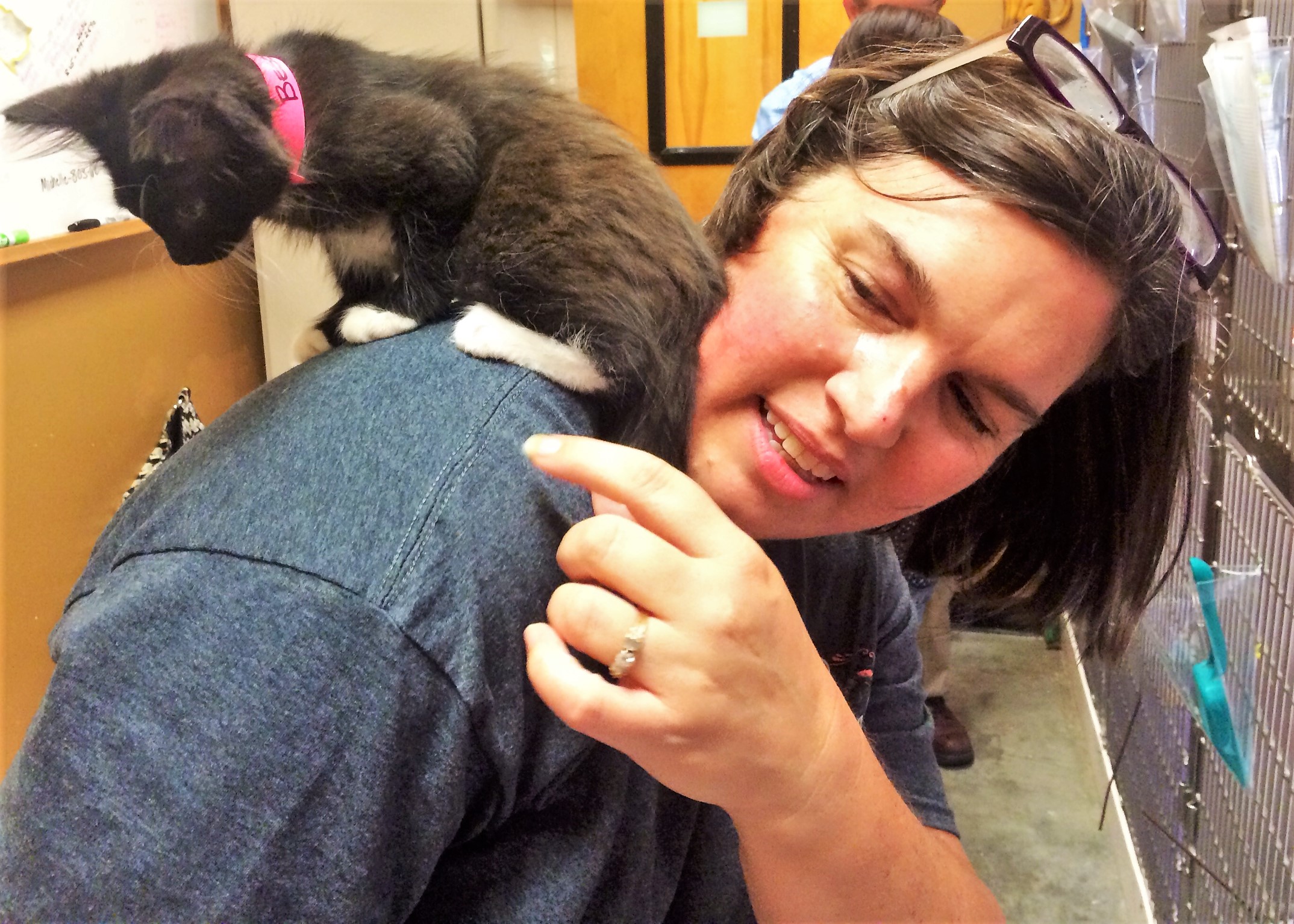
Michelle Greene gets some help from kitten Bess while cleaning a PetSmart cat condo.

Stewart’s passion for felines is shared by all the members of the FOTAS volunteer team who take care of the cats at the Aiken PetSmart Store.

“We love what we do,” said Judy Albert, who leads this special team. “We want to help and make sure the cats are well-cared for and give these animals a second chance to live with a loving family.”

The Aiken County Animal Shelter (ACAS) receives many unwanted felines in need of homes each month, but the partnership with PetSmart helps ease the load, providing a second location for cats to be showcased and adopted. While most of the adoptable adult cats and kittens are available at the County Shelter located at 333 Wire Road, PetSmart provides FOTAS with 10 cat condos at its Aiken store on Whiskey Road.

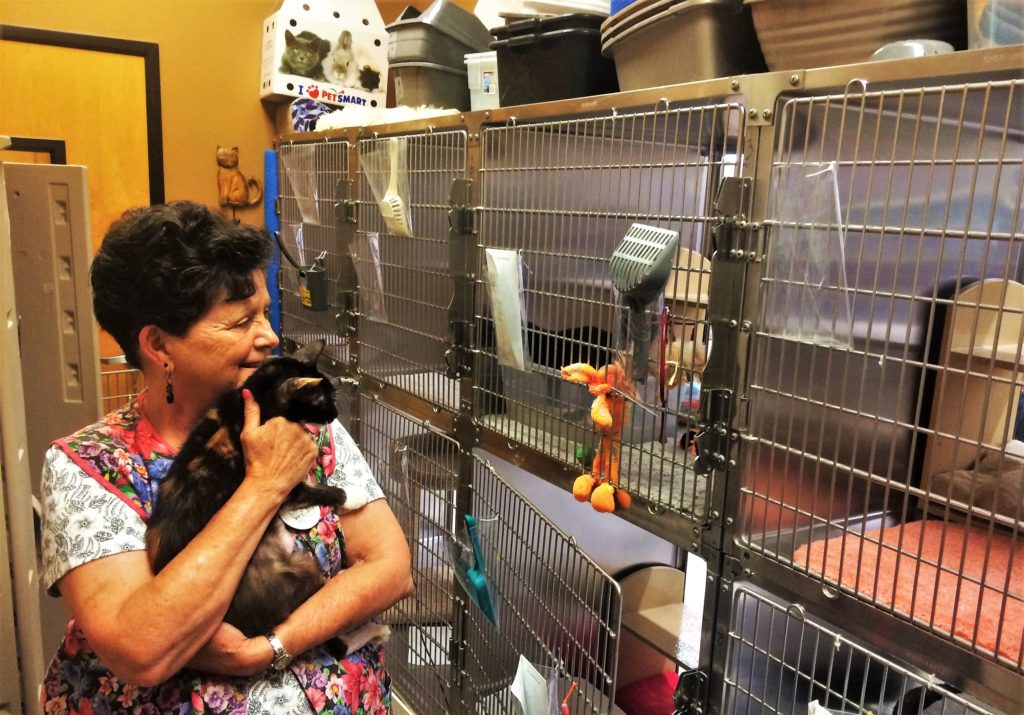
PetSmart has 10 cat condos at the back of the Aiken store that attractively display the Shelter cats.

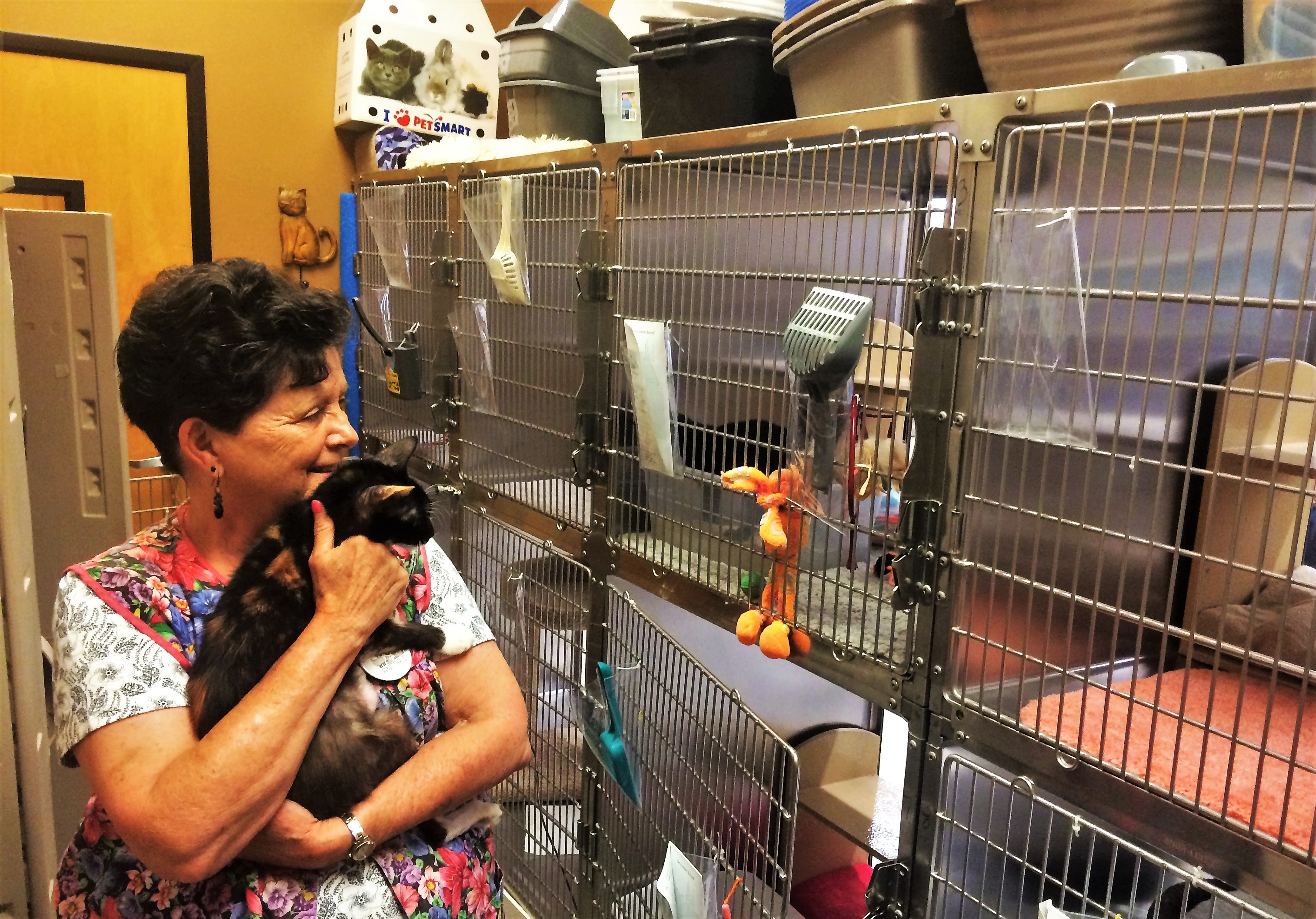
Once ACAS staff transports the cats and all their medical records and paperwork to PetSmart, the FOTAS volunteers keep the felines watered, fed and clean. They follow a strict schedule, making sure that someone comes in to maintain the kitties’ condos and living area twice a day, every day. The volunteers also take notes on the cats’ behavior and special needs and most stay for hours to play with the felines, helping to socialize and prepare them for their future forever homes.

“Cats are funny and entertaining,” says Michelle Greene, who started volunteering three years ago because her 10-year-old daughter, Ansley, wanted to help and be around the PetSmart cats. “We enjoy working with them, try to make sure they feel comfortable around people and let the compatible ones play together. I like volunteering here because it’s something I can do once a week that benefits the animals and it’s also teaching my kids responsibility. We call it our ‘fuzz therapy.’”

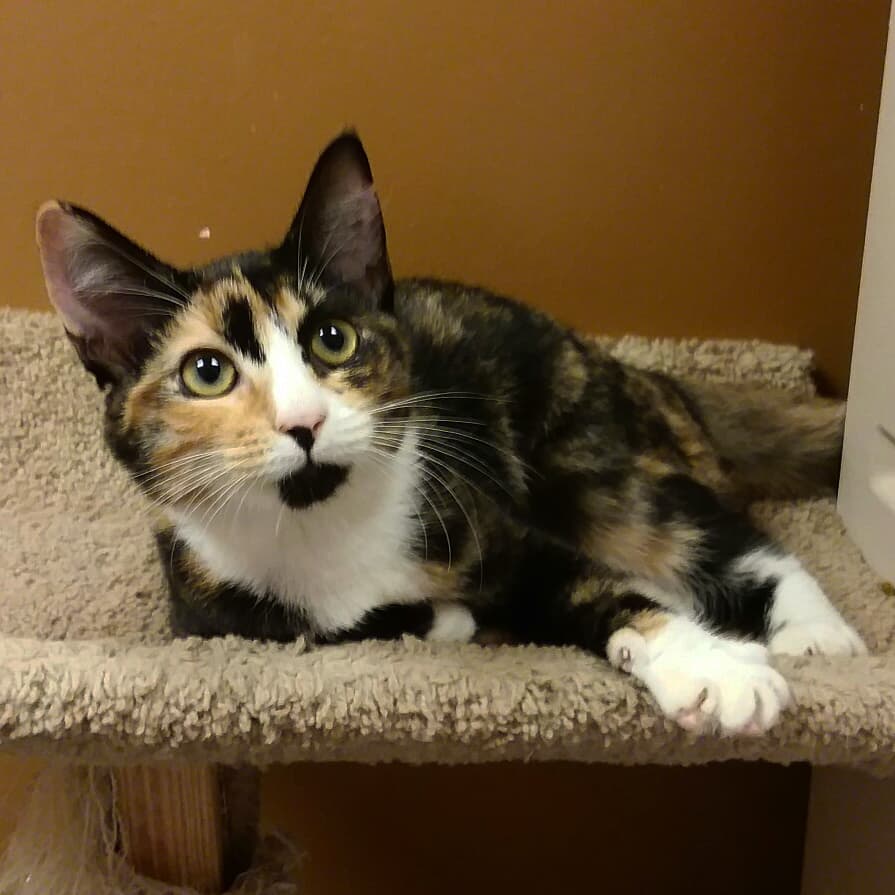
FOTAS Volunteer Twylia Stewart cuddles PetSmart Calico kitten, Eileen.

Thank you so much to the FOTAS Pet Smart volunteers: Leader Judy Albert, Eileen Livesey Allen, Kathy Bissell, Meagan Boehl, Kayla Cox, Cheryl Dillinger, Lynn Edwards, Michelle Greene, Allison Hamilton, Leah Holt, Lauren Jennings, Diane Moore, Twylia Stewart and Emily Smith.

Thank you also to PetSmart, especially Aiken PetSmart Store Manager Steve Block, Assistant Store Leader Ken Gunter, Customer Engagement Leader Lauren Amundsen and the many store associates who assist customers.

It’s a team effort and a lot of work but the results speak, or rather, meow for themselves.

Their lives are in our hands.

— By Bob Gordon, FOTAS Communications Director


Pets of the Week

EILEEN: Calico kitten, female, 4 months old, 4.5 pounds – $10 (available at Aiken PetSmart store)


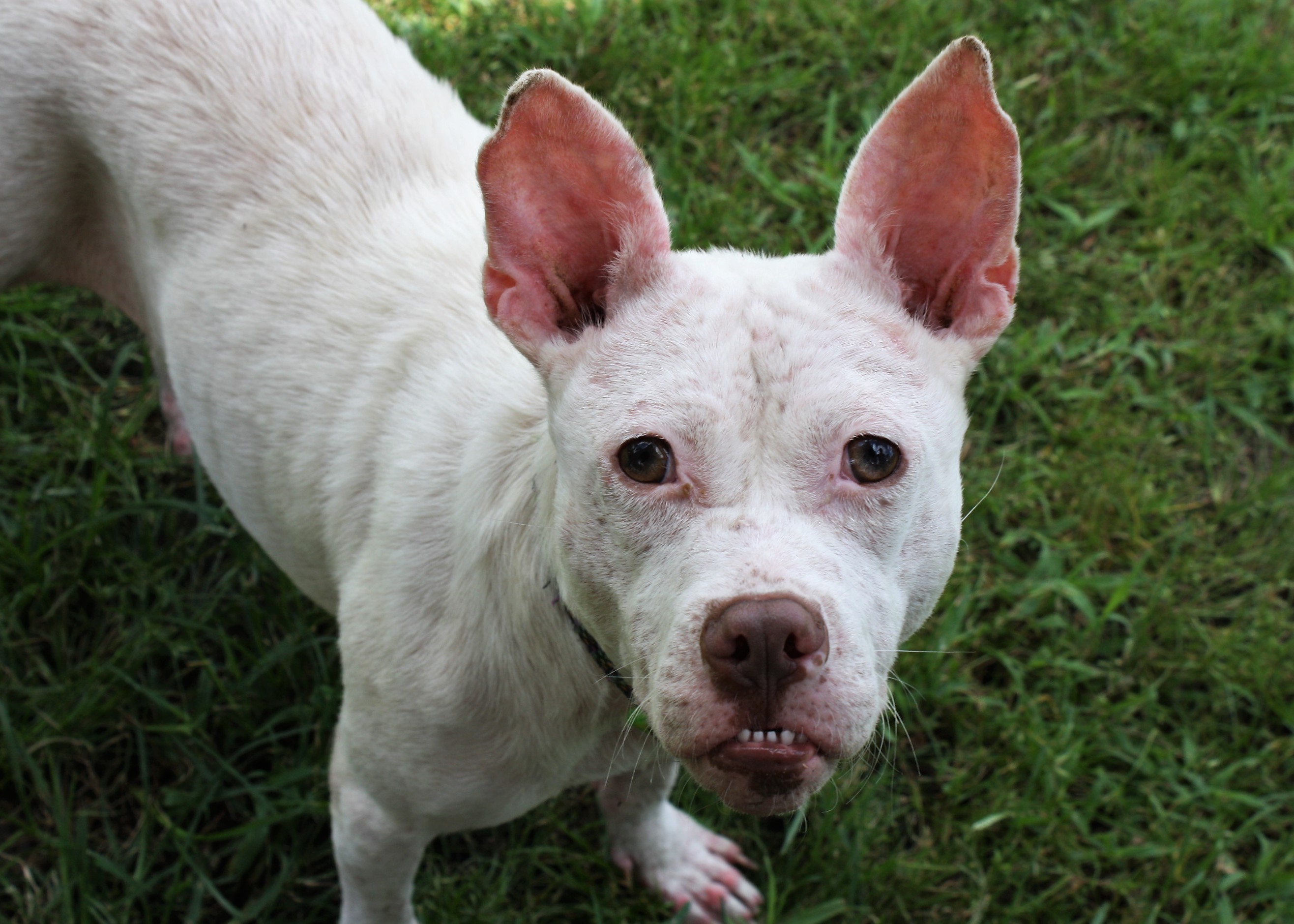
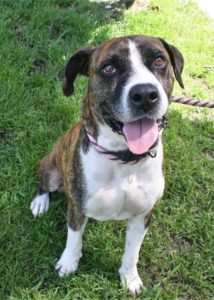
TOOTOO: Terrier mix, female, 10 months old, 33 pounds – $35

Shorter Stray Hold Requirement Will Reduce Kennel Stress

It’s Friday, August 24th and the Aiken County Animal Shelter is full. I make my way to Intake to check out the new arrivals. There are so many in all shapes and sizes: fluffy, shiny, furless, battered, blonde, red and black. They are scared and anxious. It breaks my heart.

A Pibble waits for her chance to be moved to the County Shelter’s adoption floor.

Near the back in #28, a beautiful female Shepherd picked up as a stray cowers in the back of her kennel. I sit by the door and talk softly to her, offer her treats. Eventually she crawls forward and licks my hand. That’s a good sign. It means she will probably be a highly-adoptable dog.

Seven days later, however, that same Shepherd is jumping, barking, spinning in circles in her kennel. She is anxious, frantic. That’s not a good sign. She is showing signs of extreme kennel stress already, and yet she cannot be moved to the adoption floor for at least six more days.

Why? Because county regulations currently require stray dogs to be held for five business days (the day of arrival, weekends and holidays don’t count) before they can be released for adoption.

I do the math: my girl in kennel #28 came in on Friday; day 1 will be Monday. Technically her five-day hold will be up at closing-time on Friday, August 31st, but it’s a holiday weekend, so she can’t be spayed until Tuesday, September 4th. If she does well, the earliest she could be moved to the adoption floor is Wednesday the 5th.

That’s 13 days before she even gets the chance to be adopted. During that time, experienced volunteers will walk her and evaluate her behavior, give her some much-needed love and attention, but she is only one of hundreds of dogs who need attention at the shelter. I watch her spin and bark and pace in her kennel, and I pray she can stay sane that long.

The five-day rule is intended to allow owners the chance to claim their lost dogs, however, it just doesn’t happen that way. Here are the facts: only 8% of stray dogs are claimed by their owners, and that 8% are almost always claimed within three days of pickup.

Only 8%. Three days.

Nine out of 10 stray animals at the Shelter are never claimed by owners.

In the meantime, our girl in kennel #28 is suffering. No matter how good the facility, the shelter is an unknown, noisy, busy place full of barking dogs and strangers. It is particularly hard for the dogs, who are social animals by nature. They must be housed separately for their own safety, but that separation, coupled with the noise and activity levels, wears on them, and like people, their ability to adapt varies widely from animal to animal. We’ll try to give the pretty Shepherd more time in the play yards and additional walks, but the shelter is full. There are so many animals and only so many volunteers.

I am happy to report that our pretty Shepherd persevered with a little help from her human friends at the shelter: she has a new home and humans to love her every day. It’s a shame she had to suffer all those extra days needlessly. Fortunately, last Tuesday, Aiken County took steps to change the stray-hold requirements to five calendar days. We applaud the County Council and Administration for their efforts.

Their lives are in our hands.

— by Kathy Jacobs, FOTAS Program Director


By the Numbers

Nine out of 10 stray animals received by the shelter are never claimed by owners.


Pets of the Week

ROSETTA: Mixed breed, female, 5 years old, 48 pounds – $35


JEN: Domestic Shorthair kitten, female, 2 months old, 1.3 pounds – $10

County and FOTAS Work Together to Keep Dogs Off Chains

The County, FOTAS and other concerned citizens worked together for months to pass a tethering ordinance. Many animal cruelty and neglect cases include dogs permanently attached to heavy chains that limit their mobility and access to food, water and shade or escape from their own waste. But little could be done to prevent people from treating their animals this way without an enforceable regulation against such conditions.

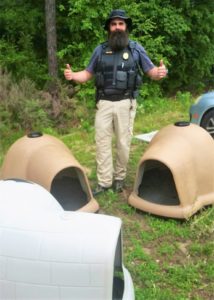
County Animal Control Supervising Officer Patrick Miller with Igloo dog houses donated by generous citizens.

Then last year, after many people – including County Animal Shelter Manager and Chief Enforcement Officer Bobby Arthurs – testified to the Aiken County Council, the ordinance was finalized and passed. Arthurs worked with County Code Enforcement Director Paige Bayne and County Attorney Jim Holly on the original draft of the ordinance.

Passed on March 21, the tethering ordinance ensures people treat their dogs more humanely by making it unlawful for a person to tether, fasten, chain, tie or restrain a dog to a house, tree, fence, or any stationary object except for a brief period necessary to complete a temporary task that requires the dog to be restrained. That period cannot exceed four hours and the animal must have free access to water, food and shelter during this time.

If a tethering system is used, it must be connected to a single stake with a swivel on top, be at least 15 feet long and allow the dog to have as close to 360 degrees circular movement as practicable.  If a runner or trolley system is used, it must be at least 20 feet long and allow the dog to move freely along the length of the trolley runner line without being entangled.

“The word is definitely getting out there and it’s already made a difference,” said County Animal Control Officer Brandon Creel. “The number of animals we see on chains has dipped significantly.”

In the past six months, FOTAS has purchased and supplied 75 humane runners and swivels/stakes to help such canines.

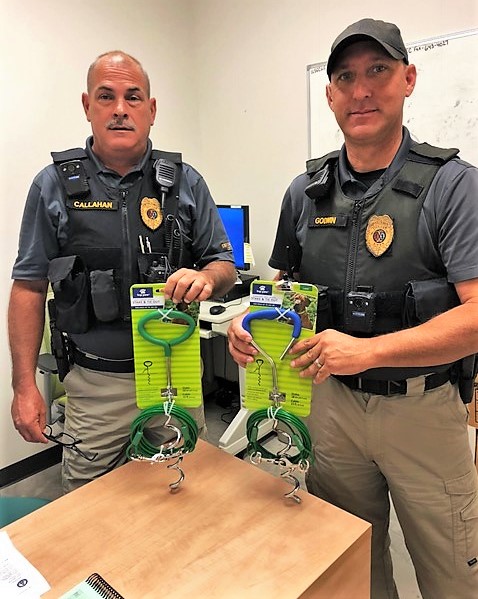
County Animal Control Officers Larry Callahan (left) and Daniel Godwin holding swivel systems that ensure dogs are tied in compliance with Aiken County’s tethering ordinance.

It should be noted that the new tethering law gives officers a big stick to punish animal cruelty and prevent cases of neglect, but not all animals tied outside are treated poorly. Certain citizens love their dogs but can’t afford to put up a fence or a runner.

“Some of these people will feed their dog before themselves, that’s how much they care about them,” said County Animal Control Officer Larry Callahan. “But it’s a different lifestyle where dogs are kept outside.”

When these families need help, the officers let FOTAS Programs Director Kathy Jacobs know, and she provides the materials they need.

“We have to look at the big picture,” Creel said. “If the owner’s heart is in the right place but they just can’t afford the runner or swivel system, we see if FOTAS can help. We try to assist people when we can. After all, helping them out also helps their dogs.”

If you can donate funds to help purchase runners or swivel systems for dogs, or can donate dog houses, new or used and in good condition, it would be most appreciated.  Please bring your donations to the County Shelter, 333 Wire Road in Aiken.

Their lives are in our hands.

 – By Bob Gordon, FOTAS Communications Director


Pets of the Week

CHARLIE
Shepherd mix, male, 6 years old, special needs dog (front left leg amputated), 72 pounds – $35


JASMINE
Siamese mix cat, female, 1 year old, 6 pounds – $10

Abandoned Shelter Dog Now Comforts People in Need

Beth and Gary Bode adopted Buck, a two-year-old Retriever mix, from the Aiken County Animal Shelter (ACAS) nine months ago on Halloween. They had lost both of their chocolate Labs to age-related maladies in 2015 and weren’t sure they were ready to go through the pain of loss again.

But there was something special about Buck.

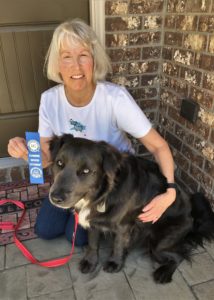
Beth Bode proudly displays Buck’s American Kennel Club Canine Good Citizen ribbon.

When he was picked up as a stray and brought to the shelter, Beth was volunteering for FOTAS as a dog walker. She had already mentioned to the shelter staff and FOTAS team that she was thinking about adopting a pet who could be certified as a therapy dog to visit schools, hospitals, senior living centers and other institutions. Despite his initial shyness and difficult past, Buck had an especially gentle demeanor, so FOTAS Programs Director Kathy Jacobs introduced him to the Bodes.

“We took him for a ‘Doggie Day Out’ and knew within the first hour that he was meant to be ours!” Beth said. Buck hopped up on their bed and cuddled with the couple during his first night as their adopted dog, but it took months for him to fully trust that he had a home for life. The Bodes took advantage of the free training session included with every ACAS adoption and said it helped them understand how to help Buck adjust to his new home.

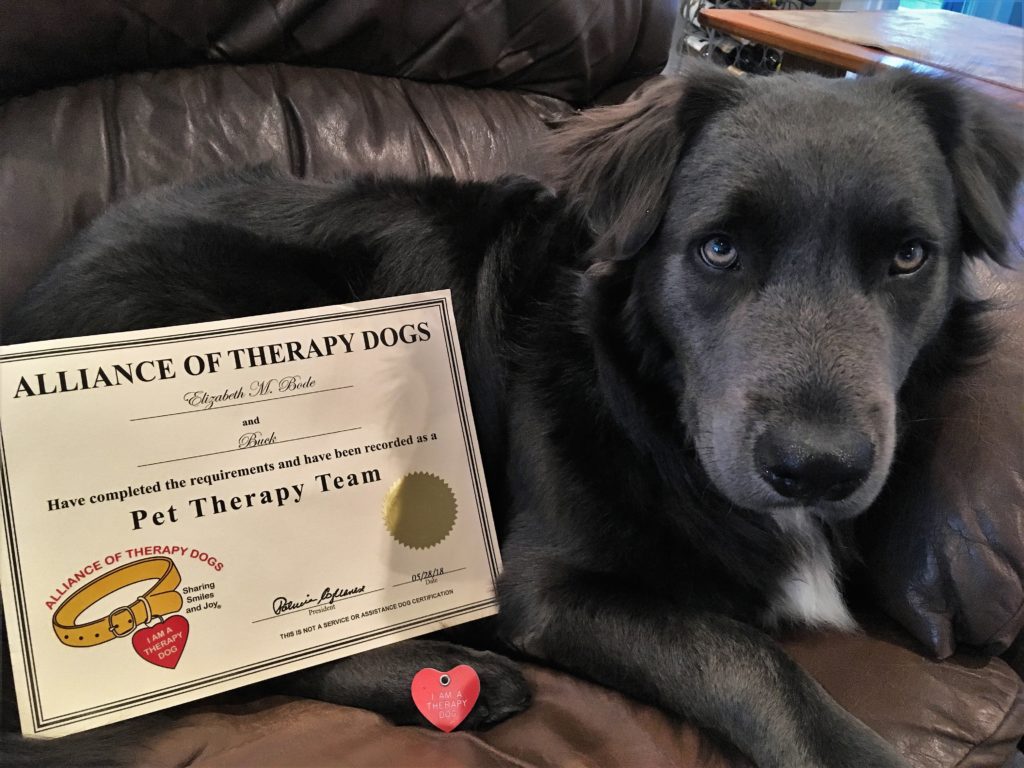
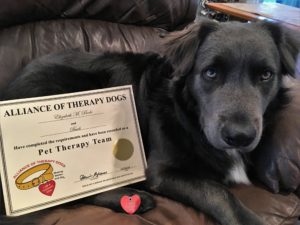
Once Buck started feeling more confident, Beth researched how to get him certified as a therapy dog through the Alliance of Therapy Dogs (ATD), a group active in the Aiken/Augusta area. She enrolled Buck in a six-week course and he passed the American Kennel Club’s Canine Good Citizen test. She also completed the required police background check on the therapy dogs website and filled-out the application paperwork. Then, she took Buck to take the Alliance of Therapy Dogs test, and he passed that too!  After three supervised therapy visits, Beth mailed the completed paperwork and certification fees to ATD and soon received a welcome packet containing Buck’s official ATC certificate, member handbook, ID card, and dog tag.

Now, Buck goes on frequent therapy visits with the Aiken/August ATD group or the Aiken group, “Love on Leashes”. He is learning from the other therapy dogs and enjoying his interactions with strangers in need.

Buck with his Therapy Dog certificate and identification tag.

“We had a wonderful visit last week at HarborChase (an assisted living and memory care center in Aiken), where he comforted a man who had to put his dog to sleep the previous day,” Beth said. “He made an immediate connection, climbed next to him and put his head in the man’s lap. It was amazing!” Incredibly, the man’s deceased dog was also named “Buck”.

Buck has come a long way from the scared, wary stray that arrived at the County Shelter nine months ago. Now he’s a happy and confident canine who contributes to society.

“We feel very blessed to have Buck in our lives,” Beth said. “We thank FOTAS and the Aiken Animal Shelter for all they do to save and rehome the many wonderful animals that end-up in their care.”

Their lives are in our hands

 – By Bob Gordon, FOTAS Communications Director

By the Numbers

From Aug. 1 to 22, the ACAS received 385 strays and surrendered pets. During last weekend’s Clear the Shelters event, 75 animals were adopted.


Pets of the Week

CARTER
Shepherd mix, male, 2 years old, 61 pounds

LANDRY
Domestic medium-hair kitten, male, 5 months old, 6 pounds

Feline FIV is a Virus, Not a Death Sentence

Each day as I finish my rounds at the shelter, I leave a list of things to be done for our team of veterinary assistants (three of the hardest workers on the planet!) that includes testing our newest cat residents for Feline Leukemia (FeLV) and Feline Immunodeficiency Virus (FIV).  When I come in the next morning, my heart would sink if they told me that anyone tested positive for either disease.  This had always meant euthanasia since these cats were considered unadoptable.  But over the last several years, that opinion has changed.

Becky was the first FIV positive kitten adopted under the Shelter’s new FIV adoption program.

FIV infection is transmitted primarily by bite wounds.  It is not transmitted sexually or through casual contact.  Infected cats may live a completely normal and long life. Or they may at some point succumb to the virus, which attacks the immune system and allows the cat to become vulnerable to other infections such as respiratory, mouth, bladder, skin, and eye infections.  Once the cat develops recurring infections, the disease is inevitably fatal. What allows some cats to live with the virus and develop no symptoms and some cats to become ill is unknown and therefore unpredictable.

Kittens may test positive if born to an FIV positive mother but that is most likely due to transfer of antibodies and most of these kittens will test negative within six months.  True FIV infections in kittens are possible but not common.  Because of this, the Aiken County Animal Shelter has decided to adopt out FIV positive kittens.  We will retest these kittens in six months at no charge.  The adopter must understand that we can in no way guarantee these kittens will test negative, although statistics show that most kittens will become negative.

In the case of adult cats, things are a little trickier.  We have no way to predict the outcome for these cats.  We recently adopted out our first two FIV positive cats, Rowan and Martin.  They were adopted by someone who already has an FIV positive cat, so they posed no threat to spread the virus – an ideal placement.  Any home with no other cats would also be a great option.

Adoptable FIV positive kittens are now available at the County Shelter for just $10 each, including (left to right): Becky, Analeese and Tillie.

We are often asked if this infection is contagious to people or dogs, and the simple answer is no.  But if any member of the family is immunocompromised or on immunosuppressant drugs, to be safe we don’t recommend exposure to these cats.

All FIV positive cats should be kept indoors to prevent the cat from being exposed to other diseases.  They should also be kept inside to prevent the possibility of exposing other neighborhood cats to the infection through “cat fights” as we know cats are fiercely territorial.

I know that we are asking a lot of someone to adopt a cat that may have a shorter than normal life span.  But the way I look at it is that God made the majority of “pet species” with shorter life spans than ours.  So, we will inevitably experience the heartbreak when we lose them after 10-15 years.  These cats develop FIV through no fault of their own, but just by acting in the true nature of a cat.  Does this mean they shouldn’t experience a loving home for the time they do have on this earth? 

We always end this column with the words, “Their lives are in our hands,” and never has this been more true.  If you are selfless enough to consider adopting one of these cats, please let us know so we can contact you the next time we see that dreaded positive result on a test.

— By Dr. Lisa Levy, Aiken County Animal Shelter Veterinarian

Why You Should Spay or Neuter Your Pet

On Wednesday, July 31, 44 animals were surrendered to the Aiken County Animal Shelter between 12:00 p.m. and 4:00 p.m., the shelter’s posted intake hours. Forty-four animals in four hours on one day! Do the math, that’s an average of 11 animals per hour for four hours!

Shocking. Distressing. Heartbreaking!

The vast majority of these animals did nothing wrong. They were victims of owners who brought them into this world and then washed their hands of them, leaving the rest of us to pay for their neglect.

It’s been a horrible summer for animal intake at the shelter. The number of animals coming into the shelter May through July (that is, 1,618) was double the amount of intake for January through March (827).

Discouraging. Mind-blowing. Sad.

The only way to reduce the shockingly high number of homeless and abandoned animals is for every Aiken County pet owner to spay and neuter their pets. Fixing your pet is good for them, for you, and for the community. Here’s why:

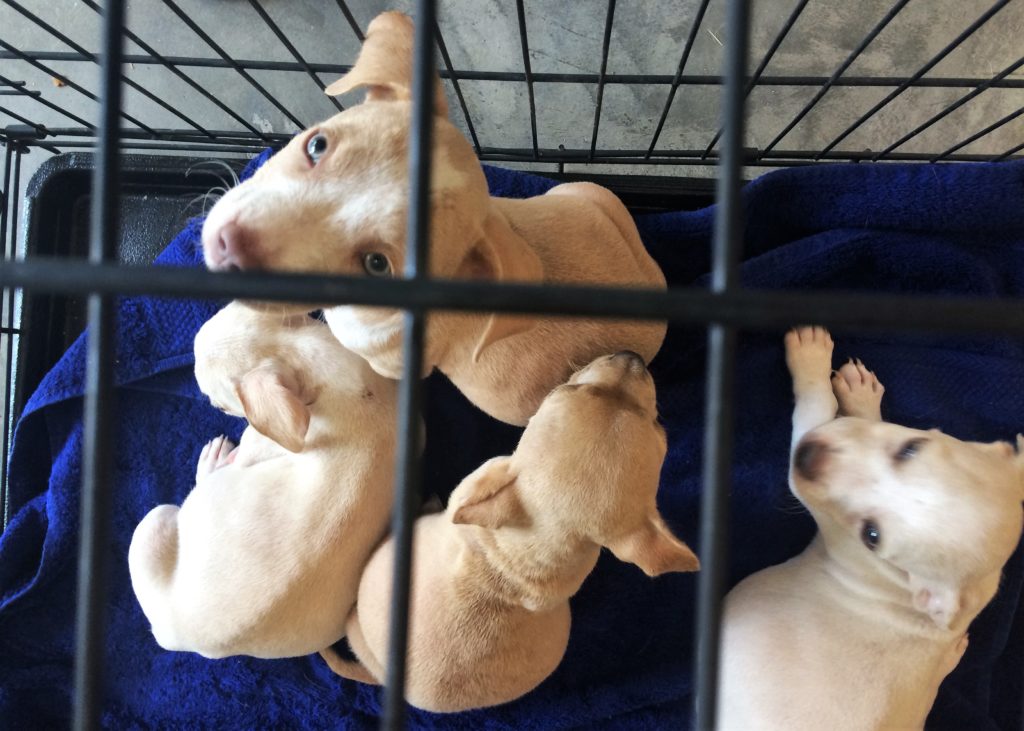
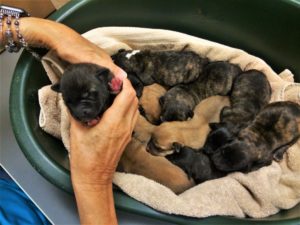
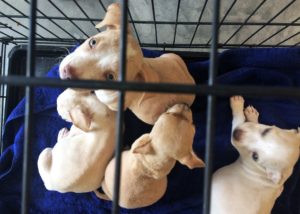
Spaying and neutering is affordable through the Aiken County voucher program. Fixing animals prevents huge litters of unwanted puppies like this one.

Your pet will live longer. Spayed and neutered animals have significantly less health problems than their unfixed counterparts. By the way, it is not true that pets get fat and lazy as a result of spaying and neutering—only a bad diet and lack of exercise will do that.

Spayed and neutered animals are less likely to roam. That means they are less likely to catch diseases from other animals, get lost, fight with other dogs, or get hit by a car (85% of dogs hit by cars are unaltered).

No more dogs in messy heat. Spaying your female before she is 6 months old means you can avoid the messy, noisy heat cycles that typically occur twice a year. It also means you can avoid the messy, noisy, smelly crowd of male dogs or cats hanging out in your yard while your pet is in heat.

Fixed animals are less aggressive. Neutering your dog decreases potentially aggressive behavior to other animals and people. Particularly children, who are by far the most frequent victims of dog bites.

Your cat or dog will be a better pet. Fixing your pet eliminates unpleasant spraying and marking in your yard, on your rug, on your furniture.

Fixing your dog will not make him less protective. Dogs are naturally protective by nature, particularly if you love and feed them.

The number of animals coming into the shelter May through July (1,618) was double the amount of intake for January through March (827).

Fixing your pet is cheaper for the community as a whole. Public shelters are funded by taxpayer dollars. If everyone fixes their pets, the number of homeless and abandoned animals at the shelter will be dramatically reduced, as will the amount of public funds needed to care for those animals.

Moreover, the cost to spay or neuter your pet has never been more affordable. Aiken County has a voucher program, supplemented by FOTAS, to provide low-cost spay/neuter services to residents who need financial assistance. The vouchers are distributed at the County Shelter at 333 Wire Road. Make arrangements to spay or neuter your animal today. Convince your neighbors, friends and family to spay and neuter their pets, too.

There are so many loving, deserving animals in the Shelter that need a home – why bring more animals into a world where their safety and care is so uncertain?

Their lives are in our hands.

— By Joanna D. Samson, Vice-President, FOTAS


By the Numbers
In just the first week of August, the Aiken County Shelter received 130 strays and surrendered pets.


Pets of the Week

DUNCAN: Boxer mix, male, 4-1/2 years old, brindle & white, 61 pounds – $35


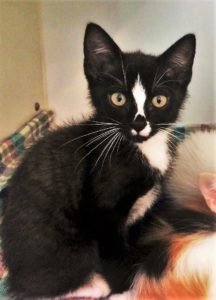
FRANKIE: Domestic Shorthair, male, 2 months old, black & white, 2 pounds – $10
Tips for Choosing the Purr-fect Shelter Feline

Adding a cat to your home can be one of life’s most rewarding experiences. They are terrific companions and easier to care for than dogs. Plus, most felines are great cuddlers, playmates and entertainers (there’s a reason cat videos dominate the Internet). Studies have even shown their purrs can improve your health and lower your risk of a heart attack.

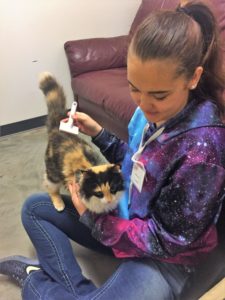
Volunteer Hannah brushes Lydia after the young cat jumps in her lap.

If you come to the Aiken County Animal Shelter, you can adopt a cat or kitten for just $10 – this fee includes their vaccinations, spay/neuter surgery and microchip. So, are you ready to adopt a cat or kitten? If so, here are some tips for choosing the best feline for your home:

Select the right cat for your lifestyle. Are you looking for a lap cat? Or is a playful, high-energy cat more your style? What about fur length? Longhair or shorthair? Do you like a chatty cat or one that’s quiet and shy? These are some of the questions you need to answer when selecting a cat. Talk to a FOTAS volunteer or staff member about the available cats. They are familiar with each cat’s traits and can help you identify the feline that best fits your personality and lifestyle.

Cats vs. kittens. Kittens are cute – that’s why they usually get adopted so quickly. But they also need extra nurturing and demand more of your time. If you do decide to adopt a kitten, consider getting two. Why? Because the little ones usually have loads of energy and need to burn it off. Their need to exercise is easily satisfied if they have a littermate to play with.

Let the cat choose you. Dogs love it when you walk up to them and immediately start petting them, but cats prefer a subtler approach. Let them come to you. Some cats will run up to you right away or

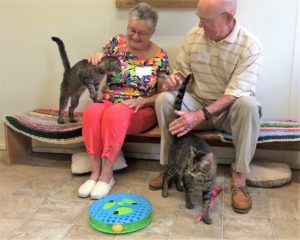
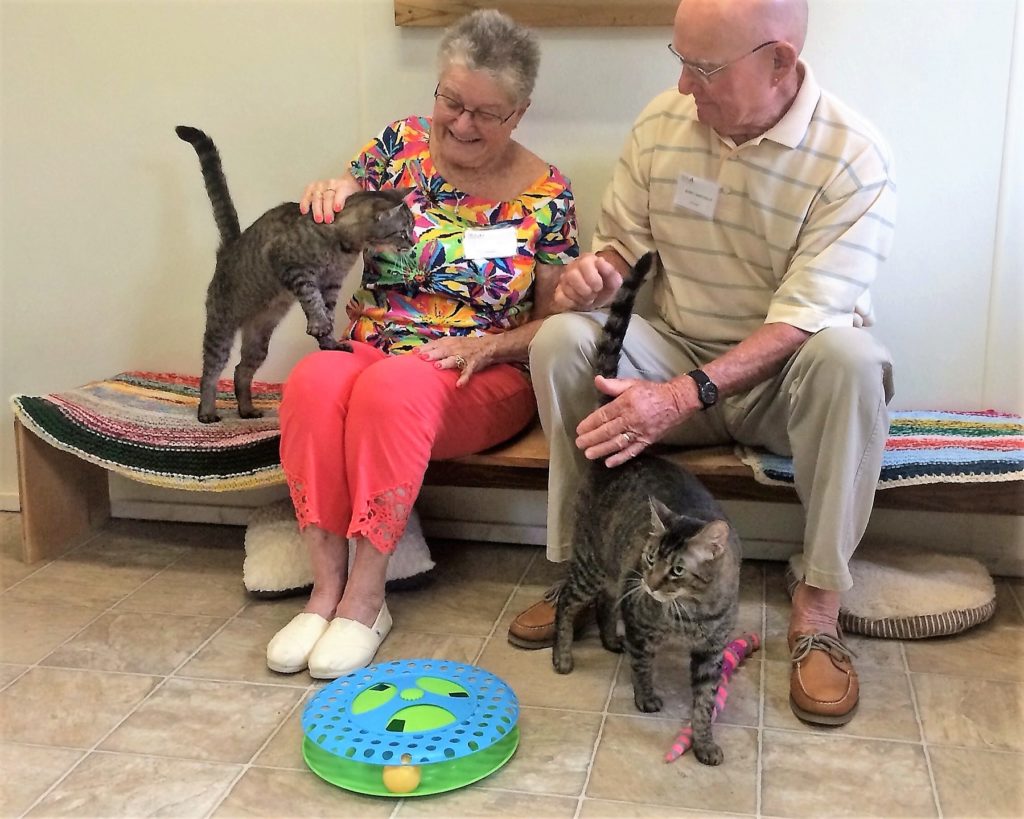
FOTAS Volunteers Jan and Jerry Tankersley come to the ACAS every Tuesday to help socialize cats and kittens.

even put their paws on your shoulders. But most will first assess whether they trust and like you before approaching. To greet a cat, stick your hand out, palm down, about a foot away from his face and let him sniff it. He will usually step forward and “butt” your hand, which is his way of saying, “Hello,” and marking you with his scent. This is the cat’s way of telling you he trusts and likes you — and you can now pet him and rub under his neck. 

Spend time with the cat before making your final decision. Once you find a cat you like, and who likes you, spend some time with him. Ask to take the cat to an adoption room, where you can further study his personality and confirm you have a bond with the kitty.

Keep the cat indoors. If you adopt a cat, please keep him inside. The average lifespan of an indoor cat is 18 to 20 years, while an outdoor cat’s usual lifespan is just 5 years. If you must have your pet outdoors, the Shelter often has barn cats to adopt. These are cats that have lived outside most of their lives and can’t be happy as housecats.

There are so many cats at the shelter looking for homes right now. Please stop by and find “the one” for you.

Their lives are in our hands.

— by Bob Gordon, FOTAS Director of Communications

By the Numbers
In July, the County Animal Shelter received 554 stray animals and surrendered pets.


Pets of the WeekLARISSA: Retriever mix, female, 1-1/2 years old, tan & black, 59 pounds – $35
 

MISTY: Domestic Shorthair, female, 3 years old, black & tan Tabby, 10 pounds – $10
So Many Abandoned, Neglected Animals

Last Monday, I returned to the Aiken County Animal Shelter after my one-week summer vacation and was stunned and dismayed at the number of animals that had been taken in by the shelter in just seven days. Summers are always a crowded time at the County Shelter, but this was something else altogether. Even more heartbreaking was the condition of these poor animals.

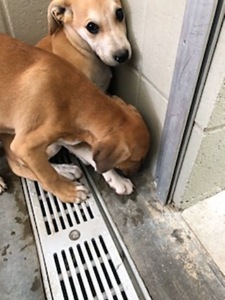
Two surrendered dogs are terrified when they first arrive and are housed in a Shelter kennel.

I am an optimist by heart, but my heart tells me that no animal deserves the kind of abuse or neglect that these animals have suffered. 

I knew that on Friday, two mother dogs, each with large litters of puppies, had been brought in after being abandoned. I hadn’t been at the shelter two hours on Monday before an animal control officer picked up four beautiful Retriever-mix pups found wandering in the street—two of those puppies’ ears had been hacked off before they were dumped on the street. They were shaking and cowering, afraid to be touched at first. But like all puppies, they responded quickly with a little kindness and soft touches.

A scared puppy dumped in a park like trash.

Dogs are so much more forgiving than people, aren’t they? 

Later in the day, a man surrendered five dogs to the shelter and informed the intake receptionist he was bringing in five more the next day! Our intake was full, so the staff had to ‘double up’ the kennels. One of the dogs was so scared, it could not stop vomiting while two younger ones huddled in a corner, shaking and terrified, trying to disappear. We gave them all a toy, a meal and lots of fresh water. Staff and volunteers tried to comfort them, calm them down, but there was only so much they could do before moving on to take care of all the other animals in the shelter.

While we were caring for those animals, three more dogs with four puppies were picked up at a local park where they had been dumped; all were hungry and thirsty and covered with fleas. Then, one of the animal control officers came rushing in with a lovely senior dog with a mangled leg. She had been hit by a car.

As if this day couldn’t get any worse, a brown Shepherd arrived with an injured leg and paws burned and raw from the hot pavement. He was covered with fleas and smelled of his own urine.  I brought him a soft bed, but all he wanted was to be held and comforted.

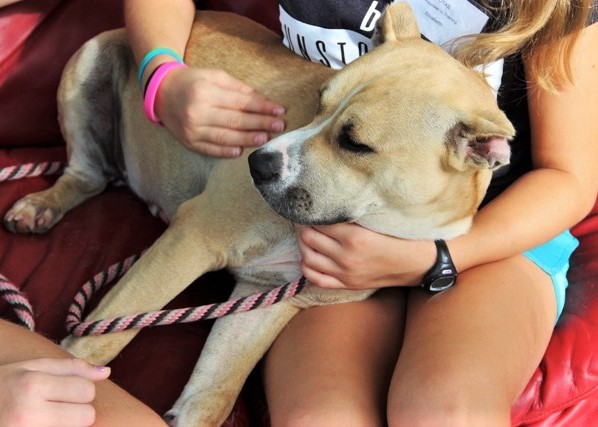
Shelter dog RYKER gets some love from young volunteers. He arrived with the top of his ears sheared off.

The list goes on and on: the sweet Lab with a broken paw; the big teddy bear-looking dog whose tail had been cut off; the adult dog with horribly chopped-off ears; scores of sick, tiny kittens with runny noses…

Unbelievable, and so unnecessary. These animals are victims of insensitive people who don’t fix or care for their pets and dump the responsibility for their care on the rest of us — the taxpayers.

Why is it important to foster a pet for a week? To donate time or money?  To adopt from the shelter?  Because these animals deserve it. They need you. We need you.

Their lives are in our hands.

– By Kathy Jacobs, FOTAS Programs Director


By the Numbers

July 1 to July 25: The Shelter received 434 strays and surrendered pets.