

Category Archives: 2018

Volunteering at the Animal Shelter: What’s in it for You?

Rain or shine, hot or cold, 24 hours a day, seven days a week, 365 days a year! In some way, shape or form, FOTAS volunteers are helping to find homes for the more than 5,000 animals taken in annually by the Aiken County Animal Shelter!
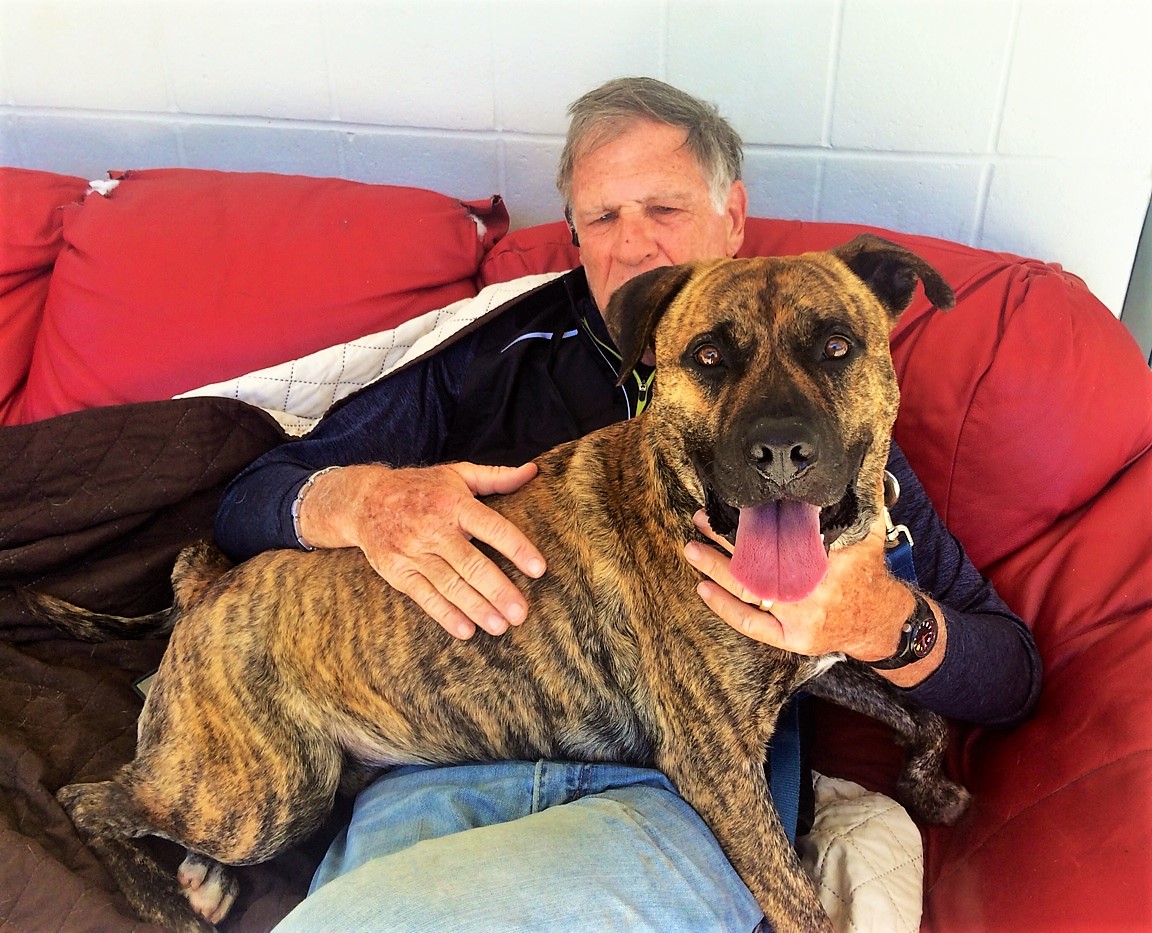
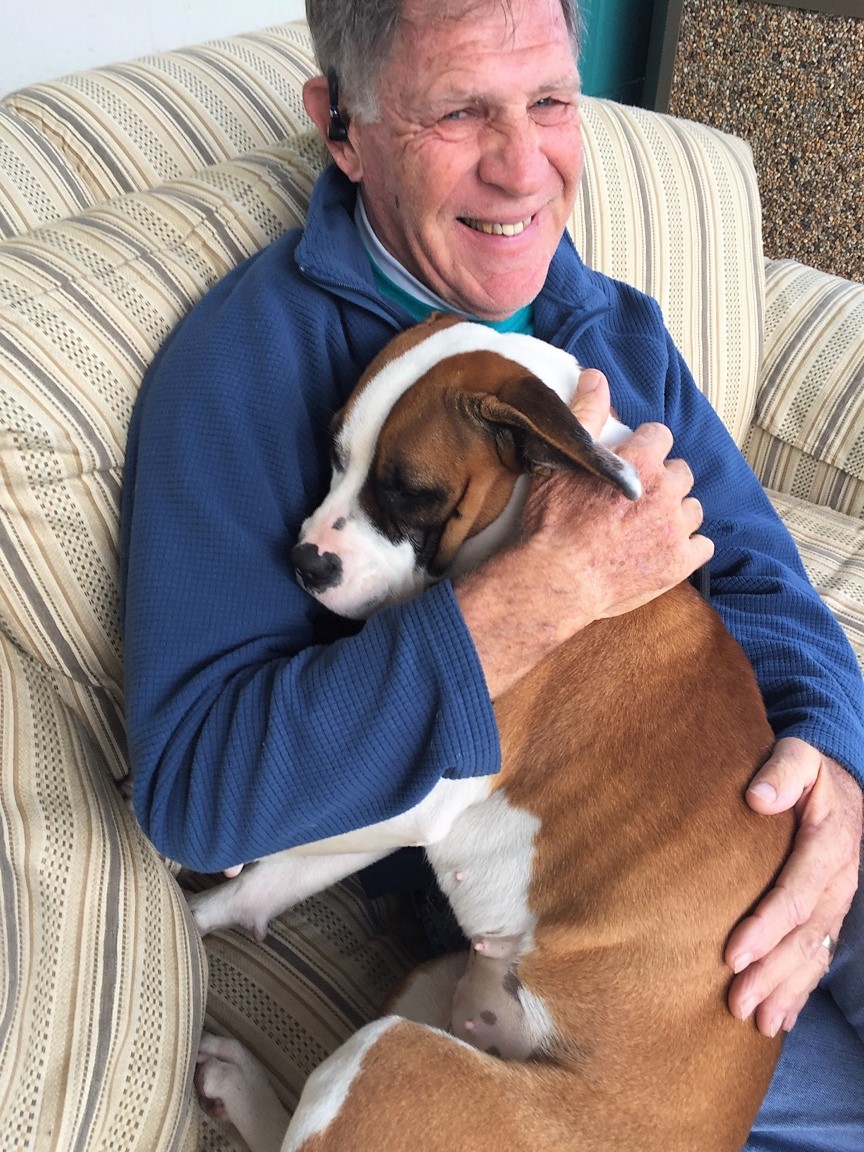
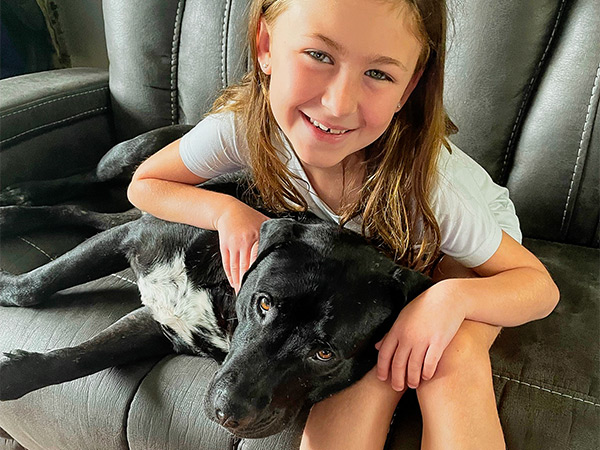
Volunteer John Berk socializes Kromer on the Shelter couch.

Let me count the ways you can help at this special place: fostering, walking, socializing animals, front desk reception, publicity, fundraising, assisting at special events, and much more. You’re never too old to sit quietly in the sunshine with a scared or lonely dog by your side, or too young to cuddle a kitten under the watchful eyes of a parent. Seeing a dog run, play and chase toys in the play yard often results in the transfer of that same energy, enthusiasm and sense of well-being to the humans watching.

Nanci Santos, a longtime volunteer, says, “Sitting with a dog on the couch, watching the cars go by gives us both a sense of peace and love – feelings that flow both ways.”

Always present and often our comedy relief, Volunteer John Berk loves to take pets for a doggy day out – walking in Hitchcock Woods, sipping coffee at his favorite downtown watering hole, or home for a weekend of up close and personal attention. An ex avid golfer John claims that, “Surely there is more joy in walking a dog than missing a three-foot putt!”

Dana Hollon, who is at the Shelter every Saturday, says “the animals’ antics make me happy; they make me laugh!”

Bill Carter, another dog walking volunteer, explains, “I know they relieve my stress and I like to think I relieve theirs.”

Front desk and lobby volunteers also find great satisfaction and challenge in helping visitors. These valuable folks greet everyone who walks through the door and match personalities — human, canine, and feline. Watching folks walk out the door and back to their car having adopted the perfect pet is so rewarding! My belief is that the pet finds you, not the reverse.
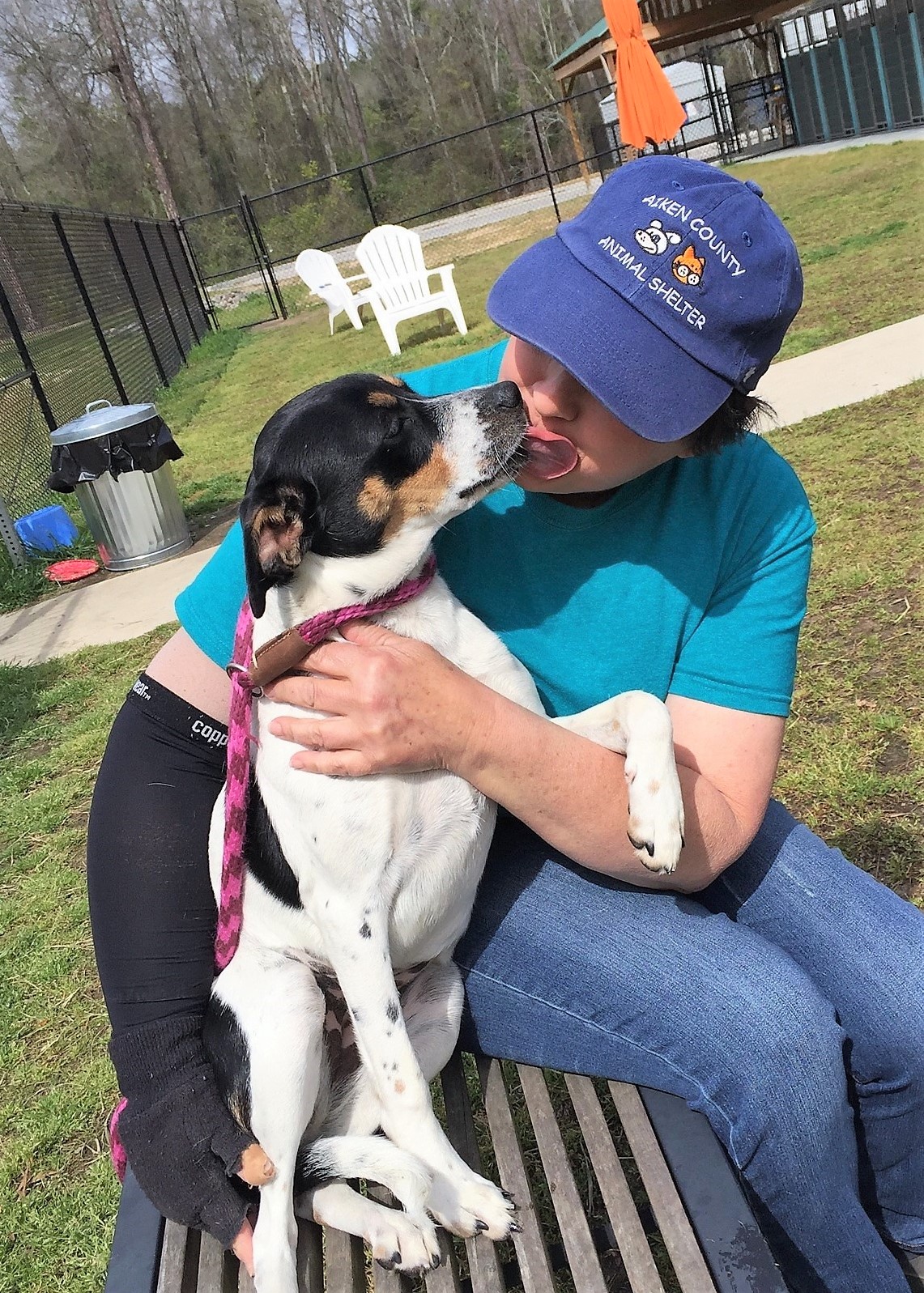
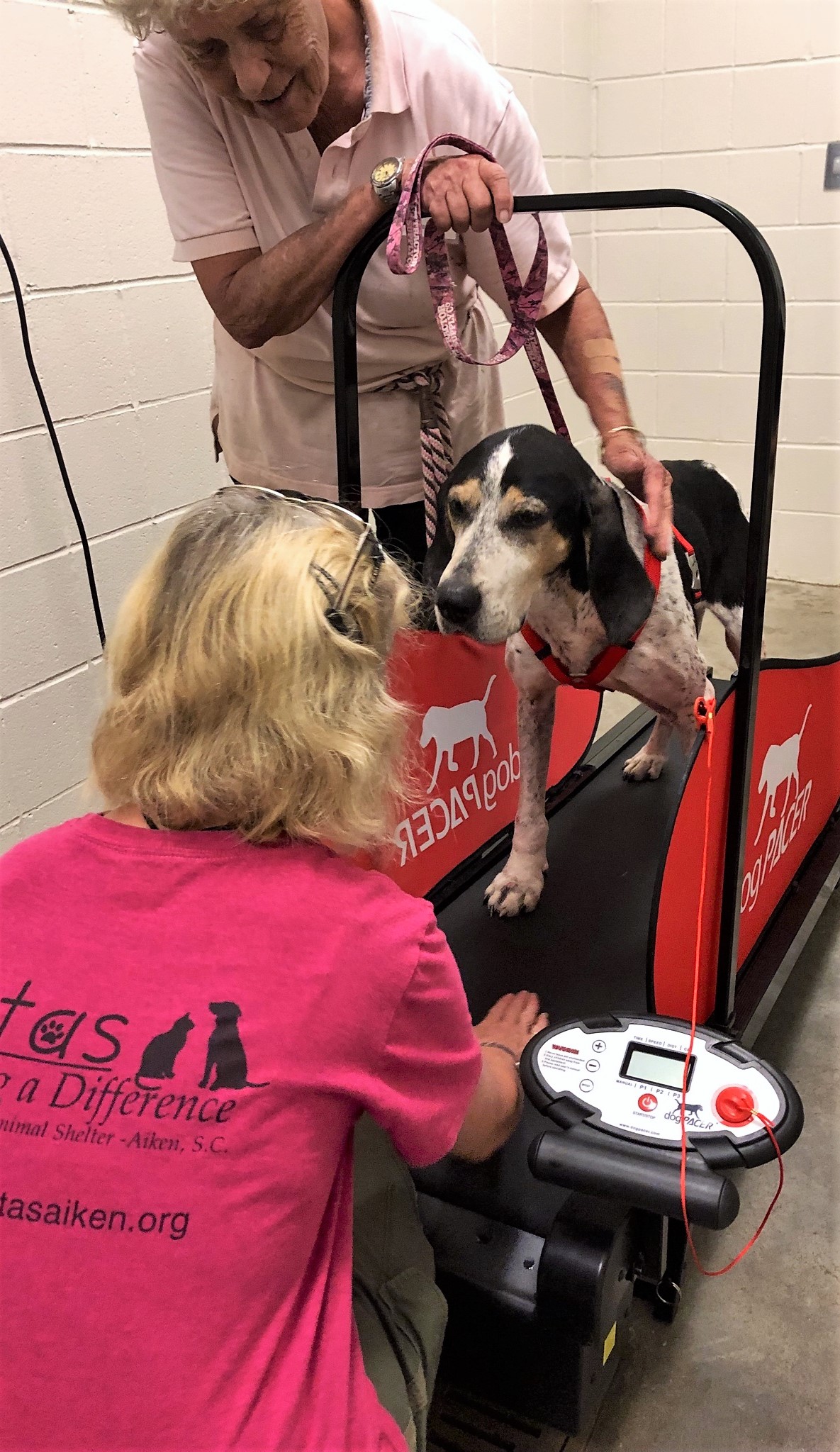
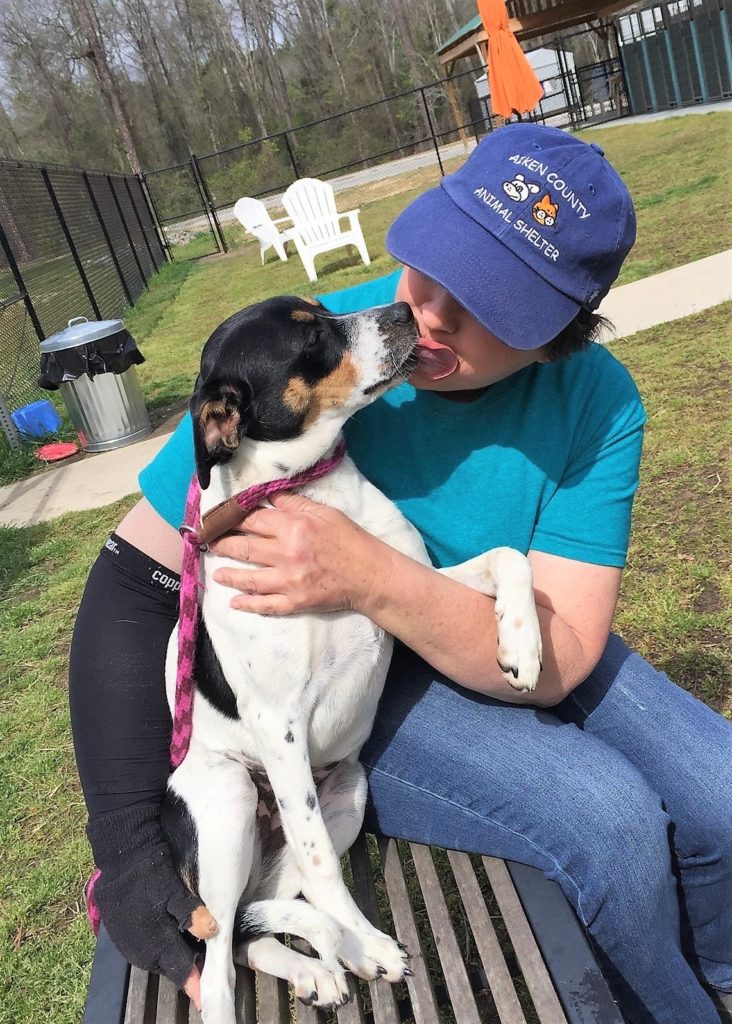
Volunteer Nanci Santos cuddles a Beagle mix after their long walk.

Major off-site fundraisers such as Woofstock and the FOTAS Playing Fore the Pets Annual Golf Tournament require months of behind the scenes preparation but result in community camaraderie, solidarity and raising funds. All of the donations go to the shelter animals who need spay/neutering, medical treatment, food and so much more.

If none of the above roles have your name on it, how about the simple enticement of happy people, smiling faces, teamwork, and the chance to meet and make new friends. Where else can you choose your own hours, be your own boss, and experience great job satisfaction?

So, consider volunteering at the Aiken County Animal Shelter among your New Year’s resolutions and come to 333 Wire Road or go online and fill out a FOTAS volunteer application. Orientation sessions are scheduled at convenient intervals and last about an hour and a half. After that, you’re good to go.

Welcome to the world of FOTAS volunteers – there’s a lot in it for you!


— By Jan Barker, FOTAS Volunteer Trainer


By the Numbers

Since October 1, the County Animal Shelter has taken in 1,125 strays and surrendered pets.


 Pets of the Week
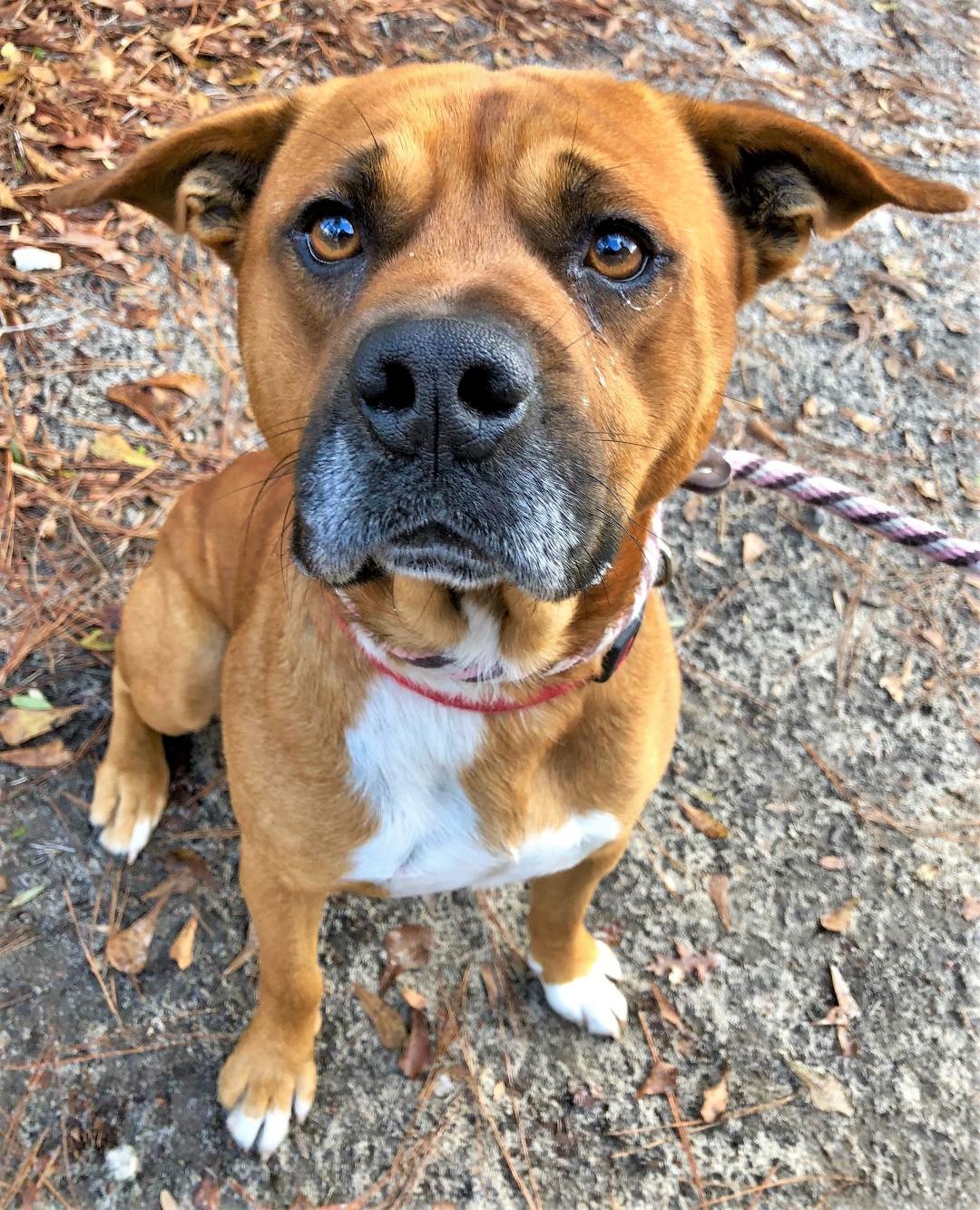
WYATT: Boxer mix, male, 3 years old, brown/rust, 53 pounds – $35
 

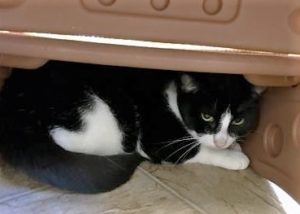
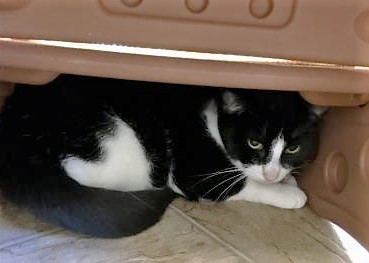
CEE CEE: Domestic Shorthair cat, female, 1-1/2 years old, black & white, 6.5 pounds – $10
 

The Christmas Spirit of Gratitude and Charity

The Christmas season is upon us. It’s a time of festivity, bright lights, family, goodwill, and faith. It’s also a time to count our blessings. As we at FOTAS look back over the past nine years, it’s also a time to reflect upon our profound gratitude for our friends and supporters in the Aiken community.

FOTAS Volunteer John Berk with Cleo, who was adopted to a good home this year.

We’ve come a long way together. With your help, we successfully lobbied the County Council to build a new shelter and partnered with the county to raise money to fund the architectural design and construction-ready plans.

Once the new shelter opened in early 2014, we recruited and trained an army of volunteers to work at the shelter, performing the equivalent of eight to 10 full-time jobs. We funded training programs for county personnel. We developed and funded exciting new programs with the county to increase adoption rates. We created a network of transfer partners in the northeast that take animals we can’t adopt locally, along with a system of foster care for dogs and cats who have been accepted for transfer or have special needs. We also supplement adoption fees for military personnel and veterans.

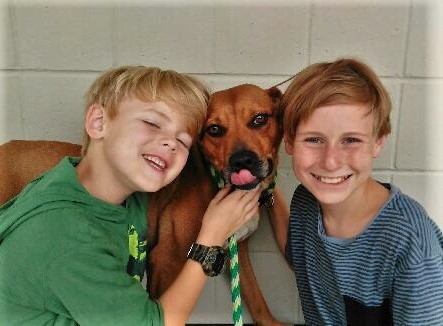
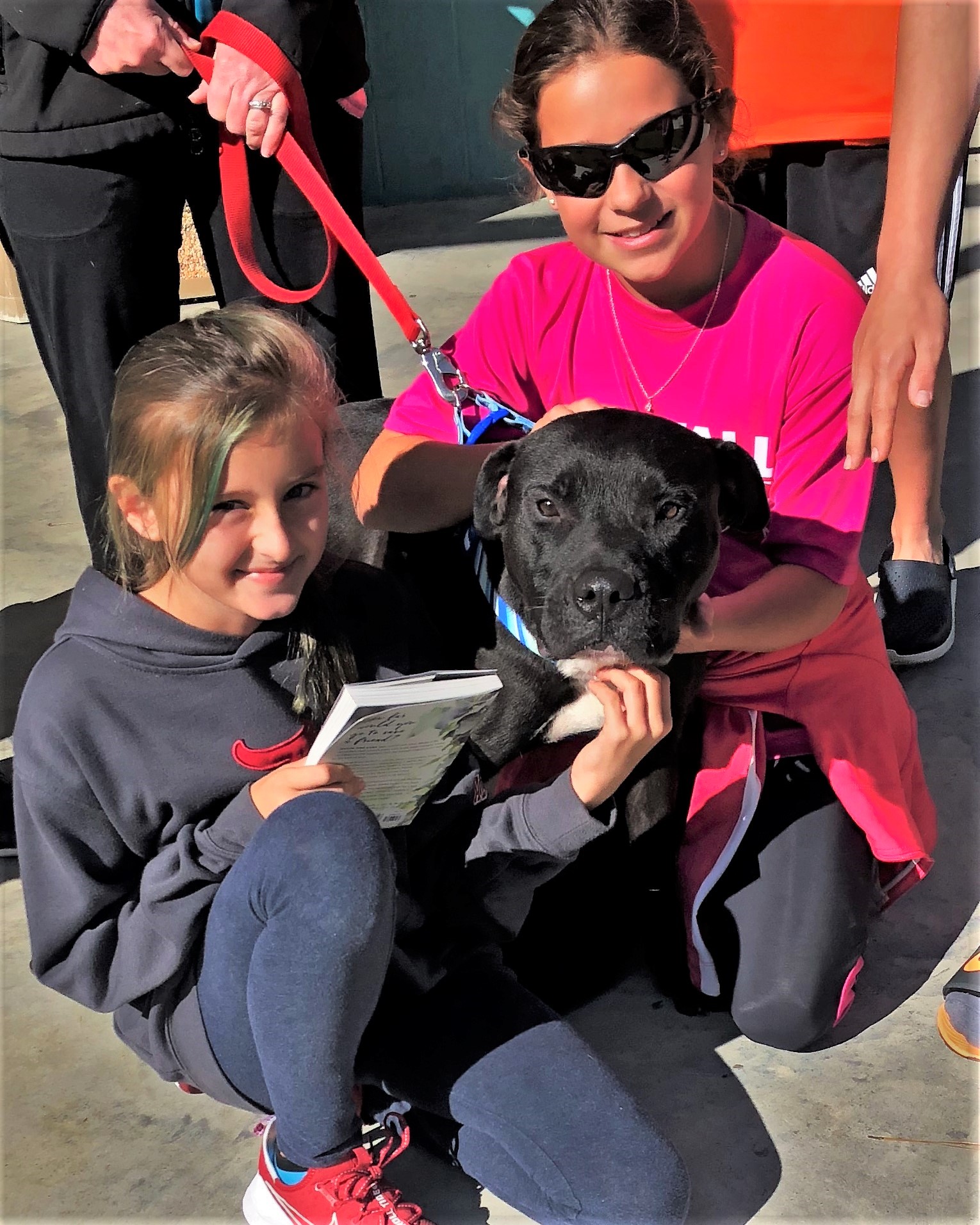
LUCY gets some lovin’ from young FOTAS volunteers.

We provided fencing to create exercise yards, bought a new van to move animals locally to outside adoption events, and installed a storage shed. We pay for toys, blankets, treats, flea and tick meds, cat condos, a doggie treadmill to rehabilitate and socialize dogs, and humane runners for folks who need to take their dogs off of chains.

We funded the construction of an isolation pod to separate shelter animals with temporary infectious diseases, as well as a host of necessary medical equipment and supplies. Through this assistance, we’ve made it possible for sick and injured animals to have a second chance. A total of 450 heartworm positive dogs have been saved through our funding. We also pay for outside veterinarian services when necessary.

FOTAS PetSmart Volunteer Twylia with feline Mabel.

Our funding has made it possible to attack overpopulation of pets at the source. Last year, the county and FOTAS paid for the spay/neuter of over 1,300 citizen-owned pets and 1,120 community feral/cats.

Has all this effort made a difference? You bet it has. In 2009, the old county shelter often took in more than 6,000 animals a year; only 5% made it out alive. This year, the shelter will have taken in 4,200 animals, and 90% were saved. Hands down, FOTAS and the county save more animals than any other rescue agencies in the country.

It couldn’t have happened without a lot of hard work, dedication, and support from you, the Aiken community.

Adopted dog HILDE in her forever home December 2018.

We and Aiken’s homeless animals are blessed to have your support.

But there is still so much to do. In the last two months, a whopping 1,000 animals were surrendered to the shelter. Please consider an end-of-the-year donation to FOTAS, either by mail to FOTAS, PO Box 2207, Aiken SC 29802 or online at FOTASAiken.org.

By the way, since FOTAS was recognized by South Carolina as one of the 10 most efficient and effective charity “Angels” in the state, you can be certain that your hard-earned dollars are spent on our mission.

Thank you and God bless your family this Christmas season.

Their lives are in our hands.


— By Joanna D. Samson, FOTAS Vice-President


By the Numbers
Since October 1, the County Animal Shelter has taken in well over 1,000 strays and surrendered pets. Please spay/neuter your dogs and cats.
 
Pets of the Week
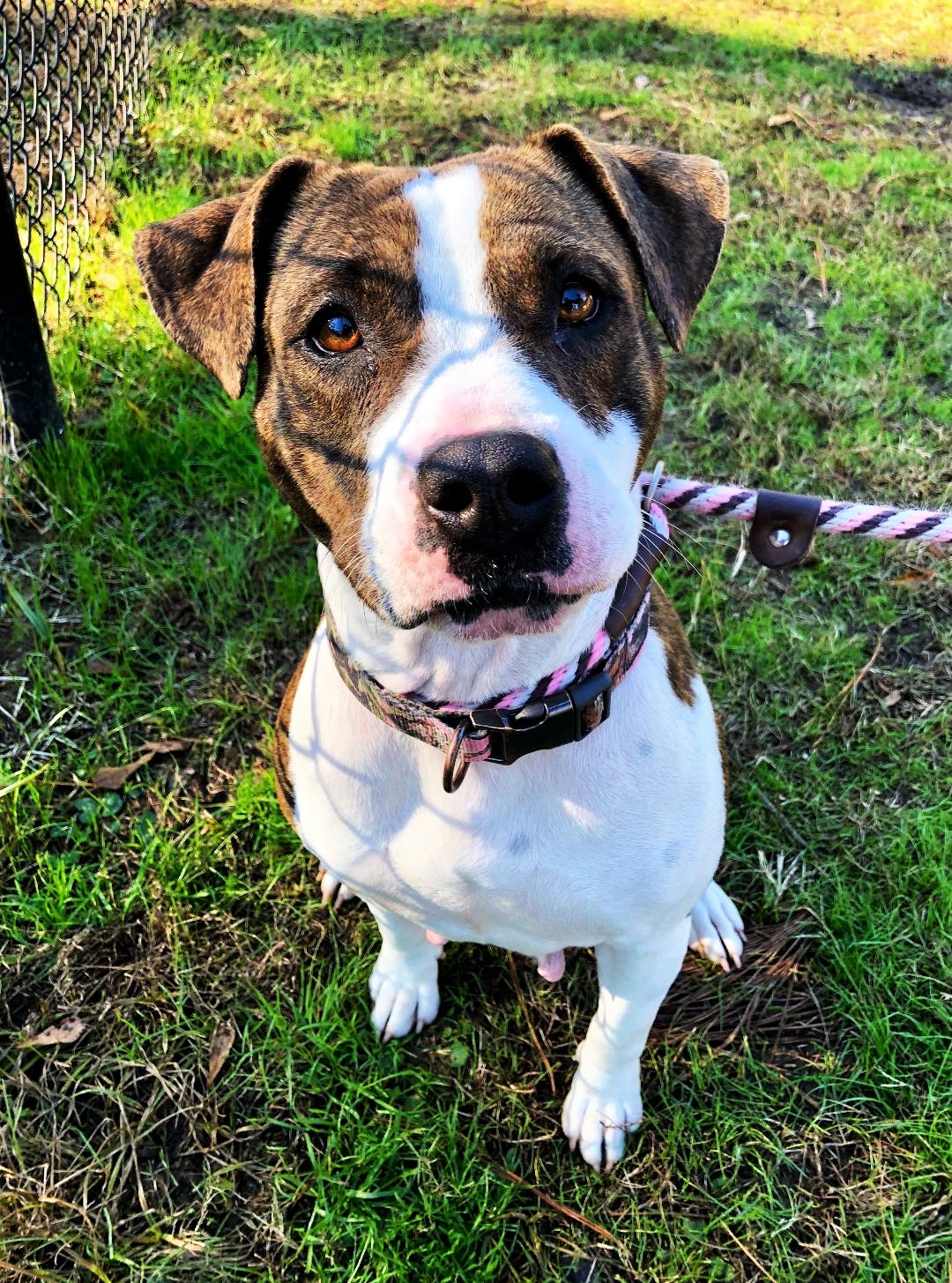
ANGIE: Retriever mix, female, 3 years old, brindle and white, 50 pounds – $35


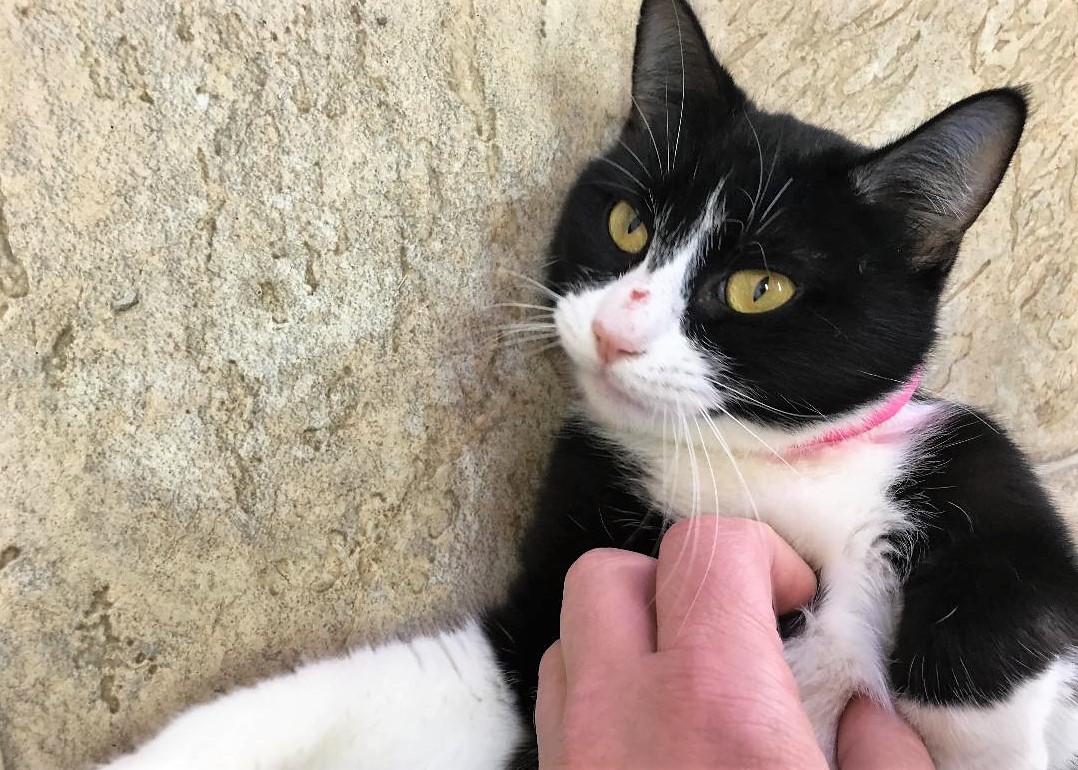
BEE BEE: Domestic Shorthair cat, female, 1-1/2 years old, black and white, 6.5 pounds – $10
Surrendered Pets Desperately Want to Be Home for Christmas

With more than 1,000 strays and surrendered pets arriving at the shelter over the last two and a half months, there are going to be adoptable animals who get lost in the crowd and take longer to find their forever homes.

Zeus is an amazing athlete and loves to play fetch.

But here are three hidden gems who will make wonderful companions for you and your family. All of these dogs were surrendered by owners facing dark times. These people gave up their dogs for such reasons as financial loss and personal health issues. One owner had to move into special care housing that prohibits pets.

Hoppy has a lot of energy and is very affectionate!

Difficult situations all – but ones these dogs don’t understand. All they know is that they were at home, loved and happy – and then suddenly a car ride turned into a nightmare when they were left in an animal shelter with strangers.

If you’re looking to add a dog to your home, please take a look at these adoptable candidates. They have already proven to be terrific pets. Now, they just want a second chance at a good life with another person or family.

Hoppy: This 5-year-old Boston Terrier mix is happiest when he’s running and playing, but also will sit patiently while you stroke him under his chin and behind his ears. Hoppy tends to jump a lot when he’s on a leash, so he’s not the ideal dog for a family with young children. But he’s a terrific pet for people who are active and want a dog to match their lifestyle. Hoppy is available to an approved home for no charge – his adoption fee has been paid for by FOTAS.

Theia’s adoption fee has been sponsored and paid for by Coldwell Banker Realtor Erika Ramsey.

Theia: When you visit Theia, you’re likely to see her with a Nylabone in her mouth. She picks it up and shows it off to anyone who stops by her kennel. This gorgeous Pibble is 2 years old and 57 pounds. She loves people but doesn’t like to share, so she must be the only dog you own. If you can provide her with a loving home, Theia’s adoption fee will be waived. She’s been sponsored by a FOTAS donor.

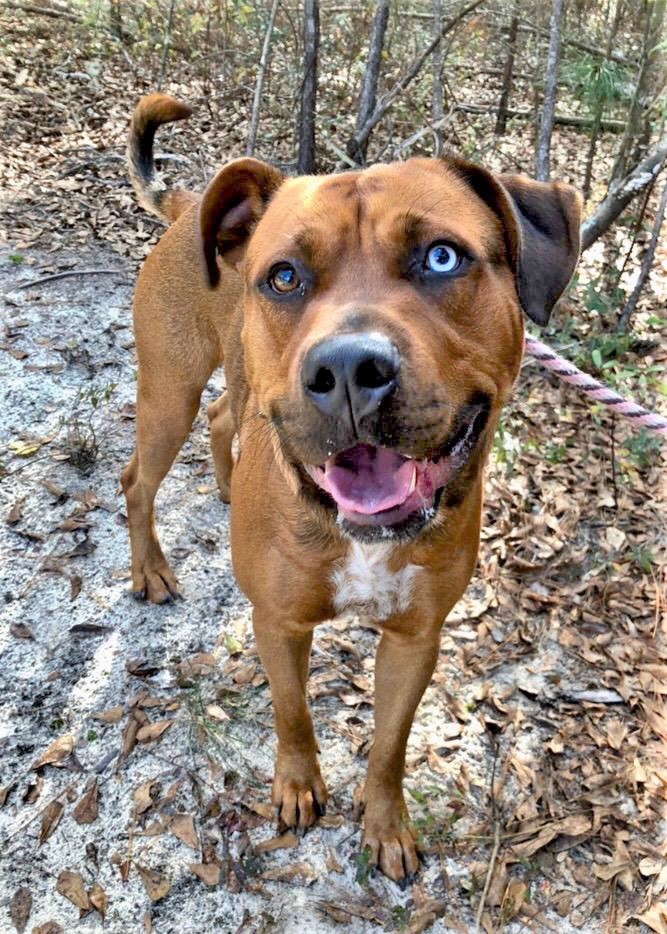
Zeus: Such a regal dog! Zeus is a Rottweiler/Boxer mix with magnetic eyes – one light and one dark. He’s 1-1/2 years old and 83 pounds. One of the most athletic dogs ever to grace the shelter, Zeus needs a home with a fenced-in yard that will allow him to run and play. He’s very smart and will make a great companion for the right home. Zeus is available for $0 – his adoption fee has been paid for by a generous FOTAS sponsor.

Stop by and see these wonderful dogs and the many other animals who need homes. The County Animal Shelter is located at 333 Wire Road in Aiken. You can also call the Shelter at (803) 642-1537 and speak to a staff member or volunteer. They’d be happy to answer any questions and help you find a pet!

Their lives are in our hands.

— By Bob Gordon, FOTAS Communications Director

Reunited by a Microchip — Eight Years Later!

This is a story with a happy ending, one that spans eight years, six states, and a dog named Beanie.

In 2010, the Wilson* family found a hungry and scared shepherd puppy on the side of the road. They took her home, fed her, and cleaned her up. They actively searched for her owners, but no one claimed her. After some time had passed, they named her Beanie, took her to the vet, had her vaccinated and microchipped, and found her a home with a couple who lived up north.

This past October, Kate Wilson, who now lives in Delaware with her family, was contacted by the Aiken County Animal Shelter. Beanie had been picked up as a stray by animal control officers, who found the Wilson’s contact information through their original microchip registration.

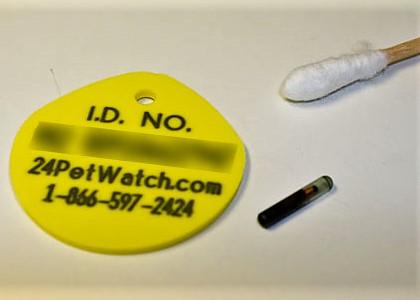
A microchip is only the size of a grain of rice but it can be the lifeline to your pet.

The Wilsons were stunned. How could this have happened? Certain that Beanie was just lost and not abandoned, they searched for the family who had adopted her, but the contact numbers from eight years before were disconnected. Then they posted Beanie’s information on “lost pet” sites all over social media, but by the end of the shelter’s mandatory “stray” hold period, no one had claimed her.

In the meantime, the Wilson family couldn’t stop thinking about Beanie. The decision to rehome her eight years before had been a hard one. At the time, they already had family pets as well as another stray puppy they were trying to place, so when they found Beanie what they thought was the perfect home, they reluctantly let her go, but they never forgot about her.

I spoke and texted with Kate often during the week Beanie was held at the shelter. Both Kate and her husband had come to see the hand of God in this unexpected reappearance of Beanie in their life, and they made the decision to bring her home—so long as she was kid-friendly and could get along with their other two dogs. We tested Beanie at the shelter with both children and other dogs and she passed with flying colors—the sweetest dog ever! We arranged for Beanie to catch a ride north with one of our transfers, and Kate met the truck on the side of the road at 3 a.m. to pick her up and take her home.

The reunion was magic. Beanie was happy to see Kate and her husband, and she bonded immediately with the children and the two dogs. She even sleeps with their little pug, who can be prickly with other dogs. “It’s like she’s always been here,” says Kate, “part of the family—like she never left.”

Beanie’s microchip helped her find a forever home and two canine BFFs.

Meant to be? Hand of God? Works for me.

There are so many lessons to be learned from this story, but here’s the most important: microchips are an inexpensive, effective way to keep your pet safe when the worst happens and they get lost—all you have to do is keep your microchip contact information current. Microchips can be inserted quickly and painlessly by your vet or a local clinic.

Beanie was lucky; her microchip got her home. Will your pet be that lucky?

Their lives are in our hands.

*Name changed at the family’s request.

— by Kathy Jacobs, FOTAS Program Director


By the Numbers

Over the last two months (Oct 1 to Dec. 5), the County Animal Shelter has taken in 927 strays and surrendered pets! Please spay/neuter your dogs and cats.


Pets of the Week

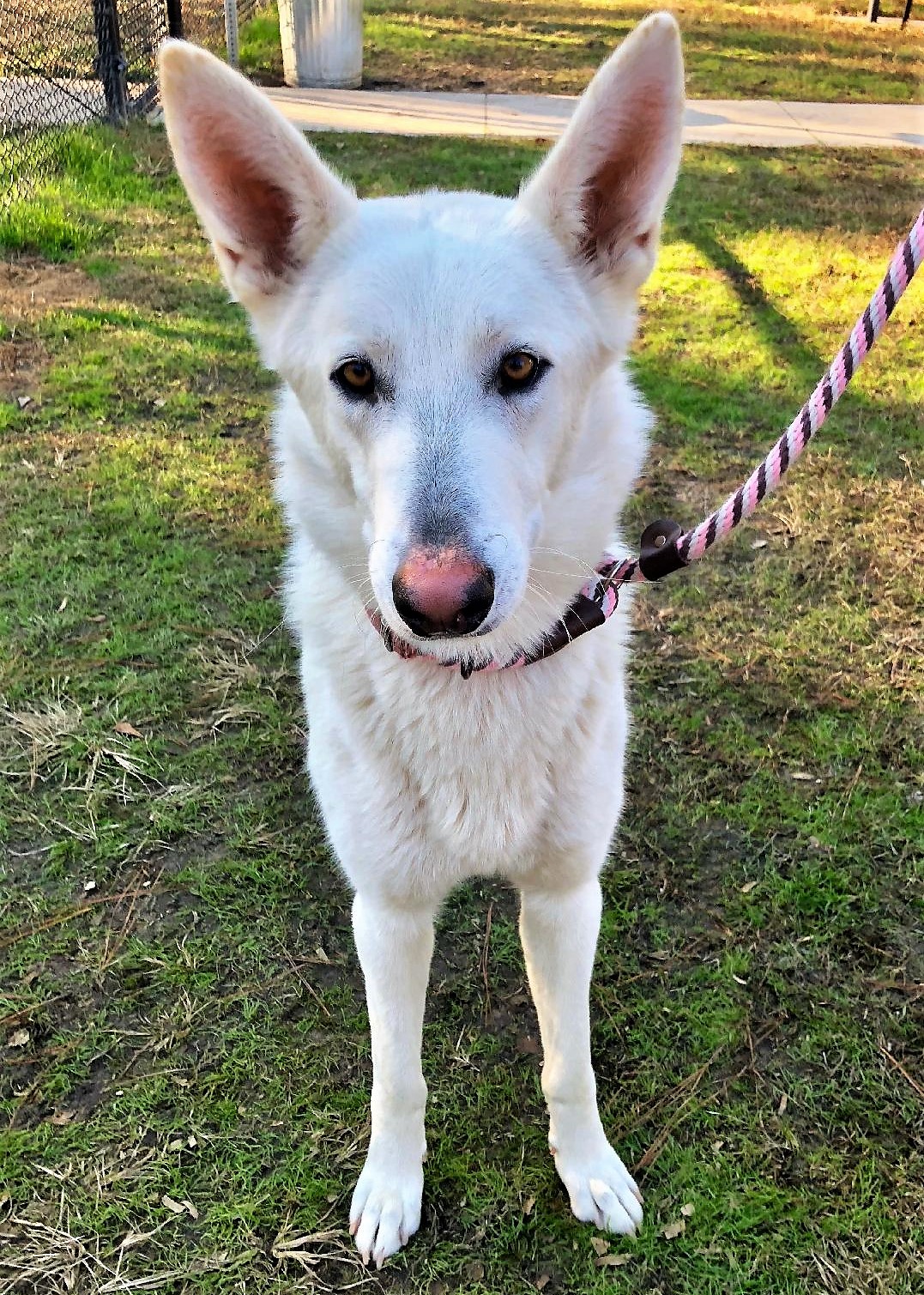
JACKS: Shepherd mix, male, 2 years old, white, 80 pounds – $35


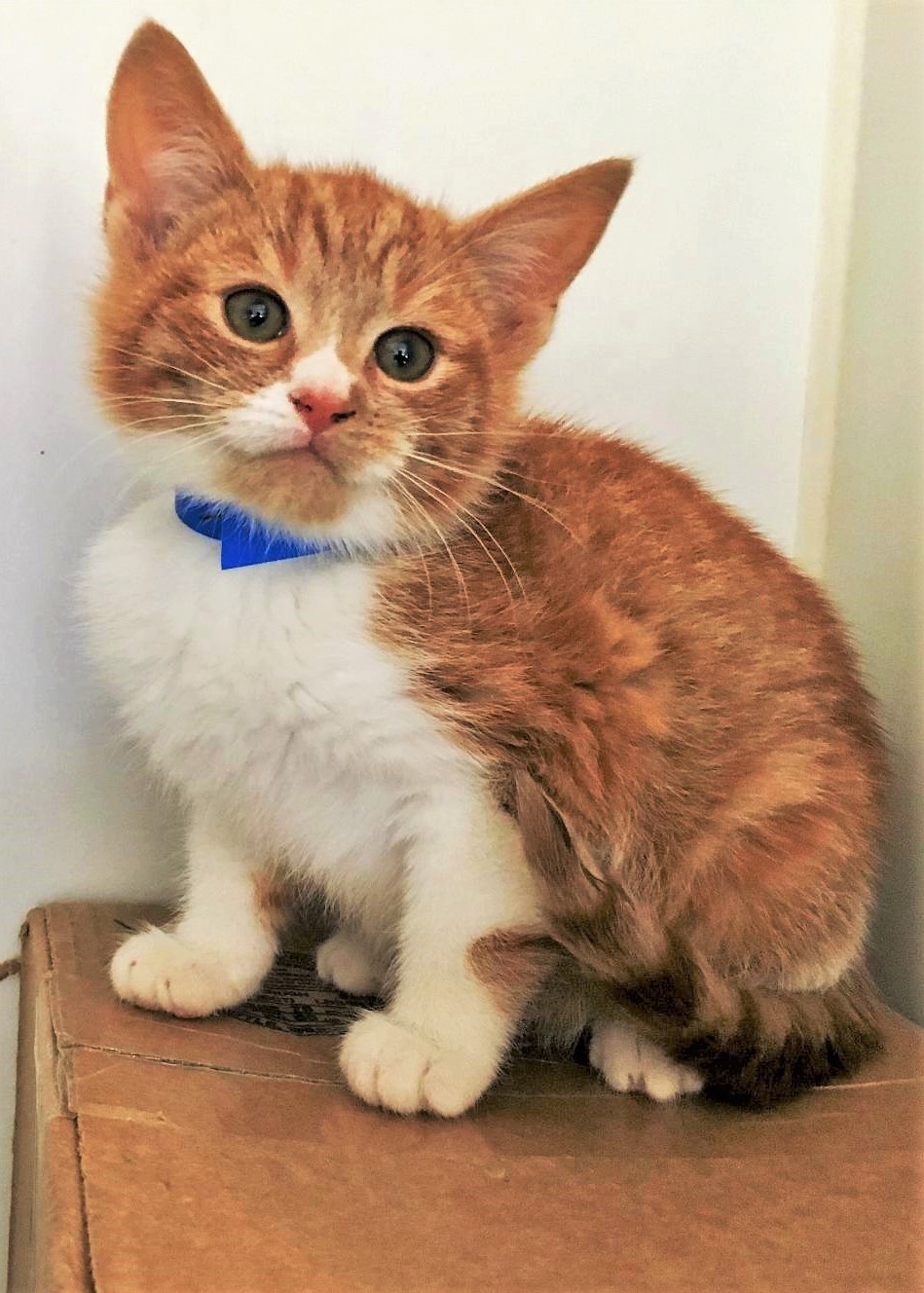
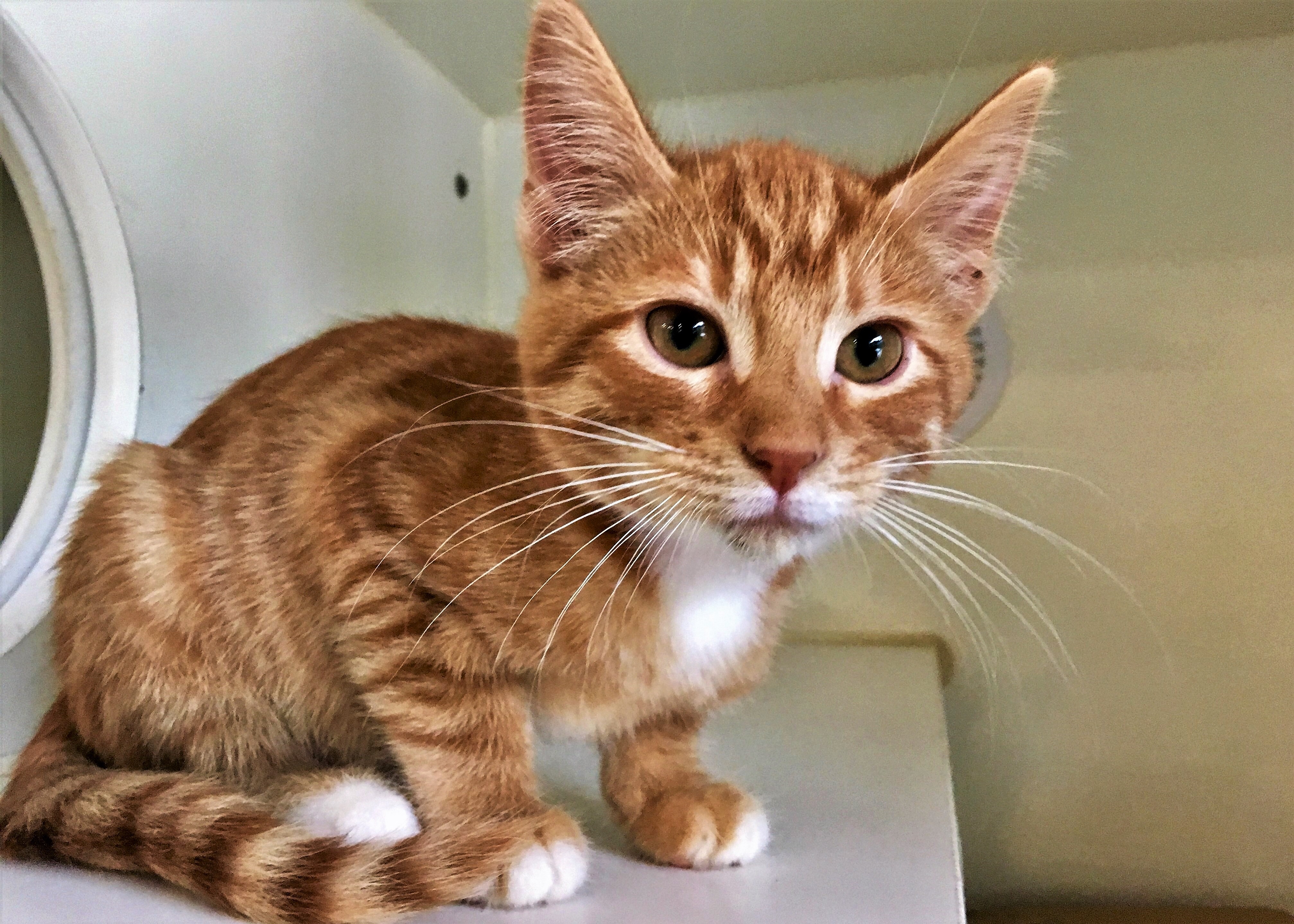
FROST: Domestic Shorthair kitten, male, 2 months old, orange and white Tabby, 1.7 pounds – $10


The County Shelter’s Community Cat Program Works!

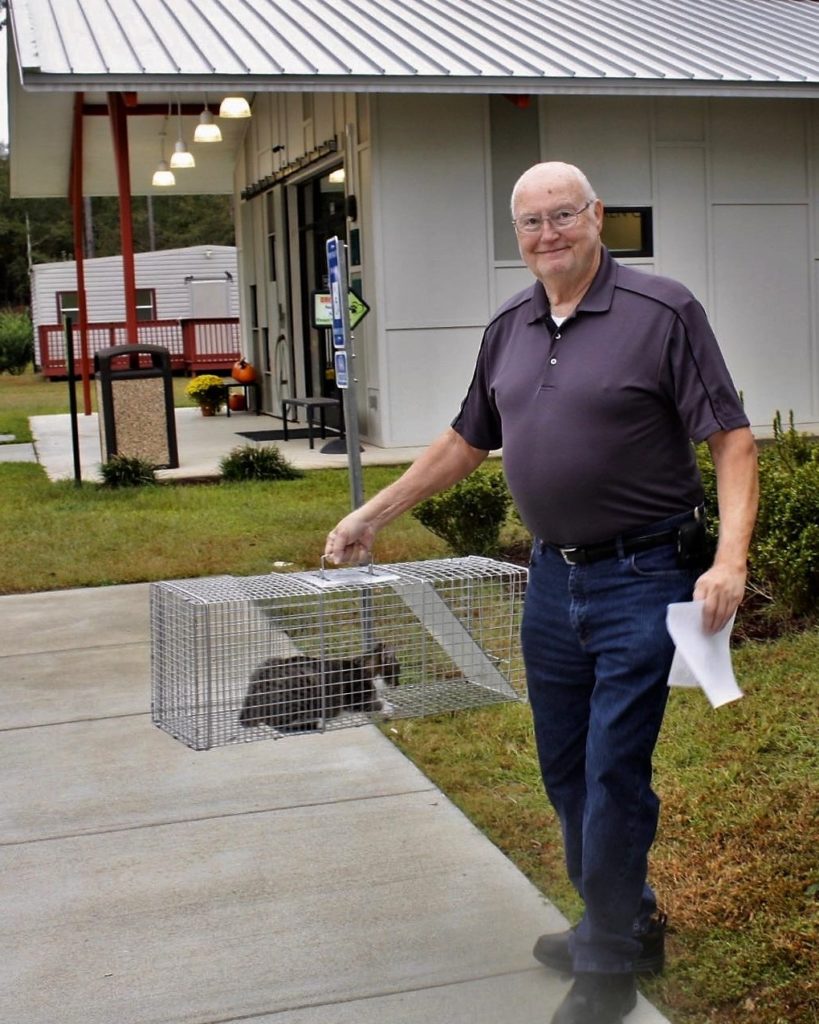
In 2016, Aiken County passed a resolution to implement a return-to-field program at the Aiken County Animal Shelter. Community cat diversion programs (or TNR — trap/neuter/return-to-field) like the county’s program have been hugely successful all over the country. TNR programs are a humane way to reduce overpopulation of homeless cats in the community and public animal shelters like the county shelter. Here’s how it works: citizens trap a feral cat living in their neighborhood (FOTAS provides the traps, if necessary) and bring the cat to the shelter or to a veterinarian designated by the shelter. The cat is neutered and vaccinated at no cost to the citizen, who later returns the cat to the
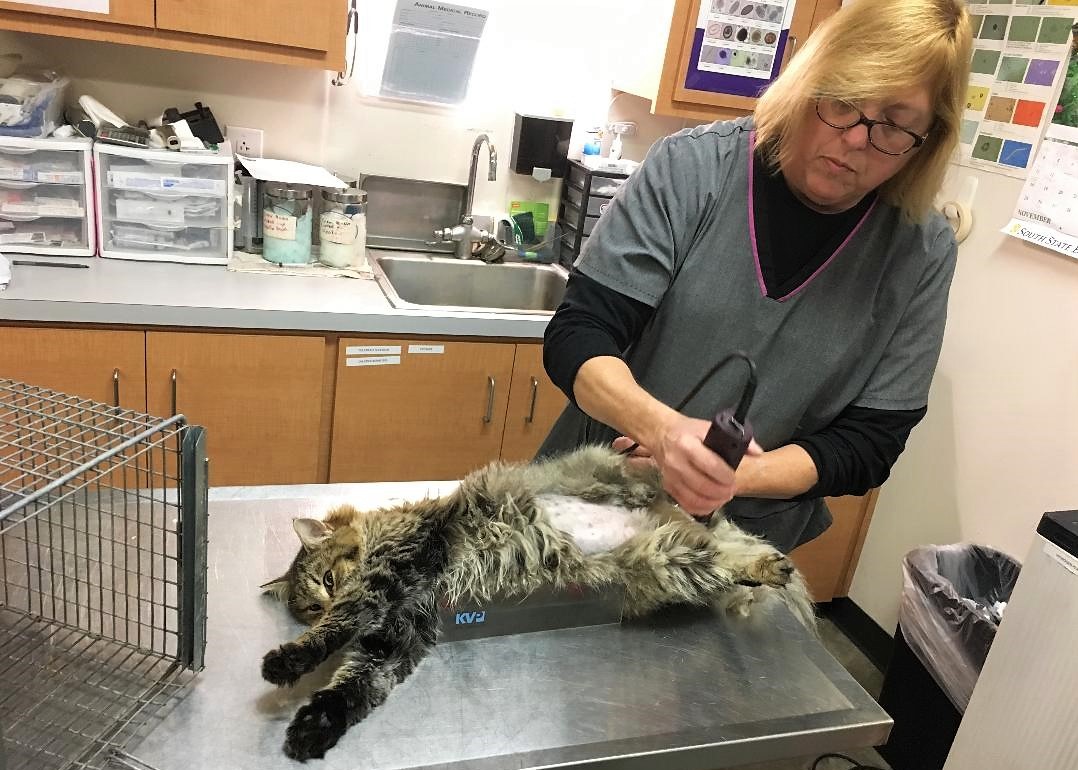
Vet Assistant Lyn Irilli prepares a TNR cat for surgery.
neighborhood. Thus, with help from the local community, the overpopulation of feral cats is reduced. It’s a win-win situation. Why does it work? Because cat colonies that have been sterilized and cannot reproduce do not grow, and since outdoor cats do not live more than two to three years, the cat colonies eventually disappear. The majority of cats received at the county shelter are outdoor cats, so the TNR program reduces the shelter’s intake of cats and reduces the feline euthanasia rate.
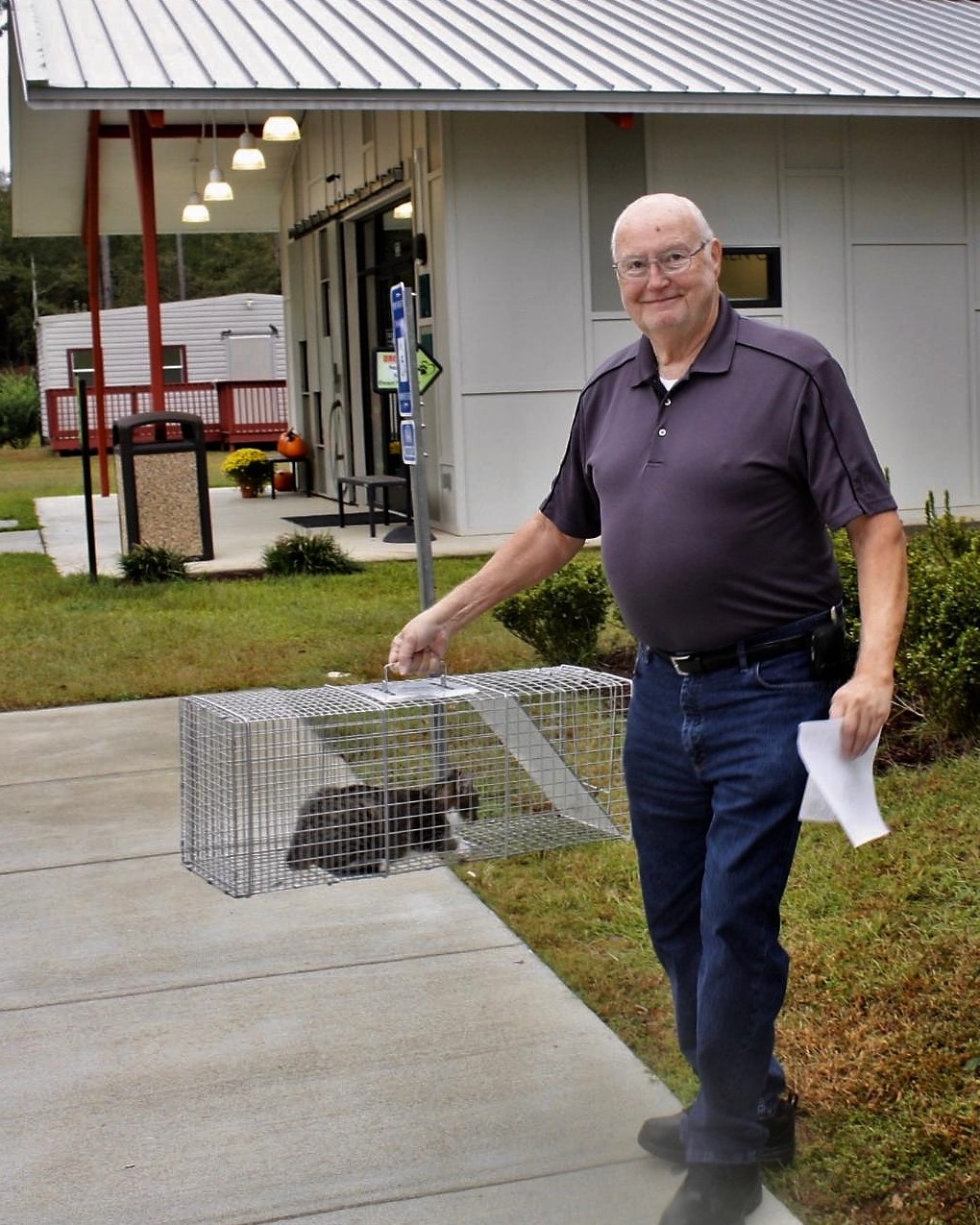
Raymond Hastings takes care of a community cat that has just been spayed at the County Shelter.
In 2016, the year in which the county’s TNR program was approved, the shelter had to euthanize 75% of the cats. One year later, in 2017, the shelter’s euthanasia rate for cats had dropped by two-thirds to 21%. And so far in the first nine months of this year, only 6% of the cats at the shelter had to be euthanized. The county’s TNR program is working! Thousands of cats have been saved in fewer than three years; FOTAS works with the shelter to provide free TNR services to Aiken County residents. In addition, FOTAS has purchased scores of traps to lend to citizens who wish to trap and neuter their community cats and return them to their original colonies. There are so many people who have contributed to the success of the TNR program: • The Aiken County Council and Administration for their continued support for the County’s TNR program. • The shelter staff, Dr. Lisa Levy, and Dr. Mike Wells who work so diligently in-house to alter, vaccinate and ear-tip the thousands of community cats received at the shelter (over 1,100 cats in 2017 alone were saved instead of euthanized). • Our veterinarian partners—Veterinary Services, Aiken Animal Hospital, Aiken Veterinary Clinic, Silver Bluff Animal Hospital—who discount their services to support the TNR program. • Aiken County Animal Control officers who respond to citizen requests for assistance with the feral cats in their neighborhood. • FOTAS volunteers Paula Neuroth and Carl Miller who coordinate and assist in facilitating the TNR program. • Our donors who make it possible for FOTAS to supplement the county’s program and provide additional funding for community TNR cats surgeries. • And of course, our community who cares enough to support this humane and highly effective program. There is still so much to do. The shelter is currently receiving hundreds of homeless kittens. But working together, we can wipe out the county’s feral cat overpopulation and unnecessary euthanasia of cats. For more information, please call the shelter 803-642 1537. Their lives are in our hands.

— By Jennifer Miller, President of FOTAS


By the Numbers From Nov. 1 to Nov. 28, the County Shelter received 344 strays and surrendered pets.


Pets of the Week

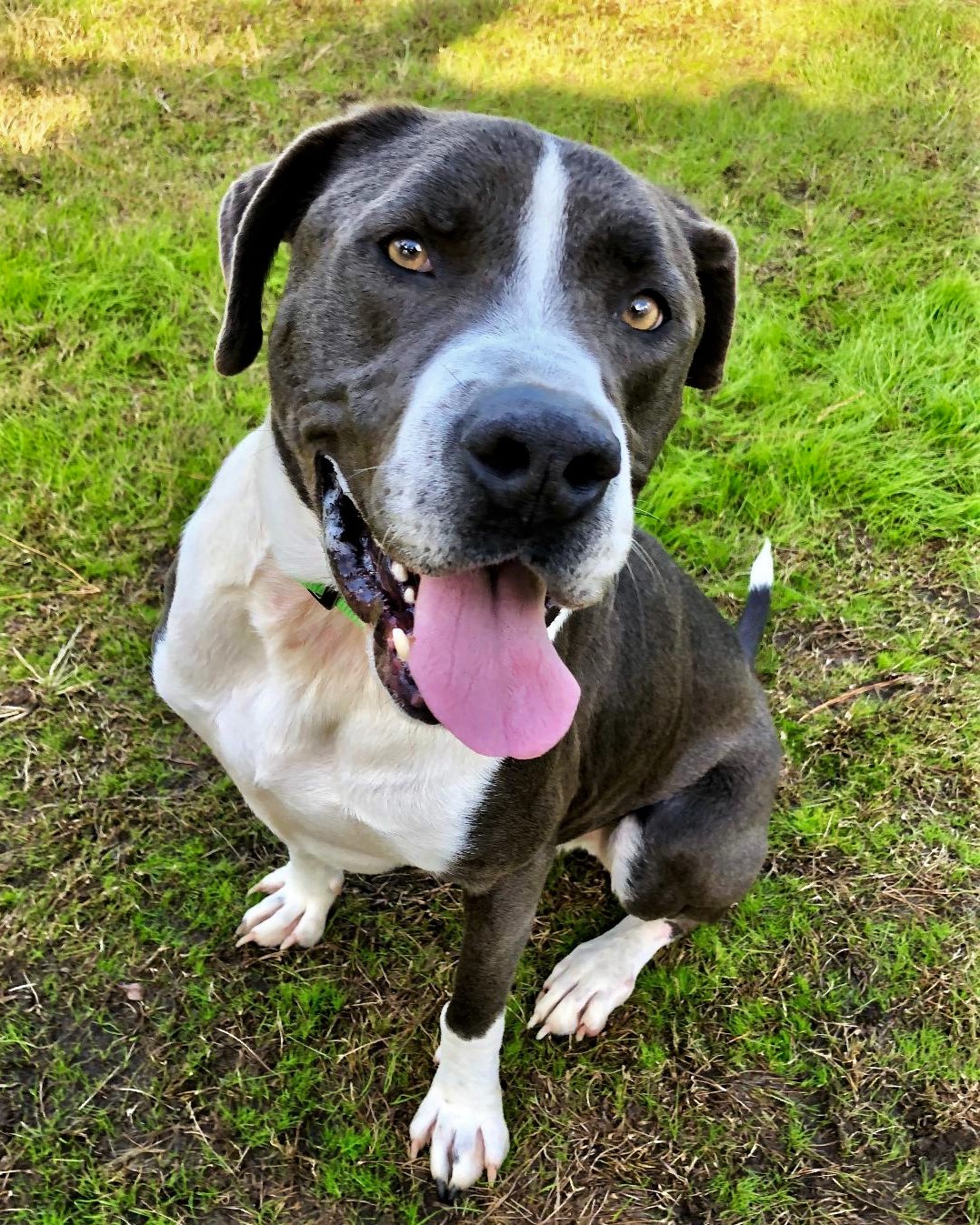
PLUTO Retriever mix, male, 3 years old, gray & white, 77 pounds – $35


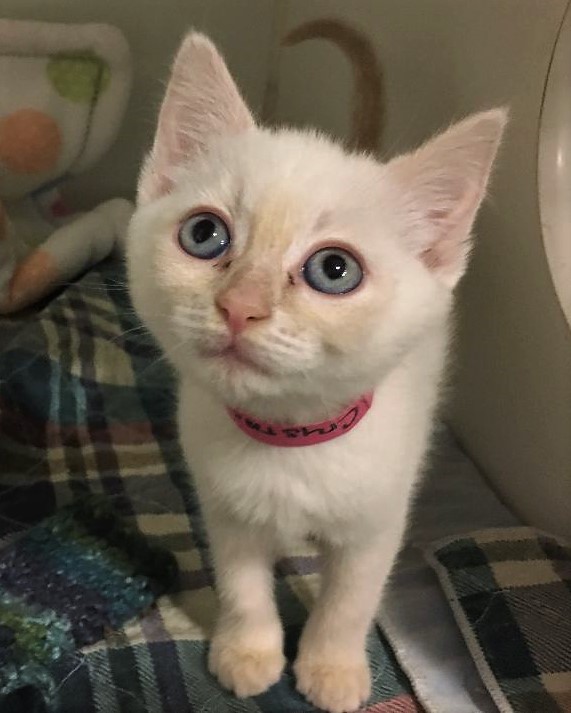
CRYSTAL Domestic Shorthair Siamese mix, female, 2 months old, white, 2 pounds – $10

Giving Thanks at the Aiken County Animal Shelter

Thanksgiving is a time of reflection for those of us at FOTAS — a time to take stock of our blessings; to consider the remarkable progress we and the County have made in making the world a better place for Aiken County’s homeless, abandoned and abused animals; and in particular, to celebrate the many people who have contributed to our success and made this journey so meaningful.

Thanks to our committed partner, Aiken County, for making it possible to save the lives of thousands of homeless animals in the County.

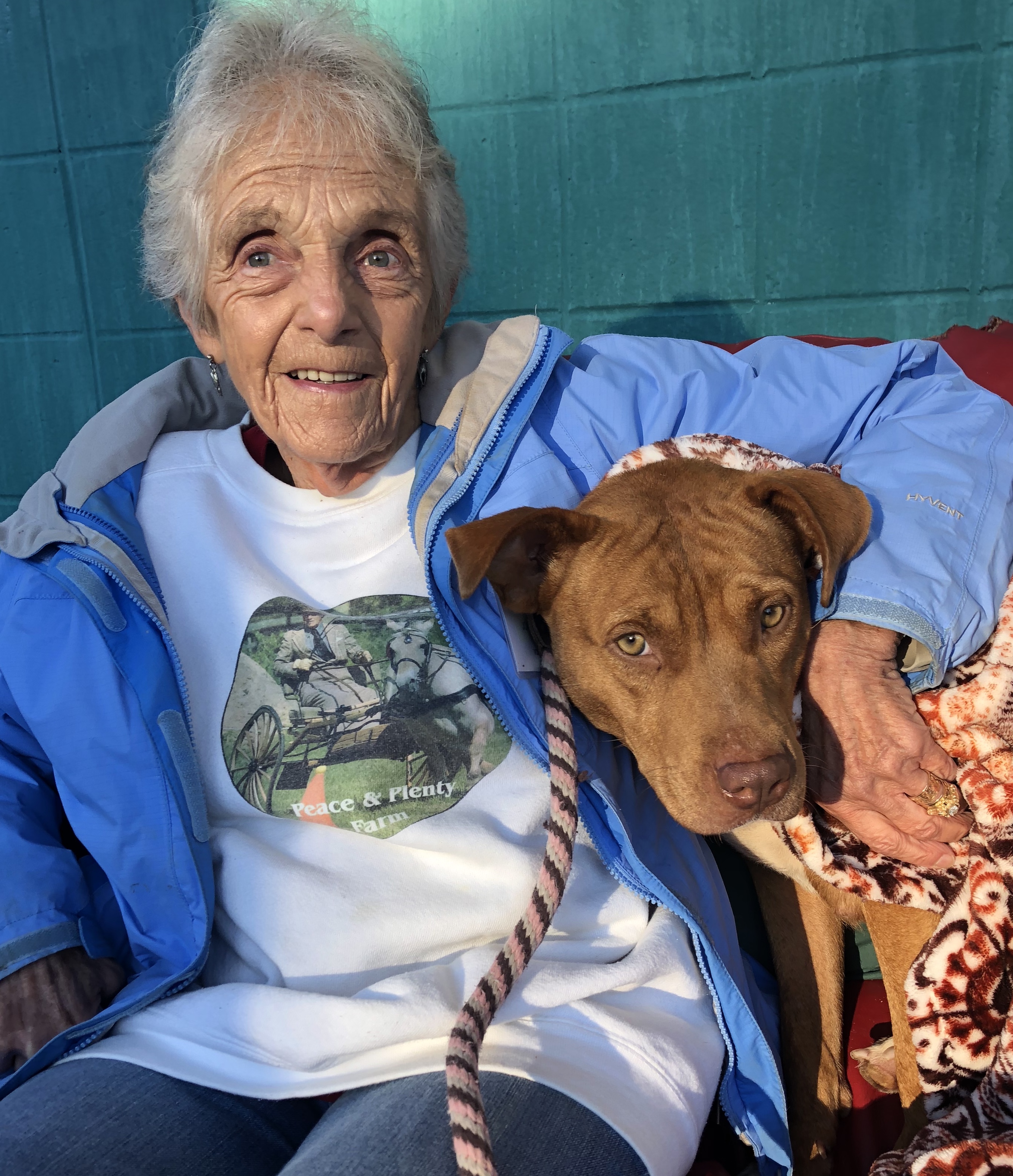
Volunteer Joanne Goble with recently adopted Retriever mix GLENDA

Thanks to Paige Bayne, the County’s Enforcement and Animal Services Director, Bobby Arthurs, the Shelter Manager and Chief Animal Control Officer, Dr. Lisa Levy, the Shelter’s veterinarian, and all the Shelter staff for their dedication to increasing the opportunities for each adoptable animal to find a forever home.

Thanks to the army of volunteers who make the work of FOTAS possible—everything from manning the front desk, walking and training dogs, managing canine play groups, working special events and fundraisers, fostering dogs, organizing transfers, manning off-site adoption events, working on publicity and social media, to financial records and bookkeeping.

Finally, thanks to you, the Aiken Community, for your extraordinary generosity and support. You have made it possible for FOTAS to help the County provide the best possible care for shelter animals and to find them forever homes. As a result of all our collective efforts, FOTAS was one of ten recipients out of thirty-three thousand charities in South Carolina recognized by the secretary of state as an “angel” charity for its effective and efficient service in the community.

That’s a very big deal.

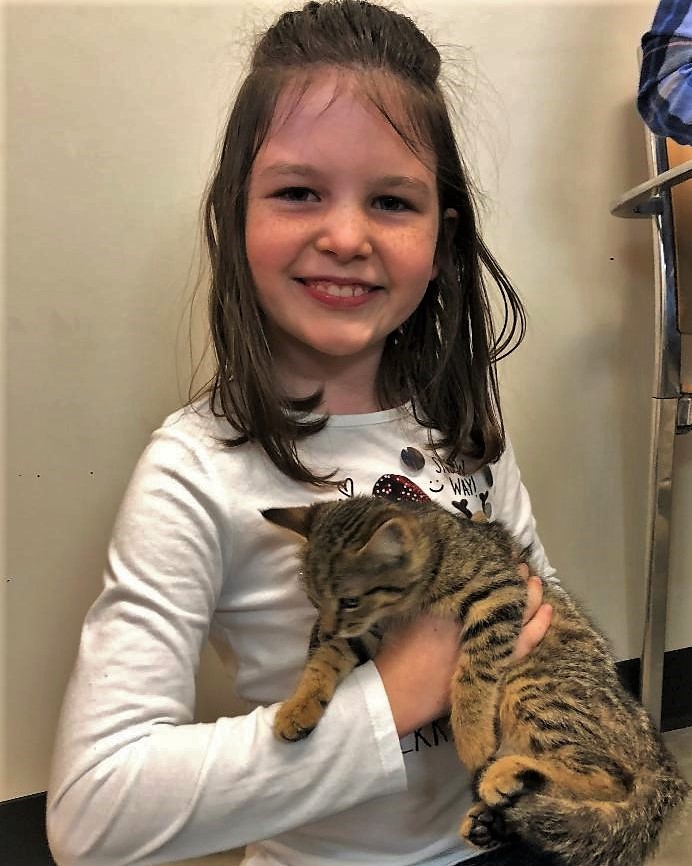
Abby Grant, who won the Adopt a Shelter Pet Coloring Contest in the Aiken Standard, plays with a kitten at the shelter.

But there’s still so much to do. Intake at the shelter has exploded— in the last six weeks over 700 animals were surrendered to the shelter. The strain on the system, our resources, volunteers, and staff is huge, and eventually the system will not be able to keep up. It just can’t.

The answer to reducing these extraordinary intake numbers is to reduce the homeless population by fixing every pet. Adopting a pet into the family requires commitment and responsibility for shelter, food, and medical care for the pet’s entire life.

Sure, sometimes awful things happen to good people and they are forced to do the unthinkable and give up a beloved pet, but surrendering an animal to a public shelter must be the very last resort. We are pleading with folks to network with their friends and family, use social media, do everything they can to rehome their pet into a safe and healthy situation. No matter how good FOTAS and the county shelter are, a pet surrendered to the shelter is at risk because there are just so many animals that can be absorbed into an already pet-saturated community at any given time.

Please join us in our fight to reduce the homeless population of pets through spay/neuter and educating the public about pet responsibility. Thank you, and God bless you and your family during this holiday season.

Their lives are in our hands.

— By Joanna D. Samson, FOTAS Vice President


By the Numbers
In the last six weeks, more than 700 animals have been received by the Shelter as strays or surrendered pets.


Pets of the Week

LINNETTE
Domestic Shorthair, female, brown Tabby, 2 months old, 1.8 pounds – $10


PUMPKIN
Boxer mix, male, brown & white, 2 years old, 63 pounds – $35

Doggy Treadmill Works Wonders at the County Shelter

Working out on the treadmill helped TORI build back her confidence.

When someone suggested to FOTAS a few months ago that using a doggy treadmill at the Aiken County Animal Shelter would help our shy, scared dogs and overly-energetic dogs to adapt faster, I was skeptical. But when I spoke with Susi Cohen, an amazing dog trainer who helps us with behavioral issues, she was all for it.

So we thought, why not? If it can help us save more dogs, let’s give it a try.

Susi located (and FOTAS paid for) a canine treadmill and trained seven volunteers how to work with the dogs on the treadmill. Besides being great fun, I was stunned at the results.

For example, Tori, one of our shyest dogs (and the longest resident on the adoption floor) cautiously stepped on the treadmill, lured by a treat. Susi started the equipment slowly. At first, Tori stumbled, then she walked, but she still wouldn’t make eye contact. As we increased the speed, she had to focus, and then she relaxed. Amazing! She was engaged; she was responding to praise, to us. She was becoming … a pet!

HANK, now adopted, was one of the first Shelter dogs to use the doggy treadmill.

Or take Nero, who was admitted to the shelter with a collar embedded in his neck. For two weeks, he sat motionless in his kennel, unresponsive, unable to make eye contact. After a bit, he attached to one of our intake volunteers (she is a dog whisperer—they all fall for her eventually), who was able to coax him out of his shell. Once he took that step, he emerged as a high-energy bull in a china shop—pulled on the leash, distracted by dogs, squirrels, you name it. He was a happy boy, probably for the first time in his short life.

Junior FOTAS students meet and read to NERO during their recent visit to the Animal Shelter.

Could time on the treadmill help big Nero calm down and focus on us? I wasn’t certain. Nero started working on the treadmill on Monday, and I missed his first three sessions. On Thursday morning, I took him for a walk first thing (he’s housebroken—he waits), and Whoa! What a difference!

Nero and I had just started on our walk when Pat, a friend and volunteer, stopped me to chit-chat. As we were talking, Nero sat patiently on my foot. He didn’t pull. He didn’t bark. He just sat, relaxed and behaved. I was floored! I walked him straight into the lobby and announced the amazing transformation in this dog thanks to the treadmill, the volunteers, and lots of praise.

This past Saturday, after our Junior FOTAS group finished reading to the dogs (our Dog Ears Reading Program), I brought Nero out to meet the kids. They all ran to him and hugged him, and he rolled into their arms, gentle and snuggly. I have to confess, I cried.

Nero and Tori still need a forever home (they are such great dogs now!) All of us — FOTAS volunteers and shelter staff—are so grateful for our generous supporters that make it possible to purchase tools, like the treadmill, that help transform a scared, abandoned dog into a pet. We are also grateful for the dedicated volunteers that convince those lost and unloved animals that humans aren’t so bad, so that one day they will be able to return that love to a new family in a forever home.

Their lives are in our hands.

— By Kathy Jacobs, FOTAS Program Coordinator


By the Numbers
From Nov 1 to 15, the Aiken County Shelter received more than 200 stray animals and surrendered pets.


Pets of the Week
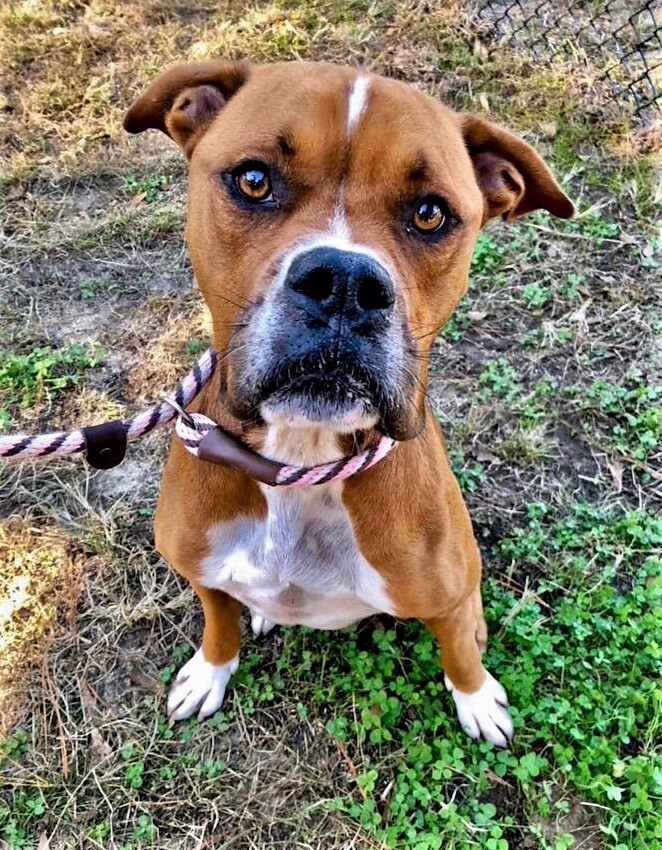
SKYE
Retriever mix, female, 2 years old, tan, 58 pounds – $0 (adoption fee paid for by FOTAS donor)


GIBLET
 Domestic Shorthair, male, 2 months old, gray Tabby, 1.5 pounds – $10
The Animals Just Keep Coming into the County Shelter

“A record number of animals surrendered to the Aiken County Animal Shelter this month.”

We see this headline way too much. The story goes on and on. The shelter staff works tirelessly at warp speed to feed, care for, provide medical attention, and everything else necessary to keep the conveyor belt of overcrowding moving.

The army of FOTAS volunteers show up for duty every day to walk, socialize, and show some love to all of the animals to make certain that their adopters will get the best pet they have ever owned.

Other FOTAS volunteers open up their homes to foster dogs and cats for short terms to acclimate the traumatized animals to a household environment. This generosity of these fosters frees up space so that another dog or cat can be released from the holding section of the shelter and moved into the adoption kennels.

One of the many surrendered dogs at the County Shelter waits for a chance to be adopted.

Still other members of the FOTAS army spend endless hours coordinating the transfer of large numbers of animals to shelter partners hundreds of miles away that actually have a shortage of adoptable pets. This exhausting and expensive program is a necessary evil when the shelter receives over 4,900 animals per year.

The pressure of so many new cats and dogs filling the shelter builds every month like a balloon about to burst. The goal of not having to euthanize an adoptable pet has been met but that goal is challenged every day as the numbers continue to rise.

Why does this cycle never end?

Perhaps the public is getting the wrong message. The new, much-needed shelter that opened in 2014 has been heralded (as it should be) as a larger, healthier, and more practical facility that is better able to care for the animals of Aiken County. That does not mean that you can just surrender your pet and not worry because the shelter will find that animal a home.

Sure, there are legitimate reasons someone would have to surrender their pet to a public shelter, but sadly, the vast majority are surrendered just because the care of the animal is no longer convenient.
Adopting a pet is a life-long responsibility for the person or family who adopts one. That means food, shelter, medical care for the pet for the rest of its life. Pets are living, breathing animals with feelings. They are not clothes that you buy in a store and can return if you don’t like them or they don’t fit.

This has to end. What does it mean to be a more responsible pet owner?

• Your pet should be spay/neutered to help prevent overpopulation. There’s no good reason not to (most owners are not in the breeding business). Fixing your pet not only reduces unwanted litters dumped at the shelter, it also improves its health and reduces behavioral problems.

• Spend time with your pet. Teach it basic obedience skills so it can be a better family member—one who is part of the family and who, in return, will want to please you and love you unconditionally.

Their lives are in our hands.

— By Jennifer Miller, President, FOTAS


By the Numbers
In October, the Aiken County Animal Shelter received 512 strays and surrendered pets!


Pets of the Week

ALVIN: Domestic Shorthair kitten, male, orange Tabby, 2 months old, 2 pounds – $10

SADIE: Mixed breed, female, black with white, 5 years old, 38 pounds – $35


Please, Please, Spay or Neuter Your Pet!

Last month, 512 animals were taken in to the Aiken County Animal Shelter. More than 500 strays and surrendered pets in October!

It never happens this time of year. We can’t explain it. To tell you the truth, it blows our minds and keeps us up at night. But there it is: after a summer of unexpectedly horrible intake numbers (like that day at the end of July when 44 animals were surrendered in four hours!), fall is shaping up to be just as bad.

Snoopy is athletic and handsome. Just one of more than 500 animals that arrived at the Shelter as a stray or surrendered pet.

Most of these animals did nothing wrong. They were victims of owners who brought them into this world and then washed their hands of them, leaving the rest of us to pay for their neglect.

There is only one way to reduce the shockingly high number of homeless and abandoned animals: every pet in Aiken County must be spayed or neutered. It’s good for the animals and good for the community. Here’s why.

Your pet will live longer. Spayed and neutered animals have significantly less health problems than their unfixed counterparts. By the way, it is not true that pets get fat and lazy as a result of spaying and neutering—only a bad diet and lack of exercise will do that.

Spayed and neutered animals are less likely to roam. That means they are less likely to catch diseases from other animals, get lost, fight with other dogs, or get hit by a car (85% of dogs hit by cars are unaltered).

Spaying your female before she is 6 months old means you can avoid the messy, noisy heat cycles that typically occur twice a year. It also means you can avoid the messy, noisy, smelly crowd of male dogs or cats hanging out in your yard while your pet is in heat.

Neutering your dog decreases potentially aggressive behavior to other animals and people. Particularly children, who are by far the most frequent victims of dog bites.

Your cat or dog will be a better pet. Fixing your pet eliminates unpleasant spraying and marking in your yard, on your rug, on your furniture.

Bueller is such a sweet Pibble. He gets along with people, loves kids and likes other dogs. He’s just not a fan of cats.

Fixing your dog will not make him less protective. Dogs are naturally protective by nature, particularly if you love and feed them.

Fixing your pet is cheaper for the community as a whole. Public shelters are funded by taxpayer dollars. If everyone fixes their pets, the number of homeless and abandoned animals at the shelter will be dramatically reduced, as will the amount of public funds needed to care for those animals.

Moreover, the cost to spay or neuter your pet has never been more affordable. Aiken County has a voucher program, supplemented by FOTAS, to provide low-cost spay/neuter services to residents who need financial assistance. The vouchers are distributed at the County Shelter at 333 Wire Road.

Eddie is a 3-month-old orange Tabby who loves to be held.

Make arrangements to spay or neuter your animal today. Convince your neighbors, friends and family to spay and neuter their pets, too.

There are so many loving, deserving animals in the Shelter that need a home. Why bring even more animals into the world to be dumped in the shelter, or worse, on the side of the road?

Their lives are in our hands.


— by Joanna D. Samson, Vice-President, FOTAS

Sweet Rosetta and Polo Deserve Loving Homes of their Own

Rosetta is on a couch, stretched out on her back with her eyes closed as FOTAS Volunteer John Berk simultaneously texts on his phone and rubs her chest. She opens her eyes briefly to gaze up at him, clearly appreciative of the special attention. “You’re a good girl,” Berk says quietly. Rosetta shuts her eyes again and her face breaks into a goofy grin. Seeing the stocky dog’s trademark smile, accentuated by her long tongue hanging to the side, causes Berk to chuckle.

Rosetta is housebroken, gets along with most other dogs and cats, and is a lovable character. She deserves a great forever home.

“I don’t know why she hasn’t been adopted,” he says. “She loves people, especially children, and gets along with most dogs and cats. She walks like a dream on a leash and one of here favorite activities is to go on a car ride.” She’s also housebroken and likes to cuddle with people, sometimes falling asleep in their arms.

Despite all her terrific attributes, Rosetta has been on the adoption floor, waiting for a forever home, longer than any other animal at the Aiken County Animal Shelter (ACAS) .

When she arrived at the shelter as a stray, Rosetta barely had any fur due to a skin infection. She showed other physical signs of neglect – underweight, flea bitten and raw elbows that were likely caused by long stretches of having to lay and sleep on a hard, rough surface like concrete.

But somehow, she’s maintained her upbeat personality and love for life. No matter how many times visitors pass her over to adopt other dogs, the 5-year-old, 48-pound sweetheart never quits walking up to the front of her kennel to greet new people. Sometimes she pushes the left side of her head against the door, inviting them to rub her ears and neck. Her skin infection is cured and her sleek black and brindle coat has completely filled in, so she looks fantastic. Still, no one has adopted her.

With more than 400 strays and surrendered pets arriving at the shelter so far this month, some great dogs are bound to get lost in the crowd – but Rosetta is long overdue to find a home.

Polo was rescued from a life of neglect and needs a good home.

Another dog who has been at the shelter too long and urgently needs a good home is Polo. This friendly, 3-year-old, 50-pound mixed breed was rescued from a brutal life in which he spent most of his time on a short chain with no shelter and little food and water.

Rosetta is a clothes hound who loves kids and belly rubs.

But after working with FOTAS Foster Yvonne Brookes, he is doing wonderfully and quickly learning to be patient and respectful.

He’s already housebroken, walks great on a leash and sits on command. Polo would do best in a home that has a fenced in yard because he’s athletic and loves to run. He’s super sweet but would do best as an only pet.

Both Rosetta and Polo have been sponsored by generous FOTAS donors, so their adoptions are paid for – please consider adding one of these special dogs to your family.

Their lives are in our hands.


— by Bob Gordon, FOTAS Communications Director


Pets of the Week

BOSCO: Domestic shorthair kitten, male, black, 3 months old, 2.5 pounds – $10
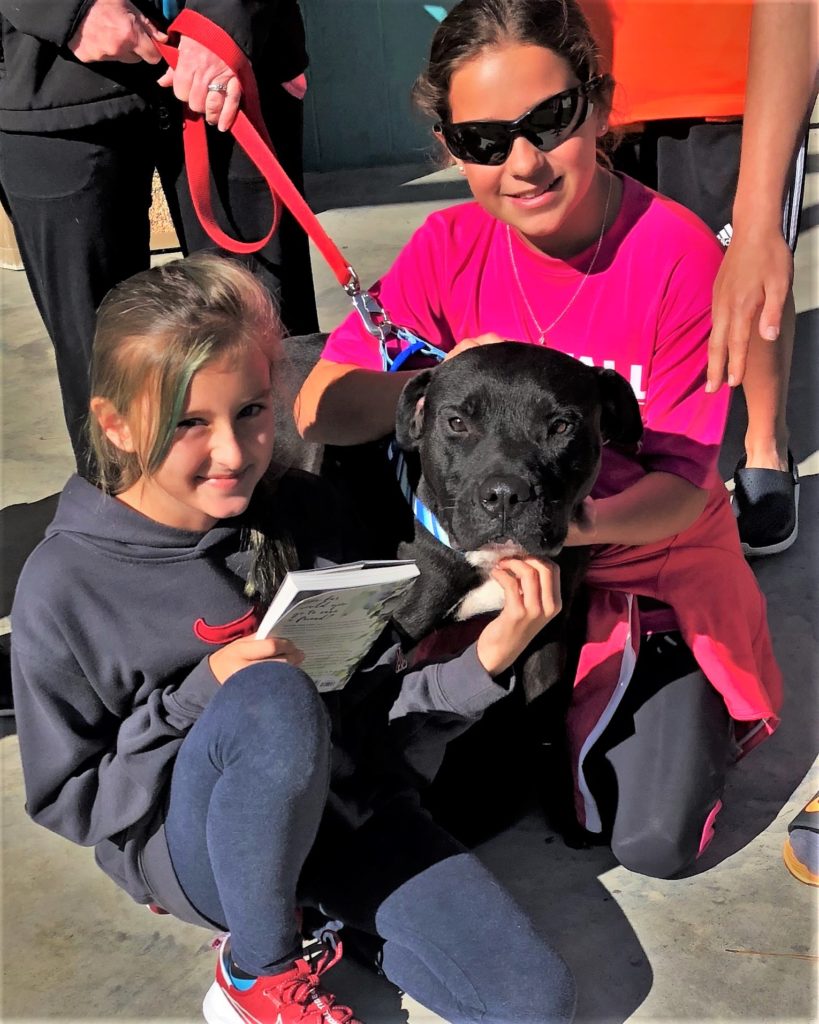

TEDDY: Mixed breed, male, brindle, 4-1/2 years old, 44 pounds – $35