

Category Archives: Adoption

Surrendered Pets Desperately Want to Be Home for Christmas

With more than 1,000 strays and surrendered pets arriving at the shelter over the last two and a half months, there are going to be adoptable animals who get lost in the crowd and take longer to find their forever homes.

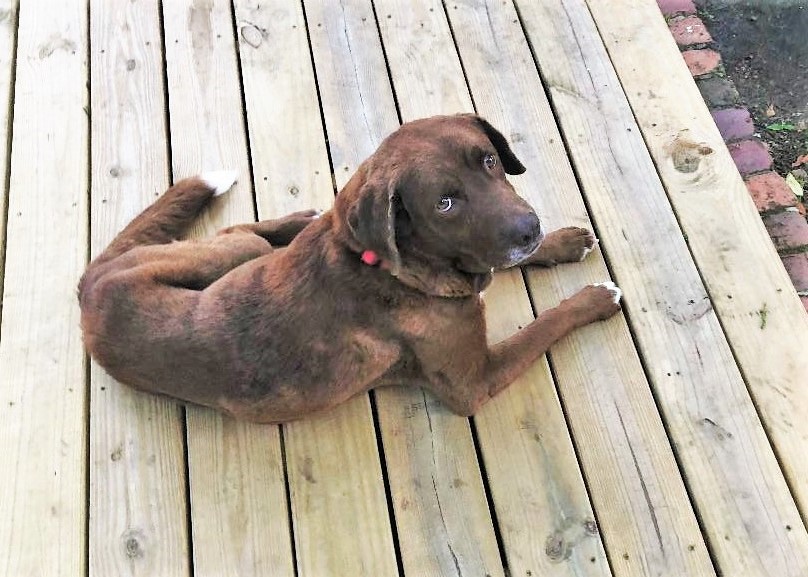
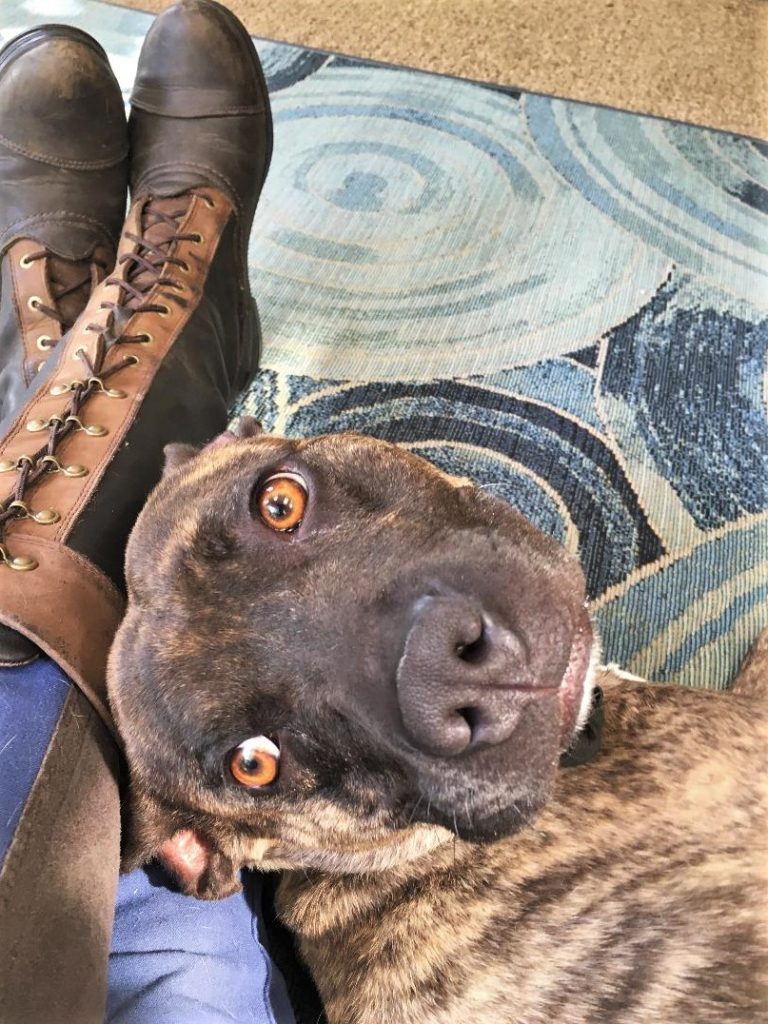
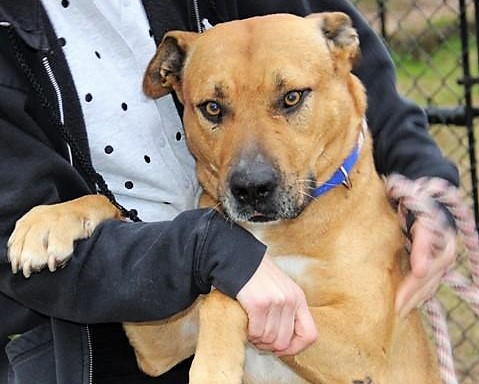
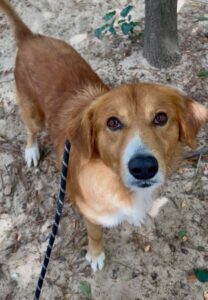
Zeus is an amazing athlete and loves to play fetch.

But here are three hidden gems who will make wonderful companions for you and your family. All of these dogs were surrendered by owners facing dark times. These people gave up their dogs for such reasons as financial loss and personal health issues. One owner had to move into special care housing that prohibits pets.

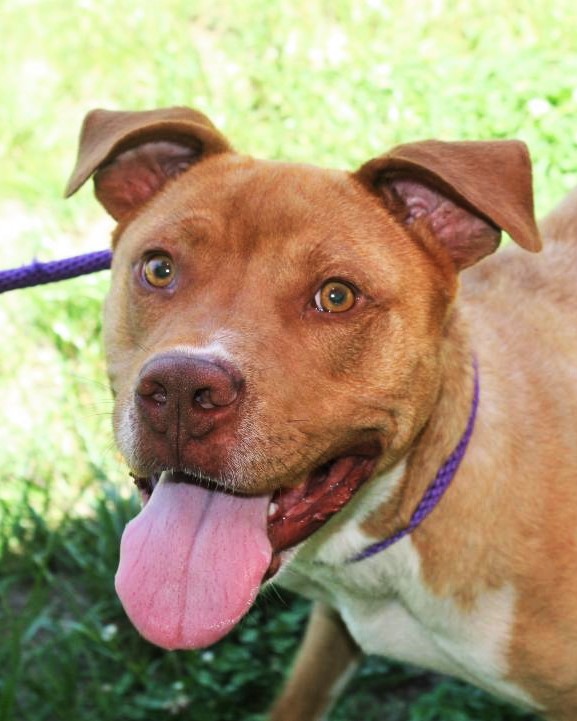
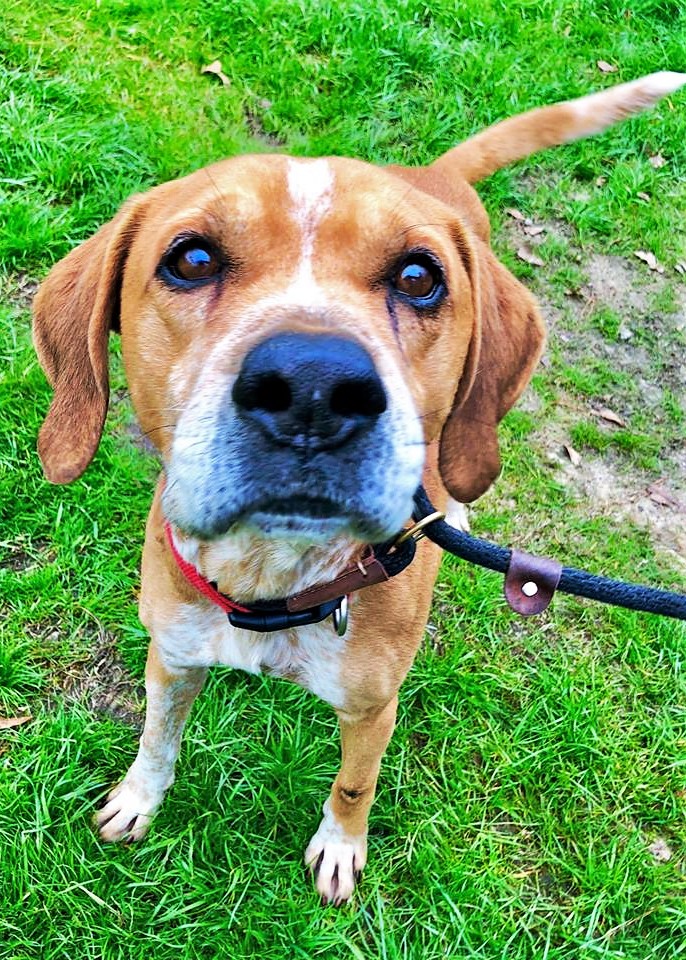
Hoppy has a lot of energy and is very affectionate!

Difficult situations all – but ones these dogs don’t understand. All they know is that they were at home, loved and happy – and then suddenly a car ride turned into a nightmare when they were left in an animal shelter with strangers.

If you’re looking to add a dog to your home, please take a look at these adoptable candidates. They have already proven to be terrific pets. Now, they just want a second chance at a good life with another person or family.

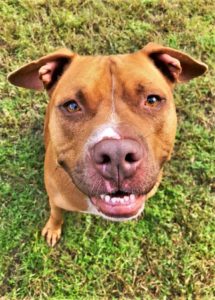
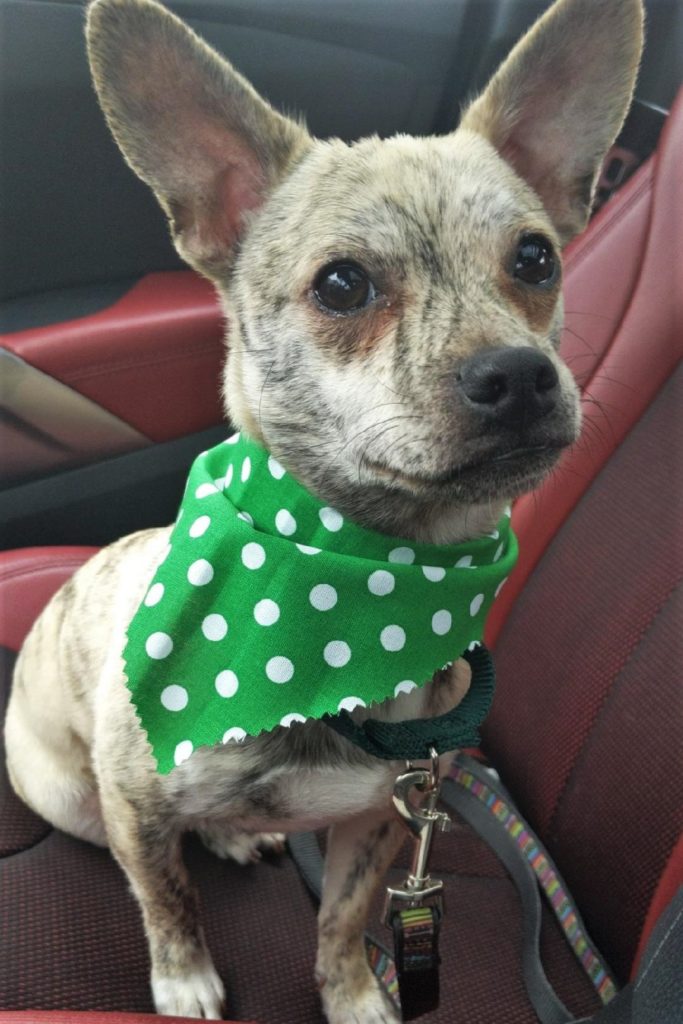
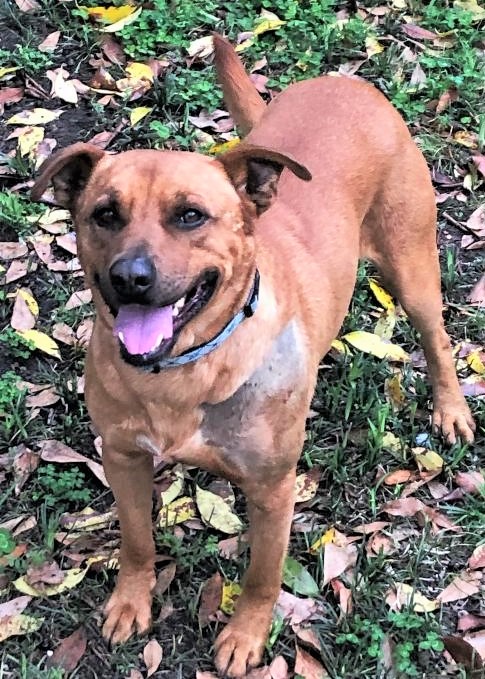
Hoppy: This 5-year-old Boston Terrier mix is happiest when he’s running and playing, but also will sit patiently while you stroke him under his chin and behind his ears. Hoppy tends to jump a lot when he’s on a leash, so he’s not the ideal dog for a family with young children. But he’s a terrific pet for people who are active and want a dog to match their lifestyle. Hoppy is available to an approved home for no charge – his adoption fee has been paid for by FOTAS.

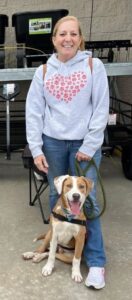
Theia’s adoption fee has been sponsored and paid for by Coldwell Banker Realtor Erika Ramsey.

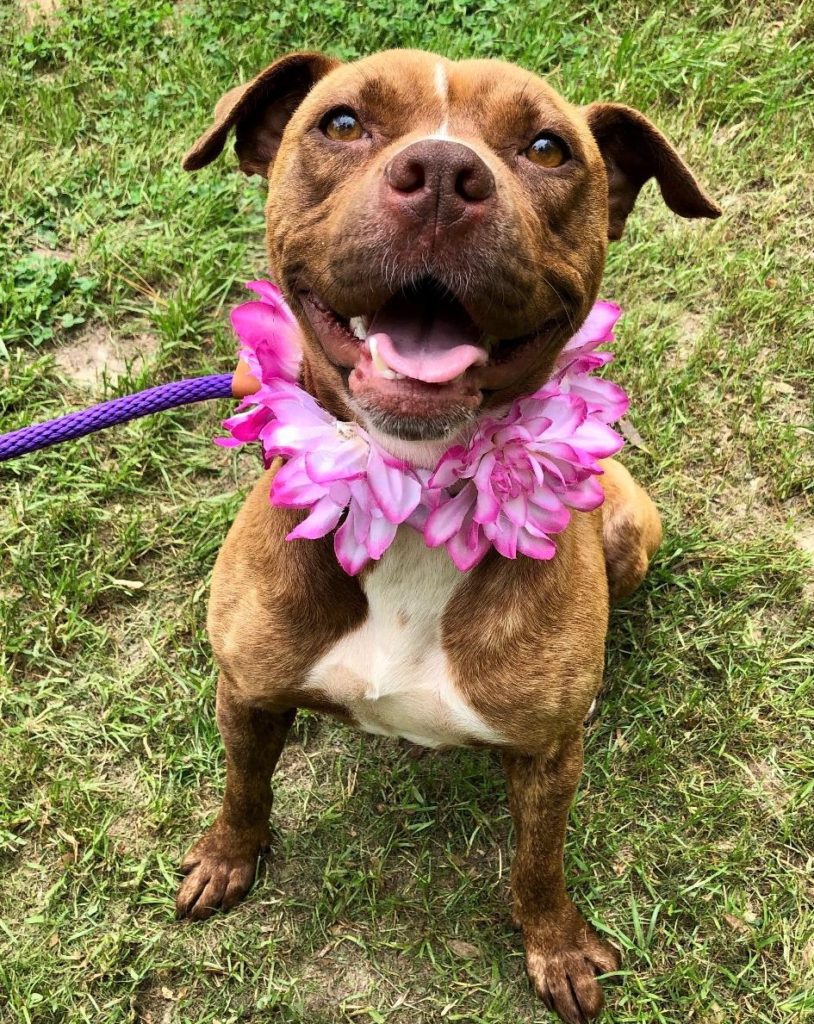
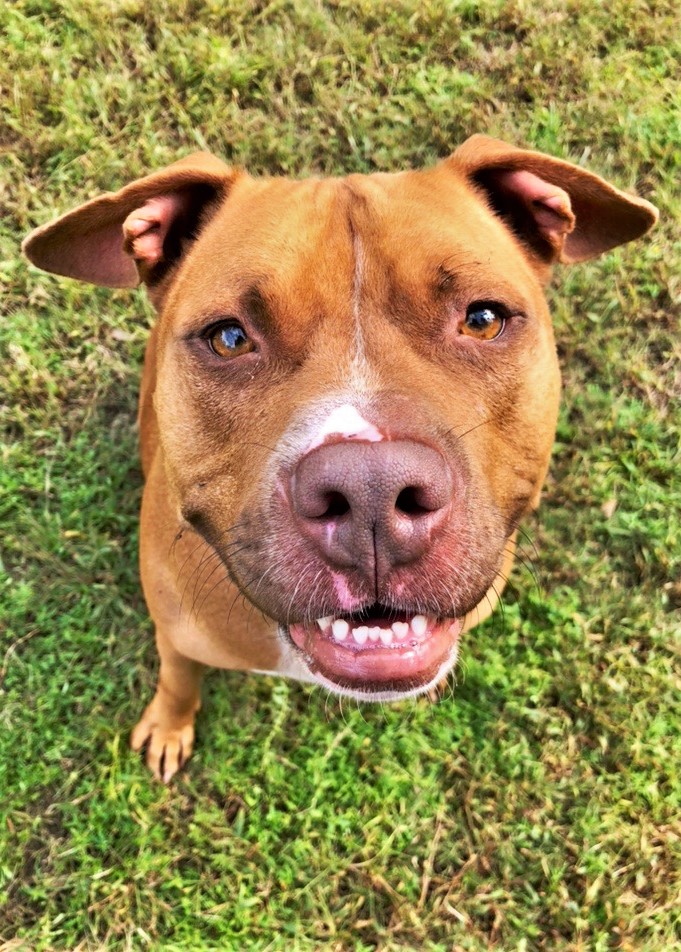
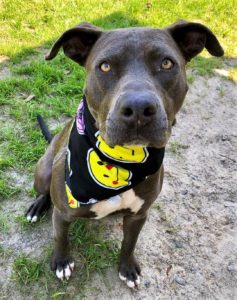
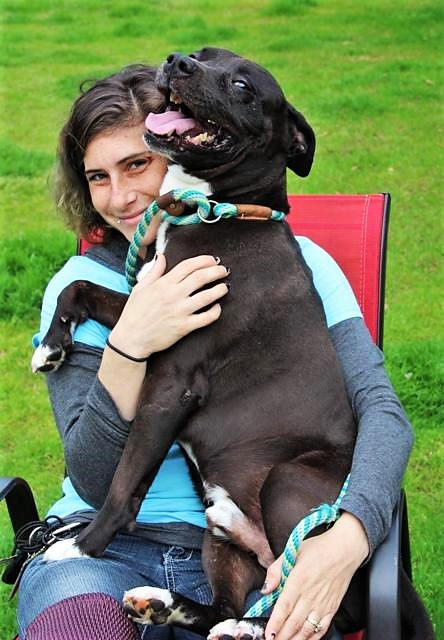
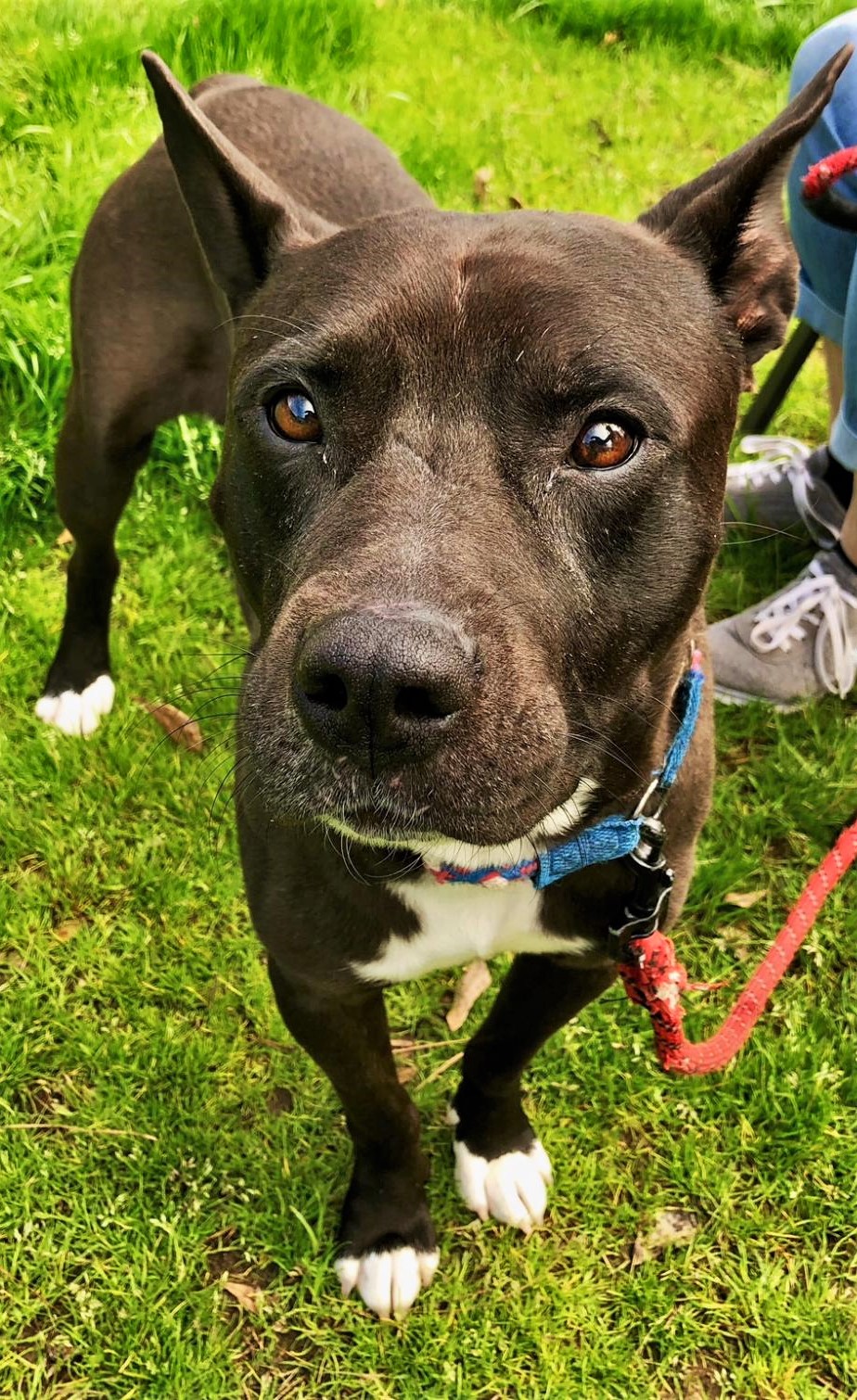
Theia: When you visit Theia, you’re likely to see her with a Nylabone in her mouth. She picks it up and shows it off to anyone who stops by her kennel. This gorgeous Pibble is 2 years old and 57 pounds. She loves people but doesn’t like to share, so she must be the only dog you own. If you can provide her with a loving home, Theia’s adoption fee will be waived. She’s been sponsored by a FOTAS donor.

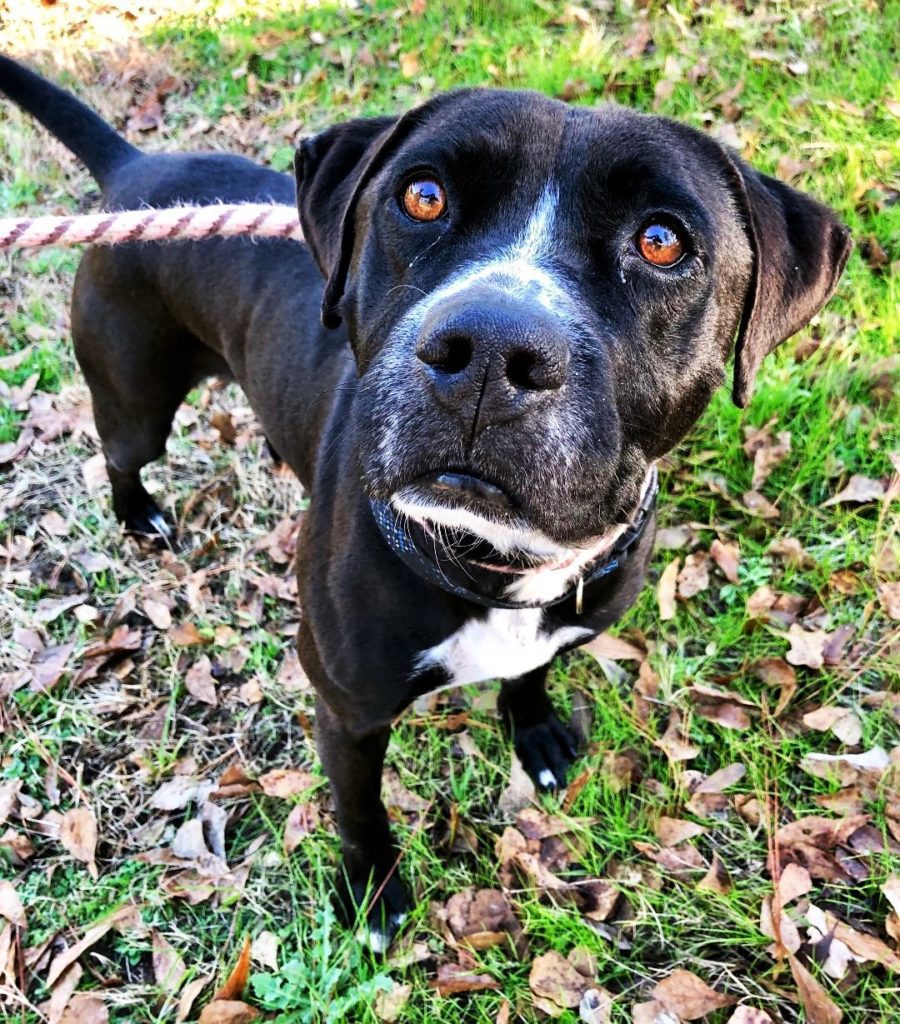
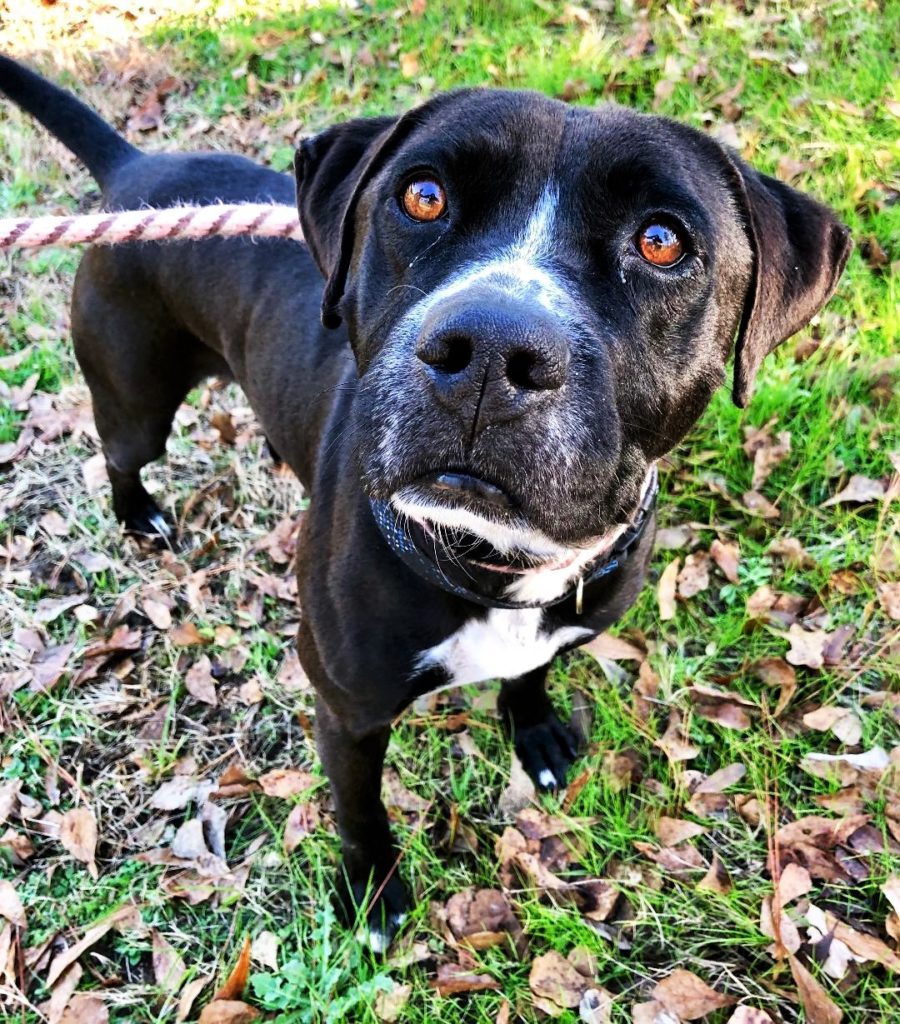
Zeus: Such a regal dog! Zeus is a Rottweiler/Boxer mix with magnetic eyes – one light and one dark. He’s 1-1/2 years old and 83 pounds. One of the most athletic dogs ever to grace the shelter, Zeus needs a home with a fenced-in yard that will allow him to run and play. He’s very smart and will make a great companion for the right home. Zeus is available for $0 – his adoption fee has been paid for by a generous FOTAS sponsor.

Stop by and see these wonderful dogs and the many other animals who need homes. The County Animal Shelter is located at 333 Wire Road in Aiken. You can also call the Shelter at (803) 642-1537 and speak to a staff member or volunteer. They’d be happy to answer any questions and help you find a pet!

Their lives are in our hands.

— By Bob Gordon, FOTAS Communications Director

Reunited by a Microchip — Eight Years Later!

This is a story with a happy ending, one that spans eight years, six states, and a dog named Beanie.

In 2010, the Wilson* family found a hungry and scared shepherd puppy on the side of the road. They took her home, fed her, and cleaned her up. They actively searched for her owners, but no one claimed her. After some time had passed, they named her Beanie, took her to the vet, had her vaccinated and microchipped, and found her a home with a couple who lived up north.

This past October, Kate Wilson, who now lives in Delaware with her family, was contacted by the Aiken County Animal Shelter. Beanie had been picked up as a stray by animal control officers, who found the Wilson’s contact information through their original microchip registration.

A microchip is only the size of a grain of rice but it can be the lifeline to your pet.

The Wilsons were stunned. How could this have happened? Certain that Beanie was just lost and not abandoned, they searched for the family who had adopted her, but the contact numbers from eight years before were disconnected. Then they posted Beanie’s information on “lost pet” sites all over social media, but by the end of the shelter’s mandatory “stray” hold period, no one had claimed her.

In the meantime, the Wilson family couldn’t stop thinking about Beanie. The decision to rehome her eight years before had been a hard one. At the time, they already had family pets as well as another stray puppy they were trying to place, so when they found Beanie what they thought was the perfect home, they reluctantly let her go, but they never forgot about her.

I spoke and texted with Kate often during the week Beanie was held at the shelter. Both Kate and her husband had come to see the hand of God in this unexpected reappearance of Beanie in their life, and they made the decision to bring her home—so long as she was kid-friendly and could get along with their other two dogs. We tested Beanie at the shelter with both children and other dogs and she passed with flying colors—the sweetest dog ever! We arranged for Beanie to catch a ride north with one of our transfers, and Kate met the truck on the side of the road at 3 a.m. to pick her up and take her home.

The reunion was magic. Beanie was happy to see Kate and her husband, and she bonded immediately with the children and the two dogs. She even sleeps with their little pug, who can be prickly with other dogs. “It’s like she’s always been here,” says Kate, “part of the family—like she never left.”

Beanie’s microchip helped her find a forever home and two canine BFFs.

Meant to be? Hand of God? Works for me.

There are so many lessons to be learned from this story, but here’s the most important: microchips are an inexpensive, effective way to keep your pet safe when the worst happens and they get lost—all you have to do is keep your microchip contact information current. Microchips can be inserted quickly and painlessly by your vet or a local clinic.

Beanie was lucky; her microchip got her home. Will your pet be that lucky?

Their lives are in our hands.

*Name changed at the family’s request.

— by Kathy Jacobs, FOTAS Program Director


By the Numbers

Over the last two months (Oct 1 to Dec. 5), the County Animal Shelter has taken in 927 strays and surrendered pets! Please spay/neuter your dogs and cats.


Pets of the Week

JACKS: Shepherd mix, male, 2 years old, white, 80 pounds – $35


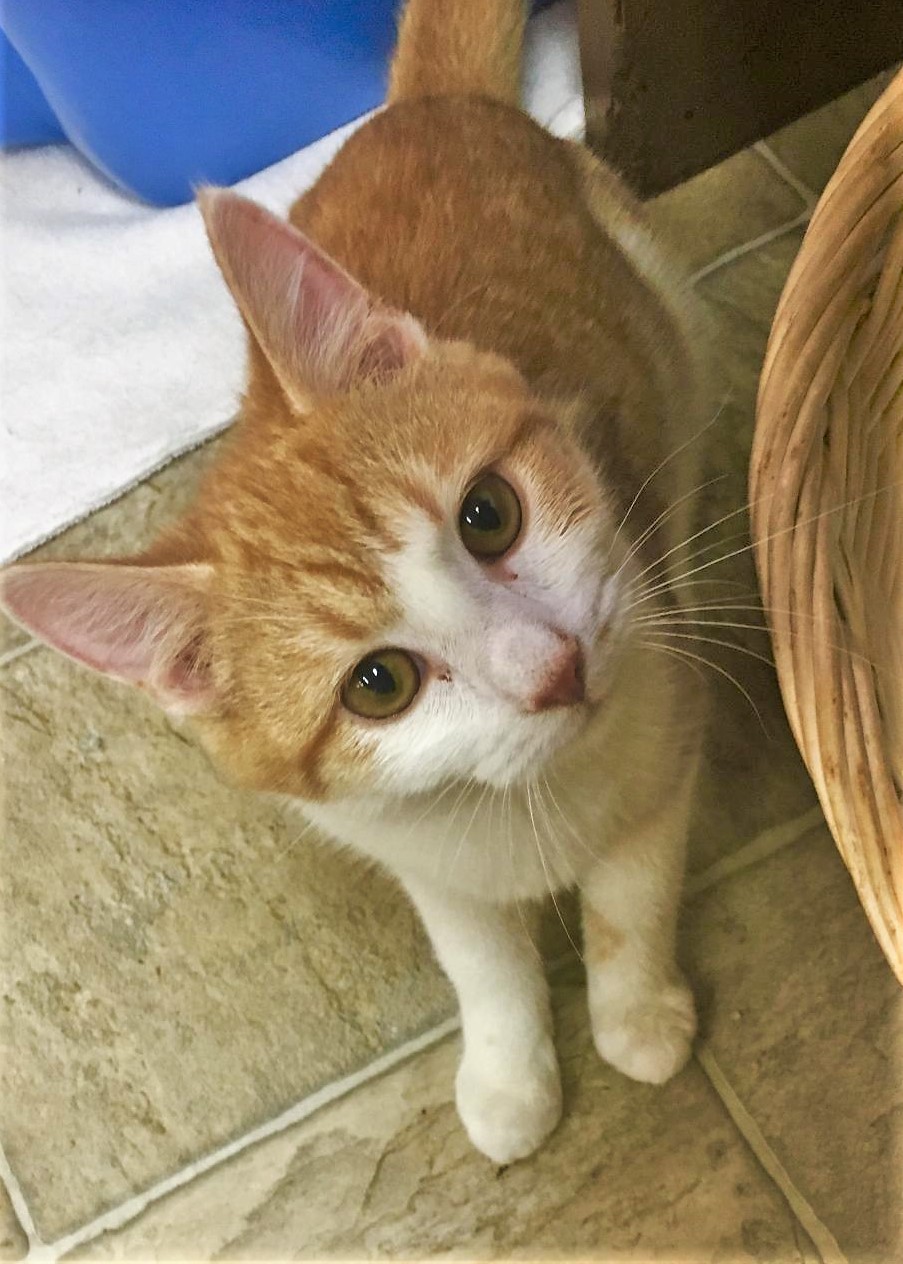
FROST: Domestic Shorthair kitten, male, 2 months old, orange and white Tabby, 1.7 pounds – $10


Doggy Treadmill Works Wonders at the County Shelter

Working out on the treadmill helped TORI build back her confidence.

When someone suggested to FOTAS a few months ago that using a doggy treadmill at the Aiken County Animal Shelter would help our shy, scared dogs and overly-energetic dogs to adapt faster, I was skeptical. But when I spoke with Susi Cohen, an amazing dog trainer who helps us with behavioral issues, she was all for it.

So we thought, why not? If it can help us save more dogs, let’s give it a try.

Susi located (and FOTAS paid for) a canine treadmill and trained seven volunteers how to work with the dogs on the treadmill. Besides being great fun, I was stunned at the results.

For example, Tori, one of our shyest dogs (and the longest resident on the adoption floor) cautiously stepped on the treadmill, lured by a treat. Susi started the equipment slowly. At first, Tori stumbled, then she walked, but she still wouldn’t make eye contact. As we increased the speed, she had to focus, and then she relaxed. Amazing! She was engaged; she was responding to praise, to us. She was becoming … a pet!

HANK, now adopted, was one of the first Shelter dogs to use the doggy treadmill.

Or take Nero, who was admitted to the shelter with a collar embedded in his neck. For two weeks, he sat motionless in his kennel, unresponsive, unable to make eye contact. After a bit, he attached to one of our intake volunteers (she is a dog whisperer—they all fall for her eventually), who was able to coax him out of his shell. Once he took that step, he emerged as a high-energy bull in a china shop—pulled on the leash, distracted by dogs, squirrels, you name it. He was a happy boy, probably for the first time in his short life.

Junior FOTAS students meet and read to NERO during their recent visit to the Animal Shelter.

Could time on the treadmill help big Nero calm down and focus on us? I wasn’t certain. Nero started working on the treadmill on Monday, and I missed his first three sessions. On Thursday morning, I took him for a walk first thing (he’s housebroken—he waits), and Whoa! What a difference!

Nero and I had just started on our walk when Pat, a friend and volunteer, stopped me to chit-chat. As we were talking, Nero sat patiently on my foot. He didn’t pull. He didn’t bark. He just sat, relaxed and behaved. I was floored! I walked him straight into the lobby and announced the amazing transformation in this dog thanks to the treadmill, the volunteers, and lots of praise.

This past Saturday, after our Junior FOTAS group finished reading to the dogs (our Dog Ears Reading Program), I brought Nero out to meet the kids. They all ran to him and hugged him, and he rolled into their arms, gentle and snuggly. I have to confess, I cried.

Nero and Tori still need a forever home (they are such great dogs now!) All of us — FOTAS volunteers and shelter staff—are so grateful for our generous supporters that make it possible to purchase tools, like the treadmill, that help transform a scared, abandoned dog into a pet. We are also grateful for the dedicated volunteers that convince those lost and unloved animals that humans aren’t so bad, so that one day they will be able to return that love to a new family in a forever home.

Their lives are in our hands.

— By Kathy Jacobs, FOTAS Program Coordinator


By the Numbers
From Nov 1 to 15, the Aiken County Shelter received more than 200 stray animals and surrendered pets.


Pets of the Week
SKYE
Retriever mix, female, 2 years old, tan, 58 pounds – $0 (adoption fee paid for by FOTAS donor)


GIBLET
 Domestic Shorthair, male, 2 months old, gray Tabby, 1.5 pounds – $10

The Animals Just Keep Coming into the County Shelter

“A record number of animals surrendered to the Aiken County Animal Shelter this month.”

We see this headline way too much. The story goes on and on. The shelter staff works tirelessly at warp speed to feed, care for, provide medical attention, and everything else necessary to keep the conveyor belt of overcrowding moving.

The army of FOTAS volunteers show up for duty every day to walk, socialize, and show some love to all of the animals to make certain that their adopters will get the best pet they have ever owned.

Other FOTAS volunteers open up their homes to foster dogs and cats for short terms to acclimate the traumatized animals to a household environment. This generosity of these fosters frees up space so that another dog or cat can be released from the holding section of the shelter and moved into the adoption kennels.

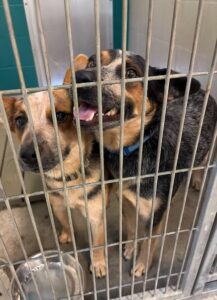
One of the many surrendered dogs at the County Shelter waits for a chance to be adopted.

Still other members of the FOTAS army spend endless hours coordinating the transfer of large numbers of animals to shelter partners hundreds of miles away that actually have a shortage of adoptable pets. This exhausting and expensive program is a necessary evil when the shelter receives over 4,900 animals per year.

The pressure of so many new cats and dogs filling the shelter builds every month like a balloon about to burst. The goal of not having to euthanize an adoptable pet has been met but that goal is challenged every day as the numbers continue to rise.

Why does this cycle never end?

Perhaps the public is getting the wrong message. The new, much-needed shelter that opened in 2014 has been heralded (as it should be) as a larger, healthier, and more practical facility that is better able to care for the animals of Aiken County. That does not mean that you can just surrender your pet and not worry because the shelter will find that animal a home.

Sure, there are legitimate reasons someone would have to surrender their pet to a public shelter, but sadly, the vast majority are surrendered just because the care of the animal is no longer convenient.
Adopting a pet is a life-long responsibility for the person or family who adopts one. That means food, shelter, medical care for the pet for the rest of its life. Pets are living, breathing animals with feelings. They are not clothes that you buy in a store and can return if you don’t like them or they don’t fit.

This has to end. What does it mean to be a more responsible pet owner?

• Your pet should be spay/neutered to help prevent overpopulation. There’s no good reason not to (most owners are not in the breeding business). Fixing your pet not only reduces unwanted litters dumped at the shelter, it also improves its health and reduces behavioral problems.

• Spend time with your pet. Teach it basic obedience skills so it can be a better family member—one who is part of the family and who, in return, will want to please you and love you unconditionally.

Their lives are in our hands.

— By Jennifer Miller, President, FOTAS


By the Numbers
In October, the Aiken County Animal Shelter received 512 strays and surrendered pets!


Pets of the Week

ALVIN: Domestic Shorthair kitten, male, orange Tabby, 2 months old, 2 pounds – $10

SADIE: Mixed breed, female, black with white, 5 years old, 38 pounds – $35


Please, Please, Spay or Neuter Your Pet!

Last month, 512 animals were taken in to the Aiken County Animal Shelter. More than 500 strays and surrendered pets in October!

It never happens this time of year. We can’t explain it. To tell you the truth, it blows our minds and keeps us up at night. But there it is: after a summer of unexpectedly horrible intake numbers (like that day at the end of July when 44 animals were surrendered in four hours!), fall is shaping up to be just as bad.

Snoopy is athletic and handsome. Just one of more than 500 animals that arrived at the Shelter as a stray or surrendered pet.

Most of these animals did nothing wrong. They were victims of owners who brought them into this world and then washed their hands of them, leaving the rest of us to pay for their neglect.

There is only one way to reduce the shockingly high number of homeless and abandoned animals: every pet in Aiken County must be spayed or neutered. It’s good for the animals and good for the community. Here’s why.

Your pet will live longer. Spayed and neutered animals have significantly less health problems than their unfixed counterparts. By the way, it is not true that pets get fat and lazy as a result of spaying and neutering—only a bad diet and lack of exercise will do that.

Spayed and neutered animals are less likely to roam. That means they are less likely to catch diseases from other animals, get lost, fight with other dogs, or get hit by a car (85% of dogs hit by cars are unaltered).

Spaying your female before she is 6 months old means you can avoid the messy, noisy heat cycles that typically occur twice a year. It also means you can avoid the messy, noisy, smelly crowd of male dogs or cats hanging out in your yard while your pet is in heat.

Neutering your dog decreases potentially aggressive behavior to other animals and people. Particularly children, who are by far the most frequent victims of dog bites.

Your cat or dog will be a better pet. Fixing your pet eliminates unpleasant spraying and marking in your yard, on your rug, on your furniture.

Bueller is such a sweet Pibble. He gets along with people, loves kids and likes other dogs. He’s just not a fan of cats.

Fixing your dog will not make him less protective. Dogs are naturally protective by nature, particularly if you love and feed them.

Fixing your pet is cheaper for the community as a whole. Public shelters are funded by taxpayer dollars. If everyone fixes their pets, the number of homeless and abandoned animals at the shelter will be dramatically reduced, as will the amount of public funds needed to care for those animals.

Moreover, the cost to spay or neuter your pet has never been more affordable. Aiken County has a voucher program, supplemented by FOTAS, to provide low-cost spay/neuter services to residents who need financial assistance. The vouchers are distributed at the County Shelter at 333 Wire Road.

Eddie is a 3-month-old orange Tabby who loves to be held.

Make arrangements to spay or neuter your animal today. Convince your neighbors, friends and family to spay and neuter their pets, too.

There are so many loving, deserving animals in the Shelter that need a home. Why bring even more animals into the world to be dumped in the shelter, or worse, on the side of the road?

Their lives are in our hands.


— by Joanna D. Samson, Vice-President, FOTAS

Sweet Rosetta and Polo Deserve Loving Homes of their Own

Rosetta is on a couch, stretched out on her back with her eyes closed as FOTAS Volunteer John Berk simultaneously texts on his phone and rubs her chest. She opens her eyes briefly to gaze up at him, clearly appreciative of the special attention. “You’re a good girl,” Berk says quietly. Rosetta shuts her eyes again and her face breaks into a goofy grin. Seeing the stocky dog’s trademark smile, accentuated by her long tongue hanging to the side, causes Berk to chuckle.

Rosetta is housebroken, gets along with most other dogs and cats, and is a lovable character. She deserves a great forever home.

“I don’t know why she hasn’t been adopted,” he says. “She loves people, especially children, and gets along with most dogs and cats. She walks like a dream on a leash and one of here favorite activities is to go on a car ride.” She’s also housebroken and likes to cuddle with people, sometimes falling asleep in their arms.

Despite all her terrific attributes, Rosetta has been on the adoption floor, waiting for a forever home, longer than any other animal at the Aiken County Animal Shelter (ACAS) .

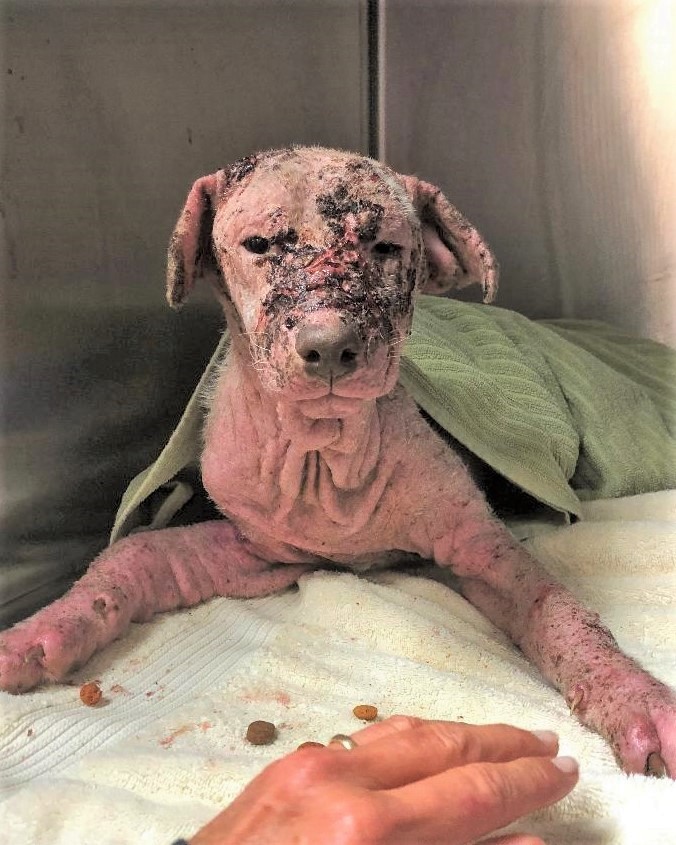
When she arrived at the shelter as a stray, Rosetta barely had any fur due to a skin infection. She showed other physical signs of neglect – underweight, flea bitten and raw elbows that were likely caused by long stretches of having to lay and sleep on a hard, rough surface like concrete.

But somehow, she’s maintained her upbeat personality and love for life. No matter how many times visitors pass her over to adopt other dogs, the 5-year-old, 48-pound sweetheart never quits walking up to the front of her kennel to greet new people. Sometimes she pushes the left side of her head against the door, inviting them to rub her ears and neck. Her skin infection is cured and her sleek black and brindle coat has completely filled in, so she looks fantastic. Still, no one has adopted her.

With more than 400 strays and surrendered pets arriving at the shelter so far this month, some great dogs are bound to get lost in the crowd – but Rosetta is long overdue to find a home.

Polo was rescued from a life of neglect and needs a good home.

Another dog who has been at the shelter too long and urgently needs a good home is Polo. This friendly, 3-year-old, 50-pound mixed breed was rescued from a brutal life in which he spent most of his time on a short chain with no shelter and little food and water.

Rosetta is a clothes hound who loves kids and belly rubs.

But after working with FOTAS Foster Yvonne Brookes, he is doing wonderfully and quickly learning to be patient and respectful.

He’s already housebroken, walks great on a leash and sits on command. Polo would do best in a home that has a fenced in yard because he’s athletic and loves to run. He’s super sweet but would do best as an only pet.

Both Rosetta and Polo have been sponsored by generous FOTAS donors, so their adoptions are paid for – please consider adding one of these special dogs to your family.

Their lives are in our hands.


— by Bob Gordon, FOTAS Communications Director


Pets of the Week

BOSCO: Domestic shorthair kitten, male, black, 3 months old, 2.5 pounds – $10


TEDDY: Mixed breed, male, brindle, 4-1/2 years old, 44 pounds – $35


Abandoned Shelter Dog Now Comforts People in Need

Beth and Gary Bode adopted Buck, a two-year-old Retriever mix, from the Aiken County Animal Shelter (ACAS) nine months ago on Halloween. They had lost both of their chocolate Labs to age-related maladies in 2015 and weren’t sure they were ready to go through the pain of loss again.

But there was something special about Buck.

Beth Bode proudly displays Buck’s American Kennel Club Canine Good Citizen ribbon.

When he was picked up as a stray and brought to the shelter, Beth was volunteering for FOTAS as a dog walker. She had already mentioned to the shelter staff and FOTAS team that she was thinking about adopting a pet who could be certified as a therapy dog to visit schools, hospitals, senior living centers and other institutions. Despite his initial shyness and difficult past, Buck had an especially gentle demeanor, so FOTAS Programs Director Kathy Jacobs introduced him to the Bodes.

“We took him for a ‘Doggie Day Out’ and knew within the first hour that he was meant to be ours!” Beth said. Buck hopped up on their bed and cuddled with the couple during his first night as their adopted dog, but it took months for him to fully trust that he had a home for life. The Bodes took advantage of the free training session included with every ACAS adoption and said it helped them understand how to help Buck adjust to his new home.

Once Buck started feeling more confident, Beth researched how to get him certified as a therapy dog through the Alliance of Therapy Dogs (ATD), a group active in the Aiken/Augusta area. She enrolled Buck in a six-week course and he passed the American Kennel Club’s Canine Good Citizen test. She also completed the required police background check on the therapy dogs website and filled-out the application paperwork. Then, she took Buck to take the Alliance of Therapy Dogs test, and he passed that too!  After three supervised therapy visits, Beth mailed the completed paperwork and certification fees to ATD and soon received a welcome packet containing Buck’s official ATC certificate, member handbook, ID card, and dog tag.

Now, Buck goes on frequent therapy visits with the Aiken/August ATD group or the Aiken group, “Love on Leashes”. He is learning from the other therapy dogs and enjoying his interactions with strangers in need.

Buck with his Therapy Dog certificate and identification tag.

“We had a wonderful visit last week at HarborChase (an assisted living and memory care center in Aiken), where he comforted a man who had to put his dog to sleep the previous day,” Beth said. “He made an immediate connection, climbed next to him and put his head in the man’s lap. It was amazing!” Incredibly, the man’s deceased dog was also named “Buck”.

Buck has come a long way from the scared, wary stray that arrived at the County Shelter nine months ago. Now he’s a happy and confident canine who contributes to society.

“We feel very blessed to have Buck in our lives,” Beth said. “We thank FOTAS and the Aiken Animal Shelter for all they do to save and rehome the many wonderful animals that end-up in their care.”

Their lives are in our hands

 – By Bob Gordon, FOTAS Communications Director

By the Numbers

From Aug. 1 to 22, the ACAS received 385 strays and surrendered pets. During last weekend’s Clear the Shelters event, 75 animals were adopted.


Pets of the Week

CARTER
Shepherd mix, male, 2 years old, 61 pounds

LANDRY
Domestic medium-hair kitten, male, 5 months old, 6 pounds

Feline FIV is a Virus, Not a Death Sentence

Each day as I finish my rounds at the shelter, I leave a list of things to be done for our team of veterinary assistants (three of the hardest workers on the planet!) that includes testing our newest cat residents for Feline Leukemia (FeLV) and Feline Immunodeficiency Virus (FIV).  When I come in the next morning, my heart would sink if they told me that anyone tested positive for either disease.  This had always meant euthanasia since these cats were considered unadoptable.  But over the last several years, that opinion has changed.

Becky was the first FIV positive kitten adopted under the Shelter’s new FIV adoption program.

FIV infection is transmitted primarily by bite wounds.  It is not transmitted sexually or through casual contact.  Infected cats may live a completely normal and long life. Or they may at some point succumb to the virus, which attacks the immune system and allows the cat to become vulnerable to other infections such as respiratory, mouth, bladder, skin, and eye infections.  Once the cat develops recurring infections, the disease is inevitably fatal. What allows some cats to live with the virus and develop no symptoms and some cats to become ill is unknown and therefore unpredictable.

Kittens may test positive if born to an FIV positive mother but that is most likely due to transfer of antibodies and most of these kittens will test negative within six months.  True FIV infections in kittens are possible but not common.  Because of this, the Aiken County Animal Shelter has decided to adopt out FIV positive kittens.  We will retest these kittens in six months at no charge.  The adopter must understand that we can in no way guarantee these kittens will test negative, although statistics show that most kittens will become negative.

In the case of adult cats, things are a little trickier.  We have no way to predict the outcome for these cats.  We recently adopted out our first two FIV positive cats, Rowan and Martin.  They were adopted by someone who already has an FIV positive cat, so they posed no threat to spread the virus – an ideal placement.  Any home with no other cats would also be a great option.

Adoptable FIV positive kittens are now available at the County Shelter for just $10 each, including (left to right): Becky, Analeese and Tillie.

We are often asked if this infection is contagious to people or dogs, and the simple answer is no.  But if any member of the family is immunocompromised or on immunosuppressant drugs, to be safe we don’t recommend exposure to these cats.

All FIV positive cats should be kept indoors to prevent the cat from being exposed to other diseases.  They should also be kept inside to prevent the possibility of exposing other neighborhood cats to the infection through “cat fights” as we know cats are fiercely territorial.

I know that we are asking a lot of someone to adopt a cat that may have a shorter than normal life span.  But the way I look at it is that God made the majority of “pet species” with shorter life spans than ours.  So, we will inevitably experience the heartbreak when we lose them after 10-15 years.  These cats develop FIV through no fault of their own, but just by acting in the true nature of a cat.  Does this mean they shouldn’t experience a loving home for the time they do have on this earth? 

We always end this column with the words, “Their lives are in our hands,” and never has this been more true.  If you are selfless enough to consider adopting one of these cats, please let us know so we can contact you the next time we see that dreaded positive result on a test.

— By Dr. Lisa Levy, Aiken County Animal Shelter Veterinarian

Tips for Choosing the Purr-fect Shelter Feline

Adding a cat to your home can be one of life’s most rewarding experiences. They are terrific companions and easier to care for than dogs. Plus, most felines are great cuddlers, playmates and entertainers (there’s a reason cat videos dominate the Internet). Studies have even shown their purrs can improve your health and lower your risk of a heart attack.

Volunteer Hannah brushes Lydia after the young cat jumps in her lap.

If you come to the Aiken County Animal Shelter, you can adopt a cat or kitten for just $10 – this fee includes their vaccinations, spay/neuter surgery and microchip. So, are you ready to adopt a cat or kitten? If so, here are some tips for choosing the best feline for your home:

Select the right cat for your lifestyle. Are you looking for a lap cat? Or is a playful, high-energy cat more your style? What about fur length? Longhair or shorthair? Do you like a chatty cat or one that’s quiet and shy? These are some of the questions you need to answer when selecting a cat. Talk to a FOTAS volunteer or staff member about the available cats. They are familiar with each cat’s traits and can help you identify the feline that best fits your personality and lifestyle.

Cats vs. kittens. Kittens are cute – that’s why they usually get adopted so quickly. But they also need extra nurturing and demand more of your time. If you do decide to adopt a kitten, consider getting two. Why? Because the little ones usually have loads of energy and need to burn it off. Their need to exercise is easily satisfied if they have a littermate to play with.

Let the cat choose you. Dogs love it when you walk up to them and immediately start petting them, but cats prefer a subtler approach. Let them come to you. Some cats will run up to you right away or

FOTAS Volunteers Jan and Jerry Tankersley come to the ACAS every Tuesday to help socialize cats and kittens.

even put their paws on your shoulders. But most will first assess whether they trust and like you before approaching. To greet a cat, stick your hand out, palm down, about a foot away from his face and let him sniff it. He will usually step forward and “butt” your hand, which is his way of saying, “Hello,” and marking you with his scent. This is the cat’s way of telling you he trusts and likes you — and you can now pet him and rub under his neck. 

Spend time with the cat before making your final decision. Once you find a cat you like, and who likes you, spend some time with him. Ask to take the cat to an adoption room, where you can further study his personality and confirm you have a bond with the kitty.

Keep the cat indoors. If you adopt a cat, please keep him inside. The average lifespan of an indoor cat is 18 to 20 years, while an outdoor cat’s usual lifespan is just 5 years. If you must have your pet outdoors, the Shelter often has barn cats to adopt. These are cats that have lived outside most of their lives and can’t be happy as housecats.

There are so many cats at the shelter looking for homes right now. Please stop by and find “the one” for you.

Their lives are in our hands.

— by Bob Gordon, FOTAS Director of Communications

By the Numbers
In July, the County Animal Shelter received 554 stray animals and surrendered pets.


Pets of the WeekLARISSA: Retriever mix, female, 1-1/2 years old, tan & black, 59 pounds – $35


MISTY: Domestic Shorthair, female, 3 years old, black & tan Tabby, 10 pounds – $10

So Many Abandoned, Neglected Animals

Last Monday, I returned to the Aiken County Animal Shelter after my one-week summer vacation and was stunned and dismayed at the number of animals that had been taken in by the shelter in just seven days. Summers are always a crowded time at the County Shelter, but this was something else altogether. Even more heartbreaking was the condition of these poor animals.

Two surrendered dogs are terrified when they first arrive and are housed in a Shelter kennel.

I am an optimist by heart, but my heart tells me that no animal deserves the kind of abuse or neglect that these animals have suffered. 

I knew that on Friday, two mother dogs, each with large litters of puppies, had been brought in after being abandoned. I hadn’t been at the shelter two hours on Monday before an animal control officer picked up four beautiful Retriever-mix pups found wandering in the street—two of those puppies’ ears had been hacked off before they were dumped on the street. They were shaking and cowering, afraid to be touched at first. But like all puppies, they responded quickly with a little kindness and soft touches.

A scared puppy dumped in a park like trash.

Dogs are so much more forgiving than people, aren’t they? 

Later in the day, a man surrendered five dogs to the shelter and informed the intake receptionist he was bringing in five more the next day! Our intake was full, so the staff had to ‘double up’ the kennels. One of the dogs was so scared, it could not stop vomiting while two younger ones huddled in a corner, shaking and terrified, trying to disappear. We gave them all a toy, a meal and lots of fresh water. Staff and volunteers tried to comfort them, calm them down, but there was only so much they could do before moving on to take care of all the other animals in the shelter.

While we were caring for those animals, three more dogs with four puppies were picked up at a local park where they had been dumped; all were hungry and thirsty and covered with fleas. Then, one of the animal control officers came rushing in with a lovely senior dog with a mangled leg. She had been hit by a car.

As if this day couldn’t get any worse, a brown Shepherd arrived with an injured leg and paws burned and raw from the hot pavement. He was covered with fleas and smelled of his own urine.  I brought him a soft bed, but all he wanted was to be held and comforted.

Shelter dog RYKER gets some love from young volunteers. He arrived with the top of his ears sheared off.

The list goes on and on: the sweet Lab with a broken paw; the big teddy bear-looking dog whose tail had been cut off; the adult dog with horribly chopped-off ears; scores of sick, tiny kittens with runny noses…

Unbelievable, and so unnecessary. These animals are victims of insensitive people who don’t fix or care for their pets and dump the responsibility for their care on the rest of us — the taxpayers.

Why is it important to foster a pet for a week? To donate time or money?  To adopt from the shelter?  Because these animals deserve it. They need you. We need you.

Their lives are in our hands.

– By Kathy Jacobs, FOTAS Programs Director


By the Numbers

July 1 to July 25: The Shelter received 434 strays and surrendered pets.